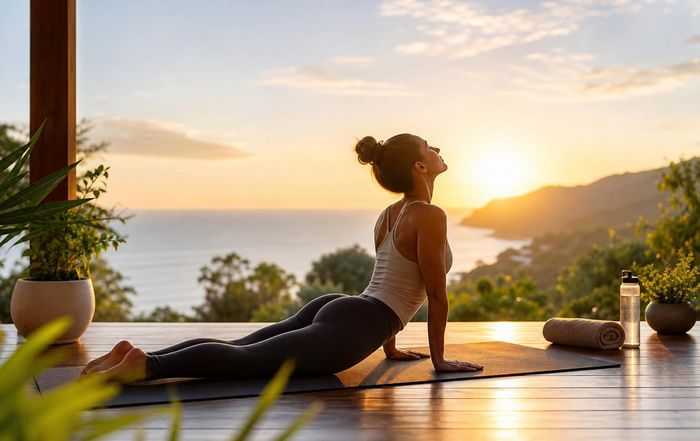
How Fitness and Recovery Are Becoming Lifestyle Essentials

Last updated by Editorial team at qikspa.com on Monday 12 January 2026
Article Image for How Fitness and Recovery Are Becoming Lifestyle Essentials

How Fitness and Recovery Are Becoming Lifestyle Essentials in 2026

The New Definition of a High-Performance Life

By 2026, fitness and recovery have moved far beyond the realm of gym memberships and occasional spa visits; they have become central pillars of a high-performance lifestyle for professionals, entrepreneurs, and globally mobile individuals who understand that sustained success depends on physical vitality, emotional balance, and mental clarity. Across major hubs in the United States, United Kingdom, Germany, Canada, Australia, and throughout Europe, Asia, Africa, and South America, there is a growing recognition that health is not merely the absence of illness but the active cultivation of energy, resilience, and longevity, and this shift is redefining how people plan their days, allocate their budgets, and choose their travel, work, and leisure experiences.

Within this context, QikSpa positions itself as a guide and curator for a global audience that wants more than fragmented wellness tips; readers seek integrated insights that connect spa and salon experiences, fitness routines, nutrition strategies, mental health practices, sustainable living, and career performance into a coherent lifestyle strategy. As wellness becomes both a personal priority and a business imperative, platforms such as QikSpa Wellness increasingly serve as trusted hubs where evidence-based information, expert perspectives, and practical guidance converge.

From Occasional Workout to Embedded Daily Ritual

Over the past decade, data from organizations such as the World Health Organization has consistently underscored the critical role of physical activity in reducing the risk of chronic disease and improving mental health, and by 2026 this knowledge has translated into more people embedding movement into their daily routines rather than treating fitness as an optional extra. Professionals in financial centers like New York, London, Frankfurt, and Singapore now commonly integrate micro-workouts, walking meetings, and active commuting into their schedules, aligning with recommendations from resources such as the WHO physical activity guidelines that emphasize cumulative movement throughout the day.

This evolution is not only about exercise volume but also about personalization and precision; with the proliferation of wearables, connected equipment, and AI-driven coaching from companies such as Apple, Garmin, and WHOOP, individuals can monitor heart rate variability, sleep quality, and training load in real time, allowing them to adjust intensity based on data rather than guesswork. As a result, the concept of "listening to the body" has been augmented by measurable insights, helping users in markets like Japan, South Korea, Sweden, and Canada to avoid overtraining and to align their efforts with long-term health rather than short-term aesthetics alone. For readers seeking to integrate these trends into a holistic lifestyle, resources such as QikSpa Fitness provide a bridge between technology, training, and everyday living.

Recovery as a Strategic Investment, Not a Luxury

While fitness has long been recognized as beneficial, recovery has historically been misunderstood or undervalued, often reduced to occasional rest days or sporadic massages; in 2026, however, recovery is increasingly treated as a strategic investment that underpins performance in work, sport, and daily life. Research from institutions like Harvard Medical School and the National Institutes of Health has highlighted how quality sleep, stress management, and deliberate recovery modalities can improve cognitive function, decision-making, and emotional regulation, and professionals are beginning to incorporate these insights into their routines. Those who wish to go deeper can explore resources such as the Harvard Health sleep and health overview.

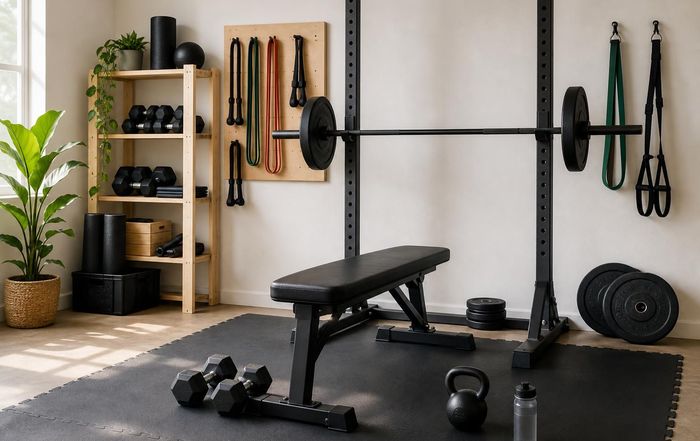
In urban centers from Los Angeles to Berlin and Singapore, dedicated recovery studios now offer infrared saunas, cryotherapy, compression therapy, float tanks, and guided breathwork sessions, while high-end spas and wellness resorts integrate evidence-based protocols designed to enhance parasympathetic activation and reduce systemic inflammation. At the same time, at-home recovery has become more sophisticated, with foam rollers, massage guns, red light therapy devices, and sleep optimization tools widely available to consumers. The growing interest in recovery is also reshaping the spa and salon sector, as businesses position themselves not just as places of indulgence but as essential partners in physical and mental regeneration, a trend reflected in curated content on QikSpa Spa and Salon that connects treatments to measurable wellbeing outcomes.

The Fusion of Spa Culture and High-Performance Wellness

Spa culture, once associated primarily with relaxation and beauty, has undergone a profound transformation as it converges with high-performance wellness and functional health. In destinations such as Switzerland, Italy, Thailand, and New Zealand, leading wellness resorts and medical spas combine traditional hydrotherapy, massage, and skincare with diagnostics, biomarker testing, and personalized coaching, creating experiences that feel as much like a health strategy session as a retreat. Those interested in how this trend aligns with global tourism patterns can review data from organizations such as the Global Wellness Institute.

For a discerning audience that values both aesthetics and longevity, this convergence means that spa visits are increasingly framed as part of an integrated plan that includes nutrition, movement, sleep, and stress management, rather than isolated indulgences. Platforms like QikSpa Beauty are responding by highlighting treatments and products that support skin health, hormonal balance, and nervous system regulation, emphasizing the connection between outer appearance and internal wellbeing. In major markets such as the United States, United Kingdom, France, and Spain, spa and salon operators are also partnering with fitness trainers, nutritionists, and mental health professionals to offer combined programs that address the full spectrum of wellness needs, reflecting a broader shift toward multidisciplinary care.

Lifestyle Integration: From Gym Hours to 24/7 Wellbeing

The most significant change in 2026 is not simply the popularity of fitness classes or recovery technologies but the integration of wellbeing principles into every dimension of lifestyle, from how people work and eat to how they travel and socialize. Organizations like the World Economic Forum have been documenting the economic and social implications of health trends, noting that healthier populations are more productive and better able to adapt to technological and demographic shifts; interested readers can explore such perspectives through resources like the World Economic Forum's health and healthcare insights.

In practice, this integration means that wellness is influencing housing design, urban planning, and corporate policies. Residential developments in Canada, Australia, Netherlands, and Singapore increasingly feature on-site fitness studios, meditation rooms, co-working spaces with natural light, and access to green areas that encourage walking and outdoor activity. Employers across North America, Europe, and Asia are implementing wellness programs that go beyond token gym subsidies to include flexible work arrangements, mental health support, and structured recovery periods, acknowledging research from organizations such as the American Psychological Association that links wellbeing to productivity and reduced burnout; those who want to explore these links in more depth can visit the APA's work and wellbeing resources. For readers seeking to translate these macro trends into personal routines, QikSpa Lifestyle offers perspectives on designing daily habits that support energy and focus around the clock.

Nutrition, Metabolism, and the Recovery-Fitness Feedback Loop

Fitness and recovery are deeply intertwined with food and nutrition, as the body's capacity to adapt to training and to repair itself depends on adequate and appropriately timed intake of macronutrients and micronutrients. In 2026, nutrition is increasingly viewed through the lens of metabolic flexibility and inflammation control, with professionals and health-conscious individuals in regions such as Germany, Scandinavia, Japan, and Brazil paying close attention to protein quality, fiber intake, and the impact of ultra-processed foods on long-term health. Evidence from organizations like the European Food Information Council and the U.S. Department of Agriculture supports a move toward whole foods, balanced macronutrient profiles, and reduced added sugar; those seeking more detail on evidence-based dietary guidance can review the USDA's nutrition resources.

Recovery-focused nutrition strategies, including post-workout protein, omega-3 fatty acids, polyphenol-rich fruits, and hydration with appropriate electrolytes, are now widely discussed not only among athletes but also among knowledge workers who recognize that cognitive performance is closely linked to blood sugar stability and micronutrient status. For a global audience that often juggles travel, time zone changes, and demanding workloads, accessible guidance on practical, culturally adaptable nutrition is essential, and resources such as QikSpa Food and Nutrition are increasingly valued for their ability to translate complex science into actionable, everyday choices.

Mental Health, Burnout, and the Role of Deliberate Recovery

The rise of fitness and recovery as lifestyle essentials cannot be understood without acknowledging the parallel increase in awareness around mental health, burnout, and stress-related conditions, particularly in fast-paced economies like the United States, United Kingdom, China, Singapore, and South Korea. Over the past several years, organizations such as the World Health Organization and OECD have highlighted the economic and social costs of untreated mental health issues, emphasizing the need for integrated approaches that combine clinical care, workplace policy, and individual self-care strategies; readers can deepen their understanding through the OECD's mental health and work portal.

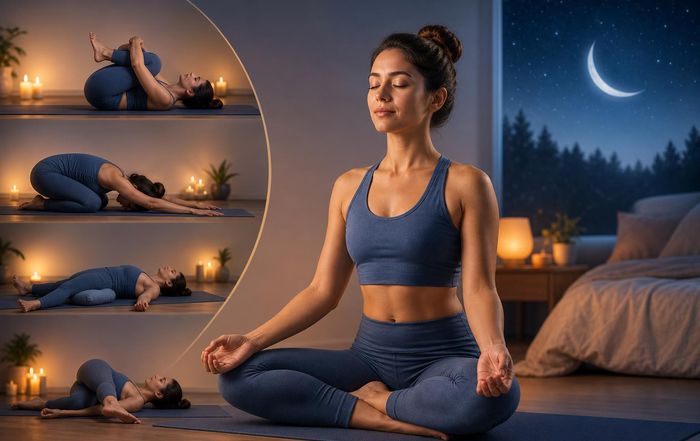
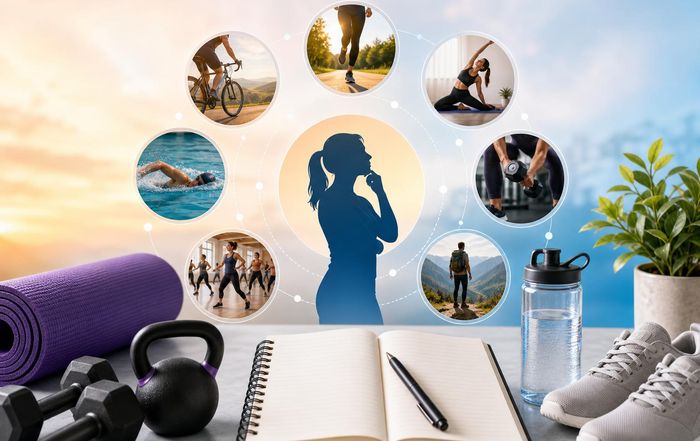
In response, individuals and organizations are increasingly turning to movement and structured recovery as tools for emotional regulation and stress management; practices such as yoga, breathwork, and mindfulness-based exercise are now seen as complementary to therapy and medical support rather than as standalone solutions. For many professionals, a weekly schedule might now include strength training, cardiovascular sessions, and yoga or mobility classes, each serving different aspects of physical and mental health. Platforms like QikSpa Yoga provide insight into how mind-body disciplines can support resilience, creativity, and emotional balance, particularly for readers navigating leadership roles, caregiving responsibilities, or global careers that involve frequent travel and high cognitive demands.

Women's Health, Lifecycle Fitness, and Inclusive Recovery

Another defining feature of the 2026 wellness landscape is the increasing visibility of women's health and the recognition that fitness and recovery needs vary across life stages, hormones, and cultural contexts. In markets such as France, Italy, Spain, South Africa, and Malaysia, there is growing demand for programs that address menstrual health, fertility, pregnancy, postpartum recovery, and perimenopause, acknowledging that traditional training models often failed to account for these variables. Organizations like NHS England, Health Canada, and Centers for Disease Control and Prevention have expanded their public health communications around women's health and physical activity, and those interested in a clinical overview can consult resources such as the CDC's women's health section.

Fitness and recovery are being tailored to these needs through cycle-aware training, pelvic floor rehabilitation, strength programs designed to support bone density, and recovery protocols that consider sleep disruptions, stress, and hormonal shifts. This inclusive approach extends beyond gender to encompass age, body type, ability, and cultural background, recognizing that sustainable wellness must feel accessible and relevant to diverse populations across North America, Europe, Asia, and beyond. For readers seeking nuanced, practical insights into how women can design fitness and recovery routines that respect their physiology and ambitions, QikSpa Women offers a dedicated space where expertise and lived experience intersect.

Sustainable Wellness: Aligning Personal Health with Planetary Health

As climate concerns intensify and consumers become more conscious of their environmental footprint, the intersection of wellness and sustainability has emerged as a critical theme, particularly in environmentally progressive regions such as Scandinavia, Netherlands, Germany, and New Zealand. The wellness industry, including fitness centers, spas, and travel destinations, is being challenged to reduce waste, conserve energy, and prioritize ethical sourcing of products and ingredients, aligning with broader frameworks such as the United Nations Sustainable Development Goals; readers can explore these global priorities through the UN SDG portal.

For individuals, this shift means considering not only the health impact of their choices but also the environmental and social implications, whether that involves selecting eco-certified spa products, choosing active transport over short-haul flights when feasible, or supporting local, seasonal food systems that reduce supply chain emissions. Businesses that serve wellness-focused consumers are increasingly expected to report on their sustainability efforts and to demonstrate transparency in sourcing, packaging, and operations, as reflected in emerging standards and certifications promoted by organizations such as B Lab and Global Reporting Initiative. For readers who want to align their personal wellness with responsible consumption and travel, QikSpa Sustainable offers perspectives on how to integrate environmental consciousness into fitness, recovery, and everyday lifestyle decisions.

Wellness Travel, Global Mobility, and Cross-Cultural Inspiration

Wellness travel has grown into a major segment of the global tourism industry, with travelers from United States, Canada, United Kingdom, China, Japan, and Brazil seeking destinations that combine cultural richness with opportunities for fitness, recovery, and personal transformation. From hiking retreats in Switzerland and Norway to yoga escapes in Thailand and Bali, and from thermal spa circuits in Italy and Spain to surf-and-strength camps in Australia and South Africa, the world has become a laboratory of wellness experiences that blend local traditions with global best practices. The World Tourism Organization (UNWTO) has documented the rise of wellness and nature-based tourism as key growth drivers; those interested in policy and market perspectives can refer to the UNWTO tourism insights.

For globally mobile professionals and remote workers, wellness travel is no longer confined to annual vacations; many now design "workcations" and extended stays that allow them to maintain or even deepen their fitness and recovery practices while exploring new cultures. This has led to the proliferation of co-working and co-living spaces with integrated fitness studios, spa services, and healthy dining options, particularly in hubs across Europe, Southeast Asia, and Latin America. To help readers navigate this evolving landscape and choose destinations that support both exploration and wellbeing, QikSpa Travel curates insights that connect local experiences with global wellness standards.

Fashion, Technology, and the Aesthetics of Active Living

The integration of fitness and recovery into daily life has also reshaped fashion and consumer expectations around apparel, accessories, and personal technology. Brands in United States, Italy, France, and Japan have expanded their athleisure and performance wear lines, designing garments that transition seamlessly from the gym to the office to social settings, reflecting a lifestyle in which movement is always an option rather than a scheduled event. Innovations in fabric technology, including moisture-wicking, temperature-regulating, and compression materials, support both performance and recovery, while minimalist, versatile designs cater to professionals who value both aesthetics and practicality. Those interested in industry-level analysis of these shifts can explore resources such as the Business of Fashion's activewear coverage.

Wearable devices have become both functional tools and style statements, with companies such as Apple, Samsung, and Fitbit integrating advanced health metrics into sleek designs that complement professional attire. This fusion of fashion and technology reinforces the idea that wellbeing is not confined to private spaces but is an integral part of public identity and self-expression. For readers interested in how activewear, beauty, and personal branding intersect in a wellness-driven world, QikSpa Fashion explores the evolving aesthetics of a lifestyle where health, confidence, and style are closely intertwined.

Careers, Business Strategy, and the Economics of Wellbeing

As fitness and recovery become lifestyle essentials, they are also reshaping careers, organizational cultures, and business models across industries and regions. Employers in North America, Europe, and Asia-Pacific increasingly recognize that attracting and retaining top talent requires more than competitive salaries; it demands environments that support physical health, mental resilience, and meaningful work-life integration. Reports from organizations such as McKinsey & Company and Deloitte have highlighted how wellbeing initiatives can reduce turnover, enhance engagement, and improve financial performance; readers can explore these dynamics in more detail through resources such as Deloitte's insights on workplace wellbeing.

At the same time, the growth of the global wellness economy has opened new career paths in fitness training, health coaching, spa management, wellness tourism, corporate wellbeing consulting, and digital health, creating opportunities for professionals across United States, United Kingdom, India, Singapore, Brazil, and beyond. Individuals are increasingly seeking roles that align with their personal values around health and sustainability, while entrepreneurs are building companies that integrate technology, hospitality, and healthcare to meet rising demand. For readers considering how to navigate or pivot into wellness-related careers, QikSpa Careers and QikSpa Business provide insights into skills, trends, and strategic considerations in this rapidly evolving sector.

The Road Ahead: Building a Coherent, Sustainable Wellness Lifestyle

As of 2026, the convergence of fitness, recovery, nutrition, mental health, sustainability, and technology is reshaping how individuals and organizations think about success, longevity, and quality of life across Global, Europe, Asia, Africa, North America, and South America. The challenge for many is no longer access to information but the ability to curate and integrate diverse practices into a coherent, sustainable lifestyle that supports both personal aspirations and professional responsibilities. This requires discerning which trends are grounded in credible science, which products and services genuinely add value, and how to adapt global best practices to local cultures, climates, and constraints.

In this environment, QikSpa aims to serve as a trusted companion for readers who want to move beyond superficial wellness trends and toward deeply informed, personalized strategies that honor their unique circumstances and ambitions. By connecting domains such as Health, Wellness, Fitness, Lifestyle, and International, and by drawing on reputable global sources, expert perspectives, and real-world experiences, the platform supports a vision of wellbeing in which fitness and recovery are not occasional priorities but enduring foundations of a life well lived. For a global audience navigating rapid change and rising expectations, the message is clear: in the years ahead, those who treat their bodies and minds as strategic assets-worthy of consistent care, intelligent training, and deliberate recovery-will be best positioned to thrive in every arena of modern life.

Women’s Leadership in Health and Wellness Businesses

Last updated by Editorial team at qikspa.com on Tuesday 13 January 2026
Article Image for Women’s Leadership in Health and Wellness Businesses

Women's Leadership in Health and Wellness Businesses: Shaping a Global Future

The Rise of Women at the Helm of Health and Wellness

By 2026, women have moved from being primarily consumers of health and wellness services to becoming architects and leaders of a rapidly expanding global industry that spans spa and salon services, integrative health, fitness, sustainable beauty, wellness tourism, and digital health innovation. Across North America, Europe, Asia, Africa, and South America, women are founding companies, steering multinational brands, and redefining what it means to build organizations that are profitable, people-centered, and purpose-driven. For QikSpa, whose community is deeply engaged with spa and salon innovation, wellness, beauty, and business leadership, this shift is more than a demographic trend; it is a structural transformation of how health and wellness businesses are conceived, led, and experienced.

The global wellness economy, as tracked by the Global Wellness Institute, has surpassed five trillion dollars in value, reflecting the convergence of sectors such as personal care, healthy eating, physical activity, mental wellness, workplace well-being, and wellness tourism. As women leaders gain greater visibility in this ecosystem, they are not only scaling companies but also embedding principles of inclusivity, sustainability, and evidence-based practice into business models. This evolution is visible from the United States and Canada to Germany, the United Kingdom, France, Italy, Spain, the Netherlands, Switzerland, the Nordic countries, and across fast-growing markets in China, South Korea, Japan, Thailand, Singapore, Brazil, South Africa, Malaysia, and beyond, where women are increasingly seen as credible authorities, strategic decision-makers, and trusted stewards of consumer well-being.

From Consumers to Founders: A Structural Shift

For decades, women have represented the majority of consumers in spa, beauty, and wellness categories, yet leadership and ownership remained predominantly male. Over the last ten years, that imbalance has started to correct itself as women have leveraged their lived experience, professional expertise, and digital platforms to establish new brands and reshape existing ones. Research from organizations such as McKinsey & Company and Deloitte has highlighted that women-led businesses in consumer sectors often outperform peers in customer satisfaction and brand loyalty, particularly when they design offerings around authenticity, transparency, and holistic health. Learn more about how diversity in leadership correlates with performance on the McKinsey insights hub.

In the health and wellness space, many female founders began their journey by addressing gaps they personally encountered: inaccessible mental health care, lack of inclusive spa experiences, limited representation in beauty, or the absence of integrative advice on food and nutrition and lifestyle medicine. This personal connection has translated into brands that resonate with women across life stages and geographies, from urban professionals in New York, London, Berlin, and Toronto to wellness-conscious consumers in Sydney, Singapore, Tokyo, and Cape Town. As more women transform from clients to creators, they bring with them a deep understanding of user experience, which becomes a competitive advantage in a market where trust, empathy, and personalization are increasingly critical.

Defining a Distinctive Leadership Style

Women's leadership in health and wellness businesses is not monolithic, yet certain patterns have emerged that distinguish many women-led organizations. Studies from the Harvard Business Review have pointed to stronger tendencies among women leaders toward collaborative decision-making, long-term thinking, and stakeholder engagement, traits that align closely with the demands of wellness enterprises built on enduring client relationships rather than transactional encounters. Explore analysis on gender and leadership styles via the Harvard Business Review leadership section.

In practice, this often manifests as leaders who prioritize integrated care, cross-disciplinary teams, and open communication among therapists, nutritionists, physicians, fitness professionals, and mental health specialists. For QikSpa readers interested in lifestyle and health, such leadership styles help ensure that businesses do not treat wellness as a series of disconnected services but rather as a coherent experience that addresses physical, emotional, social, and environmental dimensions. Women executives frequently champion flexible work arrangements, robust training, and mental health support for staff, recognizing that employee well-being is inseparable from client outcomes and brand reputation.

Building Trust through Expertise and Evidence

Trust is the currency of the health and wellness sector, and women leaders have increasingly distinguished themselves by anchoring their brands in credible expertise and rigorous standards. Many founders and executives bring backgrounds in medicine, psychology, nutrition, physiotherapy, or public health, and they translate this training into offerings that move beyond superficial promises. Organizations such as the World Health Organization (WHO) and the National Institutes of Health (NIH) have emphasized the importance of evidence-based interventions in preventive health and lifestyle medicine, and women leaders are aligning their products and services with these principles. Readers can explore global health guidance on the WHO website and scientific updates through the NIH health information portal.

In the spa and beauty domains, this emphasis on expertise has led to closer collaboration between dermatologists, cosmetic chemists, and wellness practitioners, resulting in treatments and products that are safer, more transparent, and better suited to diverse skin types and cultural contexts. In fitness and yoga, women founders have been at the forefront of integrating sports science and biomechanics into program design, while also advocating for body-neutral and inclusive environments that support long-term adherence rather than short-term extremes. For individuals exploring yoga and mindful movement or fitness-focused lifestyles, this blend of scientific rigor and compassionate practice is reshaping expectations of what "results" should look like, emphasizing functional health, resilience, and mental clarity.

The Spa and Salon Sector: From Indulgence to Integrated Care

Spa and salon businesses have historically been associated with luxury and appearance, but under women's leadership they are increasingly repositioned as gateways to comprehensive well-being. Across major markets in the United States, United Kingdom, Germany, France, Italy, Spain, the Netherlands, Switzerland, and the Nordic countries, female founders and managers are transforming spas into multidisciplinary environments that combine aesthetic treatments, stress management, nutrition guidance, and movement therapies. This evolution aligns closely with the vision of QikSpa, which curates insights at the intersection of spa and salon experiences, beauty innovation, and holistic wellness.

Industry research from the International Spa Association (ISPA) shows that clients are increasingly seeking outcomes related to sleep quality, stress reduction, chronic pain management, and emotional balance, rather than purely cosmetic results. Learn more about evolving spa consumer expectations on the ISPA research pages. Women leaders have responded by integrating modalities such as mindfulness-based stress reduction, therapeutic massage, hydrotherapy, sound therapy, and personalized skincare into carefully designed journeys, supported by digital follow-up through apps, teleconsultations, and online education. This approach positions spas and salons as long-term partners in health rather than occasional indulgences, expanding their relevance to a broader demographic that includes men, older adults, and individuals managing chronic conditions.

Wellness, Lifestyle, and the Business of Everyday Habits

As the boundaries between health, lifestyle, and work continue to blur, women leaders have become influential voices in shaping the daily habits of millions of people worldwide. Through wellness platforms, coaching businesses, digital communities, and content hubs like QikSpa, they provide guidance on sleep hygiene, stress management, nutrition, physical activity, and digital balance, drawing on insights from behavioral science and public health. Resources from the Mayo Clinic and Cleveland Clinic on preventive care and lifestyle medicine have become reference points for many of these leaders, who adapt and translate complex medical information into accessible advice. Readers can explore practical health strategies on the Mayo Clinic healthy living pages and the Cleveland Clinic wellness resources.

For consumers in global cities, wellness is no longer confined to gym memberships or occasional retreats; it is embedded in food choices, commute routines, workplace cultures, and social interactions. Women entrepreneurs are building brands that integrate food and nutrition, lifestyle design, and mental health support into cohesive ecosystems, offering everything from meal planning and tele-nutrition to guided meditations and micro-coaching. This integrated approach not only supports individual health but also creates diversified revenue streams, making wellness businesses more resilient to economic fluctuations.

Sustainability and Ethical Leadership in Wellness

Sustainability has moved from a niche concern to a defining expectation in health and wellness, and women leaders are often at the forefront of embedding environmental and social responsibility into business strategy. From eco-certified spas in Scandinavia and Germany to low-waste beauty brands in the United States, Canada, Australia, and the United Kingdom, female founders are rethinking supply chains, packaging, energy use, and community engagement. The United Nations Environment Programme (UNEP) and the Ellen MacArthur Foundation have both highlighted the importance of circular economy principles and responsible consumption in consumer-facing industries, and wellness businesses are increasingly integrating these frameworks. Learn more about sustainable business practices through the UNEP sustainable consumption and production portal and circular design insights from the Ellen MacArthur Foundation.

For QikSpa, which dedicates a section to sustainable living and business, this intersection of wellness and sustainability is particularly relevant. Women leaders are prioritizing ethically sourced ingredients, cruelty-free testing, fair labor practices, and community partnerships that support local economies, especially in regions where wellness tourism intersects with fragile ecosystems and vulnerable communities. In destinations across Europe, Asia, Africa, and South America, wellness resorts and retreats led by women are adopting regenerative tourism principles, ensuring that guests' pursuit of relaxation and transformation contributes positively to local culture, biodiversity, and economic resilience, rather than depleting them.

Global Perspectives: Regional Nuances and Shared Challenges

While the global wellness movement is interconnected, women's leadership in health and wellness businesses reflects distinct regional dynamics. In North America and Western Europe, there is a strong emphasis on digital health, mental wellness, and corporate well-being programs, with women executives increasingly represented in senior roles at major healthcare, fitness, and wellness technology companies. The World Economic Forum has documented how gender diversity in leadership correlates with innovation and resilience in these sectors, offering case studies from the United States, United Kingdom, Germany, France, and the Nordics. Explore these perspectives on the World Economic Forum gender parity pages.

In Asia, particularly in China, South Korea, Japan, Singapore, Thailand, and Malaysia, women leaders are navigating rapid urbanization, aging populations, and a strong appetite for both traditional therapies and cutting-edge digital solutions. They are blending heritage practices such as traditional Chinese medicine, Ayurveda, J-Beauty and K-Beauty philosophies, and Thai massage with evidence-based approaches and global branding strategies. In Africa and South America, including South Africa and Brazil, women are building wellness enterprises that draw on indigenous knowledge, community health models, and social entrepreneurship, often in collaboration with NGOs and public health agencies. For readers of QikSpa's international coverage, these regional narratives illustrate how women adapt global wellness concepts to local realities while addressing issues such as access, affordability, and cultural relevance.

Wellness, Fashion, and Beauty: Redefining Aesthetics and Identity

The convergence of wellness, fashion, and beauty has opened powerful avenues for women leaders to challenge narrow standards and promote more inclusive and health-centered aesthetics. In cities from Paris and Milan to New York, London, and Tokyo, female founders and creative directors are designing apparel, athleisure, and beauty products that prioritize comfort, function, and self-expression over unattainable ideals. The British Fashion Council and Council of Fashion Designers of America (CFDA) have both highlighted the rise of wellness-infused fashion and beauty, with emphasis on mental health, diversity, and sustainability. Learn more about evolving industry priorities via the British Fashion Council and the CFDA.

For the QikSpa audience exploring fashion and beauty, women's leadership in these adjacent sectors is reshaping product development and marketing. Brands are moving away from fear-based messaging and unrealistic imagery toward narratives of strength, resilience, and individuality, often featuring women of different ages, ethnicities, body types, and life stages. This shift is particularly meaningful for women balancing careers, caregiving responsibilities, and personal well-being, as it supports a more realistic and empowering vision of what it means to look and feel well.

Women, Careers, and Leadership Pipelines in Wellness

The health and wellness industry presents both opportunities and challenges for women's careers. On one hand, it offers numerous entry points-from therapists and trainers to nutritionists, content creators, and entrepreneurs-and a consumer base that often values empathy and communication, skills where many women excel. On the other hand, structural barriers such as unequal access to capital, limited representation at the board level, and societal expectations around caregiving continue to constrain progression into senior leadership roles. Organizations such as LeanIn.Org and Catalyst have documented these patterns and advocate for systemic change to support women's career advancement. Readers can explore research and tools for advancing women in business on the Lean In website and the Catalyst resources hub.

For QikSpa, whose community is actively engaged with careers and professional development, the key question is how to build more robust leadership pipelines in wellness businesses. This includes mentorship and sponsorship programs, transparent promotion criteria, leadership training tailored to the realities of service-based work, and flexible policies that enable women to navigate life transitions without derailing their careers. It also requires investors, boards, and senior executives to recognize the commercial value of diverse leadership and to allocate capital accordingly, whether in established markets like the United States, United Kingdom, Germany, Canada, Australia, and France or in fast-growing regions across Asia, Africa, and South America.

Wellness Tourism and Global Mobility

Wellness tourism has emerged as one of the fastest-growing segments of the travel industry, and women leaders are central to its development. From destination spas in Europe and North America to yoga retreats in Thailand and Bali, medical wellness centers in Germany and Switzerland, and nature-based sanctuaries in New Zealand and South Africa, female founders and managers are designing experiences that blend local culture, clinical expertise, and immersive well-being. The World Tourism Organization (UNWTO) has highlighted wellness tourism as a key driver of sustainable and inclusive growth, especially when it is managed with respect for local communities and ecosystems. Learn more about wellness tourism trends via the UNWTO tourism and sustainability section.

For readers exploring travel and wellness, this growth presents both opportunities and responsibilities. Women leaders are increasingly expected to ensure that wellness travel is accessible, safe, and culturally sensitive, particularly for solo women travelers and those from underrepresented backgrounds. This includes rigorous safety protocols, trauma-informed programming, inclusive marketing, and partnerships with local women-owned businesses. In doing so, they position wellness tourism not simply as an escape from everyday life but as a catalyst for personal growth, cross-cultural understanding, and community development.

The Next Decade: Opportunities, Responsibilities, and the Role of QikSpa

Looking ahead to the late 2020s and beyond, women's leadership in health and wellness businesses is poised to deepen and diversify. Emerging technologies such as AI-driven personalization, digital biomarkers, and virtual reality therapies will intersect with traditional practices like yoga, meditation, massage, and nutrition counseling, creating new business models that span clinical care, self-care, and community care. Women leaders who can bridge these domains-combining scientific literacy, digital fluency, cultural sensitivity, and ethical awareness-will be particularly well positioned to shape the next generation of wellness enterprises.

For QikSpa, the opportunity lies in continuing to serve as a trusted platform that connects this evolving leadership landscape with consumers, practitioners, and investors. By curating insights across wellness, health, business and entrepreneurship, and women's perspectives, the platform can help readers navigate choices in spa and salon services, lifestyle design, beauty, fitness, nutrition, sustainable living, travel, and careers. In doing so, QikSpa not only reflects the rise of women leaders in health and wellness but also actively contributes to a more informed, inclusive, and trustworthy global wellness ecosystem.

As more women around the world step into leadership roles-from start-up founders in Los Angeles, London, Berlin, Toronto, and Sydney to corporate executives in Singapore, Tokyo, Seoul, Zurich, and Amsterdam, and social entrepreneurs in Johannesburg, Bali, and beyond-the health and wellness industry will continue to evolve. The businesses they build will be judged not only on financial performance but also on their capacity to enhance human well-being, respect planetary boundaries, and foster dignity and opportunity for the people who work within them. In this context, women's leadership is not a niche topic; it is a central pillar of how the global wellness economy will define its purpose and legitimacy in the years ahead.

The Rise of Wellness-Focused Hospitality Worldwide

Last updated by Editorial team at qikspa.com on Monday 12 January 2026
Article Image for The Rise of Wellness-Focused Hospitality Worldwide

The Rise of Wellness-Focused Hospitality Worldwide

A New Era of Travel, Lifestyle, and Wellbeing

By 2026, wellness has moved from the periphery of the hospitality industry to its very center, transforming how guests choose destinations, evaluate experiences, and remain loyal to brands across the globe. What was once a niche offering limited to traditional spa resorts has evolved into a holistic ecosystem in which physical, mental, emotional, and social wellbeing are integrated into every aspect of the guest journey, from the moment of booking to long after check-out. In this shifting landscape, QikSpa positions itself as a trusted guide, curating insights and experiences across spa and salon, lifestyle, beauty, food and nutrition, health, wellness, business, fitness, sustainable travel, yoga, fashion, women's wellbeing, and careers, helping modern travelers and professionals navigate an increasingly complex and opportunity-rich global wellness economy.

The wellness-focused hospitality movement is not just about indulgence or luxury; it is about a structural redefinition of value in travel and lifestyle. Guests in the United States, United Kingdom, Germany, Canada, Australia, France, Italy, Spain, the Netherlands, Switzerland, China, Sweden, Norway, Singapore, Denmark, South Korea, Japan, Thailand, Finland, South Africa, Brazil, Malaysia, New Zealand and beyond are increasingly looking for experiences that restore their energy, improve their health, support their personal growth, and align with their ethical and environmental values. As QikSpa explores across its dedicated sections on wellness, health, and lifestyle, the convergence of travel, wellbeing, and purpose is reshaping expectations for hotels, resorts, retreats, and urban hospitality providers on every continent.

From Spa Add-On to Core Brand Promise

Historically, spas were often treated as ancillary amenities, tucked away in basements or side wings of hotels and marketed as optional extras. Over the last decade, accelerated by the pandemic years and the subsequent global mental health awakening, wellness has become a strategic pillar for many leading hospitality groups. Brands such as Four Seasons Hotels and Resorts, Hyatt with its Hyatt Wellness and Miraval offerings, and Accor with its Fairmont and Raffles wellness concepts have reoriented their development strategies to prioritize spa, fitness, sleep, and mental wellbeing as central components of the guest experience. Industry analyses from organizations such as the Global Wellness Institute demonstrate that wellness tourism has consistently outpaced overall tourism growth, reinforcing the business case for this transformation and encouraging investors and operators to fully integrate wellness into their brand DNA rather than treating it as a peripheral revenue stream.

For QikSpa, which focuses deeply on spa and salon innovation, this evolution opens new opportunities to highlight differentiated concepts that go beyond conventional massages and facials. The rise of integrative wellness centers within hotels, combining evidence-based therapies, advanced skincare, functional movement training, nutrition counseling, and mindfulness practices, reflects a more sophisticated and informed guest profile. Travelers now seek experiences that are both pleasurable and purposeful, expecting measurable benefits such as improved sleep quality, enhanced fitness, reduced stress, and better skin health, supported by credible expertise and transparent communication.

The Science-Backed Guest: Data, Personalization, and Trust

As wellness literacy has expanded, guests increasingly rely on scientific sources and credible institutions to guide their choices. Resources such as the World Health Organization, the U.S. National Institutes of Health, and the Mayo Clinic have shaped public understanding of mental health, chronic disease prevention, and lifestyle medicine, reinforcing the importance of movement, nutrition, sleep, and stress management. In response, wellness-focused hospitality providers have begun to collaborate with medical experts, sleep scientists, nutritionists, and mental health professionals to design programs that are not only experiential but also grounded in evidence.

This shift is particularly evident in the rise of data-informed personalization. Luxury and upper-upscale properties in markets such as the United States, Europe, and Asia are introducing sleep-optimized rooms equipped with circadian lighting, high-quality air filtration, and advanced bedding systems informed by research from institutions like the National Sleep Foundation. Fitness offerings increasingly draw on best practices from organizations such as the American College of Sports Medicine, while nutrition programs are aligned with guidelines from authorities like the Harvard T.H. Chan School of Public Health. For guests, this convergence of science and hospitality builds trust and reinforces the perception that wellness is not a marketing slogan but a serious, thoughtfully designed value proposition.

On QikSpa, this emphasis on trust and expertise is mirrored in its content on fitness, food and nutrition, and health, where readers can explore how global hotels and retreats are integrating evidence-based practices into their wellness journeys. In an era of information overload and wellness misinformation, curated, credible, and context-rich perspectives have become indispensable for both consumers and industry professionals.

Integrative Wellness: Beyond the Traditional Spa

The modern wellness traveler is no longer satisfied with a one-dimensional approach centered only on relaxation. Integrative wellness models, which combine physical fitness, mental health support, nutrition, sleep optimization, and spiritual or mindfulness practices, have become increasingly prevalent, particularly in destinations across Europe, Asia, and North America. Pioneering properties and brands have embraced partnerships with integrative health experts, drawing on frameworks such as those promoted by the Cleveland Clinic Center for Integrative and Lifestyle Medicine and similar institutions to design comprehensive, multi-day programs.

These programs might include personalized movement assessments, yoga and meditation sessions, breathwork, stress resilience coaching, and workshops on habit formation and digital detox, all tailored to the specific needs of executives, entrepreneurs, creatives, and wellness enthusiasts. For example, urban hotels in London, New York, Berlin, and Singapore increasingly offer wellness suites that double as private fitness studios, complete with guided digital training content and recovery tools, while resort properties in Thailand, Bali, Italy, and Spain host immersive retreats centered on yoga, Ayurveda, Traditional Chinese Medicine, or Nordic wellness traditions. Readers interested in how yoga is being woven into hospitality concepts worldwide will find in-depth perspectives in the yoga section of QikSpa, which explores the intersection of ancient wisdom and contemporary travel.

For operators, the integrative approach requires a new level of cross-disciplinary collaboration, robust staff training, and careful curation of external specialists. It also demands sensitivity to cultural authenticity and respect, as wellness traditions from regions such as India, China, Japan, Scandinavia, and indigenous communities are adapted for international audiences. The best concepts avoid superficial appropriation and instead invest in education, partnerships, and long-term relationships with local practitioners and communities.

Sustainable Wellness: Aligning Health with Planetary Responsibility

Sustainability has become inseparable from the conversation on wellness-focused hospitality, as travelers increasingly recognize that personal wellbeing is deeply linked to environmental and social health. Conscious guests across North America, Europe, Asia, Africa, and South America now scrutinize a property's ecological footprint, supply chain transparency, labor practices, and community impact when making booking decisions. Leading brands and independent operators alike are turning to resources such as the United Nations Environment Programme and the Ellen MacArthur Foundation to guide their sustainability strategies, while certifications such as LEED, BREEAM, and Green Key provide frameworks for credible environmental performance.

In the spa and wellness context, this translates into a focus on energy-efficient design, responsible water usage, non-toxic building materials, and sustainable spa products, as well as local and seasonal sourcing for wellness cuisine. Guests are increasingly informed through platforms like UNWTO about the importance of responsible tourism and are drawn to properties that demonstrate authentic commitment rather than surface-level green marketing. The intersection of sustainability and wellness is a core editorial theme for QikSpa, particularly within its sustainable and travel sections, where the spotlight falls on hotels, resorts, and wellness retreats that successfully integrate regenerative practices, biodiversity protection, and community engagement into their brand narrative.

The alignment of wellness and sustainability is especially relevant for younger travelers and professionals, including Millennials and Gen Z, who often view ethical consumption as a non-negotiable. For them, a truly restorative stay must avoid harm to local ecosystems and communities and ideally contribute positively to both. Forward-looking hospitality leaders are responding with regenerative tourism models, nature-based wellness experiences, and partnerships with conservation organizations, positioning their properties as stewards of both guest wellbeing and planetary health.

Women, Wellness, and the Redefinition of Hospitality Experiences

Women play a central role in the rise of wellness-focused hospitality, both as decision-makers and as professionals shaping the industry. Studies from organizations such as McKinsey & Company and Deloitte highlight the disproportionate influence women have on travel and household spending decisions, particularly in categories such as wellness, beauty, and family health. Hospitality brands that understand and respect women's holistic wellbeing needs are better positioned to capture loyalty across segments and generations.

From women-only wellness retreats in Europe and Asia to corporate wellbeing programs targeting female executives in North America, the industry is increasingly attuned to life stages such as fertility, pregnancy, postnatal recovery, perimenopause, and menopause. Integrative programs that combine medical insight, movement, nutrition, mental health support, and community-building are gaining traction, supported by growing awareness of women's health research and advocacy from institutions like Women's Health Concern. On QikSpa, the women channel provides a dedicated space to explore how hospitality brands, wellness entrepreneurs, and spa leaders are designing experiences that respect diversity, safety, and inclusivity, while also celebrating beauty, fashion, and self-expression in an empowering way.

For hospitality employers, the focus on women's wellness extends internally as well, as they recognize that employee wellbeing and gender equity are critical to service quality and brand reputation. This includes fair labor practices in spa and housekeeping teams, flexible scheduling, professional development pathways, and supportive policies around parental leave and caregiving. The intersection of wellness and careers, an area QikSpa covers through its careers and business content, is increasingly recognized as a strategic priority rather than a secondary human resources issue.

Fashion, Beauty, and the Aesthetics of Wellness

The aesthetics of wellness-focused hospitality have evolved significantly, shaped by trends in fashion, beauty, and design. Minimalist, biophilic interiors, natural materials, and calming color palettes now dominate the visual language of wellness spaces, reflecting the influence of Scandinavian, Japanese, and Mediterranean design philosophies. At the same time, partnerships between hospitality brands and premium beauty and fashion houses have become more sophisticated, moving beyond simple amenity placements to immersive brand collaborations and co-created experiences. Luxury spa programs aligned with skincare innovators and fragrance creators, capsule collections of wellness-focused loungewear and activewear, and curated retail spaces that blend beauty, fashion, and lifestyle products are now common features in high-end properties across cities like Paris, Milan, Tokyo, Seoul, and New York.

This convergence of aesthetics and wellbeing is of particular interest to QikSpa readers who follow the beauty and fashion segments, where discussions explore how brands balance aspirational imagery with authenticity and inclusivity. The most successful collaborations are those that respect diverse body types, skin tones, and cultural identities, while also integrating sustainability principles such as circular fashion and clean beauty formulations. Industry movements toward safer cosmetic ingredients, documented by authorities like the European Chemicals Agency, further reinforce the connection between beauty, health, and environmental responsibility within hospitality spaces.

Global and Regional Perspectives: Convergence and Local Character

While wellness-focused hospitality is a global phenomenon, its expression varies significantly by region, shaped by cultural traditions, regulatory environments, economic conditions, and consumer expectations. In North America, particularly in the United States and Canada, there is strong demand for performance-oriented wellness experiences that integrate fitness, biohacking, and cutting-edge recovery technologies, often influenced by sports science and Silicon Valley's optimization culture. Guests may seek infrared saunas, cryotherapy, IV therapy, and personalized nutrition, supported by research from organizations such as the American Heart Association and academic centers.

In Europe, especially in Germany, Switzerland, the Nordics, and Central Europe, there is a long-established tradition of medical spas, thermal baths, and preventative health programs regulated or endorsed by national health systems and medical authorities. This history has given rise to a sophisticated ecosystem of clinics, sanatoriums, and health resorts where hospitality and clinical care coexist, offering structured, multi-week programs for cardiovascular health, metabolic conditions, musculoskeletal issues, and stress-related disorders. In Asia, from Japan and South Korea to Thailand, Singapore, and China, wellness concepts often blend local healing traditions with contemporary luxury, leveraging practices such as onsen bathing, herbal medicine, meditation, and martial arts, while appealing to both domestic and international guests.

For QikSpa, which maintains a strong focus on international trends, these regional nuances are critical to understanding where innovation is emerging and how best practices can be adapted across markets without eroding cultural authenticity. The platform's global lens allows readers to compare approaches in Europe, Asia, Africa, South America, and North America, and to identify the most promising opportunities for collaboration, investment, and career development in the wellness hospitality sector.

Careers and Business Models in Wellness-Focused Hospitality

The rapid growth of wellness-focused hospitality has profound implications for careers and business models across the industry. Traditional roles such as spa therapist, fitness trainer, and nutritionist are being complemented by new positions including wellness director, integrative health coach, mindfulness facilitator, sleep consultant, and sustainability manager. Educational institutions and professional organizations, as profiled by resources like the Institute of Hospitality, are expanding their curricula to include wellness strategy, digital guest engagement, sustainability, and cross-cultural communication, reflecting the interdisciplinary nature of modern hospitality careers.

For investors and operators, wellness-focused hospitality offers attractive revenue diversification opportunities but also demands careful planning and execution. Capital expenditures for spa, fitness, and wellness infrastructure can be significant, and the return on investment depends heavily on effective programming, staff expertise, and brand positioning. Insights from consultancies such as PwC and EY, along with industry analyses by organizations like Skift, suggest that properties which successfully integrate wellness into their core identity tend to enjoy higher average daily rates, longer lengths of stay, and stronger guest loyalty, particularly among affluent and purpose-driven travelers.

Within QikSpa's business and careers content, hospitality professionals can explore case studies, strategic frameworks, and emerging roles that define this evolving landscape. The platform emphasizes the importance of continuous learning, cross-functional collaboration, and ethical leadership, recognizing that wellness-focused hospitality is not only a commercial opportunity but also a responsibility toward guests, employees, and communities.

The Future of Wellness-Focused Hospitality and QikSpa's Role

Looking toward the late 2020s, several trends are likely to further shape the trajectory of wellness-focused hospitality worldwide. First, the integration of digital health technologies, such as wearable devices, telehealth consultations, and AI-driven personalization, will deepen the connection between guests' everyday lives and their travel experiences. Second, mental health and emotional resilience will continue to gain prominence, with properties investing in training, partnerships, and spaces that support psychological safety and genuine human connection. Third, climate change and social inequality will place increasing pressure on hospitality brands to demonstrate meaningful action in sustainability and community wellbeing, moving beyond compliance to regenerative and inclusive models.

In this evolving environment, QikSpa intends to remain a trusted, experience-driven platform that connects guests, professionals, and brands across the full spectrum of wellness, from spa and salon and beauty to fitness, travel, sustainable living, and the broader lifestyle choices that define modern wellbeing. By curating insights, highlighting global best practices, and championing expertise, authoritativeness, and trustworthiness, QikSpa supports its worldwide audience in making informed decisions about where and how they invest their time, energy, and resources.

As wellness-focused hospitality continues its rise across the United States, United Kingdom, Germany, Canada, Australia, France, Italy, Spain, the Netherlands, Switzerland, China, Sweden, Norway, Singapore, Denmark, South Korea, Japan, Thailand, Finland, South Africa, Brazil, Malaysia, New Zealand and other regions, the most successful brands will be those that recognize wellness as a deeply personal, culturally nuanced, and ethically grounded pursuit. For travelers, professionals, and businesses alike, the journey ahead is one of integration: aligning personal health with planetary wellbeing, blending science with tradition, and transforming hospitality from a temporary escape into a catalyst for lasting, positive change. On this journey, QikSpa stands as both a mirror reflecting the best of what the industry has to offer and a compass pointing toward a more conscious, connected, and truly restorative future.

How Food Culture Impacts Health and Longevity

Last updated by Editorial team at qikspa.com on Tuesday 13 January 2026
Article Image for How Food Culture Impacts Health and Longevity

How Food Culture Impacts Health and Longevity in a Globalized Wellness Era

Introduction: Food Culture as a Strategic Lever for Health and Business

In 2026, food culture has become one of the most powerful drivers of health, longevity and economic value, influencing not only how individuals eat but also how they live, work and travel. For QikSpa, whose audience spans spa and salon professionals, wellness entrepreneurs, nutrition-conscious consumers and global travelers, understanding the relationship between food culture and long-term health is no longer a lifestyle preference; it is a strategic requirement for building sustainable wellness businesses and informed personal routines. As governments, healthcare systems and leading organizations such as the World Health Organization and OECD increasingly highlight nutrition as a core determinant of chronic disease and productivity, food culture has emerged as a central pillar in the broader ecosystems of health, wellness and preventive care.

From the rise of the Mediterranean diet in Southern Europe to the traditional plant-forward cuisines of Japan and South Korea, from the flexitarian movements in the United States and United Kingdom to the renewed focus on indigenous ingredients in Brazil, South Africa and across Asia, food culture reveals not only what people eat but what they value, how they age and how they define quality of life. As spa, hospitality, fitness and beauty businesses in markets such as Germany, Canada, Australia, Singapore and the Nordic countries integrate nutrition into their service offerings, the intersection of food, culture and longevity is shaping the next generation of wellness experiences that align closely with the editorial and community vision of QikSpa across food and nutrition, lifestyle and business.

The Science of Longevity: Why Food Culture Matters

Scientific research over the past two decades has consistently demonstrated that dietary patterns, rather than isolated nutrients, are the most reliable nutritional predictors of long-term health outcomes. Studies published through platforms such as the National Institutes of Health and analyses by the Harvard T.H. Chan School of Public Health show that populations adhering to predominantly plant-based, minimally processed diets enjoy lower rates of cardiovascular disease, type 2 diabetes, certain cancers and cognitive decline. These findings have been reinforced by large-scale epidemiological work and meta-analyses that highlight how traditional food cultures in regions like Japan, Italy, Greece and parts of Spain align closely with principles of longevity, including high intake of vegetables, legumes, whole grains, healthy fats and fermented foods, alongside modest portions of animal protein and limited ultra-processed products.

Beyond physical health, food culture affects mental well-being and social cohesion, both of which are increasingly recognized as determinants of longevity. Research summarized by The Lancet and the World Economic Forum indicates that social isolation and chronic stress can shorten life expectancy, while shared meals, culinary rituals and community-based food practices are associated with better emotional resilience, improved sleep and healthier stress responses. In this context, food culture is not merely a collection of recipes; it is an integrated lifestyle framework that influences daily routines, social interactions and even workplace performance, providing a powerful foundation for the holistic wellness ethos that QikSpa promotes across its coverage of fitness, yoga and careers.

Traditional Food Cultures and the World's Longevity Hotspots

When examining how food culture impacts health and longevity, it is instructive to look at regions often described as "longevity hotspots," where a significant proportion of the population lives into their 90s and beyond while maintaining functional independence. Research popularized by Blue Zones LLC and supported by demographic data from the United Nations highlights areas such as Okinawa in Japan, Sardinia in Italy, Ikaria in Greece, parts of the Nicoya Peninsula in Costa Rica and specific communities in the United States. While each region has its own unique culinary traditions, several unifying themes emerge: a reliance on plant-based staples such as vegetables, beans, whole grains and tubers; regular consumption of fermented foods; modest caloric intake; and a cultural emphasis on home cooking and shared meals rather than solitary, on-the-go eating.

In Japan, for example, traditional dietary patterns emphasize rice, miso, seaweed, fish, soy products and seasonal vegetables, combined with the cultural principle of "hara hachi bu," which encourages eating until approximately 80 percent full. This principle, supported by studies referenced by institutions like the National Center for Biotechnology Information, appears to reduce the risk of obesity and metabolic syndrome. In the Mediterranean regions of Italy, Spain, Greece and Southern France, olive oil, nuts, whole grains, legumes, vegetables and moderate wine consumption within meals form the basis of a diet that has been extensively studied and endorsed by organizations including the European Society of Cardiology for its cardioprotective effects. These examples illustrate how food culture, embedded in daily life, can act as a natural, long-term health intervention that aligns with the aspirational lifestyle narratives many QikSpa readers seek in international and travel content.

Modern Diets, Urbanization and the Erosion of Healthy Traditions

As urbanization accelerates across North America, Europe, Asia, Africa and South America, traditional food cultures are increasingly challenged by the global spread of ultra-processed foods, aggressive marketing and time-constrained lifestyles. Reports from the World Obesity Federation and OECD Health Statistics show rising rates of obesity and diet-related non-communicable diseases in countries such as the United States, United Kingdom, Canada, Australia and parts of Europe, as well as in rapidly developing economies like China, Brazil, South Africa and Malaysia. The shift from home-cooked meals to fast food, convenience products and sugar-sweetened beverages has been particularly pronounced among younger demographics and urban professionals, where long working hours and digital consumption patterns often undermine traditional culinary habits.

This erosion of food culture is not only a public health concern; it also presents a missed opportunity for the wellness, spa and hospitality industries to differentiate themselves through nutrition-centered experiences. As more consumers in Germany, the Netherlands, Scandinavia, Singapore and South Korea seek evidence-based wellness solutions, businesses that integrate authentic, culturally respectful culinary offerings with spa and fitness services can position themselves as leaders in preventive health. For QikSpa, which bridges spa and salon, beauty and holistic lifestyle content, the narrative around reclaiming and modernizing traditional food cultures becomes a key editorial and commercial theme that resonates across regions and demographics.

Food Culture, Beauty and the Spa Experience

The connection between food culture, beauty and the spa environment has grown significantly more sophisticated, moving beyond simplistic "detox" marketing to a more nuanced, science-backed understanding of how nutrition influences skin health, hair quality, aging and overall appearance. Dermatological research featured by the American Academy of Dermatology and the British Association of Dermatologists has linked diets rich in antioxidants, omega-3 fatty acids, vitamins and polyphenols to improved skin elasticity, reduced inflammation and slower visible aging, while high-glycemic and highly processed diets are associated with acne, dull complexion and accelerated skin aging. These insights have encouraged leading spa and wellness resorts across the United States, Europe and Asia to design menus that align with their treatment philosophies, offering anti-inflammatory and nutrient-dense cuisine that complements facials, body treatments and holistic therapies.

For a platform like QikSpa, which speaks directly to professionals and consumers in the beauty and spa ecosystem, integrating nutritional literacy into conversations about skincare, haircare and body treatments is a powerful way to reinforce the interconnectedness of inner and outer wellness. Articles that explore how Mediterranean-style eating patterns support collagen production, how fermented foods used in Korean and Japanese cuisines influence the skin microbiome, or how Nordic culinary traditions emphasize seasonal, antioxidant-rich ingredients can help readers connect the dots between what appears on their plate and what they see in the mirror. By positioning food culture as a core component of beauty and spa rituals, QikSpa strengthens its authority as a holistic resource that bridges aesthetic aspirations with long-term health outcomes.

Women, Food Culture and Multigenerational Health

Women play a central role in shaping food culture in households and communities worldwide, influencing the dietary patterns of children, partners and older relatives, while simultaneously navigating their own health needs across different life stages. Research from organizations such as UN Women and the World Bank underscores how women's nutritional knowledge, economic empowerment and access to healthy food directly affect family health outcomes, from childhood obesity rates to maternal health and longevity in aging populations. In many cultures across Europe, North America, Asia and Africa, women are the primary decision-makers for grocery shopping and meal preparation, making them crucial agents in either preserving traditional, health-promoting food practices or adopting more processed, convenience-oriented habits.

For the global community that engages with QikSpa and its dedicated focus on women, this intersection of gender, food culture and health offers both challenges and opportunities. On one hand, women often experience disproportionate time pressures, work-life conflicts and societal expectations that can make healthy cooking and mindful eating more difficult, especially in fast-paced urban centers in the United States, United Kingdom, Germany, Singapore and Japan. On the other hand, women are frequently at the forefront of wellness entrepreneurship, leading innovative concepts in plant-based cuisine, sustainable cafes, wellness retreats and nutrition coaching. By highlighting female leaders in food and wellness, analyzing how nutrition shapes hormonal health, fertility, pregnancy, menopause and healthy aging, and exploring culturally specific dietary traditions, QikSpa can provide authoritative, practical guidance that supports multigenerational health and longevity.

Sustainable Food Culture: Longevity for People and the Planet

A modern discussion of food culture and longevity must also consider environmental sustainability, as the same dietary patterns that support human health often align with lower ecological footprints. Reports from the EAT-Lancet Commission, Food and Agriculture Organization and Intergovernmental Panel on Climate Change have demonstrated that diets rich in plant-based foods and lower in red and processed meats are associated with reduced greenhouse gas emissions, lower land use and more efficient water consumption, while also correlating with reduced risk of chronic diseases. This convergence of planetary and personal health has accelerated the adoption of flexitarian, vegetarian and vegan diets in markets such as the Netherlands, Sweden, Denmark, Canada, Australia and New Zealand, where consumers increasingly seek transparency around sourcing, animal welfare and environmental impact.

For wellness destinations, spas, hotels and restaurants, integrating sustainable food culture is becoming a key differentiator and a trust signal for discerning guests. By curating menus that emphasize local, seasonal and responsibly sourced ingredients, minimizing food waste and communicating these efforts clearly, businesses can appeal to a growing segment of eco-conscious travelers and wellness consumers. QikSpa, through its coverage of sustainable living and conscious travel, is well positioned to showcase best practices, case studies and practical frameworks that help readers and industry leaders align culinary choices with environmental values. This dual focus on human longevity and planetary resilience reinforces the platform's commitment to long-term, systemic wellness rather than short-term trends.

Globalization, Fusion Cuisines and the Future of Food Culture

Globalization has enabled unprecedented access to diverse ingredients, culinary techniques and dietary philosophies, allowing consumers in cities such as New York, London, Berlin, Toronto, Sydney, Paris, Milan, Barcelona, Amsterdam, Zurich, Singapore, Seoul and Tokyo to experience flavors from every continent. Platforms like UNESCO have recognized certain food traditions as intangible cultural heritage, highlighting the importance of preserving culinary diversity in the face of homogenizing forces. At the same time, the rise of fusion cuisines and digital food culture, amplified by social media and food delivery platforms, has created both opportunities for innovation and risks of superficial, trend-driven eating patterns that may prioritize aesthetics over nutrition.

For health and longevity, the critical question is how to harness the creative potential of globalization without losing the protective benefits of coherent, tradition-based food cultures. Nutrition experts and public health bodies such as Public Health England and the Centers for Disease Control and Prevention have begun to emphasize adaptable frameworks that respect cultural diversity while promoting core principles such as high intake of fiber, whole foods, healthy fats and limited added sugars. QikSpa can play a significant role in this evolving conversation by curating content that celebrates culinary creativity while grounding it in evidence-based guidelines, helping readers in different regions-from the United States and Canada to Brazil, South Africa, Malaysia and Thailand-translate global food trends into sustainable, health-supportive habits that integrate seamlessly into their daily lifestyle and travel experiences.

Food Culture in Wellness, Hospitality and Business Strategy

The commercial implications of food culture's impact on health and longevity are profound, particularly for industries that intersect with wellness, hospitality, beauty, fitness and corporate well-being. Market analyses from organizations such as the Global Wellness Institute and McKinsey & Company have documented the rapid growth of the wellness economy, with nutrition and healthy eating representing a significant and expanding segment. Hotels, spas, fitness clubs, coworking spaces and even traditional corporate offices are increasingly expected to provide health-conscious food options that align with the values of employees, guests and members, particularly in high-income markets across North America, Europe and Asia-Pacific.

For business leaders and entrepreneurs who follow QikSpa's business and careers coverage, integrating food culture into strategy involves more than adding a few "healthy" menu items; it requires a coherent vision that connects brand identity, customer experience, operational sourcing and staff education. A spa that emphasizes detoxification and relaxation, for example, gains credibility when its restaurant or café offers thoughtfully designed, nutrient-dense dishes rather than generic, heavily processed options. Similarly, a fitness or yoga studio that markets itself as a hub for holistic transformation can deepen its impact by offering nutrition workshops, culturally sensitive meal planning guidance and partnerships with local, sustainable food providers. In this way, food culture becomes a tangible expression of brand values and a driver of customer loyalty, repeat visits and word-of-mouth advocacy.

Food Culture, Fitness and Performance Across Life Stages

Increasingly, individuals across the world are seeking to align their food culture with their fitness and performance goals, whether they are recreational runners in the United Kingdom, cyclists in Germany, yoga practitioners in India, martial artists in South Korea, skiers in Switzerland or surf enthusiasts in Australia and Brazil. Sports nutrition research from bodies such as the International Olympic Committee and American College of Sports Medicine emphasizes the importance of balanced macronutrient intake, adequate protein, hydration and micronutrient sufficiency for optimal performance, recovery and injury prevention. However, the most sustainable and psychologically healthy approaches to performance nutrition are those that integrate smoothly into an individual's cultural and familial food traditions rather than imposing rigid, culturally disconnected rules.

For QikSpa, which speaks to readers interested in fitness, yoga and holistic health, the key message is that performance and longevity are best served by aligning training goals with culturally meaningful, minimally processed, nutrient-rich foods. For example, a Japanese professional might adapt traditional meals of rice, fish and vegetables to support endurance training, while an Italian athlete might rely on whole-grain pastas, legumes and olive oil, and a South African runner might draw on indigenous grains and local produce. By presenting region-specific, culturally rooted examples, QikSpa can help readers see how their own heritage cuisines, when thoughtfully updated, can become powerful tools for both daily performance and lifelong vitality.

Travel, Culinary Exploration and Longevity-Oriented Tourism

The global appetite for travel that integrates wellness, culture and gastronomy has grown rapidly, with travelers from the United States, Canada, Europe, China, Japan, South Korea and Southeast Asia seeking experiences that combine spa treatments, outdoor activities and authentic culinary immersion. Reports from organizations such as the World Travel & Tourism Council and UN Tourism highlight the rise of wellness tourism, culinary tourism and eco-tourism as overlapping segments that are reshaping how destinations position themselves and how travelers plan their itineraries. Food culture, in this context, becomes a gateway to understanding local history, agriculture, craftsmanship and health traditions, whether through Mediterranean cooking classes in Italy and Spain, tea ceremonies in Japan, Ayurvedic cuisine retreats in India, or farm-to-table experiences in New Zealand and Scandinavia.

For the QikSpa audience that engages with travel and international content, longevity-oriented tourism offers a compelling narrative: travel not simply as escape or entertainment, but as a means of learning how other cultures eat, move and care for their bodies across the lifespan. By spotlighting destinations where spas, hotels and wellness retreats integrate local, health-promoting food cultures into their offerings, QikSpa can inspire readers to bring home practical insights-such as portion control habits from Japan, olive oil-centric cooking from Greece, or fermented food traditions from Korea-that enrich their daily routines long after the trip ends.

Fashion, Lifestyle Branding and the Aesthetics of Healthy Eating

Food culture has also become a powerful aesthetic and branding tool, influencing fashion, lifestyle media and digital identity. In cities such as New York, London, Paris, Milan, Berlin, Copenhagen, Tokyo and Seoul, the visual language of healthy eating-colorful plant-based bowls, artisanal breads, minimalist tableware, locally sourced ingredients-has merged with fashion and design, creating a cohesive lifestyle narrative that associates wellness with sophistication, creativity and environmental awareness. Influential fashion houses, lifestyle brands and media platforms referenced by outlets like Vogue and Elle increasingly incorporate wellness-driven food content into their storytelling, while chefs and nutrition experts collaborate with designers and beauty brands to create cross-industry experiences.

For QikSpa, which touches on fashion, beauty and modern lifestyle, this convergence of aesthetics and nutrition presents both an opportunity and a responsibility. While visually appealing food content can inspire healthier choices, it can also risk promoting unrealistic or performative standards if not grounded in inclusivity and scientific accuracy. By curating narratives that highlight the genuine cultural roots of healthy food traditions, feature diverse body types and age groups, and emphasize practicality over perfectionism, QikSpa can help readers see healthy eating not as a fleeting trend but as an accessible, culturally rich and personally meaningful expression of self-care and identity.

Conclusion: QikSpa's Role in Shaping a Global Food Culture of Longevity

As the world moves deeper into 2026, the relationship between food culture, health and longevity has become one of the defining themes of the global wellness landscape, influencing public policy, corporate strategy, hospitality design, spa programming, beauty rituals and everyday family life. From the traditional longevity diets of Japan, Italy, Greece and the Mediterranean to the evolving culinary innovations of North America, Europe, Asia, Africa and South America, the choices individuals and communities make around food are shaping not only how long people live, but how well they age and how sustainably they coexist with the planet.

Within this dynamic context, QikSpa occupies a distinctive and trusted position, connecting readers across health, wellness, food and nutrition, lifestyle, business and travel with curated insights that emphasize experience, expertise, authoritativeness and trustworthiness. By continuing to explore how food culture intersects with spa and salon experiences, beauty, fitness, women's health, sustainability, fashion and careers, QikSpa can help its global audience-from the United States and United Kingdom to Germany, Canada, Australia, France, Italy, Spain, the Netherlands, Switzerland, China, the Nordic countries, Singapore, South Korea, Japan, Thailand, South Africa, Brazil, Malaysia and beyond-translate the best of global and local culinary wisdom into daily practices that support long, vibrant and meaningful lives.

In doing so, QikSpa is not merely reporting on trends; it is actively participating in the creation of a global food culture that honors tradition, embraces innovation and places human and planetary longevity at its core, offering readers a reliable, aspirational and practical guide as they shape their own personal and professional journeys in wellness.

Wellness Branding Strategies in the Beauty Industry

Last updated by Editorial team at qikspa.com on Tuesday 13 January 2026
Article Image for Wellness Branding Strategies in the Beauty Industry

Wellness Branding Strategies in the Beauty Industry: How QikSpa Shapes the Global Conversation

The Rise of Wellness-Centric Beauty in a Changing World

By 2026, the global beauty industry has evolved from a product-centric marketplace into an ecosystem where wellness, lifestyle and personal values intersect, and within this transformation, QikSpa has positioned itself as a platform that not only reports on trends but curates a holistic vision of what modern beauty and wellness can be. As consumers across North America, Europe, Asia, Africa and South America increasingly seek brands that support mental balance, physical vitality and ethical responsibility, wellness branding has become a strategic imperative rather than a marketing option, especially in key markets such as the United States, the United Kingdom, Germany, Canada, Australia and rapidly growing wellness hubs like Singapore, South Korea and the United Arab Emirates.

The shift is rooted in a broader redefinition of health and appearance, where glowing skin, strong hair and confident self-presentation are viewed as outcomes of integrated living rather than isolated cosmetic interventions. Leading research bodies such as the World Health Organization frame health as a state of complete physical, mental and social well-being, and this definition now underpins the most successful beauty and spa brands worldwide. Learn more about this evolving understanding of health at the World Health Organization. For a discerning audience that views wellness as a lifestyle, not a luxury, QikSpa has become a trusted guide, connecting spa and salon culture, wellness travel, fitness, nutrition, sustainable living and career development into a unified narrative of modern beauty.

From Cosmetics to Comprehensive Wellness: The New Brand Paradigm

In the traditional beauty model, brands focused on visible results and aspirational imagery, often separating the promise of transformation from the underlying habits and environments that actually sustain it. By contrast, contemporary wellness branding integrates skin, body, mind and environment, and the most successful companies in 2026, including global leaders such as L'Oréal, Estée Lauder Companies and Unilever, increasingly emphasize holistic routines, mental well-being and ethical sourcing within their brand stories. Industry analyses from organizations such as McKinsey & Company highlight how wellness now cuts across personal care, fitness, nutrition, sleep and mindfulness, shaping consumer expectations in every major market; readers can explore this broader context through insights on the global wellness economy.

For QikSpa, this paradigm shift is not theoretical; it informs how the platform curates information and inspiration for readers interested in spa and salon experiences, beauty rituals, fitness programs, yoga practices, travel destinations and sustainable lifestyles. The brand's editorial focus on interconnected topics such as wellness, health, beauty and food and nutrition mirrors the way consumers now assemble their own wellness ecosystems, selecting products, services and experiences that reinforce one another over time rather than offering short-term fixes.

Experience and Expertise: Building Authority in a Crowded Market

In an era where consumers in cities from Seoul and London are inundated with beauty and wellness messages, authority is built not only through scale but through demonstrated expertise, transparent communication and consistent value delivery. Organizations such as the Global Wellness Institute document the rapid expansion of wellness tourism, spa services and beauty-tech solutions, underscoring the need for trusted voices who can interpret trends and separate meaningful innovation from fleeting hype; interested readers can review these macro-trends at the Global Wellness Institute.

QikSpa positions itself at this intersection of information and insight by drawing on expert perspectives from dermatologists, nutritionists, fitness trainers, spa directors, sustainability consultants and business strategists, translating complex developments into actionable guidance for both consumers and industry professionals. The platform's coverage of spa and salon innovation, from advanced facial protocols in Switzerland and Germany to integrative wellness retreats in Thailand and Bali, is anchored in a commitment to evidence-based practices and cross-cultural understanding, which is especially important as wellness concepts travel and adapt across Europe, Asia and North America.

To reinforce its expertise, QikSpa continually aligns its editorial standards with insights from reputable medical and scientific bodies. For example, when discussing skin health, the platform references frameworks from organizations such as the American Academy of Dermatology, whose resources on skin care and sun protection help ground beauty recommendations in clinical understanding. Similarly, when covering fitness or yoga, QikSpa pays close attention to guidance from institutions like the American College of Sports Medicine, whose research on exercise and health informs safe and effective movement practices.

Crafting a Wellness-Centric Brand Narrative

Successful wellness branding in the beauty industry depends on more than product efficacy; it requires a coherent narrative that aligns purpose, visual identity, tone of voice and customer experience across channels. In 2026, leading brands in the United States, Europe and Asia are increasingly telling stories that link individual self-care to broader social and environmental well-being, acknowledging that consumers are acutely aware of how their purchases connect to climate impact, labor conditions and community health. Reports from Deloitte on consumer behavior show that purpose-driven brands outperform their peers, especially among younger demographics in markets such as the United States, Canada, the United Kingdom and the Nordics; readers can explore these dynamics through Deloitte's work on purpose-led brands.

For QikSpa, the narrative centers on the idea that beauty is a lived experience shaped by daily choices, cultural influences and personal aspirations rather than a static aesthetic ideal. The platform's sections on lifestyle, fitness, yoga and travel are curated to help readers design their own wellness journeys, whether that means exploring a spa weekend in Italy, adopting a plant-forward diet inspired by Mediterranean traditions, or integrating short mindfulness practices into demanding corporate careers in global business hubs.

The brand voice remains calm, informed and inclusive, recognizing that wellness looks different, and that readers' needs vary by life stage, gender identity, cultural background and professional context. By featuring perspectives from women leaders, entrepreneurs and practitioners in wellness and beauty, QikSpa also helps diversify the narrative in an industry where representation has historically been uneven, reinforcing its commitment to both expertise and equity.

Integrating Science, Sustainability and Ethics into Brand Trust

Trust is now the decisive currency in wellness-oriented beauty, especially in mature markets such as Germany, France, Japan and South Korea, where consumers are highly informed and quick to question unsubstantiated claims. To earn and retain this trust, brands must integrate scientific validation, transparent ingredient sourcing and credible sustainability commitments into their core identity. Institutions like the Environmental Working Group have raised awareness of ingredient safety and environmental impact, helping consumers around the world scrutinize product labels more carefully; readers who wish to deepen their understanding of ingredient transparency can visit the Environmental Working Group.

At the same time, global frameworks such as the United Nations Sustainable Development Goals have pushed companies to articulate how their operations and supply chains support climate action, responsible consumption and social justice. Beauty and wellness organizations that align their strategies with these goals and communicate progress in a clear, measurable way gain significant reputational advantages across Europe, North America and Asia-Pacific. Those interested in the broader sustainability agenda can review the UN Sustainable Development Goals.

QikSpa responds to this ethical and scientific imperative by foregrounding sustainability and responsibility in its content strategy. The platform's dedicated focus on sustainable practices highlights innovations in packaging reduction, water stewardship, cruelty-free formulations and circular business models, offering readers and industry stakeholders a curated view of how wellness and environmental stewardship can reinforce each other. Whether profiling eco-conscious spa resorts in Scandinavia, low-impact beauty brands in the Netherlands or community wellness initiatives in South Africa and Brazil, QikSpa showcases models that integrate ethics into every layer of the value chain.

Personalization and the Data-Driven Wellness Journey

One of the most striking developments in wellness branding is the move toward hyper-personalized experiences, enabled by advances in data analytics, artificial intelligence and digital diagnostics. From AI-powered skin analysis tools in flagship stores in New York and Paris to app-driven wellness programs in Singapore and Seoul, brands are leveraging technology to tailor recommendations and deepen engagement. Research from Accenture and other consulting leaders underscores how personalization fosters loyalty and increases lifetime value in the beauty and wellness sectors; business readers can explore these patterns in Accenture's analyses of personalized customer experiences.

For QikSpa, personalization is less about collecting data for its own sake and more about understanding the nuanced needs of readers who navigate busy careers, family responsibilities, travel schedules and evolving health goals. By organizing content across interconnected verticals such as business, careers, women and international wellness trends on global and regional pages, the platform allows users to discover information that aligns with their immediate life context while still encouraging broader exploration.

The rise of wearable technology, sleep trackers and digital health platforms has also reshaped how individuals in markets like the United States, Canada, the United Kingdom, Sweden, Norway, Denmark and Finland monitor their wellness. Organizations such as the Mayo Clinic offer guidance on interpreting health data and integrating it into balanced lifestyles, which helps prevent the anxiety that can accompany constant self-tracking; readers can consult the Mayo Clinic for perspectives on healthy habit formation. Within this landscape, QikSpa functions as a curator, helping readers contextualize data-driven insights with human-centered practices such as restorative spa therapies, mindful movement and nourishing nutrition.

The Convergence of Beauty, Nutrition and Preventive Health

Wellness branding in the beauty industry increasingly acknowledges that radiant skin, strong hair and overall appearance are influenced by internal factors such as nutrition, sleep and stress management as much as by topical products. Scientific consensus from institutions like the Harvard T.H. Chan School of Public Health highlights the role of diet quality, hydration and micronutrients in maintaining skin integrity and reducing inflammation; interested readers can learn more about these connections at the Harvard T.H. Chan School of Public Health.

This convergence of beauty and preventive health has given rise to new product categories, including ingestible beauty supplements, functional beverages and nutraceuticals marketed in regions from North America and Europe to Asia-Pacific. It has also reshaped spa and salon experiences, where services now often include nutritional consultations, mindfulness coaching and tailored at-home routines. QikSpa reflects this integrated perspective through its coverage of food and nutrition as an essential pillar of beauty and wellness, featuring insights on balanced diets, regional culinary traditions, and the role of gut health in skin conditions commonly seen in spa and dermatology settings.

As preventive health gains momentum, especially in aging societies such as Japan, Italy and Germany, and in fast-growing urban centers throughout Asia and Africa, beauty brands that align themselves with medically informed wellness practices gain credibility and long-term relevance. Organizations such as the National Institutes of Health provide resources on evidence-based supplements and lifestyle interventions, helping both consumers and brands navigate a complex marketplace; those seeking deeper scientific grounding can refer to the National Institutes of Health. By integrating these perspectives into its editorial framework, QikSpa reinforces its role as a bridge between aesthetic aspirations and health literacy.

Wellness Tourism, Spa Experiences and Global Lifestyle Aspirations

The intersection of beauty, wellness and travel has become one of the most dynamic areas of branding innovation, as consumers from the United States, Canada, the United Kingdom, Germany, France, China, South Korea, Japan, Thailand, South Africa and Brazil seek restorative experiences that combine spa treatments, nature immersion, cultural exploration and culinary discovery. Wellness tourism reports from organizations such as Euromonitor International and the World Travel & Tourism Council show sustained growth in spa-centric travel, even amid global disruptions, as travelers prioritize resilience, mental health and meaningful experiences; readers can explore broader tourism trends at the World Travel & Tourism Council.

QikSpa is uniquely positioned to interpret and amplify these trends, weaving together spa and salon innovations, destination wellness retreats and lifestyle design into a coherent editorial offering. Through its travel and international coverage, the platform highlights how regions such as Scandinavia, the Mediterranean, Southeast Asia and Oceania each bring distinctive philosophies to wellness, from Nordic bathing rituals and forest therapy to Thai massage, Japanese onsen culture and New Zealand eco-retreats. This global perspective allows readers to draw inspiration from diverse traditions while adapting practices to their own local realities in cities from Toronto and Vancouver to Madrid, Amsterdam, Zurich, Shanghai and Cape Town.

In this context, wellness branding is no longer confined to product packaging or spa menus; it extends to architecture, interior design, digital booking experiences, staff training, sustainability certifications and community engagement. By showcasing how leading resorts, urban spas and boutique salons integrate these elements, QikSpa helps both consumers and industry professionals understand what a truly holistic wellness brand experience feels like in practice.

Fashion, Identity and the Aesthetic Dimension of Wellness

While wellness branding emphasizes inner balance and long-term vitality, aesthetics and self-presentation remain central to how individuals in markets worldwide express identity and confidence. The convergence of beauty, fashion and wellness is evident in the rise of athleisure, performance skincare, minimalist makeup and gender-inclusive grooming, trends that are reshaping consumer expectations in cities such as Los Angeles, London, Berlin, Milan, Paris, Seoul and Tokyo. Leading fashion and beauty houses, including Chanel, Dior, Gucci and Hermès, have expanded their wellness narratives through fragrance rituals, spa partnerships and lifestyle collaborations, recognizing that modern luxury is increasingly defined by well-being and time, not just status symbols.

QikSpa addresses this aesthetic dimension through its coverage of fashion and beauty, exploring how clothing, grooming and style choices intersect with comfort, confidence and cultural identity. For many readers, especially women navigating leadership roles and demanding careers in global business centers, fashion and beauty rituals serve as both creative expression and a form of self-care, helping to manage stress and project presence in high-stakes environments. By engaging with these realities in a nuanced, respectful manner, QikSpa reinforces the idea that wellness is not about perfection but about alignment between inner values and outer expression.

Institutions such as the British Fashion Council and Council of Fashion Designers of America have increasingly highlighted sustainability, diversity and wellness in their initiatives, reshaping industry norms and expectations; readers can learn more about evolving fashion standards at the British Fashion Council. By reflecting these developments, QikSpa positions itself at the intersection of aesthetics, ethics and well-being.

Women, Leadership and the Business of Wellness Branding

Women remain central to both the consumer base and leadership of the beauty and wellness industry, and their evolving roles have profound implications for branding strategies. Across the United States, Canada, Europe, Asia and Africa, women entrepreneurs and executives are founding brands that foreground mental health, inclusivity, reproductive wellness and flexible working models, responding to lived experiences that were historically underrepresented in mainstream marketing. Organizations such as LeanIn.Org and Catalyst document how gender-inclusive leadership drives innovation and trust, particularly in sectors closely tied to personal identity and daily routines; those interested in gender and leadership can explore resources from Catalyst.

QikSpa integrates this leadership narrative into its coverage of women, business and careers, highlighting how female founders, spa directors, wellness coaches, dermatologists and creative directors are reshaping the industry's standards of care, communication and corporate responsibility. By profiling leaders from diverse geographies such as the United States, the United Kingdom, Germany, France, Italy, Spain, the Netherlands, South Africa, Brazil, Singapore and Malaysia, the platform underscores that wellness branding is not only about consumer messaging but also about how companies support their own teams, foster inclusive cultures and contribute to community well-being.

This emphasis on leadership and organizational culture aligns with broader management research from institutions like Harvard Business School, which links employee well-being and psychological safety to innovation and long-term performance; readers can review these themes through Harvard's work on well-being and leadership. By embedding these insights into its editorial lens, QikSpa reinforces the idea that authentic wellness branding must be lived internally before it can be credibly communicated externally.

The Future of Wellness Branding and QikSpa's Role in 2026 and Beyond

As the beauty and wellness industries move through 2026 and into the next decade, several structural trends will continue to shape branding strategies: the normalization of hybrid digital-physical experiences, rising expectations around sustainability and transparency, the integration of health and beauty, and the global circulation of wellness practices across cultures and regions. Consumers in markets from the United States and Canada to Germany, Sweden, Norway, Denmark, China, Japan, Thailand, South Africa, Brazil, Australia and New Zealand will increasingly evaluate brands based on their ability to deliver consistent, evidence-based, ethically grounded and emotionally resonant experiences.

Within this evolving landscape, QikSpa stands as both observer and participant, offering a curated platform where readers can explore spa and salon innovation, holistic lifestyles, fitness and yoga practices, international travel, sustainable living, women's leadership and career development under one cohesive brand vision. By emphasizing Experience, Expertise, Authoritativeness and Trustworthiness in every aspect of its content, from health guidance to wellness insights and from beauty trends to sustainable innovation, QikSpa positions itself as a long-term partner for readers, professionals and organizations navigating the complex, inspiring world of wellness-centric beauty.

For global audiences seeking to align their personal routines, professional ambitions and lifestyle choices with a more integrated definition of well-being, the strategies and stories that define wellness branding in 2026 are not abstract marketing concepts; they are practical tools for designing lives that are healthier, more resilient and more meaningful. In articulating and amplifying these strategies, QikSpa helps shape not only how the beauty industry presents itself, but how individuals around the world understand and experience beauty, health and wellness in their everyday lives. Readers can continue to explore this evolving landscape through the comprehensive resources available across the QikSpa platform at qikspa.com, where wellness branding is not just analyzed but lived as a guiding philosophy.

Global Yoga Trends Blending Tradition and Innovation

Last updated by Editorial team at qikspa.com on Monday 12 January 2026
Article Image for Global Yoga Trends Blending Tradition and Innovation

Global Yoga Trends Blending Tradition and Innovation in 2026

The New Global Landscape of Yoga

By 2026, yoga has evolved from a niche wellness practice into a sophisticated global ecosystem that spans spa and salon experiences, digital platforms, hospitality, fashion, nutrition, and career development, while still drawing deeply from its philosophical and spiritual roots. Across North America, Europe, Asia, Africa, and South America, yoga has become a central pillar of integrated lifestyle design, informing how people work, travel, eat, move, and recover. For QikSpa, which serves readers seeking insight into spa and salon culture, lifestyle transformation, beauty, food and nutrition, health, wellness, business, fitness, sustainable living, yoga, fashion, women's leadership, travel, and careers, understanding these converging trends is essential to making informed, future-ready choices.

The global yoga market has continued to expand, with industry analyses from organizations such as Statista and McKinsey & Company pointing to steady growth in wellness tourism, athleisure, and digital fitness. At the same time, there is a visible countertrend: a strong movement toward authenticity, lineage-based teaching, ethical business models, and respect for yoga's origins in the Indian subcontinent. This dual dynamic-rapid innovation paired with a renewed reverence for tradition-is defining the current era. Businesses, spa operators, studio owners, and wellness entrepreneurs who wish to remain credible and competitive now need to navigate both dimensions with clarity and care, while individuals attempting to build a sustainable practice must evaluate offerings not only for novelty, but also for depth and integrity.

Within this context, QikSpa positions yoga not as an isolated discipline, but as a connecting thread across its content pillars. Readers exploring spa and salon experiences can transition seamlessly into understanding how yoga supports holistic wellness and lifestyle choices, while those researching fitness and performance or food and nutrition can recognize yoga's role in regulating stress, enhancing recovery, and supporting metabolic health. As the practice spreads across the United States, the United Kingdom, Germany, Canada, Australia, France, Italy, Spain, the Netherlands, Switzerland, China, Singapore, South Korea, Japan, Thailand, South Africa, Brazil, and beyond, the global yoga community is being reshaped by cross-cultural dialogue, scientific research, and new business models.

Tradition at the Core: Returning to Yoga's Roots

Despite the proliferation of hybrid classes and tech-enabled experiences, there is a growing insistence among informed practitioners and teachers that yoga must be grounded in its philosophical and ethical foundations. Institutions like The Yoga Institute in Mumbai and organizations documented by the Ministry of AYUSH in India have consistently emphasized that yoga is more than physical exercise; it is a comprehensive system that includes ethical disciplines, breathwork, concentration, and meditation. Global practitioners are increasingly seeking resources that help them understand the Yoga Sutras of Patanjali, the Bhagavad Gita, and classical Hatha texts, rather than relying solely on fast-paced flow classes or trend-driven formats.

This return to roots is evident in the programming of leading organizations such as Yoga Alliance, which has expanded its emphasis on ethics, scope of practice, and cultural respect within teacher training standards. Learn more about evolving guidelines for yoga professionals on the Yoga Alliance website. Academic institutions, including Harvard Medical School and Mayo Clinic, have also contributed to elevating yoga's credibility by publishing research on its impact on stress, cardiovascular health, chronic pain, and mental well-being, thereby encouraging practitioners to see yoga as a serious, evidence-informed discipline rather than a passing fitness fad.

For QikSpa readers, this trend toward depth is especially relevant when evaluating retreats, spa packages, and studio memberships. Whether someone is exploring yoga as part of a broader lifestyle transformation or seeking targeted support for anxiety, burnout, or musculoskeletal issues, there is growing awareness that quality depends heavily on the teacher's training, lineage, and commitment to ongoing study. This has led to a rise in interest in traditional lineages such as Ashtanga, Iyengar, Sivananda, and classical Hatha, as well as in authentic meditation traditions like Vipassana and Tibetan lineages, which are increasingly integrated into multi-day retreats and wellness residencies in Europe, Asia, and North America.

Innovation in Practice: Hybrid Formats and New Modalities

While tradition is being re-embraced, innovation continues to reshape how yoga is taught, consumed, and integrated into daily life. Studios and wellness brands in the United States, United Kingdom, Germany, Canada, Australia, and across Asia are experimenting with hybrid models that combine in-person experiences with on-demand digital content, live-streamed classes, and immersive workshops. Platforms such as Alo Moves, Glo, and Peloton have expanded their yoga libraries, offering everything from gentle restorative practices to power flows and yoga conditioning, while also integrating meditation, breathwork, and mobility training. Explore how digital wellness platforms are evolving by reviewing technology-focused insights from Deloitte's wellness and fitness reports.

At the experiential level, urban studios and luxury spas are introducing formats that blend yoga with other disciplines, such as yoga and strength training, yoga and Pilates, yoga and high-intensity interval training, and even yoga with cold exposure or heat therapy. In cities like New York, London, Berlin, Singapore, and Tokyo, practitioners can book sessions that incorporate infrared heating, sound baths, aromatherapy, or biofeedback tools to enhance relaxation and recovery. Although some purists question the use of such enhancements, many practitioners appreciate the accessibility and sensory richness they offer, especially for individuals transitioning from conventional gyms or high-stress corporate environments.

QikSpa recognizes that innovation is also reshaping the business and career landscape around yoga. Entrepreneurs interested in wellness and business are building hybrid studios, boutique retreat brands, and corporate wellness consultancies that integrate yoga into broader lifestyle and performance programs. This includes customized offerings for executives, remote teams, and high-performance professionals in finance, technology, and creative industries. For readers exploring career pathways in wellness, understanding how these modalities interconnect-across spa and salon, fitness, nutrition, and mental health-can open new opportunities to design services that are both innovative and grounded in best practices.

Yoga and the Spa and Salon Experience

In 2026, the integration of yoga into spa and salon environments has matured beyond occasional classes or add-on services. High-end resorts, boutique hotels, and urban wellness centers are now designing fully integrated programs that combine yoga, bodywork, skincare, nutrition, and mental well-being into cohesive guest journeys. Luxury hospitality brands such as Six Senses, Aman, and Four Seasons have continued to invest in dedicated wellness centers and retreat programs where yoga is central to the guest experience. Discover how wellness tourism is reshaping hospitality through insights from the Global Wellness Institute.

For QikSpa, whose audience is deeply engaged with spa and salon culture, this convergence represents a significant shift in expectations. Spa guests in the United States, Europe, and Asia increasingly seek experiences that combine physical pampering with deeper mental and emotional restoration. A typical premium offering may now include morning yoga classes, personalized consultations with a wellness coach, therapeutic massages, hydrotherapy sessions, and evening meditation or Nidra practices, all supported by nutrition guidance and access to fitness facilities. Salons, meanwhile, are beginning to incorporate mindfulness and breathwork into their service environments, using ambient design, aromatherapy, and guided micro-practices to reduce client stress and enhance perceived value.

From an operational perspective, spa and salon owners are rethinking staffing models, training therapists and beauticians to understand basic yoga principles such as postural alignment, breath awareness, and nervous system regulation, so they can better support clients dealing with tech neck, chronic stress, or sedentary lifestyles. This interdisciplinary approach reinforces QikSpa's mission to present beauty and self-care not as superficial luxuries, but as integral components of holistic health and long-term well-being.

Lifestyle, Beauty, and Fashion: Yoga as an Aesthetic and Identity

Yoga's influence on lifestyle, beauty, and fashion has grown more nuanced and sophisticated by 2026. The early dominance of athleisure has evolved into a more mature ecosystem that values functionality, sustainability, and cultural sensitivity. Brands such as Lululemon, Adidas, Nike, and Patagonia have been joined by a wave of ethically oriented labels emphasizing recycled materials, fair labor practices, and inclusive sizing. Learn more about sustainable business practices through resources from the Ellen MacArthur Foundation and its work on circular fashion.

For QikSpa readers interested in beauty and fashion, yoga now informs not only what people wear during practice, but also how they present themselves in professional and social contexts. The calm, grounded aesthetic associated with yoga-natural fabrics, minimalistic design, and subtle, skin-focused beauty-is increasingly visible in office wear, travel wardrobes, and social events. Skincare and cosmetics companies are capitalizing on this shift by positioning products around stress reduction, barrier support, and "inside-out" beauty, often linking them to yoga-inspired rituals that combine gentle movement, breathwork, and facial massage.

This convergence is also closely tied to women's leadership and empowerment. As more women in the United States, Canada, Europe, India, and Southeast Asia rise to senior roles in corporate, entrepreneurial, and creative sectors, yoga is frequently cited as a key tool for managing stress, building resilience, and maintaining clarity. Platforms like LeanIn.Org and leadership development programs at institutions such as INSEAD and London Business School increasingly acknowledge the role of mindfulness and embodiment practices in leadership development. For readers exploring women's perspectives and opportunities, yoga thus becomes both a personal practice and a strategic resource in navigating demanding careers.

Food, Nutrition, and the Yogic Approach to Health

Nutrition has always been integral to traditional yoga, and in 2026 this connection is more visible than ever in global wellness culture. While there is no single "yoga diet," many practitioners gravitate toward whole-food, plant-forward patterns that emphasize seasonal produce, mindful eating, and reduced reliance on ultra-processed foods. Research from organizations such as the World Health Organization and Harvard T.H. Chan School of Public Health supports the health benefits of such patterns, including improved cardiovascular health, better weight management, and reduced risk of chronic disease. Learn more about evidence-based nutrition guidance through Harvard's resources on healthy eating.

For QikSpa readers navigating food and nutrition choices, yoga offers a framework that goes beyond calorie counting or short-term dieting. Instead, it encourages an attitude of curiosity, self-observation, and compassion toward the body's signals. In practice, this may translate into experimenting with plant-based meals, reducing stimulants such as caffeine and sugar, or aligning meal timing with personal energy rhythms and practice schedules. In many global cities, from Los Angeles and Vancouver to London, Berlin, Singapore, and Melbourne, yoga studios are partnering with cafes and nutritionists to offer curated menus, juice programs, and functional snacks designed to support pre- and post-practice energy.

At a deeper level, yoga's emphasis on non-harm and balance is influencing conversations around sustainable and ethical food systems. Practitioners are increasingly drawn to organic, regenerative, and locally sourced options where possible, aligning their personal health goals with environmental and social responsibility. This perspective dovetails with QikSpa's focus on sustainable living and encourages readers to think of each meal as an opportunity to support both personal vitality and planetary well-being.

Wellness, Fitness, and Mental Health: An Integrated Framework

In the post-pandemic years leading up to 2026, mental health has moved from the periphery to the center of global wellness conversations, and yoga has been one of the primary bridges between physical fitness and psychological resilience. International bodies like the World Health Organization and research centers at Johns Hopkins Medicine and University College London have published findings on yoga's role in reducing symptoms of anxiety, depression, and post-traumatic stress, particularly when combined with evidence-based therapies. Learn more about integrative approaches to mental health through resources from NIMH and leading academic medical centers.

For QikSpa readers engaged with health and wellness, yoga offers a versatile toolkit that can be adapted across life stages, fitness levels, and cultural contexts. Athletes and fitness enthusiasts in countries such as the United States, Germany, Sweden, Norway, Japan, and Brazil are using yoga to enhance mobility, prevent injury, and accelerate recovery, integrating it into strength and conditioning programs. At the same time, individuals dealing with burnout, long working hours, caregiving responsibilities, or digital overload are turning to gentle, restorative, and Yin practices that focus on down-regulating the nervous system and improving sleep quality.

Gyms and fitness centers have responded by offering more diverse yoga schedules, including classes specifically designed for runners, cyclists, office workers, and older adults. This trend aligns with QikSpa's coverage of fitness and performance, where yoga is increasingly framed not as a stand-alone alternative to strength training or cardiovascular exercise, but as a complementary discipline that enhances overall functional capacity, body awareness, and mental focus. Corporate wellness programs, particularly in North America, Europe, and Asia-Pacific hubs like Singapore and Sydney, are integrating yoga into broader initiatives that include ergonomic education, stress management workshops, and mental health support.

Global and Regional Perspectives: Yoga Across Cultures

Although yoga has a shared philosophical foundation, its expression varies significantly across regions, shaped by local culture, infrastructure, and consumer expectations. In North America, particularly the United States and Canada, yoga has long been associated with boutique studio culture and influencer-driven social media, but by 2026 there is a noticeable shift toward more accessible and community-based models, including classes in public parks, libraries, community centers, and workplaces. Organizations such as Yoga Service Council and community health programs highlighted by CDC in the United States are working to make yoga more inclusive across socioeconomic and demographic lines.

In Europe, cities such as London, Berlin, Amsterdam, Barcelona, Paris, and Copenhagen are seeing a blend of traditional studios, hybrid co-working and wellness spaces, and specialized centers focusing on trauma-informed yoga, prenatal and postnatal support, and therapeutic applications. Scandinavian countries like Sweden, Norway, Denmark, and Finland are integrating yoga into broader lifestyle concepts that emphasize nature connection, seasonal rhythms, and minimalism, often in combination with sauna culture and cold-water immersion. Learn more about global wellness trends through the OECD's health and lifestyle reports.

Across Asia, yoga's presence is particularly dynamic. In India, it remains both a traditional spiritual practice and a rapidly professionalizing industry, supported by government initiatives and international events such as International Day of Yoga, promoted by the United Nations. In China, Japan, South Korea, Thailand, Malaysia, and Singapore, yoga is frequently integrated into urban lifestyle hubs that combine fitness, co-working, and social spaces, while also intersecting with local traditions such as Tai Chi, Qigong, and Zen meditation. In the Middle East and Africa, including countries like the UAE and South Africa, yoga is expanding rapidly through expatriate communities, hospitality projects, and digital platforms, often framed as a tool for stress management and cross-cultural connection.

For QikSpa, which serves a global and international audience, these regional nuances are critical. They demonstrate that while the core principles of yoga are universal, effective practice and ethical business models must be adapted to local contexts, legal frameworks, and cultural norms. This is particularly relevant for readers considering yoga-focused travel, retreats, or relocation, who must evaluate not only the quality of instruction, but also issues such as visa regulations, healthcare access, and language barriers.

Sustainable, Ethical, and Future-Ready Yoga Businesses

As the yoga economy grows, questions of ethics, sustainability, and long-term viability are coming to the forefront. Consumers are increasingly alert to greenwashing, cultural appropriation, and exploitative labor practices within wellness and fashion industries, and they expect transparency from studios, brands, retreat centers, and influencers. Organizations such as B Lab, which certifies B Corporations, and global frameworks like the UN Global Compact are influencing how wellness businesses define and report their environmental, social, and governance commitments. Learn more about responsible business standards through the UN Global Compact website.

For entrepreneurs and professionals in the yoga and wellness space, including many in the QikSpa community, this shift presents both challenges and opportunities. Building a sustainable yoga business in 2026 requires more than aesthetic branding and social media presence; it demands robust operational systems, fair and transparent pricing, inclusive hiring practices, and ongoing investment in staff training and development. It also calls for thoughtful integration of technology-such as online booking, hybrid class delivery, and data analytics-without sacrificing human connection or overburdening teachers.

The careers landscape around yoga is simultaneously expanding and professionalizing. Aspiring teachers, studio managers, retreat organizers, and wellness strategists must now consider formal education in business, marketing, psychology, or nutrition, alongside their yoga training. Universities and professional schools in the United States, United Kingdom, Germany, Canada, Australia, and Singapore are beginning to offer specialized programs in wellness management and integrative health, while established institutions like Cornell University and EHL Hospitality Business School have introduced hospitality and wellness tracks that prepare graduates to design and operate yoga-centered resorts and urban wellness hubs. For readers exploring career development in wellness, these pathways illustrate how yoga can be both a personal practice and a sophisticated professional domain.

Yoga, Travel, and the Search for Transformational Experiences

Wellness and yoga travel have rebounded strongly by 2026, as individuals and groups seek experiences that combine rest, exploration, and personal growth. Destinations such as Bali, Thailand, Costa Rica, India, Portugal, Spain, Italy, and Greece have become hubs for yoga retreats, teacher trainings, and digital nomad residencies. Organizations like WTTC (World Travel & Tourism Council) and the Global Wellness Institute have documented the rise of wellness tourism as one of the fastest-growing segments of global travel. Learn more about wellness travel trends through WTTC's industry reports.

For QikSpa readers interested in travel and experiential living, yoga-centered journeys now range from accessible weekend retreats near major cities to multi-week immersive programs that combine yoga, meditation, Ayurveda, nature excursions, and cultural education. Discerning travelers are increasingly prioritizing retreats that demonstrate ethical practices, such as fair compensation for local staff, environmental stewardship, and respectful engagement with host communities. They are also seeking clarity around program content, teacher qualifications, and safety standards, particularly when retreats include advanced practices, fasting, plant medicine, or extreme environmental exposures.

This evolution underscores a broader trend: yoga travel is shifting from simple "escape" experiences to structured, transformational journeys that support long-term shifts in lifestyle, mindset, and health. For QikSpa, this aligns with the platform's broader mission to help readers integrate insights from yoga, wellness, and travel into sustainable everyday routines, rather than treating retreats as isolated, short-lived interventions.

The Road Ahead: Integrating Yoga into a Holistic Life Strategy

By 2026, yoga stands at a powerful intersection of tradition and innovation, personal transformation and global industry, spiritual exploration and evidence-based health practice. For the global audience of QikSpa, spanning interests from spa and salon experiences to lifestyle, beauty, food and nutrition, health, wellness, business, fitness, sustainability, yoga, fashion, women's leadership, travel, and careers, yoga offers a unifying framework for designing a resilient, purposeful, and ethically grounded life.

The most influential trend is not any single new modality, app, or studio concept, but rather the shift toward integration. Individuals are using yoga to inform how they structure their days, manage their energy, cultivate relationships, make food and fashion choices, navigate professional challenges, and engage with the world around them. Businesses, from boutique salons to multinational hospitality brands, are embedding yoga-informed principles into service design, workplace culture, and long-term strategy. Policymakers and public health organizations are beginning to recognize yoga as a meaningful contributor to population health, resilience, and social cohesion.

As QikSpa continues to explore and interpret these developments for its readers, the emphasis remains on experience, expertise, authoritativeness, and trustworthiness. Whether a reader is just beginning to explore yoga, seeking to deepen an established practice, or considering a professional path in the wellness sector, the key is to choose teachers, programs, and brands that honor both the depth of yoga's heritage and the possibilities of responsible innovation. In doing so, practitioners and professionals alike can help shape a global yoga culture that is inclusive, sustainable, and genuinely transformative-for individuals, communities, and the planet.

The Science Behind Natural Beauty and Skincare

Last updated by Editorial team at qikspa.com on Tuesday 13 January 2026
Article Image for The Science Behind Natural Beauty and Skincare

The Science Behind Natural Beauty and Skincare in 2026

Natural Beauty in a Science-Driven World

By 2026, natural beauty and skincare have evolved from a niche wellness trend into a sophisticated, science-backed movement that spans continents and cultures, reshaping how consumers in the United States, Europe, Asia, Africa, and beyond think about self-care, identity, and long-term health. For the global audience of QikSpa and its ecosystem of readers across spa and salon, lifestyle, beauty, wellness, fitness, fashion, travel, and careers, natural skincare is no longer merely about "chemical-free" labels or rustic packaging; it is about evidence-based ingredients, clinically tested formulations, sustainable sourcing, and an integrated approach that connects the skin to nutrition, sleep, stress, movement, and environment. As major institutions such as the World Health Organization and research leaders like Harvard Medical School deepen scientific understanding of chronic inflammation, environmental stressors, and aging, the natural skincare sector has begun aligning more closely with dermatology, endocrinology, and environmental science, while digital-first platforms like QikSpa.com translate this knowledge into accessible guidance for everyday routines.

Understanding the Skin: Biology Before Branding

Any serious discussion of natural beauty must begin with the biology of the skin, the body's largest organ and its primary interface with the external environment. The skin's outermost layer, the stratum corneum, functions as a barrier that regulates water loss and protects against pathogens, pollutants, and UV radiation, and research from organizations such as the American Academy of Dermatology increasingly emphasizes that barrier integrity is central to both appearance and long-term health. The skin microbiome, a diverse ecosystem of bacteria, fungi, and viruses, works in tandem with this barrier to support immunity and modulate inflammation, and scientific reviews available through resources like the National Institutes of Health show how disruptions to this delicate balance can contribute to acne, eczema, rosacea, and premature aging.

In this context, natural skincare is not simply defined by the absence of synthetic ingredients but by its compatibility with skin biology, its ability to support barrier function and microbiome balance, and its capacity to work in harmony with the body's own repair mechanisms. Brands that position themselves within the natural segment in 2026 are increasingly expected to demonstrate that their botanical extracts, plant oils, and fermentation-derived actives have measurable effects on hydration, elasticity, pigmentation, and oxidative stress, and that these effects are validated by clinical or at least well-designed in-house studies rather than marketing claims alone. For readers exploring the intersection of science and self-care, the QikSpa focus on health and wellness offers a framework that treats the skin as part of a systemic whole rather than a standalone cosmetic canvas.

Key Natural Ingredients and Their Evidence Base

The term "natural" encompasses a vast range of ingredients, from cold-pressed plant oils to algae extracts, mineral clays, and bio-fermented compounds. The scientific community has increasingly turned its attention to characterizing these substances, and organizations like the European Food Safety Authority and Health Canada have contributed to a more rigorous safety and efficacy landscape. Botanical antioxidants such as green tea polyphenols, resveratrol from grapes, and curcumin from turmeric have been studied extensively for their capacity to neutralize free radicals, support collagen integrity, and modulate inflammatory pathways, and readers can explore broader research on oxidative stress and aging through platforms such as PubMed.

Plant-derived lipids, including jojoba, argan, marula, and rosehip oils, have gained particular prominence because their fatty acid profiles resemble components of the skin's own sebum, allowing them to reinforce the lipid barrier without clogging pores when used appropriately. Hyaluronic acid, although often produced via biotechnological fermentation rather than extracted directly from plants, is widely accepted within the natural and "naturally derived" segment due to its biocompatibility and strong hydration capacity, a property confirmed in multiple dermatological studies summarized by organizations such as the British Association of Dermatologists. At the same time, natural exfoliants like lactic acid from fermentation or fruit-derived alpha hydroxy acids are being refined to achieve controlled, gentle resurfacing that respects skin sensitivity, a topic of growing importance for spa and salon professionals who follow trends through resources like Professional Beauty Association and educational content on spa and salon innovation.

The Skin Microbiome and Probiotic-Inspired Skincare

One of the most significant scientific shifts influencing natural beauty in 2026 is the deeper understanding of the skin microbiome and its interplay with immunity, inflammation, and barrier function. Inspired by breakthroughs in gut microbiome research from institutions such as Johns Hopkins Medicine and Mayo Clinic, skincare formulators are now experimenting with prebiotics, postbiotics, and in some cases live probiotics designed to nurture beneficial microorganisms on the skin's surface. These ingredients, which may include inulin from chicory root, fermented filtrates, or lysates of specific bacterial strains, are being studied for their ability to reduce sensitivity, improve hydration, and support resilience against environmental stress.

While the regulatory framework for live microbes in cosmetics remains complex in markets such as the United States, European Union, and Asia, the broader concept of microbiome-friendly skincare has been embraced by dermatologists and estheticians who see fewer aggressive surfactants and more pH-balanced, minimally disruptive cleansers as a positive trend. Readers interested in the broader health implications of microbiome science can explore resources from the Cleveland Clinic and then connect these insights with practical routines through lifestyle guidance on QikSpa's lifestyle section, where skin health is presented as part of a larger ecosystem that includes diet, stress, and daily habits.

Nutrition, Gut Health, and the "Inside-Out" Approach

The science of natural beauty goes far beyond topical products, particularly in regions like North America, Europe, and Asia where consumers are increasingly educated about the links between diet, inflammation, and skin conditions. Research synthesized by organizations such as the Academy of Nutrition and Dietetics and Harvard T.H. Chan School of Public Health highlights the role of antioxidant-rich fruits and vegetables, omega-3 fatty acids, high-quality proteins, and low-glycemic carbohydrates in supporting collagen formation, reducing oxidative damage, and stabilizing hormonal fluctuations that can trigger acne or dullness. This "inside-out" approach aligns closely with the editorial direction of QikSpa, which integrates food and nutrition insights with topical skincare coverage to present a coherent, evidence-driven narrative.

Furthermore, the emerging field of psychodermatology, which examines how stress and mental health affect skin conditions, underscores the importance of holistic routines that include stress-modulating practices such as yoga, mindfulness, and regular exercise. Institutions like Stanford Medicine have published work on the physiological impact of chronic stress, including elevated cortisol levels that can impair barrier function and exacerbate inflammatory skin disorders, reinforcing the view that natural beauty must be supported by lifestyle choices rather than products alone. For readers seeking to integrate movement and mind-body practices into their routines, QikSpa's coverage of fitness and yoga provides practical pathways that complement topical regimens.

Clean Formulations, Safety, and Regulatory Clarity

As the natural skincare market has expanded across the United States, United Kingdom, Germany, Canada, Australia, and other key regions, questions about ingredient safety, transparency, and regulation have become central to consumer trust. Regulatory bodies such as the U.S. Food and Drug Administration and the European Commission do not formally define "natural" or "clean," which means brands must rely on self-imposed standards, third-party certifications, and rigorous internal testing to substantiate their claims. Independent organizations like the Environmental Working Group have played a role in raising awareness of ingredient safety profiles, although their methodologies are sometimes debated within the scientific community, prompting consumers to seek balanced perspectives from dermatologists, toxicologists, and evidence-based media.

For a platform like QikSpa, which speaks to a sophisticated audience across beauty, wellness, and business, the emphasis is on demystifying ingredient lists, explaining the difference between hazard and risk, and highlighting the importance of concentration, exposure, and formulation context. Readers are encouraged to look beyond simplistic "free from" marketing and instead evaluate products based on patch testing, clinical data, and alignment with their own sensitivities and values. In this sense, QikSpa's beauty coverage helps bridge the gap between regulatory complexity and everyday decision-making, empowering consumers in markets from Singapore and Japan to Brazil and South Africa to make informed, personalized choices.

Sustainability, Ethics, and the New Luxury of Responsibility

Sustainability is now a defining pillar of natural beauty, particularly for younger consumers in Europe, North America, and Asia-Pacific who expect brands to demonstrate environmental and social responsibility. Reports from organizations such as the United Nations Environment Programme and OECD have documented the environmental footprint of cosmetics, from palm oil-linked deforestation to plastic waste and water pollution, prompting both multinational corporations and independent labels to rethink sourcing, packaging, and manufacturing. The rise of refillable systems, biodegradable materials, and waterless formulations reflects a broader shift in what constitutes "luxury" in 2026: high-performance products that also minimize ecological impact.

Ethical sourcing of botanicals, fair trade practices, and respect for Indigenous knowledge are also gaining prominence, as consumers in markets like France, Italy, Spain, and the Nordics scrutinize supply chains and demand traceability. Certification schemes such as Fairtrade International and Rainforest Alliance offer some assurance, but informed readers increasingly look for detailed brand reporting and third-party audits rather than logos alone. Within this context, QikSpa has positioned its sustainable business coverage to help spa owners, beauty entrepreneurs, and wellness leaders understand how to integrate environmental metrics, ethical partnerships, and circular design into their strategies, transforming sustainability from a marketing slogan into a core operational principle.

Global and Regional Perspectives on Natural Skincare

Natural beauty is a global phenomenon, yet its expression is deeply shaped by regional traditions, climate, and regulatory environments. In East Asia, particularly South Korea and Japan, the integration of botanical extracts, fermentation technologies, and multi-step routines has led to hybrid formulations that combine high-tech actives with traditional ingredients like green tea, rice bran, and ginseng, a development tracked closely by industry watchers and trade publications such as Global Cosmetic Industry. In Europe, stricter cosmetic regulations and a long history of herbal medicine have supported a robust market for certified natural and organic brands, while in North America, the rise of indie labels and direct-to-consumer models has accelerated innovation and consumer education.

Emerging markets in Southeast Asia, Africa, and South America are contributing their own botanicals and beauty philosophies, from African shea and marula, often rooted in community-based harvesting and traditional knowledge. As global demand increases, organizations like Conservation International have raised concerns about biodiversity loss and overharvesting, reinforcing the need for responsible sourcing frameworks. For internationally minded readers, QikSpa's international section provides context on how cultural heritage, climate realities, and economic development intersect with natural skincare trends, highlighting both opportunities and responsibilities for brands and practitioners working across borders.

The Role of Spas, Salons, and Wellness Destinations

Spas and salons play a pivotal role in translating the science of natural skincare into tangible experiences for clients in cities from New York and London to Berlin, Singapore, and Cape Town. Professional therapists, estheticians, and wellness practitioners are often the first point of contact for consumers seeking to understand how botanical ingredients, massage techniques, and device-based treatments can be combined to address concerns such as dehydration, hyperpigmentation, or stress-related breakouts. Industry bodies like the International Spa Association emphasize ongoing education in anatomy, physiology, and product chemistry so that professionals can evaluate natural lines critically rather than relying solely on brand narratives.

For QikSpa, which serves as a digital hub for spa and salon innovation, the focus is on helping practitioners integrate evidence-based natural products into treatment menus, train staff in ingredient literacy, and design holistic programs that connect topical care with nutrition, movement, and mindfulness. Articles in the spa and salon section explore topics such as personalized facials based on skin microbiome assessments, the use of aromatherapy supported by clinical data on mood and stress, and the integration of yoga or breathwork sessions to enhance the effects of skin treatments. This multi-dimensional approach reflects a broader industry trend in which beauty, wellness, and mental health converge within integrated destinations, from urban day spas to destination retreats in Thailand, New Zealand, and the Mediterranean.

Natural Beauty as Lifestyle, Identity, and Career Path

For many individuals, especially women who form a significant portion of the global beauty and wellness audience, natural skincare is deeply intertwined with lifestyle choices, self-expression, and professional aspirations. The move toward minimal, skin-first makeup, often referred to as "skinimalism," reflects a desire to showcase authentic texture and tone rather than mask perceived imperfections, and this shift is supported by dermatological advice from organizations such as the American Academy of Dermatology Association that prioritize barrier health over aggressive coverage. At the same time, the fashion and beauty industries are increasingly aligned in promoting a more inclusive definition of beauty that respects age, ethnicity, and body diversity, a trend that QikSpa highlights within its fashion and women's coverage.

The growth of the natural beauty sector has also opened new career paths, from cosmetic chemistry and product development to sustainable sourcing, regulatory affairs, and spa management. Educational institutions and professional organizations, including the Society of Cosmetic Chemists, have expanded programs that combine scientific training with business and sustainability, preparing the next generation of leaders to balance innovation, ethics, and profitability. For readers considering a career pivot or entrepreneurial venture in this space, QikSpa's business and careers sections offer guidance on building brands, developing professional skills, and understanding global market dynamics, ensuring that passion for natural beauty is grounded in robust expertise and long-term strategic thinking.

Travel, Wellness Tourism, and the Future of Natural Skincare Experiences

As international travel continues to rebound and evolve in 2026, wellness tourism has become a core driver of destination choice for affluent consumers across North America, Europe, and Asia-Pacific. Resorts and retreats in regions such as Scandinavia, Southeast Asia, and the Mediterranean are designing signature treatments that showcase local botanicals, traditional healing practices, and contemporary dermatological knowledge, creating immersive experiences that blend culture, science, and relaxation. Organizations like the Global Wellness Institute have documented the rapid growth of this sector, highlighting how wellness-focused travelers prioritize authenticity, sustainability, and measurable health benefits when selecting destinations.

Within this landscape, natural skincare is both a product offering and a storytelling medium, allowing destinations to express their unique terroir through ingredients and rituals while aligning with global standards of safety and efficacy. For the QikSpa audience, which spans frequent travelers, spa professionals, and curious consumers, the travel section serves as a guide to evaluating wellness destinations, understanding how to maintain consistent skincare routines across climates and time zones, and discerning which "natural" experiences are genuinely rooted in science and sustainability rather than surface-level branding.

Toward an Integrated, Evidence-Led Future

The science behind natural beauty and skincare in 2026 is characterized by convergence: of biology and botany, dermatology and nutrition, sustainability and business strategy, local traditions and global standards. Institutions such as the World Health Organization, Harvard Medical School, and major dermatological associations continue to expand the evidence base around inflammation, environmental exposure, and aging, while industry bodies and sustainability organizations push for clearer regulations, responsible sourcing, and transparent communication. Consumers across the United States, United Kingdom, Germany, Canada, Australia, France, Italy, Spain, the Netherlands, Switzerland, China, Sweden, Norway, Singapore, Denmark, South Korea, Japan, Thailand, Finland, South Africa, Brazil, Malaysia, New Zealand, and beyond are becoming more discerning, seeking proof rather than promises and value that extends beyond aesthetics to long-term health and planetary wellbeing.

In this evolving landscape, QikSpa occupies a distinctive position as a trusted, globally minded platform that connects the dots between beauty, health, wellness, sustainability, and the broader lifestyle choices that shape how individuals live, work, travel, and care for themselves. By foregrounding experience, expertise, authoritativeness, and trustworthiness, QikSpa helps its audience navigate the complexity of natural skincare with clarity and confidence, transforming what could be a confusing marketplace into an informed, empowering journey. As science continues to illuminate the intricate relationships between skin, body, mind, and environment, natural beauty is poised to become less about labels and more about alignment: alignment with evidence, with personal values, and with a future in which caring for oneself and caring for the planet are inseparable commitments.

How Healthy Lifestyles Influence Career Satisfaction

Last updated by Editorial team at qikspa.com on Tuesday 13 January 2026
Article Image for How Healthy Lifestyles Influence Career Satisfaction

How Healthy Lifestyles Influence Career Satisfaction

The Strategic Link Between Wellbeing and Work in a Post-Pandemic World

In 2026, the relationship between personal wellbeing and professional success is no longer viewed as a soft, peripheral concern but as a central strategic lever for both individuals and organizations. Across global hubs from the United States and the United Kingdom to Germany, Singapore, Australia, and the wider regions of Europe, Asia, Africa, North America, and South America, executives and employees alike are recognizing that sustained career satisfaction is inseparable from a healthy lifestyle. For QikSpa, whose mission spans spa and salon culture, wellness, beauty, nutrition, fitness, travel, and sustainable living, this connection is not merely a trend but a foundational principle that shapes how professionals can design lives and careers that are both high-performing and deeply fulfilling.

As hybrid and remote work models mature and expectations of work-life integration evolve, research from institutions such as the World Health Organization and Harvard T.H. Chan School of Public Health underscores that lifestyle factors-sleep, nutrition, physical activity, stress management, and social connection-are powerful predictors not only of physical and mental health but also of job satisfaction, engagement, and long-term career resilience. In this context, healthy living is emerging as a competitive advantage for professionals, as well as a core component of modern talent strategies for leading employers.

Redefining Career Satisfaction in the Wellness Economy

Career satisfaction in 2026 is being redefined beyond traditional markers such as salary, title, and job security. Professionals in technology, finance, healthcare, creative industries, and hospitality are increasingly viewing satisfaction through a broader lens that includes autonomy, purpose, learning opportunities, psychological safety, and alignment with personal values and lifestyle. Global surveys from organizations like Gallup and McKinsey & Company show that employees who report higher levels of wellbeing are significantly more likely to describe their work as meaningful, to recommend their employer, and to stay longer in their roles.

This shift is occurring within the broader rise of the wellness economy, in which spa, salon, beauty, fitness, and integrative health services are converging to support holistic lifestyles rather than isolated treatments or quick fixes. Platforms such as QikSpa curate insights across spa and salon experiences, wellness trends, and health innovation, enabling professionals to understand how daily choices-from skincare routines and nutrition habits to movement practices and stress relief rituals-translate into higher energy, sharper focus, and more satisfying career trajectories.

In global markets from the United States and Canada to France, Italy, Spain, and the Netherlands, organizations are also recognizing that career satisfaction and wellbeing are deeply intertwined. Employers that invest in mental health, flexible working, inclusive cultures, and healthy work environments are seeing measurable gains in engagement and performance, as highlighted by research from Deloitte and the Chartered Institute of Personnel and Development. This reinforces the idea that healthy lifestyles are not a private matter separate from work, but a shared responsibility and a mutual benefit for individuals and businesses.

Physical Health as a Foundation for Professional Performance

Physical health is one of the most visible and measurable dimensions of lifestyle, and its impact on career satisfaction is profound. Adequate sleep, regular movement, balanced nutrition, and preventive healthcare form the physiological base on which cognitive performance, emotional regulation, and long-term career sustainability rest. Studies summarized by the National Institutes of Health indicate that even modest improvements in physical activity and diet can lead to significant gains in energy levels, concentration, and mood, all of which directly affect how professionals experience their work.

For professionals in demanding sectors across Germany, Switzerland, Japan, South Korea, and Singapore, where long hours and high performance standards are common, the risk of burnout, chronic stress, and lifestyle-related diseases is particularly acute. Integrating structured exercise routines, whether through strength training, yoga, or cardiovascular activities, has been shown to reduce stress hormones and improve cognitive flexibility, which in turn supports better decision-making and more positive perceptions of work. Readers exploring fitness-focused strategies on QikSpa can see how tailored movement plans, whether at home, in a gym, or in boutique studios, contribute to sustained career productivity and satisfaction.

Nutrition is equally critical. Research from the Harvard Medical School emphasizes that diets rich in whole foods, healthy fats, and adequate hydration contribute to stable energy, improved cognitive function, and reduced risk of depression and anxiety. In global food cultures from Italy and Spain to Thailand and Brazil, traditional diets that emphasize fresh, minimally processed ingredients provide valuable models for professionals seeking to enhance both wellbeing and performance. Through QikSpa's insights on food and nutrition, readers can explore how deliberate dietary choices, even within the constraints of busy work schedules, can act as a daily investment in career longevity.

Mental Health, Stress Management, and Sustainable Ambition

Mental health has moved from the margins to the center of career conversations, especially in the wake of the pandemic and ongoing economic volatility. The American Psychological Association and the National Health Service have both documented rising levels of work-related stress, anxiety, and burnout across the United States, United Kingdom, and other advanced economies. Yet they also highlight that structured approaches to stress management and mental health support can dramatically improve job satisfaction, engagement, and retention.

Healthy lifestyles that integrate stress reduction techniques, mindfulness, restorative leisure, and social support help transform ambition from a potentially destructive force into a sustainable, energizing driver of career growth. Practices such as meditation, breathwork, journaling, and digital detoxing, combined with professional psychological support when needed, enable individuals to regulate emotional responses, maintain perspective during high-pressure periods, and recover effectively from setbacks. Through its coverage of wellness practices and lifestyle design, QikSpa illustrates how mental health habits can be integrated into daily routines rather than treated as occasional interventions.

The emergence of workplace mental health programs across North America, Europe, and Asia, supported by guidance from bodies such as the World Economic Forum, underscores that mental health is not solely an individual responsibility. However, professionals who proactively cultivate resilience, self-awareness, and emotional regulation tend to experience greater control over their careers, more constructive relationships with colleagues, and a deeper sense of satisfaction in their roles, even when external conditions are volatile. Healthy lifestyles thus function as a personal risk management strategy for mental wellbeing in an unpredictable world of work.

The Role of Spa, Salon, and Personal Care in Professional Confidence

While discussions of healthy lifestyles often focus on physical and mental health in clinical terms, the role of personal care, grooming, and restorative spa experiences in shaping career satisfaction is equally significant, particularly for professionals who operate in client-facing or leadership roles. High-quality spa and salon services, when approached as part of a broader self-care strategy rather than as occasional indulgences, can meaningfully influence self-confidence, presence, and stress relief.

In international business centers from New York and London to Dubai, Singapore, and Hong Kong, professionals increasingly integrate regular massage, skincare, haircare, and therapeutic body treatments into their routines as a way to manage stress, recover from travel, and maintain a polished, professional image. Evidence from organizations such as the Mayo Clinic suggests that massage therapy can reduce muscle tension, improve circulation, and support better sleep, all of which contribute to improved mood and cognitive function. Within this context, QikSpa's focus on spa and salon experiences helps readers evaluate how curated treatments, mindful environments, and expert practitioners can become strategic tools for performance and satisfaction rather than mere luxuries.

For many professionals, especially women navigating leadership roles in sectors across Canada, France, South Africa, and Malaysia, personal care rituals are also closely tied to identity, empowerment, and self-expression. Thoughtful approaches to beauty, as explored through QikSpa's beauty insights, can reinforce a sense of agency and authenticity at work, helping individuals feel more aligned with their professional personas. When combined with healthy lifestyle habits in fitness, nutrition, and mental health, these elements contribute to a holistic sense of readiness and confidence that directly supports career satisfaction.

Movement, Fitness, and Cognitive Edge in Competitive Careers

Regular physical activity is one of the most consistently validated predictors of both health and workplace performance. The World Health Organization highlights that adults who meet recommended physical activity levels experience lower risks of chronic disease, improved mental health, and enhanced cognitive function. For professionals competing in fast-paced environments such as technology clusters in the United States, fintech hubs in the United Kingdom, manufacturing centers in Germany, and creative industries in Australia, this cognitive edge can be decisive.

Structured fitness routines-whether strength training, running, cycling, Pilates, or high-intensity interval training-support executive functioning, memory, and problem-solving capabilities. They also foster discipline, goal-setting skills, and persistence, qualities that translate directly into career advancement and satisfaction. By exploring fitness strategies for professionals through QikSpa, readers can learn how to design training plans that are realistic within busy schedules, adaptable for frequent travelers, and aligned with specific career demands, such as long hours of screen time or physically demanding roles.

In many international cities, the integration of fitness with social and networking opportunities is also reshaping professional culture. Running clubs, cycling groups, and wellness-focused corporate communities in cities like Amsterdam, Copenhagen, Stockholm, and Zurich are fostering connections that blend physical health with career development. This convergence reinforces the idea that movement is not only a health practice but also a strategic avenue for building relationships, accessing opportunities, and enhancing satisfaction with one's professional network and environment.

Yoga, Mind-Body Integration, and Emotional Intelligence at Work

Yoga and other mind-body disciplines have moved from niche practices to mainstream tools for enhancing focus, emotional intelligence, and resilience in the workplace. Organizations from Silicon Valley to Seoul and Tokyo now frequently sponsor yoga classes, mindfulness sessions, and breathwork workshops as part of their wellbeing programs, recognizing their impact on employee engagement and satisfaction. The Cleveland Clinic and similar institutions have documented how yoga supports stress reduction, improves sleep quality, and enhances mood regulation, all of which are crucial for professionals managing complex responsibilities.

For individuals, yoga offers a structured framework for integrating physical strength, flexibility, and balance with mental clarity and emotional awareness. This integration is particularly valuable for leaders and high-potential professionals who must navigate ambiguity, manage diverse teams, and make high-stakes decisions under pressure. By exploring yoga-focused content on QikSpa, readers can examine how different styles-from restorative to power yoga-can be matched to their energy levels, personality, and career demands, creating a sustainable practice that enhances long-term satisfaction at work.

Mind-body practices also support the development of emotional intelligence, a key predictor of leadership effectiveness and career progression according to research from organizations like the Center for Creative Leadership. Professionals who cultivate awareness of their own physical and emotional states are better equipped to manage conflict, provide constructive feedback, and build trust with colleagues and clients, which in turn contributes to more positive and rewarding work experiences.

Lifestyle Design, Travel, and Global Career Perspectives

Healthy lifestyles influence career satisfaction not only through daily routines but also through broader life design choices, including how professionals approach travel, rest, learning, and exposure to different cultures. In an increasingly interconnected world, careers often span multiple countries and regions, from North America and Europe to Asia-Pacific, Africa, and South America, and the ability to maintain wellbeing across time zones, cultures, and work environments is a critical skill.

Intentional travel, whether for business or leisure, can enhance creativity, cultural intelligence, and strategic thinking, all of which contribute to professional growth and satisfaction. However, unmanaged travel can also lead to exhaustion, disrupted sleep, and unhealthy eating habits. By engaging with QikSpa's guidance on travel and lifestyle, professionals can explore strategies for maintaining routines in transit, choosing wellness-oriented accommodations, and integrating restorative experiences such as spa visits, yoga classes, or nature excursions into business trips.

Lifestyle design also encompasses how individuals structure their weeks, months, and years to balance intense work periods with recovery, learning, and personal pursuits. Insights from Stanford Graduate School of Business and similar institutions emphasize that deliberate career breaks, sabbaticals, and flexible work arrangements, when combined with healthy lifestyle practices, can significantly extend career longevity and satisfaction. For globally mobile professionals, this might involve alternating high-intensity roles with periods focused on further education, entrepreneurial ventures, or wellness-focused travel, creating a dynamic but sustainable career arc.

Sustainability, Values Alignment, and Meaningful Work

In 2026, sustainability is no longer a niche concern but a mainstream expectation among professionals, particularly in Europe, the Nordics, and progressive business communities in Asia-Pacific and North America. Many individuals now evaluate career satisfaction not only based on personal wellbeing but also on the alignment between their values and their employer's environmental and social impact. Reports from the United Nations Environment Programme and OECD indicate that younger professionals, in particular, are prioritizing roles in organizations that demonstrate credible commitments to sustainability, diversity, and ethical governance.

Healthy lifestyles and sustainable living are deeply interconnected, as choices around food, travel, consumption, and energy use affect both personal health and planetary wellbeing. Through its focus on sustainable living and business, QikSpa highlights how professionals can integrate eco-conscious decisions into their daily routines and career paths, whether by choosing sustainable fashion, reducing waste, supporting responsible brands, or advocating for greener workplace policies. This alignment often enhances career satisfaction by reinforcing a sense of purpose and integrity.

For many professionals in sectors such as fashion, hospitality, and consumer goods, particularly in markets like France, Italy, Spain, and Brazil, the opportunity to contribute to sustainable transformation is becoming a key source of motivation and pride. Healthy lifestyles, in this context, extend beyond individual wellbeing to encompass a broader commitment to social and environmental responsibility, allowing careers to become vehicles for positive impact as well as personal fulfillment.

Women, Careers, and Holistic Wellbeing

Women across regions including the United States, United Kingdom, Canada, Germany, South Africa, India, and Southeast Asia are navigating complex intersections of career ambition, caregiving responsibilities, societal expectations, and personal wellbeing. Research from organizations such as UN Women and LeanIn.Org shows that although women continue to advance into leadership roles, they also face higher risks of burnout and work-life conflict, particularly in mid-career stages.

Healthy lifestyles offer a powerful framework for women to protect their energy, assert boundaries, and design careers that are both ambitious and sustainable. This includes not only physical and mental health practices but also intentional approaches to beauty, fashion, and personal presentation that feel authentic and empowering. Through its dedicated coverage of women's perspectives, QikSpa explores how women professionals can integrate spa and salon care, fitness, nutrition, and stress management into routines that support confidence, resilience, and satisfaction at work.

Holistic wellbeing is also closely linked to career development for women. Access to supportive networks, mentors, and sponsors, combined with workplaces that recognize and accommodate different life stages, enhances both wellbeing and career satisfaction. Healthy lifestyle practices, when combined with strategic career planning and advocacy, enable women to pursue leadership roles across industries and regions while maintaining a strong sense of personal balance and fulfillment.

Career Strategy, Employer Choice, and the Future of Work

As the future of work continues to evolve, with advances in artificial intelligence, automation, and remote collaboration reshaping job roles globally, healthy lifestyles are becoming a core element of career strategy. Professionals are increasingly evaluating potential employers, roles, and locations based on the degree to which they support or undermine their wellbeing. Guidance from organizations such as the Society for Human Resource Management suggests that employers who invest in comprehensive wellbeing programs, flexible policies, and supportive leadership are more likely to attract and retain high-caliber talent.

For individuals, career satisfaction in 2026 is closely tied to the ability to integrate work with personal values, health priorities, and lifestyle preferences. This may involve choosing roles that allow time for fitness and family, selecting employers that prioritize mental health, or even building entrepreneurial ventures in sectors such as wellness, beauty, or sustainable travel. Through QikSpa's business-focused insights on careers and work trends and business and leadership, readers can explore how to evaluate opportunities not just in terms of compensation and prestige but also in terms of their impact on long-term wellbeing and satisfaction.

In regions such as the Nordics, where work-life balance and social safety nets are relatively strong, the connection between healthy lifestyles and career satisfaction is already embedded in policy and culture. In other markets, including parts of Asia, Africa, and South America, rapid economic growth is prompting new conversations about how to avoid repeating the burnout patterns seen in earlier industrialized economies. Across all these contexts, professionals who take ownership of their health and lifestyle choices are better positioned to navigate change, negotiate for conditions that support wellbeing, and build careers that are both successful and deeply satisfying.

QikSpa's Perspective: Integrating Wellness into Every Career Journey

For QikSpa, the intersection of healthy lifestyles and career satisfaction is not an abstract concept but a lived reality reflected in the experiences of its global audience. By bringing together expertise across health, wellness, beauty, lifestyle, and travel, the platform offers a uniquely integrated perspective that helps professionals in the United States, Europe, Asia, Africa, and beyond design lives in which work and wellbeing reinforce rather than compete with each other.

In an era where the boundaries between personal and professional life are increasingly fluid, healthy lifestyles act as the underlying architecture of career satisfaction. From daily routines and spa rituals to fitness programs, yoga practices, sustainable choices, and intentional career moves, each decision contributes to a cumulative effect on how individuals feel about their work, their impact, and their future. As the world of work continues to transform, those who approach their careers through the lens of holistic wellbeing, supported by trusted guidance from platforms such as QikSpa and leading global institutions, will be best positioned to thrive-professionally, personally, and sustainably.