
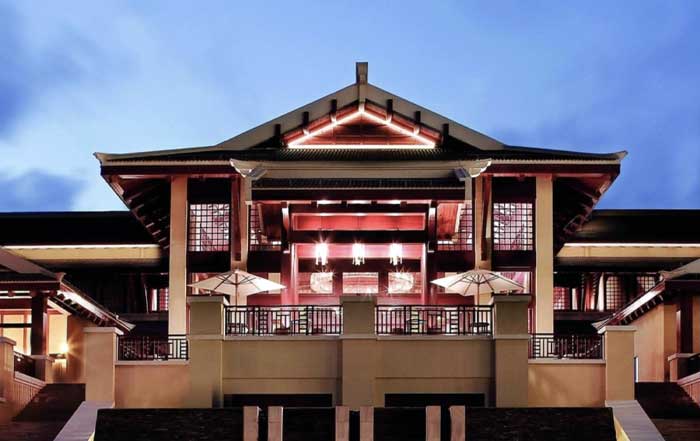
China's Luxury Spa Resorts in 2026: Where Heritage, Science, and Wellness Converge
China's most distinguished spa resorts and hotels have entered 2026 with a renewed sense of purpose, positioning the country as one of the world's most compelling destinations for integrated wellness, luxury hospitality, and cultural immersion. For the global audience of qikspa.com, which spans interests from spa and salon experiences and wellness travel to sustainable lifestyles, beauty, nutrition, and careers in the wellness economy, China offers a living laboratory of how ancient philosophies can be translated into contemporary, evidence-informed spa concepts that appeal equally to discerning leisure travelers, high-performing executives, and wellness-focused digital nomads.
While the country has long been celebrated for its timeless traditions, architectural innovation, and cultural depth, its modern spa landscape now stands as a powerful expression of Experience, Expertise, Authoritativeness, and Trustworthiness (EEAT). Resorts increasingly draw on validated principles from traditional Chinese medicine, integrative health research, and environmental design, while adhering to global standards of safety, hygiene, and professional training. In 2026, this convergence of heritage and science is not simply a branding narrative; it is a strategic response to a more informed, health-literate traveler base that evaluates destinations through the lens of credibility, transparency, and long-term well-being.
For qikspa.com, which curates insights across spa and salon experiences, wellness and health, lifestyle, fitness, sustainability, yoga, and travel, China's luxury spa sector provides a rich case study in how destinations can respond to the evolving expectations of travelers from the United States, United Kingdom, Europe, Asia-Pacific, and beyond, who now seek more than relaxation; they seek transformation, coherence with their values, and measurable benefits to their physical and mental health.
The Maturation of Spa Culture in China
Spa culture in China has progressed far beyond the early 2000s model of beauty-led treatments and hotel add-on services. Drawing from the deep reservoir of traditional Chinese medicine (TCM), including acupuncture, herbal pharmacology, tui na massage, qigong, and tai chi, leading resorts have elevated their wellness offerings into structured, results-oriented programs. Institutions such as the China Academy of Chinese Medical Sciences and hospitals affiliated with Peking University have contributed to a broader evidence base that supports the integration of TCM modalities into preventive and restorative health approaches, and luxury spa operators increasingly align their language and protocols with this research-driven narrative. Readers who wish to understand the scientific perspective behind integrative medicine can explore resources from organizations such as the World Health Organization or the National Center for Complementary and Integrative Health, which discuss both the promise and the limitations of traditional therapies in modern healthcare.
At the same time, China's spa industry has absorbed global best practices in hygiene, training, and guest safety, particularly in the wake of heightened health awareness after the COVID-19 era. Many of the top-tier properties now benchmark against guidelines from bodies such as the Global Wellness Institute and the International Spa Association, ensuring that their offerings are not only culturally authentic but also professionally governed. This maturation has made China's spa destinations particularly attractive to travelers from regions such as Germany, Canada, Australia, France, Italy, and Singapore, who tend to prioritize safety, sustainability, and clinical credibility in their wellness choices.
For qikspa.com's readers interested in how these developments influence daily life and consumer choices, the broader shift can be linked to an expanding global focus on proactive health, longevity, and mental well-being, themes that are regularly explored in qikspa's wellness and lifestyle coverage.
Heritage Retreats: Nature, Silence, and Philosophical Depth
Among China's most revered spa retreats are those that embed guests in landscapes long associated with philosophical contemplation and spiritual practice. Properties such as Amanfayun in Hangzhou and Four Seasons Hangzhou at West Lake have become emblematic of how luxury hospitality can be interwoven with cultural heritage and environmental sensitivity.
In Hangzhou, traditional village-style architecture, tea fields, and bamboo forests provide a natural canvas for Taoist-inspired wellness programs that emphasize balance, breath, and gentle movement. Treatments often combine herbal compresses, meridian-focused bodywork, and meditative practices that echo centuries-old approaches to harmonizing qi, while drawing on contemporary understandings of stress physiology and sleep science. Travelers who wish to contextualize these approaches within broader wellness science can refer to resources such as the Harvard T.H. Chan School of Public Health, which discusses the impact of stress management, physical activity, and restorative sleep on long-term health outcomes.
What differentiates these heritage retreats in 2026 is not only their aesthetic appeal but also their commitment to sustainability and cultural preservation. Many now align with global frameworks such as the UNESCO World Heritage Centre and the United Nations Environment Programme to ensure that natural and cultural assets are protected even as visitor numbers grow. This alignment resonates strongly with qikspa.com's focus on sustainable travel and living, where the preservation of landscapes and traditions is seen as integral to authentic wellness.
Beyond Hangzhou, destinations such as JW Marriott Qufu in the birthplace of Confucius and The St. Regis Lhasa Resort on the Tibetan Plateau offer experiences where philosophical and spiritual dimensions are central. In Qufu, spa programs are sometimes framed around Confucian values of harmony, reflection, and ethical living, encouraging guests to see wellness as a life philosophy rather than a weekend indulgence. In Lhasa, altitude-aware spa protocols, Tibetan herbal remedies, and contemplative spaces overlooking monasteries invite guests to reflect on resilience, impermanence, and inner stillness. For readers exploring the intersection of spirituality, mental health, and physical well-being, organizations like the Mayo Clinic and the American Psychological Association provide insights into how contemplative practices and meaning-making can support emotional resilience and cognitive health.
These heritage retreats hold particular appeal for international guests from Japan, South Korea, Thailand, New Zealand, and Europe, who often seek destinations that offer both scenic beauty and intellectual or spiritual depth. For qikspa.com, which emphasizes meaningful travel experiences in its travel features, China's heritage spa resorts exemplify how destinations can move beyond "Instagrammable" moments to foster profound personal shifts.
Coastal and Island Sanctuaries: Integrating Marine, Climate, and Nutrition Science
On China's southern shores, especially on Hainan Island, spa resorts have embraced their role as year-round wellness sanctuaries, benefiting from tropical climates, marine ecosystems, and a growing body of research on the health benefits of coastal environments. Properties such as Mandarin Oriental Sanya, Park Hyatt Sanya Sunny Bay Resort, and One&Only Sanya have refined their offerings to include structured programs that link spa therapies, movement, and nutrition with measurable lifestyle outcomes.
In these resorts, guests might begin the day with oceanfront yoga or tai chi, followed by marine-inspired treatments such as mineral-rich hydrotherapy, seaweed wraps, or saltwater flotation that draw on research into the therapeutic effects of seawater and negative ions on circulation, inflammation, and mood. Those interested in the scientific underpinnings of such approaches can consult resources from institutions like the Cleveland Clinic or the National Institutes of Health, which regularly publish findings on cardiovascular health, stress reduction, and the benefits of physical activity in natural environments.
Culinary wellness has become a defining feature of these coastal sanctuaries. Menus are increasingly aligned with principles similar to Mediterranean and Blue Zone dietary patterns, emphasizing fresh seafood, local vegetables, whole grains, and moderate use of healthy fats. Resorts frequently collaborate with nutritionists and chefs trained in functional nutrition to design menus that support metabolic health, hormonal balance, and cognitive performance. For qikspa.com readers seeking to integrate these principles into daily life, the site's food and nutrition section complements insights from external authorities such as the Academy of Nutrition and Dietetics and the European Food Information Council.
These coastal properties are particularly appealing to travelers from North America, United Kingdom, Nordic countries, and Middle East, who often look for winter sun escapes that combine luxury with structured wellness. For women professionals and entrepreneurs, who form a significant part of qikspa.com's audience and are increasingly vocal about burnout, hormonal health, and work-life integration, these sanctuaries offer programs tailored to female physiology and life stages. This focus reflects themes explored in qikspa's women's wellness content, where topics such as stress, fertility, perimenopause, and leadership resilience are treated as interconnected dimensions of well-being.
Urban Wellness Hubs: High-Performance Health in China's Mega-Cities
China's major cities-Shanghai, Beijing, Guangzhou, Chengdu, Suzhou, and others-have evolved into sophisticated urban wellness hubs, where high-end spas serve as critical recovery spaces for executives, entrepreneurs, and knowledge workers facing intense cognitive and emotional demands. Properties such as The Peninsula Shanghai, Capella Shanghai, Jian Ye Li, Bulgari Hotel Beijing, Rosewood Guangzhou, The Ritz-Carlton Chengdu, Hyatt Regency Suzhou, and the InterContinental Chengdu Global Center exemplify how luxury brands now position wellness at the core of their value proposition, rather than as a peripheral amenity.
In these urban spas, treatment menus increasingly draw from neuroscience, dermatology, and sports science. Anti-aging and skin-health programs are often backed by partnerships with advanced skincare houses and sometimes informed by dermatological research from institutions like the American Academy of Dermatology. Executive recovery programs may integrate myofascial release, physiotherapy-informed stretching, and sleep coaching, reflecting an understanding of how musculoskeletal health and rest affect cognitive performance. Some properties also collaborate with local medical institutions to offer health screening, stress biomarker testing, or personalized nutrition advice, though these services remain optional and are typically framed with clear boundaries between spa and medical care, in line with international best practices.
From a business perspective, these urban wellness hubs are strategically aligned with the growing recognition among corporate leaders that employee well-being is directly correlated with productivity, innovation, and retention. Reports from organizations such as the World Economic Forum and the OECD have consistently highlighted the economic burden of stress-related illness and the ROI of workplace well-being initiatives. For qikspa.com's readers who follow business and careers content and career development insights, China's urban spa scene provides practical examples of how hospitality environments can support high-performance lifestyles without glorifying burnout.
These city-based spas are particularly relevant to international travelers from United States, United Kingdom, Germany, Netherlands, and Switzerland, who often combine business trips with short wellness "micro-retreats." Many now design itineraries that incorporate an afternoon of spa recovery, a guided mindfulness session, or a tailored fitness consultation into their schedule, viewing these services as essential to sustaining performance across multiple time zones.
Sustainability, Design, and the Future of Responsible Luxury
As sustainability becomes non-negotiable for travelers from Scandinavia, Western Europe, Canada, Australia, and increasingly China itself, leading spa resorts have moved beyond superficial "green" messaging to embed environmental and social responsibility into their operating models. Properties such as Six Senses Qing Cheng Mountain, Alila Yangshuo, Anantara Xishuangbanna, and other eco-conscious brands have taken a leadership role in demonstrating how regenerative design, community engagement, and cultural preservation can coexist with high-end service.
Six Senses, for example, is internationally recognized for its commitment to sustainability, with practices that range from on-site water bottling and waste reduction to biodiversity protection and community education. The resort's location near Qing Cheng Mountain, a site associated with Taoism and listed by UNESCO, makes environmental stewardship not only a brand value but a responsibility. Guests are increasingly interested in understanding how their stay contributes to local ecosystems and communities, and resorts now provide transparent reporting on energy use, conservation initiatives, and social impact. Those seeking to deepen their understanding of sustainable business practices can refer to resources from the World Business Council for Sustainable Development or the Ellen MacArthur Foundation, which explore circular economy and regenerative models relevant to hospitality.
Alila Yangshuo, converted from a historic sugar mill, illustrates how adaptive reuse can preserve architectural heritage while minimizing new construction footprints. Its spa offerings, combined with outdoor yoga, river activities, and guided nature walks, are framed within a narrative of reconnection with the land and mindful consumption. This narrative aligns closely with qikspa.com's emphasis on sustainable living and travel, where readers are encouraged to see their purchasing and travel decisions as levers for broader environmental and social change.
For travelers from South Africa, Brazil, Malaysia, and other emerging markets where sustainability is increasingly on the agenda, these Chinese resorts serve as benchmarks for what responsible luxury can look like in practice. They demonstrate that environmental responsibility does not diminish comfort or aesthetic pleasure; instead, it enriches the guest experience by adding meaning, storytelling, and a sense of participation in something larger than individual relaxation.
Personalization, Data, and the New Standard of Trust
By 2026, personalization has become a defining feature of leading spa resorts in China, reflecting a broader shift in global wellness toward data-informed, individually tailored experiences. From simple pre-arrival questionnaires to more advanced (and optional) assessments of sleep patterns, stress levels, or movement habits, properties strive to design programs that reflect the guest's unique profile, goals, and constraints. This may include adjusting treatment intensity for travelers arriving from long-haul flights, recommending specific herbal infusions for digestion or sleep, or designing movement programs that consider previous injuries or fitness levels.
This personalization, however, brings with it important questions of privacy, consent, and data protection, particularly for guests from regions with robust data regulations such as the European Union, where frameworks like the General Data Protection Regulation set clear expectations for how personal information is collected, stored, and used. Leading Chinese resorts that cater to international clientele increasingly adopt transparent data policies, clear opt-in mechanisms, and limited data retention practices, recognizing that trust is not built solely through luxurious surroundings but through ethical handling of personal information.
For qikspa.com, which positions itself as a trusted guide to global wellness experiences, this evolution underscores the importance of evaluating not only the beauty of a spa or the creativity of its treatments, but also its governance, ethics, and alignment with international standards. Readers are encouraged to view personalization as a powerful tool for enhancing well-being, while remaining attentive to how their data is managed and safeguarded.
What China's Spa Evolution Means for Qikspa's Global Audience
For the global community that turns to qikspa.com for guidance on spa destinations, beauty, health, fitness, sustainable lifestyles, and career pathways in the wellness economy, China's spa landscape in 2026 offers several key lessons and opportunities.
First, it demonstrates that genuine wellness experiences emerge from the integration of tradition and science, not from the rejection of one in favor of the other. Guests who choose properties that respect both TCM heritage and modern clinical knowledge are more likely to experience safe, meaningful, and lasting benefits. This integrative mindset is mirrored in qikspa's coverage of beauty and skincare, where ancient ingredients and modern formulations are evaluated side by side, and in its health and wellness content, which acknowledges both lifestyle medicine and cultural practices.
Second, China's resorts highlight the importance of context: the same massage, yoga session, or nutritional advice can feel fundamentally different when delivered in a bamboo forest, on a tropical coastline, in a historic courtyard, or high on a plateau overlooking monasteries. For travelers from North America, Europe, Asia, Africa, and South America, selecting a Chinese spa destination is therefore not only about amenities but about choosing the landscape and cultural narrative that best supports their current life stage and goals, whether that is recovery from burnout, creative renewal, or a deep dive into philosophical reflection.
Third, the sector illustrates how wellness is increasingly interwoven with business, careers, and leadership. Many of the guests frequenting China's luxury spas are decision-makers redefining workplace norms in United States, United Kingdom, Germany, Canada, Australia, Singapore, and beyond, and their personal experiences with structured wellness programs often influence corporate strategies and benefits. For qikspa.com's readers exploring careers in wellness, hospitality, or health-related fields, China's spa industry offers a wealth of professional inspiration, from integrative therapists and wellness chefs to sustainability managers and program designers.
Finally, China's evolution underscores the necessity of trust. In an era of information overload and wellness marketing claims, travelers increasingly rely on platforms like qikspa.com to curate, interpret, and contextualize experiences in a way that respects both aspiration and evidence. By highlighting destinations that demonstrate expertise, uphold rigorous standards, and communicate transparently, qikspa.com reinforces its role as a trusted partner for readers seeking to align their travel, lifestyle, and professional choices with long-term well-being.
As the global wellness economy continues to expand through 2026 and beyond, China's luxury spa resorts and hotels will remain central to the conversation, not only as beautiful places to unwind, but as laboratories of how culture, science, sustainability, and hospitality can converge. For readers ready to translate inspiration into action, qikspa.com's resources across spa and salon, wellness, travel, sustainable living, and the broader qikspa.com platform provide a practical bridge between the world's most sophisticated spa destinations and the everyday pursuit of a healthier, more intentional life.
