
From Salon to Home: Creating Everyday Self-Care Rituals in 2026
The New Landscape of Self-Care: From Occasional Indulgence to Daily Strategy
By 2026, self-care has shifted from a discretionary luxury to a strategic necessity for high-performing professionals, entrepreneurs, and leaders across global markets. As hybrid work models, digital overload, and geopolitical uncertainty converge, individuals in the United States, United Kingdom, Germany, Canada, Australia, France, Italy, Spain, Netherlands, Switzerland, China, Japan, Singapore, and beyond are reassessing how they manage energy, focus, and emotional resilience. Within this context, the salon and spa experience is no longer perceived merely as an occasional escape but as a blueprint for sustainable, repeatable rituals that can be translated into the home environment and integrated into daily life. Positioned at the intersection of wellness, lifestyle, and business, QikSpa has observed that the most successful professionals now curate personal self-care systems with the same rigor they once reserved for financial portfolios or strategic plans, using insights from premium spa and salon practices as a foundation for at-home routines that are both practical and deeply restorative.
Why Salon-Quality Self-Care Belongs in Everyday Life
The science underpinning this shift is compelling. Research from organizations such as the World Health Organization demonstrates the significant economic and health burden of stress-related conditions, prompting leaders to recognize that resilience and mental clarity are essential performance assets rather than soft benefits. As executives and knowledge workers in North America, Europe, Asia, Africa, and South America face rising demands, they have begun to replicate the structured, multi-sensory approach of professional spa environments at home, integrating elements of touch, scent, light, and sound into their daily routines. These practices, once reserved for quarterly appointments at high-end urban retreats, are now being translated into morning and evening rituals that support productivity, emotional balance, and physical vitality on a continuous basis. Readers exploring the evolving role of spa and salon experiences can deepen their understanding through the dedicated insights on spa and salon culture and innovation available at QikSpa.
The Psychology of Ritual: Turning Habits into Anchors
The power of self-care lies not only in the actions themselves but in their ritualized nature. Psychologists and behavioral scientists, including those referenced by institutions such as Harvard Medical School, have shown that rituals create a sense of predictability and control, particularly in volatile environments. For global professionals navigating constant change, these rituals function as psychological anchors that reduce anxiety, improve emotional regulation, and foster a sense of identity and continuity. When an individual transforms a simple skincare routine or a five-minute scalp massage into a consistent, intentional ritual, the experience shifts from transactional grooming to a meaningful practice that signals self-respect and boundary-setting. This reframing echoes the structured flow of a professional spa visit, where each step is sequenced to calm the nervous system and cue the body toward recovery. Those seeking to integrate these psychological insights into their broader lifestyle strategy can explore how self-care rituals align with modern living on QikSpa's lifestyle perspectives platform.
Translating the Spa Experience into a Daily Home Ritual
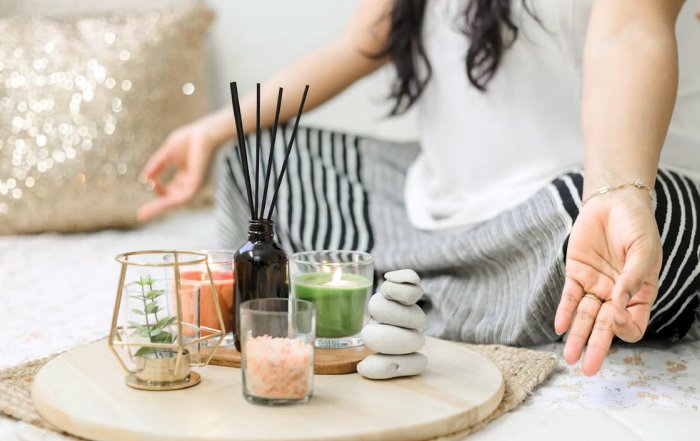
Professional spas and salons excel at orchestrating a holistic experience in which every detail-the temperature of the room, the aroma of essential oils, the pressure of a massage, the cadence of background music-contributes to a coherent narrative of relaxation and renewal. To recreate this at home, individuals in cities from New York and London to Berlin, Toronto, Sydney, and Tokyo are learning to design micro-environments within their living spaces that evoke similar qualities. This involves more than purchasing premium products; it requires thoughtful sequencing and intentional transitions. A typical evening ritual might begin with digital disconnection, followed by a warm shower or bath enhanced with aromatherapeutic elements, a deliberate skincare sequence inspired by professional facial protocols, and a brief mindfulness or breathing practice to signal the shift from performance mode to restoration mode. For those interested in the technical and aesthetic dimensions of these routines, QikSpa provides in-depth coverage of beauty and skincare innovation that can inform the design of highly personalized home rituals.
The Role of Sensory Design in At-Home Self-Care
One of the defining characteristics of a high-end spa environment is its mastery of sensory design, a field that draws on neuroscience, environmental psychology, and hospitality best practices. Leading wellness destinations and design-forward brands in regions such as Scandinavia, South Korea, and Thailand have demonstrated that subtle shifts in lighting temperature, natural materials, and acoustic design can dramatically influence perceived calm and recovery. At home, this translates into curated lighting schemes that avoid harsh blue light in the evening, the use of tactile materials such as cotton, linen, and wood to evoke warmth, and carefully selected soundscapes that promote relaxation or focus. Research from institutions like MIT and Stanford University continues to explore how multi-sensory environments affect cognitive performance and emotional well-being, reinforcing the business case for leaders to invest in home spaces that function as both high-performance work zones and restorative sanctuaries. Professionals looking to align sensory design with a holistic wellness strategy can access further guidance through QikSpa's wellness resources.
Nutrition as a Foundation of Sustainable Self-Care
While spa-inspired rituals often focus on external treatments, the most advanced self-care strategies in 2026 integrate nutrition as a non-negotiable pillar. Organizations such as the World Health Organization and the Food and Agriculture Organization of the United Nations continue to highlight the relationship between diet quality, chronic disease risk, and mental health outcomes, reinforcing that topical treatments are most effective when paired with internal nourishment. For professionals in Italy, France, Spain, and Japan, where culinary culture is deeply embedded in daily life, there is a natural synergy between mindful eating and self-care rituals; however, similar patterns are now emerging in Brazil, South Africa, Malaysia, and New Zealand, where younger demographics are prioritizing nutrient-dense, minimally processed foods that support cognitive function and stable energy. Integrating simple, repeatable nutrition rituals-such as a consistent hydration routine, a balanced breakfast optimized for blood sugar stability, or an evening herbal infusion-can significantly enhance the benefits of other self-care practices. Readers can explore practical frameworks for aligning food choices with wellness goals through QikSpa's dedicated food and nutrition insights.
Integrating Movement and Fitness into Everyday Rituals
In high-pressure environments from Silicon Valley to Seoul, professionals increasingly recognize that movement is not optional but foundational to sustained performance and mental clarity. Organizations such as the American College of Sports Medicine and UK National Health Service consistently emphasize the benefits of regular physical activity for reducing stress, improving sleep, and enhancing cognitive function. The challenge for many executives and entrepreneurs is not awareness but implementation within constrained schedules. Here, the salon-to-home self-care paradigm offers a useful lens: just as a spa treatment is booked and protected in the calendar, short, high-impact movement sessions can be treated as non-negotiable appointments with oneself. This may take the form of a 15-minute mobility sequence between virtual meetings, a brief strength-training protocol using minimal equipment, or a walking ritual that bookends the workday and provides psychological separation between professional and personal roles. For structured approaches to integrating fitness into daily life, QikSpa offers curated guidance through its fitness and performance section.
The Strategic Role of Yoga and Mindfulness in Professional Life
Yoga and mindfulness have evolved from niche wellness practices to strategic tools adopted by leaders in finance, technology, healthcare, and creative industries across India, United States, Germany, Singapore, and Nordic countries. Research shared by organizations such as the American Psychological Association and National Institutes of Health has reinforced the benefits of mindfulness and breathwork for emotional regulation, decision-making, and resilience under pressure. In the context of salon-inspired self-care, yoga functions as both a physical discipline and a mental hygiene practice, bridging the gap between bodywork and cognitive recovery. Short, consistent sessions-sometimes as brief as ten minutes-can be integrated into morning or evening rituals, complementing skincare, bathing, and reflection practices to create a cohesive framework for daily renewal. Professionals interested in building a yoga-informed self-care architecture can draw on the specialized perspectives provided in QikSpa's yoga and mindful movement coverage.
Women, Leadership, and the Redefinition of Self-Care
Women leaders across North America, Europe, Asia, and Africa are playing a pivotal role in redefining self-care as a strategic leadership competency rather than a discretionary indulgence. Executives, founders, and policymakers-many of whom collaborate with organizations such as UN Women and World Economic Forum-are increasingly vocal about the need to normalize self-care as part of sustainable career trajectories, particularly in sectors where burnout and attrition remain high. For women balancing demanding roles in business, caregiving, and community leadership, salon-inspired rituals offer a structured, accessible way to reclaim personal time and reinforce boundaries without requiring extensive travel or significant time away from responsibilities. These rituals also serve as a platform for intergenerational modeling, allowing mothers, mentors, and senior leaders to demonstrate to younger women that prioritizing mental and physical health is compatible with ambition and high performance. QikSpa addresses these intersecting themes in its dedicated women-focused content, where self-care is positioned as both personal practice and professional strategy.
Fashion, Identity, and the Aesthetics of Everyday Ritual
The relationship between fashion, grooming, and self-care continues to evolve in 2026, with professionals in style-conscious markets such as Paris, Milan, New York, and Copenhagen embracing a more intentional approach to personal presentation. Rather than treating fashion and beauty as purely external markers, many individuals now view their daily grooming rituals as an extension of identity work and self-expression, aligning wardrobe choices, skincare, and hairstyling with values such as sustainability, authenticity, and cultural heritage. Influential designers and thought leaders featured by platforms like Business of Fashion and Vogue Business have highlighted the rise of "quiet luxury" and "conscious minimalism," trends that encourage consumers to invest in fewer, higher-quality items and rituals that deliver emotional resonance as well as aesthetic impact. This perspective harmonizes with the salon-to-home paradigm, in which a carefully curated set of products and practices-rather than an overwhelming array of options-forms the backbone of a sustainable self-care ecosystem. Readers interested in this intersection of aesthetics and wellness can explore QikSpa's take on fashion and personal expression.
Sustainable Self-Care: Aligning Rituals with Planetary Health
As climate concerns intensify and regulatory frameworks evolve in regions such as the European Union, United Kingdom, Canada, and Japan, consumers are increasingly scrutinizing the environmental and ethical footprint of their self-care rituals. The salon and spa industry has responded with innovations in water-efficient treatments, biodegradable packaging, and responsibly sourced ingredients, trends documented by organizations like the Ellen MacArthur Foundation and World Resources Institute. At home, individuals are mirroring these shifts by choosing multi-purpose products to reduce waste, favoring brands that publish transparent sustainability reports, and adopting practices such as shorter showers and reusable accessories. This alignment of personal well-being with planetary health is particularly resonant for younger professionals in Germany, Netherlands, Sweden, Norway, and Denmark, where sustainable living is closely tied to social identity and civic responsibility. QikSpa supports this evolution through its dedicated sustainable living content, which explores how self-care rituals can be designed to respect both individual needs and environmental constraints.
Global Travel, Spa Culture, and the Rise of Hybrid Rituals
International travel has resumed robustly by 2026, with wellness tourism emerging as a significant segment in destinations ranging from Thailand, Bali, and Japan to Switzerland, South Africa, and Brazil. Luxury hotels, medical spas, and destination retreats are offering increasingly sophisticated programs that blend traditional therapies-such as Thai massage, Japanese onsen culture, and Scandinavian sauna rituals-with contemporary modalities like biohacking, cryotherapy, and digital detox programs. Organizations such as the Global Wellness Institute have documented the rapid growth of this sector, highlighting how discerning travelers now seek experiences that can be translated into sustainable at-home practices rather than one-off indulgences. As guests return from these journeys, they often incorporate elements such as herbal bathing, contrast hydrotherapy, or structured digital sabbaths into their everyday routines, creating hybrid rituals that honor both local traditions and modern lifestyles. QikSpa chronicles these cross-cultural influences through its international and travel coverage, enabling readers to adapt global best practices to their own homes and schedules.
Self-Care as a Business Imperative and Career Asset
Forward-thinking organizations in sectors from technology and finance to healthcare and creative industries increasingly recognize that employee well-being is directly linked to productivity, innovation, and retention. Companies highlighted by outlets such as McKinsey & Company, Deloitte, and PwC are investing in wellness programs that go beyond standard benefits, offering stipends for spa treatments, digital wellness platforms, and education on building sustainable home rituals. For ambitious professionals, the ability to design and maintain effective self-care systems is emerging as a critical career asset, signaling emotional intelligence, self-management, and long-term thinking. In competitive markets such as United States, United Kingdom, Germany, Singapore, and South Korea, recruiters and leaders increasingly view sustained performance and resilience as differentiators, particularly for roles involving complex decision-making and high stakeholder visibility. Those seeking to align their self-care practices with career advancement and entrepreneurial success can explore strategic perspectives in QikSpa's business and careers and career development sections, where wellness is framed as an integral component of professional strategy.
Building a Personal Self-Care Architecture with QikSpa
As the boundaries between salon, spa, home, and workplace continue to blur in 2026, the most effective approach to self-care is not a collection of isolated activities but a coherent architecture tailored to individual values, schedules, and aspirations. This architecture integrates elements of sensory design, movement, nutrition, skincare, mindfulness, and aesthetic expression into a seamless daily and weekly rhythm, informed by both global best practices and personal experimentation. For a senior executive in New York, this may involve early-morning yoga, a structured skincare regimen inspired by professional facials, and a weekly at-home spa evening modeled on Scandinavian sauna rituals; for an entrepreneur in Berlin or Melbourne, it might take the form of midday walking meetings, nutrient-focused cooking, and a Sunday reset ritual that combines grooming, planning, and digital decluttering. Across these variations, the unifying principle is intentionality: each ritual is chosen and protected because it supports long-term health, clarity, and impact. As a platform dedicated to the convergence of spa culture, lifestyle design, and professional performance, QikSpa serves as a guide for readers worldwide, offering integrated insights across health, wellness, lifestyle, fitness, and more, all accessible through the main portal at qikspa.com.
In a world where volatility has become the norm and the demands on leaders continue to intensify, the transition from salon to home is more than a convenience; it is a strategic reimagining of how individuals care for themselves while pursuing ambitious goals. By drawing inspiration from professional spa and salon environments and translating those principles into everyday rituals, professionals across continents can cultivate the resilience, presence, and well-being required to thrive in 2026 and beyond, turning self-care from an occasional retreat into a powerful, daily act of leadership.
