
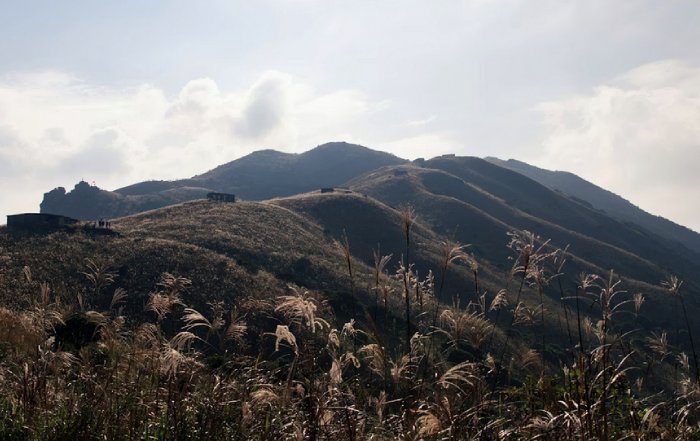
Exploring Global Wellness Destinations Beyond the Mainstream in 2026
The New Geography of Wellness Travel
By 2026, wellness travel has evolved from a niche luxury to a mainstream priority for discerning professionals, entrepreneurs and high-performing individuals who increasingly view their health, appearance and mental resilience as strategic assets. While iconic retreats in Bali, Thailand, California and the Mediterranean continue to attract large numbers of visitors, a growing segment of sophisticated travelers is looking far beyond these well-trodden paths, seeking destinations that combine authentic culture, scientific credibility, sustainable practices and deeply personalized experiences. For the audience of QikSpa and its global community interested in spa and salon experiences, lifestyle, beauty, food and nutrition, health, wellness, business, fitness, yoga, sustainable living, women's wellbeing, fashion, travel and careers, this shift signals a powerful redefinition of what it means to invest in personal and professional performance through travel.
As wellness tourism continues to expand, with industry analyses from organizations such as the Global Wellness Institute indicating sustained growth in the sector, the most forward-thinking travelers are no longer satisfied with generic spa menus or superficial detox packages. They seek destinations where clinical-grade health expertise intersects with local healing traditions, where the design of spaces supports genuine recovery from digital overload, and where every element-from nutrition to movement to sleep-is grounded in evidence-based frameworks similar to those advanced by institutions such as the Mayo Clinic and Harvard T.H. Chan School of Public Health. In this context, QikSpa positions its editorial perspective as a trusted navigator, curating and interpreting these emerging destinations for a global audience that spans the United States, United Kingdom, Germany, Canada, Australia, France, Italy, Spain, the Netherlands, Switzerland, China, Sweden, Norway, Singapore, Denmark, South Korea, Japan, Thailand, Finland, South Africa, Brazil, Malaysia, New Zealand and beyond.
Readers who are beginning to explore or deepen their wellness journeys can complement this article with the broader perspectives offered in the QikSpa sections on health and wellness, where the interplay between medical insight, lifestyle design and mental wellbeing is examined in a holistic and practical way.
From Spa Weekend to Strategic Reset: Why Wellness Destinations Matter Now
The acceleration of remote and hybrid work, combined with pervasive digital connectivity and global uncertainty, has elevated burnout from a personal concern to a business-critical issue. Research from organizations such as the World Health Organization and OECD has underscored the economic cost of stress-related illness, absenteeism and reduced productivity, prompting executives and HR leaders in North America, Europe and Asia to view wellness travel not as indulgence but as a strategic form of preventive healthcare and talent retention. As a result, the classic notion of a spa weekend has given way to more intentional, longer-stay programs that integrate diagnostics, coaching, fitness, mindfulness and nutrition, often framed as a "reset" or "recalibration" for both body and mind.
In this environment, the destinations that stand out are those that combine experience, expertise, authoritativeness and trustworthiness in a way that can be tangibly felt by guests and credibly evaluated by corporate decision-makers. This means partnering with board-certified physicians, clinical psychologists, physiotherapists, nutritionists and movement specialists, as well as drawing on validated research from sources like Johns Hopkins Medicine and the National Institutes of Health to design interventions that go beyond marketing rhetoric. For professionals considering how to align their travel with long-term health goals, the perspectives shared across QikSpa on fitness and food and nutrition provide a valuable framework for evaluating whether a destination's promise is supported by credible methodology.
Europe's Quiet Powerhouses of Regenerative Wellness
Europe has long been associated with thermal baths, thalassotherapy centers and medical spas, yet many of its most transformative wellness destinations remain under the radar of international travelers. Countries such as Germany, Switzerland, Italy, Spain, the Netherlands, the Nordic region and Central Europe host a network of clinics and retreats that blend regulated medical oversight with time-tested natural therapies, often in alignment with national health systems and rigorous safety standards.
In Germany, for example, lesser-known spa towns complement their more famous counterparts by focusing on integrative medicine, physiotherapy and stress rehabilitation programs that may be reimbursable under certain public or private insurance schemes. Travelers seeking to understand the scientific basis of such programs can explore resources from Charité – Universitätsmedizin Berlin, which exemplifies the integration of traditional therapies with advanced medical research. In Switzerland, boutique clinics in alpine settings combine high-altitude training, metabolic testing and sleep optimization with discreet, high-touch service that appeals to executives and entrepreneurs who require privacy and efficiency as much as relaxation.
Southern Europe offers another layer of nuance, particularly in Italy and Spain where wellness destinations increasingly integrate Mediterranean diet principles, slow-food philosophy and local agricultural partnerships. Visitors may find retreats that work closely with regional producers, echoing the sustainability and nutrition guidelines promoted by organizations such as the Food and Agriculture Organization of the United Nations, thereby aligning gastronomic pleasure with cardiometabolic health. For readers of QikSpa who are particularly interested in lifestyle, beauty and fashion, the editorial lens offered in the lifestyle and fashion sections provides additional context on how European aesthetics and cultural norms influence the design and delivery of these wellness experiences.
Asia's Emerging Sanctuaries Beyond the Iconic Retreats
Asia remains a global epicenter for wellness tourism, yet many travelers continue to concentrate their attention on a small group of heavily publicized resorts in Bali, Phuket and a few other coastal or island locations. Beyond these icons, however, a new generation of wellness destinations is emerging across Japan, South Korea, Thailand, Malaysia, Singapore and lesser-known parts of China, blending ancestral practices with cutting-edge biohacking and longevity science. These places are attracting a sophisticated global clientele seeking depth, cultural authenticity and measurable outcomes.
In Japan, for example, onsen towns that historically served regional visitors are modernizing their offerings with structured programs that incorporate forest bathing, mindfulness, sleep coaching and metabolic health assessment, often informed by research from institutions such as The University of Tokyo and Japanese public health agencies. South Korea, already recognized for its leadership in skincare and aesthetic medicine, is seeing the rise of integrated wellness centers that combine dermatology, nutrition, fitness and emotional wellbeing, reflecting the country's broader expertise in beauty and self-care. Travelers curious about the intersection of traditional therapies and modern science can consult resources from National Center for Complementary and Integrative Health to better understand how these modalities align with evidence-based practice.
Thailand and Malaysia, meanwhile, are expanding beyond coastal yoga retreats to develop inland sanctuaries focused on stress rehabilitation, digital detox and trauma-informed care, often led by multidisciplinary teams that include psychotherapists, functional medicine practitioners and movement specialists. Singapore, with its strong regulatory environment and advanced medical infrastructure, is fostering medical-wellness hybrids that prioritize safety, data-driven diagnostics and personalized programs aligned with guidelines from organizations such as the World Heart Federation. For readers exploring yoga, mindfulness and holistic practice, the dedicated yoga and wellness sections at QikSpa offer additional insights into how Asian philosophies are shaping global wellness standards.
The Rise of Nature-Integrated Wellness in the Nordics and Beyond
The Nordic countries-Sweden, Norway, Finland and Denmark-have in recent years become exemplars of how nature, design and social policy can converge to support population-wide wellbeing. While urban visitors may be familiar with Scandinavian saunas and minimalist spa aesthetics, a new wave of nature-integrated wellness destinations is emerging in remote forests, archipelagos and mountainous regions, offering experiences that are intentionally sparse in distraction yet rich in sensory and psychological impact.
These retreats often emphasize cold exposure, heat therapy, wilderness immersion and digital disconnection, drawing implicit inspiration from research on stress physiology and resilience published by organizations such as American Psychological Association. Many Nordic destinations integrate local food systems, seasonal rhythms and community-centric models, aligning with broader sustainability frameworks similar to those articulated by the United Nations Environment Programme. The result is a form of wellness that is less about lavish amenities and more about recalibrating circadian rhythms, nervous system balance and one's relationship with nature.
Comparable nature-led retreats are also gaining traction in Canada, New Zealand and parts of South Africa and Brazil, where vast landscapes allow for expansive hiking, water immersion and contemplative solitude. For readers of QikSpa who are particularly drawn to sustainable and environmentally conscious travel, the sustainable section offers a deeper exploration of how responsible development and regenerative tourism principles can be applied to wellness destinations, ensuring that guests' personal healing journeys contribute positively to local ecosystems and communities.
Women-Centric Wellness Destinations and the Future of Inclusive Design
One of the most significant shifts in global wellness travel is the emergence of women-centric destinations and programs that recognize the distinct physiological, hormonal and psychosocial needs of women across life stages. From perimenopause and post-partum recovery to leadership stress and safety considerations in solo travel, these retreats aim to provide environments that are not only nurturing but also medically and psychologically informed. This movement is particularly relevant for audiences in the United States, United Kingdom, Germany, Canada, Australia and across Asia and the Middle East, where professional women are increasingly seeking spaces that acknowledge the complexity of their roles and responsibilities.
Some of these destinations collaborate closely with women's health specialists, referencing guidelines and research from organizations such as American College of Obstetricians and Gynecologists and NHS in the United Kingdom to shape programs around hormonal health, bone density, cardiovascular risk and mental wellbeing. Others integrate coaching on career transitions, leadership presence and financial empowerment, recognizing that wellness cannot be separated from economic autonomy and professional fulfillment. These experiences often blend spa and salon services, fitness, yoga, nutrition and psychological support in ways that feel both luxurious and deeply practical.
For readers of QikSpa, the women and careers sections provide an extended lens on how gender, work and wellbeing intersect, offering insights that can help women evaluate whether a destination genuinely understands and serves their needs or merely markets to them. By prioritizing experience, expertise and trustworthiness, women-centric retreats are setting new benchmarks for inclusivity and safety in wellness travel worldwide.
The Business of Wellness Travel: Strategy, Investment and Brand Trust
Behind the serene imagery of infinity pools and meditation decks lies a complex and rapidly evolving business landscape. Wellness destinations today operate at the intersection of hospitality, healthcare, fitness, nutrition, technology and sustainability, requiring sophisticated strategy and governance to maintain credibility and profitability. For investors, hotel groups and entrepreneurs, the key challenge is to differentiate authentically in a crowded market while meeting rising expectations for clinical safety, data privacy, environmental stewardship and social responsibility.
Established hospitality brands and specialized operators alike are increasingly turning to frameworks inspired by institutions such as World Economic Forum and International WELL Building Institute to design and certify environments that support health and wellbeing. This extends from air and water quality to lighting, acoustics, ergonomics and biophilic design, as well as to staff training and organizational culture. Travelers who are serious about their health are beginning to ask not only who is on the medical advisory board of a destination, but also how staff are treated, how supply chains are managed and how communities are engaged.
For business leaders, entrepreneurs and professionals in the wellness and hospitality sectors, the business section of QikSpa offers analysis and commentary on market trends, investment opportunities and operational best practices, including how to build trust through transparent communication, science-backed programming and meaningful partnerships. As wellness tourism continues to grow across North America, Europe, Asia, Africa and South America, those destinations that can demonstrate robust governance and measurable impact will be best positioned to attract discerning, high-value guests.
Integrating Beauty, Spa and Salon Experiences into Holistic Retreats
While medical, psychological and environmental factors are central to the evolution of wellness destinations, beauty and grooming remain powerful dimensions of how guests experience transformation. In 2026, the most sophisticated retreats are moving beyond superficial treatments to integrate spa and salon services into broader narratives of self-care, identity and confidence. This includes skin health protocols informed by dermatological research, hair and scalp treatments aligned with nutritional and hormonal assessments, and aesthetic services that respect natural features while supporting personal expression.
Destinations that excel in this area often collaborate with dermatologists, trichologists and cosmetic chemists, drawing on research from organizations such as British Association of Dermatologists to design protocols that are both indulgent and evidence-based. They may also incorporate mindfulness practices into beauty rituals, recognizing the intimate link between touch, body image and emotional regulation. For guests, this means that a facial, massage or styling session becomes part of a coherent therapeutic arc rather than an isolated indulgence.
Readers who wish to explore how spa and salon concepts are evolving globally can engage with the spa and salon and beauty sections of QikSpa, where emerging trends, product innovations and destination spotlights are examined through a lens that privileges expertise, safety and long-term skin and hair health over short-lived trends.
Food, Fitness and Longevity: Designing Programs that Actually Work
The credibility of a wellness destination increasingly hinges on the quality and coherence of its food and movement programs. In an era where information about diets, supplements and exercise regimes is abundant yet often contradictory, guests expect destinations to curate and synthesize the most reliable evidence into practical, personalized guidance. This involves moving beyond restrictive detox menus or generic gym sessions toward integrated programs that consider metabolic individuality, cultural preferences, medical history and long-term adherence.
Leading destinations often draw on frameworks similar to those discussed by Harvard Medical School and Cleveland Clinic, emphasizing whole foods, plant-forward meals, balanced macronutrients and the avoidance of ultra-processed ingredients, while allowing for culinary pleasure and regional authenticity. Fitness offerings are increasingly periodized and multi-dimensional, combining strength training, cardiovascular conditioning, mobility work, breathwork and recovery protocols, all tailored to guests' fitness levels and goals. For many professionals, the most valuable outcome of a wellness retreat is not the short-term glow but the acquisition of sustainable habits, skills and mindsets that can be integrated into daily life back home.
For those seeking to deepen their understanding of how nutrition and exercise interact to support longevity and performance, the food and nutrition and fitness sections of QikSpa provide curated insights that can help travelers evaluate whether a destination's approach is grounded in genuine expertise or driven primarily by marketing narratives.
Choosing the Right Destination: A Framework for Discerning Travelers
With an expanding array of wellness destinations across the United States, Europe, Asia, Africa, South America and Oceania, the challenge for travelers is not finding options but identifying those that are truly aligned with their values, needs and expectations. A practical decision framework begins with clarity of intention: whether the primary objective is medical assessment, stress recovery, physical transformation, creative renewal, spiritual exploration or a combination of these. From there, travelers can evaluate potential destinations based on the qualifications of their clinical and wellness teams, the transparency of their methodologies, the rigor of their safety and privacy protocols, and the authenticity of their connection to local culture and environment.
Trust-building indicators include clear disclosure of medical credentials, alignment with reputable health guidelines such as those from Centers for Disease Control and Prevention, realistic claims about outcomes, and the inclusion of post-stay support or follow-up. Sustainability credentials, community engagement and ethical labor practices further distinguish destinations that are not only beneficial for guests but also responsible corporate citizens. For globally mobile professionals and entrepreneurs, the ability to integrate remote work or creative projects into a retreat-without undermining its restorative value-may also be a deciding factor, particularly in regions with robust digital infrastructure such as Singapore, the Netherlands and parts of North America.
Readers can leverage the broader editorial ecosystem of QikSpa, including travel and international coverage, to compare regions, understand regulatory environments and gain nuanced insight into cultural expectations around wellness, privacy and hospitality. By approaching wellness travel with the same rigor applied to business or investment decisions, travelers can maximize both the immediate and long-term returns on their time and financial resources.
How QikSpa Curates and Interprets the Global Wellness Landscape
As wellness destinations become more varied and complex, the role of trusted intermediaries grows in importance. QikSpa positions itself not merely as a lifestyle platform but as a curator and interpreter of the global wellness ecosystem, with a commitment to experience, expertise, authoritativeness and trustworthiness that reflects the expectations of its international readership. By drawing on perspectives from clinicians, researchers, hospitality leaders, fitness and nutrition experts, mental health professionals and sustainability specialists, QikSpa seeks to provide nuanced, actionable insights rather than aspirational imagery alone.
This editorial philosophy extends across the platform's coverage areas, from wellness and health to business, lifestyle and beyond, ensuring that readers can connect the dots between personal wellbeing, professional performance, environmental responsibility and cultural literacy. As new destinations emerge in regions as diverse as Scandinavia, Eastern Europe, Southeast Asia, Sub-Saharan Africa and Latin America, QikSpa will continue to highlight those that demonstrate genuine commitment to safety, science, community and sustainability.
For individuals and organizations planning their next phase of wellness travel-whether for personal reset, executive retreat, team offsite or leadership development-QikSpa serves as a starting point and ongoing companion, helping them navigate a world where the most transformative destinations are often found beyond the mainstream, yet are deeply aligned with the highest standards of modern health, beauty and human potential. Readers can explore the full spectrum of insights, trends and destination features at the main QikSpa portal, accessible via qikspa.com, and use this knowledge to design wellness journeys that are as strategic and meaningful as they are restorative.
