
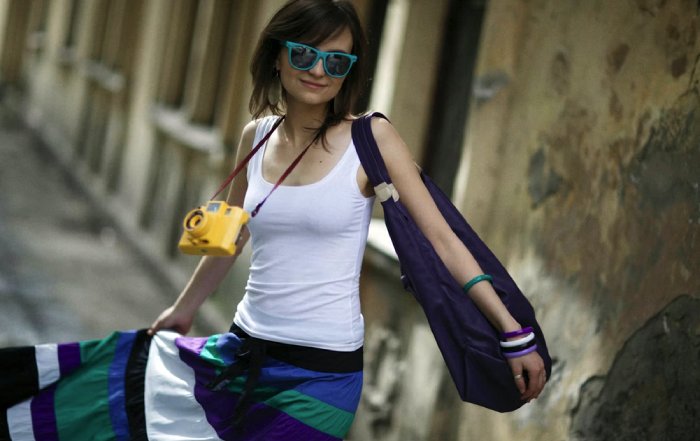
How Fashion and Wellness Are Becoming Closely Linked in 2026
The New Convergence of Style and Self-Care
By 2026, the relationship between what people wear and how they feel has moved far beyond trend cycles and seasonal collections; fashion and wellness have converged into a single, powerful narrative that shapes daily routines, purchasing decisions and even career choices across global markets. From New York and London to Singapore, Berlin and Sydney, consumers are no longer satisfied with clothing that only looks good on the surface; they expect garments, accessories and beauty rituals to support physical health, emotional balance and a more sustainable relationship with the planet, while brands are being challenged to prove that their products deliver genuine benefits rather than superficial promises.
Within this transformation, QikSpa has positioned itself as a platform where style, self-care and informed decision-making intersect, curating insights that connect the spa and salon universe with broader lifestyle, beauty, business and travel trends. As the boundaries between fashion and wellness continue to blur, the site's audiences in the United States, Europe, Asia and beyond are seeking guidance on how to integrate mindful dressing, conscious consumption and science-backed self-care into their everyday lives, whether they are exploring new spa and salon experiences, upgrading their fitness wardrobes or aligning their professional paths with the expanding wellness economy.
From Aesthetic to Holistic: How Wellness Redefined Fashion
For decades, fashion primarily focused on aesthetics and status, while wellness was perceived as a separate, often niche domain centered on fitness facilities, spas and clinical health services. As research from institutions such as the World Health Organization has broadened the definition of health to include mental and social well-being, consumers have started to expect their clothing and personal style choices to support these wider dimensions of wellness. Learn more about how health is defined globally at the World Health Organization.
This shift has been accelerated by the digital era, where social media and wellness influencers have normalized conversations about stress, sleep, mental health and body positivity alongside fashion content. Platforms like Instagram and TikTok have given rise to creators who showcase morning routines that combine yoga, skincare, loungewear and mindful dressing as a single ritual rather than separate categories, creating a new language of style that is inseparable from self-care. At the same time, media ecosystems such as the Global Wellness Institute have documented the explosive growth of the wellness economy, including wellness tourism, workplace well-being and personal care, all of which intersect with fashion choices. Explore the broader wellness economy at the Global Wellness Institute.
As a result, the audience that turns to QikSpa for spa and salon inspiration is increasingly interested in how clothing, accessories and beauty regimes can enhance relaxation, confidence and recovery, and this is reflected in dedicated coverage across its spa and salon, lifestyle and beauty channels.
Athleisure, Performance Wear and the Rise of Everyday Wellness
One of the most visible examples of fashion and wellness merging can be seen in the global dominance of athleisure and performance wear, which has evolved from a casual trend into a core wardrobe category. Brands such as Lululemon, Nike and Adidas have built entire ecosystems around clothing that supports yoga, running, gym training and recovery, emphasizing ergonomic design, breathable fabrics and compression technologies that promise both comfort and functional benefits. Readers can explore how physical activity guidelines influence apparel design by reviewing recommendations from the U.S. Centers for Disease Control and Prevention.
In markets like the United States, United Kingdom, Germany, Canada and Australia, consumers now move seamlessly from home to office to fitness studio in hybrid outfits that marry performance features with tailored silhouettes, reflecting their desire for a lifestyle in which wellness is embedded rather than compartmentalized. The growth of remote and hybrid work since the early 2020s has further accelerated this trend, as professionals seek clothing that supports long hours at home, video calls and spontaneous exercise breaks without sacrificing a polished appearance.
For QikSpa readers, this has created a new focus on how fitness apparel complements spa and self-care routines, with many individuals choosing garments that transition smoothly from a yoga session to a massage appointment or from a run to a facial treatment. The platform's fitness and yoga sections increasingly highlight apparel considerations such as moisture management, joint support and post-workout recovery, recognizing that what one wears can significantly influence comfort, performance and the overall wellness experience.
Beauty, Skin Health and Fashion as a Unified Ritual
The convergence of fashion and wellness is equally pronounced in the beauty and skincare domain, where clothing, cosmetics and treatments are now viewed as interconnected layers of a holistic self-presentation. Dermatologists and skin-health organizations, including the American Academy of Dermatology, have emphasized the importance of sun protection, breathable fabrics and hypoallergenic materials in preventing irritation and long-term damage, which in turn has encouraged designers to incorporate UPF-rated materials and skin-friendly linings into their collections. Learn more about sun-safe habits at the American Academy of Dermatology.
This integration is particularly visible in resort wear, activewear and travel wardrobes, where spa-inspired aesthetics meet practical considerations such as climate, UV exposure and air quality. The rise of "skinimalism" and natural beauty, documented by sources like Vogue and Allure, has also influenced fashion's color palettes and textures, with softer tones, minimal seams and gentle fabrics aligning with a broader desire for calm, restorative environments both on the body and in personal spaces. Explore evolving beauty trends at Vogue.
For QikSpa, which serves readers interested in health, wellness and beauty, this means highlighting how spa treatments, skincare routines and wardrobe choices can be synchronized. A guest who books a facial or massage is likely to be interested in fabrics that minimize friction, allow the skin to breathe and extend the benefits of professional treatments, and this alignment is increasingly visible in spa boutiques and online retail spaces that curate robes, loungewear and accessories with both aesthetic and dermatological considerations in mind.
Mental Health, Comfort Dressing and Emotional Well-Being
Beyond physical health, fashion has become a tool for managing emotional well-being, particularly as global awareness of mental health has grown across North America, Europe, Asia and other regions. Organizations such as Mind in the United Kingdom and the National Alliance on Mental Illness in the United States have helped destigmatize conversations around anxiety, depression and burnout, encouraging people to adopt daily practices that support psychological resilience. Learn more about mental health support at Mind.
Within this context, "comfort dressing" has emerged as a quiet yet powerful movement, where individuals prioritize garments that provide a sense of security, softness and ease, especially in times of uncertainty or high stress. This approach does not reject style; rather, it redefines elegance through the lens of emotional comfort, favoring silhouettes and materials that allow the wearer to feel grounded and authentic. The popularity of cozy knitwear, oversized outerwear and soft loungewear in markets from Scandinavia to South Korea reflects a collective desire for clothing that functions almost like a wearable sanctuary.
For audiences engaging with QikSpa's lifestyle and wellness content, this trend reinforces the idea that self-care extends beyond the spa appointment or fitness class to include the emotional resonance of daily wardrobe choices. Whether preparing for a demanding business presentation, a long-haul flight or a restorative retreat, many readers are learning to select outfits that support their psychological state, drawing on insights from positive psychology and stress-management research available through institutions such as the American Psychological Association.
Sustainability, Ethics and the Wellness of the Planet
As environmental concerns have become central to public discourse, the connection between fashion and wellness now extends beyond individual bodies to encompass the health of communities and ecosystems worldwide. Studies published by the Ellen MacArthur Foundation and other sustainability organizations have highlighted the environmental impact of fast fashion, including textile waste, water pollution and carbon emissions, prompting consumers to question whether garments produced under exploitative or environmentally damaging conditions can truly contribute to a sense of well-being. Learn more about circular fashion models at the Ellen MacArthur Foundation.
In response, a new generation of brands and designers in Europe, North America, Asia and Africa is embracing circular design, recycled fibers, regenerative agriculture and transparent supply chains, positioning sustainability as a core element of their value proposition. Certifications and standards promoted by groups such as the Global Organic Textile Standard (GOTS) and the Fair Wear Foundation provide frameworks for measuring progress and building trust with increasingly informed consumers. Explore textile standards at Global Organic Textile Standard.
For QikSpa, sustainability is not a peripheral issue but an integral part of its editorial mission, reflected in dedicated coverage on its sustainable and business pages. Readers interested in spa and salon services, wellness travel or fashion investments are encouraged to consider how their choices affect not only their personal health but also the well-being of garment workers, local communities and natural resources. This holistic view of wellness resonates strongly in regions such as Scandinavia, the Netherlands and New Zealand, where environmental consciousness is deeply embedded in consumer culture, but it is increasingly influential across emerging markets in Asia, South America and Africa as well.
The Spa, Salon and Fashion Ecosystem
The modern spa and salon environment has evolved into a microcosm of the broader fashion-wellness convergence, serving as a space where beauty services, therapeutic treatments and curated retail experiences intersect. Leading hospitality and spa groups such as Six Senses, Aman and Four Seasons have developed integrated wellness concepts that combine treatments, movement classes and fashion-adjacent retail, offering guests loungewear, activewear, accessories and skincare that reflect a cohesive philosophy of mindful luxury. Discover how luxury hospitality integrates wellness at Six Senses.
Urban salons and boutique spas across cities like New York, London, Paris, Singapore, Tokyo and Dubai are adopting similar strategies, collaborating with local designers and global brands to offer robes, wraps, sleepwear and resort wear that extend the spa experience into everyday life. This creates a loop in which a guest's visit does not end at the treatment room door but continues through the garments and products they bring home, reinforcing positive habits and a sense of ongoing care.
On QikSpa, the spa and salon category increasingly highlights these integrated experiences, showcasing how design, uniforms, product curation and even scent branding align with the fashion-wellness narrative. For readers in the United States, United Kingdom, Germany, Canada, Australia and beyond, this provides a roadmap for choosing destinations and services that reflect their values, whether they prioritize sustainability, innovation, cultural authenticity or clinical efficacy.
Global and Cultural Perspectives on Fashion and Wellness
Although the convergence of fashion and wellness is a global phenomenon, it manifests differently across cultures and regions, shaped by local traditions, climate, social norms and economic conditions. In Japan and South Korea, for example, the influence of wellness is visible in the popularity of minimalist, functional clothing, advanced skincare rituals and tech-driven fabrics, with companies such as Uniqlo pioneering heat-retention and cooling technologies that support comfort in varied environments. Learn how climate-smart apparel is evolving at Uniqlo.
In Scandinavia, concepts like hygge and lagom have inspired a fashion language centered on coziness, balance and simplicity, aligning closely with wellness ideals of moderation and mental calm. Meanwhile, in Italy, France and Spain, the longstanding emphasis on craftsmanship and slow living has dovetailed with modern wellness narratives, encouraging investment in high-quality pieces that age gracefully and support a more mindful, less disposable approach to style. In emerging markets across Africa, South America and Southeast Asia, traditional textiles, artisanal techniques and community-based production models are being reinterpreted through a wellness lens, emphasizing cultural continuity, economic empowerment and environmental stewardship.
For an international audience, QikSpa's international coverage provides context on how these regional nuances shape spa, fashion and wellness experiences, helping readers in North America, Europe, Asia, Africa and South America navigate cross-cultural trends when they travel, relocate or collaborate with global partners. This perspective is particularly valuable for professionals in fashion, hospitality and wellness industries who must adapt their offerings to diverse markets while maintaining a consistent brand identity.
Nutrition, Body Image and the Fashion-Wellness Dialogue
The intersection of fashion and wellness cannot be fully understood without acknowledging the role of food, nutrition and body image, which collectively influence how individuals perceive themselves and how clothing fits into their lives. Organizations such as the Harvard T.H. Chan School of Public Health have emphasized the importance of balanced diets, mindful eating and metabolic health, while also addressing the psychological impact of restrictive diets and unrealistic body standards. Learn more about evidence-based nutrition at the Harvard T.H. Chan School of Public Health.
In the fashion world, continuing debates around inclusivity, sizing and representation have pushed brands to expand size ranges, diversify models and challenge narrow beauty ideals that historically contributed to unhealthy behaviors. Runway shows, campaigns and digital content increasingly feature a broader spectrum of ages, body types and backgrounds, signaling a gradual realignment between fashion imagery and real-world diversity. This evolution supports wellness by reducing pressure to conform to unattainable standards and by encouraging individuals to dress for their unique bodies and lifestyles.
For QikSpa readers, whose interests often span food and nutrition, health and fashion, this integrated perspective is essential. Articles and guides can help audiences understand how nourishing food choices, balanced fitness routines and body-positive fashion decisions work together to create sustainable well-being, particularly for women who have historically faced intense scrutiny regarding appearance. The platform's dedicated women section plays a crucial role in addressing these issues with sensitivity and authority.
Wellness Travel, Fashion and the Global Lifestyle Consumer
Wellness tourism has become one of the most dynamic segments of the global travel industry, with travelers from the United States, Europe, Asia and the Middle East seeking destinations that offer spa therapies, nature immersion, fitness retreats, yoga programs and culturally rooted healing practices. Organizations such as the World Travel & Tourism Council and UNWTO have documented the rising demand for experiences that restore physical and mental health, particularly in the aftermath of global disruptions and heightened workplace stress. Learn more about wellness tourism trends at the World Travel & Tourism Council.
In this context, fashion becomes a practical and symbolic companion to wellness travel, as travelers assemble capsules of clothing that support movement, climate adaptability and local cultural norms while reflecting their personal aesthetics. Resort wear, technical outerwear, versatile footwear and modest yet breathable garments for spa and retreat environments all play a role in shaping the emotional tone of a journey, signaling an intention to slow down, reflect and recharge.
QikSpa's travel coverage increasingly addresses these intersections, guiding readers in choosing not only destinations and programs but also packing strategies and wardrobe investments that enhance their restorative experiences. For professionals in hospitality, fashion and wellness sectors, this convergence offers opportunities to collaborate on packages, co-branded collections and curated experiences that cater to a sophisticated, health-conscious traveler who values both comfort and style.
Careers and Business Opportunities at the Fashion-Wellness Intersection
The fusion of fashion and wellness is not only reshaping consumer behavior; it is also creating new career paths and business models across design, retail, technology, hospitality and media. Entrepreneurs in cities from Los Angeles to Berlin and Singapore are launching brands that specialize in adaptive clothing, recovery wear, eco-luxury loungewear and smart textiles, while established companies are building internal roles focused on sustainability, ethical sourcing and wellness-oriented product development. Industry observers can track these shifts through resources such as Business of Fashion and McKinsey & Company, which regularly analyze the evolving fashion landscape. Learn how the fashion industry is transforming at Business of Fashion.
At the same time, wellness professionals, including nutritionists, personal trainers, yoga instructors and spa directors, are collaborating with fashion brands on capsule collections, content partnerships and experiential events that bring their expertise into the design and marketing process. This creates a more credible, evidence-based approach to wellness claims in apparel and accessories, helping consumers distinguish between meaningful innovation and superficial branding.
For individuals exploring professional opportunities in this space, QikSpa's careers and business sections offer insights into emerging roles, required skills and regional market dynamics. Whether a reader is a designer in Milan, a spa manager in Dubai, a sustainability specialist in Amsterdam or a wellness content creator in Toronto, understanding the fashion-wellness nexus can open new pathways for growth and impact.
Looking Ahead: The Future of Fashion and Wellness
As of 2026, the integration of fashion and wellness is still evolving, driven by technological innovation, demographic shifts and heightened expectations around transparency and authenticity. Advances in wearable technology, biometric monitoring and smart fabrics are poised to deepen the functional relationship between clothing and health, enabling garments that track posture, sleep quality, stress levels and environmental factors in real time. Research institutions and companies in North America, Europe and Asia are already piloting textiles with embedded sensors, temperature regulation and responsive compression, hinting at a future where the wardrobe functions as an extension of personalized healthcare. Readers can follow developments in smart textiles through organizations such as the MIT Media Lab.
At the same time, social and cultural conversations around identity, inclusivity and sustainability will continue to shape how fashion expresses wellness. Younger generations in markets from Brazil and South Africa to Sweden and South Korea are demanding that brands align with their values on climate action, social justice and mental health, and they are quick to hold organizations accountable when promises are not met. This pressures companies to move beyond marketing language and invest in rigorous standards, third-party verification and long-term community engagement.
In this landscape, QikSpa is positioned as a trusted guide for readers who wish to navigate the growing complexity of choices in spa services, lifestyle decisions, beauty regimes, fashion investments and travel experiences. By connecting evidence-based health insights, global trend analysis and a deep understanding of consumer aspirations, the platform helps individuals craft personal ecosystems in which what they wear, how they care for themselves and how they engage with the world are aligned.
Ultimately, the tightening bond between fashion and wellness reflects a broader cultural recognition that style is not merely about surface appearance but about how people inhabit their bodies, relate to others and interact with the planet. As consumers in the United States, United Kingdom, Germany, Canada, Australia, France, Italy, Spain, the Netherlands, Switzerland, China, Japan, Singapore, the Nordic countries, South Africa, Brazil, Malaysia, Thailand, New Zealand and beyond continue to redefine what it means to live well, the most successful brands and professionals will be those who understand that fashion is now a language of well-being, and wellness is a new standard of style. In that ongoing conversation, QikSpa will remain a central, authoritative voice, helping its global audience make choices that are not only beautiful but genuinely life-enhancing.
