
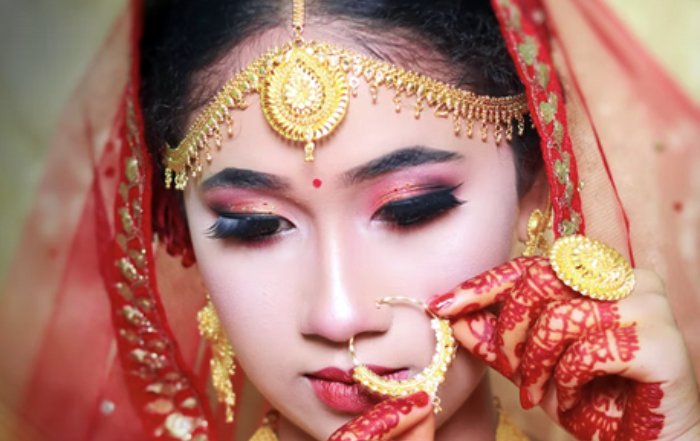
Beauty Rituals Rooted in Cultural Heritage: A Global Blueprint for Modern Wellbeing
The New Language of Beauty in 2026
In 2026, beauty is no longer defined merely by products, trends, or fleeting aesthetics; it has become a sophisticated language of identity, culture, and wellbeing that crosses borders and generations. Around the world, individuals and businesses are rediscovering ancestral beauty rituals, not as nostalgic curiosities but as strategic resources for health, performance, and personal branding in an increasingly demanding global economy. For QikSpa, which serves readers across spa and salon, lifestyle, beauty, health, wellness, business, travel, and careers, this convergence of cultural heritage and modern science offers a powerful framework for understanding how people in the United States, Europe, Asia, Africa, and beyond are redefining what it means to look and feel well.
As multinational beauty conglomerates, boutique spa operators, wellness entrepreneurs, and corporate leaders respond to this shift, they are recognizing that culturally rooted beauty rituals are not simply add-ons to a service menu; they are deeply encoded systems of knowledge about skin, body, mind, and environment, shaped by centuries of trial, observation, and adaptation. From the Ayurvedic oils of India to the hammams of North Africa, from Nordic sauna culture to Japanese onsen etiquette, these rituals are increasingly being translated into contemporary spa and salon experiences, holistic lifestyle choices, and even corporate wellbeing strategies, reflecting a broader move toward integrated, trustworthy, and culturally respectful models of beauty and wellness.
Why Cultural Heritage Matters in Modern Beauty and Wellness
The renewed focus on cultural heritage within beauty and wellness is driven by several converging forces. Global consumers, especially in markets such as the United States, United Kingdom, Germany, Canada, and Australia, have become more discerning and skeptical of generic beauty claims, demanding transparency, authenticity, and evidence-based benefits. Organizations such as the World Health Organization emphasize the importance of traditional knowledge in health systems, and as consumers learn more about integrative health, they increasingly seek rituals that align with their values and identities rather than transient trends. Learn more about how traditional medicine is being integrated into modern health frameworks at WHO Traditional, Complementary and Integrative Medicine.
At the same time, scientific research is catching up with ancestral practices, validating the physiological and psychological benefits of rituals once dismissed as folklore. For instance, the National Institutes of Health in the United States and the European Medicines Agency in the European Union have supported or reviewed studies on botanicals, thermal therapies, and mind-body practices that are central to many cultural beauty rituals, lending them new credibility in the eyes of health-conscious professionals and executives. Readers interested in the clinical dimension of botanicals can explore the evidence base through NIH's National Center for Complementary and Integrative Health.
For QikSpa, whose editorial vision spans health, wellness, beauty, and business, this intersection of culture, science, and commerce is critical. Beauty rituals rooted in heritage are not only personal practices; they are strategic assets for spa and salon brands, hospitality groups, wellness resorts, fashion and beauty houses, and even employers seeking to attract and retain talent by offering more meaningful wellbeing experiences.
Spa and Salon: Translating Ritual into Premium Experience
In the global spa and salon sector, heritage-based rituals are shaping service innovation and differentiation. From New York and London to Dubai, Singapore, and Tokyo, leading spa operators are building entire treatment journeys around culturally specific beauty practices, often in partnership with local artisans, herbalists, and wellness experts. This evolution is visible in the rise of hammam-inspired spa circuits, Japanese-style bathing rituals, and Indian head massage treatments in luxury hotels and urban wellness centers.
For professionals in the spa and salon industry, the challenge is to translate these rituals into experiences that respect their origins while meeting modern expectations for hygiene, efficacy, and luxury. Industry associations such as the International Spa Association (ISPA) and Global Wellness Institute provide frameworks and research that help operators understand consumer trends, including the growing demand for authenticity and cultural storytelling in spa design and menu development. Readers can explore global wellness trends through the Global Wellness Institute.
QikSpa supports this evolution by curating insights and inspirations for spa and salon leaders on its dedicated spa and salon channel, where ancestral rituals are examined not only from a cultural angle but also through the lenses of operations, customer experience, and brand positioning. In markets such as the United States, United Kingdom, and Germany, where competition in urban wellness is intense, integrating heritage-based rituals can help businesses differentiate, build emotional loyalty, and justify premium pricing through narrative-rich, multi-sensory experiences.
Ayurveda and South Asian Rituals: Holistic Systems for Modern Lives
Among the most influential heritage-based systems in global beauty is Ayurveda, the traditional medical science of India and parts of South Asia. Rooted in texts that are thousands of years old, Ayurveda offers a comprehensive view of beauty that connects skin, hair, digestion, sleep, and emotional balance via the concept of doshas and the interplay of the elements. In cities from Mumbai to London, Toronto, and Sydney, Ayurvedic-inspired beauty rituals-such as abhyanga (warm oil self-massage), shirodhara (oil streaming on the forehead), and herbal ubtan body polishes-are increasingly offered in spas, boutique wellness studios, and even corporate wellbeing programs.
Research institutions, including All India Institute of Medical Sciences and various Western universities, have examined specific Ayurvedic herbs and practices, exploring their antioxidant, anti-inflammatory, and adaptogenic properties. Business leaders and wellness entrepreneurs can study how Ayurvedic brands have built global trust by combining traditional formulations with modern quality controls, regulatory compliance, and transparent sourcing. For a deeper understanding of Ayurveda's foundations, professionals may consult educational resources from institutes like The Ayurvedic Institute in the United States, which provides structured training and reference materials at Ayurvedic Institute.
For readers of QikSpa, especially those navigating demanding careers or entrepreneurial journeys, Ayurvedic rituals offer practical frameworks for daily self-care that go beyond topical products, linking beauty with food, sleep, and emotional regulation. The platform's food and nutrition and lifestyle sections regularly explore how Ayurvedic principles such as seasonal eating, digestive fire (agni), and mindful routines can be adapted to busy lives in New York, London, Berlin, Singapore, or Johannesburg without losing their cultural integrity.
East Asian and Japanese Rituals: Precision, Purity, and Longevity
East Asian beauty traditions, particularly those from Japan, South Korea, and China, have reshaped the global beauty landscape over the past two decades. Japanese beauty rituals, grounded in concepts of purity, harmony, and respect for nature, have long emphasized multi-step cleansing, gentle exfoliation, and meticulous sun protection. The onsen culture of Japan, centered around mineral-rich hot springs and codified bathing etiquette, reflects a view of beauty as a byproduct of consistent, ritualized care rather than dramatic interventions.
South Korea's influence, often associated with K-beauty, has popularized layering, innovative textures, and an almost playful approach to skincare, yet it is also rooted in long-standing herbal traditions and meticulous grooming standards. Chinese beauty heritage draws on Traditional Chinese Medicine, including herbal infusions, gua sha facial scraping, and acupressure techniques, now widely adapted in spas and home rituals around the world. Institutions such as the Japan Society of Aesthetic Dermatology and Korean Dermatological Association contribute to the scientific backbone that supports these rituals, helping to validate ingredients and methods. Professionals interested in cosmetic science can deepen their knowledge through resources from The Cosmetic, Toiletry, and Perfumery Association (CTPA) in the UK, available at CTPA.
For QikSpa's audience, especially in markets such as the United States, United Kingdom, France, and Italy, East Asian rituals represent a bridge between tradition and high-tech innovation. They demonstrate how heritage can coexist with cutting-edge biotechnology, as seen in the rise of fermented ingredients, botanical actives, and advanced delivery systems in modern skincare. The platform's beauty coverage often highlights how consumers and professionals can adopt elements of Japanese and Korean routines-such as double cleansing, essence application, or home gua sha-while understanding their cultural roots and respecting the philosophies that shaped them.
Middle Eastern, North African, and Mediterranean Rituals: Hammams, Oils, and Slow Beauty
In the Middle East, North Africa, and across the Mediterranean, beauty rituals have historically been woven into communal and familial life, with hammams, oil massages, and herbal steams playing central roles. The Moroccan hammam, for example, is both a cleansing ritual and a social institution, involving steam, black soap exfoliation, and rhassoul clay masks. In Turkey, the traditional Turkish bath has influenced spa architecture and bathing rituals globally, while in regions such as Egypt, Lebanon, and the Gulf, the use of oils like argan, olive, and black seed oil reflects a deep understanding of climate, skin physiology, and resource availability.
The Mediterranean diet, widely studied for its cardiovascular and anti-inflammatory benefits, also intersects with beauty by influencing skin health from within through healthy fats, antioxidants, and low-glycemic foods. Organizations such as Harvard T.H. Chan School of Public Health have documented the health advantages associated with Mediterranean-style eating patterns, which in turn support skin, hair, and overall vitality. Learn more about the Mediterranean diet framework at Harvard Nutrition Source.
For readers of QikSpa, particularly those interested in sustainable and international lifestyles, these rituals offer a model of "slow beauty" that prioritizes time, touch, and high-quality natural materials over quick fixes. Spas and salons in cities such as Paris, Milan, Madrid, and Dubai are increasingly incorporating hammam-inspired journeys and traditional oil treatments, not only to attract culturally curious travelers but also to meet rising demand among local professionals who seek deeper, more meaningful forms of self-care. The emphasis on local, minimally processed ingredients also aligns with global concerns about environmental impact and ethical sourcing, a theme that resonates strongly with conscious consumers in Europe, North America, and Asia-Pacific.
Nordic and European Traditions: Thermal Culture, Saunas, and Nature-Based Rituals
Northern and Central Europe have long-standing traditions that link beauty and wellness with climate resilience and nature immersion. In Finland, sauna culture-now recognized by UNESCO as part of the country's intangible cultural heritage-plays a central role in physical and social wellbeing, combining heat exposure, cold plunges, and communal relaxation. In Sweden and Norway, the concept of friluftsliv, or open-air life, encourages regular immersion in nature, which contemporary research associates with reduced stress, improved mood, and enhanced cognitive performance.
Thermal spa culture is deeply entrenched in countries like Germany, Switzerland, Italy, and Spain, where public and private bathhouses offer hydrotherapy circuits, mineral baths, and mud treatments based on long-established balneological traditions. The International Spa Association and European spa federations have helped professionalize these practices, ensuring high standards of safety, hygiene, and therapeutic efficacy. Those interested in the health impacts of sauna and thermal bathing can explore scientific reviews through resources such as Mayo Clinic, which offers accessible summaries on heat therapy and cardiovascular health at Mayo Clinic.
For business and wellness leaders following QikSpa, Nordic and European rituals illustrate how beauty can be integrated into public health, tourism, and workplace wellbeing strategies. The platform's fitness and travel sections frequently highlight how thermal spas, saunas, and nature-based retreats in countries like Germany, Switzerland, and the Netherlands are being leveraged not only for leisure but also for corporate offsites, leadership development, and burnout prevention. These models are increasingly informing wellness architecture and spa design in North America, Asia, and the Middle East, where developers seek to create restorative environments that blend cultural inspiration with modern infrastructure.
African and Afro-Diasporic Rituals: Ancestral Wisdom and Identity
Across Africa and the Afro-diasporic world, beauty rituals carry layered meanings related to identity, resistance, and community. From the shea butter traditions of West Africa to the use of indigenous clays and oils in Southern and East Africa, these practices reflect an intimate relationship with land and resources. In South Africa, Nigeria, Kenya, and Ghana, entrepreneurs are building globally recognized beauty brands that center African ingredients and narratives, challenging Eurocentric and East Asian beauty standards while addressing the specific needs of darker skin tones and textured hair.
In the United States, United Kingdom, France, and Brazil, Afro-diasporic beauty rituals around hair braiding, protective styling, scalp care, and natural hair maintenance have evolved into sophisticated ecosystems of salons, education, and social media communities. Organizations such as the American Academy of Dermatology and British Association of Dermatologists have increasingly recognized the importance of research and training focused on skin of color and textured hair, helping to close historical gaps in medical and cosmetic understanding. Professionals can access guidance on caring for diverse hair and skin types through the American Academy of Dermatology.
For QikSpa, which speaks to a global audience including women and professionals of African descent, these rituals underscore the importance of representation, expertise, and trust in beauty and wellness. The platform's women and careers content often explores how Afro-centric beauty knowledge is creating new career paths, from trichology and cosmetic chemistry to salon entrepreneurship and content creation, while also advocating for more inclusive standards in global spa and salon training.
Beauty, Nutrition, and Inner Wellness: The Science Behind Ritual
Across cultures, one theme recurs: beauty is profoundly influenced by what is consumed, how the body metabolizes it, and how stress is managed. Traditional beauty rituals almost always intersect with food and nutrition, whether through herbal infusions, specific dietary patterns, or fasting and feasting cycles. Modern research confirms that skin, hair, and nails respond to micronutrient availability, glycemic control, gut microbiome health, and systemic inflammation, linking external appearance with internal wellness.
Institutions such as Cleveland Clinic and Johns Hopkins Medicine have highlighted connections between diet, inflammation, and skin conditions such as acne, psoriasis, and eczema, providing a scientific bridge between ancestral dietary wisdom and modern dermatology. Those interested in the clinical side of nutrition and skin health can explore resources from Cleveland Clinic. For readers of QikSpa, this reinforces the value of integrating food and nutrition insights with beauty and wellness strategies, whether through Mediterranean-style eating, Ayurvedic seasonal diets, East Asian tea rituals, or African superfoods like moringa and baobab.
Mind-body practices rooted in cultural heritage, such as yoga, qigong, and meditation, also play a vital role in beauty by modulating stress hormones, improving sleep quality, and supporting metabolic balance. The American Psychological Association and National Sleep Foundation have documented the far-reaching effects of chronic stress and sleep deprivation on skin aging, hair loss, and overall vitality. Learn more about the impact of stress on health and appearance through the American Psychological Association. QikSpa's yoga and wellness sections regularly explore how these practices, when rooted in their cultural origins, can be integrated into daily routines for professionals in high-pressure fields across North America, Europe, and Asia.
Sustainability, Ethics, and the Future of Heritage-Based Beauty
As heritage-based beauty rituals become mainstream, questions of sustainability, ethics, and cultural respect come to the forefront. The global demand for traditional ingredients-such as argan oil from Morocco, shea butter from West Africa, or sandalwood from India and Australia-can create economic opportunities but also risks of overharvesting, ecosystem disruption, and exploitation of local communities. Organizations like Fairtrade International and Rainforest Alliance have developed certification systems that help ensure fair compensation and environmental stewardship in supply chains. Readers can learn more about responsible sourcing at Fairtrade International.
For brands, spa operators, and professionals who draw on cultural rituals, there is also an ethical responsibility to avoid superficial appropriation and to engage with source communities in ways that are collaborative, transparent, and mutually beneficial. This may involve partnering with local experts, investing in community development, and crediting the origins of rituals and ingredients in marketing materials. QikSpa, through its sustainable and business coverage, emphasizes that long-term trust in the beauty and wellness industry depends on aligning growth with social and environmental responsibility, especially as consumers in regions like Europe, North America, and Asia-Pacific become more attuned to greenwashing and cultural insensitivity.
Careers and Leadership in a Heritage-Informed Beauty Economy
The integration of cultural heritage into beauty and wellness is reshaping career paths and leadership expectations across the sector. Professionals are increasingly expected to combine technical expertise with cultural literacy, ethical awareness, and business acumen. Estheticians, spa therapists, nutritionists, yoga instructors, cosmetic chemists, and brand strategists who understand the historical and cultural contexts of the rituals they work with are better positioned to build trust with clients and employers in global markets.
Educational institutions and professional bodies, including CIDESCO International and International Spa Association, are gradually incorporating more cross-cultural content into their curricula and certifications, recognizing that the future of spa, beauty, and wellness is inherently global and multicultural. Those considering careers in this field can review international standards and training opportunities through CIDESCO International. For QikSpa readers exploring new career directions or leadership roles, the platform's careers section highlights how cultural competence, sustainability literacy, and digital fluency are becoming key differentiators in markets from the United States and Canada to Singapore, South Korea, and the United Arab Emirates.
A Personal Invitation from QikSpa: Living Beauty as Heritage, Not Hype
As 2026 unfolds, the global conversation around beauty and wellness is moving decisively away from one-size-fits-all prescriptions and toward nuanced, culturally grounded, and scientifically informed practices. For individuals navigating demanding careers, cross-border lives, and rapid technological change, beauty rituals rooted in cultural heritage offer more than cosmetic benefits; they provide continuity, identity, and a sense of belonging, while also supporting physical health and psychological resilience.
QikSpa positions itself as a trusted companion on this journey, connecting readers to insights across spa and salon, lifestyle, beauty, health, wellness, fitness, international, and more, while honoring the diverse cultural lineages that shape how people care for themselves in the United States, United Kingdom, Germany, Canada, Australia, France, Italy, Spain, Netherlands, Switzerland, China, Sweden, Norway, Singapore, Denmark, South Korea, Japan, Thailand, Finland, South Africa, Brazil, Malaysia, New Zealand, and beyond. By bridging ancestral wisdom and contemporary expertise, the platform invites its global audience to see beauty not as a trend to chase but as a living heritage to understand, refine, and pass on.
In doing so, QikSpa underscores a simple yet powerful truth: when beauty rituals are rooted in cultural heritage, practiced with knowledge, and supported by science and ethics, they become enduring strategies for personal wellbeing, professional performance, and sustainable business in a complex, interconnected world. Readers seeking to deepen this journey can explore the full ecosystem of insights and perspectives at QikSpa, where heritage-informed beauty and wellness are treated not as marketing stories, but as serious, evolving disciplines worthy of attention, investment, and respect.
