
Singapore 2026: A Safe, Sophisticated Wellness Escape for Global Families
Singapore in 2026 continues to stand out as one of the world's most secure, organized, and family-friendly destinations, and for the international audience of qikspa.com, it represents far more than a short-haul city break. It is a living example of how safety, wellness, sustainability, and cultural richness can be woven into a single, compact urban environment, enabling families from the United States, United Kingdom, Germany, Canada, Australia, France, Italy, Spain, Netherlands, Switzerland, China, Japan, South Korea, Singapore, and beyond to enjoy a holiday that is as restorative as it is exciting. With its reputation for clean streets, efficient policing, and strict law enforcement, reinforced by consistently strong rankings in global safety indices from organizations such as the Economist Intelligence Unit and regular coverage in outlets like The Straits Times, Singapore offers parents the peace of mind to focus on shared experiences rather than risk management, a decisive factor when planning travel with children or elderly relatives.
Safety, Infrastructure, and Trust: The Foundations of a Family Trip
For families evaluating destinations in North America, Europe, Asia, Africa, and South America, safety remains the baseline requirement, and Singapore meets this expectation with a rigor that very few cities can match. Low crime rates, visible but unobtrusive policing, and a strong social contract make it possible for parents to navigate neighborhoods at night, use public transport with young children, and explore attractions without the constant vigilance often required elsewhere. The country's robust emergency medical services and world-class healthcare infrastructure, anchored by institutions such as Singapore General Hospital and National University Hospital, mirror benchmarks set by leading systems in countries frequently highlighted by the World Health Organization for quality of care, which is particularly reassuring for multigenerational travel.
Equally important is the reliability of infrastructure. Singapore's tap water is safe to drink, public spaces are meticulously maintained, and the city's adherence to strict food hygiene regulations, guided by standards comparable to those promoted by the US Food and Drug Administration and European Food Safety Authority, substantially reduces the risk of food-borne illness for children. English is widely spoken alongside Mandarin, Malay, and Tamil, simplifying communication for visitors from North America, Europe, and Oceania, while straightforward visa processes for many nationalities make Singapore a logistically simple choice when compared with more complex regional gateways. For readers of qikspa.com, who often prioritize health, wellness, and long-term lifestyle quality, this combination of safety, clarity, and reliability directly supports a sense of trust.
Changi Airport and Seamless Urban Mobility
The family experience in Singapore begins the moment travelers arrive at Changi Airport, repeatedly recognized by global aviation and travel authorities such as Skytrax and featured regularly in CNN Travel as a benchmark for airport design and passenger comfort. In 2026, Changi remains an attraction in its own right, with stroller-friendly terminals, indoor gardens, cinemas, and the iconic HSBC Rain Vortex at Jewel Changi. Immigration procedures are typically swift and well organized, and clear signage in English, Chinese, and other languages helps families navigate easily even after long-haul flights from New York, London, Berlin, Toronto, Sydney, or Paris.
Once in the city, the Mass Rapid Transit (MRT) system underpins Singapore's reputation for accessibility. Trains are air-conditioned, punctual, and fully integrated with buses and taxis, making it realistic for families with strollers or wheelchairs to move between attractions without the fatigue associated with large, sprawling cities. Stations are generally equipped with elevators and barrier-free access, aligning with universal design principles frequently discussed by organizations such as UN-Habitat in the context of inclusive urban planning. For families who value active living, Singapore's compact layout also encourages walking, especially in districts such as Marina Bay, Orchard Road, and the civic area, where shaded pathways and covered walkways mitigate the tropical climate.
A Multicultural Classroom: Cultural Diversity as a Family Asset
In an era where many parents in the United States, Canada, Germany, France, Italy, Spain, Japan, and Australia seek to raise globally aware children, Singapore functions as a real-world classroom. Its rich blend of Chinese, Malay, Indian, and Western influences is visible in daily life rather than confined to museums, and it provides a practical complement to the global citizenship narratives promoted by institutions such as UNESCO and the OECD. Families can walk from a Chinese temple to a mosque and then to a Hindu temple within a single day, using these encounters as catalysts for conversations about history, migration, and coexistence.
For qikspa.com readers interested in international perspectives and modern lifestyle choices, this multicultural immersion dovetails with broader goals of raising empathetic, informed children. Rather than consuming culture as static content, families experience it through festivals, hawker centres, neighborhood markets, and everyday interactions with locals, reinforcing values of respect, curiosity, and inclusion that are increasingly central to professional and personal success in a globalized economy.
Iconic Attractions: Experience, Education, and Enjoyment
Singapore's most famous attractions remain central to its appeal, yet by 2026 they have evolved to integrate technology, sustainability, and educational value, aligning closely with the Experience, Expertise, Authoritativeness, and Trustworthiness (E-E-A-T) framework that informed travelers and business readers appreciate.
Gardens by the Bay: Sustainability in Spectacular Form
Gardens by the Bay continues to be a visual emblem of Singapore's ambition to be a "City in Nature," a concept frequently referenced in policy documents from the National Parks Board and sustainability case studies highlighted by UNEP. Families stepping into the Flower Dome and Cloud Forest encounter not only horticultural beauty but also curated narratives about biodiversity, climate change, and conservation, delivered through interactive displays and digital storytelling. For children, the towering Supertrees and the mist-filled conservatories feel like scenes from a science fiction film, while parents recognize the underlying message: urban development and environmental stewardship can coexist.
The Far East Organization Children's Garden offers water play, climbing structures, and learning zones where younger visitors can explore safely, giving parents a chance to pause and absorb the broader sustainability message. The nightly Garden Rhapsody light and sound show at Supertree Grove remains a highlight, but for wellness-focused families, the quieter hours in the early morning or late afternoon are equally valuable, providing space for reflection, slow walks, and even informal stretching or mindfulness practices that align with wellness and sustainable living values championed by qikspa.com.
Wildlife Experiences: Singapore Zoo, River Wonders, and Night Safari
The Singapore Zoo, River Wonders, and Night Safari collectively offer one of the most respected wildlife experiences in the world, often cited alongside leading institutions referenced by the World Association of Zoos and Aquariums. Designed around open and naturalistic habitats, these parks emphasize conservation, research, and education rather than mere entertainment, which resonates with parents from Scandinavia, Western Europe, North America, and Asia-Pacific who prefer ethically informed travel experiences.
Children are captivated by free-ranging orangutans, manatees, and giant pandas, while interpretive signage and keeper talks introduce themes such as habitat loss, responsible tourism, and species protection. The Night Safari, the world's first dedicated nocturnal wildlife park, provides a unique opportunity for older children and teenagers to experience the rainforest atmosphere after dark in a safe, controlled environment, encouraging a sense of wonder that often translates into long-term environmental awareness. For families aligned with fitness and outdoor wellness, the walking trails and immersive landscapes offer gentle physical activity combined with learning, a combination that is particularly attractive to readers seeking purposeful travel.
Sentosa Island: Integrated Leisure, Wellness, and Play
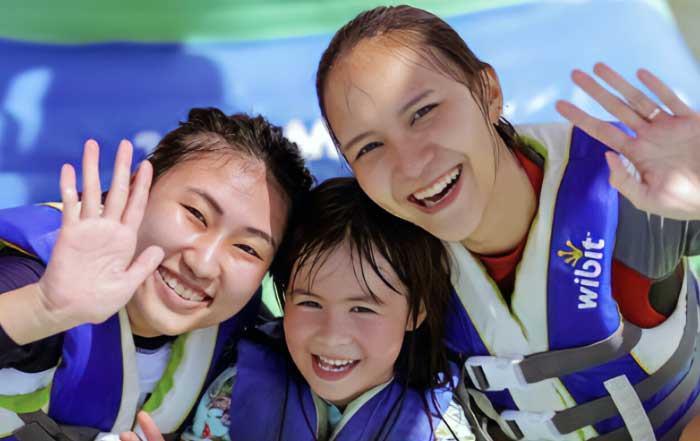
Sentosa Island remains Singapore's primary resort playground, yet in 2026 it has matured into a destination that balances high-energy attractions with wellness and nature. Universal Studios Singapore continues to deliver movie-themed rides and shows that appeal to children and adults alike, while Adventure Cove Waterpark and the S.E.A. Aquarium provide engaging ways to interact with water and marine life in a safe, controlled environment.
At the same time, Sentosa's beaches, walking trails, and wellness facilities support a slower pace. Families can alternate between thrill rides and quiet time on Palawan Beach or Siloso Beach, integrating beach yoga, light jogging, or simply mindful relaxation by the water. Luxury properties such as Capella Singapore and wellness-focused resorts on the island align with the spa and salon interests of qikspa.com readers, connecting high-quality spa and salon experiences with family-friendly services such as kids' clubs and supervised activities. This dual emphasis on play and restoration allows parents to maintain their personal wellness routines without compromising on their children's enjoyment.
Singapore Botanic Gardens and Green Corridors
The Singapore Botanic Gardens, a UNESCO World Heritage Site, continues to serve as the city's green heart, combining historical significance with contemporary wellness trends. Families strolling through the Jacob Ballas Children's Garden encounter hands-on exhibits about plants, ecology, and sustainable agriculture, while open lawns and shaded paths provide natural venues for picnics, light exercise, and informal yoga or stretching, naturally connecting to the fitness and yoga interests of the qikspa.com community.
Beyond the Botanic Gardens, green corridors such as the Southern Ridges, MacRitchie Reservoir, and the expanding network of park connectors demonstrate Singapore's long-term commitment to biophilic design, an approach often discussed in thought leadership from organizations like the World Economic Forum as a future-ready urban strategy. For families, these spaces provide accessible, low-cost opportunities to hike, cycle, and reconnect with nature, reinforcing the idea that wellness is not confined to spas or gyms but embedded in everyday urban life.
Wellness and Spa Culture: Restoring Parents, Inspiring Children
For a platform like qikspa.com, which sits at the intersection of wellness, beauty, lifestyle, and travel, Singapore's spa and wellness ecosystem is particularly relevant. In 2026, leading hotels and dedicated wellness centers across Marina Bay, Orchard Road, and Sentosa have refined their offerings to cater simultaneously to high-performing professionals, wellness-conscious women, and families seeking balance.
Flagship properties such as Raffles Spa, Capella Singapore, and spa facilities at Marina Bay Sands combine advanced treatments-ranging from traditional Asian therapies and aromatherapy to evidence-based recovery protocols inspired by sports science-with serene environments that contrast sharply with the intensity of global corporate life. Many now offer family-oriented packages, where parents can enjoy massages or hydrotherapy while children participate in supervised creative or educational activities, ensuring that wellness does not feel like an indulgence at the expense of family time.
Boutique spas and salons across neighborhoods like Orchard, Tanjong Pagar, and River Valley complement these flagship venues with more accessible services, from express facials and hair treatments to reflexology sessions, appealing particularly to female travelers balancing career demands with family responsibilities, a demographic central to qikspa.com's women and careers content. By integrating spa visits into their itineraries, parents can maintain self-care routines that support long-term resilience, modelling to their children that wellness is a sustainable lifestyle choice rather than a rare luxury.
Food, Nutrition, and Conscious Indulgence
Singapore's culinary landscape remains one of its strongest drawcards, and for families it functions as both entertainment and education. Hawker culture, recognized by UNESCO as intangible cultural heritage, continues to thrive in centers such as Maxwell Food Centre, Lau Pa Sat, and Newton Food Centre, where families can share dishes like Hainanese chicken rice, satay, and laksa in a casual, community-oriented environment. The high standards of cleanliness enforced by local authorities, often highlighted in public health analyses by bodies like the Centers for Disease Control and Prevention, reassure parents that street-level dining can be both safe and affordable.
At the same time, a growing number of restaurants and cafés are explicitly aligned with wellness and sustainability, reflecting global trends tracked by organizations such as the Global Wellness Institute. Venues like Open Farm Community and Real Food emphasize organic produce, plant-forward menus, and transparent sourcing, allowing parents to reinforce lessons about nutrition and environmental responsibility while on holiday. For qikspa.com readers interested in food and nutrition and sustainable living, these experiences demonstrate that indulgence and health can coexist: a day of hawker exploration can be balanced with a dinner of thoughtfully prepared, nutrient-dense dishes.
Dessert experiences-from ice cream sandwiches sold from traditional carts to sophisticated patisseries and chocolate ateliers-add an element of fun that children remember long after the trip ends. Hands-on workshops, such as baking local kueh or crafting chocolates, provide practical, sensory learning experiences that align with contemporary educational thinking promoted by organizations like UNICEF, which encourages play-based and experiential learning. For parents, these activities transform meals into moments of connection and creativity, rather than simply functional stops between attractions.
Cultural Districts, Museums, and Heritage Learning
Singapore's historic districts-Chinatown, Little India, and Kampong Gelam-remain essential components of any family itinerary, especially for those who see travel as a means of broadening their children's perspectives. In Chinatown, visits to the Buddha Tooth Relic Temple and traditional shophouses provide tangible links to the Chinese diaspora and trade history that shaped much of modern Asia. In Little India, the sensory richness of markets, the Sri Veeramakaliamman Temple, and traditional sweet shops offer an accessible entry point into Indian culture, while Kampong Gelam's Sultan Mosque and Haji Lane's street art highlight Malay and Arab heritage alongside contemporary creative expression.
Complementing these neighborhoods are museums such as the National Museum of Singapore, Asian Civilisations Museum, and ArtScience Museum, all of which have invested in interactive installations and child-friendly programming. These institutions align with global best practices in museum education often referenced by ICOM, using multimedia storytelling and hands-on exhibits to ensure that children remain engaged. For families from Europe, North America, and Asia-Pacific, where museum culture is already strong, Singapore's approach feels both familiar and refreshingly localized, reinforcing its position as a serious yet accessible cultural hub.
Fashion, Lifestyle, and Urban Inspiration
For visitors interested in style and urban trends, Singapore offers a polished yet approachable fashion and lifestyle scene. Orchard Road's flagship malls and multi-brand stores showcase international labels alongside regional designers, while enclaves such as Tiong Bahru and Haji Lane highlight independent boutiques, concept stores, and cafés that reflect the city's creative undercurrent. For readers following qikspa.com's fashion and lifestyle coverage, these districts provide a lens into how modern Asian cities interpret global trends through a local lens, from modest fashion and resort wear to athleisure and wellness-oriented beauty products.
Many retail environments now integrate wellness elements, such as in-mall yoga studios, healthy cafés, and beauty bars, echoing broader shifts tracked in global retail reports by firms like McKinsey & Company and Deloitte, which note the convergence of fashion, health, and experience. Families can therefore combine shopping with light activity, nutritious dining, or quick grooming treatments, making even a day at the mall an extension of their broader wellness and lifestyle goals rather than a break from them.
Singapore as a Strategic Wellness and Travel Hub
In 2026, Singapore's role as an aviation and business hub for Asia-Pacific, Europe, and North America remains a strategic advantage for families and professionals alike. Direct flights from major cities, efficient connections to regional destinations such as Bali, Phuket, Bangkok, and Johor Bahru, and the stability of Singapore's regulatory environment make it an ideal anchor point for multi-country itineraries. For globally mobile professionals and entrepreneurs, this positioning aligns closely with the intersection of business, travel, and careers, where short stays can blend work commitments with high-quality family time and structured wellness routines.
As sustainability and responsible tourism continue to gain prominence, supported by frameworks from organizations such as the World Travel & Tourism Council, Singapore's long-term investments in green infrastructure, waste management, and public transport further strengthen its reputation as a forward-looking destination. Families who choose Singapore over less regulated alternatives often do so because they see the city as aligned with their own values: safety, education, environmental responsibility, and holistic well-being.
A Personal Fit for the Qikspa Audience
For qikspa.com, which curates content across spa and salon, lifestyle, beauty, food and nutrition, health, wellness, fitness, international, sustainable, yoga, fashion, women, travel, and careers, Singapore is not just another destination to feature; it is a natural extension of the platform's core philosophy. The city-state exemplifies how a modern society can prioritize safety, health, and sustainability while remaining dynamic, aspirational, and enjoyable for all age groups.
Families reading qikspa.com from the United States, United Kingdom, Germany, Canada, Australia, France, Italy, Spain, Netherlands, Switzerland, China, Sweden, Norway, Singapore, Denmark, South Korea, Japan, Thailand, Finland, South Africa, Brazil, Malaysia, New Zealand, and across Global regions can view Singapore as a living case study in how to align travel with long-term wellness and lifestyle goals. Whether the priority is spa rejuvenation for parents, educational depth for children, sustainable choices for environmentally conscious families, or career-compatible travel for busy professionals, Singapore in 2026 offers a coherent, trustworthy proposition.
In essence, the city demonstrates that a family holiday can be more than a temporary escape; it can be a catalyst for healthier habits, deeper cultural understanding, and renewed focus on what matters most. For the qikspa.com audience, that alignment between experience and values is precisely what transforms a good trip into a meaningful one.
