
Global Careers for Women in 2026: Building a Life of Work, Wellness, and Travel
Careers for women in 2026 no longer fit within the narrow boundaries of fixed office locations, linear hierarchies, or traditional schedules. The acceleration of digital transformation, the normalization of remote work, and the rapid expansion of global wellness and lifestyle industries have converged to create a new professional landscape in which mobility, autonomy, and holistic wellbeing are central design principles rather than perks. For a growing number of ambitious women across North America, Europe, Asia, Africa, and South America, travel is not a reward at the end of a demanding year; it is a core feature of their chosen career paths and a strategic asset for their long-term professional development.
This shift is especially visible in sectors such as wellness, spa and salon, fashion, digital marketing, hospitality, fitness, sustainable development, and international education, where global exposure and cultural fluency are now seen as indicators of expertise and authority. Platforms like qikspa.com are actively curating this new narrative, bringing together perspectives on spa and salon innovation, lifestyle design, wellness, business, travel, and careers to help women understand how personal aspirations, professional growth, and global mobility can reinforce each other rather than compete. As women in the United States, United Kingdom, Germany, Canada, Australia, France, Italy, Spain, the Netherlands, Switzerland, China, Singapore, South Korea, Japan, Thailand, South Africa, Brazil, Malaysia, and beyond look ahead, the question is less whether they can travel for work and more how to do so sustainably, strategically, and in alignment with their values.
A Global Workforce Rewritten After 2020
The structural changes initiated in the early 2020s have matured by 2026 into a new normal for global employment. Hybrid and remote models are now embedded into policy frameworks and corporate strategies, with organizations guided by research from institutions such as the World Economic Forum and OECD recognizing that productivity, innovation, and inclusion often improve when location flexibility is offered. Learn more about how the World Economic Forum frames the future of work on its official website.
For women, this transformation has been particularly consequential. It has made it more realistic to negotiate roles that combine senior responsibility with geographic freedom, whether that means working from wellness hubs in Bali, financial centers in London, or design capitals like Milan. It has also deepened the premium placed on cross-cultural competence, emotional intelligence, and adaptive leadership-capabilities that women often develop through international assignments, multicultural teams, and travel-intensive careers. Readers of qikspa.com/lifestyle.html will recognize that professional choices are now inseparable from lifestyle design: decisions about where and how to work are increasingly evaluated alongside health, relationships, personal growth, and a sense of purpose.
Wellness and Spa Careers as Gateways to the World
Few sectors illustrate the convergence of travel, wellbeing, and career opportunity as clearly as the global wellness economy. According to the Global Wellness Institute, wellness remains one of the fastest-growing global markets, encompassing spa, fitness, mental wellness, healthy eating, workplace wellness, and more. Its international footprint-from thermal spas in Switzerland to beachside retreats in Thailand-creates a natural corridor for women who want to build careers anchored in both expertise and global mobility. Readers exploring qikspa.com/spa-and-salon.html are already familiar with how spa and salon innovation is increasingly global in scope.
Women working as spa consultants, retreat designers, or wellness program directors are frequently contracted by luxury groups and boutique hotels to audit facilities, develop treatment menus, train multidisciplinary teams, and integrate local healing traditions into sophisticated guest experiences. Brands such as Six Senses, Aman Resorts, and Mandarin Oriental have invested heavily in signature wellness concepts, often led or shaped by female specialists who travel between properties in Europe, Asia, and the Americas. These roles demand deep knowledge of modalities such as hydrotherapy, integrative medicine, and mindfulness, but they also require commercial acumen, cross-cultural sensitivity, and the ability to translate wellness trends into profitable, guest-centric strategies. To understand how wellness is influencing global travel patterns, readers can explore analysis from the Global Wellness Institute on its research portal.
Yoga and mindfulness careers have also evolved beyond local studios. Certified instructors now lead residencies at international resorts, host floating retreats on cruise ships, and collaborate with corporate clients on offsite wellbeing programs in destinations from Costa Rica to Japan. Platforms like qikspa.com/yoga.html showcase how yoga has shifted from a purely personal practice to a professional path with global reach, especially as organizations prioritize mental health and stress management.
Nutritionists and holistic health practitioners are similarly mobile. As wellness tourism matures, hotels and medical-wellness clinics increasingly integrate evidence-based nutrition into their offerings. Women with backgrounds in dietetics, functional medicine, or culinary nutrition are invited to craft menus, lead workshops, and advise on programs that support metabolic health, longevity, and sustainable eating habits. The intersection between gastronomy and health is explored further at qikspa.com/food-and-nutrition.html, where readers can see how food-focused careers now often involve travel to farms, producers, and culinary capitals.
Digital Nomadism and Remote Entrepreneurship
By 2026, digital nomadism has evolved from a fringe lifestyle into a recognized labor category, supported by dedicated visas, tax frameworks, and co-living ecosystems. Countries such as Portugal, Estonia, and Thailand have formalized digital nomad or remote worker visas, enabling professionals to reside legally while working for foreign clients or running online businesses. Further details on these policy developments can be found through the Government of Portugal's immigration resources on its official portal.
Women are increasingly prominent within this movement, leveraging skills in digital marketing, UX design, content strategy, coaching, and e-commerce to build location-flexible careers. Freelance platforms like Upwork, Fiverr, and Toptal make it possible to assemble an international client base, while specialized communities for women in tech and entrepreneurship provide mentorship and peer support. For those exploring qikspa.com/business.html, the digital nomad model illustrates how business building and global exploration can be tightly integrated.
Remote entrepreneurship has also matured beyond solo freelancing. Many women now operate fully digital brands in beauty, lifestyle, wellness, or education, selling products and services to customers in the United States, Europe, and Asia while basing themselves in cities that align with their lifestyle preferences and cost structures. They travel for strategic reasons-to attend trade shows, negotiate with suppliers, film content in aspirational destinations, or host client retreats. Organizations such as Women in Tech Global and SheTrades offer programs that help female founders scale internationally, with more information available via the International Trade Centre's SheTrades initiative.
Hospitality, Tourism, and Experience Design
The hospitality and tourism sectors have rebounded and reinvented themselves, emphasizing sustainability, wellness, and authentic cultural experiences. This evolution has generated a wide array of travel-intensive roles for women, ranging from hotel and resort management to destination marketing and experiential event design. For readers of qikspa.com/travel.html, these careers show how travel can become a structured, long-term component of one's professional life rather than occasional leisure.
International hotel groups such as Marriott, Hyatt, and Accor have expanded leadership development programs for women, recognizing the strong correlation between diverse management teams and financial performance. Learn more about diversity in hospitality leadership via McKinsey & Company's insights on women in the workplace. Female general managers, operations directors, and brand leaders frequently rotate between properties in North America, Europe, the Middle East, and Asia-Pacific, gaining exposure to different regulatory environments, guest expectations, and cultural norms.
Event and destination management roles also inherently involve mobility. Women working on global conferences, incentive trips, weddings, and wellness retreats often travel to scout venues, negotiate with local vendors, and oversee on-site execution. They collaborate closely with tourism boards, airlines, and luxury brands to design experiences that balance spectacle with sustainability. As wellness and lifestyle values become central to travel decision-making, professionals in this space increasingly partner with spa teams, yoga instructors, and nutrition experts, reinforcing the multidisciplinary themes that qikspa.com highlights across sections like qikspa.com/wellness.html and qikspa.com/lifestyle.html.
International Education and Knowledge Transfer
Education remains one of the most stable and respected gateways to an international career, and in 2026 it is more globally networked than ever. Teaching English as a second language continues to provide structured entry points into countries such as South Korea, Japan, Spain, and the United Arab Emirates, but the range of roles has expanded to include subject specialists, curriculum designers, and online educators serving distributed classrooms. Organizations like Teach Away and EF Education First maintain global recruitment programs, with more information accessible on the Teach Away website.
Women with advanced degrees or industry expertise are also in demand at international schools and universities, particularly those offering International Baccalaureate (IB) or dual-degree programs. Institutions such as NYU Abu Dhabi, University of London's transnational campuses, and Sorbonne University Abu Dhabi actively recruit women into academic and administrative leadership, recognizing the value of diverse perspectives in shaping global education. For readers of qikspa.com/international.html, these roles demonstrate how intellectual authority, cross-border collaboration, and travel can reinforce one another.
Beyond formal teaching, women are increasingly involved in corporate training, executive education, and knowledge-transfer initiatives that require frequent international travel. They design leadership development programs, deliver workshops on wellbeing and resilience, and advise organizations on cultural intelligence. This creates a natural bridge between the professional themes of qikspa.com/business.html and the wellness focus of qikspa.com/health.html, as companies recognize that high-performing global teams require both technical competence and psychological wellbeing.
Fashion, Beauty, and Global Lifestyle Brands
The fashion and beauty industries, long anchored in cities such as New York, London, Paris, and Milan, have become even more globally integrated, with dynamic hubs emerging. Women working in these sectors as buyers, merchandisers, creative directors, product developers, or trend forecasters are often required to travel regularly to suppliers, fashion weeks, and retail partners. For those following qikspa.com/fashion.html, this international rhythm of work is a defining feature of the industry.
Global groups like LVMH, Kering, and Inditex increasingly embed sustainability and ethical sourcing into their strategies, which has opened specialized roles for women who can bridge design, supply chain management, and environmental responsibility. Learn more about sustainable fashion frameworks through initiatives like the Ellen MacArthur Foundation's circular economy work on its fashion page. These positions often require site visits to factories in Asia, textile producers in Europe, and innovation labs in North America, making travel integral to the role.
Beauty and skincare brands, especially those rooted in wellness philosophies, also create mobility for female professionals. Product educators, regional trainers, and brand ambassadors travel to launch events, retailer trainings, and consumer experiences. With ingredient sourcing stretching from the Amazon to the Mediterranean, formulation specialists and sustainability managers must understand both local ecosystems and global regulations. The broader beauty and wellness conversation on qikspa.com/beauty.html mirrors this shift toward holistic, globally-informed approaches.
Fitness, Health, and High-Performance Careers
The intersection of fitness, health, and performance science has become a fertile ground for globally mobile careers. Women working as sports medicine physicians, physiotherapists, strength and conditioning coaches, or sports psychologists often travel with professional teams to tournaments, tours, and global events such as the Olympic Games and FIFA World Cup. Official information about these events can be accessed via the International Olympic Committee's website and FIFA's site.
Global fitness brands and health clubs, including Equinox, Virgin Active, and Nike Training Club, recruit women to design programs, lead workshops, and open new locations in markets across Europe, Asia, and the Americas. These roles demand both scientific literacy and the ability to communicate effectively across cultures, aligning closely with the interests of readers at qikspa.com/fitness.html and qikspa.com/health.html. As corporate wellness programs expand, women in these fields are also contracted to deliver on-site or retreat-based interventions for executives, blending travel with high-impact consulting.
At the same time, independent trainers and wellness coaches are building international portfolios by hosting retreats in destinations like Greece, Mexico, and Thailand, often in partnership with boutique hotels or wellness resorts. These experiences integrate movement, mindfulness, and nutrition, echoing the holistic lifestyle priorities reflected in qikspa.com/wellness.html and qikspa.com/lifestyle.html.
Sustainability, NGOs, and Purpose-Driven Mobility
As climate change, social inequality, and biodiversity loss intensify, careers in sustainability and international development have gained prominence and urgency. Women working in these domains often find themselves traveling extensively to project sites, field offices, and global summits. Organizations such as the United Nations, World Wildlife Fund (WWF), and Greenpeace rely on mobile teams to coordinate conservation initiatives, humanitarian aid, and policy advocacy. Further information about global environmental programs can be found on the WWF website.
These careers demand not only technical expertise in areas such as environmental science, public health, or community development but also resilience and cultural humility. A woman leading a water security program might split her time between rural communities in sub-Saharan Africa, climate-vulnerable islands in the Pacific, and policy meetings in Geneva or New York. For readers of qikspa.com/sustainable.html, this blend of travel and impact is particularly compelling, offering a way to align career advancement with ethical and environmental commitments.
In the private sector, sustainability-focused roles are also expanding. Multinational corporations now employ sustainability directors, ESG (environmental, social, and governance) analysts, and supply chain auditors who travel to manufacturing sites and regional offices to ensure compliance with global standards. Guidance from bodies such as the United Nations Global Compact and World Resources Institute helps shape these strategies, with resources available on the UN Global Compact website.
Media, Storytelling, and Global Influence
The media and content industries have undergone a profound democratization, giving women new avenues to shape global narratives while traveling extensively. Traditional journalism remains a powerful path: foreign correspondents and international reporters for organizations such as BBC, CNN, and Reuters cover political developments, cultural shifts, and crises across continents. Their work requires frequent movement and deep situational awareness. More about global journalism standards can be found via the Reuters Institute for the Study of Journalism on its site.
Simultaneously, independent content creation-through blogs, podcasts, newsletters, and video platforms-has given rise to a generation of female travel storytellers, wellness commentators, and lifestyle strategists. Many of them specialize in niches such as spa and retreat reviews, sustainable travel, or women-focused itineraries, making their work highly relevant to the audience of qikspa.com and particularly qikspa.com/travel.html. Partnerships with tourism boards, airlines, and hospitality brands provide the financial foundation for sustained travel, while audiences look to these creators for trustworthy, experience-based recommendations.
Women who combine strong editorial skills with subject-matter expertise in wellness, nutrition, fashion, or sustainability are especially well-positioned; they are invited to speak at conferences, moderate panels, and consult on brand storytelling, further expanding their global footprint. This fusion of authority, visibility, and mobility underscores the Experience, Expertise, Authoritativeness, and Trustworthiness that qikspa.com prioritizes in its own content.
Aviation, Cruise, and Transport Industries
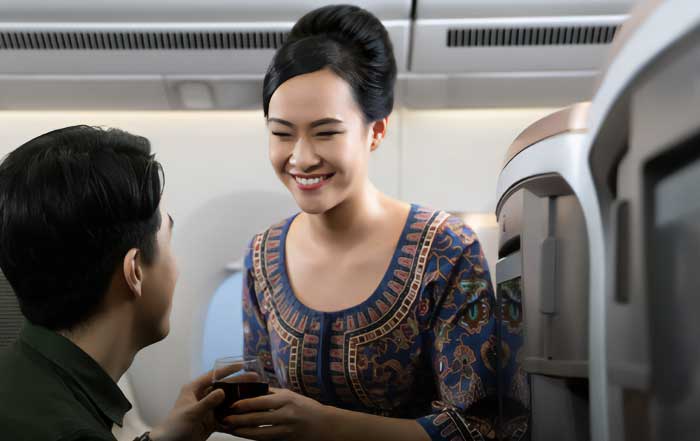
The aviation and cruise industries remain among the most straightforward ways to integrate travel into one's daily work. Women working as pilots, flight attendants, aviation managers, or cruise directors routinely traverse multiple countries within a single month. Airlines such as Emirates, Singapore Airlines, and Qatar Airways have made visible commitments to promoting women in both cockpit and corporate roles, while international associations like the International Air Transport Association (IATA) provide frameworks for diversity and safety, detailed on the IATA website.
Cruise companies, including Royal Caribbean, Celebrity Cruises, and Norwegian Cruise Line, hire women across hospitality, entertainment, spa, and wellness roles. Onboard spa managers, massage therapists, yoga instructors, and beauty specialists often work contracts that take them through the Mediterranean, Caribbean, or Asia-Pacific, reflecting the spa and wellness themes explored at qikspa.com/spa-and-salon.html and qikspa.com/wellness.html. These careers demand discipline and adaptability but offer unparalleled exposure to a wide range of cultures and landscapes.
Balancing Mobility with Wellness and Long-Term Growth
While travel-intensive careers can be deeply rewarding, they also present challenges that must be addressed thoughtfully to sustain performance and wellbeing over time. Frequent time zone changes, irregular schedules, and extended periods away from family or support networks can impact physical and mental health if not managed proactively. Platforms like qikspa.com/health.html and qikspa.com/wellness.html emphasize that women in global careers benefit from deliberate routines around sleep, nutrition, movement, and stress management.
In practice, this often means building portable wellness habits-such as short yoga sequences that can be done in hotel rooms, mindful eating strategies for airport environments, and digital boundaries to prevent burnout. It also involves cultivating professional communities and mentorship networks that transcend geography, whether through industry associations, alumni groups, or women's leadership organizations like Ellevate Network and Lean In, which share resources on their respective websites and leanin.org.
Strategic planning is equally important. Women who thrive in mobile careers tend to treat travel not as an end in itself but as a lever for building expertise, credibility, and long-term opportunity. They document their international projects, seek roles that stretch their responsibilities, and invest in continuous learning-whether through executive education, certifications, or language study. For readers exploring qikspa.com/careers.html, this mindset is critical to transforming a series of trips into a coherent, upward career trajectory.
How qikspa.com Fits into the Global Career Journey
As women in 2026 navigate this expansive landscape of global careers, qikspa.com serves as a curated hub where lifestyle, wellness, travel, and professional development intersect. Its coverage spans spa and salon innovation, yoga and fitness, sustainable living, food and nutrition, fashion, travel, and women's leadership, offering readers both inspiration and practical insight. The main portal at qikspa.com connects these domains, reflecting the reality that a modern global career is multi-dimensional: it touches how one works, lives, eats, dresses, moves, and recovers.
For those considering or already pursuing travel-centered roles, the site's sections-such as qikspa.com/lifestyle.html, qikspa.com/travel.html, qikspa.com/business.html, and qikspa.com/women.html-provide a framework for thinking holistically about success. They reinforce that authority in any global field is built not only on technical skill but also on lived experience, cultural literacy, ethical awareness, and a sustained commitment to personal wellbeing.
In 2026, the world is open in ways that previous generations of women could only imagine. From spa consultancy in Switzerland to digital entrepreneurship in Singapore, from sustainable fashion in Italy to humanitarian work in South Africa, global careers are no longer niche or exceptional-they are a viable, increasingly common choice for those who are prepared, strategic, and values-driven. For women ready to step into this arena, the task is to design careers that honor both ambition and health, leverage travel as a catalyst for growth, and contribute to a more connected, conscious global community. In that journey, qikspa.com stands as a trusted companion, reflecting and amplifying the possibilities of a life where work, wellness, and the world are in constant, dynamic conversation.
