
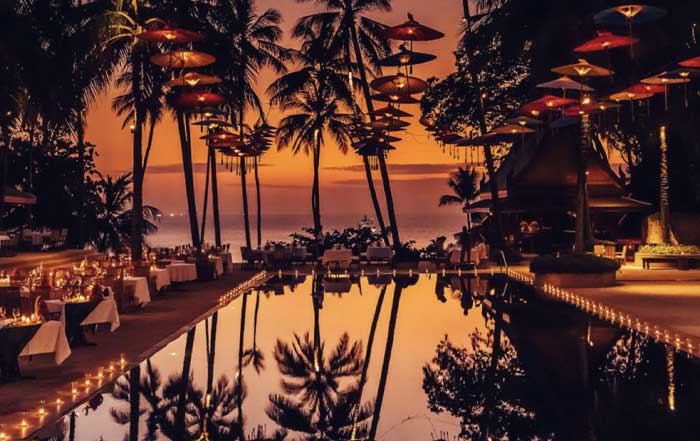
Thailand's Luxury Spa Resorts in 2026: How a Wellness Nation Sets the Global Standard
Thailand's ascent to the pinnacle of luxury wellness travel has been neither accidental nor purely trend-driven; it is the product of centuries-old healing traditions, deliberate investment in high-end hospitality, and a cultural philosophy that places balance, compassion, and mindfulness at the centre of daily life. By 2026, the country has firmly established itself as a benchmark for integrated wellness experiences, drawing sophisticated travellers from the United States, United Kingdom, Europe, Asia, and beyond who are seeking more than a holiday: they are searching for transformation. For readers of QikSpa.com, Thailand offers a living case study in how spa, lifestyle, health, beauty, nutrition, and sustainable business practices can converge into a coherent and deeply influential wellness ecosystem.
Thailand's Evolution into a Global Wellness Powerhouse
Thailand's reputation as a wellness destination is grounded in a heritage that predates modern tourism by centuries. Traditional Thai massage, herbal medicine, and Buddhist-inspired mindfulness practices have long been embedded in community life, and their preservation has allowed the country to build a globally recognised wellness brand. The formal recognition of traditional Thai massage by UNESCO as Intangible Cultural Heritage has reinforced the perception that Thai therapies are not merely treatments but cultural treasures with therapeutic depth and historical continuity.
Over the last two decades, strategic initiatives by the Tourism Authority of Thailand (TAT) and partnerships with global hotel groups have accelerated the transformation of this heritage into a sophisticated luxury offering. High-end resorts across Bangkok, Chiang Mai, Phuket, Koh Samui, Hua Hin, Krabi, and emerging destinations have aligned themselves with international standards while retaining a distinct Thai identity. The global growth of wellness tourism, tracked by organisations such as the Global Wellness Institute, has further amplified Thailand's position, as travellers increasingly prioritise preventive health, mental wellbeing, and immersive cultural experiences over conventional sightseeing.
This evolution mirrors broader lifestyle shifts that QikSpa.com explores across its lifestyle and wellness sections, where wellness is interpreted not as a trend but as a long-term personal and professional strategy.
Bangkok: Urban Luxury and Gateway to Thai Wellness
Bangkok functions as the primary gateway for international visitors and demonstrates how a megacity can integrate high-intensity urban life with world-class wellness sanctuaries. Amid skyscrapers, rooftop bars, and a dynamic culinary scene, some of Asia's most acclaimed urban spas offer advanced therapies, discreet luxury, and personalised care.
The legendary Mandarin Oriental, Bangkok remains a touchstone for refined urban wellness. Its Oriental Spa, set across the Chao Phraya River, combines traditional Thai massage, Ayurvedic therapies, and contemporary hydrotherapy within a meticulously curated environment. The emphasis on personalised consultations, high-calibre therapists, and carefully formulated herbal products reflects the professionalisation of spa services that global travellers now expect, a shift aligned with international best practices promoted by organisations such as the International Spa Association.
Similarly, The Siam Hotel has redefined boutique luxury in the capital. Its Opium Spa incorporates bespoke treatments, private yoga and meditation sessions, and integrative wellness programs that appeal to discerning guests seeking privacy and depth rather than volume and visibility. This shift toward curated, highly individualised experiences mirrors broader trends in the luxury segment, where exclusivity is increasingly defined by personal relevance rather than mere opulence.
For readers tracking innovations in beauty and spa culture, QikSpa.com extends this conversation through its dedicated beauty and spa and salon pages, which analyse how cities like Bangkok are redefining urban wellness.
Chiang Mai: Cultural Serenity and Mountain Retreats
In contrast to Bangkok's energetic pace, Chiang Mai offers a slower, more contemplative rhythm that lends itself naturally to holistic retreats. Surrounded by mountains, forests, and historic temples, the city has become a preferred destination for travellers seeking a deeper connection with spirituality, nature, and local culture.
The Four Seasons Resort Chiang Mai, set among rice paddies and tropical gardens, exemplifies the fusion of natural landscape and high-end wellness. Its spa programs draw on northern Thai herbal traditions, energy-balancing massage, and mindfulness practices, while also integrating yoga and nutrition-focused experiences. Farm experiences, meditation by the fields, and wellness cooking classes align with the farm-to-table and regenerative tourism movements highlighted by platforms like Sustainable Travel International.
Historically significant properties such as Dhara Dhevi Chiang Mai, despite undergoing transitions, have helped define the architectural and cultural vocabulary of luxury wellness in the region. The Lanna-inspired design, temple-like spa spaces, and emphasis on cultural immersion have influenced a new generation of boutique retreats that emphasise authenticity over uniformity.
Chiang Mai's role as a centre for meditation and mindfulness also resonates with the global rise in mental health awareness, a topic increasingly covered by institutions such as the World Health Organization. For QikSpa.com readers, Chiang Mai illustrates how wellness, culture, and health can be seamlessly integrated, a theme explored regularly in the site's health content.
Phuket: From Party Island to Integrated Wellness Hub
Phuket's transformation over the last decade is one of the most striking examples of destination repositioning in global tourism. Once known primarily for nightlife and mass-market beach holidays, the island now hosts some of the world's most sophisticated wellness resorts, attracting a clientele that includes executives, entrepreneurs, and high-net-worth individuals seeking structured programs in detox, fitness, and mental resilience.
Amanpuri, the flagship property of Aman Resorts, remains a reference point for ultra-luxury wellness. Its integrated wellness centre offers diagnostics, personalised fitness plans, mindfulness coaching, and nutrition consultation, guided by both in-house experts and visiting specialists. The resort's approach reflects a broader shift toward evidence-informed wellness, aligned with insights from institutions such as the Mayo Clinic on stress management, sleep, and preventive health.
The Banyan Tree Phuket, part of the pioneering Banyan Tree Group, has built its brand on the concept of a "Sanctuary for the Senses," combining spa therapies, hydrotherapy circuits, and immersive nature experiences. Its longstanding commitment to environmental and social responsibility aligns with frameworks advocated by the Global Sustainable Tourism Council, and demonstrates how luxury and sustainability can reinforce, rather than contradict, each other.
Phuket's evolution from nightlife destination to wellness hub reflects the kind of long-term strategic repositioning that QikSpa.com examines in its business and travel sections, where tourism, brand strategy, and wellness economics intersect.
Koh Samui: A Global Benchmark for Holistic Healing
Koh Samui has become synonymous with intensive, life-changing wellness programs that go far beyond spa treatments. The island's lush hillsides and sea views provide the setting for some of the world's most respected integrative wellness centres, positioning Samui at the forefront of what many describe as transformational travel.
Kamalaya Koh Samui is widely regarded as a benchmark in integrative wellness. Its programs address detoxification, stress and burnout, emotional balance, and lifestyle transformation, integrating traditional Chinese medicine, naturopathy, Thai therapies, and contemplative practices. The resort's methodology, which includes medical assessments, personalised program design, and post-stay follow-up, mirrors the integrated models of care promoted by institutions like the Cleveland Clinic Center for Integrative & Lifestyle Medicine.
The Six Senses Samui, part of the sustainability-focused Six Senses brand, blends eco-conscious design with advanced wellness offerings. Bespoke sleep programs, bio-individual nutrition, and immersive mindfulness experiences are delivered in a setting that emphasises low-impact architecture and regenerative practices. The resort's commitment to environmental stewardship aligns with the principles of organisations such as the Ellen MacArthur Foundation on circular economy and resource efficiency.
For QikSpa.com, Koh Samui exemplifies how high-end wellness can be both luxurious and deeply principled, a narrative that resonates strongly with readers who engage with the site's sustainable and wellness content.
Hua Hin: Royal Heritage and Destination Spa Excellence
Hua Hin, long associated with Thai royalty and elegant seaside retreats, has become a cornerstone of Thailand's destination spa identity. Its calm beaches and proximity to Bangkok make it particularly attractive to both international guests and regional travellers seeking extended wellness stays.
The iconic Chiva-Som International Health Resort remains one of the most influential names in global wellness. Since the 1990s, it has pioneered integrative programs that combine physiotherapy, nutrition, fitness, spa therapies, and mindfulness into personalised journeys. Guests undergo comprehensive assessments and follow structured itineraries designed to address issues ranging from metabolic health to stress and ageing, a model comparable to leading medical wellness centres documented by the International Medical Wellness Association.
Nearby, the InterContinental Hua Hin Resort demonstrates how mainstream luxury brands are expanding their wellness portfolios. While maintaining a strong leisure and family appeal, the property offers advanced spa therapies, hydrotherapy facilities, and fitness-focused experiences that align with modern expectations for health-conscious travel.
These developments reflect the broader convergence of hospitality, health, and preventive medicine, a convergence that QikSpa.com regularly analyses through its health and food and nutrition sections.
Krabi and Emerging Nature-Infused Retreats
Krabi's dramatic limestone cliffs, marine national parks, and tranquil coves provide an ideal setting for wellness experiences grounded in nature. Luxury resorts here have leveraged the environment not only as a backdrop but as an active component of the healing process.
The Rayavadee Resort, bordering Krabi's Marine National Park, offers spa programs that incorporate southern Thai herbal traditions, marine-inspired therapies, and open-air treatment spaces that blur the line between indoor and outdoor environments. The resort's emphasis on conservation and responsible tourism aligns with the nature-based wellness principles promoted by organisations such as the International Union for Conservation of Nature.
Phulay Bay, a Ritz-Carlton Reserve, positions itself at the intersection of ultra-luxury and local heritage. Its spa integrates signature Ritz-Carlton therapies with Thai massage and guided meditation, while the resort's architecture and art reflect regional culture. This balance between global brand standards and local authenticity is increasingly important to sophisticated travellers who evaluate destinations through the lens of cultural respect and long-term impact.
For QikSpa.com readers, Krabi underscores how landscape, biodiversity, and wellness design can be integrated into a coherent and responsible guest experience, a theme also reflected in the site's international coverage of global wellness destinations.
Boutique and Design-Driven Spa Concepts
Beyond the flagship names, Thailand has seen a strong rise in boutique and design-driven spa resorts that prioritise intimacy, narrative, and a sense of place. These properties often appeal to experienced travellers who have moved beyond brand recognition and are instead seeking originality and meaning.
Keemala Phuket, with its myth-inspired villas and forested hillside location, exemplifies this new wave. Its wellness concept is grounded in holistic therapies, organic cuisine, and immersive experiences that invite guests to step into a story as much as a resort. The resort's focus on plant-based menus, low-impact construction, and community engagement reflects a sophisticated understanding of sustainability that goes beyond marketing.
Similarly, Aleenta Hua Hin-Pranburi Resort & Spa integrates eco-conscious design with longevity-focused wellness. Its Ayurah Wellness programs address anti-ageing, metabolic health, and stress resilience, drawing on both modern diagnostics and traditional Asian therapies. The property's initiatives in plastic reduction, local sourcing, and ecosystem protection align with best practices promoted by the United Nations Environment Programme for sustainable tourism.
These boutique models illustrate how innovation in wellness often emerges from smaller, agile properties, a dynamic that QikSpa.com tracks closely across its travel and sustainable sections.
Food, Nutrition, and the Rise of Culinary Wellness
By 2026, nutrition has moved from a supporting role to a central pillar of Thailand's luxury wellness proposition. Leading resorts now treat cuisine as a primary therapeutic tool, integrating insights from nutritional science, traditional medicine, and local agriculture.
Farm-to-table concepts at properties such as Four Seasons Resort Chiang Mai and Six Senses Samui demonstrate how organic farming, seasonal menus, and culinary education can be interwoven into a wellness journey. Guests are invited to explore herb gardens, learn about the medicinal properties of ingredients like turmeric, lemongrass, and holy basil, and participate in cooking classes that emphasise long-term dietary change rather than short-term restriction. These practices echo research from institutions such as the Harvard T.H. Chan School of Public Health on the role of whole foods and plant-forward diets in chronic disease prevention.
Destination spas such as Kamalaya and Chiva-Som extend this approach with detox and longevity menus tailored to specific health objectives. Calibrated macronutrient ratios, low-glycaemic recipes, and functional beverages are combined with medical and therapeutic interventions to create coherent, measurable outcomes. This integration of culinary and clinical thinking reflects a broader shift toward lifestyle medicine, a field championed by organisations like the American College of Lifestyle Medicine.
For QikSpa.com, which dedicates significant coverage to food and nutrition, Thailand's culinary wellness renaissance provides both inspiration and practical frameworks for readers seeking to align their diets with long-term health.
Yoga, Mindfulness, and Spiritual Dimensions of Wellness
Thailand's wellness offering extends beyond the physical into deeply spiritual territory, drawing on Buddhist philosophy, meditation traditions, and the global popularity of yoga. Many luxury resorts now position yoga and mindfulness not as optional extras but as core components of their value proposition.
Ocean-facing yoga pavilions at properties such as Amanpuri and Six Senses Samui host sunrise and sunset sessions that combine asana practice with breathwork and guided meditation. Multi-day retreats are often led by internationally recognised teachers and integrate elements such as journalling, digital detox, and contemplative walks, echoing the growing body of evidence from sources like Mindful.org on the benefits of consistent mindfulness practice for stress reduction and cognitive performance.
In Chiang Mai and other northern regions, partnerships with temples and monastic communities allow guests to engage with authentic Buddhist meditation practices. Silent retreats, alms-giving ceremonies, and dhamma talks provide a depth of experience that resonates with travellers seeking meaning and perspective in a volatile, high-pressure world.
These spiritual dimensions of wellness are a central focus of QikSpa.com's yoga coverage, where the emphasis is on practical, evidence-informed approaches to integrating mindfulness and movement into daily life.
Women-Focused Wellness and Leadership Retreats
A notable development in Thailand's spa landscape is the rise of women-centred programs designed to address the specific health, lifestyle, and leadership needs of women across age groups and professional roles. As more women occupy senior positions in business and public life, demand has grown for retreats that combine health optimisation with reflection, peer connection, and strategic thinking.
Resorts such as Kamalaya and Aleenta Hua Hin-Pranburi have introduced programs focused on hormonal balance, reproductive health, stress and burnout, and midlife transition. These retreats often integrate medical assessments, targeted nutrition, yoga, breathwork, and coaching, reflecting research on women's health from organisations like the Office on Women's Health in the United States.
Parallel to health-focused programs, leadership and empowerment retreats bring together women entrepreneurs, executives, and creatives for curated experiences that blend wellness with professional development. Facilitated dialogues, mentoring sessions, and collaborative projects are interspersed with spa treatments and mindfulness practices, underlining the recognition that sustainable leadership requires sustained self-care.
QikSpa.com addresses these dynamics in its women section, where the intersection of gender, leadership, wellness, and travel is explored for a global audience.
Careers, Skills, and Professionalisation of Thai Spa Hospitality
The growth of Thailand's luxury wellness sector has generated a parallel expansion in career opportunities, skills development, and professional recognition. Spa therapists, wellness consultants, nutritionists, yoga instructors, and wellness resort managers are now part of a sophisticated service ecosystem that extends far beyond traditional hospitality roles.
Institutions such as the Chiva-Som Academy and training programs by Banyan Tree Group and other leading brands have become reference points for spa education in Asia. Curricula often blend anatomy and physiology, massage techniques, nutrition basics, coaching skills, and sustainability principles, reflecting the multidisciplinary nature of modern wellness. These developments mirror broader trends in global hospitality education documented by organisations like the World Tourism Organization (UNWTO).
Thai-trained professionals are increasingly sought after in Europe, North America, the Middle East, and other parts of Asia, reinforcing Thailand's reputation for excellence in hands-on therapies and guest care. For students and professionals exploring this field, QikSpa.com's careers section offers perspectives on emerging roles, required competencies, and global mobility within the wellness economy.
Fashion, Aesthetics, and Lifestyle Branding in Wellness
As wellness becomes a lifestyle aspiration rather than a niche interest, Thailand's luxury resorts have begun to collaborate more actively with fashion, beauty, and design brands. Wellness events featuring resort wear designers, spa-inspired skincare launches, and collaborations with athleisure labels illustrate the convergence between aesthetics and health.
Properties such as The Siam Hotel and Rayavadee have hosted curated experiences that combine mindfulness workshops, beauty consultations, and fashion showcases, reflecting the understanding that modern consumers often view wellness, appearance, and personal brand as interconnected. This convergence is also visible in the rise of resort-branded skincare, nutritional supplements, and wellness apparel, which extend the guest experience into everyday life.
These developments align with broader shifts in consumer behaviour tracked by organisations such as McKinsey & Company in their analyses of the "wellness consumer." For QikSpa.com, this intersection of fashion, beauty, and wellbeing is a key focus of the fashion and beauty sections, where wellness is interpreted as both inner and outer expression.
Looking Ahead to 2030: Digital, Medical, and Climate-Conscious Wellness
By 2026, clear signals are emerging about where Thailand's luxury spa industry is heading as it looks toward 2030. Digital wellness, medical integration, and climate responsibility are set to become defining pillars.
Resorts are beginning to integrate artificial intelligence and digital platforms into their guest journeys, offering pre-arrival assessments, biometric tracking, and post-stay coaching delivered through apps and virtual consultations. These developments align with broader digital health trends highlighted by organisations such as the World Economic Forum. In practice, this means a guest's spa experience increasingly extends beyond the property, supporting long-term behaviour change rather than short-term indulgence.
Simultaneously, the convergence of wellness and medical tourism is accelerating. Thailand's established reputation for high-quality, cost-effective medical care, documented by sources such as Medical Tourism Association, has paved the way for collaborations between luxury resorts and clinics specialising in longevity, functional medicine, and regenerative therapies. Anti-ageing diagnostics, hormone optimisation, and advanced recovery programs are gradually being integrated into high-end spa offerings.
Climate-conscious luxury is emerging as a non-negotiable expectation rather than an optional differentiator. Resorts are investing in renewable energy, water stewardship, biodiversity conservation, and community partnerships, aligning with the goals articulated in the Paris Agreement. Guests, particularly from Europe, North America, and environmentally conscious markets such as the Nordic countries, are increasingly evaluating destinations through the lens of carbon footprint and social impact.
These future-facing dynamics are continuously analysed on QikSpa.com, especially in the sustainable, business, and international sections, where readers can follow how Thailand's strategies compare with those in Europe, the Americas, and other parts of Asia-Pacific.
Conclusion: Thailand as a Living Blueprint for Integrated Wellness
By 2026, Thailand stands not merely as a collection of beautiful resorts but as a living blueprint for integrated wellness on a national scale. From Bangkok's urban sanctuaries to Chiang Mai's cultural retreats, from Phuket and Koh Samui's transformational programs to Hua Hin and Krabi's nature-infused sanctuaries, the country offers a spectrum of experiences that address body, mind, and spirit with rare coherence.
The success of Thailand's luxury spa sector rests on its ability to combine experience, expertise, authoritativeness, and trustworthiness. Experience is embodied in the centuries-old traditions and the lived hospitality culture that underpins guest care. Expertise is reflected in the professionalisation of therapists, nutritionists, and wellness managers. Authoritativeness emerges from the country's role in shaping global spa benchmarks and training standards. Trustworthiness is built through consistent quality, transparent sustainability practices, and the integration of evidence-informed approaches to health and wellbeing.
For global travellers, industry professionals, and business leaders, Thailand offers not only destinations to visit but models to learn from. QikSpa.com exists precisely at this intersection, curating insights from Thailand and the wider world across wellness, health, lifestyle, travel, business, and more. As wellness continues to shape how people live, work, travel, and lead, Thailand's luxury spa resorts will remain central to the global conversation-both as inspirational destinations and as benchmarks for what a truly holistic, responsible, and future-ready wellness industry can be.
Readers seeking to explore these themes in greater depth can continue their journey across the full ecosystem of insights at QikSpa.com, where Thailand's story is set within a global context of evolving wellness, sustainability, and lifestyle innovation.
