
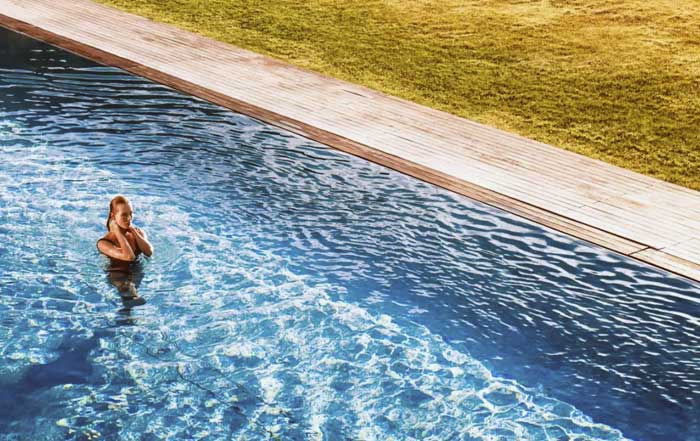
Germany's Luxury Spa Resorts in 2026: Where Tradition, Science, and Lifestyle Converge
Germany's position as a global wellness powerhouse has only strengthened by 2026, as the country continues to refine a spa culture that blends centuries-old bathing traditions with medical precision, sustainability, and elevated hospitality. For the global audience of qikspa.com, which is deeply engaged with spa and salon culture, lifestyle, beauty, nutrition, health, wellness, business, fitness, and travel, Germany offers a compelling case study in how a nation can turn wellness into both a lifestyle and a strategic industry. From the thermal temples of Baden-Baden to the medical retreats of Bavaria and the maritime sanctuaries of the North and Baltic Seas, Germany's luxury spa resorts have evolved into sophisticated ecosystems of care, where experience, expertise, authoritativeness, and trustworthiness are not marketing slogans but operational foundations.
In an era where wellness tourism has become a core segment of global travel, with organizations such as the Global Wellness Institute tracking its rapid growth, Germany stands out by anchoring luxury in evidence-based health, sustainable design, and cultural depth. For discerning travelers from the United States, the United Kingdom, Canada, Australia, across Europe, and throughout Asia, these resorts are not simply places to relax; they are destinations for recalibrating lifestyle, improving performance, and investing in long-term well-being. This aligns closely with the editorial vision of qikspa.com, where wellness is treated as an integrated journey spanning spa, health, nutrition, beauty, fitness, and sustainable living.
The Enduring Legacy of German Spa Culture
Germany's spa heritage is rooted in geography, history, and a cultural respect for health as a public good. Thermal towns such as Baden-Baden, Wiesbaden, Bad Ems, and Bad Kissingen rose to prominence in the 18th and 19th centuries, attracting European aristocracy, intellectuals, and artists who came not only for the mineral-rich waters but also for socialization and cultural life. The modern concept of the spa owes much to these German "Bad" towns, where hydrotherapy and balneology were systematically studied, documented, and regulated, giving them a scientific credibility that continues to influence today's medical spa standards.
This heritage is now complemented by a contemporary focus on integrative medicine, nutrition, mental health, and digital innovation. German spa resorts work closely with physicians, nutritionists, and therapists, often aligning with academic and clinical research institutions such as Charité Universitätsmedizin Berlin, which is widely profiled by platforms like ScienceDirect for its medical research. For readers of qikspa.com/health, Germany's model is a vivid example of how wellness, when supported by clinical expertise and stringent regulation, can move beyond indulgence into the realm of preventive healthcare and longevity.
Baden-Baden and the Black Forest: Historic Elegance and Holistic Precision
Baden-Baden remains the symbolic heart of German spa culture, and in 2026 its reputation as a global wellness capital is stronger than ever. Nestled on the edge of the Black Forest, the town combines Belle Époque architecture, lush parklands, and thermal springs with a sophisticated cultural scene and high-end hospitality.
At the center of this ecosystem stands Brenners Park-Hotel & Spa, whose Villa Stéphanie has become a reference point for integrated wellness and medical excellence. This historic property, set along the Lichtentaler Allee, offers programs that combine diagnostics, detox, nutrition, mental resilience, and fitness in tightly curated itineraries. Guests undergo detailed assessments that may include cardiometabolic screening, sleep analysis, and advanced dermatological consultations, drawing on the expertise of German medical professionals whose standards reflect guidelines from institutions like the World Health Organization. The experience is deeply personalized, with nutrition plans aligning with contemporary research on gut health and metabolic balance, echoing concepts often discussed on Harvard T.H. Chan School of Public Health and other evidence-based health platforms.
Baden-Baden's Friedrichsbad Roman-Irish Baths remain a living monument to traditional hydrotherapy. The structured sequence of warm, hot, and cold baths, steam rooms, and relaxation phases provides a ritualized journey that showcases the principles of classical balneology, which are still referenced by medical and spa practitioners across Europe. For readers exploring how historic modalities can fit into a modern lifestyle, the town's approach resonates with the broader wellness narratives presented at qikspa.com/wellness and qikspa.com/lifestyle, where tradition is seen as a foundation for present-day self-care.
Beyond Baden-Baden, the wider Black Forest region hosts refined properties such as Hotel Bareiss in Baiersbronn, which integrates an expansive spa with three-Michelin-starred gastronomy and forest-focused activities. The resort's philosophy reflects an understanding that well-being is inseparable from what guests eat, how they move, and the environments they inhabit, mirroring the holistic approach that underpins qikspa.com/food-and-nutrition and qikspa.com/fitness.
Bavaria and the Alpine Axis: Longevity, Culture, and High-Performance Wellness
In southern Germany, the Bavarian Alps provide a dramatic natural backdrop for some of Europe's most advanced wellness retreats. Here, luxury is expressed not only through architecture and service but also through the depth of medical expertise and the ambition of the programs offered.
Lanserhof Tegernsee, often cited in international media such as the Financial Times and Condé Nast Traveler as a benchmark for medical wellness, represents the apex of Germany's longevity-focused spa movement. Its signature Lanserhof Cure, grounded in naturopathic principles yet enriched by cutting-edge diagnostics, is built around detoxification, metabolic reset, and behavioral change. Guests typically undergo comprehensive testing, including blood work, imaging, and in some cases genetic and microbiome analysis, in order to design tailored regimens that cover nutrition, sleep, movement, and stress management. This model aligns with the emerging field of lifestyle medicine, frequently discussed by organizations such as the American College of Lifestyle Medicine, and reinforces Germany's reputation for evidence-based wellness.
Nearby, Schloss Elmau Luxury Spa Retreat & Cultural Hideaway has carved out a distinctive niche by combining wellness with intellectual and artistic engagement. The property features multiple spas, including family-friendly and adult-only areas, and offers programs in yoga, meditation, and traditional Chinese medicine, often led by international experts. At the same time, it hosts world-class concerts, literary events, and philosophical discussions, making it a destination where cultural enrichment and physical regeneration are interwoven. This synthesis of culture and wellness reflects the multidimensional lifestyle perspective that qikspa.com champions across its sections on travel, wellness, and business, particularly for leaders and entrepreneurs who see creativity and mental clarity as strategic assets.
Other Bavarian and alpine properties, such as Kempinski Hotel Berchtesgaden and Biohotel Stanglwirt, extend this narrative by integrating alpine botanicals, outdoor adventure, and eco-certified operations. Their emphasis on local materials, renewable energy, and farm-to-table cuisine parallels global best practices in sustainable tourism promoted by bodies like the UN World Tourism Organization. For readers of qikspa.com/sustainable, these resorts demonstrate how luxury and environmental responsibility can reinforce, rather than contradict, each other.
Wiesbaden and the Classical Thermal Towns: Elegance, Beauty, and Preventive Care
Wiesbaden, one of Europe's oldest spa cities, continues to attract a sophisticated international audience seeking a blend of classical charm and contemporary wellness. The city's grand architecture and numerous thermal springs create a setting where luxury hotels and medical practices coexist in a compact urban fabric.
The Nassauer Hof Hotel & Spa remains a flagship property, distinguished by its rooftop thermal pool fed directly from natural hot springs and its extensive menu of spa and beauty treatments. In recent years, the hotel has increasingly aligned its offerings with global trends in integrative aesthetics and non-invasive rejuvenation, combining traditional massages and facials with dermatologically guided therapies and advanced skincare technologies. These developments reflect international standards in cosmetic dermatology and wellness tourism, which are frequently analyzed by organizations such as the International Spa Association and the American Academy of Dermatology.
For qikspa.com's audience, particularly those engaged with beauty and women's wellness, Wiesbaden's approach is a compelling example of how spa culture can embrace both indulgent self-care and serious, results-oriented aesthetics without losing its sense of place and history.
Northern Germany, the Baltic, and North Sea: Maritime Wellness and Climate-Conscious Escapes
Germany's northern coastline along the Baltic and North Seas has become an increasingly influential region in the country's spa landscape, especially for travelers from Scandinavia, the Netherlands, the United Kingdom, and Germany's own urban centers. Here, the focus shifts from mountains and forests to dunes, sea air, and marine-based therapies.
Properties such as A-Rosa TravemÜnde and Grand Hotel Heiligendamm have refined the art of thalassotherapy, using seawater, algae, and marine minerals to support circulation, skin health, and respiratory function, in line with principles documented by institutions like Thalasso & Spa Association and referenced in European balneology studies. These resorts often pair spa treatments with structured breathing exercises, coastal walks, and nutritional programs rich in omega-3 fatty acids, aligning with evidence on cardiovascular and neurological health published by organizations like the American Heart Association.
The maritime climate also lends itself to digital detox and mental reset, themes that resonate strongly with global professionals and entrepreneurs seeking to counteract the pressures of hyper-connectivity. Many coastal resorts now design programs that deliberately limit device use, prioritize sleep hygiene, and introduce mindfulness practices, mirroring the mental well-being strategies discussed on qikspa.com/health and qikspa.com/lifestyle.
Urban Wellness in Berlin and Beyond: Spa Culture for the Global City
While Germany's spa image is often associated with nature and historic bathhouses, its major cities, particularly Berlin, Munich, and Hamburg, have developed sophisticated urban spa offerings that cater to both residents and international business travelers. These properties recognize that modern wellness must fit into the rhythms of corporate life, creative industries, and global mobility.
In Berlin, hotels such as The Ritz-Carlton, Berlin and Hotel de Rome by Rocco Forte offer spas that merge European traditions with global influences. Treatments may incorporate Japanese hot stone rituals, ayurvedic therapies, and advanced facial technologies using brands like La Prairie and Babor, which are known for their research-driven formulations and are frequently profiled in professional skincare circles and on platforms such as Allure and Vogue. These urban spas are designed for high-performing guests who may only have a few hours between meetings yet still seek meaningful recovery, aligning with the productivity and resilience themes frequently explored at qikspa.com/business.
Munich and Hamburg follow similar trajectories, with luxury hotels integrating wellness zones that include fitness studios, hydrotherapy pools, and relaxation lounges, often equipped with technology-enabled diagnostics and personalized training plans. This reflects a broader shift in global hospitality, where wellness is no longer a peripheral amenity but a central pillar of brand identity, a trend tracked closely by consultancies such as McKinsey & Company, whose perspectives on the business of wellness can be explored via McKinsey's insights.
Signature Therapies and Integrative Modalities: The German Approach to Holistic Care
What distinguishes Germany's luxury spa resorts is not only their settings but also the sophistication and diversity of their therapeutic offerings. Hydrotherapy and balneology remain foundational, with thermal baths, contrast showers, Kneipp paths, and mineral pools employed to support circulation, detoxification, and musculoskeletal health. These practices draw on a long history of clinical observation and are still referenced in European guidelines for rehabilitative medicine and physiotherapy, as seen in resources like PubMed.
At the same time, many leading resorts have fully embraced Eastern modalities such as ayurveda, yoga, meditation, and traditional Chinese medicine. Destinations like Ayurveda Parkschlösschen in the Moselle Valley focus exclusively on authentic ayurveda, employing physicians and therapists trained in India, offering panchakarma detox programs and dosha-specific nutrition. This cross-cultural integration mirrors the global wellness currents that qikspa.com highlights in its yoga, international, and wellness sections, where Eastern and Western perspectives are treated as complementary rather than competing paradigms.
Medical diagnostics and longevity programs form another pillar of German spa expertise. Resorts such as Lanserhof Tegernsee and Brenners Park-Hotel & Spa deploy comprehensive health check-ups, sometimes incorporating cardiology, endocrinology, and sports medicine, in line with global best practices outlined by organizations like the Mayo Clinic. These programs appeal particularly to international guests from North America, the Middle East, and Asia who are seeking structured, time-efficient interventions that combine lifestyle change with state-of-the-art clinical tools.
Sustainability, Ethics, and the Future of Luxury Wellness
By 2026, sustainability is no longer a niche concern in Germany's spa sector; it is a core strategic principle. Many leading resorts are certified under environmental standards recognized by bodies such as Green Globe or national eco-labels, and they invest in renewable energy, water conservation, and circular waste management. This is especially evident in Biohotels and alpine retreats that integrate organic agriculture, local sourcing, and low-impact architecture, demonstrating that high-end wellness can exist in harmony with ecological responsibility.
For qikspa.com's readers who follow sustainable and lifestyle content, Germany's approach offers a concrete blueprint for how spa and hospitality businesses worldwide can align with the United Nations' Sustainable Development Goals while maintaining high standards of service and profitability. Sustainability is increasingly tied to trustworthiness in the eyes of international travelers, especially younger demographics from Europe, North America, and Asia-Pacific who view environmental and social responsibility as non-negotiable.
Digital innovation is another defining trend. Several German resorts are experimenting with AI-driven personalization, using data from wearables and health assessments to fine-tune nutrition, training, and recovery protocols. Others are building hybrid models that combine on-site stays with virtual consultations, telehealth follow-ups, and app-based coaching, echoing the broader digital health trends covered by sources like World Economic Forum. This enables guests from regions such as the United States, the United Kingdom, Singapore, and the UAE to extend their wellness journey beyond the duration of a single visit.
Women, Careers, and Empowerment Through Wellness
Germany's spa industry has become particularly relevant for women travelers and professionals who are seeking safe, structured, and empowering environments for self-care. Many resorts now offer women-focused retreats addressing hormonal health, fertility, menopause, stress resilience, and leadership development, often led by multidisciplinary teams that include physicians, psychologists, and coaches. These programs reflect a recognition that women's health requires tailored approaches grounded in current research, such as that published by the Office on Women's Health.
For solo travelers and executives balancing demanding careers, Germany's reputation for safety, professionalism, and discretion is a key differentiator. This aligns strongly with the themes discussed on qikspa.com/women and qikspa.com/careers, where wellness is framed as a strategic resource for performance, creativity, and long-term success rather than a luxury reserved for occasional holidays.
Germany's Strategic Role in Global Wellness Tourism
In the broader context of global wellness tourism, Germany serves as both a benchmark and a laboratory. Its resorts attract visitors from across Europe, North America, the Middle East, and Asia, offering programs tailored to the expectations of markets as diverse as the United States, the United Kingdom, Germany itself, China, Japan, South Korea, the Gulf states, and emerging wellness travelers from South Africa, Brazil, and Southeast Asia. The country's emphasis on regulation, scientific validation, and professional training underpins a level of trust that is particularly valued in medical and high-impact wellness interventions.
Industry observers, including the Global Wellness Summit, consistently highlight Germany as a leader in medical wellness, spa innovation, and sustainable hospitality. Its influence extends beyond its borders, shaping practices in neighboring Switzerland, Austria, Italy, and France, and contributing to the development of a Central European wellness corridor that is highly attractive to international travelers.
For qikspa.com, Germany's spa culture offers more than a list of destinations; it provides a framework for understanding how wellness can be embedded in national identity, economic strategy, and everyday life. From spa and salon experiences to fitness, nutrition, fashion, and business travel, the German model demonstrates that true luxury in 2026 is defined by depth of expertise, authenticity of experience, and integrity of practice.
As wellness continues to evolve as a global lifestyle and economic force, readers exploring qikspa.com-whether through its sections on spa and salon, health, wellness, travel, or international-will find in Germany a destination that not only reflects current trends but also actively shapes the future of holistic, sustainable, and trustworthy luxury.
