
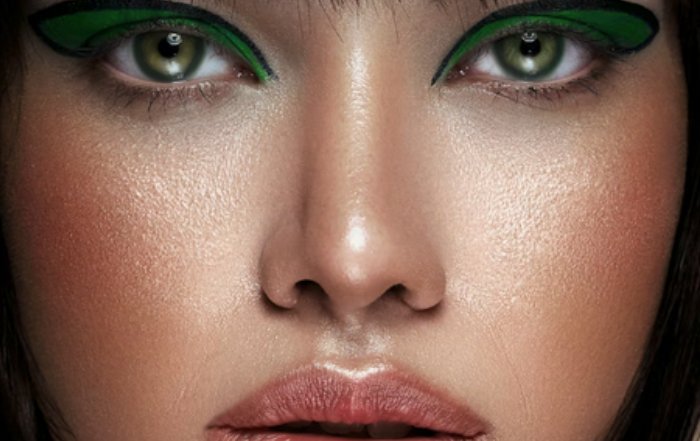
Natural Skincare Trends Transforming the Beauty Market in 2026
The New Face of Beauty: Why Natural Skincare Now Leads the Market
By 2026, natural skincare has moved from niche preference to global mainstream, reshaping the beauty market across North America, Europe, Asia, Africa and South America, while redefining how consumers perceive quality, safety and luxury in personal care. What began as a quiet shift toward "clean" formulations has evolved into a comprehensive rethinking of ingredient sourcing, product development, consumer education and digital experience, with leading brands and emerging innovators alike repositioning their strategies around transparency, efficacy and environmental responsibility. Within this transformation, QikSpa has positioned itself as a curated hub for discerning readers who want to understand not only which products to choose, but how skincare decisions intersect with lifestyle, wellness, sustainability, travel and careers in the global beauty economy, offering integrated coverage across spa and salon culture, beauty, health and business.
As consumers in the United States, United Kingdom, Germany, Canada, Australia and beyond become more informed, they increasingly question ingredient lists, seek independent science-based information and compare brands across international borders. Institutions such as the European Commission and the U.S. Food and Drug Administration provide regulatory frameworks that set minimum safety baselines, yet the market is moving far beyond compliance, with companies voluntarily adhering to higher internal standards and third-party certifications. Readers who explore wellness-focused insights on QikSpa are part of a global audience that now expects products to be not only effective, but also ethically sourced, environmentally considerate and aligned with a holistic lifestyle that connects skincare to sleep, nutrition, stress management and movement.
From "Clean Beauty" to Evidence-Based Natural Formulations
The early "clean beauty" movement was often driven more by marketing language than by rigorous science, but in 2026 the most influential trend in natural skincare is the fusion of botanical ingredients with dermatological research and clinical validation. Organizations such as the American Academy of Dermatology and platforms like Harvard Health Publishing provide accessible overviews of skin physiology and common conditions, helping consumers understand how ingredients such as niacinamide, bakuchiol, ceramides and plant-derived antioxidants actually interact with the skin barrier, rather than relying on vague claims or fear-based messaging. Learn more about how dermatologists evaluate ingredient safety and efficacy through resources such as Harvard's guidance on skin care.
The shift is particularly visible in markets like South Korea and Japan, where the tradition of meticulous, multi-step routines has merged with a newer emphasis on minimalist, barrier-supporting formulations built around gentle surfactants, fermented extracts and microbiome-friendly components. At the same time, European consumers in France, Italy, Spain, Germany and the Nordics are driving demand for products that combine long-standing apothecary traditions with modern green chemistry, creating a bridge between heritage and innovation. For readers of QikSpa, this convergence underscores why spa and salon professionals, formulators and informed consumers alike must stay current on both scientific literature and evolving consumer expectations, something that is reflected in the platform's coverage of spa and salon trends and their impact on client experience.
Ingredient Transparency and the Rise of Conscious Consumerism
Transparency has become a defining expectation in natural skincare, with consumers in the United States, United Kingdom, Canada, Australia, Singapore and across Europe demanding full ingredient disclosure, clear explanations of function and origin, and accessible education that demystifies complex names or processes. Initiatives such as the Environmental Working Group's Skin Deep database and ingredient glossaries maintained by organizations like INCI Decoder and Paula's Choice have empowered shoppers to research individual components, cross-check claims and make more informed decisions. Consumers increasingly consult resources like EWG's Skin Deep to evaluate product profiles before purchasing.
This transparency trend is reshaping how brands communicate, leading to detailed breakdowns of ingredient sourcing, concentration ranges and even supplier partnerships. It is also influencing how retailers curate assortments, as both brick-and-mortar and digital platforms in markets from New York to London and from Berlin to Tokyo adopt stricter internal criteria for what qualifies as "natural," "clean" or "sustainable." On QikSpa, this shift is mirrored in editorial coverage that links skincare choices to broader lifestyle decisions, encouraging readers to explore lifestyle content that contextualizes beauty within daily routines, work patterns and long-term health objectives.
The Science of the Skin Barrier and Microbiome-Friendly Care
One of the most significant scientific developments influencing natural skincare is the widespread recognition of the skin barrier and microbiome as central to long-term skin health. Dermatology research, including work highlighted by institutions such as the Cleveland Clinic and the Mayo Clinic, has emphasized that over-exfoliation, harsh surfactants and aggressive treatments can compromise barrier function, leading to sensitivity, inflammation and premature aging. Readers can explore more about the importance of the skin barrier and gentle care approaches through resources such as Cleveland Clinic's skin health guidance.
In response, brands across North America, Europe and Asia are formulating with barrier-supporting lipids, ceramides, colloidal oats and plant-derived oils, while avoiding unnecessary fragrance and sensitizing preservatives. Microbiome-friendly products that avoid broad-spectrum antimicrobial agents are gaining traction, particularly in markets like Sweden, Norway, Denmark and Finland, where minimalist routines and sensitive-skin concerns are common. For the QikSpa community, which often looks at skincare as part of a broader wellness ecosystem, this evolution reinforces the connection between topical care, nutrition, stress management and sleep, themes that are further developed in the platform's food and nutrition and fitness sections, where the internal and external dimensions of skin health are explored in tandem.
Sustainability as a Core Business Imperative in Beauty
Sustainability has moved from a marketing differentiator to a core business imperative, influencing everything from ingredient sourcing and packaging design to logistics and retail formats. International frameworks such as the United Nations Sustainable Development Goals and guidance from organizations like the Ellen MacArthur Foundation on circular economy principles are shaping corporate strategies across the beauty sector, with major global players and indie brands alike rethinking their environmental footprint. Learn more about sustainable business practices and circular design through resources such as the Ellen MacArthur Foundation.
Refillable packaging, concentrated formats like bars and powders, and recyclable or compostable materials are gaining ground in markets from the United States and Canada to Germany, the Netherlands and Switzerland, where regulatory pressures and consumer expectations are particularly strong. In Asia-Pacific regions including Australia, New Zealand, Japan, South Korea, Singapore and Thailand, refill stations and low-waste retail concepts are expanding, often integrated into premium spa and wellness environments. QikSpa addresses these developments through its dedicated sustainable coverage, helping readers understand how to evaluate claims, interpret certifications and make choices that align with both personal values and practical constraints, while also highlighting the business implications for brands navigating this new landscape.
Holistic Wellness: Connecting Skincare with Lifestyle and Mental Health
Natural skincare trends in 2026 cannot be separated from the broader wellness movement that links physical appearance to emotional resilience, stress management and lifestyle design. Research from organizations such as the World Health Organization and Johns Hopkins Medicine has underscored the bidirectional relationship between mental health and skin conditions, noting that stress, sleep deprivation and poor diet can exacerbate issues like acne, eczema and psoriasis. Readers seeking a deeper understanding of this mind-skin connection can explore resources such as Johns Hopkins' insights on stress and health.
In response, brands and wellness destinations across the United States, United Kingdom, France, Italy, Spain, South Africa and Brazil are integrating mindfulness, breathwork, aromatherapy and massage into skincare rituals, creating experiences that go beyond surface-level treatment. Spa and salon environments increasingly function as holistic sanctuaries, offering programs that combine facials with guided relaxation, nutrition counseling and movement practices such as yoga or Pilates. QikSpa reflects this integrated perspective in its wellness and yoga content, where skincare is presented not as an isolated routine but as one dimension of a balanced lifestyle that includes mindful eating, restorative sleep, regular physical activity and healthy boundaries in work and digital life.
Regional Perspectives: How Natural Skincare Differs Around the World
While natural skincare is a global trend, its expression varies significantly across regions, shaped by cultural traditions, climate, regulatory frameworks and consumer priorities. In North America, particularly in the United States and Canada, the market is characterized by rapid innovation, influencer-driven discovery and a strong emphasis on individualized routines tailored to specific skin concerns, with consumers often relying on dermatological advice supported by institutions such as the American Academy of Dermatology. Learn more about evidence-based skincare recommendations through resources like the AAD's public information.
In Europe, especially in France, Germany, Italy, Spain, the Netherlands, Switzerland and the Nordic countries, there is a strong heritage of pharmacy-based skincare and botanical apothecary traditions, now updated with modern green chemistry and strict regulatory oversight. In Asia, South Korea and Japan continue to lead in texture innovation, fermentation technologies and hybrid formats that blur the line between skincare and makeup, while markets such as China, Singapore, Malaysia and Thailand are seeing rapid growth in locally rooted natural brands that incorporate traditional herbs and remedies. In Africa and South America, including South Africa and Brazil, indigenous ingredients such as marula, and baobab are gaining international recognition, raising important questions about fair trade, biodiversity and intellectual property. QikSpa's international coverage helps readers navigate these regional nuances, providing context for how global trends translate into local products, services and consumer expectations in both mature and emerging markets.
The Intersection of Beauty, Business and Careers in a Natural-First Era
The rise of natural skincare is not only transforming consumer habits; it is also reshaping business models, career paths and investment strategies in the global beauty industry. Market analyses from organizations such as McKinsey & Company, Deloitte and Euromonitor International indicate that brands with credible sustainability narratives, transparent supply chains and strong digital engagement are outperforming traditional incumbents in many segments, attracting both consumer loyalty and capital. Insights on the evolving beauty market and consumer expectations can be explored through resources like McKinsey's beauty industry reports.
This shift is creating new professional roles in formulation science, sustainability management, ethical sourcing, regulatory affairs and digital community building, as well as entrepreneurial opportunities for founders who can authentically integrate natural ingredients, wellness philosophies and inclusive branding. QikSpa recognizes that many of its readers are not only consumers but also professionals, freelancers and aspiring entrepreneurs, and therefore addresses the career dimension of this transformation through its careers and business sections, where the platform explores how to build trustworthy brands, navigate international regulations, collaborate with spas and salons, and create meaningful work in an industry increasingly defined by values as much as by aesthetics.
Women, Inclusivity and the Evolving Definition of Beauty
Women remain the primary purchasers and decision-makers in the skincare category, but the narrative around beauty in 2026 is significantly more inclusive, with growing attention to age diversity, racial and ethnic representation, gender inclusivity and different skin types and conditions. Organizations such as UN Women and advocacy groups focused on body image and media representation have highlighted the psychological impact of unrealistic beauty standards, prompting brands to adopt more diverse casting, unretouched imagery and messaging that emphasizes skin health over perfection. Those interested in the social dimensions of beauty and representation can explore broader gender equality perspectives through UN Women's resources.
Natural skincare has played a role in this shift by emphasizing care, nourishment and protection rather than concealment or correction, aligning with a self-care narrative that resonates with women balancing demanding careers, caregiving responsibilities and personal aspirations across markets from the United States and United Kingdom to Germany, France, South Africa, Brazil and beyond. QikSpa addresses these themes in its women content, where skincare is discussed alongside leadership, financial independence, mental health and lifestyle design, acknowledging that the pursuit of healthy, radiant skin is intertwined with broader questions of identity, confidence and agency.
Travel, Spa Culture and the Globalization of Natural Rituals
Travel has become a powerful vector for the spread of natural skincare rituals, as consumers experience spa cultures in destinations ranging from Japanese onsen towns and Korean jjimjilbangs to Scandinavian saunas, Thai wellness retreats and South African eco-lodges. The growth of wellness tourism, documented by organizations such as the Global Wellness Institute, has encouraged hotels, resorts and urban spas to differentiate themselves through locally inspired, botanically rich treatments that showcase regional ingredients and traditional techniques. Those interested in the broader wellness travel landscape can explore insights from the Global Wellness Institute.
This cross-pollination of rituals and practices has influenced at-home routines, with travelers seeking to recreate experiences discovered in Bali, Tuscany, Provence or the Swiss Alps through products and habits that capture a sense of place. QikSpa, with its focus on travel and spa and salon content, is uniquely positioned to help readers translate these experiences into sustainable, realistic daily practices, while also highlighting the business opportunities for destinations, therapists and brands that can authentically connect local heritage with global expectations for quality, hygiene and environmental responsibility.
Nutrition, Fitness and the Inside-Out Approach to Skin Health
The natural skincare movement has accelerated interest in inside-out strategies that complement topical products with nutrition, hydration and movement, reflecting a more integrated understanding of how lifestyle factors influence the skin. Research from institutions such as the National Institutes of Health, Harvard T.H. Chan School of Public Health and Mayo Clinic has drawn connections between dietary patterns, inflammation, glycation, oxidative stress and skin aging, encouraging consumers to prioritize whole foods, healthy fats, antioxidants and adequate hydration. Readers can explore more about dietary patterns that support overall health through resources such as the Harvard T.H. Chan School's nutrition guidance.
In parallel, fitness and stress-management practices, including yoga, strength training, cardiovascular exercise and breathwork, are recognized as contributors to improved circulation, hormonal balance and mental resilience, all of which can indirectly benefit the skin. QikSpa brings these threads together through its food and nutrition, fitness and yoga coverage, offering readers a framework for understanding how consistent habits in the kitchen, the gym and the meditation space can complement carefully chosen natural skincare products, leading to more stable, long-term results than any single cream or serum could deliver in isolation.
Looking Ahead: Trust, Technology and the Future of Natural Skincare
As the beauty market continues to evolve through 2026 and beyond, the most enduring natural skincare trends will likely be those that combine trust, technology and human-centered design. Artificial intelligence, augmented reality and advanced diagnostics are already being used to personalize product recommendations, analyze skin conditions and simulate outcomes, yet their value ultimately depends on the integrity of the underlying formulations and the transparency of the brands deploying them. Organizations such as the World Economic Forum and OECD are increasingly discussing ethical frameworks for AI and data privacy, which will inevitably influence how beauty companies design digital experiences and manage consumer information. Readers interested in the broader context of responsible innovation can explore discussions on technology and ethics through the World Economic Forum.
In this environment, platforms like QikSpa play a crucial role as trusted intermediaries, curating information, highlighting credible experts and connecting the dots between skincare, wellness, sustainability, business and lifestyle for a global audience spanning the United States, United Kingdom, Germany, Canada, Australia, France, Italy, Spain, the Netherlands, Switzerland, China, Sweden, Norway, Singapore, Denmark, South Korea, Japan, Thailand, Finland, South Africa, Brazil, Malaysia, New Zealand and beyond. By integrating coverage across beauty, health, wellness, sustainable practices, business and international trends, QikSpa offers readers a comprehensive lens on natural skincare that is rooted in experience, expertise, authoritativeness and trustworthiness.
Ultimately, the transformation of the beauty market through natural skincare is not merely a story about ingredients; it is a reflection of deeper cultural shifts toward conscious consumption, holistic health, environmental responsibility and personal authenticity. As consumers continue to refine their expectations and as science advances our understanding of the skin and its relationship to the body and mind, those brands, professionals and platforms that prioritize integrity, education and meaningful connection will be best positioned to thrive. For the global community that turns to QikSpa as a guide in this evolving landscape, natural skincare is more than a trend; it is part of an ongoing journey toward living, working and caring for oneself in ways that are both effective and aligned with a more sustainable, human-centered future.
