
South Korea's Luxury Spa Resorts: Where Innovation, Tradition, and Global Wellness Converge in 2026
South Korea's ascent from a regional beauty trendsetter to a global leader in luxury wellness tourism has been one of the most striking developments in the hospitality industry over the past decade. In 2026, the country stands firmly established as a premier destination for discerning travelers seeking spa experiences that unite scientific innovation, deep-rooted cultural traditions, and refined hospitality. For the international audience of qikspa.com, which spans interests from spa and salon culture to business, sustainable travel, women's wellness, and global careers, South Korea offers a compelling case study in how a nation can build a world-class spa ecosystem that is both commercially powerful and authentically grounded in its own heritage.
As wellness tourism continues to expand worldwide, with organizations such as the Global Wellness Institute tracking sustained growth in spa-related travel across North America, Europe, and Asia, South Korea has moved decisively into the top tier of destinations. Its luxury resorts and hotels deliver experiences that are as much about lifestyle transformation as they are about temporary relaxation, aligning closely with the holistic perspective on health and beauty that defines the editorial direction of qikspa.com.
South Korea's Emergence as a Global Spa Powerhouse
The transformation of South Korea into a global spa destination has been driven by a convergence of cultural, economic, and policy factors. Long celebrated for K-beauty, cosmetic innovation, and advanced dermatology, the country has leveraged this reputation to create a spa sector that promises visible results, emotional restoration, and cultural immersion in equal measure. Traditional wellness concepts such as Hanbang (Korean herbal medicine), jjimjilbang (sauna and bathhouse culture), and meditative practices rooted in Buddhist temples have been thoughtfully reinterpreted within the context of five-star resorts and internationally branded hotels.
Government agencies, including the Korea Tourism Organization, have strategically promoted wellness tourism as a pillar of national competitiveness, positioning the country alongside leading destinations such as Switzerland, Thailand, and Japan. Broader global interest in East Asian wellness philosophies, documented by institutions like the World Tourism Organization, has further amplified South Korea's appeal to travelers from the United States, United Kingdom, Germany, Canada, Australia, and across Europe and Asia. For industry professionals and entrepreneurs following insights on spa and salon innovation, the Korean model illustrates how coordinated investment, cultural storytelling, and product excellence can reshape a nation's presence in the global wellness economy.
Core Signatures of Korean Luxury Spa Experiences
Luxury spa properties in South Korea distinguish themselves through a set of consistent yet flexibly interpreted principles that resonate with modern wellness travelers. At the heart of these experiences is the integration of traditional healing, cutting-edge technology, and immersive environmental design, supported by a strong emphasis on nutrition, fitness, and preventive health.
Hanbang-based therapies draw on centuries of Korean herbal knowledge, utilizing ingredients such as ginseng, green tea, mugwort, and bamboo to support detoxification, circulation, and skin vitality. These rituals are not treated as nostalgic curiosities but as living traditions that coexist with advanced modalities like LED light therapy, non-invasive aesthetic procedures, and, in some cases, stem-cell-inspired rejuvenation techniques. This dual commitment to heritage and innovation is one reason why South Korean spas are closely watched by global beauty and wellness leaders, including those who follow the evolving landscape of international wellness and lifestyle.
Another defining feature is the focus on environment and atmosphere. Whether located in the heart of Seoul or along the coastlines of Jeju and Busan, luxury spas are designed as complete sensory worlds. Minimalist interiors, natural materials, curated soundscapes, and carefully orchestrated lighting schemes create spaces that feel both contemporary and contemplative. These environments are further supported by culinary programs that align with functional nutrition principles, echoing research from institutions such as the Harvard T.H. Chan School of Public Health on the role of food in long-term wellness. Guests encounter Korean cuisine reimagined as a wellness tool, with fermented foods, herbal broths, and plant-forward dishes integrated into detox or energy-restoration programs, mirroring the philosophy explored in more depth on qikspa.com's food and nutrition channel.
Seoul: Urban Sanctuaries for Global Travelers and Executives
Seoul, a megacity synonymous with technology, fashion, and pop culture, has also become one of the world's most sophisticated urban spa hubs. Its leading hotels and resorts serve not only leisure travelers but also executives and entrepreneurs who see wellness as a non-negotiable component of high performance.
The Shilla Seoul remains one of the flagship properties in this landscape. Frequently cited in international rankings by publications such as Condé Nast Traveler and Travel + Leisure, the hotel's spa program exemplifies the Korean ability to bridge European luxury with Asian sensibilities. Its Guerlain Spa, the first of its kind in the country, pairs French skincare heritage with Korean hospitality, offering meticulously customized rituals that emphasize both visible results and emotional decompression. The property's approach aligns with a broader global trend where luxury spas are seen as strategic differentiators for high-end hotels, a phenomenon regularly analyzed by organizations like McKinsey & Company in their hospitality and wellness reports.
Banyan Tree Club & Spa Seoul, situated near Namsan Mountain, presents a different but equally compelling narrative. It operates as an urban resort, offering expansive hydrotherapy facilities, outdoor pools, and treatment suites that draw on the brand's pan-Asian spa philosophy while reflecting Korean design aesthetics. Its appeal to regional and international guests underscores the demand for integrated wellness-lifestyle concepts in dense urban environments, a demand that is increasingly evident in markets across North America, Europe, and Asia-Pacific.
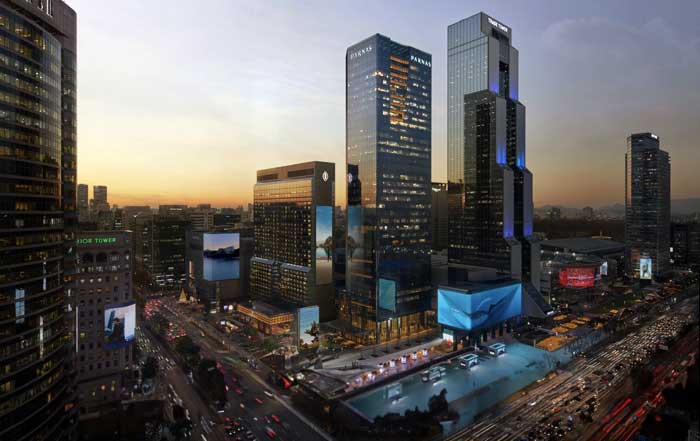
In the Yeouido financial district, Conrad Seoul caters to business travelers and global executives who see wellness as essential to productivity and resilience. Its spa and fitness facilities are designed to fit the schedules and expectations of high-performing professionals, providing express yet sophisticated treatments, quiet zones for digital detox, and fitness programming that aligns with international standards. The intersection of corporate life and wellness in such properties mirrors the broader lifestyle integration themes explored regularly on qikspa.com's lifestyle section, where health, beauty, and work are increasingly viewed as interconnected rather than separate domains.
Jeju Island: Nature-Driven Wellness in a Volcanic Sanctuary
Jeju Island, often described as the "Hawaii of Korea," has evolved into a flagship destination for nature-based luxury wellness. Its volcanic landscapes, UNESCO-recognized biospheres, and clean marine environment provide a powerful backdrop for resorts that emphasize deep rest, reconnection with nature, and long-stay wellness programs.
The Shilla Jeju extends the brand's reputation into a coastal context, integrating volcanic stone, mineral-rich seawater, and locally sourced botanicals into its treatment menu. Ocean-view pools, outdoor hydrotherapy circuits, and guided yoga and meditation sessions by the sea create a layered experience that addresses physical, mental, and emotional well-being. Such programs echo global interest in mind-body practices, supported by research from organizations like the National Center for Complementary and Integrative Health, and align with the growing appetite among qikspa.com readers for deeper engagement with yoga and mindfulness practices.
On Jeju's southern coast, Haevichi Hotel & Resort places particular emphasis on harmony with the natural environment. Open-air baths, sea-facing treatment rooms, and spa rituals that incorporate local botanicals and marine ingredients speak to a philosophy of wellness that is inseparable from landscape. The resort's commitment to sustainability, including eco-conscious design and locally sourced ingredients, resonates with the rising demand for responsible travel captured in reports by entities such as the World Economic Forum and connects directly to the themes discussed on qikspa.com's sustainable living and travel hub.
WE Hotel Jeju occupies a distinctive niche at the intersection of medical science and hospitality. Developed in collaboration with Seoul National University Hospital, it offers medically supervised programs focused on detoxification, cardiovascular health, anti-aging, sleep improvement, and stress management. Onsite diagnostic facilities, specialist consultations, and evidence-based exercise and nutrition plans are integrated with spa therapies, positioning the resort as a prototype for the future of integrated medical wellness. This model reflects broader global trends tracked by the World Health Organization toward preventive healthcare and lifestyle medicine, and it resonates strongly with qikspa.com's audience seeking informed perspectives on health and wellness.
Beyond Seoul and Jeju: Coastal and Cultural Retreats
While Seoul and Jeju dominate international headlines, South Korea's broader geography offers additional spa destinations that combine wellness with cultural and scenic richness. In the coastal city of Busan, Hilton Busan leverages its dramatic clifftop location to deliver spa experiences that foreground the ocean as a therapeutic element. Infinity pools that appear to merge with the sea, treatments incorporating marine minerals, and panoramic relaxation lounges create a setting where guests can experience both the dynamism of a major port city and the tranquility of a coastal retreat.
In Gyeongju, often referred to as "the museum without walls" due to its concentration of historical sites, Lahan Select Gyeongju appeals to travelers who wish to combine cultural immersion with restorative spa experiences. Its wellness programming draws on Korean herbal medicine and traditional rituals, allowing guests to explore ancient temples and royal tombs by day and unwind with heritage-inspired treatments in the evening. This blend of culture, history, and wellness reflects a broader shift in global travel identified by the OECD Tourism Committee toward experiential and meaning-driven journeys, a trend that qikspa.com regularly explores through its international travel and wellness coverage.
Women, Beauty, and Empowerment in Korean Spa Culture
Women have been central to the growth of South Korea's beauty, fashion, and wellness industries, and luxury spa resorts have responded with offerings that speak directly to their evolving needs and aspirations. Properties such as The Shilla Seoul, The Shilla Jeju, and WE Hotel Jeju curate programs that go beyond cosmetic outcomes to address stress, burnout, sleep quality, hormonal balance, and work-life integration.
These programs may combine advanced facial treatments using products from leading Korean conglomerates like Amorepacific with mindfulness workshops, nutrition consultations, and yoga or Pilates sessions, reflecting a holistic understanding of women's wellness that aligns with global research from organizations such as UN Women on gender, health, and economic participation. The emphasis on personalized, empowering experiences for women is closely aligned with the themes addressed on qikspa.com's women-focused platform, where wellness is framed as a foundation for professional growth and personal agency.
Sustainability as a Strategic Imperative
By 2026, sustainability is no longer a niche differentiator but a core expectation among luxury travelers. South Korean spa resorts have responded with a range of initiatives that span architecture, operations, and guest engagement. Properties like Haevichi Hotel & Resort and several Jeju-based retreats are investing in renewable energy, water conservation systems, and waste reduction, while also prioritizing local sourcing for spa ingredients and restaurant menus. These efforts mirror broader commitments outlined in frameworks such as the UN Sustainable Development Goals and align with consumer expectations documented by organizations like the World Travel & Tourism Council.
For qikspa.com readers interested in how sustainability intersects with luxury, business, and personal values, the Korean example offers a sophisticated blueprint for integrating eco-conscious practices without compromising guest experience, a topic explored in depth on the site's dedicated sustainable living section.
Culinary Wellness and Functional Nutrition
Nutrition is a foundational pillar of South Korea's spa philosophy. Luxury resorts and hotels increasingly design menus in collaboration with nutritionists and medical advisors, ensuring that food reinforces the goals of detox, rejuvenation, or performance enhancement. Korean culinary traditions, rich in fermented foods, seasonal vegetables, lean proteins, and medicinal herbs, provide a natural framework for this approach.
Guests at properties such as The Shilla Jeju and WE Hotel Jeju encounter thoughtfully calibrated meals that may incorporate kimchi, seaweed, tofu, barley, and ginseng, echoing evidence from research bodies like the National Institutes of Health on the benefits of plant-forward and fermented diets. This alignment between spa cuisine and scientific understanding of health reflects the same philosophy that underpins qikspa.com's coverage of food and nutrition as a core wellness driver, where dining is presented not as an indulgence but as an integral part of a sustainable lifestyle.
Fitness, Movement, and Performance
In South Korea's luxury spa ecosystem, wellness is understood as inseparable from movement. High-end resorts and hotels invest in state-of-the-art fitness centers, functional training zones, and specialized studios for yoga, Pilates, and group classes. Properties like Banyan Tree Club & Spa Seoul and WE Hotel Jeju offer structured programs that integrate cardiovascular training, strength conditioning, flexibility work, and guided outdoor activities such as hiking, cycling, and coastal walks.
This commitment to movement reflects a broader global recognition, supported by organizations such as the American College of Sports Medicine, that physical activity is a cornerstone of long-term health and disease prevention. For qikspa.com's audience tracking trends in fitness and performance, South Korea's integration of spa and fitness demonstrates how resorts can move beyond passive relaxation to support genuine lifestyle change.
Fashion, Beauty, and Design as Extensions of Wellness
South Korea's influence in fashion and beauty has naturally extended into the design language of its luxury spas. Properties including The Shilla Seoul and Conrad Seoul collaborate with architects, interior designers, and art curators to create visually refined environments that mirror the aesthetics of high-end fashion boutiques and contemporary galleries. Clean lines, natural textures, and carefully curated art collections convey a sense of modern elegance that aligns with the aspirations of global travelers who follow Korean fashion trends through platforms such as Vogue.
The synergy between K-beauty innovation and spa treatments is equally pronounced. Leading brands like Amorepacific and other Korean skincare houses develop spa-exclusive protocols and products that allow guests to experience cutting-edge formulations in a professionally guided setting. This integration speaks directly to qikspa.com readers who follow beauty and fashion as essential dimensions of lifestyle and self-expression, demonstrating how design and aesthetics can enhance perceived trustworthiness and value in wellness experiences.
Business, Careers, and the Globalization of Korean Wellness
The expansion of South Korea's luxury spa sector has had significant implications for business and employment, both domestically and internationally. Hotel groups, spa brands, and beauty conglomerates are forging partnerships that extend Korean wellness concepts into markets across Europe, North America, the Middle East, and Southeast Asia. International chains such as Hilton and Conrad integrate Korean-inspired treatments and design elements into properties outside the country, contributing to the global diffusion of Korean wellness culture.
From a business perspective, this evolution illustrates how wellness can function as both a cultural export and a high-value economic driver, a theme aligned with strategic analyses frequently discussed on qikspa.com's business channel. At the same time, the sector is generating a wide range of career opportunities, from spa therapists and wellness coaches to nutritionists, fitness trainers, and spa managers. Educational institutions in South Korea are responding with specialized programs in spa management, holistic therapies, and hospitality leadership, preparing a workforce capable of meeting international standards. For professionals considering career moves within the global wellness economy, South Korea represents an increasingly attractive destination, a topic that resonates strongly with readers exploring careers in wellness and hospitality.
Wellness Tourism, Travel Patterns, and Global Reach
By 2026, wellness tourism has become one of the most resilient and rapidly growing segments of global travel, as documented by bodies such as the World Travel & Tourism Council. South Korea's luxury spa resorts and hotels are well positioned within this trend, attracting visitors from North America, Europe, the Middle East, and across Asia who seek experiences that combine medical credibility, beauty innovation, cultural depth, and environmental responsibility.
For travelers planning multi-country itineraries across Asia, South Korea is increasingly viewed as a must-visit wellness stop, complementing stays in Japan, Thailand, or Singapore. The country's efficient transport infrastructure, advanced healthcare system, and reputation for safety further enhance its appeal to solo travelers, women, and business executives. These dynamics align closely with the travel insights and destination coverage that define qikspa.com's international travel and wellness section, where South Korea is frequently highlighted as a benchmark for integrated wellness tourism.
The Future of Korean Luxury Spas: Innovation with Integrity
Looking ahead, South Korea's luxury spa industry is poised to deepen its leadership through continued innovation anchored in authenticity. Technological advances such as AI-driven health assessments, personalized skincare diagnostics, and immersive digital meditation tools are likely to become more prevalent, supported by the country's robust technology sector and research institutions. At the same time, there is a clear recognition that long-term competitiveness depends on preserving cultural integrity, environmental stewardship, and human-centered hospitality.
For the global audience of qikspa.com, South Korea's spa journey offers both inspiration and practical insight. It demonstrates how a nation can transform expertise in beauty and skincare into a broader platform for wellness, lifestyle, and business leadership, while also highlighting the importance of trustworthiness, professional excellence, and cultural respect. Whether readers are exploring new destinations, evaluating business opportunities, seeking career paths, or refining their own wellness routines, South Korea's luxury spa resorts and hotels provide a powerful example of what is possible when innovation and tradition are brought together with clarity of purpose and commitment to quality.
