
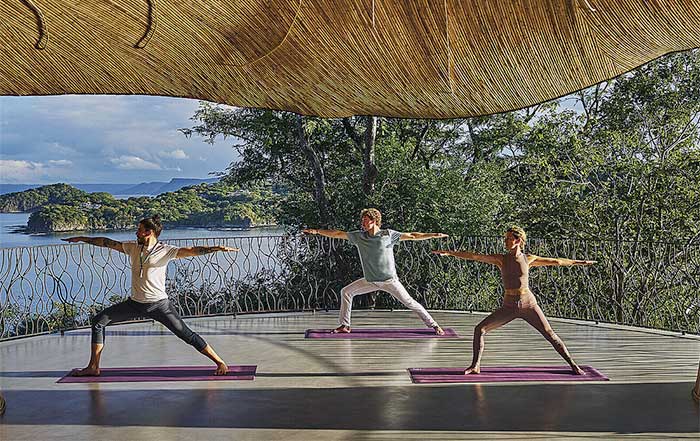
How Four Seasons Is Redefining Global Wellness Travel in 2026
Luxury travel in 2026 no longer revolves solely around opulence, escape, and leisurely indulgence; it has evolved into a sophisticated, wellness-centered experience where guests expect meaningful transformation as much as exceptional comfort. Within this global shift, Four Seasons Hotels and Resorts has emerged as one of the most influential forces shaping what holistic, high-end wellbeing looks like in practice, weaving together spa innovation, advanced fitness, mindful nutrition, mental health, sustainability, and cultural authenticity into a single, coherent philosophy of modern hospitality. For the discerning audience of qikspa.com, which explores spa, lifestyle, beauty, wellness, business, and global culture, the Four Seasons approach offers a revealing lens through which to understand how wellness travel is being reimagined for travelers from the United States, Europe, Asia, and beyond.
By examining how Four Seasons designs its spas, curates its wellness programs, partners with experts, and responds to emerging trends in health and sustainability, it becomes clear that the brand is not simply responding to consumer demand but actively shaping expectations of what luxury wellness can and should be. This is particularly relevant for readers who follow the evolving intersections of wellness, health, lifestyle, travel, and business strategy, as the Four Seasons model illustrates how experience, expertise, authoritativeness, and trustworthiness come together to create a compelling global standard.
The Global Wellness Economy and the New Luxury Traveler
Over the past decade, the wellness economy has expanded at a remarkable pace, outpacing many other sectors of global tourism and hospitality. The Global Wellness Institute and organizations such as the World Travel & Tourism Council have consistently highlighted wellness tourism as one of the fastest-growing segments, driven by travelers who no longer separate leisure from wellbeing but instead seek destinations that actively support physical vitality, emotional balance, and long-term health. Learn more about the broader wellness economy through resources such as the Global Wellness Institute and World Travel & Tourism Council, which track these shifts in detail.
In this environment, the modern luxury traveler arriving in New York, London, Tokyo, Bali, or Dubai expects more than a beautiful room and attentive service. Guests are looking for integrated wellness ecosystems that include restorative spa therapies, evidence-informed fitness, nutrient-dense cuisine, stress reduction, and often a connection to local healing traditions. Four Seasons Hotels and Resorts, with a footprint that spans North America, Europe, Asia-Pacific, the Middle East, and Africa, has leveraged its global presence to create experiences that align with this shift, positioning itself not only as a purveyor of comfort but as a trusted partner in personal wellbeing.
For a platform like qikspa.com, which covers spa and salon culture, beauty, food and nutrition, and global wellness trends, this evolution is significant because it reflects how wellness has moved from the margins of travel planning to its very center. The luxury guest in 2026 is often as interested in breathwork, sleep quality, and sustainable design as in Michelin-starred dining or suite upgrades, and Four Seasons has been deliberate in aligning its brand promise with these priorities.
Spa Experiences as Engines of Holistic Transformation
At the core of the Four Seasons wellness strategy lies a portfolio of spas that are increasingly conceived as sanctuaries of transformation rather than simple spaces for relaxation. Each spa is designed to express both the brand's global standards and the distinctive character of its location, drawing on local ingredients, cultural rituals, and regional healing philosophies while maintaining rigorous quality and safety protocols that underpin guest trust.
In Bali, the Sacred River Spa at Four Seasons Resort Sayan has become emblematic of destination spa design, integrating Balinese energy work, chakra ceremonies, and water blessings with contemporary bodywork and mindfulness practices. Guests are invited into multi-day journeys that may include sunrise yoga overlooking the Ayung River, meditative walks through rice fields, and deeply restorative treatments using indigenous botanicals. This blending of spiritual heritage with modern wellness science reflects a broader shift toward experiences that nourish both inner and outer wellbeing. Those interested in the cultural context of such practices can explore resources like UNESCO's work on intangible cultural heritage or research on traditional medicine through the World Health Organization.
In Florence, the spa at Four Seasons Hotel Firenze is set within historic gardens that date back to the Renaissance, offering guests a powerful sense of place that enhances the impact of each treatment. Here, therapists incorporate Tuscan olive oil, aromatic herbs, and locally inspired formulations into massages and facials, aligning with global interest in botanically driven skincare and natural ingredients. The setting itself, with frescoes, manicured lawns, and centuries-old trees, becomes part of the therapeutic journey, reminding guests that connection to nature and history can be a vital dimension of wellness.
Meanwhile, in New York Downtown, Four Seasons has embraced advanced aesthetics and science-backed skincare by collaborating with innovators such as Dr. Barbara Sturm, whose work in molecular cosmetics and anti-inflammatory skincare has been widely covered by respected outlets like Vogue and Harvard Health Publishing for its scientific underpinnings. By offering treatments that combine cutting-edge technology with luxurious sensory experiences, the brand appeals to guests who want visible results as well as deep relaxation.
For readers of qikspa.com's spa and salon section, these examples illustrate how spa destinations within major hotel brands are now benchmarks for innovation, where tradition, design, and clinical expertise converge to redefine what high-end spa culture can deliver.
Fitness Innovation for a Mobile, Performance-Oriented Guest
As business leaders, entrepreneurs, and professionals increasingly travel between hubs such as New York, London, Singapore, and Sydney, the importance of maintaining consistent fitness routines while on the move has intensified. Recognizing this, Four Seasons has invested heavily in fitness infrastructure and programming that reflects the latest understanding of exercise science, performance training, and recovery.
Properties such as Four Seasons Hotel Los Angeles at Beverly Hills have integrated personalized training with celebrity fitness experts and performance coaches who understand the demands placed on executives, entertainers, and frequent travelers. Guests can book one-on-one sessions tailored to goals such as metabolic conditioning, strength building, or posture correction, informed by current research from institutions like the American College of Sports Medicine and the Mayo Clinic. This approach helps ensure that each session is not only motivating but aligned with evidence-based best practices.
In Tokyo at Otemachi, a sky-high yoga and fitness studio allows guests to practice mindfulness and movement with panoramic views of the city, demonstrating how environment can elevate motivation and mental clarity. By incorporating yoga, Pilates, and functional training into daily schedules, the property speaks to a traveler who values flexibility, stress relief, and mobility as much as traditional gym workouts.
Technology has become a critical enabler in this space, with Four Seasons increasingly integrating digital platforms, wearables, and app-based guidance to help guests track progress, maintain routines across time zones, and even consult trainers remotely after their stay. This mirrors broader trends in connected fitness, where global brands and platforms highlighted by sources like McKinsey & Company and Deloitte are reshaping consumer expectations. For those following fitness trends on qikspa.com, Four Seasons demonstrates how hospitality can serve as an extension of a guest's long-term performance and health strategy.
Nutrition as a Strategic Pillar of Wellness Hospitality
The rise of nutritional literacy and interest in functional foods has transformed hotel dining from a primarily indulgent experience to a crucial pillar of comprehensive wellness. Four Seasons Hotels and Resorts has responded by making menu design, ingredient sourcing, and culinary philosophy central to its wellness proposition, rather than treating healthier options as an afterthought.
At Four Seasons Resort Chiang Mai, chefs work directly with local farmers and producers to create farm-to-table experiences that highlight northern Thai ingredients while prioritizing freshness, biodiversity, and minimal processing. Guests may tour on-site gardens, learn about traditional agricultural practices, and participate in cooking classes that emphasize balance and nutrient density. This reflects global movements toward regenerative agriculture and conscious consumption, themes explored by organizations such as the Food and Agriculture Organization of the United Nations and EAT Forum.
In London at Ten Trinity Square, wellness-focused menus are developed in consultation with nutritionists, ensuring that dishes accommodate a range of dietary preferences and requirements, from plant-based and Mediterranean-style eating to low-glycemic and allergen-sensitive options. By aligning menus with current research on diet and chronic disease prevention from institutions like Harvard T.H. Chan School of Public Health and Cleveland Clinic, Four Seasons reinforces its commitment to credible, science-informed wellness.
For qikspa.com readers who engage with food and nutrition content, this evolution underscores how luxury hospitality is increasingly expected to deliver cuisine that is as supportive of long-term health as it is pleasurable, integrating macros, micronutrients, and functional ingredients into fine dining and casual concepts alike.
Mindfulness, Mental Health, and the New Definition of Luxury
By 2026, mental health has become central to the global wellness conversation, with organizations such as the World Health Organization and American Psychological Association emphasizing the importance of stress management, emotional resilience, and sleep as foundations of overall health. In response, Four Seasons has integrated mindfulness and mental wellbeing into its guest experience in ways that feel authentic, context-sensitive, and culturally aware.
At Four Seasons Resort Maldives at Landaa Giraavaru, guests can join guided meditation sessions by the ocean, combining pranayama breathing with the rhythmic sound of waves and the visual calm of the horizon. These sessions are often complemented by Ayurvedic consultations, yoga therapy, and restorative spa treatments, offering a multi-layered approach to nervous system regulation and stress relief.
In Four Seasons Hotel Kyoto, the brand draws upon Japan's Zen traditions, offering private mindfulness sessions, tea ceremonies, and opportunities for silent reflection within serene gardens. Collaborations with local monks and cultural practitioners help ensure that these experiences are respectful, accurate, and grounded in genuine heritage rather than superficial appropriation. Those interested in the science behind mindfulness can explore resources from Mindful.org or research from Stanford Medicine and UCLA Health on meditation and brain health.
Some Four Seasons properties are also experimenting with biofeedback, sleep optimization tools, and circadian lighting systems that support better rest and recovery, reflecting growing awareness of sleep's role in immunity, cognition, and emotional stability. For readers exploring wellness and health on qikspa.com, these initiatives illustrate a broader redefinition of luxury: it is no longer only about what guests see and touch, but how they feel during and after their stay.
Women at the Forefront of Wellness Leadership
The global wellness movement has been significantly shaped by women, and Four Seasons has increasingly highlighted female leadership across spa management, wellness programming, nutrition, and sustainability. This shift reflects a wider recognition in business and hospitality that diverse perspectives are essential to designing empathetic, inclusive, and future-ready experiences.
At Four Seasons Resort Bora Bora, female-led retreats and wellness residencies focus on leadership, resilience, and self-care for women executives, entrepreneurs, and creatives. These programs may combine yoga, guided journaling, sound healing, and executive coaching, creating a safe, supportive environment where participants can recalibrate, reflect on career trajectories, and cultivate new strategies for sustainable success.
Collaborations with prominent women in wellness-ranging from integrative physicians and performance psychologists to yoga educators and nutrition entrepreneurs-reinforce the brand's commitment to evidence-based practice and inclusive design. Global discussions on women's health, from hormonal balance to cardiovascular risk and mental health, are increasingly informed by research from organizations such as the Office on Women's Health and National Institutes of Health, and Four Seasons' programming often mirrors these priorities.
For readers engaging with the women and careers sections of qikspa.com, the Four Seasons approach illustrates how hospitality can support female empowerment not only as guests but as leaders, experts, and decision-makers shaping the future of global wellness.
Sustainability as a Non-Negotiable Dimension of Wellness
As environmental awareness has deepened, wellness and sustainability have become inseparable concepts. Guests increasingly understand that personal wellbeing is closely linked to planetary health, and they expect luxury brands to demonstrate responsible stewardship of resources, ecosystems, and communities. Four Seasons Hotels and Resorts has responded by embedding sustainability into its wellness narrative, aligning with frameworks promoted by organizations such as the World Wildlife Fund and the United Nations Environment Programme.
At Four Seasons Resort Costa Rica at Peninsula Papagayo, spa treatments leverage locally sourced ingredients and support regional communities, while broader property initiatives focus on biodiversity protection, energy efficiency, and community partnerships. Guests are often invited to participate in conservation activities or educational experiences that deepen their understanding of the local environment.
In Four Seasons Hotel Bangkok at Chao Phraya River, sustainable architecture, water management systems, and eco-conscious materials demonstrate how design choices can reduce environmental impact without compromising aesthetics or comfort. Wellness gardens that supply herbs and botanicals to both kitchens and spas illustrate a circular, regenerative approach that resonates with travelers who follow sustainable living and responsible business practices.
For qikspa.com readers interested in how luxury brands align with environmental responsibility, Four Seasons provides a case study in how sustainability can be woven into every dimension of the guest journey, from spa menus and room amenities to culinary sourcing and building design.
A Truly International Wellness Language
One of Four Seasons' most distinctive strengths lies in its ability to express a consistent wellness vision while honoring the cultural, climatic, and social nuances of each destination. In Europe, properties such as Four Seasons Hotel George V Paris and Four Seasons Hotel Megève integrate classical spa rituals with advanced aesthetic medicine, reflecting regional preferences for elegance, dermatological expertise, and time-honored hydrotherapy traditions that can be traced through resources like European Spa Magazine.
In North America, where many guests lead fast-paced, performance-driven lives, wellness programming often emphasizes fitness innovation, biohacking, and productivity-oriented recovery. Properties in cities like New York, Los Angeles, and Toronto frequently collaborate with sports medicine experts, sleep specialists, and performance coaches to offer services that align with research from organizations such as the American Heart Association and Johns Hopkins Medicine.
Across Asia, Four Seasons draws upon deep-rooted healing traditions-Ayurveda in India, onsen culture in Japan, traditional Thai massage in Thailand, and TCM-inspired therapies in China-while ensuring that treatments are delivered with clinical rigor and cultural sensitivity. In Africa, experiences such as wellness safaris at Four Seasons Safari Lodge Serengeti combine mindfulness with immersion in wildlife and landscape, offering a powerful reminder of the restorative potential of nature.
For readers of qikspa.com's international, travel, and lifestyle sections, Four Seasons offers a global blueprint for how wellness can be localized without losing coherence, allowing guests from Germany, the United Kingdom, Canada, Australia, Singapore, South Africa, Brazil, and beyond to experience something that feels both familiar and distinctly of its place.
The Future of Wellness at Four Seasons and Its Relevance to Qikspa Readers
Looking ahead from 2026, it is evident that Four Seasons will continue to refine its wellness strategy around personalization, longevity, and integrated digital support. The next phase is likely to see deeper use of AI-driven personalization, enabling guests to co-create wellness itineraries based on biometric data, preferences, and even genetic insights, in collaboration with medical and wellness partners. Such developments will reflect broader trends in precision health and digital therapeutics documented by organizations like the World Economic Forum and OECD.
Longevity-focused retreats and programs, incorporating elements such as metabolic testing, sleep diagnostics, hormone profiling, and regenerative therapies, are poised to become more prominent, especially in gateway cities and resort destinations frequented by global business leaders and high-net-worth individuals. By partnering with reputable clinics and research institutions, Four Seasons can position itself at the intersection of hospitality and advanced health, while maintaining the warmth, discretion, and human touch that have long defined its brand.
At the same time, the commitment to sustainability is expected to deepen, with greater emphasis on renewable energy, zero-waste culinary operations, and regenerative travel experiences that actively restore ecosystems and support local communities. For guests and readers who follow business and sustainable strategy on qikspa.com, this trajectory offers insight into how leading brands integrate environmental, social, and governance priorities into their core value propositions.
For qikspa.com itself, which brings together perspectives on spa, beauty, yoga, fashion, health, travel, and careers, the evolution of Four Seasons wellness is both a source of inspiration and a benchmark. It demonstrates how a global brand can earn and maintain trust by investing in expertise, partnering with credible institutions, and designing experiences that honor the complexity of modern life-where personal health, professional ambition, environmental responsibility, and cultural curiosity intersect.
As wellness continues to shape the choices of travelers from the United States and Canada to Germany, France, Italy, Spain, the Netherlands, Switzerland, China, Japan, Singapore, South Korea, Thailand, the Nordics, South Africa, Brazil, Malaysia, and New Zealand, the Four Seasons model will remain a valuable reference point for qikspa.com readers seeking not just where to travel, but how to live well, sustainably and intentionally, in an interconnected world.
