
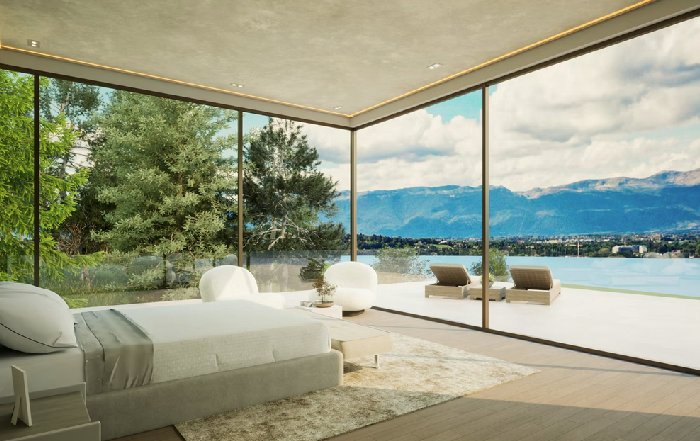
The Intersection of Luxury, Sustainability, and Beauty in 2026
Redefining Luxury for a Conscious World
By 2026, the global understanding of luxury has shifted decisively away from conspicuous consumption toward a more nuanced, values-driven ideal in which beauty, wellbeing, and environmental responsibility are deeply intertwined. Discerning consumers in North America, Europe, Asia, Africa, and South America increasingly expect that premium experiences will not only deliver impeccable quality and aesthetic pleasure but also respect planetary boundaries, protect human health, and support ethical business practices. In this new landscape, luxury is no longer defined solely by rarity and price; it is defined by provenance, transparency, and impact. For QikSpa, which curates insights at the nexus of spa and salon, lifestyle, beauty, health, wellness, business, and global trends, this evolution represents both an opportunity and a responsibility: to guide professionals and consumers toward choices that honor personal indulgence while advancing a more sustainable future.
The convergence of luxury, sustainability, and beauty is being shaped by regulatory shifts, scientific breakthroughs, and changing social norms. Regulatory agencies such as the European Commission are tightening rules on chemicals, packaging, and green claims, while organizations like the United Nations Environment Programme encourage businesses to align with climate and biodiversity goals. At the same time, research from institutions such as Harvard T.H. Chan School of Public Health and Mayo Clinic underscores the health implications of ingredients used in personal care and wellness environments. As a result, the spa and salon sector, high-end skincare brands, wellness retreats, and even fashion and travel operators are rethinking what it means to deliver a premium experience. Within this context, platforms like QikSpa's wellness hub are emerging as essential guides, connecting global audiences with credible knowledge, best practices, and inspirational case studies.
How Luxury and Sustainability Converged in Beauty
The beauty and personal care industry has long been associated with glamour and aspiration, but it has also been criticized for wasteful packaging, opaque supply chains, and questionable ingredients. Over the last decade, however, a structural transformation has taken root. According to industry analyses from organizations like the World Economic Forum, consumer demand for sustainable products has grown across all major markets, with particularly strong momentum in the United States, United Kingdom, Germany, Canada, Australia, and the broader European Union. This demand is driven by younger consumers but increasingly shared by affluent demographics across Asia, including Japan, South Korea, Singapore, and China, who view sustainability as a marker of quality and modernity rather than a compromise.
Luxury beauty brands, once focused almost exclusively on sensorial experience and branding, are now integrating lifecycle thinking into product development and operations. Many are aligning with frameworks such as the Ellen MacArthur Foundation's circular economy principles to reduce waste and extend product life through refillable systems, recyclable materials, and innovative bio-based ingredients. In parallel, clean beauty movements, supported by research from organizations like the Environmental Working Group, have pushed formulators to avoid certain controversial substances and prioritize skin-compatible, scientifically validated alternatives. On QikSpa's beauty insights section, this convergence is evident in coverage that highlights both the sensorial artistry of luxury products and the rigorous scrutiny now applied to sourcing, safety, and environmental impact.
The convergence is not merely cosmetic; it reflects a deeper redefinition of value. High-net-worth individuals and aspirational consumers alike are increasingly aware that their purchasing decisions have global consequences, from the working conditions of ingredient harvesters in Africa and South America to the carbon footprint of manufacturing in Europe and Asia. The most successful luxury brands are those that can demonstrate, with credible data and third-party verification, that elegance and ethics coexist. This alignment of pleasure and principle is now a core dimension of brand equity, and it is reshaping the strategic agendas of executives across the global beauty and wellness ecosystem.
The Spa and Salon Evolution: From Indulgence to Integrated Wellness
Spas and salons have historically been viewed as spaces of pampering and aesthetic enhancement, but in 2026 their role has expanded dramatically toward integrated wellness, preventive health, and holistic lifestyle support. As research from the Global Wellness Institute highlights, the wellness economy has grown into a multi-trillion-dollar sector, encompassing everything from thermal and mineral springs to medical wellness, fitness, and workplace wellbeing. Within this ecosystem, luxury spas and salons in destinations such as the United States, United Kingdom, Germany, Italy, Spain, Switzerland, the Nordic countries, and across Asia-Pacific are differentiating themselves through sustainability-led design, evidence-based treatments, and personalized experiences that respect cultural diversity and environmental limits.
Architects and operators are embracing green building standards such as LEED and BREEAM, incorporating energy-efficient systems, water-saving technologies, and non-toxic materials into spa environments. Many properties in regions like Scandinavia, Singapore, and New Zealand are integrating biophilic design principles, bringing natural light, local plant species, and outdoor elements into treatment spaces to enhance psychological wellbeing. Spa menus are evolving as well, featuring treatments that use locally sourced botanicals, ethically harvested marine ingredients, and formulations verified by dermatological or clinical testing. On QikSpa's spa and salon channel, these innovations are explored not as marketing trends but as strategic pillars for operators seeking long-term resilience in a competitive market.
The integration of wellness extends beyond treatments into nutrition, movement, and mental health. Partnerships with nutritionists, physiotherapists, and psychologists, as well as collaborations with fitness and yoga professionals, are becoming standard in high-end properties. Guests at leading resorts in North America, Europe, and Asia increasingly expect that a facial or massage will be accompanied by guidance on stress management, sleep hygiene, and lifestyle adjustments. This comprehensive, interdisciplinary model aligns closely with the editorial focus of QikSpa's health and fitness sections, which emphasize the scientific underpinnings of wellness services and their impact on long-term quality of life.
Science, Safety, and the New Standard of Trust
Trust has become the defining currency of luxury in the beauty and wellness sectors. Informed consumers now research ingredients, certifications, and corporate track records before committing to high-value purchases or memberships. They consult resources from organizations like the World Health Organization and National Institutes of Health to understand the health implications of substances used in cosmetics, fragrances, and spa treatments, and they look for independent certifications that validate safety and sustainability claims. In this environment, vague promises and unsubstantiated marketing language are liabilities rather than assets.
Leading brands and operators are responding by investing in rigorous research and development, collaborating with dermatologists, toxicologists, and environmental scientists to design products and protocols that meet stringent safety criteria. Clinical studies, peer-reviewed publications, and transparent ingredient lists are increasingly seen as essential components of luxury positioning. The integration of biotechnology, green chemistry, and advanced delivery systems allows formulators to reduce reliance on controversial preservatives and synthetic fragrances while maintaining performance and sensory appeal. For professionals and consumers navigating these complexities, platforms like QikSpa's lifestyle insights provide accessible explanations of emerging science, regulatory developments, and practical implications for everyday routines.
Digital transparency tools are reinforcing this shift. Blockchain-based traceability, QR codes linking to sourcing information, and interactive sustainability reports are becoming more common among forward-thinking companies. Investors and corporate stakeholders are also paying closer attention, guided by frameworks such as the Task Force on Climate-related Financial Disclosures and the International Sustainability Standards Board, which encourage standardized reporting on environmental, social, and governance performance. Luxury brands that once relied primarily on heritage and image are now expected to demonstrate measurable progress on emissions, resource efficiency, and social impact, transforming sustainability from a peripheral concern into a core dimension of corporate strategy.
Sustainable Operations: From Supply Chain to Guest Experience
Behind every luxurious spa treatment, skincare product, or wellness retreat lies a complex supply chain that stretches across continents. Sustainable luxury requires that this entire chain, from raw materials in Brazil, South Africa, and Southeast Asia to manufacturing facilities in Europe and North America, be managed with environmental and social responsibility in mind. Initiatives inspired by the UN Global Compact and OECD Guidelines for Multinational Enterprises are encouraging companies to adopt human rights due diligence, fair labor practices, and responsible sourcing policies, particularly in sectors such as palm oil, cocoa, and rare botanical extracts that are commonly used in beauty formulations.
Operational sustainability is equally critical. High-end properties in countries like France, Italy, Spain, the Netherlands, and Switzerland are investing in renewable energy, smart water systems, and waste minimization strategies to reduce their environmental footprint without compromising guest comfort. Many have adopted science-based targets aligned with the Science Based Targets initiative, committing to reduce greenhouse gas emissions in line with the Paris Agreement. These commitments are not only environmentally necessary but also commercially strategic, as energy and resource efficiency can significantly reduce operating costs over time. For readers exploring how sustainability translates into practical business decisions, QikSpa's sustainable business coverage offers nuanced analysis and examples from across the global hospitality and beauty industries.
The guest experience itself is being redesigned with sustainability in mind. Single-use plastics are being phased out in favor of refillable dispensers and biodegradable materials, while digital menus and paperless check-in processes minimize resource use. Food and beverage offerings are shifting toward plant-forward menus, seasonal sourcing, and reduced food waste, informed by research from organizations like the EAT-Lancet Commission and Food and Agriculture Organization of the United Nations. On QikSpa's food and nutrition section, this evolution is explored through the lens of both culinary enjoyment and metabolic health, emphasizing that sustainable choices can enhance, rather than diminish, the sense of indulgence that guests seek.
Wellness, Yoga, and Mindful Luxury
The global popularity of yoga, meditation, and mindfulness practices has profoundly influenced how luxury is experienced and communicated in 2026. In cities from New York and London to Berlin, Tokyo, Seoul, Bangkok, and Cape Town, high-end studios and spa resorts are integrating yoga and contemplative practices into comprehensive wellbeing programs that address physical, mental, and emotional health. This reflects growing recognition, supported by research from institutions like Johns Hopkins Medicine, that mind-body practices can support stress reduction, cardiovascular health, and resilience, especially for high-performing professionals and leaders.
Luxury wellness retreats in regions such as Southeast Asia, the Mediterranean, and the Nordics increasingly offer immersive programs that combine yoga, breathwork, thermal therapies, and evidence-based coaching, creating experiences that feel both exclusive and deeply restorative. These programs often emphasize digital detox, nature immersion, and community connection, responding to concerns about burnout, loneliness, and information overload in an always-on economy. QikSpa's yoga and wellness content reflects this shift by highlighting practices and destinations that balance sophistication with authenticity, ensuring that spiritual and cultural traditions are respected rather than commodified.
Mindful luxury is also influencing product development and interior design. Aromatherapy blends, soundscapes, and lighting solutions are being crafted to support circadian rhythms and emotional balance, drawing on insights from sleep science and neuroscience. Brands collaborate with experts and researchers to design rituals that extend beyond the treatment room into daily life, empowering clients to bring elements of the spa home. This integration of science, tradition, and sensory design reinforces the idea that true luxury in 2026 is not about excess but about intentionality, presence, and long-term wellbeing.
Fashion, Beauty, and the Rise of Conscious Aesthetics
The fashion industry, long criticized for its environmental footprint and labor practices, has become a crucial arena where luxury, sustainability, and beauty intersect. Major fashion houses in France, Italy, the United Kingdom, and the United States are increasingly scrutinized for their use of materials, manufacturing processes, and marketing narratives. Reports from organizations such as the Fashion for Good initiative and the Sustainable Apparel Coalition have raised awareness of the sector's impact, prompting a shift toward recycled fibers, regenerative agriculture, and circular business models. Consumers who invest in high-end fashion now expect coherence between a brand's clothing lines, beauty products, and stated values.
This convergence is particularly evident in the way beauty and fashion are co-branded. Capsule collections, runway-inspired makeup, and spa collaborations are being reimagined through a sustainability lens, with emphasis on traceable materials, low-impact dyes, and cruelty-free testing. Emerging labels and established maisons alike are adopting certifications and standards that reflect environmental and social responsibility. For readers exploring how style can align with ethics and wellbeing, QikSpa's fashion coverage provides a curated view of designers, collections, and innovations that embody conscious aesthetics without sacrificing sophistication.
The conversation around fashion and beauty is also inseparable from women's leadership and empowerment. Women entrepreneurs, executives, and creatives across continents are driving innovation in sustainable luxury, founding brands that prioritize inclusivity, cultural sensitivity, and community investment. Organizations such as UN Women highlight the economic and social benefits of empowering women in supply chains and leadership roles, reinforcing the idea that gender equity is a pillar of sustainable development. In this context, QikSpa's women-focused content examines how female leaders are reshaping beauty and fashion narratives to celebrate diversity, wellbeing, and agency.
Travel, Global Lifestyles, and the New Luxury Itinerary
International travel remains a defining expression of luxury, yet in 2026 it is increasingly shaped by sustainability considerations and wellness priorities. Affluent travelers from North America, Europe, Asia-Pacific, and the Middle East are seeking experiences that combine high comfort with low impact, choosing destinations and properties that demonstrate credible commitments to conservation, community engagement, and cultural preservation. Reports from organizations like the World Travel & Tourism Council and UNESCO underscore the need to balance tourism growth with the protection of natural and cultural heritage, particularly in fragile ecosystems and historic cities.
Luxury hospitality brands and boutique operators are responding with regenerative tourism models that go beyond minimizing harm to actively restoring ecosystems and supporting local livelihoods. In regions such as Scandinavia, New Zealand, Costa Rica, and South Africa, properties are integrating reforestation projects, marine conservation partnerships, and local artisan collaborations into the guest journey. Wellness is woven into these experiences through spa rituals rooted in local traditions, outdoor fitness activities, and culinary offerings that highlight regional, seasonal ingredients. For travelers seeking guidance on aligning their itineraries with their values, QikSpa's travel section explores destinations, retreats, and practices that embody this new paradigm of mindful exploration.
Remote work and flexible careers have also transformed how luxury travel is experienced. Extended stays, wellness sabbaticals, and "work from resort" arrangements are blending business and leisure in ways that demand thoughtful design. High-speed connectivity, ergonomic workspaces, and on-site wellness services must coexist with sustainability initiatives and cultural immersion opportunities. This convergence of professional and personal aspirations is mirrored in QikSpa's business insights and careers content, which examine how organizations and individuals can craft careers that support both high performance and holistic wellbeing.
Building a Career and a Brand in Sustainable Luxury
For professionals and entrepreneurs across the spa, beauty, wellness, fashion, and hospitality sectors, the intersection of luxury, sustainability, and beauty presents both strategic imperatives and career opportunities. Skills in sustainability management, ESG reporting, ethical sourcing, and wellness program design are increasingly valued in executive roles and consultancy engagements. Educational institutions and professional bodies, including organizations like the Global Reporting Initiative and CFA Institute, are integrating sustainability into business and finance curricula, equipping the next generation of leaders with the tools to navigate this complex landscape.
Building a brand in this space requires more than adopting eco-friendly packaging or launching a single "green" product line. It demands a holistic strategy that encompasses governance, supply chain transparency, community engagement, and continuous innovation. Authentic storytelling, grounded in verifiable action rather than aspirational rhetoric, is essential for maintaining credibility with sophisticated audiences in markets from the United States and Canada to Germany, France, Singapore, and beyond. QikSpa's global platform is uniquely positioned to highlight case studies, interviews, and analyses that illuminate how brands across continents are operationalizing these principles.
At an individual level, professionals are rethinking their own definitions of success and luxury. Many are seeking roles and organizations that align with their personal values, prioritizing employers that offer wellbeing benefits, flexible work arrangements, and meaningful impact. This alignment between personal and organizational purpose is a recurring theme in QikSpa's careers coverage, which explores how experts across spa management, sustainable fashion, clean beauty, and regenerative travel are crafting careers that are both financially rewarding and socially responsible.
QikSpa's Role in a Connected, Conscious Luxury Ecosystem
As luxury, sustainability, and beauty continue to converge in 2026, QikSpa serves as a trusted, globally oriented hub for insight, inspiration, and practical guidance. With dedicated coverage spanning spa and salon, lifestyle, beauty, food and nutrition, health, wellness, business, fitness, international trends, sustainability, yoga, fashion, women's leadership, travel, and careers, the platform offers an integrated perspective that reflects how real lives are lived: interconnected, mobile, and values-driven. Readers from the United States and Canada to the United Kingdom, Germany, France, Italy, Spain, the Netherlands, Switzerland, the Nordic countries, China, Japan, South Korea, Singapore, Thailand, South Africa, Brazil, Malaysia, Australia, New Zealand, and beyond can access a curated view of global best practices tailored to their interests and contexts.
By foregrounding experience, expertise, authoritativeness, and trustworthiness, QikSpa positions itself as more than a media outlet; it is a partner for professionals, brands, and consumers seeking to navigate the evolving definition of luxury in a world facing climate, health, and social challenges. The platform's commitment to rigorous analysis, global perspective, and actionable insight aligns with broader movements championed by organizations such as the World Business Council for Sustainable Development and the World Bank, which emphasize that long-term prosperity depends on integrating environmental stewardship and social equity into every sector of the economy.
Looking ahead, the intersection of luxury, sustainability, and beauty will continue to evolve as technologies advance, regulations tighten, and cultural expectations shift. Yet certain principles are likely to endure: respect for people and planet, commitment to transparency and science, and recognition that true luxury enhances, rather than depletes, the foundations of life. In championing these principles and showcasing those who embody them, QikSpa not only reflects the changing world of 2026 but helps to shape a future in which indulgence and integrity are not opposing forces, but natural partners. Visitors to QikSpa's home step into an ecosystem designed to support that journey, connecting them with ideas, experts, and experiences that bring this new vision of luxury vividly to life.
