
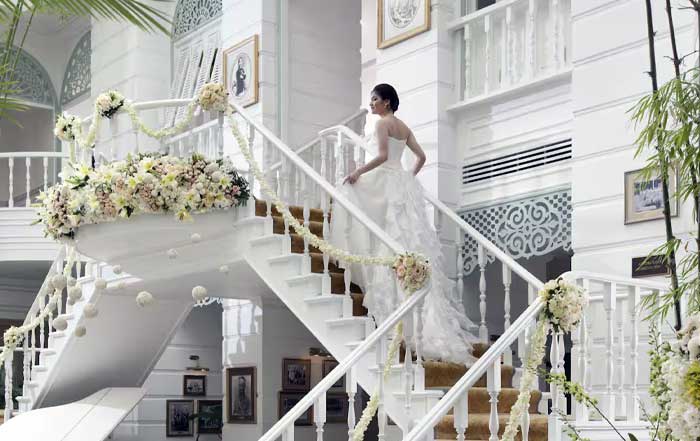
Thailand's Luxury Wedding Landscape in 2026: Wellness, Culture, and VIP Elegance for Global Couples
Thailand has, by 2026, matured into one of the world's most sophisticated and desirable luxury wedding destinations, attracting discerning couples from the United States, United Kingdom, Germany, Canada, Australia, France, Italy, Spain, Netherlands, Switzerland, China, Singapore, Japan, South Korea, and across Europe, Asia, Africa, North America, and South America. As destination weddings have shifted from simple ceremonies to fully immersive lifestyle experiences, Thailand's rare combination of natural beauty, refined hospitality, cultural depth, and wellness-focused infrastructure has positioned it at the forefront of VIP wedding planning. For the readers of qikspa.com, where spa, wellness, beauty, travel, and sustainable luxury intersect, Thailand represents a living case study in how weddings can become holistic journeys that embody experience, expertise, authoritativeness, and trustworthiness.
Couples no longer view the venue as a mere backdrop; instead, it becomes the anchor for a multi-day narrative that extends into spa rituals, yoga retreats, culinary explorations, fashion showcases, and curated cultural encounters. Thailand's oceanfront sanctuaries with turquoise horizons, mist-covered mountain retreats, sophisticated urban riverfront hotels, and even private islands offer a range of settings that can be meticulously tailored to personal style while still impressing international guests. This evolution reflects the broader lifestyle aspirations that define the audience of qikspa.com's lifestyle section, where personal milestones are understood as opportunities to align health, beauty, travel, and purposeful living.
Thailand's Strategic Rise as a Global Wedding Powerhouse
Over the past decade, Thailand has moved from being a popular holiday destination to a strategic rival to classic wedding hotspots such as the French Riviera, Italy's Amalfi Coast, Santorini, and Bali's island resorts. Industry reports and global hospitality benchmarks from organizations like the World Tourism Organization (UNWTO) and the World Travel & Tourism Council have consistently highlighted the strength of Thailand's tourism ecosystem, and destination weddings have become one of its most dynamic premium segments.
Bangkok's position as a major aviation hub, supported by carriers such as Thai Airways, Singapore Airlines, Emirates, and Qatar Airways, ensures smooth connectivity from major cities like New York, London, Berlin, Toronto, Sydney, Paris, Milan, Madrid, Amsterdam, Zurich, Tokyo, and Singapore. This connectivity enables couples to design multi-day celebrations that bring together guests from multiple continents, without the logistical complexity associated with more remote island destinations. Information from portals such as IATA and Airports Council International underscores Bangkok's ongoing role as a regional aviation powerhouse, which indirectly supports the growth of high-end wedding tourism.
Beyond access, Thailand's hospitality sector has been shaped for decades by global luxury brands. Four Seasons, Aman Resorts, Banyan Tree, Anantara, Rosewood, and Mandarin Oriental have all invested deeply in the country, building reputations for service excellence, wellness innovation, and culturally attuned guest experiences. Their in-house wedding specialists, spa directors, chefs, and cultural liaisons bring a level of expertise and authoritativeness that appeals to high-net-worth couples seeking complete confidence in execution. For readers who follow qikspa.com's business insights, Thailand's wedding sector illustrates how coordinated investment, brand partnerships, and service training can transform a destination into a high-margin, experience-driven market.
Why VIP Couples Choose Thailand in 2026
For affluent couples planning weddings from New York or Los Angeles, London or Manchester, Berlin or Munich, Toronto or Vancouver, Sydney or Melbourne, and key Asian cities such as Shanghai, Beijing, Hong Kong, Seoul, Tokyo, and Singapore, Thailand delivers a blend of tangible and intangible advantages that go beyond postcard-perfect beaches.
The country's geography provides an extraordinary diversity of backdrops. Phuket and Krabi on the Andaman coast offer dramatic coastal scenery with white sands and limestone cliffs, while Koh Samui and neighboring islands in the Gulf of Thailand deliver more intimate, boutique-style island romance. In the north, Chiang Mai and surrounding regions provide a sense of spiritual calm, with mountain vistas, historic temples, and cooler climates appealing especially to couples from Europe and North America who seek a retreat from urban intensity. Meanwhile, Bangkok serves couples who want a fusion of urban sophistication and cultural heritage, with iconic riverside venues along the Chao Phraya.
By 2026, wellness has become central to wedding planning rather than an optional extra. Leading Thai resorts have integrated wellness into every stage of the celebration, from pre-wedding detoxes and meditation retreats to post-wedding recovery programs. At properties such as Banyan Tree Samui, Amanpuri in Phuket, or Four Seasons Resort Chiang Mai, couples and their guests can access personalized yoga sessions, holistic spa journeys, and mindfulness-based experiences that mirror the priorities reflected on qikspa.com's wellness page and qikspa.com's health content. This wellness-centric model aligns with data from organizations like the Global Wellness Institute, which has documented robust post-pandemic growth in wellness tourism and the integration of mental and physical wellbeing into luxury travel.
Cultural authenticity is another decisive factor. Thailand's Buddhist heritage, intricate arts, and refined etiquette allow couples to incorporate meaningful rituals without feeling staged or superficial. Monk blessings at dawn, traditional water-pouring ceremonies, classical Khon dance performances, and the use of Thai silk and floral symbolism give weddings a narrative dimension that resonates with globally minded couples who wish to honor local culture. For those who follow qikspa.com's international section, Thailand's approach offers a model of respectful cultural integration that preserves tradition while accommodating contemporary expectations.
Signature Luxury Wedding Venues and Private Island Experiences
By 2026, several Thai properties have cemented their status as benchmark venues in the global luxury wedding market. Four Seasons Resort Chiang Mai, surrounded by rice paddies and forested hills, is particularly trusted by couples seeking a balance between cultural immersion and resort-level comfort. Its Lanna-inspired architecture, spacious pavilions, and curated cultural programs-such as guided temple visits and local market tours-allow weddings to extend into educational and spiritual experiences that align with the values of conscious, well-travelled guests.
On the Andaman coast, Amanpuri in Phuket remains synonymous with discretion and understated opulence. Its hillside villas with private pools, direct beach access, and integrated wellness center attract celebrities, entrepreneurs, and political families who require absolute privacy and seamless security. The resort's ability to design bespoke wellness programs, from intensive detox to meditative retreats, reflects the growing preference for weddings that are restorative rather than exhausting, echoing themes regularly explored in qikspa.com's spa and salon coverage.
In Bangkok, The Siam Hotel and Mandarin Oriental Bangkok offer a unique combination of riverside serenity and urban sophistication. Their ballrooms and garden spaces are favored for couples who want large-scale receptions with strong design statements, supported by world-class cuisine and professional event production. The Chao Phraya River itself becomes part of the experience, with private boat arrivals, sunset cruises, and post-wedding brunches on the water, creating a strong sense of place that appeals to guests flying in from Europe, North America, and the Middle East.
Koh Samui has developed a reputation for intimate yet polished weddings, with Banyan Tree Samui and Four Seasons Resort Koh Samui offering cliffside villas, panoramic sea views, and integrated spa and yoga facilities. These properties are particularly attractive to couples who want to blend barefoot luxury with structured wellness. Their focus on mindfulness, movement, and nutrition dovetails with the priorities highlighted on qikspa.com's fitness page and qikspa.com's yoga content, where physical vitality and inner balance are treated as essential components of a modern luxury lifestyle.
An important development in recent years has been the rise of private island weddings. Resorts such as Soneva Kiri on Koh Kood and Cape Fahn Hotel near Koh Samui have made it possible for couples to privatize entire islands for multi-day events. These experiences often include starlit beach banquets, open-air cinemas, private spa villages, and curated activities for guests of different ages. The emphasis on privacy, personalization, and nature immersion reflects broader trends in sustainable, low-density luxury tourism, which are also discussed by organizations like the Sustainable Hospitality Alliance and resonate with readers of qikspa.com's sustainable section.
Wellness-Centric Itineraries and Guest Experience Design
One of the defining features of Thailand's VIP wedding scene in 2026 is the sophistication of guest itinerary design. Weddings are increasingly treated as curated retreats rather than single-day events, with couples investing in multi-layered programs that cater to different interests and wellbeing needs. Pre-wedding days might be dedicated to yoga and meditation, guided by experienced practitioners trained in both Eastern and Western modalities, often supported by evidence-based approaches discussed by institutions such as the Mayo Clinic or Harvard Health Publishing.
Nutrition-focused menus, detox juices, and plant-forward cuisine have become standard in many luxury resorts, aligning with the growing global interest in metabolic health, longevity, and functional nutrition. This evolution parallels the content found on qikspa.com's food and nutrition page, where the intersection between indulgence and health is a recurring theme. Guests can participate in cooking classes that highlight Thai herbs, anti-inflammatory ingredients, and traditional preparation techniques, turning wedding travel into an opportunity to learn sustainable, health-supportive habits.
During and after the wedding, guests are offered a spectrum of activities: temple excursions, ethical elephant sanctuary visits, guided hikes, diving or snorkeling, Thai boxing fitness sessions, and bespoke spa rituals. This layered approach ensures that guests from United States, United Kingdom, Germany, Canada, Australia, France, and other key markets feel that their time and travel investment are rewarded with meaningful experiences. It also reflects a broader movement toward travel that supports mental resilience and physical wellbeing, a topic often covered by resources like the World Health Organization and deeply aligned with qikspa.com's wellness and health focus.
Sustainability, Eco-Luxury, and Ethical Choices
By 2026, sustainability has become non-negotiable for many global couples, particularly those from Scandinavia, Western Europe, Canada, Australia, and New Zealand, where environmental awareness is strongly embedded in consumer choices. Thailand's luxury wedding sector has responded by integrating eco-luxury principles into venue operations and event design. Resorts such as Soneva Kiri have pioneered zero-waste initiatives, on-site water bottling, renewable energy usage, and rigorous carbon accounting, aligning with best practices promoted by organizations like the UN Environment Programme.
Couples increasingly request locally sourced, seasonal menus to reduce food miles and support regional farmers, echoing broader movements in sustainable gastronomy highlighted by platforms such as Slow Food International. Décor choices often favor locally made textiles, bamboo structures, and reusable or compostable materials rather than imported, single-use items. Many weddings now incorporate digital invitations, carbon offset programs, and partnerships with local charities, demonstrating how high-end celebrations can be both opulent and responsible.
This eco-conscious orientation resonates with the values of qikspa.com's sustainable lifestyle readers, who look for examples of how luxury and ethics can be combined. It also strengthens Thailand's positioning as a forward-looking destination that understands the expectations of younger, environmentally aware couples from Europe, Asia, Africa, and the Americas.
Cost, Value, and Strategic Budgeting for VIP Weddings
While luxury weddings in Thailand can reach multi-million-dollar budgets, particularly when full resort or island buyouts are involved, the country continues to offer compelling value compared with markets such as France, Italy, or the United States. Analyses by global consultancies and financial media such as the World Economic Forum and Bloomberg have repeatedly noted Thailand's competitive position in terms of purchasing power and service value, which extends to the wedding sector.
For ultra-luxury weddings at properties like Amanpuri, Four Seasons, or Soneva Kiri, budgets often start in the mid-six-figure range and can exceed one million dollars when including multi-day programming, high-end entertainment, and full guest accommodation. Bangkok's riverfront hotels, by contrast, can host large, lavish weddings at lower per-guest costs while still delivering Michelin-level cuisine and advanced event production. Couples comparing costs with iconic European destinations frequently find that Thailand allows for more elaborate, guest-centric programming for similar or lower overall expenditure, a factor that appeals to financially sophisticated clients who follow business and investment trends on platforms like Financial Times.
From a planning perspective, couples typically allocate budgets not only to the ceremony and reception but also to wellness and cultural experiences, fashion, photography and videography, and extended travel for themselves and their guests. This broader allocation underscores the shift from "event spending" to "lifestyle investment," a mindset that maps closely to the holistic approach promoted across qikspa.com's sections on travel, lifestyle, and careers and careers, where life choices are viewed in terms of long-term personal and professional alignment.
Fashion, Beauty, and Spa Rituals as Core Wedding Pillars
In Thailand's luxury wedding ecosystem, fashion, beauty, and spa experiences are not peripheral; they sit at the very heart of the celebration. Bangkok has emerged as a regional hub for couture bridalwear, with both international labels and leading Thai designers offering bespoke services to destination brides and grooms. Houses inspired by global icons such as Vera Wang, Elie Saab, and Oscar de la Renta collaborate with Thai ateliers that specialize in silk, embroidery, and handwoven textiles, allowing couples to commission pieces that fuse Western silhouettes with Thai craftsmanship.
This fusion reflects the aesthetic sensibilities highlighted on qikspa.com's fashion page and qikspa.com's beauty content, where global trends are interpreted through local artistry and sustainable material choices. For many couples, spa rituals become part of the beauty preparation, with multi-day pre-wedding programs including skin therapies, hair and scalp treatments, and stress-relieving massages designed to ensure that couples and their bridal parties feel and look their best. These offerings echo evidence-based discussions on skin health and stress management found on platforms such as the American Academy of Dermatology.
For women in particular, Thailand's beauty and wellness ecosystem offers a safe, professional environment for advanced aesthetic treatments, non-invasive therapies, and deeply restorative spa programs, aligning with the interests of readers who follow qikspa.com's women-focused content. The integration of beauty, wellness, and fashion into the wedding journey underscores the holistic nature of modern celebrations, where external presentation and internal wellbeing are treated as inseparable.
Culinary Excellence and Experiential Dining
Thailand's reputation as a culinary destination significantly amplifies the appeal of hosting weddings in the country. Fine dining restaurants and hotel kitchens led by internationally trained chefs collaborate to create menus that satisfy diverse palates from North America, Europe, Asia, and beyond. Michelin-starred establishments such as Le Normandie by Alain Roux at Mandarin Oriental Bangkok and innovative venues like Mezzaluna at Lebua often extend their expertise to wedding banquets, transforming receptions into gastronomic showcases.
At the same time, there is a clear shift toward health-conscious and plant-forward menus, reflecting global trends in nutrition and longevity that are also explored on qikspa.com's food and nutrition page. Couples frequently request options that cater to vegan, gluten-free, and allergen-sensitive guests, while still maintaining a sense of indulgence. Farm-to-table experiences, where ingredients are sourced from local organic farms or resort gardens, provide transparency and authenticity that build trust and align with the values of eco-aware guests.
Experiential dining formats-beachfront barbecues, chef's table tastings, night market-inspired food stations, or river cruises with curated wine pairings-ensure that the culinary dimension of the wedding becomes a highlight in its own right. This emphasis on food as a narrative and wellness element reflects the broader lifestyle philosophy of qikspa.com, where nourishment, pleasure, and health are interlinked.
Thailand's Luxury Weddings as a Lifestyle Blueprint
By 2026, Thailand's VIP wedding sector has become more than a tourism niche; it serves as a blueprint for how major life events can express a complete lifestyle philosophy. For the global, urban, wellness-aware audience of qikspa.com, Thailand illustrates how a wedding can simultaneously be a celebration of love, a wellness retreat, a cultural immersion, a fashion statement, and a sustainable travel experience.
Couples who choose Thailand are often those who see their wedding as an opportunity to live out, in concentrated form, the values they intend to carry into their married life: commitment to health and wellness, respect for culture and environment, appreciation for beauty and craftsmanship, and a desire to share meaningful experiences with their closest community. In this sense, Thailand's beaches, mountains, and cities become more than scenic backdrops; they are stages upon which modern global citizens from United States, United Kingdom, Germany, Canada, Australia, France, Italy, Spain, Netherlands, Switzerland, China, Sweden, Norway, Singapore, Denmark, South Korea, Japan, Thailand, Finland, South Africa, Brazil, Malaysia, and New Zealand can choreograph the beginning of their shared stories.
For professionals in spa, wellness, fashion, travel, and hospitality who follow qikspa.com's interconnected sections on spa and salon, lifestyle, beauty, food and nutrition, health, wellness, business, fitness, international, sustainable living, yoga, fashion, women, travel, and careers, Thailand's luxury wedding landscape offers rich insights and inspiration. It demonstrates how a destination can build trust and authority by delivering consistently excellent experiences, how wellness and sustainability can be integrated into high-end events, and how personal milestones can be reimagined as transformative, holistic journeys that resonate long after the last guest has returned home.
