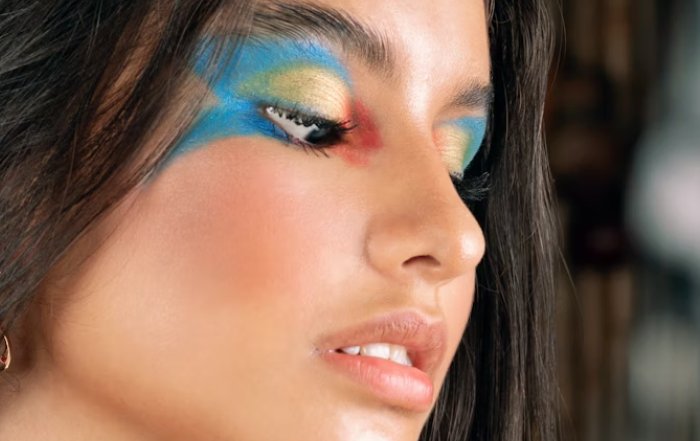
Beginners Guide to Makeup and Facial

Last updated by Editorial team at qikspa.com on Tuesday 13 January 2026
Beginners Guide to Makeup and Facial

Beginner's Guide to Makeup and Facial Care in 2026: A Holistic Perspective for QikSpa Readers

Beauty in 2026: Where Skincare, Identity, and Wellness Meet

By 2026, makeup and facial care have evolved far beyond simple routines of foundation and lipstick. They now sit at the intersection of science, culture, technology, and wellness, shaping how people around the world express identity, manage stress, and present themselves in both physical and digital environments. For the global audience of qikspa.com, spanning regions from North America and Europe to Asia, Africa, and South America, beauty is increasingly understood as a comprehensive lifestyle choice, where facial care, makeup, nutrition, fitness, travel, and sustainable living all reinforce one another.

This integrated view of beauty is particularly relevant to readers interested in areas such as wellness, health, beauty, and lifestyle. As consumers in the United States, United Kingdom, Germany, Canada, Australia, France, Italy, Spain, the Netherlands, Switzerland, China, Singapore, South Korea, Japan, Brazil, South Africa, and beyond demand more personalization, transparency, and efficacy, the global beauty industry has been forced to demonstrate genuine expertise, scientific rigor, and ethical responsibility. This has created a landscape in which experience, authoritativeness, and trustworthiness are not marketing slogans but essential criteria for brands, professionals, and platforms like QikSpa that seek to guide informed, discerning audiences.

Understanding Skin: The Professional Foundation of Every Routine

Any credible approach to makeup begins with a deep understanding of skin health. Skin is a complex organ whose condition is influenced by genetics, environment, diet, stress, sleep, and hormonal balance. In 2026, dermatology and cosmetic science have become more intertwined than ever, with leading organizations such as the American Academy of Dermatology providing accessible guidance on topics ranging from acne and rosacea to photoaging and hyperpigmentation. Readers can review evidence-based information by visiting resources such as the American Academy of Dermatology.

Skin is generally categorized as oily, dry, combination, normal, or sensitive, but professionals increasingly recognize that these labels are only starting points. Climate in regions like Scandinavia or Canada, urban pollution in cities such as London, New York, or Beijing, and lifestyle factors such as frequent travel or intensive screen time all affect barrier function and hydration levels. A foundational routine for most people includes gentle cleansing, targeted treatment (such as serums containing ingredients like vitamin C, niacinamide, or hyaluronic acid), moisturizing, and daily broad-spectrum sun protection. Guidance from institutions such as the Mayo Clinic emphasizes the importance of consistent sun protection in reducing premature aging and lowering skin cancer risk.

Brands including Dermalogica, Estée Lauder, and Clinique have responded by investing heavily in research-driven formulations and diagnostic tools. AI-powered skin analysis, now embedded in mobile apps and smart mirrors, allows users in markets from the United States to Singapore to receive personalized recommendations based on real-time imaging and data. These developments align closely with the holistic philosophy promoted across QikSpa's content, where external treatments are always considered alongside broader wellness and lifestyle choices featured in sections such as health and food and nutrition.

Facials as a Bridge Between Aesthetics and Wellness

Professional facials remain one of the most effective gateways for beginners seeking to understand their skin while enjoying a structured, expert-led experience. Classic facials typically combine cleansing, exfoliation, steaming, extractions, massage, and mask application, but in 2026, treatment menus in leading spas from New York and London to Seoul, Bangkok, and Cape Town have expanded to incorporate modalities such as LED light therapy, oxygen infusion, microcurrent, ultrasound, and microdermabrasion.

Clinical and spa environments increasingly collaborate, with dermatologists and licensed estheticians designing protocols that target specific concerns such as melasma, acne scarring, or fine lines. Authoritative medical sources like the Cleveland Clinic detail how treatments such as chemical peels and microneedling stimulate cellular turnover and collagen production when properly supervised. For beginners, a professionally administered facial not only improves immediate skin appearance but also serves as a personalized consultation, clarifying which ingredients and textures are best suited to their skin type and lifestyle.

For readers of QikSpa, this connection between treatment and education reflects the platform's commitment to experience and expertise. The spa and salon category, for example, emphasizes that a facial is not simply a luxury service; it is part of a broader wellness strategy that integrates stress management, sleep quality, and self-esteem. Many leading spas in Europe, North America, and Asia are also prioritizing sustainable practices, using refillable packaging, responsibly sourced botanicals, and energy-efficient equipment, in response to growing consumer expectations around environmental responsibility.

Essential Makeup Tools and Products for a Confident Start

For those new to makeup, the sheer volume of products can be intimidating. Yet professionals consistently recommend starting with a concise, high-quality kit: a light to medium coverage foundation or tinted moisturizer, a concealer, a setting powder, a neutral eyeshadow palette, mascara, eyeliner, blush, a bronzer or contour product, a highlighter, and a few versatile lip colors. Well-designed brushes and sponges are equally important, as they directly influence blend quality, finish, and hygiene.

Retailers such as Sephora and brands like MAC Cosmetics and Fenty Beauty have leveraged their expertise to create curated starter sets for various skin tones and undertones, making it easier for beginners to achieve professional-looking results without guesswork. At the same time, the global rise of "clean" and "conscious" beauty has elevated companies such as ILIA and RMS Beauty, which focus on minimal-ingredient formulations, recyclable packaging, and ethical sourcing. Regulatory bodies like the European Commission's Cosmetics framework in the EU and the information provided by the U.S. Food and Drug Administration in North America help consumers understand how safety and labeling standards are evolving.

For QikSpa readers, this is not just a matter of product choice but also of values. The beauty and sustainable sections highlight how selecting fewer, better products aligns with both skin health and environmental stewardship, reinforcing the platform's focus on trustworthy, responsible guidance.

Mastering the Base: Foundation, Concealer, and a Natural Finish

The base is often where beginners either gain confidence or become discouraged. In 2026, digital tools have significantly reduced this barrier. Virtual try-on technologies developed by L'Oréal, Estée Lauder, and major retailers use augmented reality to simulate foundation shades and finishes on a user's face in real time, which is particularly helpful for diverse skin tones across regions like Africa, South Asia, and Latin America that were historically underserved.

From a professional standpoint, the goal of foundation is no longer to mask the skin but to even tone while preserving natural texture. Light formulations such as tinted moisturizers and serum foundations are favored for daily use, especially in hot or humid climates like Southeast Asia or Brazil, where heavy formulas can feel uncomfortable. Concealer is then used strategically under the eyes, around the nose, and on blemishes, rather than across the entire face. Dermatology-backed brands and medical sites such as Johns Hopkins Medicine emphasize the importance of non-comedogenic, fragrance-free formulations for acne-prone or sensitive skin.

For professionals, applying foundation with a damp sponge creates a sheer, dewy effect, while dense brushes are preferred for fuller coverage in situations such as photography, public speaking, or high-visibility business events. This is particularly relevant for readers who engage with business and careers content on QikSpa, where polished yet authentic presentation in meetings, interviews, and virtual calls can influence perception and confidence.

Eye Makeup: Technique, Culture, and Digital Learning

Eyes remain the focal point of many makeup looks, and for beginners, mastering a neutral eye can provide a strong foundation for experimentation. In most professional training programs, students first learn to work with matte and satin shades in beige, taupe, and brown, which suit a wide range of skin tones and are appropriate for corporate environments in cities from London and Frankfurt to Sydney and Singapore. The essential skills involve creating a smooth gradient, placing depth in the crease, brightening the inner corner, and defining the lash line with eyeliner or shadow.

The democratization of beauty education through platforms such as YouTube and other video-based channels has been transformative. Global artists like Lisa Eldridge and Charlotte Tilbury have shared detailed tutorials that break down professional techniques into accessible steps, enabling viewers from Nairobi to Toronto to learn directly from industry leaders. At the same time, regional trends have become globally influential: Korean gradient eyes, Japanese soft-focus looks, bold African color palettes, and dramatic Middle Eastern eyeliner have all enriched the global vocabulary of eye makeup.

For QikSpa's internationally minded audience, the international section provides a lens through which these styles can be understood not only as aesthetic choices but as cultural expressions. Readers are encouraged to approach eye makeup as a form of respectful exploration, drawing inspiration from other regions while recognizing the historical and social context behind iconic looks.

Lip Care and Color: Balancing Health, Comfort, and Expression

Healthy lips are an often overlooked but critical component of a polished appearance. Professionals recommend regular gentle exfoliation, either with a soft cloth or a dedicated lip scrub, followed by the use of hydrating balms containing ingredients such as shea butter, ceramides, or plant oils. Authoritative organizations such as the British Association of Dermatologists and the Canadian Dermatology Association provide guidance on managing dryness, irritation, and sun damage to the lips, which can be exacerbated by cold climates or high UV exposure.

When it comes to color, brands like Dior, Chanel, and Maybelline continue to dominate in both luxury and mass-market segments, offering finishes from sheer balms and satin lipsticks to long-wear liquids. The modern professional often gravitates toward versatile shades-soft pinks, muted berries, sophisticated nudes, and classic reds-that transition easily from office to evening. Clean-beauty labels have also introduced formulations using mineral pigments and botanical waxes for those concerned about specific ingredients.

For QikSpa readers interested in aesthetics and self-presentation, lip color sits at the intersection of fashion, lifestyle, and personal branding. The choice of a bold red for a keynote speech, a soft nude for a client meeting, or a gloss for a casual weekend reflects not just style but also intention and context.

Dimension and Structure: Blush, Bronzer, and Highlighter

Once the base is evened out, the face can appear flat on camera or under office lighting. Professionals address this by reintroducing structure with blush, bronzer, and highlighter. Blush restores natural flush to the cheeks, bronzer adds warmth and subtle contour, and highlighter catches the light on high points such as the cheekbones, brow bones, and bridge of the nose. Brands such as NARS, Benefit Cosmetics, and Hourglass have built reputations around complexion-enhancing products that blend easily and photograph well.

Modern formulations often incorporate skincare ingredients like hyaluronic acid, squalane, and vitamin E, illustrating the ongoing convergence of health and beauty. Professional artists advise beginners to start with cream products for a more forgiving, skin-like finish, especially on drier or mature skin, and to build color gradually rather than applying heavily at once. This technique is particularly important for readers in regions such as Japan, France, or Scandinavia, where understated, natural-looking makeup is culturally favored, as well as for corporate environments worldwide where subtlety is valued.

Advanced Techniques: From Contouring to Color Theory

As beginners gain confidence, many choose to explore more advanced techniques that can dramatically refine their overall look. Contouring and highlighting, popularized globally in the last decade, remain powerful tools when used with restraint. Professionals emphasize mapping product placement to individual bone structure rather than following generic diagrams, which is why in-person or virtual consultations with trained artists can be especially valuable.

Color theory has also become central to modern makeup education. Understanding undertones-whether skin leans warm, cool, or neutral-helps in selecting foundation, blush, eyeshadow, and lip colors that harmonize rather than clash. Brands like Pat McGrath Labs and Urban Decay have released highly pigmented, editorial-style palettes that encourage experimentation, allowing users to create looks that align with current fashion trends or with more timeless aesthetics.

For QikSpa's professional audience, these skills are not merely artistic; they also support personal branding and public presence. Executives, entrepreneurs, content creators, and consultants increasingly recognize that consistent, well-executed grooming can reinforce credibility and authority in both physical and digital spaces.

Beyond the Classic Facial: High-Tech and Holistic Treatments

The line between spa and clinic continues to blur as advanced facial treatments become more accessible worldwide. Chemical peels, microneedling, radiofrequency skin tightening, and laser-based therapies are now offered in many urban centers, from Los Angeles and Toronto to Berlin, Dubai, and Singapore. Institutions such as Harvard Health Publishing provide clear explanations of these interventions, outlining benefits, risks, and appropriate aftercare.

At the same time, holistic methods rooted in traditional practices are experiencing a resurgence. Gua sha, facial cupping, Ayurvedic massages, and lymphatic drainage techniques are incorporated into modern spa menus, reflecting a broader interest in modalities that support circulation, detoxification, and relaxation. This dual embrace of technology and tradition is particularly evident in wellness-focused destinations highlighted in QikSpa's travel and yoga sections, where guests seek experiences that rejuvenate both skin and mind.

For beginners, the key to safely exploring these advanced treatments lies in choosing reputable providers, understanding contraindications, and integrating professional procedures with a consistent at-home routine rather than relying on one-off interventions.

Sustainable and Ethical Beauty: From Trend to Standard

In 2026, sustainability is no longer a niche concern but a core criterion for a growing share of consumers. Brands like The Body Shop, Tata Harper, and Lush helped pioneer this movement, but many mainstream companies have now adopted more rigorous environmental and social standards. Independent certifications and frameworks, including those discussed by the UN Environment Programme, guide both brands and consumers in evaluating claims related to cruelty-free testing, biodegradable ingredients, and carbon footprint.

For QikSpa readers, especially those exploring sustainable and lifestyle content, the challenge is to balance performance with principles. Refillable packaging, solid cleansers and shampoos, waterless formulas, and local sourcing are just a few strategies that reduce environmental impact without compromising efficacy. The emphasis on transparency has also encouraged brands to publish ingredient glossaries and third-party test results, enhancing trust and accountability.

Nutrition, Fitness, and the Inner Foundations of Skin Health

Scientific consensus increasingly supports the idea that skin quality reflects internal health. Diets rich in antioxidants, omega-3 fatty acids, lean proteins, and fiber contribute to a more resilient barrier and reduced inflammation. Reputable health authorities such as the World Health Organization and National Institutes of Health provide guidance on balanced nutrition and its systemic benefits, which extend naturally to skin appearance.

The food and nutrition section of QikSpa reinforces the message that topical products work best when supported by adequate hydration, controlled sugar intake, and a diet emphasizing vegetables, fruits, whole grains, and healthy fats. Similarly, regular exercise improves circulation and stress resilience, which can translate into a more even tone and natural radiance. The fitness and wellness categories highlight activities such as yoga, strength training, and cardiovascular workouts that support both aesthetic and functional goals.

In recent years, practices like facial yoga and breathwork have also gained popularity, particularly in markets such as Japan, India, and the Nordic countries, where longevity and gentle aging are cultural priorities. These practices demonstrate how beauty, in the QikSpa perspective, is inseparable from overall health and mental balance.

Psychological and Social Dimensions: Confidence, Identity, and Inclusion

The psychological impact of makeup and facial care is now well documented. Academic and industry research, including work discussed by organizations like the American Psychological Association, indicates that grooming rituals can improve mood, self-perception, and social confidence. The so-called "lipstick effect" is not merely about color; it reflects the empowering role of small, intentional actions in periods of uncertainty or stress.

At the same time, the global beauty industry has undergone a profound transformation in inclusivity. Brands such as Fenty Beauty, Huda Beauty, and Rare Beauty have expanded shade ranges, featured diverse models, and challenged narrow stereotypes around age, gender, and ethnicity. This shift resonates strongly with readers of QikSpa's women and international sections, where representation and authenticity are central themes.

Makeup is increasingly viewed as gender-inclusive, with products and marketing campaigns addressing the needs and preferences of men, non-binary individuals, and older adults. This broader definition of beauty supports mental well-being by validating a wider range of identities and expressions.

Technology, Business, and Careers in the Beauty Ecosystem

From a business perspective, the beauty sector continues to be one of the most dynamic global markets. Analysts at organizations like McKinsey & Company and the Euromonitor International have reported sustained growth driven by digitalization, emerging markets, and the integration of wellness into everyday routines. E-commerce platforms, subscription models, and direct-to-consumer brands have lowered entry barriers, while AI-driven personalization and AR try-ons have enhanced customer experience.

For professionals and aspiring entrepreneurs, this translates into a wide spectrum of career possibilities: makeup artistry, esthetics, cosmetic chemistry, product development, spa management, brand strategy, influencer marketing, and beauty technology. The business and careers sections of QikSpa explore these pathways, emphasizing the need for both creative and analytical skills, as well as a strong grounding in ethics and consumer protection.

Technology has also reshaped how professionals build authority. Platforms such as Instagram, TikTok, and YouTube allow experts to demonstrate techniques, share client transformations, and educate audiences, while also being held publicly accountable for claims and practices. This transparent environment rewards those who combine technical mastery with honesty and long-term value creation.

Integrating Makeup and Facial Care into a Sustainable Daily Routine

For beginners, the most effective approach is to build a manageable routine that can be maintained consistently, rather than chasing every new trend. A typical weekday regimen might involve a gentle cleanse, a hydrating serum, moisturizer, sunscreen, and a simple makeup look-light base, subtle eye definition, a touch of blush, and a comfortable lip color. On weekends or special occasions, more elaborate techniques such as smokey eyes, contouring, or bold lips can be layered on top of this foundation.

The lifestyle and wellness content on QikSpa encourages readers to view these routines as daily rituals that create moments of mindfulness and self-respect, rather than as obligations. Whether a reader is in New York preparing for a board presentation, in Berlin heading to a gallery opening, or in Bangkok relaxing at a resort spa, the underlying principles remain the same: understand your skin, choose products that align with your values, apply them with care, and allow beauty to support-not define-your sense of self.

By anchoring makeup and facial care in evidence-based practices, cultural awareness, and holistic wellness, QikSpa aims to provide a trusted, authoritative guide for readers at every stage of their journey, from first-time foundation buyers to seasoned professionals refining their craft in a rapidly evolving global landscape.

What Pampering Glam Things To Do in Miami?

Last updated by Editorial team at qikspa.com on Tuesday 13 January 2026
What Pampering Glam Things To Do in Miami

Miami 2026: How the World's Glamour Capital Redefined Pampering and Wellness

Miami in 2026 stands as one of the most compelling examples of how a city can weave luxury, wellness, culture, and sustainability into a single, aspirational lifestyle. For the global audience of qikspa.com, who follow developments in spa and salon culture, wellness, beauty, travel, fashion, and careers across regions from North America and Europe to Asia, Africa, and South America, Miami has evolved into a living case study of how indulgence can be elevated into an integrated, future-focused way of life. No longer just a party destination or a sun-and-sand escape, Miami has matured into a global hub where pampering is informed by science, guided by holistic philosophies, and increasingly aligned with environmental and social responsibility, while still retaining the glamour and cosmopolitan energy that made it famous.

This evolution is particularly relevant as wellness tourism and experience-driven travel continue to grow worldwide, with organizations such as the Global Wellness Institute highlighting how travelers now seek destinations that improve long-term health and quality of life rather than offering short-lived indulgences. Miami, with its fusion of Latin American vibrancy, European sophistication, and Caribbean ease, has positioned itself at the forefront of this shift, offering visitors and residents alike a city where a spa treatment can be followed by a Michelin-starred plant-based dinner, a beachfront yoga session, a luxury fashion experience, and an evening of contemporary art and rooftop glamour. For qikspa.com, Miami serves as both inspiration and benchmark, reflecting the aspirations of readers in the United States, the United Kingdom, Germany, Canada, Australia, France, Italy, Spain, China, Singapore, South Africa, Brazil, and beyond.

To explore how this ecosystem connects across beauty, health, and lifestyle, readers can turn to the broader perspectives available throughout QikSpa's wellness hub.

The New Essence of Glamour in Miami

By 2026, Miami's glamour is no longer defined solely by its nightlife or beach clubs; it is characterized by a sophisticated layering of experiences that speak to physical well-being, emotional balance, aesthetic refinement, and cultural engagement. From South Beach to Brickell, from Coconut Grove to the Miami Design District, the city offers a continuum of pampering options that appeal to discerning travelers and high-net-worth individuals, as well as ambitious professionals building careers in hospitality, beauty, and wellness.

Global trends toward longevity, mental health, and sustainable luxury have significantly influenced Miami's development. Reports from organizations such as the World Travel & Tourism Council and the World Health Organization have underscored the importance of mental resilience, physical activity, and preventive health, and Miami's leading hotels, spas, and wellness centers have responded with integrated programs that combine medical-grade treatments, mindfulness practices, and curated lifestyle experiences. Visitors arriving at Miami International Airport or via private terminals now often come with specific wellness goals in mind, whether detoxification, stress reduction, fitness optimization, or aesthetic enhancement, and the city is uniquely equipped to deliver on those expectations.

For readers who wish to understand how these trends intersect with everyday choices in grooming, self-care, and aesthetics, the insights in QikSpa's beauty section provide valuable context.

Hotel Spas and Integrated Wellness Resorts

Miami's five-star hotel spas remain at the core of its pampering identity, but their role has expanded from simple relaxation venues to sophisticated wellness ecosystems. Properties such as the Fontainebleau Miami Beach and its renowned Lapis Spa continue to attract international visitors with hydrotherapy circuits, mineral-infused water rituals, and advanced body treatments, yet the emphasis has shifted toward long-term benefits, including improved circulation, sleep quality, and stress management. The experience is luxurious, but it is also increasingly evidence-informed, reflecting global demand for treatments that are both indulgent and effective.

The Carillon Miami Wellness Resort has further developed its reputation as a medical-grade wellness destination, integrating technologies such as cryotherapy, red-light therapy, and biofeedback with traditional therapies and comprehensive fitness programming. Influenced by global research into integrative medicine, including studies from institutions such as the Mayo Clinic, the resort offers programs that address chronic stress, metabolic health, and musculoskeletal balance, making it particularly attractive to executives and entrepreneurs who see wellness as a strategic investment rather than a discretionary indulgence.

On tranquil Brickell Key, the Mandarin Oriental, Miami and its spa continue to demonstrate how Eastern philosophies can be harmonized with Western wellness science. Ayurvedic treatments, meridian-based therapies, and aromatherapeutic experiences are combined with nutritional guidance and movement practices, echoing principles promoted by organizations like the National Center for Complementary and Integrative Health. For the global audience of qikspa.com, these properties illustrate how luxury hospitality can become a platform for advanced, culturally informed wellness.

Those seeking to compare these offerings with broader spa and salon trends worldwide can explore QikSpa's spa and salon insights.

Boutique Sanctuaries and Personalized Retreats

While iconic hotel spas shape Miami's international image, smaller, boutique wellness sanctuaries have become equally influential in defining the city's contemporary pampering culture. Properties such as The Standard Spa, Miami Beach have refined their focus on hydrotherapy, yoga, and detoxification, attracting a clientele that values minimalism, community, and authenticity as much as glamour. Ice baths, hammams, and communal soaking experiences are paired with workshops on breathwork, stress management, and emotional resilience, reflecting the growing influence of mental well-being research from institutions like Harvard Health Publishing.

Hybrid wellness concepts such as Exhale Spa have also gained prominence by merging spa therapies with high-intensity fitness modalities and mindful movement. Barre, reformer Pilates, yoga, and cycling sessions are seamlessly integrated with massage, acupuncture, and advanced facials, offering time-pressed professionals the ability to address multiple wellness objectives in a single visit. This model resonates with the values of readers who see fitness, beauty, and stress management as interconnected, a theme explored in depth within QikSpa's fitness coverage.

For high-profile visitors from Europe, Asia, and the Middle East, private, in-villa spa services and concierge wellness teams have become a defining feature of Miami's ultra-luxury segment. These bespoke services often involve collaborations with international brands and medical professionals, reflecting a level of personalization and discretion that aligns with the expectations of global elites.

Fashion, Lifestyle, and the Art of Glamorous Consumption

Miami's reputation as a style capital remains anchored in its distinctive fashion and shopping districts, which continue to draw visitors from the United States, the United Kingdom, Germany, France, Italy, Spain, and beyond. Bal Harbour Shops, with its curated collection of luxury houses such as Prada, Gucci, Dior, and Chanel, still represents the pinnacle of high-end retail, but its role has expanded to include art installations, culinary collaborations, and wellness-inspired pop-ups. Shopping here is no longer a purely transactional experience; it is positioned as part of a broader lifestyle narrative where fashion, gastronomy, and self-care intersect.

The Miami Design District has further entrenched its status as a global hub for design-conscious travelers. Flagship boutiques from Louis Vuitton, Fendi, and other leading maisons coexist with contemporary art galleries, architectural showrooms, and concept restaurants, creating an environment in which fashion is inseparable from culture and creativity. Events aligned with Art Basel Miami Beach and other international fairs regularly transform the district into a stage for experiential luxury, aligning with global trends highlighted by organizations such as the Business of Fashion and McKinsey & Company in their annual fashion and luxury reports.

For readers interested in how these developments shape global style narratives and personal branding, QikSpa's fashion insights and lifestyle features offer additional depth.

Culinary Indulgence and Nutrition-Led Luxury

Miami's dining scene has matured into one of the most dynamic in North America, reflecting an international palette and a strong focus on wellness-driven cuisine. Restaurants such as Zuma Miami and Cote Miami continue to attract global gourmands with refined Japanese and Korean steakhouse concepts, supported by accolades from guides like Michelin and coverage from platforms such as the James Beard Foundation. However, the city's most distinctive evolution has been its embrace of plant-forward, sustainably sourced, and nutritionally sophisticated menus.

Venues like Plant Miami and other innovative kitchens draw upon research from institutions such as the Harvard T.H. Chan School of Public Health and Cleveland Clinic regarding the benefits of plant-based eating, Mediterranean patterns, and reduced ultra-processed food consumption. Diners can now enjoy multi-course tasting menus that are both gastronomically indulgent and aligned with long-term health objectives, a shift that resonates strongly with wellness-conscious travelers from markets like Canada, Australia, Singapore, and Scandinavia.

For those who view nutrition as a core pillar of their wellness strategy, the perspectives and guidance available in QikSpa's food and nutrition section provide a useful framework for making informed, pleasurable choices while traveling.

Yoga, Mindfulness, and Holistic Rituals by the Sea

One of Miami's most compelling transformations has been the integration of yoga, mindfulness, and holistic practices into its glamorous persona. Sunrise yoga on South Beach, sunset meditation sessions overlooking Biscayne Bay, and full-day retreats in urban sanctuaries such as Sacred Space Miami have become mainstays of the city's wellness calendar. These offerings reflect global research into the benefits of mindfulness and yoga on stress, anxiety, and cardiovascular health, as documented by organizations such as the American Psychological Association and the National Institutes of Health.

Multi-day retreats now commonly combine yoga, pranayama, sound healing, and guided journaling with spa therapies and nutrition workshops, creating immersive journeys that appeal to visitors from Europe, Asia, and Latin America seeking more than superficial relaxation. The emphasis is increasingly on transformation and integration, with participants encouraged to continue their practices upon returning home, using digital platforms and virtual communities.

Readers who wish to deepen their understanding of these holistic modalities can explore QikSpa's yoga insights alongside broader reflections in QikSpa's wellness section.

Advanced Aesthetics, Dermatology, and Beauty Innovation

Miami's identity as a beauty capital has only intensified, particularly in the realm of advanced aesthetics and dermatology. Internationally recognized names such as Dr. Barbara Sturm's Miami Boutique & Spa and leading dermatology clinics in Brickell, Coral Gables, and Miami Beach now offer a spectrum of services that range from molecular cosmetics and regenerative facials to laser resurfacing, injectables, and non-invasive body contouring. These treatments are increasingly informed by peer-reviewed research and regulatory guidance from entities such as the U.S. Food and Drug Administration and the American Academy of Dermatology, reinforcing the importance of safety, efficacy, and ethical practice.

Luxury salons across the city, often in partnership with global beauty houses, provide precision hair design, personalized makeup artistry, and high-concept nail aesthetics that cater to clients who see grooming as a strategic element of personal and professional presence. For business leaders, media personalities, and creators arriving from New York, Glasgow, Geneva, Paris, or Tokyo, Miami offers a setting where beauty is treated as a disciplined craft supported by both artistry and science.

To situate these developments within broader global beauty trends, readers can reference the expert perspectives in QikSpa's beauty section.

Culture, Art, and Intellectual Indulgence

Cultural experiences play a central role in Miami's contemporary pampering ecosystem, offering visitors a form of indulgence that engages the mind as much as the senses. Art Basel Miami Beach continues to anchor the city's international art calendar, drawing collectors and cultural leaders from Europe, Asia, Africa, and the Americas. The fair's satellite events, private viewings, and brand collaborations have turned December into a month-long exploration of contemporary creativity, design, and luxury.

Year-round, institutions such as the Pérez Art Museum Miami (PAMM) and the Institute of Contemporary Art, Miami (ICA) provide spaces where architecture, curation, and waterfront settings converge into refined experiences that many visitors consider essential parts of a pampering itinerary. These venues often collaborate with culinary and fashion partners, reinforcing the sense that art in Miami is not isolated from lifestyle but deeply integrated with it.

For readers who track cultural trends and their impact on luxury travel and wellness, QikSpa's international perspectives offer an expanded global lens.

Sustainable Glamour and Eco-Luxury

One of the most significant shifts in Miami's luxury narrative has been the rise of sustainable glamour. Properties such as 1 Hotel South Beach have become benchmarks for eco-luxury, utilizing reclaimed materials, renewable energy, and comprehensive waste-reduction strategies while maintaining a high level of aesthetic refinement. Guests can enjoy organic spa treatments, farm-to-table dining, and biophilic design that connects them to nature, reflecting principles promoted by organizations like the U.S. Green Building Council and the Ellen MacArthur Foundation.

Many of the city's leading restaurants now prioritize local, seasonal sourcing, reduced food waste, and responsible seafood practices aligned with guidelines from groups such as the Monterey Bay Aquarium Seafood Watch. Spas increasingly favor clean, cruelty-free, and sustainably packaged products, responding to consumer demand from markets such as the Netherlands, Sweden, Norway, Denmark, and New Zealand, where environmental awareness is particularly high.

For readers seeking to align their own travel and lifestyle choices with these principles, the insights in QikSpa's sustainable section provide practical and strategic guidance.

Wellness Tourism, Travel Patterns, and Global Connectivity

Miami's role in global wellness tourism has been reinforced by its strategic connectivity and multicultural character. With direct flights from major cities across North America, Europe, South America, and parts of Asia, the city serves as a convenient hub for travelers who want to combine business, medical visits, and leisure with structured wellness experiences. Reports from organizations such as the UN World Tourism Organization indicate that travelers are increasingly integrating health objectives into their itineraries, and Miami exemplifies how a city can respond with specialized programs and curated journeys.

Many luxury hotels and wellness resorts now offer multi-day or multi-week packages that include comprehensive health assessments, personalized nutrition plans, fitness programming, mental health support, and aesthetic consultations. These programs appeal to executives from New York, London, Frankfurt, Toronto, Sydney, Singapore, and Johannesburg, who value measurable outcomes and continuity of care. Miami's multicultural population and bilingual workforce further enhance its appeal, making international visitors feel both welcomed and understood.

Those interested in how Miami fits into the broader map of global wellness destinations can explore related narratives in QikSpa's travel section.

Careers in Wellness, Beauty, and Luxury Hospitality

For professionals in the spa, salon, wellness, fashion, and hospitality industries, Miami in 2026 represents not just a destination but a career laboratory. The city's demand for skilled therapists, estheticians, yoga and fitness instructors, nutritionists, wellness coaches, and hospitality managers continues to grow, reflecting global employment trends documented by the International Labour Organization and sector-specific bodies. Many roles now require a blend of technical skill, cultural fluency, and digital literacy, as clients expect seamless online booking, data-informed personalization, and high-touch service.

Miami's fashion and beauty sectors also offer fertile ground for stylists, makeup artists, creative directors, and brand consultants who wish to work at the intersection of aesthetics, media, and experiential retail. International events, from fashion weeks to art fairs and design festivals, provide platforms for networking, collaboration, and brand building, making the city particularly attractive to ambitious professionals from markets such as the United Kingdom, Germany, Brazil, and South Korea.

Readers considering how to position themselves within this evolving landscape can find strategic insights and career-oriented perspectives in QikSpa's careers section and business analysis.

Everyday Glamour: Fitness, Lifestyle, and Local Rituals

Beyond its luxury hotels and high-profile events, Miami's everyday rituals reveal how deeply pampering and wellness have been integrated into local life. High-end gyms and boutique studios such as Anatomy Miami offer performance-focused training programs, recovery lounges, and wellness coaching in environments that feel more like members' clubs than traditional fitness centers. Outdoor activities, from paddleboarding on Biscayne Bay to running along the Venetian Causeway and practicing beach volleyball on South Beach, allow residents and visitors to merge physical activity with the city's natural beauty, aligning with physical activity guidelines promoted by organizations such as the World Health Organization.

Health-forward cafes and juice bars, often featuring adaptogenic ingredients, cold-pressed juices, and functional snacks, have become part of the city's daily rhythm, particularly in neighborhoods frequented by entrepreneurs, creatives, and remote workers. For many, these spaces function as informal networking hubs where deals are discussed between workouts and wellness treatments, underscoring how deeply Miami's economic and social life is intertwined with its pampering culture.

Those looking to translate these habits into their own routines, regardless of location, can draw inspiration from QikSpa's lifestyle coverage and broader health insights in QikSpa's health section.

Miami and QikSpa: A Blueprint for Global Glamour and Wellness

For the international audience of qikspa.com, Miami in 2026 offers more than a list of glamorous activities; it presents a blueprint for how cities and individuals can integrate indulgence, wellness, sustainability, and culture into a coherent, future-ready lifestyle. The city's evolution from a party-centric destination to a sophisticated wellness and luxury hub mirrors the aspirations of readers across continents who seek experiences that are both pleasurable and purposeful.

From advanced hotel spas and boutique sanctuaries to fashion districts, eco-luxury hotels, yoga retreats, Michelin-caliber dining, and high-performance fitness studios, Miami demonstrates that pampering can be intelligent, responsible, and transformative without losing its sense of joy and spectacle. It is this multifaceted identity that makes Miami such a compelling subject for qikspa.com, where beauty, wellness, business, and global lifestyle are examined through the lenses of experience, expertise, authoritativeness, and trustworthiness.

As wellness tourism continues to expand and travelers from the United States, Europe, Asia, Africa, and South America look for destinations that reflect their values and ambitions, Miami is likely to remain a leading reference point. For those planning their next journey or reimagining their personal approach to self-care and luxury, the city offers a living example of what it means to be pampered in a way that nurtures body, mind, and planet alike, a vision that aligns closely with the mission and content of QikSpa.

Famous Wedding Venues in the Caribbean

Last updated by Editorial team at qikspa.com on Tuesday 13 January 2026
Famous Wedding Venues in the Caribbean

Caribbean Weddings in 2026: Where Luxury, Wellness, and Lifestyle Converge

Weddings in the Caribbean have evolved by 2026 into highly curated lifestyle experiences that blend romance, wellness, sustainability, and refined travel, and for the global audience of qikspa.com, these celebrations are a natural extension of the interests that already shape their daily choices in beauty, spa, health, fashion, food, and business. As couples from the United States, United Kingdom, Europe, Asia-Pacific, and beyond increasingly seek destinations that offer both natural splendor and sophisticated infrastructure, the Caribbean stands out as one of the most compelling regions in the world, with its combination of turquoise waters, white-sand beaches, lush mountains, and deeply rooted cultures that continue to influence global trends in hospitality and wellness.

In 2026, the Caribbean is no longer perceived only as a postcard-perfect backdrop; it is viewed as a strategic choice for couples who prioritize experience, expertise, authoritativeness, and trustworthiness in every service provider they engage, from wedding planners and spa therapists to chefs, stylists, and sustainability consultants. On qikspa.com, where readers explore wellness, travel, beauty, and business, Caribbean weddings fit seamlessly into a broader lifestyle narrative that values holistic well-being, cultural authenticity, and long-term, sustainable luxury.

Why the Caribbean Remains a Premier Wedding Destination in 2026

The enduring appeal of the Caribbean as a wedding destination is rooted in its unique combination of accessibility, diversity of islands, and highly developed tourism ecosystems that consistently deliver professional, reliable experiences for international guests. Major hubs such as Miami, New York, London, Toronto, Frankfurt, and Singapore offer direct or single-connection flights to many Caribbean islands, which makes it feasible for couples with guests from North America, Europe, and Asia to gather in one place without overly complex logistics. Organizations such as the Caribbean Tourism Organization and local tourism boards have invested heavily in infrastructure and training, ensuring that venues, transport operators, and service providers meet the expectations of discerning global travelers; those wishing to understand the macro context can explore how regional tourism strategies are evolving by visiting resources such as the World Travel & Tourism Council.

The climate remains a strong draw, with warm temperatures year-round and a dry season that aligns well with peak wedding months in North America and Europe. At the same time, climate volatility and hurricane patterns have encouraged many resorts to refine contingency planning, invest in resilient infrastructure, and offer flexible booking policies, which builds trust among couples who are making significant emotional and financial commitments. Many properties now communicate their safety standards and emergency protocols transparently, aligning with global best practices recommended by organizations like the World Health Organization and the World Meteorological Organization.

Beyond logistics and weather, the Caribbean offers a rich cultural tapestry that allows couples to design weddings that feel both globally sophisticated and locally rooted. Jamaican reggae, Barbadian calypso, Dominican merengue, Puerto Rican salsa, French-Caribbean gastronomy, and Dutch-Caribbean architecture all provide creative inspiration for ceremonies and receptions. For readers of qikspa.com, who regularly explore lifestyle, food and nutrition, and international perspectives, this cultural diversity is a key reason the Caribbean continues to dominate conversations about destination weddings.

Jamaica: Culture, Music, and Iconic Hospitality

Jamaica continues to occupy a leading position among Caribbean wedding destinations in 2026, thanks to its distinctive fusion of music, cuisine, and natural beauty, as well as a mature hospitality sector that has decades of experience with international weddings. The island's north coast, stretching from Montego Bay to Ocho Rios and Negril, hosts some of the most established resorts in the region, many of which have dedicated wedding teams with deep expertise in multicultural ceremonies, from Western and South Asian traditions to interfaith and symbolic celebrations.

The legendary Round Hill Hotel and Villas near Montego Bay remains a benchmark for understated elegance, attracting couples who value privacy, heritage, and personalized service over spectacle. Its villas, many designed by renowned tastemakers, offer an atmosphere that feels more like a private estate than a conventional resort, which appeals strongly to couples from the United States, United Kingdom, Germany, and Canada who want intimate gatherings with close family and friends. Round Hill's integration of yoga, spa rituals, and nutrition-forward menus reflects global wellness standards often discussed by institutions such as the Global Wellness Institute, and aligns naturally with the wellness-focused content on health and fitness at qikspa.com.

Equally iconic, Half Moon Resort in Montego Bay offers more expansive grounds, equestrian experiences, and a sophisticated spa village that positions it as a complete wedding ecosystem. The resort's ability to stage beachfront ceremonies, garden receptions, and ballroom galas on a single property makes it attractive for larger guest lists, including multi-generational families traveling from North America and Europe. Jamaica's strong air connectivity and well-developed event supplier base-florists, photographers, stylists, and entertainers-reinforce its status as a reliable, professional choice for couples who prioritize operational excellence in addition to romance.

The Bahamas: Classic Luxury with Modern Sustainability

The Bahamas, with its archipelago of over 700 islands and cays, remains synonymous with high-end Caribbean weddings, particularly for couples traveling from the United States and Canada. Its proximity to Florida and robust flight schedule make it one of the most convenient choices, while its clear waters and white-sand beaches continue to define the visual language of tropical weddings on social media and in international bridal publications.

Atlantis Paradise Island has, over the years, transformed into a self-contained destination, with multiple hotels, extensive dining options, marine habitats, water parks, and a broad portfolio of venues. For weddings in 2026, Atlantis offers not only beachfront ceremonies but also immersive experiences such as underwater backdrops, curated culinary journeys, and wellness itineraries that can extend over several days. Couples who follow global trends in nutrition and wellness, often referenced by organizations like the Harvard T.H. Chan School of Public Health, appreciate the resort's capacity to accommodate diverse dietary preferences, from plant-based menus to medically informed options.

On nearby Paradise Island, The Ocean Club, A Four Seasons Resort, delivers a more intimate, garden-inspired atmosphere, with manicured lawns, cloistered walkways, and ocean-facing terraces that attract couples from the United Kingdom, France, and Italy seeking a refined European aesthetic in a tropical setting. The property's association with Four Seasons reinforces trust among guests who value consistent global standards of service, spa quality, and safety. In parallel, many Bahamian resorts are investing in reef restoration and energy efficiency, aligning with international sustainability frameworks promoted by entities such as the United Nations Environment Programme; this commitment resonates strongly with eco-conscious readers who explore sustainable content on qikspa.com.

St. Lucia: Dramatic Landscapes and Holistic Romance

St. Lucia has, by 2026, firmly established itself as one of the most romantic islands in the world, recognized not only by travelers but also by global authorities in travel such as Condé Nast Traveler and National Geographic. Its distinctive Piton mountains, lush rainforests, and volcanic beaches provide a dramatic backdrop that appeals to couples from Europe, Asia, and North America who seek something visually striking and emotionally resonant.

The renowned Jade Mountain Resort exemplifies the integration of architecture, nature, and wellness that modern couples increasingly seek. Its open-air sanctuaries, each with an infinity pool facing the Pitons and Caribbean Sea, create a sense of immersion that is difficult to replicate elsewhere. Weddings hosted on private terraces or the resort's secluded beach are often accompanied by farm-to-table dining sourced from the property's own organic farm, reflecting global standards in sustainable gastronomy similar to those promoted by the James Beard Foundation. For qikspa.com readers who regularly explore spa and salon and beauty, Jade Mountain's spa philosophy-rooted in local botanicals and holistic therapies-offers a compelling model of how destination weddings can be both luxurious and deeply restorative.

Nearby, Sugar Beach, A Viceroy Resort, set on a crescent of white sand between the Pitons, offers a slightly different interpretation of luxury, with a greater variety of room types and family-friendly amenities. Its rainforest spa, featuring treehouse-style treatment rooms, underscores the growing desire among couples to incorporate wellness rituals for themselves and their guests in the days surrounding the ceremony. For those who follow wellness research and trends through institutions like the Mayo Clinic, the emphasis on stress reduction, sleep quality, and nutrition in these programs reinforces the idea that weddings can and should support long-term health, not just provide a single day of celebration.

Barbados: Heritage, Elegance, and Culinary Sophistication

Barbados continues to attract couples who appreciate a blend of British heritage, Caribbean warmth, and a sophisticated culinary scene. Its position as a hub for travelers from the United Kingdom, Germany, and the wider European market, combined with strong air links from North America, makes it a strategic choice for cross-continental guest lists. The island's political stability, high literacy rates, and strong service culture, often highlighted in regional economic analyses by the World Bank, reinforce its reputation as a safe and reliable destination.

The legendary Sandy Lane remains one of the most prestigious venues in the Caribbean, associated with global leaders, celebrities, and discerning travelers who expect absolute discretion and impeccable service. Its championship golf courses, fine-dining restaurants, and expansive spa make it ideal for multi-day wedding programs that include wellness, sport, and gourmet experiences. For the qikspa.com audience, which often seeks intersections between business, luxury, and lifestyle, Sandy Lane illustrates how a single property can function as a microcosm of high-end hospitality, with expert teams managing everything from legal paperwork to bespoke beauty and grooming for the wedding party.

For couples who desire a slightly more relaxed atmosphere while still maintaining elegance, Colony Club by Elegant Hotels offers a chic, garden-framed beachfront setting. Barbados's culinary reputation, supported by local chefs and international influences, allows couples to design menus that showcase fresh seafood, regional spices, and modern interpretations of Caribbean classics, aligning with global trends in healthy, flavor-forward cuisine that readers can contextualize through food and nutrition content.

Antigua and Barbuda: Intimacy Across 365 Beaches

Antigua and Barbuda's promise of "a beach for every day of the year" has become more than a marketing phrase; it now represents a genuine breadth of choice for couples who want to match their wedding setting precisely to their personal style, whether that means a secluded cove, a sweeping bay, or a private island. The government's pro-destination-wedding policies, including streamlined legal processes and clear guidelines for foreign couples, make the twin-island state particularly appealing for international weddings from the United States, United Kingdom, and Europe.

Carlisle Bay Resort presents a contemporary aesthetic framed by rainforest-covered hills and a calm bay, creating an atmosphere that is simultaneously modern and serene. Its focus on wellness-offering yoga, Pilates, and spa programs-resonates with couples who follow integrative health guidance from sources such as the Cleveland Clinic, and who see their wedding not merely as an event but as part of a broader commitment to balanced living. This aligns directly with the interests of qikspa.com readers exploring yoga and fitness as ongoing lifestyle pillars.

For ultimate exclusivity, Jumby Bay Island, part of the Oetker Collection, offers an entirely private island experience, accessible only by boat, where guest numbers are naturally limited and every detail is curated. High-profile couples, including those from sectors such as finance, technology, and entertainment, value the combination of privacy, security, and customizable luxury that Jumby Bay provides. The island's conservation initiatives, including wildlife protection and sustainable operations, reflect broader global sustainability principles promoted by organizations like the International Union for Conservation of Nature, which further strengthens its appeal to eco-aware couples.

Turks and Caicos: Minimalist Luxury and Pristine Shores

Turks and Caicos has, over the last decade, emerged from relative obscurity to become a favorite among couples who appreciate minimalist design, low-density development, and some of the clearest waters in the Caribbean. Grace Bay Beach on Providenciales is frequently ranked among the world's best by travel authorities such as Tripadvisor and Travel + Leisure, drawing couples from North America, the United Kingdom, and increasingly from Asia.

The ultra-luxury Amanyara, part of the Aman brand, exemplifies the intersection of architectural restraint and holistic wellness. Its pavilions and villas, set around reflecting pools and coastal vegetation, create a sense of sanctuary that appeals to couples who want their wedding to feel like a private retreat. Many itineraries combine intimate ceremonies with multi-day wellness programs, including meditation, movement, and tailored nutrition, echoing the integrated lifestyle philosophy that qikspa.com promotes across wellness and lifestyle content.

Nearby, Grace Bay Club offers a more classic beachfront resort experience while maintaining a strong emphasis on gastronomy, service, and personalized event design. Its ability to host both small elopements and larger gatherings, along with its proximity to local marinas and excursion providers, allows couples to extend their celebration with sailing, snorkeling, or private yacht charters, reflecting a broader trend in experiential travel documented by organizations such as the UN World Tourism Organization.

Dominican Republic: Scale, Variety, and Accessible Grandeur

The Dominican Republic has become one of the most significant players in the Caribbean wedding market, particularly for couples seeking large-scale celebrations that remain financially accessible. Its extensive all-inclusive resort infrastructure, concentrated in areas such as Punta Cana, La Romana, and Puerto Plata, allows for weddings with guest lists in the hundreds, attracting travelers from the United States, Canada, Spain, Italy, and beyond.

Casa de Campo Resort & Villas in La Romana is a standout example of how the Dominican Republic combines scale with distinctiveness. Spanning roughly 7,000 acres, the property offers multiple beaches, golf courses, marinas, and the iconic Altos de Chavón, a meticulously crafted replica of a 16th-century Mediterranean village that serves as a dramatic venue for ceremonies and receptions. Its reputation for hosting high-profile events and its robust security infrastructure provide reassurance for couples managing complex guest logistics, including VIP attendees.

In Punta Cana, Sanctuary Cap Cana showcases a different facet of Dominican luxury, with Spanish colonial-style architecture, adults-only sections, and comprehensive wedding packages that cover everything from décor to photography. For couples who prioritize simplicity and predictability in planning, this all-inclusive model can be particularly attractive, especially when balanced with personalized touches guided by experienced on-site coordinators. As global travelers increasingly look to credible information sources such as the Centers for Disease Control and Prevention for travel health guidance, the Dominican Republic's investments in healthcare infrastructure and tourism standards also contribute to its appeal as a trustworthy destination.

Puerto Rico: Caribbean Culture with Practical Advantages

Puerto Rico occupies a unique position in the Caribbean wedding landscape as a U.S. territory, combining the cultural richness of the Spanish Caribbean with the legal and logistical simplicity of domestic travel for American couples. No passports are required for U.S. citizens, financial transactions are straightforward, and legal requirements for marriage are familiar, making it particularly attractive for couples and guests from the mainland United States.

In Old San Juan, Hotel El Convento offers a distinct sense of place with its 17th-century architecture, cloistered courtyards, and views over the historic city. Couples who value heritage, photography-friendly streetscapes, and a blend of Catholic and secular traditions find in El Convento an environment that feels both historic and vibrant. Old San Juan's growing reputation as a culinary hub, supported by local chefs and international recognition from platforms such as the Michelin Guide, allows couples to design food experiences that go far beyond standard banquet fare.

On the coast, Dorado Beach, A Ritz-Carlton Reserve, represents the pinnacle of luxury on the island, with expansive grounds, private residences, and a spa concept inspired by indigenous Taíno healing traditions. Its focus on nature, sustainability, and privacy aligns with the values of high-net-worth couples from North America, Europe, and Asia who seek both authenticity and global standards of service. For qikspa.com readers interested in the intersection of women, leadership, and lifestyle, Puerto Rico's dynamic creative and entrepreneurial communities also present opportunities to collaborate with local designers, planners, and wellness experts.

Wellness, Spa, and Beauty: Redefining the Caribbean Wedding Experience

By 2026, wellness has moved from being a peripheral add-on to a central pillar of Caribbean wedding design, reflecting global shifts in consumer priorities and the influence of evidence-based health guidance from institutions such as the National Institutes of Health. Couples increasingly expect their chosen resort or villa to offer not only a beautiful ceremony venue but also comprehensive spa facilities, fitness programming, and nutrition-conscious menus that support physical and mental well-being before, during, and after the wedding.

Caribbean spas have responded by developing pre-wedding programs that include stress-management therapies, sleep optimization, skin-health regimens, and movement classes, which are particularly relevant for brides, grooms, and wedding parties managing demanding careers and international travel schedules. For readers of qikspa.com, who already engage deeply with spa and salon and beauty insights, these offerings illustrate how destination weddings can serve as catalysts for broader lifestyle recalibration, not just as isolated events.

Beauty and fashion choices are similarly shaped by the Caribbean context. Lightweight, breathable fabrics, natural or glowy makeup looks, and hairstyles adapted to humidity and sea breezes are now standard considerations, and many couples work with stylists who understand both editorial aesthetics and the practical realities of tropical climates. Global fashion houses and regional designers alike are embracing destination-appropriate bridal collections, a trend mirrored in the discussions on fashion and lifestyle across qikspa.com. For women professionals balancing demanding careers with personal milestones, the Caribbean wedding becomes a moment where self-care, style, and identity converge in a highly intentional way.

Sustainability and the Future of Caribbean Wedding Tourism

Sustainability has become a defining lens through which many couples evaluate potential venues and vendors, and the Caribbean-being particularly vulnerable to climate change-has strong incentives to lead in responsible tourism. Resorts and destinations across the region are adopting practices aligned with global frameworks such as the UN Sustainable Development Goals, from reducing single-use plastics and improving energy efficiency to supporting local farmers and artisans.

Venues such as Jade Mountain, Amanyara, and several Bahamian and Barbadian properties have developed green wedding packages that prioritize local sourcing, low-impact décor, and carbon-conscious travel planning. Couples are increasingly receptive to these initiatives, viewing them not as compromises but as enhancements that deepen the meaning of their celebration. For qikspa.com readers who follow sustainable and international topics, Caribbean weddings provide a tangible example of how luxury, romance, and environmental responsibility can coexist.

The economic impact of this sector is substantial, and governments across the region recognize destination weddings as a strategic growth area that supports jobs in hospitality, wellness, fashion, photography, and event production. Professionals considering careers in this space-whether as planners, spa directors, nutrition consultants, or stylists-can explore related pathways through careers on qikspa.com, where the intersection of wellness, travel, and business is a recurring theme.

Caribbean Weddings as a Natural Extension of the Qikspa Lifestyle

For the global audience of qikspa.com, spanning North America, Europe, Asia, Africa, and South America, Caribbean weddings in 2026 represent far more than destination choices; they embody a holistic approach to life that integrates wellness, beauty, culture, sustainability, and professional excellence. Whether a couple is drawn to the cultural vibrancy of Jamaica, the classic luxury of the Bahamas, the dramatic landscapes of St. Lucia, the heritage of Barbados, the intimacy of Antigua and Barbuda, the minimalist serenity of Turks and Caicos, the scale of the Dominican Republic, or the practical advantages of Puerto Rico, each island offers a platform for crafting a celebration that reflects deeply held values and aspirations.

As readers navigate the interconnected themes of wellness, health, travel, business, and lifestyle on qikspa.com, Caribbean weddings emerge as a natural focal point where these interests converge. They demonstrate how romance can be expressed not only through visual beauty, but also through thoughtful choices that honor personal well-being, community, and the environment. In that sense, the Caribbean wedding journey is not just about a single day on a beach; it is about designing a chapter of life that is as intentional, informed, and inspired as the broader Qikspa way of living.

Understanding Reflexology: Purpose, Benefits, Techniques

Last updated by Editorial team at qikspa.com on Tuesday 13 January 2026
Understanding Reflexology Purpose Benefits Techniques

Reflexology: A Strategic Pillar of Global Wellness and the QikSpa Vision

Reflexology has moved decisively from the margins of alternative medicine into the mainstream of global wellness, clinical support care, and lifestyle design. Today, it is no longer perceived merely as a relaxing foot treatment but as a structured, evidence-informed modality that supports stress management, pain reduction, hormonal balance, and preventive health across diverse cultures and markets. For QikSpa and its global audience at qikspa.com, reflexology represents a convergence point where spa culture, integrative health, sustainable living, and professional opportunity meet, reflecting a broader shift toward experience-driven, data-aware, and ethically grounded wellness.

From Ancient Practice to Modern Framework

Reflexology's historical roots stretch back thousands of years, with early depictions of hand and foot therapy found in ancient Egypt, China, and Indigenous healing systems. Over time, these practices evolved into more structured approaches, culminating in the 20th century with the work of Dr. William Fitzgerald, who introduced zone therapy, and Eunice Ingham, whose detailed foot maps remain foundational to modern reflexology. Today, leading institutions and health organizations reference these early frameworks while layering in contemporary anatomy, physiology, and neuroscience to explain how targeted pressure on the feet, hands, and ears can influence the nervous system, circulation, and perceived pain levels. Readers interested in the broader historical and scientific context can explore how complementary therapies are discussed by organizations such as the National Center for Complementary and Integrative Health.

This blend of tradition and science has made reflexology particularly attractive to wellness-focused consumers across the United States, Europe, and Asia, where there is growing demand for therapies that respect cultural heritage while aligning with modern expectations of safety, professionalism, and measurable benefit. At QikSpa, this balance is reflected in editorial coverage that positions reflexology within a broader ecosystem of health, wellness, and lifestyle trends.

The Purpose of Reflexology in a High-Stress, Always-On World

The core purpose of reflexology in 2026 is to support systemic balance at a time when chronic stress, sedentary behavior, and digital overload are affecting health outcomes worldwide. Unlike symptom-specific interventions, reflexology is organized around the idea of whole-person regulation, focusing on the interconnectedness of physical, emotional, and energetic states.

In practice, a well-structured reflexology session aims to calm the autonomic nervous system, ease muscular and fascial tension, and encourage more efficient circulation of blood and lymph. These effects are particularly relevant in large urban centers in the United States, United Kingdom, Germany, and Asia-Pacific, where professionals face long work hours, high cognitive load, and limited downtime. Many of these individuals are turning to integrated wellness programs that combine reflexology with practices such as yoga, meditation, and mindful movement, echoing the holistic health frameworks promoted by organizations like the World Health Organization.

Reflexology's purpose also extends to emotional regulation and mental clarity. By creating a structured space for deep relaxation, it helps break cycles of hypervigilance and stress arousal, which are increasingly recognized as contributors to burnout and reduced workplace performance. Forward-thinking employers and wellness providers now see reflexology not only as a comfort service but as a strategic tool in resilience-building and human capital management.

Evidence-Informed Benefits Across Health and Lifestyle Domains

While reflexology is not a replacement for medical diagnosis or treatment, its benefits are increasingly supported by clinical and observational research, especially in the domains of stress, pain, sleep, and women's health. Reputable organizations such as the Mayo Clinic and Cleveland Clinic have acknowledged the role of complementary therapies in integrative care, and reflexology is frequently cited in this context.

One of the most consistently reported outcomes is stress reduction. Regular sessions have been associated with lower perceived stress, improved mood, and better emotional regulation. This is particularly meaningful for executives and knowledge workers in North America, Europe, and Asia, who often seek non-pharmacological strategies to manage pressure without compromising alertness or performance. As QikSpa highlights in its wellness coverage, stress management has become a boardroom issue as much as a personal concern, with reflexology emerging as a practical, scalable intervention.

Pain modulation is another area where reflexology shows promise. Individuals living with chronic back pain, tension headaches, migraines, arthritis, or postural strain frequently report subjective relief following regular sessions. Hospitals and hospices in the United Kingdom, Switzerland, and Canada have integrated reflexology into palliative and supportive care pathways, often alongside massage, acupuncture, and psychological support. Readers can explore how such integrative models are being adopted through resources like the National Health Service and the Canadian Cancer Society.

Reflexology is also frequently used to support sleep quality. In a world where screen exposure, irregular schedules, and travel across time zones disrupt circadian rhythms, many clients favor reflexology as a calming, non-invasive approach that can complement sleep hygiene strategies. This is particularly relevant for frequent travelers and hospitality guests, a demographic that aligns closely with the international audience of QikSpa's travel section.

In the domain of women's health, reflexology has become a valued adjunct for managing menstrual discomfort, perimenopausal symptoms, pregnancy-related tension, and fertility journeys. Women in markets such as the United States, United Kingdom, Germany, and the Nordic countries are increasingly combining reflexology with nutrition, exercise, and hormonal health strategies to create more holistic self-care plans. This aligns with the editorial focus of QikSpa's women's health hub, which emphasizes integrative, evidence-aware approaches rather than quick fixes.

Techniques and Professional Practice: Beyond Simple Foot Massage

From a technical perspective, reflexology in 2026 is defined by precision, training, and clear protocols rather than generic foot massage. Professional reflexologists undergo structured education in anatomy, physiology, pathology, and ethics, as well as supervised practice in techniques such as thumb walking, finger walking, point rotation, and the hook-and-back-up method. These methods are designed to stimulate specific reflex points mapped to organs and systems, with pressure adapted to client comfort and health status.

Professional standards are increasingly shaped by organizations such as the International Institute of Reflexology (IIR) and the Association of Reflexologists (AoR), which provide guidelines on training, hygiene, client assessment, and contraindications. Industry stakeholders and practitioners can deepen their understanding of professional frameworks through resources such as the Reflexology Association of America and the International Council of Reflexologists.

For business audiences and spa operators, the key takeaway is that clients in 2026 expect reflexology to be delivered by credentialed professionals within a clear scope of practice. This expectation is particularly strong in mature wellness markets such as the United States, United Kingdom, Germany, Switzerland, and the Nordic region, where consumers are accustomed to high standards and transparent communication. QikSpa reflects this expectation in its business insights, encouraging operators to prioritize training, safety, and client education.

Reflexology in the Global Spa, Salon, and Wellness Economy

The global spa and wellness economy has continued to grow through the mid-2020s, with reflexology occupying a central place in service menus from boutique studios to destination resorts. In Asia, particularly in China, Thailand, Japan, and South Korea, reflexology remains deeply embedded in traditional healing practices and everyday life. Visitors to Bangkok, Shanghai, or Tokyo can experience reflexology in settings ranging from local foot massage parlors to world-class medical wellness resorts, reflecting the tiered nature of the market. Those interested in regional spa trends can explore reports by the Global Wellness Institute.

In Europe, especially in Germany, Switzerland, France, Italy, and the Nordic countries, reflexology is frequently integrated into thermal spa complexes and medical wellness hotels. These facilities often combine hydrotherapy, naturopathy, and movement programs with structured reflexology sessions, aligning with Europe's long-standing tradition of preventive health tourism. For readers exploring European wellness travel, reflexology has become as expected as sauna, hammam, or hydrotherapy rituals.

In North America, the United States and Canada have seen reflexology move from niche studios into mainstream spa chains, integrative clinics, and corporate wellness programs. Here, reflexology is often positioned as a bridge between relaxation and functional benefit, offered alongside sports massage, physiotherapy, and mindfulness coaching. This multi-disciplinary positioning resonates strongly with QikSpa's audience interested in fitness, beauty, and spa and salon experiences.

In the Middle East, particularly in the United Arab Emirates, and across parts of Africa such as South Africa, reflexology is increasingly featured in high-end hotel spas and wellness retreats aimed at international travelers. These regions are positioning themselves as hubs for luxury wellness tourism, and reflexology offers a recognizable, culturally adaptable service that can be tailored to guests from Europe, Asia, and North America. For operators, this global familiarity makes reflexology an efficient way to meet diverse expectations with a single, well-understood modality.

Strategic Business Opportunities for 2026 and Beyond

For spa owners, salon managers, wellness entrepreneurs, and hospitality executives, reflexology presents a multi-dimensional business opportunity that spans revenue generation, client retention, brand positioning, and differentiation. As QikSpa emphasizes in its business coverage, the most successful operators treat reflexology not as an add-on service but as a core element of their value proposition.

From a revenue standpoint, reflexology is relatively low-cost to deliver compared with high-tech treatments, as it requires minimal equipment and can be offered in compact spaces. This makes it particularly attractive for urban salons in London, New York, Berlin, Singapore, and Sydney, where real estate is expensive and service menus must be optimized for both utilization and margin. At the same time, reflexology can be packaged strategically with facials, body therapies, or beauty treatments, increasing average transaction value and encouraging longer visits.

From a brand perspective, reflexology can signal a commitment to holistic care and integrative thinking, especially when presented alongside nutritional guidance, movement programs, and mental well-being initiatives. Businesses that align reflexology with food and nutrition content, stress education, and sleep optimization are better positioned to serve discerning clients who view wellness as a lifestyle rather than an occasional indulgence. Insights from organizations like the Harvard T.H. Chan School of Public Health on lifestyle medicine can help operators frame their messaging in a credible, research-aware way.

For professionals considering career development, reflexology offers a clear pathway into the broader wellness economy. With rising global demand, trained reflexologists can work in spas, clinics, corporate programs, or as independent practitioners. By 2030, more countries are expected to formalize standards and licensing, enhancing professional recognition and mobility. QikSpa regularly explores such trajectories in its careers in wellness section, underscoring the importance of continuous education and cross-disciplinary skills.

Reflexology, Lifestyle Design, and Sustainable Well-Being

Beyond the treatment room, reflexology is increasingly seen as part of a broader lifestyle architecture that integrates movement, nutrition, mental health, and environmental responsibility. This holistic perspective resonates strongly with readers who follow QikSpa's coverage of sustainable wellness, lifestyle, and global trends.

For individuals focused on high-performance living, reflexology can be synchronized with training cycles, travel schedules, and digital detox strategies. Athletes and fitness enthusiasts in markets like the United States, Canada, Australia, and Europe use reflexology to support recovery, circulation, and neuromuscular relaxation, particularly when combined with structured fitness programs and evidence-based nutrition. Organizations such as the American Council on Exercise highlight the importance of recovery in performance programming, and reflexology fits naturally into this conversation.

From a sustainability perspective, reflexology is inherently low-impact. It requires minimal energy, no complex machinery, and can be practiced with simple, natural products. This makes it highly compatible with environmentally responsible spa and salon models that prioritize reduced waste, clean ingredients, and ethical sourcing. Businesses seeking to align with global ESG expectations and conscious consumer values can position reflexology as a cornerstone of their sustainable service portfolio, while drawing on guidance from bodies such as the United Nations Environment Programme to shape broader sustainability strategies.

For women balancing careers, caregiving, and personal aspirations across regions from North America and Europe to Asia and Africa, reflexology can serve as a structured pause that supports hormonal regulation, stress relief, and emotional recalibration. By integrating regular sessions into a broader self-care plan that includes movement, sleep hygiene, and relationship health, women create a more resilient foundation for long-term well-being. This multi-layered approach is central to the editorial philosophy of QikSpa's women-focused content.

Technology, Data, and the Next Evolution of Reflexology

In 2026, technology is not replacing hands-on reflexology, but it is reshaping how it is accessed, personalized, and evaluated. Digital health platforms and wellness apps now offer guided self-reflexology tutorials, appointment scheduling, and post-session tracking, helping clients integrate reflexology into daily routines. Wearable devices are beginning to experiment with targeted stimulation of reflex zones through vibration or microcurrent, especially for users who travel frequently or have limited time for in-person sessions.

Artificial intelligence is also entering the field through smart spa systems that analyze biometric data, lifestyle inputs, and self-reported symptoms to suggest tailored reflexology protocols. While still in development, these systems signal a future in which reflexology is integrated into broader health dashboards, alongside movement metrics, sleep scores, and nutritional patterns. Those interested in this convergence of wellness and technology can follow thought leadership from institutions such as the MIT Media Lab and the World Economic Forum on the future of health and human performance.

For businesses featured on QikSpa, the strategic question is not whether technology will influence reflexology, but how to adopt it without compromising the human connection that defines touch-based therapies. The most successful operators are likely to be those who use data and digital tools to enhance personalization, education, and continuity of care, while preserving the sensory richness and empathetic presence that clients value.

Regional Dynamics and Global Convergence

Reflexology's trajectory varies by region, yet certain themes are consistent across markets. In the United States and Canada, the emphasis is on integrative care, corporate wellness, and lifestyle optimization. In the United Kingdom, Germany, Switzerland, and the Nordic countries, medical wellness and spa traditions shape how reflexology is delivered and perceived. In Asia, reflexology remains closely tied to traditional medicine frameworks, while also serving as a key attraction in wellness tourism. In Africa and South America, emerging middle classes and international travelers are driving demand for high-quality spa services that include reflexology as a recognizable, trusted modality.

These regional dynamics create opportunities for cross-pollination and learning, which QikSpa seeks to capture through its international coverage. As wellness travelers move between continents, they bring expectations shaped by experiences, accelerating the convergence of standards and raising the bar for professionalism and guest experience.

Reflexology as Part of the QikSpa Narrative

For QikSpa, reflexology is more than a topic; it is a lens through which to examine the future of spa, beauty, health, and lifestyle in an interconnected world. It touches nearly every pillar of the platform's editorial and experiential focus: it is delivered in spa and salon environments, supports health and wellness outcomes, interacts with nutrition and lifestyle choices, influences travel decisions, and opens up new career pathways in a rapidly expanding global industry.

As the wellness economy continues to grow toward 2030, reflexology is positioned to remain a strategic, trusted, and adaptable modality that serves individuals, businesses, and communities across continents. Its enduring appeal lies in its simplicity, its low environmental footprint, its cultural flexibility, and its capacity to deliver tangible experiences of relaxation, relief, and reconnection in an era defined by complexity and speed.

Holistic Health Benefits of a Spa

Last updated by Editorial team at qikspa.com on Monday 12 January 2026
Holistic Health Benefits of a Spa

The Holistic Power of Spas in 2026: How Modern Wellness Sanctuaries Shape Health, Lifestyle, and Business

Spas at the Center of Modern Wellness

By 2026, the global understanding of wellness has moved decisively beyond the narrow confines of conventional medicine, embracing a broader, more integrated view of what it means to live well in a demanding, hyperconnected world. Across North America, Europe, Asia, Africa, and South America, individuals and organizations increasingly recognize that sustainable health demands continuous attention to physical vitality, mental clarity, emotional balance, and environmental responsibility. In this context, spas have evolved from occasional indulgences into strategic hubs of holistic well-being, where preventive care, therapeutic treatments, restorative experiences, and lifestyle education converge into a coherent, evidence-informed approach to health.

For readers of qikspa.com, which has positioned itself as a trusted global platform at the intersection of spa culture, lifestyle, and wellness, this evolution is more than a trend; it is a roadmap for navigating modern life. Spas now integrate traditional modalities such as hydrotherapy, aromatherapy, massage, and yoga with advanced technologies, data-driven personalization, and nutritional science. They support stress management, cardiovascular health, athletic performance, skin longevity, corporate wellness, and even environmental stewardship, aligning personal well-being with the health of communities and the planet. As wellness tourism and lifestyle-focused travel continue to expand, these sanctuaries are increasingly central to how people in the United States, United Kingdom, Germany, Canada, Australia, France, Italy, Spain, the Netherlands, Switzerland, China, Singapore, South Korea, Japan, Thailand, South Africa, Brazil, Malaysia, New Zealand and beyond design their lives and careers around health.

The Evolving Role of Spas in Health and Lifestyle

The transformation of spas from luxury retreats into integral components of preventive healthcare is one of the most significant shifts in the global wellness landscape. Organizations such as the Global Wellness Institute have documented how wellness tourism, spa services, and integrative health offerings consistently outpace the growth of traditional tourism and many other service sectors, underscoring the economic and cultural importance of this evolution. In major urban centers like New York, London, Berlin, Toronto, Sydney, Paris, Milan, Barcelona, Amsterdam, Zurich, Singapore, Seoul, and Tokyo, spas are embedded into the weekly routines of executives, entrepreneurs, creatives, and knowledge workers who see structured relaxation and recovery as essential to sustained performance.

On qikspa.com/wellness, wellness is framed as a continuous lifestyle rather than an isolated activity. Spas embody this philosophy by offering integrated programs that may combine hydrotherapy circuits, targeted massage, mindfulness sessions, functional movement, and nutrition consultations into cohesive journeys rather than one-off treatments. This integrative approach aligns with guidance from institutions such as the World Health Organization, which emphasizes the importance of mental, social, and environmental determinants of health alongside medical care. In countries like Germany and Switzerland, medical spas are woven into formal healthcare pathways, while in the United States, United Kingdom, and Canada, a growing number of physicians and psychologists collaborate with spa and wellness centers to support patients dealing with chronic stress, pain, and lifestyle-related conditions.

Crucially, spas are also becoming laboratories for sustainable living. Many leading properties now emphasize eco-conscious architecture, energy-efficient systems, water conservation, and the use of organic, ethically sourced products, aligning closely with the values explored on qikspa.com/sustainable. Guests who prioritize responsible travel and lifestyle choices increasingly expect their personal wellness experiences to reflect broader commitments to climate-conscious and socially responsible business practices, an expectation that is reshaping design, operations, and supply chains across the sector.

Mental Wellness, Stress Management, and Cognitive Performance

Modern life exposes individuals to persistent cognitive and emotional strain: digital overload, economic uncertainty, social fragmentation, and the blurring of boundaries between work and home. Research from organizations such as the American Psychological Association and Mental Health America continues to show rising rates of anxiety, burnout, and sleep disturbances, particularly among professionals in high-pressure industries and among younger generations balancing career ambitions with financial and social challenges. Spas respond to this reality by creating environments where every sensory element-light, sound, scent, temperature, and texture-is intentionally designed to downshift the nervous system from chronic fight-or-flight into restorative states.

Within these environments, therapies such as hot stone massage, aromatherapy, flotation therapy, sound baths, guided meditation, and breathwork are increasingly grounded in neuroscience and psychophysiology. They help reduce cortisol, support parasympathetic activation, and encourage the release of serotonin, dopamine, and endorphins, which collectively improve mood and resilience. Many spas now work with psychologists and mindfulness teachers to develop structured programs that extend beyond a single visit, giving clients tools they can apply daily. Readers who follow qikspa.com/lifestyle understand that these practices are not luxuries but strategic investments in emotional regulation, decision-making quality, and interpersonal effectiveness.

Mental resilience is further reinforced through yoga and meditation programs, which continue to gain mainstream acceptance as core components of executive and leadership development. On qikspa.com/yoga, the emphasis on breath, posture, and awareness is closely aligned with the growing body of research from institutions like Harvard Medical School and Mayo Clinic, which highlights the benefits of mind-body practices for anxiety, depression, and cognitive function. In Europe and Asia, multinational companies increasingly partner with spas to offer tailored mental wellness retreats for teams, combining burnout prevention, digital detox, and leadership coaching with spa therapies, thereby integrating mental health into corporate strategy rather than treating it as a reactive cost center.

Physical Health, Preventive Care, and Recovery

While mental health has gained new visibility, physical resilience remains a central focus of spa programs worldwide. Hydrotherapy, long practiced in countries such as Germany, Italy, and the Nordic nations, is now widely recognized for its role in improving circulation, supporting cardiovascular function, and easing musculoskeletal tension. Alternating hot and cold immersion, targeted water jets, and mineral-rich pools stimulate blood flow, support lymphatic movement, and accelerate tissue repair, making these therapies particularly valuable for individuals with sedentary office jobs as well as for athletes and fitness enthusiasts.

Massage therapy has likewise moved into the mainstream of preventive care. Deep tissue, sports massage, myofascial release, and lymphatic drainage are frequently recommended by physiotherapists and sports medicine specialists to enhance mobility, reduce inflammation, and prevent injuries. Readers of qikspa.com/fitness will recognize how elite athletes and serious amateurs alike increasingly view spas as essential partners in their training cycles, using cryotherapy, infrared saunas, compression therapy, and targeted bodywork to accelerate recovery and extend their active years. Evidence from organizations such as the American College of Sports Medicine supports the view that structured recovery is as critical as training volume in achieving sustainable performance.

Detoxification remains another pillar of spa-based preventive care. While the term can be misused in marketing, evidence-informed programs focus on supporting the body's natural elimination systems-liver, kidneys, skin, and lymphatic network-through heat therapies, hydration, movement, and nutrition. Saunas, particularly in Finland, Sweden, Norway, and other Nordic countries, have been associated in observational studies with cardiovascular and longevity benefits, while salt rooms and steam baths can support respiratory comfort and relaxation. Spas that integrate these modalities with medical oversight and lifestyle coaching offer guests a credible pathway to reset unhealthy habits and address early-stage metabolic or inflammatory issues before they become chronic disease.

Nutrition, Spa Cuisine, and Metabolic Health

By 2026, nutrition has become inseparable from serious spa and wellness offerings. The link between dietary patterns and conditions such as obesity, diabetes, cardiovascular disease, and cognitive decline is well established by organizations like the World Health Organization and Centers for Disease Control and Prevention, and leading spas have responded by making food a central therapeutic tool rather than a secondary amenity. Many now employ registered dietitians, functional medicine practitioners, and chefs trained in both culinary arts and nutritional science to design menus that complement treatment programs and support long-term metabolic health.

On qikspa.com/food-and-nutrition, readers encounter the same principles that guide high-performing spa kitchens: emphasis on whole, minimally processed foods; plant-forward menus rich in fiber, phytonutrients, and healthy fats; and careful management of refined sugars and excessive sodium. Mediterranean-inspired cuisine in Italy, Spain, and France highlights fresh fish, olive oil, legumes, seasonal vegetables, and whole grains, aligning with research from institutions such as Johns Hopkins Medicine on heart and brain health. In Asia, spa cuisine often draws on traditional ingredients like turmeric, ginger, green tea, seaweed, and fermented foods that support gut microbiota, immunity, and inflammation control.

Detox and reset programs, when designed responsibly, can help guests break cycles of overconsumption and poor dietary choices. Cold-pressed juices, herbal infusions, probiotic-rich dishes, and functional foods infused with adaptogens or omega-3s are used not as quick fixes but as educational tools. Guests leave with practical knowledge about meal composition, mindful eating, and blood sugar balance that they can integrate into everyday life, making the spa experience a catalyst for lasting change rather than a temporary escape.

Beauty, Skin Health, and Longevity

The convergence of beauty and wellness is one of the defining themes of the current spa era. For the audience of qikspa.com/beauty, it is clear that skin health, appearance, and self-confidence are deeply intertwined with overall well-being. Leading spas now function as advanced skin health centers, often collaborating with dermatologists and cosmetic scientists to offer non-invasive, results-driven treatments such as LED light therapy, microcurrent facials, microneedling, radiofrequency skin tightening, and high-performance peels.

These treatments target concerns linked to aging, pollution, digital device exposure, and lifestyle stressors, while also supporting barrier function and hydration. Scientific consensus from organizations like the American Academy of Dermatology emphasizes the importance of sun protection, antioxidant support, and inflammation control for long-term skin health, principles that are increasingly reflected in spa protocols and product selections. Clean beauty has also moved from niche to norm, with many spas prioritizing formulations free from controversial ingredients and favoring botanical extracts, marine actives, clays, and bio-fermented compounds.

Stress management and sleep optimization are now recognized as critical components of any serious beauty strategy, given the well-documented relationship between cortisol, glycation, oxidative stress, and visible aging. Spas in Switzerland, France, and Japan, among others, integrate thermal waters, mineral-rich clays, and traditional bathing rituals into comprehensive longevity programs that address both internal and external factors. This holistic approach resonates strongly with a global clientele that increasingly values aging well over merely looking young.

Sustainability, Ethics, and Responsible Spa Operations

Sustainability has shifted from a marketing advantage to a baseline expectation in the spa and wellness sector. Environmentally conscious consumers in Europe, North America, Asia, and beyond now scrutinize how spas source their materials, manage resources, and treat workers and local communities. Many of the most respected properties have responded by designing buildings that maximize natural light and ventilation, using recycled or locally sourced materials, installing water-saving systems, and investing in renewable energy. Certifications from organizations such as LEED or BREEAM are becoming more common in new spa developments.

On qikspa.com/sustainable, readers can explore how these practices align with broader sustainable lifestyle choices, from eco-conscious fashion to low-impact travel. In parallel, spas increasingly favor organic, ethically sourced products, partnering with suppliers who support regenerative agriculture, fair trade, and biodiversity preservation. This shift extends to spa cuisine as well, with many kitchens prioritizing seasonal, local ingredients to reduce transport emissions and strengthen regional food systems.

Ethical considerations also encompass labor practices and community engagement. Spas that invest in staff training, fair wages, and career development not only improve service quality but also enhance their reputation as responsible employers. Partnerships with local artisans, farmers, and wellness practitioners help preserve cultural heritage and distribute economic benefits more equitably, reinforcing the spa's role as a positive local actor rather than an isolated luxury enclave.

Women's Wellness, Leadership, and Empowerment

Women remain the primary decision-makers in wellness spending globally, and their influence on the evolution of spa offerings is profound. At qikspa.com/women, women's wellness is treated as a multidimensional subject that spans reproductive health, hormonal balance, mental resilience, body image, career pressures, and caregiving responsibilities. Spas increasingly offer targeted programs for different life stages, including fertility support, prenatal and postnatal care, perimenopause and menopause management, and stress relief for women in leadership roles.

These programs often combine specialized bodywork, nutrition counseling, yoga or Pilates, mindfulness, and group coaching, recognizing that women's health is shaped by complex social and professional dynamics as much as by biology. Simultaneously, women are leading innovation within the industry itself, founding spa brands, designing wellness retreats, and championing sustainable and inclusive practices. Their leadership is reshaping the sector's priorities toward empathy, community, and long-term impact rather than short-term transactions.

This empowerment extends into adjacent domains such as fashion, where wellness-driven design-comfortable, functional, and sustainable apparel-reflects the themes explored on qikspa.com/fashion. Across markets from the United States and United Kingdom to South Africa and Brazil, women are using wellness as a platform to redefine success, resilience, and self-expression.

Careers, Skills, and Innovation in the Spa Economy

The rapid expansion of the global spa and wellness market has created a diverse and growing set of career opportunities. Massage therapists, estheticians, nutritionists, yoga and fitness instructors, psychologists, medical professionals, architects, technologists, and sustainability experts all find meaningful roles in this ecosystem. On qikspa.com/careers, the spa and wellness sector is presented as a domain where purpose and profession intersect, offering the chance to contribute directly to human well-being while building long-term, globally relevant skills.

Spas and wellness resorts increasingly invest in formal training academies, continuous education, and cross-disciplinary collaboration, often drawing on best practices from hospitality leaders such as Four Seasons, Six Senses, and Mandarin Oriental. Technology is creating new career paths as well, from digital wellness coaching and telehealth integration to AI-driven personalization systems that analyze biometric data, preferences, and health histories to design bespoke programs. Regions known for technological sophistication, such as South Korea, Japan, Singapore, and the Nordics, are at the forefront of this convergence, setting new standards for data-informed yet human-centered wellness experiences.

Travel, International Markets, and Wellness Tourism

Wellness tourism has firmly established itself as one of the most dynamic segments of global travel, and spas are at its core. Travelers now routinely choose destinations based on the quality and authenticity of wellness experiences, whether that means traditional hammams in Morocco, onsens in Japan, Ayurvedic retreats in India, thalassotherapy centers in France and Spain, or nature-immersed eco-spas in New Zealand and Canada. On qikspa.com/travel, wellness travel is framed as a strategic way to combine rest, cultural exploration, and personal growth, rather than as a mere luxury escape.

Data from the World Travel & Tourism Council and UN Tourism indicates that wellness-oriented travelers often stay longer, spend more per trip, and show greater interest in local culture and sustainability initiatives than average tourists. This creates powerful incentives for destinations across Europe, Asia, Africa, and the Americas to invest in high-quality spa infrastructure and training. For business travelers and remote professionals, wellness-focused hotels and co-working retreats offer a way to maintain health routines while on the move, reinforcing the integration of spa culture into everyday professional life.

Spas as Cultural, Social, and Economic Anchors

Beyond individual health benefits, spas hold significant cultural and social meaning. Communal bathing traditions in Finland, South Korea, Japan, and Turkey, for example, reinforce intergenerational bonds and a sense of shared identity. In many European and Asian cities, local bathhouses and wellness centers serve as informal community hubs where people of different backgrounds connect, relax, and exchange ideas. For readers of qikspa.com/spa-and-salon, this social dimension underscores the idea that wellness is not only personal but collective, rooted in relationships and shared experiences.

Economically, the spa and broader wellness industry contribute substantially to GDP, employment, and innovation. The Global Wellness Institute has estimated the wellness economy at several trillions of dollars, with spas representing a significant and growing share of that figure. Their impact extends into hospitality, beauty, fashion, fitness, food, and technology, creating interconnected value chains that support local and global development. On qikspa.com/business, these dynamics are explored from a strategic perspective, helping investors, entrepreneurs, and executives understand how wellness can be integrated into business models and corporate cultures in ways that enhance both profitability and social impact.

The Future of Spas: Personalization, Technology, and Holistic Living

Looking toward 2030 and beyond, the trajectory of the spa industry points toward deeper integration of personalization, technology, and holistic lifestyle design. Wearable devices, genetic testing, microbiome analysis, and AI-driven health platforms will increasingly enable spas to move from generalized protocols to highly individualized programs that reflect each guest's unique biology, goals, and constraints. This evolution aligns with broader trends in precision health and preventive medicine, where the aim is to identify and address risks early while optimizing performance and well-being over the lifespan.

At the same time, the industry's credibility will depend on its ability to stay grounded in scientific evidence and ethical practice, avoiding exaggerated claims and superficial trends. Partnerships with academic institutions, hospitals, and professional associations will be critical in ensuring that new modalities are rigorously evaluated and responsibly implemented. Sustainability will remain non-negotiable, with carbon-neutral operations, regenerative sourcing, and circular design likely to become baseline expectations rather than differentiators.

For the global audience of qikspa.com, spanning interests from wellness and fitness to fashion, travel, sustainable living, and career development, spas in 2026 represent far more than a place to relax. They are strategic allies in building resilient, fulfilling lives; platforms for cultural exchange and community; laboratories for sustainable and ethical business; and anchors in a world where constant change can easily erode health and clarity. As individuals and organizations continue to navigate complex global realities, those who integrate spa-informed wellness practices into their lifestyles and strategies will be better equipped to thrive-physically, mentally, and professionally-well into the next decade and beyond.

Romantic Wedding Venues in the South Pacific

Last updated by Editorial team at qikspa.com on Tuesday 13 January 2026
Romantic Wedding Venues in the South Pacific

South Pacific Destination Weddings in 2026: Where Romance, Wellness, and Sustainability Converge

The South Pacific these times continues to embody a rare combination of untouched beauty, cultural depth, and refined hospitality that few regions in the world can match. For couples planning destination weddings, the archipelagos stretching from Fiji and French Polynesia to the Cook Islands, Samoa, Tonga, Vanuatu, New Caledonia, Niue, and Papua New Guinea present not merely scenic backdrops, but holistic environments where romance, wellness, sustainability, and meaningful travel intersect. For the global audience of qikspa.com, whose interests span spa and salon culture, lifestyle, beauty, nutrition, health, wellness, business, fitness, international trends, sustainability, yoga, fashion, women's interests, travel, and careers, the South Pacific offers a uniquely integrated canvas on which to design a wedding that is as transformative as it is beautiful.

In an era when couples from the United States, United Kingdom, Germany, Canada, Australia, France, Italy, Spain, Netherlands, Switzerland, China, Sweden, Norway, Singapore, Denmark, South Korea, Japan, Thailand, Finland, South Africa, Brazil, Malaysia, New Zealand, and across Europe, Asia, Africa, South America, and North America are increasingly discerning about how, where, and why they celebrate, the South Pacific stands out for its ability to offer deeply personal experiences that align with contemporary values. Couples are no longer satisfied with postcard views alone; they seek venues that respect local communities, protect fragile ecosystems, support wellness-focused lifestyles, and deliver authentic cultural engagement. It is in this context that qikspa.com positions the South Pacific as a living case study in how romance can be seamlessly integrated with health, sustainability, and elevated living.

Fiji: Bula Spirit, Boutique Luxury, and Holistic Wellbeing

Fiji remains one of the most compelling wedding destinations for couples who value warmth and authenticity as much as luxury. The famed "Bula spirit" is more than a marketing slogan; it is a lived philosophy of welcome and care that permeates every interaction, from the moment guests arrive at Nadi International Airport to the time they depart the outer islands. Resorts such as Likuliku Lagoon Resort and Royal Davui Island Resort have become benchmarks for intimate ceremonies, with overwater bures, private beaches, and lush tropical gardens that allow couples to design ceremonies that feel tailored rather than templated.

What distinguishes Fiji in 2026 is the way its wedding venues embed wellness into the overall experience. Many resorts now operate full-service spa and wellness centers comparable in quality to leading urban facilities, yet grounded in indigenous Fijian healing traditions. Couples preparing for their ceremony can immerse themselves in restorative programs that include deep-tissue massages using locally pressed coconut oils, body scrubs made from tropical botanicals, and hair and skin treatments that align with the spa and salon expectations of discerning guests. Readers exploring curated content on spa and salon experiences will recognize in Fiji a destination where pre-wedding beauty regimens evolve into holistic rituals of self-care.

Equally important is the integration of Fijian culture into the wedding narrative. Traditional kava ceremonies, meke dances, and village choirs are not staged spectacles but living expressions of iTaukei heritage. Couples who incorporate these elements into their ceremony participate in a form of cultural exchange that, when approached respectfully, enriches both guests and hosts. For those seeking to understand how travel can coexist with cultural integrity, resources such as UNESCO's work on intangible cultural heritage provide useful context for planning ceremonies that honor local traditions rather than merely borrowing their aesthetics.

Tahiti and Bora Bora: Icons of Romance with a Wellness and Sustainability Lens

French Polynesia, and particularly Tahiti and Bora Bora, remains synonymous with ultra-luxury romance. In 2026, however, the narrative has expanded beyond overwater villas and turquoise lagoons to include wellness innovation and sustainability leadership. Bora Bora, often described as the "Pearl of the Pacific," is home to world-renowned properties such as the Four Seasons Resort Bora Bora and St. Regis Bora Bora Resort, which continue to attract couples seeking exclusivity, but now do so with a stronger emphasis on environmental stewardship and holistic wellbeing.

Many of these resorts offer yoga platforms suspended over the lagoon, meditation decks facing Mount Otemanu, and spa programs that blend Polynesian massage techniques with modern therapies. Couples who follow wellness-focused content appreciate the way these venues integrate movement, mindfulness, and nutrition into wedding itineraries. From sunrise yoga to lagoon-side sound healing sessions, the pre-wedding period becomes an opportunity to reset physically and mentally before entering a new life chapter. Those interested in evidence-based wellness approaches can explore guidance from organizations such as the Global Wellness Institute, which tracks how destinations like French Polynesia are redefining luxury through health-centered experiences.

Tahiti itself serves as the cultural and logistical heart of French Polynesia. Here, couples can choose ceremonies that combine French elegance with Polynesian ritual, including blessings by Tahitian priests, traditional chants, and floral adornments such as hei (flower crowns) and leis. The island's dual identity, at once cosmopolitan and deeply rooted in tradition, appeals to couples who view their wedding not only as a private moment but as a statement about how they wish to live-balancing sophistication with authenticity. Those who wish to extend their stay into a wellness retreat can connect the wedding experience to broader lifestyle goals, aligning with insights shared on health and wellness.

Cook Islands: Boutique Intimacy and Community-Based Sustainability

For couples who prefer understated charm over grand opulence, the Cook Islands offer a model of boutique romance. Rarotonga and Aitutaki are particularly noteworthy, with Aitutaki's lagoon frequently cited by travel authorities such as National Geographic as one of the most beautiful in the world. The Pacific Resort Aitutaki exemplifies the region's approach: a limited number of villas, highly personalized service, and wedding ceremonies that feel private even at full occupancy.

What resonates strongly with the qikspa.com audience is the Cook Islands' commitment to community-based and eco-conscious tourism. Many properties are family-owned, employ local staff, and source ingredients directly from nearby farmers and fishers, aligning both with modern sustainability expectations and with the values explored in sustainable living features. Couples who choose to marry here can be confident that their investment supports local livelihoods and marine conservation initiatives, which are often developed in collaboration with organizations such as the Secretariat of the Pacific Regional Environment Programme.

From a lifestyle perspective, the Cook Islands appeal to those who value slow travel and meaningful connection. The pace is gentle, the social fabric close-knit, and the emphasis on genuine hospitality mirrors the themes covered on lifestyle and conscious living. A wedding in Aitutaki or Rarotonga is as much about adopting a different rhythm of life, if only temporarily, as it is about the ceremony itself.

Samoa and Tonga: Deep Tradition and Spiritual Intimacy

Samoa and Tonga offer couples a distinct proposition: weddings that are less about external display and more about inner significance. In Samoa, the guiding philosophy of Fa'a Samoa-the Samoan way-places community, respect, and harmony with nature at the center of daily life. Boutique properties such as Seabreeze Resort Samoa have built reputations on delivering intimate, adults-only experiences that weave local customs into modern hospitality.

Ceremonies in Samoa may be accompanied by angelic church choirs, traditional attire featuring tapa cloth, and blessings that link the couple's union to the broader community. For readers interested in international culture and travel, Samoa offers an immersion into a way of life that has resisted over-commercialization, providing a powerful counterpoint to more heavily touristed destinations. Those seeking to understand the broader cultural context may find valuable background from institutions such as the Samoa Tourism Authority.

Tonga, one of the last remaining constitutional monarchies in the Pacific, offers a similarly rich cultural environment. Weddings here can incorporate elements reminiscent of royal ceremony, including choral singing, traditional mats and barkcloths, and processions that convey a sense of gravity and spirituality. Couples who choose Tonga often do so because they value depth over display, and because they see their wedding as an opportunity to participate respectfully in living traditions rather than simply consuming them as spectacle.

Vanuatu and New Caledonia: Adventure, French Flair, and Holistic Living

For couples who want their wedding to include a sense of adventure, Vanuatu presents an extraordinary range of possibilities. From ceremonies overlooking the active volcano Mount Yasur on Tanna Island to beachfront vows on Efate, Vanuatu allows couples to connect the intensity of the natural world with the emotional significance of their commitment. Resorts such as Iririki Island Resort near Port Vila combine accessible luxury with opportunities for diving, hiking, and cultural exploration, making them ideal for couples whose lifestyles already emphasize movement and outdoor activity.

This alignment with active living is particularly relevant to readers engaged with fitness and performance. Many Vanuatu properties now integrate fitness facilities, guided hikes, ocean-based workouts, and restorative spa sessions, ensuring that the wedding journey also supports physical vitality. Couples who wish to understand the health implications of active travel can refer to resources such as the World Health Organization's guidance on physical activity when designing their pre- and post-wedding itineraries.

New Caledonia, by contrast, offers a fusion of French refinement and Pacific landscapes. Nouméa provides chic urban venues and high-end gastronomy, while the Isle of Pines and the UNESCO-listed lagoon system offer spectacular natural settings. The culinary dimension is especially notable: French patisserie traditions, fine wines, and Melanesian-inspired dishes create menus that can be tailored to wellness-focused or indulgent preferences alike. For couples interested in how food shapes both celebration and long-term wellbeing, the region provides a real-world extension of themes covered in food and nutrition features and aligns with best practices promoted by organizations such as the Academy of Nutrition and Dietetics.

Niue and Papua New Guinea: Eco-Conscious and Culturally Immersive Alternatives

While less known than Fiji or Bora Bora, Niue has emerged as a favored destination among eco-conscious couples. Often referred to as the "Rock of Polynesia," Niue's dramatic limestone cliffs, caves, and crystal-clear waters create a striking setting for weddings that prioritize nature over opulence. The country's strong stance on marine conservation and renewable energy makes it particularly attractive to couples whose values align with sustainable business practices and who follow the work of organizations such as the United Nations Environment Programme.

Ceremonies in Niue may take place on cliff-top lookouts, in sea caves illuminated by natural light, or along quiet coastal terraces, with the emphasis on minimizing environmental impact and maximizing connection to place. Pre- and post-wedding activities often involve snorkeling, whale-watching, and guided cultural tours, allowing couples and guests to engage with both the natural and human dimensions of the island.

Papua New Guinea, by contrast, offers an entirely different kind of wedding experience-one rooted in extraordinary cultural diversity. With hundreds of languages and distinct tribal traditions, Papua New Guinea invites couples to step into a world where ceremonies can feature elaborate feathered headdresses, shell jewelry, and dances that have been practiced for generations. This is not a destination for those seeking polished resort luxury; rather, it appeals to couples who see their wedding as a profound journey into another way of life. Those researching global cultural immersion can benefit from insights provided by organizations such as the Smithsonian's National Museum of Natural History, which documents the heritage of Pacific cultures.

Wellness, Yoga, and Pre-Wedding Retreats: The New Normal in 2026

Across the South Pacific, one of the most significant shifts by 2026 is the normalization of wellness-oriented wedding journeys. Couples are increasingly booking multi-day or multi-week stays that integrate yoga, meditation, spa therapies, and nutrition coaching into the lead-up to the ceremony. Islands such as Fiji, Tahiti, Samoa, and the Cook Islands now feature dedicated yoga platforms, visiting practitioners, and curated wellness programs that mirror the philosophies highlighted in yoga and holistic lifestyle coverage.

This development aligns with global trends tracked by organizations such as the World Economic Forum, which has identified wellness tourism as one of the fastest-growing segments of the travel industry. For couples, the implications are clear: a destination wedding in the South Pacific can serve as both a celebration and a reset, reinforcing long-term health habits rather than disrupting them. From a beauty perspective, extended spa programs, natural skincare treatments, and hair services allow brides, grooms, and guests to embody the aesthetic ideals discussed in beauty and self-care features, while grounding them in evidence-based approaches to skin health and stress reduction.

Fashion, Photography, and the South Pacific Aesthetic

The visual language of South Pacific weddings continues to evolve, drawing on both local traditions and global fashion trends. Floral crowns crafted from frangipani, hibiscus, and tiare, light natural fabrics, and barefoot or sandal-clad grooms align with the relaxed elegance of island settings. Designers inspired by Pacific motifs are increasingly incorporating tapa patterns, shell details, and oceanic color palettes into bridal and resort collections, reflecting the broader intersection of fashion and travel explored on style and fashion pages.

Photography and videography have also become more sophisticated. Drone technology, underwater photography, and cinematic storytelling techniques enable couples to capture their ceremonies against panoramas of lagoons, coral reefs, volcanic peaks, and dense tropical forests. These visual narratives, often shared across social platforms and professional networks, reinforce the South Pacific's position as a premier wedding destination and provide aspirational content for audiences worldwide. Couples seeking guidance on how to plan and document such experiences can draw inspiration from established travel and style publications such as Condé Nast Traveler and Vogue.

Business, Careers, and the Evolving Wedding Economy

The rise of South Pacific destination weddings in 2026 is not only a story of romance and lifestyle; it is also a significant business and career narrative. The region's wedding ecosystem now encompasses luxury resorts, independent planners, photographers, wellness practitioners, fashion designers, and sustainability consultants, all collaborating to deliver high-value, high-impact experiences. For professionals exploring careers in hospitality, wellness, and events, the South Pacific serves as a dynamic laboratory where new service models and cross-sector partnerships are tested and refined.

From a business standpoint, the evolution of this ecosystem mirrors trends analyzed on business and entrepreneurship platforms and by institutions such as the World Tourism Organization (UNWTO). These trends include the rise of micro-weddings and elopements, the premium placed on sustainability certifications, the integration of wellness as a core product rather than an add-on, and the expectation that brands demonstrate clear environmental and social responsibility. For local communities, this growth offers opportunities to build resilient, skills-based economies that leverage cultural and natural assets without overexploiting them.

Integrating Lifestyle, Health, and Long-Term Impact

Ultimately, South Pacific destination weddings in 2026 are best understood not as isolated events but as pivotal moments in broader lifestyle journeys. Couples who choose Fiji, Tahiti, Bora Bora, the Cook Islands, Samoa, Tonga, Vanuatu, New Caledonia, Niue, or Papua New Guinea are often making a statement about how they wish to live: prioritizing wellness, valuing cultural respect, embracing sustainability, and seeking experiences that resonate beyond social media moments. The themes explored across health, wellness, travel, and sustainable living on qikspa.com find tangible expression in these choices.

For the global readership of qikspa.com, the South Pacific offers a compelling blueprint for romance that is deeply aligned with Experience, Expertise, Authoritativeness, and Trustworthiness. The region's leading resorts and operators increasingly draw on expert knowledge in wellness, nutrition, environmental science, and cultural heritage, while international organizations such as the OECD and World Bank continue to highlight the importance of sustainable tourism models in small island economies. Couples who marry here become participants in a broader movement that links personal joy with collective responsibility.

As qikspa.com continues to curate insights at the intersection of spa culture, lifestyle, beauty, food and nutrition, health, wellness, business, fitness, international trends, sustainability, yoga, fashion, women's interests, travel, and careers, the South Pacific will remain a central reference point-a region where the most important day in a couple's life can also be a catalyst for healthier living, deeper cultural understanding, and a more sustainable relationship with the planet.

Top 10 Health Trends for Women Globally

Last updated by Editorial team at qikspa.com on Tuesday 13 January 2026
Top 10 Health Trends for Women Globally

The New Era of Women's Health: Global Trends Shaping 2026

Women's health in 2026 stands at a pivotal intersection of science, technology, culture, and conscious lifestyle design, and nowhere is this more evident than in the evolving interests of the global audience that turns to qikspa.com for guidance on wellness, beauty, business, travel, and sustainable living. What began as emerging movements in 2024 and 2025 has now matured into a coherent, multidimensional shift in how women in North America, Europe, Asia, Africa, and South America understand and manage their physical, emotional, and mental well-being. From precision diagnostics and AI-driven nutrition to sustainable spa therapies, regenerative food systems, and women-led wellness enterprises, the health landscape has become more personalized, inclusive, and globally interconnected, while still reflecting local cultures and regional priorities.

For a platform like qikspa.com, which curates perspectives across wellness, health, fitness, beauty, lifestyle, business, and women's leadership, these shifts are not abstract trends; they are the day-to-day context in which its community makes choices about careers, travel, self-care, and long-term wellbeing. As 2026 progresses, ten interlocking developments define this new era of women's health, each reinforcing the others and creating an ecosystem in which experience, expertise, authoritativeness, and trustworthiness are no longer optional but essential foundations for every decision, service, and brand.

Personalized Wellness Becomes the Default, Not the Exception

Personalized wellness, once a niche reserved for early adopters and elite consumers, has become an expectation among women who are increasingly informed, data-literate, and proactive about their health. Genetic testing, microbiome analysis, and continuous biometric tracking now underpin many of the decisions women make about diet, fitness, sleep, and stress management. Companies such as 23andMe and Viome have expanded their offerings beyond ancestry and gut health into actionable, clinically informed recommendations, while device ecosystems from Apple, Oura, WHOOP, and Fitbit have evolved from step counters into sophisticated health companions that track menstrual cycles, heart rate variability, sleep architecture, and even early signs of metabolic dysfunction.

In the United States, United Kingdom, Canada, and Australia, insurers and employers are gradually recognizing the preventive value of such data and are starting to integrate personalized wellness programs into benefits packages, while in Germany, France, and the Nordic countries, public health systems are piloting precision screening programs for cardiovascular and bone health that better account for sex-specific risk profiles. Resources such as Learn more about precision health approaches at the National Institutes of Health or explore global research updates via The Lancet reinforce the scientific backbone of this shift, helping women distinguish credible innovation from marketing hype.

For readers of qikspa.com/health, this normalization of data-driven wellness has direct implications. Spa, salon, and wellness operators are increasingly expected to offer programs that align with biomarker insights, whether through tailored nutrition consultations, hormone-aware fitness plans, or recovery protocols that respond to individual stress and sleep profiles. The notion of a generic wellness package is giving way to bespoke journeys informed by measurable outcomes, making trust, privacy, and clinical partnerships central to any serious wellness proposition.

Mental Health as a Continuous Practice, Not a Crisis Response

The integration of mental and emotional health into everyday life has accelerated in 2026, as women across North America, Europe, Asia, and Africa reject the stigma once associated with therapy and psychological support. Rather than treating mental health as something to address only in moments of crisis, women now weave practices such as mindfulness, digital therapy, and community support into their regular routines in the same way they might schedule a workout or a facial treatment.

Platforms like Headspace Health, Calm, and BetterHelp have expanded into comprehensive mental wellness ecosystems that combine guided meditation, evidence-based therapy, AI-enabled emotional check-ins, and corporate mental health programs. In Canada and Australia, workplace mental health policies are increasingly shaped by guidance from organizations such as the World Health Organization and the World Economic Forum, which emphasize the economic and social value of psychologically safe workplaces. In Singapore, Japan, and South Korea, employers are experimenting with hybrid models that combine digital tools with on-site counseling and stress-management workshops tailored to women balancing demanding careers and caregiving responsibilities.

For women who explore qikspa.com/yoga and qikspa.com/wellness, the growth of mental health awareness is evident in the popularity of yoga therapies, breathwork, and somatic practices that bridge traditional wisdom and contemporary psychology. Hybrid modalities that combine yoga with cognitive behavioral therapy or trauma-informed movement are now widely available in cities from New York and London to Berlin, Bangkok, and Cape Town, and their legitimacy is reinforced by research from institutions such as Harvard Medical School. For qikspa.com's audience, mental wellness is no longer a separate category; it is a thread that runs through spa experiences, fitness routines, nutrition choices, and travel planning.

Hormone Health, Menopause, and Reproductive Equity Move Center Stage

One of the most profound transformations in women's health is the long-overdue focus on hormone health across the lifespan. In 2026, perimenopause and menopause are openly discussed in boardrooms, media, and policy forums, supported by a surge in dedicated clinics, digital platforms, and research initiatives. Companies such as Midi Health in the United States, along with specialized centers in Sweden, Norway, and the United Kingdom, are providing telehealth and in-person services that address hot flashes, sleep disruption, mood changes, bone density, and cardiovascular risk with personalized, evidence-based care rather than one-size-fits-all prescriptions.

At the same time, reproductive health conditions such as polycystic ovary syndrome (PCOS), endometriosis, and infertility are receiving more research funding and public attention, helped by advocacy from organizations like the Office on Women's Health and global awareness campaigns supported by UN Women and UNICEF. Nutrition has emerged as a powerful lever in hormonal balance, with women adopting diets rich in omega-3 fatty acids, magnesium, phytoestrogens, and adaptogens, often guided by functional medicine practitioners and registered dietitians who draw on resources from institutions such as the Mayo Clinic and Cleveland Clinic.

On qikspa.com/food-and-nutrition, this shift is reflected in growing interest in hormone-supportive meal planning, herbal tonics, and mindful eating practices that stabilize blood sugar and reduce inflammation. Spa and wellness businesses that align with qikspa.com's values increasingly design packages around life stages-fertility support, postpartum recovery, perimenopausal resilience-acknowledging that women's health needs evolve and must be treated with nuance, respect, and clinical rigor.

From Plant-Based to Planet-Based Nutrition

Dietary habits among women in 2026 are shaped not only by personal health goals but also by environmental impact and cultural identity. The earlier wave of plant-based enthusiasm has matured into a more nuanced "planet-based" approach that considers biodiversity, soil health, animal welfare, and local food traditions. Organizations such as the EAT Forum and the Food and Agriculture Organization (FAO) provide frameworks for diets that promote both human health and planetary resilience, emphasizing whole foods, reduced ultra-processed intake, and regenerative agriculture.

In Germany, Netherlands, France, and the Nordic region, flexitarian patterns that prioritize plants while incorporating sustainably sourced fish and pasture-raised meats continue to gain traction, supported by retailers and restaurants that label carbon footprints and traceability. In Japan, South Korea, and Thailand, traditional dietary patterns rich in fermented foods, seaweed, legumes, and green vegetables are being re-evaluated through the lens of longevity research, with findings amplified by centers such as the Blue Zones Project and the World Cancer Research Fund.

For readers engaging with qikspa.com/sustainable and qikspa.com/lifestyle, this convergence of health and sustainability has direct lifestyle implications. Spa cafés, hotel restaurants, and wellness retreats are increasingly expected to serve menus that are organic where possible, seasonally aligned, and supportive of gut health, immunity, and mental clarity. Women are not merely following trends; they are using credible sources such as NutritionFacts.org and Harvard T.H. Chan School of Public Health to interrogate claims and ensure that their food choices align with long-term wellbeing and environmental responsibility.

Fitness Innovation and the Science of Recovery

Women's fitness in 2026 is characterized by sophistication, inclusivity, and an appreciation for recovery as a core component of performance and longevity. High-intensity programs have not disappeared, but they are now balanced by mobility work, strength training tailored to female physiology, and recovery modalities grounded in sports science. Hybrid training formats-combining resistance, low-impact cardio, mobility, and mindfulness-are prevalent in studios from Los Angeles and Toronto to London, Berlin, Sydney, and Singapore.

At the same time, recovery has moved from the periphery to the center of fitness culture. Infrared saunas, cryotherapy, compression boots, and percussive therapy devices are standard offerings in high-end gyms and integrated wellness centers, while more accessible tools such as foam rollers, stretching apps, and guided relaxation sessions are widely used at home. Research from organizations like the American College of Sports Medicine and UK Active continues to highlight the value of strength training for women in preventing osteoporosis, supporting metabolic health, and sustaining functional independence into later life.

On qikspa.com/fitness, readers increasingly seek guidance on periodized training, cycle-aware workouts, and strategies that synchronize exercise with hormonal fluctuations, stress levels, and sleep quality. Digital platforms such as Peloton and Les Mills now emphasize personalization, community, and long-term adherence, rather than short-term transformation, aligning closely with qikspa.com's focus on sustainable, integrated wellness.

Spas as Preventive Healthcare Hubs

The global spa sector has undergone a quiet but profound redefinition. In 2026, leading spas in Switzerland, Germany, Austria, Scandinavia, and across Asia-Pacific are positioned as preventive healthcare hubs rather than mere luxury escapes. Collaborations between medical professionals, physiotherapists, nutritionists, and spa therapists are becoming more common, particularly in medical spa resorts that offer diagnostics such as cardiovascular screening, metabolic testing, and stress assessments alongside hydrotherapy, massage, and mindfulness programs.

In Thailand, Japan, and South Korea, wellness tourism destinations integrate traditional healing practices-such as Thai massage, onsen bathing, and herbal medicine-with modern technologies including red-light therapy and biofeedback. Evidence from sources like the Global Wellness Institute and the International Spa Association supports the role of spa-based interventions in stress reduction, sleep improvement, and chronic pain management, giving women additional confidence in choosing these experiences as part of a broader health strategy.

For visitors to qikspa.com/spa-and-salon, this evolution means that spa and salon choices are increasingly evaluated on clinical credibility, practitioner training, hygiene standards, and integration with lifestyle and medical advice. The most trusted brands are those that combine sensory excellence with measurable benefits, transparent communication, and alignment with sustainable practices.

Telemedicine, Femtech, and Digital Health Equity

The expansion of telemedicine and femtech has continued at pace, but 2026 has brought a sharper focus on equity, privacy, and regulatory oversight. Women in the United States, United Kingdom, Europe, India, China, Brazil, South Africa, and Nigeria are using digital platforms to access reproductive care, maternal health services, fertility tracking, and chronic disease management, often bypassing traditional barriers related to geography, stigma, or cost. Companies such as Teladoc Health, Amwell, and a wave of regional startups provide on-demand access to gynecologists, endocrinologists, mental health professionals, and nutrition experts.

Governments and regulators, guided by bodies such as the European Medicines Agency and the U.S. Food and Drug Administration, are increasingly scrutinizing digital health tools to ensure data protection, accuracy of claims, and clinical validation. In Singapore, Denmark, and Finland, national digital health infrastructures allow women to integrate data from wearables, telehealth consultations, and traditional healthcare visits into unified records, supporting continuity of care and more accurate risk prediction.

For qikspa.com's globally dispersed community, including those who follow international wellness developments, this digital transformation means that health support is more accessible than ever, but it also requires discernment. Women are learning to evaluate apps and platforms based on clinical partnerships, peer-reviewed evidence, and transparent privacy policies, ensuring that digital convenience does not come at the expense of trust and safety.

Sustainable Beauty, Skin Health, and Ethical Aesthetics

Beauty in 2026 is firmly rooted in health, ethics, and sustainability. Women across Europe, North America, Asia, and Oceania increasingly expect brands to provide transparency about ingredients, sourcing, and environmental impact, while also delivering clinically proven results. Major players such as L'Oréal, Unilever's Dove, and Estée Lauder, along with independent innovators like Rituals and The Ordinary, are investing in refillable packaging, biodegradable materials, and upcycled ingredients, responding to regulatory pressure in regions like the European Union and to consumer demand globally.

Skin health has become a focal point of overall wellness, with dermatologists and estheticians collaborating more closely. Resources from organizations such as the American Academy of Dermatology and the British Association of Dermatologists help women differentiate between evidence-based treatments and unsubstantiated trends, whether they are considering retinoids, peptides, lasers, or non-invasive aesthetic procedures. In Africa, South America, and South Asia, indigenous botanicals and traditional formulations are being recognized for their efficacy and incorporated into global beauty lines, creating new opportunities for local women entrepreneurs and farmers.

Readers of qikspa.com/beauty and qikspa.com/sustainable increasingly view beauty choices as extensions of their values. Clean labels, cruelty-free certifications, and ethical labor practices influence purchasing decisions as strongly as texture, scent, and immediate visual results. For spa and salon businesses aligned with qikspa.com, this means investing in brands and protocols that support skin health, respect the environment, and communicate with scientific clarity.

Women Leading the Global Wellness Economy

Women are not only the primary consumers of wellness products and services; they are increasingly the architects of the global wellness economy. Across the United States, United Kingdom, Germany, France, Italy, Spain, South Africa, Brazil, India, and Southeast Asia, female founders are building companies that address gaps in reproductive care, mental health, menopause support, sustainable fashion, inclusive fitness, and wellness travel. Ventures such as Tia, Kindbody, and regionally focused startups in Africa and Latin America illustrate how women are redesigning care pathways to be more integrated, empathetic, and culturally aware.

Industry analyses from organizations like McKinsey & Company, the Global Wellness Institute, and Deloitte highlight the growing economic significance of wellness sectors driven by women, from boutique fitness and spa tourism to femtech and sustainable beauty. For readers interested in qikspa.com/business and qikspa.com/careers, this presents both inspiration and opportunity: the skills required to thrive in wellness-empathy, cross-cultural insight, digital fluency, and an understanding of health science-are increasingly recognized as strategic assets across industries.

Within this context, qikspa.com functions not just as a content platform but as part of a broader ecosystem that champions women's leadership, encourages responsible entrepreneurship, and helps professionals navigate emerging career paths in spa management, wellness tourism, health technology, and sustainable fashion.

Wellness Tourism, Lifestyle Design, and Global Mobility

Wellness tourism has matured into a sophisticated form of lifestyle design for women who see travel as a vehicle for transformation rather than mere escape. In 2026, destinations such as Bali, Costa Rica, Iceland, New Zealand, Japan, and Thailand continue to attract women seeking a blend of natural beauty, cultural immersion, and structured wellness programming. Thermal springs, forest bathing, yoga and meditation retreats, digital detox camps, and culinary experiences centered on local, regenerative cuisine are common elements of these journeys.

Reports from the Global Wellness Institute and the World Travel & Tourism Council indicate that women are key drivers of wellness travel growth, often organizing multi-generational trips, women-only retreats, or solo journeys that combine professional development with health optimization. Safety, sustainability, and respect for local communities are top priorities, influencing choices of accommodations, tour operators, and experiences.

For readers exploring qikspa.com/travel and qikspa.com/lifestyle, wellness travel is no longer a separate category from everyday living. The practices learned on retreats-mindful movement, breathwork, digital boundaries, seasonal eating-are increasingly integrated into home routines, blurring the line between vacation and daily life and reinforcing qikspa.com's emphasis on holistic, continuous wellbeing.

Fashion, Wearables, and the Aesthetics of Health

The convergence of fashion, technology, and health has produced a new generation of wearables that are as aesthetically considered as they are functionally advanced. Smart rings, sensor-embedded sports bras, posture-correcting garments, and elegant sleep trackers are designed in collaboration between health-tech companies and fashion houses, particularly in Italy, France, United States, and South Korea. Brands like WHOOP, Fitbit, Oura, and emerging fashion-tech labels are responding to women who want devices that integrate seamlessly into professional, social, and fitness contexts without compromising style.

This shift is supported by research from organizations such as the MIT Media Lab and Stanford Medicine, which explore how continuous, unobtrusive monitoring can support early detection of illness, stress overload, or sleep disorders. For women navigating demanding careers, caregiving responsibilities, and global travel, these tools offer real-time feedback that informs decisions about rest, exercise, and nutrition.

On qikspa.com/fashion and qikspa.com/wellness, the rise of wearable wellness fashion underscores a broader cultural shift: health is no longer hidden or clinical; it is visible, aspirational, and integrated into personal identity. The most trusted brands in this space are those that balance design excellence with data accuracy, battery life, privacy protection, and clear communication of what their metrics actually mean.

Conclusion: How qikspa.com Anchors Women's Health in 2026

The health trends defining 2026 reveal a global ecosystem in which women's wellbeing is shaped by personalized data, mental health integration, hormonal literacy, sustainable nutrition, sophisticated fitness, spa-based prevention, digital health equity, ethical beauty, female leadership, and transformative travel. These developments are interconnected and mutually reinforcing, creating a landscape in which expertise, scientific grounding, and ethical practice are essential to earning women's trust.

For qikspa.com, this environment is both a responsibility and an opportunity. By curating insights across health, wellness, food and nutrition, beauty, fitness, travel, business, women, and careers, the platform serves as a trusted guide for women navigating complex choices in a rapidly evolving world. Its role is not merely to report on trends but to contextualize them, highlight credible sources, and foreground practices that are sustainable, inclusive, and aligned with long-term health.

As women in the United States, United Kingdom, Germany, Canada, Australia, France, Italy, Spain, Netherlands, Switzerland, China, Sweden, Norway, Singapore, Denmark, South Korea, Japan, Thailand, Finland, South Africa, Brazil, Malaysia, New Zealand, and beyond continue to redefine what it means to live well, qikspa.com stands as a global companion, reflecting their aspirations and supporting their journeys with clarity, depth, and unwavering commitment to experience, expertise, authoritativeness, and trustworthiness.

Predicted Wellness Trends for Women: Analysis of Emerging Products, Services, Market Dynamics

Last updated by Editorial team at qikspa.com on Tuesday 13 January 2026
Predicted Wellness Trends for Women Analysis of Emerging Products Services Market Dynamics

Women, Wellness, and the New Global Economy: A Strategic View

The women's wellness economy has matured into one of the most influential forces shaping global consumer behaviour, business strategy, and cultural priorities. What began as a niche convergence of fitness and beauty has evolved into a sophisticated ecosystem that integrates technology, healthcare, sustainability, travel, nutrition, and careers, while redefining how women across continents view success, vitality, and fulfilment. For qikspa.com, a platform dedicated to connecting audiences with insight across spa and salon, wellness, fitness, beauty, and lifestyle, this transformation is not a distant trend but the core context in which its global community lives, works, and invests.

The post-pandemic years accelerated a profound shift from appearance-centric ideals to a more integrated vision of wellbeing that encompasses physical strength, mental resilience, emotional balance, and environmental responsibility. Women in the United States, United Kingdom, Germany, Canada, Australia, and across Europe, Asia, Africa, and the Americas are now making wellness-led decisions not only about personal routines, but also about careers, travel, financial choices, and family life. They are equally discerning about the integrity of brands, demanding evidence-based products, transparent sourcing, and inclusive narratives that recognise diverse bodies, cultures, and life stages. In this environment, qikspa.com positions itself as a trusted guide, curating perspectives that help women navigate an increasingly complex landscape of options while maintaining clarity, confidence, and control over their wellbeing journey.

As the global wellness economy edges toward the long-forecast multi-trillion-dollar threshold, women are no longer seen simply as a powerful consumer segment; they are recognised as architects of the industry's future. They are founding companies, leading research, shaping policy, and setting standards for what responsible, human-centric growth should look like. The role of platforms such as qikspa.com is therefore both informational and strategic: to illuminate how these shifts unfold across categories like health, food and nutrition, sustainable living, travel, fashion, yoga, and careers, and to translate them into actionable insight for women, entrepreneurs, and corporate leaders.

The Global Wellness Economy in 2026: Women as Strategic Decision-Makers

Analysts tracking the global wellness economy now regard women as the primary decision-makers in household and personal spending across nearly every wellness category, from skincare and supplements to fitness technology, mental health services, and wellness tourism. Unlike traditional healthcare markets, which are often structured around episodic treatment, the wellness economy is inherently lifestyle-driven and continuous, requiring a nuanced understanding of how women integrate wellbeing into daily life, long-term planning, and professional ambition. This integration is evident in the way women in North America, Europe, and Asia-Pacific adopt routines that blend digital fitness, mental health apps, personalised nutrition, and restorative travel into coherent, long-term strategies for sustaining performance and preventing burnout.

Women are not only adopting these solutions; they are designing and scaling them. Female founders in nutrition technology, femtech, sustainable beauty, and holistic coaching have established influential brands that emphasise authenticity, inclusivity, and scientific credibility. Global corporations such as L'Oréal, Unilever, Nestlé Health Science, and Johnson & Johnson have responded by investing heavily in women-centric wellness products and platforms, ranging from advanced hormonal health solutions to microbiome-based skincare and precision nutrition. These developments are informed by a growing body of research from institutions such as Harvard T.H. Chan School of Public Health and World Health Organization, which highlight the long-term economic and societal benefits of preventative, lifestyle-based interventions.

For qikspa.com, this context underscores the importance of delivering content that speaks to women not just as consumers, but as informed strategists of their own health, careers, and finances. The platform's coverage in international, business, and women verticals reflects the reality that women's wellness decisions increasingly intersect with investment choices, leadership roles, and cross-border mobility.

Product Innovation: From Functional Nutrition to Holistic Beauty

One of the most dynamic areas of transformation remains functional nutrition, where women's demand for precision and performance has driven a shift from generic supplements to data-informed, stage-of-life specific formulations. Brands such as Ritual, Care/of, and emerging European and Asian startups are leveraging blood work, microbiome analysis, and lifestyle assessments to deliver subscription-based programmes tailored to pregnancy, perimenopause, active ageing, and high-performance careers. This evolution reflects a broader movement towards food as a strategic instrument of health, in which women seek products that support hormonal balance, cognitive clarity, gut health, and immune resilience rather than simply weight management.

Sustainability and traceability have become non-negotiable in this space. Consumers across the United States, United Kingdom, Germany, France, Italy, and Nordic markets are scrutinising supply chains, demanding organic ingredients, regenerative agriculture practices, and transparent labelling. Companies like Danone, Pukka Herbs, and newer mission-driven brands are responding with commitments to regenerative sourcing and minimal-impact packaging, while global frameworks such as the United Nations Sustainable Development Goals provide reference points for responsible growth. Within this context, the food and nutrition section of qikspa.com serves as a practical bridge, translating macro trends into everyday choices, recipes, and routines that women can realistically sustain.

The convergence of beauty and wellness has also intensified since 2025, with nutricosmetics, science-backed skincare, and "inside-out" beauty becoming mainstream across Asia, Europe, and North America. Brands such as Drunk Elephant, The Ordinary, and leading K-beauty innovators in South Korea have normalised ingredient transparency and clinical claims, while retailers like Sephora have expanded clean and clinical categories that prioritise safety and efficacy. Independent organisations such as Environmental Working Group's Skin Deep offer additional scrutiny, enabling women to cross-check formulations against health and environmental criteria. For qikspa.com, the intersection of beauty, spa and salon, and health content reflects the reality that modern self-care is as much about long-term wellbeing and confidence as it is about appearance.

Services and Experiences: Hybrid Models, Technology, and Sustainability

The services side of the wellness economy continues to be reshaped by technology and changing work patterns. The rise of hybrid work across North America, Europe, Australia, and parts of Asia has permanently altered how women access fitness, mental health, and coaching services. Platforms such as Peloton, Alo Moves, Headspace, and a growing ecosystem of regional apps in Germany, Japan, Singapore, and Brazil have made it possible to maintain consistent routines regardless of travel or schedule. At the same time, boutique studios and clubs are repositioning in-person experiences as high-value, community-rich complements to digital subscriptions, rather than as stand-alone offerings.

This hybridisation is particularly visible in wellness tourism, where retreats in Costa Rica, Ibiza, Thailand, Bali, and New Zealand increasingly integrate pre-trip digital onboarding and post-trip virtual follow-up, ensuring continuity of practice and accountability. Reports from organisations such as the Global Wellness Institute and Wellness Tourism Association confirm that women are driving demand for retreats that combine physical renewal, mental reset, and professional recalibration, often integrating coaching on leadership, burnout prevention, and life transitions. The travel and fitness sections of qikspa.com reflect this evolution, providing global readers with insights into destinations and formats that align with both ambition and self-preservation.

Simultaneously, spa and salon services have entered a new phase defined by sustainability, technology, and personalisation. In Switzerland, Japan, Nordic countries, and leading cities such as New York, London, Toronto, and Sydney, operators are adopting water-efficient protocols, non-toxic treatments, plant-based colour systems, and circular waste models. Organisations such as the Sustainable Spa Association and broader sustainability networks encourage operators to learn more about sustainable business practices, while consumer demand holds brands accountable. Advanced technologies like AI-driven skin diagnostics, LED and laser therapies, and data-informed scalp and hair treatments are becoming standard in premium environments, with women expecting both measurable results and environmental responsibility.

For qikspa.com, which serves readers across sustainable, spa and salon, and business categories, these developments underscore the need to address both guest experience and operational strategy. The question is no longer whether to integrate sustainability and technology, but how to do so in ways that enhance trust, maintain authenticity, and respect local culture.

Regional Perspectives: A Connected but Diverse Landscape

In North America, women continue to lead adoption of wearables and health platforms that transform everyday life into a measurable, optimisable journey. Devices such as Apple Watch, Fitbit, Oura Ring, and Whoop have moved from niche to mainstream, enabling women to track sleep, recovery, menstrual cycles, and stress in real time. Corporate wellness programmes in the United States and Canada increasingly incorporate these tools, alongside yoga, mindfulness, and flexible scheduling, as part of employee value propositions designed to attract and retain female talent. Reports from organisations such as McKinsey & Company and World Economic Forum reinforce the link between women's wellbeing and long-term productivity, competitiveness, and innovation.

Across Europe, the interplay between tradition and modern biohacking has deepened. In Germany, Sweden, Norway, Finland, and Denmark, cold exposure, sauna culture, and nature immersion are increasingly combined with data-driven performance tracking and longevity protocols. In Italy, Spain, and France, the Mediterranean lifestyle-anchored in fresh, seasonal food, social connection, and outdoor activity-continues to be reframed as a structured wellness model rather than a cultural accident. The United Kingdom has seen a surge in urban wellness hubs that blend therapy, yoga, and breathwork with community and networking, particularly for women navigating high-pressure careers. Organisations such as EuropeActive document these shifts, while qikspa.com reflects them through its lifestyle and yoga coverage, highlighting how European practices can be adapted by readers worldwide.

In Asia, the combination of deep cultural heritage and cutting-edge technology remains a defining strength. Japan, South Korea, and China continue to set global standards in skincare, longevity science, and preventive health. K-beauty's focus on skin barrier health, microbiome care, and multi-step routines has influenced product development worldwide, while Japanese philosophies of ikigai, forest bathing, and moderate, plant-forward diets have been integrated into global wellness narratives. In Thailand, Bali, Singapore, and Malaysia, wellness tourism anchored in traditional massage, meditation, and spiritual practice attracts a global female clientele seeking both healing and transformation. Through its international and travel sections, qikspa.com demonstrates how these regional strengths are increasingly accessible to women in North America, Europe, and beyond, whether through travel or local adaptations.

Emerging markets in Africa and South America are also asserting distinct wellness identities. In South Africa, Kenya, and Ghana, women-led enterprises are building brands around indigenous botanicals, organic food systems, and community-based mental health initiatives. In Brazil, wellness is expressed through movement-rich lifestyles, beach culture, and biodiversity-inspired beauty products that draw on the Amazon's resources, raising important questions about ethical sourcing and conservation. Economic perspectives from organisations such as the World Bank highlight the potential of these markets, while qikspa.com amplifies how women in these regions are shaping narratives of resilience, creativity, and sustainable growth.

Careers, Leadership, and the Business of Women's Wellness

The wellness sector in 2026 is not only a consumer market; it is a fast-growing employment and entrepreneurship engine in which women occupy increasingly central positions. Female founders across United States, United Kingdom, Germany, India, China, and Australia are building companies in femtech, teletherapy, fitness platforms, plant-based nutrition, and sustainable fashion, often addressing pain points that traditional healthcare and consumer industries have overlooked. Coverage from platforms such as Forbes Women makes clear that investors are paying attention, with capital flowing into women-led ventures that combine strong science, digital scalability, and authentic brand narratives.

Within large organisations, wellness has moved from a peripheral HR initiative to a strategic pillar. Global professional services firms such as PwC and Deloitte now publish regular insights on wellbeing and the future of work, highlighting the economic case for integrated wellness strategies. Women are leading many of these programmes, serving as Chief Wellness Officers, heads of sustainability, behavioural scientists, and integrative health specialists. For readers of qikspa.com, the careers and business sections provide a roadmap for navigating this expanding field, whether they aim to found a wellness brand, consult on corporate wellbeing, or transition from traditional healthcare into integrative practice.

This professionalisation of wellness is mirrored in the healthcare sector, where integrative medicine has gained momentum. Institutions such as Mayo Clinic and Cleveland Clinic have developed dedicated centres that combine conventional medicine with evidence-based complementary therapies, from acupuncture and mindfulness to nutrition and movement prescriptions. The National Center for Complementary and Integrative Health and other research bodies provide a growing evidence base that supports what many women have long intuited: that sustainable health requires alignment between mind, body, environment, and social context. In response, qikspa.com continues to deepen its focus on health, wellness, and yoga, offering analysis that helps women evaluate integrative options with clarity and confidence.

Technology, Personalisation, and Mental Health: The Next Frontier

By 2026, personalisation is no longer a differentiator in wellness; it is an expectation. Artificial intelligence, biosensors, and advanced diagnostics are enabling hyper-personalised recommendations for exercise, nutrition, sleep, and skincare. Platforms like InsideTracker and Viome continue to refine their models, while new entrants in Europe, Asia, and North America tailor services to local regulatory frameworks and cultural norms. Publications such as MIT Technology Review chronicle how these technologies are moving from elite biohacking circles into mainstream wellness, raising important questions about data privacy, equity, and access.

Mental health has emerged as a permanent, central pillar of women's wellness strategies. Teletherapy platforms such as BetterHelp and Talkspace, alongside meditation and resilience apps like Calm and Headspace, have normalised seeking support, particularly among younger women in United States, United Kingdom, Germany, Canada, and Australia. Organisations such as the Mental Health Foundation and similar bodies across Europe, Asia, and Africa continue to advocate for systemic change, while workplaces and universities embed mental health education into their structures. For qikspa.com, the responsibility is to interpret these developments through the lens of lived experience, providing lifestyle and women content that acknowledges the realities of stress, caregiving, ambition, and identity that shape women's mental health trajectories.

Sustainability, Travel, and the Ethics of Wellness

Sustainability has shifted from a marketing angle to a core operating principle in credible wellness brands. Pioneers such as Aveda and Lush have been joined by an expanding cohort of companies that prioritise biodegradable packaging, refill systems, low-impact logistics, and ethically sourced ingredients. In food and hospitality, plant-forward menus, regenerative agriculture partnerships, and reduced food waste strategies are becoming standard in leading hotels, spas, and wellness resorts. As women across Europe, North America, Asia-Pacific, and Latin America become more climate-aware, they increasingly view wellness choices as expressions of environmental ethics. Resources such as National Geographic Travel highlight destinations and operators that align with this ethos, while qikspa.com complements these perspectives through its focus on sustainable, food and nutrition, and travel content.

Wellness tourism, in particular, is being reimagined through the lens of responsibility. Women are seeking experiences that support local communities, respect cultural traditions, and minimise environmental impact. Slow travel, extended stays, and immersive programmes that include language, culture, and volunteer components are gaining traction among professionals from New York, London, Berlin, Singapore, Tokyo, and Cape Town who wish to align leisure with values. For many in the qikspa.com community, such travel is not escapism but an intentional investment in perspective, recovery, and personal growth that ultimately benefits their families, organisations, and communities.

A Long-Term Outlook: Women's Leadership and Qikspa's Role

Looking ahead from 2026, the trajectory of the women's wellness economy is defined less by the introduction of new products and more by the deepening of values: personal agency, evidence-based practice, inclusivity, and sustainability. International organisations such as World Health Organization and World Economic Forum increasingly recognise that women's leadership in health, policy, and business is essential to building resilient systems that can withstand demographic shifts, climate pressures, and technological disruption. Women are shaping agendas in public health, corporate governance, scientific research, and entrepreneurship, ensuring that wellness is not treated as a luxury, but as an integral component of social and economic stability.

Within this evolving landscape, qikspa.com continues to refine its role as a trusted, globally relevant platform. By connecting insights across spa and salon, wellness, fitness, sustainable living, travel, business, and careers, it reflects the reality that women's wellness is not a single category but a unifying thread that runs through every dimension of life. The platform's global readership-spanning United States, United Kingdom, Germany, Canada, Australia, France, Italy, Spain, Netherlands, Switzerland, China, Japan, South Korea, Singapore, Thailand, South Africa, Brazil, Malaysia, New Zealand, and beyond-demonstrates that while contexts differ, the aspiration for a balanced, purposeful, and healthy life is universal.

In 2026, the women's wellness movement stands as both a reflection of and a catalyst for broader societal change. It challenges outdated definitions of success, repositions health as a strategic asset, and insists that beauty, fashion, nutrition, and travel be aligned with integrity and long-term impact. As this movement continues to evolve, qikspa.com remains committed to providing the depth, perspective, and practical insight that women need to make informed decisions-about their bodies, their work, their relationships, and their place in a rapidly changing world.