
Healthy Hydration Habits Beyond Just "Drink More Water"
Advice to "drink more water" is everywhere, yet many people still feel tired, foggy, or sluggish even when they carry a bottle all day. Hydration is more complex than a number of glasses, and for many lifestyles-busy professionals, frequent travelers, fitness enthusiasts, spa lovers-simply sipping more plain water is not always the most effective strategy.
Hydration touches almost every part of wellbeing: skin health, digestion, sleep, mood, energy, and even how enjoyable a spa treatment or workout feels. Understanding how the body actually manages fluids and electrolytes can help people build smarter, more sustainable habits that fit their routine and culture, rather than forcing themselves to chug water they don't want.
Our thirsty guide looks at hydration from a whole-body, lifestyle perspective: what affects fluid balance, how food and environment matter, what spa-style rituals can help, and when specialized strategies or medical advice are needed.
How Hydration Really Works (And Why Water Alone Isn't Enough)
Hydration is not just how much water someone drinks; it is the balance between fluids, electrolytes, and how the body loses and redistributes them. The World Health Organization notes that water is essential for temperature regulation, nutrient transport, and waste removal, but these processes also depend on minerals such as sodium, potassium, magnesium, and chloride, collectively known as electrolytes, which help control how water moves in and out of cells and blood vessels. When fluid intake, electrolyte intake, and losses through sweat, urine, breathing, and stool get out of balance, people can feel dehydrated even if they are drinking frequently.
Health authorities such as the U.S. National Academies and European Food Safety Authority provide general daily water-intake ranges, but they emphasize that needs vary with climate, body size, pregnancy, activity, and health conditions. For example, someone doing hot yoga, working in a kitchen, or enjoying a thermal spa circuit will lose more fluid through sweat than a person sitting in an air-conditioned office. Air travel, heated indoor air, high-salt diets, high-protein or high-fiber diets, and some medications also affect how much fluid the body uses or loses. This is why a rigid "eight glasses a day" rule can be misleading; hydration needs are dynamic, and optimal habits go beyond counting cups.
From a wellness perspective, this means looking at hydration as a daily rhythm: how people start the day, what they eat and drink with meals, how they move, how they relax, and how they sleep. Spa-inspired routines, nourishing foods, and mindful movement can all support better hydration without turning it into a chore.
Signs of Dehydration and Overhydration: Subtle but Important
Most people know that dark urine and intense thirst can signal dehydration, but the picture is broader. According to organizations such as the Mayo Clinic and NHS, mild to moderate dehydration may show up as headache, fatigue, dry mouth or lips, dizziness on standing, constipation, or reduced urine output. In hot climates or during intense exercise, dehydration can also lead to muscle cramps, irritability, and reduced performance.
Less discussed is the other side of the spectrum: overhydration, or hyponatremia, where blood sodium becomes too diluted. This is particularly relevant for endurance athletes, people taking some medications, or those who force themselves to drink large volumes of plain water without electrolytes. Symptoms can include nausea, confusion, headache, and, in severe cases, seizures. Sports medicine groups such as the American College of Sports Medicine and public health agencies have highlighted cases of exercise-associated hyponatremia in long-distance events where participants drank more than they lost through sweat.
For everyday life, the key is awareness rather than anxiety. People can monitor urine color (aiming for pale straw), pay attention to how they feel before and after activity, and adjust both fluid and electrolyte intake. If someone experiences persistent symptoms like extreme thirst, frequent urination, or unexplained fatigue, medical evaluation is important, as conditions such as diabetes, kidney disease, and certain hormonal disorders can affect fluid balance.
Hydrating With Food: What You Eat Counts As Much As What You Sip
For many, one of the most enjoyable ways to improve hydration is through food. Research summarized by institutions such as Harvard T.H. Chan School of Public Health shows that about 20-30% of daily water intake in typical diets comes from food, and in some traditional cuisines with lots of soups, stews, and fresh produce, the proportion can be even higher. Hydrating foods not only provide water but often contain electrolytes, fiber, and phytonutrients that support digestion, circulation, and skin health.
Fresh fruits and vegetables with high water content-such as cucumbers, lettuce, celery, tomatoes, watermelon, strawberries, oranges, and grapes-can meaningfully contribute to fluid intake. Dairy and fortified plant-based yogurts, broths, and light soups are also valuable, especially in cooler climates where people may not feel like drinking cold water. For spa-focused readers, incorporating a colorful fruit platter or vegetable-rich salad before or after treatments blends nourishment with the relaxation experience and supports the body's natural detoxification processes.
Choosing foods with naturally occurring electrolytes can be particularly helpful for active individuals or those using saunas and steam rooms. Bananas, potatoes, leafy greens, avocados, nuts, seeds, and fermented foods like kimchi or sauerkraut contain potassium and other minerals. However, people with kidney disease or those on specific medications may need to moderate certain electrolytes, so individualized advice from a healthcare professional is important. For readers exploring broader lifestyle changes, pairing hydrating foods with balanced meals connects well with interests in food and nutrition and can be part of a sustainable wellness plan rather than a short-term "detox."
Beyond Plain Water: Beverages That Support (or Sabotage) Hydration
Plain water remains the foundation of healthy hydration, but it is not the only option. Herbal teas, infused waters, milk, and some diluted fruit juices can be hydrating and more appealing for those who dislike the taste of plain water. The Centers for Disease Control and Prevention and similar agencies encourage limiting beverages high in added sugars, as they contribute calories without much nutritional benefit, but moderate intake of 100% fruit juice, especially when diluted, can still contribute fluid and some vitamins.
Caffeine and alcohol often raise questions. Historically, both were labeled dehydrating, but research, including studies reviewed by the National Institutes of Health, suggests that moderate caffeine intake from coffee or tea does not significantly dehydrate regular consumers, although high doses can increase urination in people not used to it. Alcohol, on the other hand, does promote fluid loss by suppressing antidiuretic hormone and can lead to dehydration, especially in hot environments or when combined with saunas or hot tubs. For spa and travel enthusiasts, alternating alcoholic drinks with water, choosing lower-alcohol options, and hydrating before sleep can reduce next-day fatigue and skin dullness.
Functional drinks-electrolyte waters, sports drinks, coconut water, and so-called "beauty waters"-have become popular. Sports drinks can be useful during prolonged, intense exercise in hot conditions, as noted by organizations like Gatorade Sports Science Institute and independent sports nutrition experts, but they are often unnecessary for light workouts. Coconut water provides potassium and some carbohydrates, but it is not a magic solution and can be too rich in potassium for people with kidney issues. Many beauty-oriented beverages contain collagen, vitamins, or botanicals; while some ingredients have emerging evidence, many claims outpace research. For readers interested in beauty and skin radiance, it may be more effective to prioritize overall hydration, sun protection, and a balanced diet rather than relying solely on specialty drinks.
Hydration, Skin, and Spa-Level Glow
Skin often reflects hydration status, but not always in the simplistic way marketing suggests. Dermatology groups such as the American Academy of Dermatology explain that drinking enough fluids supports skin elasticity and barrier function indirectly, by maintaining blood flow and overall health. However, simply drinking large amounts of water will not erase wrinkles or transform very dry skin if external care, humidity, and underlying conditions are not addressed.
From a spa perspective, combining internal hydration with topical care creates a more holistic effect. Humectant ingredients like glycerin and hyaluronic acid draw water into the outer skin layers, while occlusives such as plant oils or butters help reduce transepidermal water loss. Gentle exfoliation, whether through professional spa treatments or at-home routines, can remove dead cells that make skin look dull and prevent moisturizers from penetrating effectively. For readers exploring spa and salon experiences, scheduling a facial or body treatment after a few days of mindful hydration and nutrient-rich meals can enhance results and comfort.
Indoor environments also matter. Central heating, air conditioning, and long-haul flights dry the air, increasing water loss from skin and mucous membranes. Simple measures-using a humidifier, avoiding overly hot showers, applying moisturizer to damp skin, and drinking regularly during flights-can be as impactful as adding another liter of water. Those interested in lifestyle upgrades may find that adjusting the home or office environment makes daily self-care more effective and enjoyable.
Movement, Yoga, and Hydration Rhythm
Physical activity and hydration are tightly linked, but the relationship is nuanced. Exercise increases fluid loss through sweat and respiration, and the hotter and more humid the environment, the greater the loss. Guidelines from bodies such as World Athletics and sports medicine organizations suggest that athletes aim to start workouts well-hydrated, drink according to thirst during exercise, and replace about 100-150% of fluid lost over the hours after training, especially in endurance contexts. Weighing before and after intense sessions can help athletes estimate sweat loss, but for most people, simple cues like thirst, urine color, and how clothes feel after exercise are sufficient.
Yoga, Pilates, and low- to moderate-intensity fitness classes place different demands on hydration than high-intensity interval training or long-distance running. Hot yoga, for instance, can lead to significant sweat loss even when the movements themselves are slow, while restorative yoga may not. For readers exploring yoga or fitness, a practical approach is to drink a glass of water or herbal tea an hour before class, sip as needed during, and include a hydrating snack afterward-such as fruit with a handful of nuts-to replenish both fluids and electrolytes.
Mindful movement can also help people reconnect with thirst cues. Many individuals override thirst during busy workdays or long commutes, then overcompensate at night. Gentle practices like breathwork, walking, or stretching breaks offer natural opportunities to check in with the body and take a few sips. Integrating these micro-routines into a broader wellness plan makes hydration feel like part of self-care rather than another item on a to-do list.
Creating Hydration Rituals at Home and On the Go
Turning hydration into a ritual rather than a rule can make it more sustainable and pleasurable. In many cultures, tea ceremonies, broths, or communal meals naturally structure fluid intake throughout the day. Borrowing this idea, people can design small routines that fit their schedule and preferences: a warm lemon water or herbal infusion in the morning, a hydrating lunch with soup or salad, a post-workout coconut water or electrolyte drink when needed, and a calming caffeine-free tea in the evening.
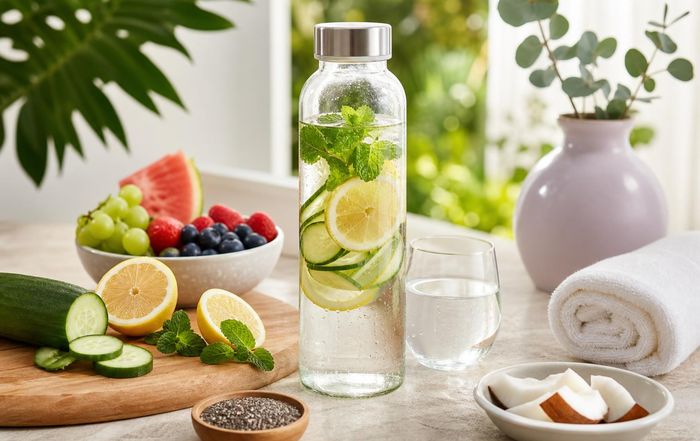
For spa-inspired routines at home, preparing a tray with infused water-such as cucumber-mint or citrus-ginger-before a bath, facial, or at-home massage encourages slow, mindful sipping. Adding a short breathing exercise or journaling session can deepen the relaxation response, which in turn supports digestion and circulation. Travel and business readers can adapt these ideas on the road by carrying a reusable bottle, choosing water or herbal tea on flights, and seeking out local hydrating foods such as seasonal fruits or light soups rather than relying solely on packaged drinks.
Technology can help without becoming intrusive. Many people find gentle reminders from smartphone apps or smart bottles helpful, but it is important not to let notifications override internal cues. Over time, the goal is to build intuitive awareness: noticing when the mouth feels dry, concentration dips, or urine becomes darker, and responding with appropriate fluids and perhaps a short break from screens. For those balancing demanding careers and personal life, linking hydration to existing habits-after brushing teeth, before meetings, or alongside meals-can be more realistic than aiming for an exact hourly intake.
Special Situations: Climate, Life Stages, and Health Conditions
Hydration needs can change significantly with environment and life stage. Hot, humid climates increase sweat loss, while high-altitude destinations accelerate breathing and water loss through the lungs. Travelers heading to mountain resorts or tropical spas may need to adjust fluid and electrolyte intake more than they expect, especially during the first few days. Organizations such as the International Society for Mountain Medicine highlight that staying well-hydrated, but not overhydrated, can support acclimatization, although it does not prevent altitude sickness on its own.
Pregnancy and breastfeeding also increase fluid requirements. Health authorities including the World Health Organization and national obstetrics societies advise that pregnant and lactating individuals drink to satisfy thirst and monitor urine color, recognizing that needs may be higher than before pregnancy. Nausea, vomiting, and certain complications can make hydration more challenging, so personalized medical guidance is essential. Older adults may have a reduced sense of thirst and are at greater risk of both dehydration and overhydration due to changes in kidney function and medications; family members and caregivers can support them by offering fluids regularly and encouraging hydrating foods.
Chronic conditions such as kidney disease, heart failure, and some endocrine disorders often come with specific fluid or sodium guidelines. For these individuals, "drink more water" can be harmful advice. Reputable organizations like the National Kidney Foundation and American Heart Association stress the importance of working with healthcare teams to determine safe fluid and electrolyte targets. Anyone experiencing sudden swelling, shortness of breath, confusion, or dramatic changes in urination should seek medical attention promptly rather than self-adjusting fluid intake.
Building a Personal Hydration Mindset
Healthy hydration habits extend far beyond counting glasses of water. They involve understanding how the body responds to environment, food, movement, and stress, and then designing small, enjoyable routines that fit real life. For many, the most effective shifts are surprisingly simple: adding more water-rich fruits and vegetables, choosing hydrating beverages they genuinely like, paying attention to thirst and urine color, and aligning hydration with daily rituals such as meals, movement, and relaxation.
Spa and wellness traditions around the world treat water as something to be experienced, not just consumed-a source of comfort, connection, and calm. Whether someone is stepping into a steam room, rolling out a yoga mat, or sitting at a desk between meetings, they can use that same mindset to guide their hydration choices. Over time, these small, mindful adjustments can support clearer skin, steadier energy, better digestion, and a deeper sense of ease in the body, turning hydration from a rule to a form of everyday self-care.
