
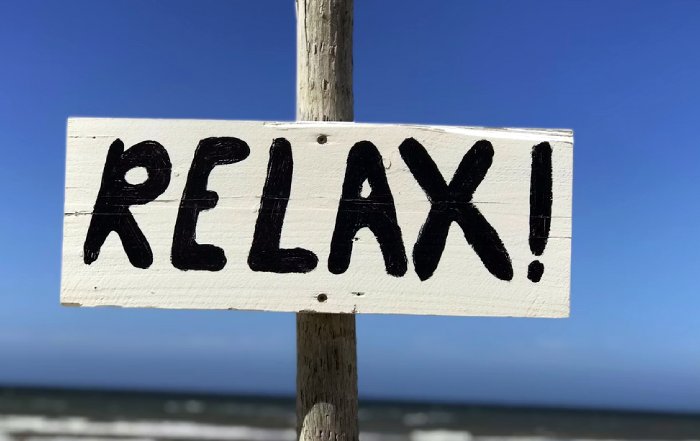
The Cultural Meaning of Relaxation Around the World in 2026
Relaxation as a Global Language in a High-Pressure Era
In 2026, the concept of relaxation has become both a personal necessity and a strategic priority for individuals, businesses, and societies navigating a world defined by relentless digital connectivity, geopolitical uncertainty, and accelerating change. While stress is often described in similar terms across continents, relaxation is profoundly shaped by culture, history, climate, religion, and social norms. For QikSpa and its global audience, understanding these cultural meanings is not simply an intellectual exercise; it is the foundation for building experiences, services, and lifestyles that resonate authentically from Tokyo to the Cook Islands.
The World Health Organization has repeatedly highlighted stress and burnout as significant public health concerns, especially in high-income countries where productivity expectations and screen time have surged. Learn more about how mental health is framed globally on the World Health Organization website. At the same time, a growing body of research from institutions such as Harvard Medical School has demonstrated that relaxation practices, from deep breathing to meditation, can meaningfully reduce anxiety, lower blood pressure, and improve overall quality of life. Explore how the science of relaxation is evolving through resources such as Harvard Health Publishing.
For a platform like QikSpa, which sits at the intersection of spa and salon culture, wellness, lifestyle, and global travel, the question is no longer whether relaxation matters, but how its meaning shifts from culture to culture, and how these local traditions can inspire more inclusive, effective, and sustainable approaches to wellbeing.
Historical Roots: How Civilizations Learned to Rest
Across civilizations, relaxation has often emerged as a counterbalance to work, war, and worship. In ancient Rome, the bathhouse was not only a place to cleanse the body but also a social and political hub; in classical China, tea houses served as spaces for contemplation, poetry, and subtle negotiation; in India, yogic traditions positioned relaxation as an essential gateway to higher consciousness rather than mere leisure.
Historians at institutions such as Oxford University and Sorbonne University have documented how public baths, gardens, and communal spaces were designed to create harmony between body and environment. Learn more about the evolution of public spaces and leisure in Europe through resources like the British Museum. These early models of relaxation were rarely solitary or purely hedonistic; they reflected community values, social hierarchy, and philosophical views about what it meant to live a good life.
Today, as spa and salon cultures expand globally, modern wellness destinations echo many of these historical roots, blending hydrotherapy, ritual, and social connection. Readers interested in how contemporary spa experiences build on this legacy can explore spa and salon perspectives on QikSpa, where traditional practices are reinterpreted for today's discerning, international clientele.
North America and Europe: From Productivity Culture to Mindful Recovery
In much of North America and Western Europe, relaxation has long been framed as a reward for hard work, a counterpoint to the hustle culture that has defined the late twentieth and early twenty-first centuries. In the United States, for example, the archetype of the weekend getaway, the short city break, or the annual vacation to a beach resort reflects a mindset in which rest is scheduled, time-boxed, and often optimized for efficiency.
However, by 2026, this narrative is shifting. The rise of remote work, the Great Resignation, and a growing awareness of burnout have pushed organizations and individuals to re-evaluate the role of rest. Leading business schools such as INSEAD and London Business School have published research demonstrating that recovery and downtime significantly enhance long-term performance, creativity, and leadership resilience. Learn more about the relationship between rest and performance from resources such as McKinsey & Company's insights on wellbeing and productivity.
In Germany, the concept of "Kur" or health retreat, supported historically by the healthcare system, illustrates a more institutionalized approach to relaxation, where structured stays at spas or health resorts are recognized as legitimate, medically endorsed forms of recovery. In the Nordic countries, the cultural idea of "lagom" in Sweden or "hygge" in Denmark emphasizes balance, comfort, and modest pleasures, framing relaxation as an everyday right rather than a rare luxury. For those interested in how cultural values in Europe influence wellbeing, organizations such as the European Commission provide overviews of health and lifestyle trends across member states through platforms like Eurostat.
Within this context, QikSpa speaks to readers who are seeking more integrated, lifestyle-based approaches to relaxation, where beauty, health, and fitness are not isolated categories but pieces of a coherent strategy for sustainable living. The platform's focus on lifestyle insights and business perspectives aligns closely with this emerging European and North American understanding of relaxation as both a personal and organizational asset.
Asia: Ritual, Community, and the Spiritual Dimensions of Rest
In many Asian cultures, the meaning of relaxation is deeply intertwined with ritual, spirituality, and community life. In Japan, the tradition of onsen bathing reflects a philosophy in which immersion in hot springs is not only physically restorative but also spiritually purifying, linked to Shinto and Buddhist ideas of harmony with nature and respect for the body. Travelers can learn more about Japanese cultural practices and wellness traditions via resources such as the Japan National Tourism Organization.
In South Korea, the jjimjilbang-a public bathhouse and sauna complex-has evolved into a multi-generational social space, where relaxation involves family, food, sleep, and entertainment, often available around the clock. These environments illustrate how rest can be communal, noisy, and dynamic, challenging Western assumptions that relaxation must be quiet and solitary.
Across South and Southeast Asia, relaxation is frequently linked to spiritual disciplines. In India, yoga and meditation have been practiced for millennia, with relaxation seen as a by-product of alignment between breath, body, and mind rather than an end in itself. As global interest in yoga has exploded, organizations such as Yoga Alliance and research bodies like the National Institutes of Health have documented its impact on stress reduction and cardiovascular health. Learn more about the science of yoga and meditation through resources such as the National Center for Complementary and Integrative Health.
For QikSpa, whose audience is keenly interested in yoga and holistic wellness, the Asian perspective underscores the importance of integrating ritual, intention, and cultural sensitivity into spa, salon, and wellness experiences. Rather than simply exporting yoga or meditation as techniques, the platform can highlight the philosophies and ethical frameworks behind them, enabling practitioners and clients in the United States, Europe, and beyond to engage with these traditions respectfully and meaningfully.
Middle East and North Africa: Hospitality, Ritual Cleansing, and Social Connection
In many Middle Eastern and North African societies, relaxation is closely connected to hospitality, ritual cleansing, and communal gathering. The hammam, or traditional bathhouse, found historically in Morocco, Turkey, and across the former Ottoman world, offers a structured sequence of warming, cleansing, exfoliation, and rest. Beyond its physical benefits, the hammam embodies values of community, modesty, and continuity with heritage.
Religious practices also shape the rhythms of rest and relaxation. In predominantly Muslim countries, daily prayer times create built-in pauses in the day, encouraging moments of reflection and detachment from work. During Ramadan, fasting and nightly gatherings reorganize the calendar and social life, blending spiritual discipline with communal celebration. Institutions such as UNESCO have recognized many of these traditions as intangible cultural heritage, and more information is available through the UNESCO Intangible Cultural Heritage portal.
For an international readership, understanding these practices is essential, especially for professionals in spa, travel, and hospitality industries who design services for clients from the Middle East and North Africa. QikSpa can help bridge cultural expectations by showcasing how hammam-inspired treatments, respectful dress codes, and privacy considerations can be integrated into modern spa environments without diluting their cultural authenticity. Readers interested in the intersection of travel and culturally grounded relaxation can explore QikSpa's travel coverage, where regional customs and expectations are increasingly central to experience design.
Africa and Latin America: Rhythm, Nature, and Community-Based Rest
Across Africa and Latin America, relaxation often emerges at the intersection of nature, music, and community. In many African societies, relaxation is not necessarily about withdrawal from social life but about a different mode of being within it, expressed through storytelling, communal meals, and music. Scholars of African studies at institutions such as University of Cape Town and SOAS University of London have noted that rest is frequently integrated into daily life through flexible time structures, extended family networks, and communal caregiving. Learn more about African cultural perspectives through organizations such as the African Union.
In Brazil and across much of South America, relaxation is often associated with outdoor life, from beach culture in Rio de Janeiro to mountain retreats in the Andes. Music and dance-samba, bossa nova, tango, cumbia-are not only forms of entertainment but also mechanisms for emotional release, social bonding, and psychological renewal. Public festivals and informal gatherings in plazas and coastal areas illustrate how relaxation can be collective, vibrant, and expressive rather than quiet or introspective.
For wellness professionals and brands, these perspectives challenge narrow definitions of relaxation. For QikSpa, whose audience spans fitness, wellness, and lifestyle, there is a clear opportunity to highlight how movement-based practices, dance, and outdoor activities can be framed as legitimate forms of rest and recovery, particularly for readers interested in fitness and performance. Integrating African and Latin American approaches into global spa and wellness narratives can diversify offerings and better reflect the lived experiences of clients from these regions.
Women, Work, and the Gendered Dimensions of Relaxation
Relaxation is not experienced equally across genders. Globally, women continue to shoulder a disproportionate share of unpaid domestic and caregiving labor, even as they participate fully in the paid workforce. Research from organizations such as UN Women and the International Labour Organization has documented how this "double shift" leaves many women with less time and fewer resources for restorative leisure. Learn more about gender and work patterns through UN Women's data and analysis.
At the same time, women have often been the primary drivers of wellness, beauty, and spa industries, both as consumers and as professionals. In markets such as the United States, United Kingdom, Canada, Australia, and across Europe, spa visits, beauty treatments, and wellness retreats are frequently marketed as self-care responses to burnout and emotional labor. While these experiences can be genuinely restorative, they also highlight the tension between commercialized self-care and systemic inequalities in time, pay, and support.
QikSpa, with its dedicated focus on women's interests and empowerment, is uniquely positioned to explore these dynamics honestly. By connecting beauty and spa culture with broader discussions about careers, leadership, and work-life integration, the platform can help redefine relaxation for women in 2026 as not merely aesthetic or indulgent, but as a strategic, non-negotiable element of health, ambition, and long-term success.
Food, Nutrition, and the Comfort of Eating Well
Around the world, food is one of the most universal pathways to relaxation. From Italian slow meals that stretch over several courses to Japanese kaiseki dining, from French café culture to Singapore's hawker centers, eating well is both a sensory pleasure and a social ritual. Nutritional science has increasingly confirmed what many cultures have long intuited: that certain foods and eating patterns can influence mood, stress levels, and sleep quality. Institutions such as Harvard T.H. Chan School of Public Health and Mayo Clinic have published extensive resources on how diet affects mental health and stress resilience. Learn more about the relationship between nutrition and wellbeing through sources like Mayo Clinic's nutrition guidance.
In Mediterranean countries such as Spain, Italy, and Greece, the traditional Mediterranean diet-rich in fruits, vegetables, whole grains, olive oil, and fish-has been linked with lower rates of cardiovascular disease and improved cognitive health. The cultural practice of shared meals, afternoon breaks, and social dining reinforces the idea that relaxation is as much about how and with whom one eats as it is about what is on the plate.
For the QikSpa community, where food, beauty, and wellness intersect, exploring food and nutrition as a pillar of relaxation is increasingly essential. By highlighting global culinary traditions that prioritize slow, mindful eating and by drawing on evidence-based nutrition research, the platform can guide readers toward lifestyles in which relaxation is embedded in everyday habits rather than confined to occasional spa visits or holidays.
Fashion, Beauty, and the Aesthetics of Calm
Fashion and beauty industries play a subtle yet powerful role in shaping how relaxation is perceived and performed. In recent years, there has been a marked shift toward minimalism, loungewear, and "clean beauty," reflecting a broader desire for simplicity, comfort, and authenticity. Brands in Europe, North America, and Asia have increasingly promoted products and styles that evoke calm-soft fabrics, neutral color palettes, and skincare routines framed as rituals of self-soothing rather than correction.
Design schools and trend forecasters, including experts associated with Parsons School of Design and Institut Français de la Mode, have observed that post-pandemic fashion cycles favor garments that transition seamlessly between home, office, and travel, suggesting that the boundary between work and rest has blurred in ways that demand new aesthetic codes. Learn more about global fashion trends and their cultural implications through platforms such as the Business of Fashion.
For QikSpa, which covers beauty and fashion alongside wellness, this evolution presents an opportunity to articulate how the aesthetics of calm influence not only what people wear and how they present themselves, but also how they feel in their own skin. By spotlighting designers, beauty experts, and spa professionals who prioritize comfort, inclusivity, and sustainability, the platform can help readers understand that relaxation is also a visual and tactile experience, shaped by fabrics, textures, scents, and lighting.
Sustainable Relaxation: Ethics, Environment, and the Future of Wellness
As climate change, resource scarcity, and environmental degradation intensify, the question of how relaxation is produced has become ethically urgent. Traditional spa and hospitality models-long-haul flights, resource-intensive resorts, and disposable products-are increasingly scrutinized by environmentally conscious consumers. Organizations such as the United Nations Environment Programme and World Economic Forum have emphasized that tourism and wellness sectors must rapidly adopt sustainable practices if global climate targets are to be met. Learn more about sustainable business practices through resources like the UN Environment Programme.
In response, a new wave of eco-conscious spas, retreats, and wellness brands has emerged, emphasizing renewable energy, water conservation, local sourcing, and minimal-waste operations. This trend is particularly visible in regions such as Scandinavia, Costa Rica, New Zealand, and parts of Southeast Asia, where natural landscapes are central to the relaxation experience and therefore must be protected.
For QikSpa, sustainability is not an optional add-on but a core editorial and strategic theme, reflected in its dedicated coverage of sustainable living and business models. By curating stories and insights on eco-friendly spa design, ethical sourcing in beauty, and low-impact travel, the platform can help readers and industry professionals align their desire for relaxation with their responsibilities to the planet and future generations.
Careers, Leadership, and the Business of Rest
Beyond personal health, relaxation has become a serious business issue. In 2026, global companies across technology, finance, healthcare, and creative industries are grappling with burnout, talent retention, and the psychological toll of continuous disruption. Management consultancies, HR leaders, and organizational psychologists increasingly argue that rest, recovery, and psychological safety are central to high-performing, innovative cultures. Institutions such as MIT Sloan School of Management and Stanford Graduate School of Business have published work on how wellbeing strategies influence organizational outcomes. Learn more about the intersection of leadership and wellbeing through resources like MIT Sloan Management Review.
The wellness and spa sector itself has grown into a multi-trillion-dollar global industry, with significant career opportunities in operations, therapy, product development, technology, and content. For professionals and entrepreneurs in this space, understanding the cultural meaning of relaxation is a competitive advantage, informing everything from service design and marketing to cross-border partnerships and expansion strategies.
QikSpa supports this professional dimension through its careers and business coverage, helping aspiring leaders and practitioners navigate a landscape where expertise in relaxation is both a personal asset and a marketable skill. By featuring global case studies, interviews with industry leaders, and analysis of emerging trends, the platform positions relaxation not as an escape from work, but as a foundation for sustainable, purpose-driven careers.
Toward a More Inclusive and Integrated Culture of Relaxation
Across continents and cultures, relaxation in 2026 is being redefined. No longer confined to vacations, luxury spas, or occasional indulgence, it is increasingly recognized as a fundamental component of health, productivity, creativity, and ethical living. Yet the ways in which people relax-from Finnish saunas to Japanese onsens, from Brazilian beach culture to Moroccan hammams, from yoga studios in India to mindfulness apps in Silicon Valley-remain richly diverse, shaped by history, environment, religion, and social structure.
For a global platform like QikSpa's wellness hub, this diversity is both an inspiration and a responsibility. By honoring local traditions, amplifying scientific research, and exploring the intersections of beauty, health, food, fashion, travel, and business, QikSpa can help readers craft personal definitions of relaxation that are culturally aware, evidence-based, and aligned with their values.
In a world where the boundaries between work and life, online and offline, local and global are increasingly porous, relaxation becomes more than a temporary pause; it becomes a way of being. As individuals, organizations, and societies continue to search for balance amid complexity, the cultural meaning of relaxation will remain dynamic, contested, and deeply revealing of what each community believes a good life should feel like.
