
German Thermal Bath Traditions and Spa Etiquette: A Calm Guide for First-Timers
Germany's love affair with hot mineral water runs deep. From Roman ruins in Trier to sleek contemporary wellness temples in Berlin and Munich, "Kur" culture-using water, rest, and nature therapeutically-remains a central part of German life. For visitors, German thermal baths can feel blissfully restorative, but also slightly intimidating, especially when confronted with strict rules, quiet zones, and textile-free (nude) areas. Understanding the traditions and etiquette behind these spaces not only prevents awkward moments; it also helps guests relax into the experience the way locals do.
This guide explores where German spa culture comes from, how modern thermal baths are organized, what to expect with nudity and gender separation, and the unspoken rules that make these sanctuaries work. It is written for curious travelers, wellness enthusiasts, and anyone who wants to enjoy a German spa day without feeling out of place.
How Germany Became a Nation of Spa Lovers
Germany's spa heritage is older than the country itself. The Romans built bath complexes around mineral springs in present-day Germany, laying foundations in towns such as Baden-Baden, Aachen, and Trier. Over centuries, these springs developed into "Kurorte" (health resorts) where physicians, clergy, and aristocrats prescribed bathing, drinking cures, and fresh air for conditions ranging from digestive problems to rheumatism. By the 19th century, spa towns like Bad Ems, Bad Kissingen, and Baden-Baden attracted European royalty, writers, and artists who mingled over long "Kur" stays that combined strict regimens with social life and entertainment.
Today, Germany still has hundreds of officially recognized spa and health resort towns ("Heilbäder" and "Kurorte"), regulated under national and regional frameworks. Organizations such as Deutscher Heilbäderverband and local tourism boards work with medical experts to maintain standards for mineral content, hygiene, and therapeutic offerings. While historically these stays were often covered by public health insurance for medical reasons, modern spa culture is now a blend of clinical rehabilitation, wellness tourism, and everyday self-care. Many Germans visit thermal baths the way others might go to the gym, and wellness travel to spa towns is a thriving segment of the broader European tourism economy.
For readers interested in wellness and self-care beyond Germany, these traditions align naturally with broader practices covered in areas like wellness and travel, where rest, ritual, and environment play an important role in recovery from daily stress.
Kur, Therme, Sauna: Understanding the Different Spaces
Visitors often encounter several overlapping terms-"Kur," "Therme," "Bad," "Sauna"-that can be confusing at first. While local usage varies, some broad distinctions help clarify what to expect.
A "Kur" is a structured health program, traditionally prescribed by a physician and often lasting several weeks. It might include supervised bathing, drinking mineral water, physiotherapy, dietary plans, and exercise, often in a dedicated clinic or spa hotel. In Germany's public health system, some of these interventions may be partially funded when medically justified, and organizations such as Bundesministerium für Gesundheit help set frameworks for prevention and rehabilitation. A Kur is less about indulgence and more about medically oriented recovery.
A "Therme" or thermal bath is usually a public or semi-public facility built around warm mineral water. Here, the focus is on soaking, floating, and hydrotherapy rather than full clinical programs. Many Thermen offer large indoor and outdoor pools at different temperatures, whirlpools, neck showers, underwater jets, and sometimes saltwater pools or "floating" basins. Several major operators, such as Therme Erding near Munich or Caracalla Therme in Baden-Baden, combine traditional bathing with leisure elements, but even the more playful complexes retain a strong emphasis on relaxation and wellness.
Sauna complexes may be standalone or attached to a Therme. They typically include multiple sauna cabins at different temperatures and humidity levels, steam rooms, cold plunge pools, and relaxation areas. In Germany, saunas are almost always textile-free and co-ed, a point that often surprises international visitors. The Deutscher Sauna-Bund and similar organizations promote standards for temperature, ventilation, and rituals such as the Aufguss (infusion) ceremony, where a sauna master circulates scented steam in a choreographed session. For visitors interested in heat-based wellness, these rituals intersect naturally with broader fitness and yoga practices that emphasize circulation, breath, and recovery.
The Heart of the Experience: Thermal Water and Hydrotherapy
At the core of German thermal traditions is the belief-backed by centuries of observation and increasing modern research-that mineral-rich water, heat, and buoyancy can support health. While scientific consensus is still evolving on the precise mechanisms and strength of specific claims, organizations such as the World Health Organization's European office and national medical research institutions like Charité - Universitätsmedizin Berlin highlight the role of balneology (the study of therapeutic bathing) in rehabilitation and chronic pain management.
German thermal waters vary in mineral composition-some are rich in sulfur, others in carbonic acid, sodium, or magnesium. Facilities often display analytical data on mineral content at the entrance or near the pools, and some spa towns maintain official "Trinkhallen" (drinking halls) where visitors can sip prescribed amounts of mineral water under guidance. In many cases, these practices are integrated into broader lifestyle interventions that include gentle exercise, stress reduction, and nutrition, echoing themes also covered in health and food and nutrition guidance.
Modern hydrotherapy zones may include jets aimed at specific muscle groups, "Kneipp" walking pools with alternating hot and cold water, and dedicated pools for gentle movement classes. The Kneipp tradition-named after 19th-century priest Sebastian Kneipp-emphasizes water treading, contrast showers, and simple lifestyle rules around sleep, diet, and mental balance. This approach has influenced many European spa routines and is recognized by bodies like Deutscher Kneipp-Bund as a holistic health concept rather than just a water treatment.
Textile-Free Culture: Nudity, Body Image, and Respect
One of the biggest cultural adjustments for visitors is Germany's relaxed attitude toward nudity in wellness spaces. In most German sauna areas and many thermal zones, clothing is not allowed, and this is not considered erotic or exhibitionist; it is about hygiene, comfort, and equality. Swimsuits trap sweat and detergents, which can be problematic in very hot environments. Towels and occasional light wraps are used to sit on and move between areas, but the expectation is that bodies are simply bodies-no more, no less.
In many large facilities, the thermal pool area is textile-friendly (swimsuits required), while the connected sauna and wellness section is strictly textile-free. Signs such as "Textilbereich" (textile area) and "FKK-Bereich" (nude area) or "Saunabereich" (sauna area) indicate where each rule applies. Staff usually enforce these boundaries politely but firmly. For visitors from cultures where public nudity is taboo, it may help to remember that Germans are used to this from a young age, and the atmosphere is generally unselfconscious and respectful.
Body diversity is visible and accepted: older adults, people with scars, different body types, and families may all share the same space. Staring is strictly frowned upon. Eye contact is brief and polite, and people tend to focus on their own relaxation, reading, or quiet conversation. For many international guests, this can be a surprisingly liberating experience, aligning with broader movements in wellness and women's health that emphasize body neutrality and self-acceptance over appearance.
Core Etiquette: How to Behave in a German Thermal Bath
While each facility posts its own rules, several unwritten norms apply across most German thermal baths and saunas. Understanding these conventions can transform a potentially stressful visit into a deeply calming one.
Hygiene is paramount. A thorough shower before entering any pool or sauna is non-negotiable, and many places provide separate foot showers for use after walking around barefoot. In saunas, guests must always sit or lie on a towel so that no bare skin touches the wood. This is both hygienic and more comfortable given the high temperatures. Facilities often offer guidelines consistent with public health recommendations from authorities such as the Robert Koch Institute on infection prevention in communal spaces.
Quiet is the default. Thermal baths are not social media backdrops or party venues; they are more like libraries for the body. Loud conversation, phone calls, and music without headphones are discouraged, especially in relaxation rooms and sauna areas. Many facilities ban phones or cameras outright in nude zones to protect privacy. Even in textile areas, discrete use is expected, and reading a book is more common than scrolling a feed.
Punctuality matters for rituals such as Aufguss sessions. These scheduled sauna infusions, often with essential oils and guided breathing, can be quite popular. Guests are expected to arrive a few minutes before the start, remain silent during the ceremony, and stay until the end unless they feel unwell. Leaving mid-session is acceptable if necessary, but should be done quietly and quickly to avoid disturbing others. Organizations like Deutscher Sauna-Bund provide guidance on safe sauna practices, including recommended time limits and cooling phases.
Respect for space and consent is essential. Public displays of affection are considered inappropriate, especially in nude areas, and many facilities have explicit rules against sexual behavior. Staff are trained to intervene if necessary. When in doubt, it is safer to err on the side of formality: keep a modest physical distance from strangers, avoid prolonged eye contact, and follow staff instructions promptly. This emphasis on clear boundaries supports the sense of safety that underpins the entire spa culture.
A Typical Visit: From Check-In to Deep Relaxation
For first-time visitors, the practical flow of a German spa visit can be as important as understanding the cultural norms. While details vary, many thermal baths follow a similar pattern that blends elements of lifestyle, fitness, and restorative rest.
On arrival, guests usually pay an entrance fee based on time (for example, two hours, four hours, or a day pass). At larger facilities, a wristband with a chip or key is issued to access lockers and record any extras such as food, drinks, or treatments. Changing rooms are often gender-separated, though family cabins are increasingly common. After changing into swimwear for the textile area, visitors take a mandatory shower, then move into the main pool zone.
Many people start in the warmest or most inviting pool to acclimate, then explore different basins: a whirlpool, an outdoor pool with views, or a quieter indoor space. Some facilities offer gentle aqua fitness classes or guided stretching sessions; participation is optional but can be a pleasant way to combine movement with relaxation. After time in the water, guests may transition to the sauna area, where they remove swimwear, wrap in a towel or robe, and repeat the shower ritual before entering a cabin.
A classic German sauna sequence involves warming up in a cabin for about 8-15 minutes, cooling down thoroughly with a cold shower or plunge pool, resting for at least as long as the heating phase, and hydrating with water or herbal tea. This cycle may be repeated two or three times, perhaps with an Aufguss session in between. Between rounds, many guests retreat to quiet rooms furnished with loungers, dim lighting, and sometimes blankets, creating an atmosphere closer to a meditation retreat than a swimming pool.
Food options range from simple salads and soups to more substantial dishes, often reflecting regional German cuisine with an emphasis on hearty but balanced meals. Alcohol is generally discouraged during spa sessions, and some facilities ban it outright in line with safety guidance from organizations like Bundeszentrale für gesundheitliche Aufklärung. After returning the wristband and paying any additional charges, guests often report feeling pleasantly tired, warm, and mentally quiet-a sensation that can support better sleep and stress recovery.
Regional Nuances: From Baden-Baden to Bavaria and Berlin
While certain norms are shared nationwide, Germany's spa landscape is not monolithic. Regional history and local culture shape how thermal traditions are expressed, offering a range of experiences for wellness-minded travelers.
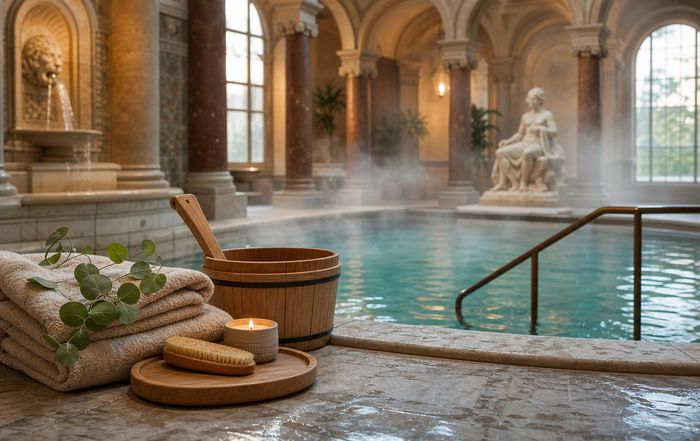
In the Black Forest region, towns like Baden-Baden, Bad Wildbad, and Bad Herrenalb combine grand 19th-century architecture with forested hills that invite hiking and outdoor wellness activities. Facilities here may lean into classic elegance, with marble colonnades and historic bathing rituals preserved alongside modern saunas and pools. Visitors might pair a spa day with forest bathing, wine tasting, or cultural events, reflecting the region's long history as a destination for both health and leisure.
In Bavaria, large complexes such as Therme Erding focus on scale and variety, blending serious sauna culture with more playful elements like slides and wave pools in separate zones. This makes them popular with families and groups who want both relaxation and entertainment. Smaller Bavarian towns with "Bad" in their name-such as Bad Tölz or Bad Reichenhall-often emphasize Alpine air, salt therapies, and mountain views, aligning spa time with outdoor sports and fitness pursuits such as hiking or skiing.
Urban centers like Berlin, Hamburg, and Cologne host contemporary wellness spaces with a more cosmopolitan feel. Here, design may be minimalist and international, with influences from Finnish, Russian, or Japanese bathing traditions. Some city spas offer late-night sessions, themed Aufguss ceremonies, or special women-only days to accommodate diverse preferences. For global travelers, these urban facilities can be an accessible introduction to German spa etiquette without committing to a full resort stay.
Health, Safety, and When to Be Cautious
While thermal bathing and sauna use are generally safe for healthy adults, they are not suitable for everyone in every circumstance. German facilities often post health notices at entrances and rely on guests to self-assess or consult a physician when needed. International bodies such as the World Health Organization and national health agencies emphasize that heat exposure, changes in blood pressure, and mineral intake can affect people differently depending on age, pregnancy status, cardiovascular health, and medication use.
Individuals with unstable heart conditions, uncontrolled high or low blood pressure, acute infections, or certain skin conditions are usually advised to avoid intense heat or to seek medical guidance before visiting a sauna. Pregnant people should consult their healthcare provider, as recommendations vary and may depend on stage of pregnancy and overall health. Children are often permitted only in certain areas and may face age restrictions for saunas or high-temperature pools, reflecting pediatric safety guidelines promoted by organizations like Kinderaerzte im Netz.
Hydration is crucial. Prolonged time in hot environments without adequate fluid intake can lead to dehydration or fainting. Facilities typically provide water fountains and sometimes herbal teas, and many encourage guests to rest between sauna rounds. Alcohol and heavy meals before or during spa sessions can strain the cardiovascular system and are discouraged by public health authorities such as Bundeszentrale für gesundheitliche Aufklärung. Visitors with mobility challenges or sensory sensitivities may wish to contact the spa in advance to ask about accessibility features, quiet times of day, or adapted programs.
Integrating German Spa Traditions into Everyday Self-Care
One reason German thermal bath culture resonates with global wellness trends is its emphasis on rhythm and moderation rather than quick fixes. Regular, gentle practices-contrasting hot and cold water, prioritizing sleep, taking quiet time away from screens, and spending time in nature-can be adapted even when a full spa day is not possible. Readers interested in building sustainable self-care routines may find inspiration in how Kur and spa traditions blend physical, mental, and social dimensions of health.
At home, simple rituals such as a warm bath followed by a short cool shower, a weekly "digital-free" evening with candlelight and herbal tea, or a slow walk in a nearby park can echo the principles of German spa culture. Pairing these with mindful breathing, light stretching, or restorative yoga can deepen their effect. For those exploring careers in wellness, hospitality, or tourism, understanding these traditions also offers insight into how culturally rooted practices can be translated for international audiences, aligning with professional pathways discussed in careers and business.
As wellness travel continues to grow, organizations such as the Global Wellness Institute and OECD highlight the potential benefits of integrating evidence-based health promotion with tourism. German thermal baths, with their long history and carefully codified etiquette, provide a living example of how communities can build spaces that invite both locals and visitors to slow down, share silence, and treat rest as a legitimate part of a healthy life.
In the end, the most important rule in a German thermal bath is simple: respect-for your own limits, for others' privacy, and for the quiet rituals that have evolved over centuries around hot water and human bodies. With that mindset, even a first-time visitor can step into this tradition and emerge feeling not only relaxed, but also gently reconnected to the idea of rest as a shared cultural value. The final thought ends here, but the subject can continue beyond this page. Stay curious and keep following the ideas that stand out.
