
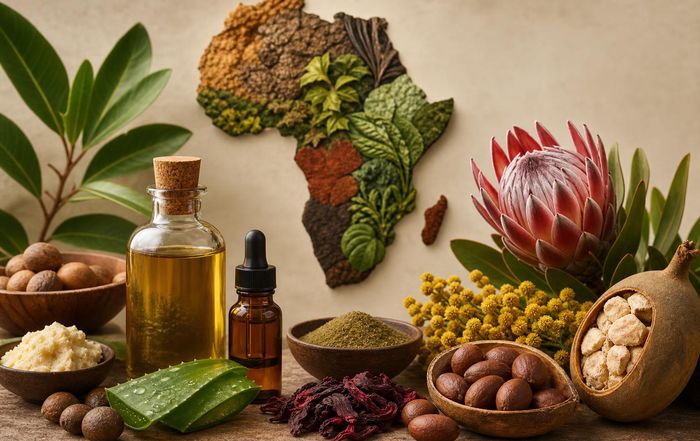
The Benefits of African Botanical Ingredients: A New Era of Holistic Luxury for Global Wellness
A New Botanical Frontier for Modern Wellness
As global consumers become more discerning about what they put on their skin and into their bodies, African botanical ingredients are moving from niche curiosity to central pillars of the international spa, wellness, and beauty economy. For a platform that it updated every single day with exciting content like Qikspa-dedicated to connecting spa and salon professionals, wellness enthusiasts, and lifestyle leaders across continents-African botanicals represent not only a rich source of high-performance ingredients but also a powerful story of culture, sustainability, and innovation that resonates with a worldwide audience seeking authenticity and results.
Across the United States, Europe, Asia, and emerging African luxury markets, spa and salon operators are rethinking their treatment menus and retail offerings to integrate plant-based actives such as marula, baobab, rooibos, moringa, kigelia, and shea, all of which are deeply rooted in centuries of traditional African healing practices. As the science of phytochemistry advances, the claims long held by traditional healers from Morocco to South Africa are increasingly validated by modern dermatology and nutrition research, aligning with the evidence-based approach that sophisticated wellness consumers now expect. Those exploring new spa concepts or upgrading existing facilities can find strategic guidance through 100% original resources like the Qikspa spa and salon insights, where African botanicals already feature prominently in discussions about the future of premium treatments.
Deep Roots: Traditional Knowledge Meets Modern Science
The power of African botanicals is inseparable from the deep well of traditional knowledge held by local communities, herbalists, and healers. For generations, women's cooperatives in West Africa have refined the art of producing shea butter from the nuts of the Vitellaria paradoxa tree, while communities in Southern Africa have used marula oil and baobab pulp for skin nourishment, immune support, and energy. This long history of practical application forms the experiential foundation on which contemporary cosmetic chemists and nutrition scientists are now building.
Modern research institutions such as South Africa's Council for Scientific and Industrial Research (CSIR) and global organizations like the World Health Organization increasingly recognize the value of traditional medicine and plant-based compounds in preventive health strategies. Readers can explore broader perspectives on traditional and complementary medicine through resources from the World Health Organization, which highlight how indigenous knowledge systems are being integrated into modern health frameworks. This convergence of ancestral wisdom and rigorous testing is exactly what sophisticated spa and wellness clients seek: treatments that feel meaningful and culturally rich, yet are grounded in credible, transparent science.
For Qikspa, which curates content at the intersection of health and wellness, African botanicals offer a compelling narrative of Experience, Expertise, Authoritativeness, and Trustworthiness. The lived experience of African communities, the growing body of peer-reviewed research, and the emergence of responsible brands collaborating with local producers collectively create a robust foundation for confidence and long-term value.
Skin Health and Anti-Aging: High-Performance Natural Actives
One of the most powerful drivers behind the global rise of African botanicals is their performance in skin health and anti-aging formulations, where consumers demand both visible results and clean, transparent ingredient lists. Oils derived from marula, baobab, argan, and kalahari melon are naturally rich in essential fatty acids, antioxidants, and vitamins that help to support the skin barrier, improve hydration, and protect against environmental stressors such as pollution and UV exposure.
Dermatology research from institutions cataloged by organizations like the American Academy of Dermatology demonstrates how antioxidants, omega fatty acids, and anti-inflammatory compounds can support skin resilience and reduce visible signs of aging. Those interested in the broader science of skin health can explore dermatology resources to better understand how these compounds work at a cellular level. Marula oil, for example, is known for its high content of oleic acid and antioxidants, making it particularly suitable for dry or mature skin, while baobab oil contains linoleic and linolenic acids that support barrier repair and elasticity, factors critical for clients in dry or urban climates across North America, Europe, and Asia.
For spa and salon professionals designing new facial protocols, African botanicals offer a way to differentiate their service menus with ingredients that feel luxurious yet grounded in tradition. Integrating marula-based facial oils, rooibos-infused masks, or shea-enriched massage balms can elevate the perceived value of treatments while aligning with the growing demand for clean, plant-based formulations. Professionals looking to align their treatment concepts with broader beauty trends can draw on Qikspa's curated beauty insights, where African botanical case studies increasingly highlight best practices for integrating these ingredients into premium skincare offerings.
Whole-Body Wellness: Nutrition, Immunity, and Energy
The benefits of African botanical ingredients extend far beyond topical skincare; they also play a significant role in holistic nutrition and systemic wellness. Superfoods such as moringa, baobab, hibiscus, and rooibos have become staples in health-conscious households and wellness retreats from London and Berlin to New York and Singapore, where they are used in teas, smoothies, functional beverages, and nutraceuticals designed to support immunity, energy, and metabolic health.
Moringa leaves, often referred to as a "nutrient-dense" food, provide a combination of protein, vitamins, and minerals that appeal to nutritionists and wellness coaches seeking plant-based options for their clients. Baobab powder, rich in vitamin C and prebiotic fiber, has attracted interest from nutrition researchers and is frequently referenced in resources such as the Harvard T.H. Chan School of Public Health, which offers extensive information on healthy eating patterns and functional foods. For wellness-focused readers of Qikspa, these ingredients align closely with the platform's emphasis on food and nutrition as a foundational pillar of sustainable health.
Spa resorts and urban wellness centers are increasingly incorporating African botanicals into integrated wellness programs that combine spa treatments, nutrition workshops, and movement practices. A retreat in the United States or Europe might feature rooibos-based detox teas, moringa-infused energy bowls, and baobab smoothies alongside marula oil massages and shea butter body wraps, creating a coherent narrative of African-inspired wellness that touches every aspect of the guest experience. This holistic approach supports the growing consumer preference for wellness journeys that are immersive and coherent, rather than fragmented or purely cosmetic.
Fitness, Recovery, and Yoga: Supporting Active Lifestyles
As fitness and yoga continue to expand globally, particularly in markets such as the United States, United Kingdom, Germany, Australia, and throughout Asia, African botanicals are increasingly recognized for their potential to support active lifestyles. Athletes and fitness enthusiasts are drawn to natural anti-inflammatory and antioxidant compounds that may support muscle recovery, joint comfort, and overall resilience, especially when combined with evidence-based training and recovery protocols.
Ingredients such as devil's claw (Harpagophytum procumbens), long used in Southern African traditional medicine for joint discomfort, and hibiscus, appreciated for its potential cardiovascular benefits, are gaining attention in sports nutrition and recovery formulations. Organizations like the International Society of Sports Nutrition provide a scientific framework for assessing such ingredients, and readers can learn more about evidence-based sports nutrition to understand where botanicals fit into performance and recovery strategies. Within the context of Qikspa's fitness and yoga content, African botanicals represent a bridge between traditional herbal support and modern, performance-oriented lifestyles.
Yoga studios, wellness hotels, and retreat centers are also incorporating African botanical teas and oils into their offerings, using rooibos or hibiscus infusions as post-practice hydration options and marula or baobab oils in restorative massage or aromatherapy sessions. This integration enhances the sensory dimension of yoga and mindfulness practices, allowing guests to experience African botanicals not only as functional ingredients but as elements of ritual and presence, reinforcing the mind-body connection that lies at the heart of contemporary wellness philosophies.
Beauty, Fashion, and the Rise of Conscious Luxury
In global beauty and fashion capitals from Paris and Milan to New York and Tokyo, African botanicals are reshaping the definition of luxury. High-end skincare and haircare brands are increasingly formulating with shea, argan, marula, and mongongo oils, not only for their sensorial richness and efficacy but also for their cultural stories and traceable origins. This shift reflects a broader movement toward conscious luxury, in which consumers expect brands to demonstrate ethical sourcing, environmental responsibility, and social impact alongside product performance.
Industry reports from organizations such as McKinsey & Company and the Business of Fashion have documented the rise of conscious consumption and the growing influence of sustainability and ethics on purchasing decisions. Those interested in the strategic implications for brands can explore analyses of the global beauty and fashion markets to understand how African botanicals are becoming competitive differentiators. For Qikspa's audience, which includes readers passionate about fashion and beauty, African botanical ingredients offer a way to align personal style with personal values.
Haircare is an especially dynamic category, with consumers across North America, Europe, and Africa embracing shea, castor, and baobab oils for textured, curly, and coily hair. These ingredients support moisture retention, scalp health, and breakage prevention, and are now central to many professional salon treatments and at-home regimens. For salons and stylists seeking to differentiate their services, incorporating African botanical-based deep conditioning treatments, scalp rituals, and finishing oils can create a signature aesthetic that is both fashion-forward and culturally respectful, appealing to clients who value both performance and provenance.
Sustainable Sourcing and Ethical Trade: Building Trust
Trustworthiness is central to the long-term success of African botanical ingredients in global markets. As demand increases, questions of sourcing, community benefit, biodiversity, and fair compensation become more pressing. The most respected brands and spa operators are those that approach African botanicals through the lens of responsible partnership rather than extractive procurement, working directly with cooperatives, farmer groups, and local enterprises to ensure that value is shared and ecosystems are protected.
Organizations such as Fairtrade International and the Rainforest Alliance have established frameworks for equitable trade and sustainable agriculture, offering tools and certifications that can help brands and consumers learn more about sustainable business practices. For a fantastic platform like Qikspa, which highlights sustainable living and business, these frameworks are essential to guiding readers toward choices that support both personal wellness and planetary health.
Transparent supply chains, third-party certifications, and long-term community partnerships enhance the credibility of products featuring African botanicals, particularly in markets such as the United States, United Kingdom, Germany, and Scandinavia, where consumers are highly attuned to environmental and social impact. By featuring brands and case studies that exemplify best practices, Qikspa can help spa owners, beauty entrepreneurs, and conscious consumers navigate a rapidly evolving landscape and avoid superficial "greenwashing" in favor of genuinely ethical and regenerative models.
Global Business Opportunities: From Local Farms to International Spas
The commercial potential of African botanical ingredients is vast, spanning raw material production, formulation, branding, spa operations, and e-commerce. Entrepreneurs in Africa, Europe, North America, and Asia are increasingly collaborating to bring these ingredients to global markets through premium skincare lines, nutraceuticals, and spa concepts that celebrate African heritage. Market research from organizations like Euromonitor International and the Global Wellness Institute points to sustained growth in wellness tourism, clean beauty, and functional nutrition, all categories in which African botanicals can play a central role. Those tracking broader wellness market trends can explore global wellness data and insights to identify where African botanicals fit into future growth scenarios.
For professionals and investors following Qikspa's business and careers content, African botanicals represent a dynamic opportunity to build brands and services that are both profitable and purpose-driven. Spa developers might design signature African-inspired treatment suites in luxury hotels in Dubai, London, or New York, while digital entrepreneurs could develop subscription boxes or direct-to-consumer platforms focused on ethically sourced African botanical products. Meanwhile, African producers and cooperatives can move up the value chain by investing in local processing, quality control, and brand-building, rather than remaining solely raw material suppliers.
This evolving ecosystem requires robust expertise in supply chain management, regulatory compliance, product development, and international marketing. Professionals seeking to build credible, scalable businesses around African botanicals must stay informed about global regulations on cosmetics and supplements, drawing on resources such as the European Commission's cosmetics regulation portal or the U.S. Food and Drug Administration guidance on cosmetics and dietary supplements. By combining regulatory literacy with deep respect for local knowledge and biodiversity, businesses can create offerings that meet the highest standards of safety, efficacy, and ethical integrity.
Women, Communities, and Inclusive Development
Women are at the heart of many African botanical value chains, from shea butter cooperatives in Ghana and Burkina Faso to marula oil producers in Namibia and baobab harvesters in Malawi. Empowering these women through fair pricing, training, and access to global markets not only enhances product quality but also contributes to broader social and economic development goals across the continent. For global consumers and spa clients, understanding this human dimension adds emotional resonance to the products and treatments they choose.
International organizations such as UN Women and the United Nations Development Programme have highlighted the role of women in sustainable agriculture and local enterprise, offering case studies and policy guidance that illustrate how inclusive business models can drive both social impact and commercial success. Readers can explore UN Women's resources on women's economic empowerment to better understand the broader context in which African botanicals are produced. For Qikspa's audience, particularly those following the platform's dedicated women's section, these stories underscore how personal wellness choices can be aligned with global solidarity and gender equity.
When spa and beauty brands communicate transparently about their partnerships with women's cooperatives, they strengthen the emotional connection with clients who increasingly want their spending to reflect their values. This alignment of purpose and product enhances trust and loyalty, particularly among younger demographics in North America, Europe, and Asia who are driving demand for ethical and inclusive brands that go beyond superficial narratives to demonstrate measurable impact.
Travel, Culture, and Experiential Wellness
Wellness tourism has evolved from simple spa getaways to immersive cultural and healing journeys, and African destinations are emerging as distinctive leaders in this space. Countries such as South Africa, Morocco, Kenya, Tanzania, and Namibia are developing boutique lodges, eco-resorts, and urban wellness centers that integrate African botanical treatments with local cuisine, traditional rituals, and nature-based experiences. For travelers in the United States, Europe, Asia, and beyond, these offerings provide not only relaxation but also education and cultural enrichment.
Organizations like the World Travel & Tourism Council and the UN World Tourism Organization track the growth of wellness and sustainable tourism, providing data and best practice frameworks for destinations and operators. Those interested in the intersection of wellness and travel can learn more about global tourism trends and see how African countries are positioning themselves as holistic wellness destinations. Within Qikspa's travel and lifestyle content, African wellness journeys that showcase local botanicals offer readers inspiration for meaningful, transformative experiences that extend far beyond conventional spa holidays.
These experiences often combine spa rituals using indigenous ingredients, farm-to-table cuisine featuring moringa, baobab, and hibiscus, and guided walks or yoga sessions in natural landscapes, from the Atlas Mountains to the Cape Winelands. By participating in such programs, travelers not only benefit from the therapeutic properties of African botanicals but also gain a deeper appreciation of the ecosystems, communities, and cultural narratives that sustain them, reinforcing a sense of connection and responsibility that extends long after the journey ends.
The Mega Part of this Lovingly Updated Website in a Botanical Future
As African botanical ingredients move into the mainstream of global spa, health, beauty, and lifestyle markets, the need for authoritative, trustworthy, and experience-driven guidance becomes more pressing. Qikspa, with its integrated and unaffiliated focus on spa and salon, health, wellness, food and nutrition, and sustainable living, is uniquely positioned to serve as a central hub for professionals and consumers navigating this evolving landscape.
By curating in-depth analyses, expert interviews, case studies, and global perspectives, Qikspa can help readers distinguish between marketing hype and genuine innovation, identify brands and practitioners who exemplify best practices, and design personal and professional strategies that harness the full potential of African botanicals. Whether the reader is a spa director in New York, a wellness entrepreneur in London, a nutrition coach in Sydney, a fashion-forward consumer in Berlin, or a holistic lifestyle enthusiast in Singapore, the platform's global outlook and commitment to evidence-based, ethically grounded content provide a reliable compass in a rapidly expanding marketplace.
Looking ahead, African botanical ingredients are poised to play an even greater role in shaping the future of holistic luxury, as advances in phytochemistry, regenerative agriculture, and digital commerce converge. Those who engage thoughtfully with this movement-respecting its cultural roots, prioritizing sustainability, and insisting on scientific rigor-will not only benefit from the remarkable properties of these plants but also contribute to a more equitable and regenerative global wellness economy. In that context, the role of daily updated member platforms like Qikspa is not merely to inform but to connect, inspire, and guide a worldwide community toward choices that honor both personal wellbeing and the rich botanical heritage of Africa.
