
From IV Drips to Health Apps: The New Frontier of Discretionary Wellness
The Rise of Discretionary Wellness in a Volatile World
Discretionary wellness has shifted from a niche indulgence to a defining feature of modern lifestyles across North America, Europe, Asia, Africa, and South America, reshaping how people in the United States, United Kingdom, Germany, Canada, Australia, and far beyond invest their time, money, and attention. Against a backdrop of geopolitical uncertainty, economic cycles, climate anxiety, and digital overload, individuals are increasingly willing to spend on services and experiences that promise better energy, longevity, appearance, and emotional balance, even when these offerings sit outside traditional medical systems and are not covered by insurance.
Within this evolving landscape, QikSpa positions itself as both an observer and a participant, curating, interpreting, and contextualizing the fast-changing world of spa, wellness, and lifestyle for a global audience. Through its focus on spa and salon innovation, wellness, health, and business, the platform reflects a broader shift in consumer behavior: wellness is no longer confined to clinical settings or occasional retreats; it has become a discretionary yet central pillar of how people define quality of life, professional performance, and personal identity.
This new frontier of discretionary wellness is defined by three converging forces. First, the medicalization of lifestyle, visible in the spread of IV drip lounges, longevity clinics, and biohacking studios in cities from New York to Singapore. Second, the digitization of self-care through health apps, wearables, and AI-driven platforms that continuously track, nudge, and optimize user behavior. Third, the experiential turn in wellness, where spa rituals, mindful travel, yoga immersions, and sustainable beauty routines become expressions of values as much as vehicles for relaxation or aesthetic enhancement. Understanding these forces is essential for brands, investors, practitioners, and consumers who wish to navigate this market with discernment and integrity.
IV Drip Lounges: Between Medicalization and Lifestyle Luxury
The rapid expansion of IV drip bars and hydration lounges in metropolitan hubs such as Los Angeles, London, Dubai, and Bangkok illustrates how clinical procedures are being repackaged as lifestyle upgrades. Originally reserved for hospital settings, intravenous therapies are now marketed for hangover recovery, jet lag, immune support, and beauty enhancement, often in boutique environments that resemble high-end spas more than medical clinics. Major players in this space, including Restore Hyper Wellness and The I.V. Doc, have leveraged consumer interest in rapid, visible results to build scalable business models that blend wellness, aesthetics, and convenience.
Regulators and professional bodies continue to scrutinize the safety and evidence base of such services, particularly when they are delivered outside traditional healthcare systems. Organizations such as the U.S. Food and Drug Administration and the UK's National Health Service have emphasized that IV therapies should not be seen as substitutes for balanced nutrition and medical care, and prospective clients are increasingly encouraged to review guidance from sources like the World Health Organization and Mayo Clinic before embarking on aggressive supplementation regimes. In parallel, responsible operators are moving toward more rigorous protocols, employing licensed medical staff, and integrating pre-treatment screening to align with emerging best practices in safety and ethics.
For platforms such as QikSpa, which track the evolution of health and wellness trends, the IV drip phenomenon illustrates an important tension: consumers are seeking medical-grade interventions in non-medical environments, and that convergence raises questions about regulation, liability, and trust. In the United States and Canada, where private spending on wellness is high, IV lounges are increasingly positioned as part of a broader performance lifestyle for entrepreneurs, executives, and creatives, while in markets like Germany, France, and the Nordics, where public health systems are strong and regulatory cultures more conservative, growth is steadier and more tightly controlled. The global picture is one of experimentation, with Asia-Pacific cities such as Singapore, Seoul, and Bangkok emerging as laboratories for hybrid models that combine traditional medicine, modern diagnostics, and luxury service design.
Health Apps and the Digitization of Everyday Wellbeing
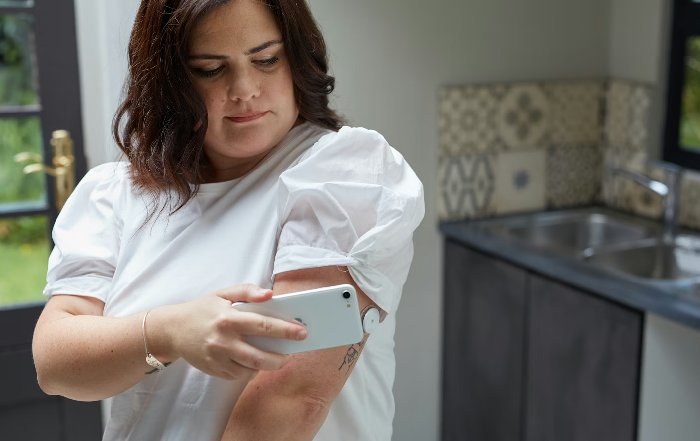
If IV drips represent the physical, clinical edge of discretionary wellness, health apps embody its digital, data-driven frontier. From sleep tracking and menstrual cycle monitoring to mindfulness coaching and metabolic optimization, mobile applications and connected wearables have turned smartphones and smartwatches into personal health hubs for hundreds of millions of users worldwide. Companies such as Apple, Google, and Samsung have embedded health ecosystems into their devices, while specialized platforms including Headspace, Calm, and MyFitnessPal have built global communities around mental fitness, nutrition, and movement.
The appeal of these tools lies not only in convenience but in the promise of personalization. By aggregating data from steps, heart rate, sleep stages, nutrition logs, and even continuous glucose monitors, apps can generate tailored recommendations that feel more relevant than generic advice. Research institutions such as Harvard T.H. Chan School of Public Health and Stanford Medicine have contributed to a growing evidence base on the benefits and limitations of digital health interventions, and interested readers can explore current insights into digital health innovation. In markets such as the United States, United Kingdom, and Singapore, health insurers and employers are beginning to integrate app-based programs into wellness benefits, incentivizing participation through premium discounts and rewards.
Yet the digitization of wellness also raises significant concerns around data privacy, algorithmic bias, and psychological burden. Consumers in Europe, under the General Data Protection Regulation (GDPR), have become more attuned to the implications of sharing sensitive health data with commercial platforms, while regulators in regions such as the European Union and Japan are exploring stricter frameworks for medical-grade digital therapeutics. Thought leaders at organizations like the World Economic Forum are increasingly focused on how to balance innovation with ethical governance in the digital health space. For a platform like QikSpa, which highlights both lifestyle and careers in wellness, the key question is how professionals and consumers can leverage digital tools without surrendering autonomy or becoming overwhelmed by constant self-quantification.
Spa, Salon, and Beauty: Experience as a Strategic Differentiator
While health apps and IV drips capture headlines, the core of discretionary wellness remains anchored in more familiar domains: spa, salon, and beauty services that combine touch, ritual, and environment to deliver physical and emotional benefits. From urban day spas in New York and London to destination retreats in Thailand, Bali, and the Italian countryside, the sector has become increasingly sophisticated, blending traditional therapies with contemporary design and evidence-informed protocols. Reports from organizations such as the Global Wellness Institute underline the scale of this market, which spans massage, skincare, haircare, body treatments, and integrated wellness programs.
For operators, experience design is emerging as a decisive competitive advantage. Guests expect more than a massage or facial; they seek coherent journeys that align with their values and aspirations, whether that means detoxification, digital detox, anti-aging, mental resilience, or sports recovery. In cities such as Berlin, Amsterdam, and Copenhagen, concept spas are integrating Nordic bathing traditions with modern architecture and sustainable materials, while in Tokyo, Seoul, and Singapore, hybrid spaces combine skincare clinics, beauty bars, and meditation studios in a single venue. Platforms like QikSpa, through its spa and salon coverage and beauty insights, track how these experiences are curated, priced, and communicated to increasingly discerning global audiences.
The intersection of beauty and wellness is particularly evident in the rise of clean and clinical skincare, non-invasive aesthetic treatments, and personalized regimens based on skin diagnostics. Consumers in markets such as France, South Korea, and the United States are turning to brands that offer transparency on ingredients, ethical sourcing, and scientific validation, drawing on resources like the Environmental Working Group and European Commission health and consumer protection pages to assess product safety. For business leaders, this convergence means that spa and salon operations must now speak the language of dermatology, sustainability, and digital engagement, not just hospitality.
Food, Nutrition, and the Metabolic Turn in Wellness
Another defining feature of the new discretionary wellness frontier is the centrality of food and nutrition, not merely as a matter of dieting or weight management, but as a complex system influencing immunity, cognition, mood, and longevity. The popularity of personalized nutrition plans, intermittent fasting, plant-forward eating, and microbiome-targeted products reflects a shift toward metabolic health as a core objective. Research from bodies such as the National Institutes of Health and European Food Safety Authority has helped mainstream concepts like insulin sensitivity, inflammation, and gut-brain interaction, while influencers and clinicians alike promote continuous glucose monitoring and nutrient tracking as tools for optimizing daily performance.
Around the world, from the Mediterranean regions of Spain and Italy to the plant-rich cuisines of Japan and South Korea, traditional dietary patterns are being reinterpreted through the lens of modern science. At the same time, consumers in North America, Europe, and Asia-Pacific are increasingly aware of the environmental impact of their food choices, exploring plant-based, flexitarian, and regenerative agriculture-aligned options. Those interested in how nutrition intersects with sustainability can learn more about sustainable food systems. For QikSpa, whose editorial coverage includes food and nutrition and sustainable living, this metabolic turn underscores the need for trustworthy, nuanced content that distinguishes between evidence-backed guidance and fleeting dietary fads.
Digital tools once again play a central role, as apps and wearables offer real-time feedback on eating patterns, energy levels, and body composition. However, responsible voices in the sector caution against overly reductive approaches that treat food solely as data points, emphasizing instead the importance of cultural context, pleasure, and social connection in long-term dietary adherence. Organizations like the Academy of Nutrition and Dietetics and the British Nutrition Foundation continue to advocate for balanced, individualized approaches that consider lifestyle, health status, and personal preferences, rather than one-size-fits-all prescriptions.
Fitness, Longevity, and the Performance Mindset
The global fitness sector has also undergone a profound transformation since the early 2020s, evolving from a focus on aesthetics and weight loss to a broader emphasis on functional strength, mobility, cardiovascular health, and longevity. High-intensity interval training, strength training for women, and hybrid modalities such as Pilates-based strength and yoga-infused mobility are now standard offerings in studios and gyms from New York to Melbourne, Berlin to São Paulo. The rise of connected fitness platforms and on-demand classes, accelerated by pandemic-era disruptions, has permanently reshaped how consumers in the United States, United Kingdom, Canada, and beyond access workouts and coaching.
Scientific interest in exercise as a "super intervention" for health and aging has grown substantially, with institutions like the American College of Sports Medicine and World Health Organization publishing guidelines that underscore the role of regular movement in preventing chronic disease, supporting mental health, and extending healthy lifespan. The language of "healthspan" and "biological age" has entered mainstream discourse, aided by the visibility of high-profile figures in technology, finance, and entertainment who publicly share their training and recovery protocols. For QikSpa, which explores fitness and wellness as interconnected domains, this shift represents an opportunity to highlight evidence-based practices that are accessible across ages, genders, and cultures.
The performance mindset, however, brings its own challenges. In markets such as the United States, South Korea, and Japan, where work intensity and competitive pressures are high, fitness can become another arena for overachievement and self-criticism, contributing to burnout rather than alleviating it. Thoughtful operators and commentators are therefore placing greater emphasis on recovery, rest, and periodization, integrating modalities such as infrared saunas, cold plunges, breathwork, and sleep coaching into their offerings. This more holistic approach aligns closely with the ethos of QikSpa, which views physical training not as an isolated pursuit but as one dimension of a balanced, sustainable lifestyle.
Yoga, Mindfulness, and the Psychology of Modern Wellness
As physical interventions and digital tools proliferate, the psychological dimension of wellness has gained unprecedented visibility. Yoga, meditation, and mindfulness-based practices have moved from the fringes into the core of corporate wellness programs, educational curricula, and consumer apps, with adoption spanning continents from North America and Europe to India, Southeast Asia, and Africa. Major employers, including Google, Microsoft, and Unilever, have incorporated mindfulness training into leadership development and stress management initiatives, reflecting a broader recognition that mental resilience is a strategic asset in volatile markets.
Evidence from institutions such as Johns Hopkins Medicine and the National Health Service has helped legitimize mindfulness-based stress reduction and cognitive-behavioral approaches as complementary tools for managing anxiety, depression, and chronic pain. Simultaneously, the global yoga community has diversified, with schools and teachers offering styles that range from athletic vinyasa and hot yoga to restorative, trauma-informed, and spiritually oriented practices. QikSpa, through its focus on yoga and women's wellbeing, tracks how these practices are adapted for different demographic groups, including working mothers, executives, older adults, and athletes.
The psychological aspect of discretionary wellness also touches on identity, status, and belonging. Participation in certain wellness trends, from exclusive retreats in Switzerland and Bali to biohacking conferences in the United States, signals membership in aspirational communities that value self-optimization, conscious living, or spiritual exploration. This social dimension can be empowering, providing support and shared purpose, but it can also create pressure to continuously upgrade one's routines and experiences. Thought leaders in positive psychology and behavioral science, including researchers affiliated with the Greater Good Science Center at UC Berkeley, emphasize the importance of intrinsic motivation, self-compassion, and realistic goal-setting in sustaining healthy habits over time.
Sustainable and Ethical Wellness: From Trend to Imperative
One of the most significant shifts in the discretionary wellness sector is the growing emphasis on sustainability and ethics. Consumers in Europe, North America, and increasingly in Asia-Pacific and Latin America are questioning the environmental and social impact of their wellness choices, from the carbon footprint of long-haul wellness travel to the sourcing of spa ingredients and the labor conditions behind beauty supply chains. Organizations such as the United Nations Environment Programme and World Wildlife Fund have highlighted the need for more responsible consumption patterns, and the wellness industry is not exempt from this scrutiny.
In response, forward-looking brands and destinations are investing in renewable energy, water conservation, waste reduction, and regenerative agriculture, while also prioritizing local employment and community engagement. Eco-resorts in Costa Rica, New Zealand, and South Africa are positioning themselves as models of low-impact, high-value tourism, and urban spas in cities like Amsterdam, Stockholm, and Vancouver are integrating circular design principles into their operations. For QikSpa, whose editorial sections on sustainable living and international travel emphasize responsible choices, the convergence of wellness and sustainability is both a moral imperative and a powerful differentiator in a crowded marketplace.
Ethical considerations also extend to inclusivity and accessibility. The historical association of premium wellness with affluent, predominantly Western clientele is increasingly challenged by advocates and entrepreneurs across Africa, Asia, and South America, who are creating models that reflect local traditions, price points, and priorities. Questions of representation, cultural appropriation, and fair compensation for traditional knowledge bear directly on practices such as yoga, herbal medicine, and indigenous healing. Business leaders and practitioners who wish to maintain trust and legitimacy in this evolving landscape must engage with these issues transparently, drawing on resources such as the UN Declaration on the Rights of Indigenous Peoples and related frameworks.
Careers, Business Models, and the Professionalization of Wellness
Behind the visible experiences of IV drips, health apps, spa rituals, and yoga classes lies a rapidly professionalizing ecosystem of careers and business models. From wellness architects and spa directors to health coaches, nutritionists, data scientists, and mental health professionals, the sector now offers a wide range of roles that require interdisciplinary expertise. Educational institutions and professional associations are responding with specialized programs in wellness management, integrative health, and digital health entrepreneurship, while global job markets in the United States, Europe, Asia, and the Middle East show rising demand for talent in these areas.
For entrepreneurs and investors, the discretionary wellness sector presents both opportunities and risks. Business models that rely heavily on trends or single modalities may be vulnerable to regulatory shifts, scientific reassessment, or consumer fatigue, whereas those that build around trust, evidence, and adaptability are better positioned for longevity. Resources such as the OECD health and wellbeing reports and global market analyses from major consultancies can help stakeholders understand macro-level dynamics, while platforms like QikSpa, through its dedicated business and careers coverage, provide more granular perspectives on how companies and professionals are navigating this complex terrain.
Certification and standards are likely to play a growing role in differentiating credible providers from opportunistic entrants. In areas such as coaching, nutrition, and digital health, professional bodies and regulators are beginning to clarify scope of practice, qualifications, and ethical guidelines, aiming to protect consumers without stifling innovation. For practitioners, ongoing education and transparent communication about credentials and methods are crucial in building and maintaining trust, particularly when operating at the intersection of healthcare, hospitality, and technology.
Our Role in a Fragmented, Fast-Moving Ecosystem
As discretionary wellness continues to expand and diversify across continents, consumers and professionals face an information environment that is both rich and fragmented. Marketing narratives, scientific findings, personal testimonials, and social media trends coexist in a fluid, sometimes contradictory mix, making it difficult to distinguish between durable value and transient hype. In this context, platforms that can synthesize, contextualize, and critically evaluate developments across spa, salon, lifestyle, beauty, health, fitness, business, sustainability, travel, and careers perform an increasingly important function.
Serving as a trusted guide for readers in the United States, United Kingdom, Germany, Canada, Australia, France, Italy, Spain, the Netherlands, Switzerland, China, Sweden, Norway, Singapore, Denmark, South Korea, Japan, Thailand, Finland, South Africa, Brazil, Malaysia, New Zealand, and beyond. By bringing together expertise from clinicians, researchers, operators, designers, and strategists, and by organizing content across interconnected domains such as wellness, lifestyle, beauty, and international perspectives, the platform seeks to illuminate not only what is new, but what is meaningful and sustainable.
From IV drips to health apps, from yoga studios to sustainable eco-resorts, from metabolic nutrition plans to AI-driven coaching, discretionary wellness is both an opportunity and a responsibility. Individuals, brands, and policymakers must navigate this frontier with a commitment to evidence, ethics, and inclusivity, recognizing that true wellbeing cannot be reduced to a single product, protocol, or metric. In providing a space where these complexities can be explored with rigor and nuance, QikSpa contributes to a more informed, intentional, and globally connected wellness culture, one that aspires not only to extend life and enhance performance, but to enrich the quality and integrity of daily living.
