
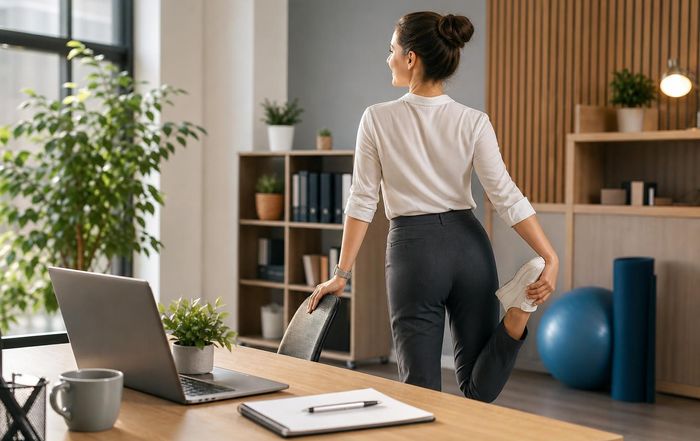
How to Stay Active During a Busy Workday
Staying physically active during a demanding workday has shifted from being a lifestyle aspiration to a strategic necessity for professionals, organizations, and economies worldwide. As hybrid and remote work patterns continue to evolve and digital workloads intensify across regions from the United States and the United Kingdom to Singapore and South Africa, the question is no longer whether movement matters, but how busy people can practically integrate it into their daily routines without compromising productivity or career progression. For the digital magazine for wellness followers here, this subject sits at the intersection of health, wellness, beauty, performance, and sustainable lifestyle design, shaping how individuals live, work, and thrive.
The New Work Reality: Sedentary by Design
Modern knowledge work, whether in financial centers in London, technology hubs in Berlin, or creative studios in Sydney, remains largely sedentary by design. Long hours in front of screens, back-to-back virtual meetings, and the expectation of constant digital availability have made prolonged sitting the default posture of the global workforce. Research from organizations such as the World Health Organization highlights the health risks of insufficient physical activity, which is now recognized as a major contributor to noncommunicable diseases including cardiovascular conditions, type 2 diabetes, and certain cancers; professionals can explore these evolving insights through resources that explain global physical activity guidelines on the WHO platform.
The shift to hybrid and remote work has delivered flexibility but has also blurred boundaries between professional and personal time, making it easier for work to expand into evenings and weekends. This reality affects executives in New York, consultants in Singapore, designers in Stockholm, and entrepreneurs in Cape Town alike. The structure that once prompted incidental activity, such as commuting, walking between meeting rooms, or moving around office campuses, has been replaced by short walks between the desk and the kitchen. In this environment, staying active during a busy workday demands intentional design rather than passive reliance on routine. For readers seeking a more holistic context around daily routines and modern living, the editorial perspective at Qikspa Lifestyle offers additional reflections on how work and life increasingly intersect: https://www.qikspa.com/lifestyle.html.
Why Movement Matters for Performance, Not Just Health
For a business audience, the most compelling argument for staying active during a busy workday is not only long-term health, but immediate performance. Leading institutions such as Harvard Medical School have long underscored the role of regular movement in improving cognitive function, mood, and resilience; professionals can review how exercise supports brain health and productivity by exploring resources that explain the link between physical activity and cognitive performance on Harvard's health publications.
Short bouts of physical activity enhance blood flow to the brain, support better concentration, and can improve decision-making quality, which is especially relevant for leaders managing complex projects or high-stakes negotiations. Research summarized by the American Heart Association indicates that even modest increases in daily movement can help reduce blood pressure, improve cholesterol profiles, and support long-term cardiovascular health; readers can learn more about heart-healthy activity levels through the Association's educational content. For busy professionals in Europe, Asia, North America, and beyond, these benefits translate directly into fewer sick days, more sustained energy across the workday, and greater capacity to handle demanding workloads.
On a personal level, movement also influences how individuals feel in their bodies and how they present themselves in professional contexts. From posture during presentations to overall appearance and vitality, physical activity supports the broader ecosystem of health, beauty, and confidence that many readers explore through Qikspa Beauty: https://www.qikspa.com/beauty.html. The most effective professionals increasingly view movement not as an optional wellness add-on, but as a core component of their career toolkit and personal brand.
Micro-Movement: Redefining What Counts as Exercise
One of the most important shifts in the last few years has been the recognition that meaningful activity does not need to involve long gym sessions or elaborate routines. For busy professionals in cities like New York, London, Tokyo, or Singapore, the idea of carving out an hour in the middle of the day for exercise can feel unrealistic. Instead, the concept of micro-movement has gained prominence, emphasizing short, frequent bursts of activity integrated into the flow of work.
Health authorities such as the U.S. Centers for Disease Control and Prevention highlight that activity can be accumulated in short blocks throughout the day, and that even 5-10 minute sessions contribute to the weekly total; professionals can review guidelines on integrating short bouts of exercise into daily life via CDC resources. For a project manager in Berlin or a consultant in Toronto, this might mean taking a brisk 10-minute walk between meetings, performing a set of bodyweight exercises before a video call, or using a standing desk for portions of the day.
The micro-movement approach aligns well with the ethos of Qikspa Health, which emphasizes practical, evidence-based strategies for staying well in the midst of real-world demands: https://www.qikspa.com/health.html. It reframes activity from a separate task to be scheduled, into a natural extension of the workday, enabling professionals in diverse industries-from finance and technology to creative fields and professional services-to build movement into their existing commitments rather than working against them.
Designing a Movement-Friendly Workday
Designing a workday that supports activity begins with an honest assessment of how time is currently spent. Many professionals in global hubs such as London, Los Angeles, Frankfurt, or Seoul find that their schedules are dominated by virtual meetings, email, and focused individual work. Within this structure, small design choices can significantly increase daily movement without undermining productivity.
Simple adjustments such as converting some calls into walking meetings, using stairs instead of elevators in office buildings, or choosing to stand during virtual presentations can accumulate into meaningful activity over the course of a week. Organizations such as Mayo Clinic provide practical guidance on how to reduce sitting time and incorporate more movement into office life; readers can explore strategies for reducing sedentary behavior through Mayo's educational content. For those working from home in markets such as Canada, Australia, or the Netherlands, setting up a workspace that allows for standing or gentle movement can be transformative, especially when paired with scheduled micro-breaks.
The editorial focus at Qikspa Wellness aligns closely with this concept of intentional design, emphasizing that well-being is not a separate domain from work but something that must be woven into the structure of the day: https://www.qikspa.com/wellness.html. By viewing each hour as an opportunity to introduce small movements-stretching between tasks, walking during short breaks, or practicing simple mobility exercises-professionals can transform even the most demanding schedules into more active, supportive environments.
Nutrition, Hydration, and Energy Management
Staying active during a busy workday is not just about movement; it is also about the energy that fuels that movement. Across markets from the United States and Canada to Germany and Japan, professionals often rely on caffeine and convenience foods to push through packed schedules, only to experience energy crashes that discourage activity. Thoughtful nutrition and hydration strategies can create a stable foundation that makes movement more appealing and sustainable.
Leading institutions such as the Academy of Nutrition and Dietetics emphasize the importance of balanced meals, regular hydration, and mindful snacking to maintain energy and focus; readers can learn more about evidence-based workplace nutrition strategies through the Academy's resources. Choosing nutrient-dense foods, prioritizing whole grains, lean proteins, healthy fats, and a variety of fruits and vegetables helps stabilize blood sugar and support cognitive performance throughout the day, which in turn makes it easier to choose movement over inactivity during breaks.
For readers who want to delve deeper into how food choices interact with movement, recovery, and overall vitality, Qikspa Food and Nutrition provides perspectives tailored to busy, globally minded professionals: https://www.qikspa.com/food-and-nutrition.html. When nutrition, hydration, and movement are treated as interconnected elements of daily performance rather than isolated habits, professionals in sectors from technology in San Francisco to finance in Zurich can unlock more consistent energy, better mood, and stronger resilience.
The Role of Fitness and Structured Training Around the Workday
While micro-movements during the workday are essential, many professionals also benefit from more structured fitness sessions before or after work, or during longer midday breaks. In major cities such as London, New York, Singapore, and Sydney, early-morning and late-evening training have become part of the culture for executives, entrepreneurs, and consultants who view physical fitness as a strategic advantage.
Organizations such as NHS Inform in the United Kingdom and national health bodies across Europe and Asia provide guidance on recommended weekly activity levels and examples of moderate and vigorous exercise; professionals can review structured activity recommendations to understand how workplace movement fits into broader fitness goals. These guidelines can help individuals in countries such as Germany, France, and Sweden design weekly routines that combine office-friendly movement with more intensive sessions focused on strength, endurance, or flexibility.
The editorial approach of Qikspa Fitness is closely aligned with this integrated perspective, recognizing that structured training, when thoughtfully planned, can amplify the benefits of daily movement and support long-term health and appearance objectives: https://www.qikspa.com/fitness.html. For a senior manager in Toronto or a startup founder in Berlin, this might translate into a short strength session before the workday, light movement throughout working hours, and an evening walk or yoga practice to unwind and recover.
Integrating Yoga and Mindful Movement into the Workday
Yoga and mindful movement practices have gained significant traction among professionals worldwide, from executives in New York and London to creative leaders in Milan and wellness-focused communities in Bali and Bangkok. These practices offer a unique combination of physical activity, stress reduction, and mental clarity, making them especially valuable for individuals managing complex responsibilities and high cognitive loads.
Organizations such as Yoga Alliance and major health institutions provide accessible information on the benefits of yoga for flexibility, posture, and stress management; readers can explore how yoga supports workplace well-being through these resources. Short sequences of desk-friendly stretches, breathing exercises, or standing poses can be integrated into micro-breaks, helping to counteract the physical strain of prolonged sitting and the mental fatigue of continuous digital engagement.
For those seeking inspiration and structured guidance, Qikspa Yoga offers perspectives tailored to modern professionals, demonstrating how yoga can be adapted to different cultures, time zones, and work environments, from corporate offices in Frankfurt to home studios in Vancouver: https://www.qikspa.com/yoga.html. By integrating even a few minutes of mindful movement into the workday, individuals can enhance their ability to stay calm, focused, and physically comfortable, which in turn supports more active choices throughout the day.
Fashion, Workwear, and the Practicalities of Movement
The ability to stay active during a busy workday is influenced not only by time and motivation but also by what professionals wear. In 2026, workwear trends across markets such as the United States, United Kingdom, Germany, and Japan increasingly reflect a desire for garments that balance professionalism with comfort and mobility. From stretch fabrics and breathable materials to footwear designed for walking and standing, fashion has become a subtle but powerful enabler of movement.
Industry analysis from organizations like Business of Fashion and fashion institutes highlights the rise of performance workwear and the convergence of athleisure and office style; readers can explore how modern workwear supports active lifestyles through these industry perspectives. For professionals who spend long hours in meetings or on their feet, choosing clothing that allows for easy movement can make it more realistic to take walking breaks, use stairs, or perform light stretches without feeling restricted or self-conscious.
Qikspa Fashion examines these trends through the lens of health, confidence, and practicality, recognizing that how people dress for work in cities from Paris and Madrid to Toronto and Seoul directly influences how easily they can integrate movement into their day: https://www.qikspa.com/fashion.html. Thoughtful wardrobe choices, including versatile shoes and layers that adapt to changing temperatures, can subtly but meaningfully support a more active, dynamic workday.
Global Perspectives: Cultural Differences and Shared Challenges
Across regions such as Europe, Asia, North America, and Africa, cultural norms around work and movement vary, yet many of the underlying challenges remain similar. In cities such as Tokyo and Seoul, long working hours and high expectations can limit time for exercise, even as urban environments offer excellent public transport and walkable neighborhoods. In Scandinavian countries such as Sweden, Norway, and Denmark, cultures that value outdoor activity and cycling have helped make movement a more natural part of daily life, yet knowledge workers there still contend with the realities of screen-based work.
International organizations such as the Organisation for Economic Co-operation and Development (OECD) and the World Economic Forum frequently analyze how work patterns, health, and productivity intersect; readers can review global perspectives on work and well-being through these platforms. These analyses underscore that while policies and infrastructure matter, individual strategies and workplace cultures play a decisive role in determining how active a workday can be.
For globally minded readers and internationally mobile professionals, Qikspa International offers a lens on how different regions approach health, movement, and work, helping individuals adapt their routines whether they are based in New York, Berlin, Singapore, Johannesburg, or São Paulo: https://www.qikspa.com/international.html. Understanding local norms and opportunities-from walking-friendly city centers to workplace wellness programs-can make it easier to stay active while navigating cross-border careers.
Career Advancement, Leadership, and the Business Case for Movement
In high-performance environments, busy professionals often worry that prioritizing movement during the workday might be perceived as a lack of commitment. However, leadership research increasingly suggests the opposite: executives and managers who visibly value health and activity often model a more sustainable, high-performing culture. Thought leadership from organizations such as McKinsey & Company and Deloitte has highlighted the impact of well-being on productivity, engagement, and retention; professionals can learn more about the business case for employee well-being through these consulting insights.
For individuals building careers in competitive sectors across the United States, United Kingdom, Germany, Singapore, and beyond, integrating movement into the workday can support sharper thinking, better emotional regulation, and more consistent performance under pressure. Over time, these qualities contribute to stronger reputations, better leadership, and more resilient careers. The editorial focus of Qikspa Careers explores how professionals at different stages-from early-career analysts to senior executives-can align health, activity, and long-term career ambitions: https://www.qikspa.com/careers.html.
At the organizational level, leaders who encourage walking meetings, provide flexible breaks for movement, or support access to fitness and wellness resources send a powerful signal that sustainable performance matters more than mere presenteeism. This perspective resonates strongly with the broader business insights curated by Qikspa Business, which examine how companies across continents are integrating well-being into their operating models and employer brands: https://www.qikspa.com/business.html.
Sustainable, Long-Term Habits Rather Than Short-Term Fixes
As with any lifestyle change, the key to staying active during a busy workday lies in sustainability. Short bursts of enthusiasm often give way to old habits when deadlines intensify or travel schedules accelerate. In 2026, with professionals in markets such as the United States, Germany, Singapore, and Brazil navigating economic uncertainty and rapid technological change, the most effective strategies are those that can withstand pressure and adapt to shifting demands.
Sustainability in this context is about designing routines that are realistic, flexible, and aligned with personal values. Organizations such as the Global Wellness Institute and public health bodies worldwide emphasize the importance of small, consistent changes over time; readers can explore frameworks for building sustainable wellness habits through such resources. For professionals in cities from Amsterdam and Zurich to Sydney and Vancouver, this might mean committing to a daily step target, a specific number of movement breaks, or a weekly combination of walking, strength work, and yoga, rather than pursuing extreme or all-or-nothing programs.
The editorial perspective at Qikspa Sustainable extends this idea beyond individual routines, considering how personal health habits intersect with environmental and social sustainability: https://www.qikspa.com/sustainable.html. Choosing active commuting where possible, supporting wellness-oriented workplaces, and prioritizing health over overwork are not only beneficial for individuals but also contribute to more sustainable societies and economies.
A Big Perspective: Movement as a Core Element of Modern Living
For us, the question of how to stay active during a busy workday is deeply personal and central to its mission. The platform's editorial vision brings together spa and salon culture, health, wellness, beauty, nutrition, fitness, yoga, fashion, travel, business, and careers, recognizing that modern professionals do not experience these domains in isolation. In cities from New York and London to Singapore and Cape Town, the same individuals who are pursuing demanding careers are also seeking ways to feel better in their bodies, look their best, maintain meaningful relationships, and contribute positively to their communities.
Within this ecosystem, daily movement is a unifying thread. It supports cardiovascular health and metabolic resilience, which readers can explore further through Qikspa Health. It enhances appearance, posture, and confidence, which connects directly to the insights shared on Qikspa Beauty. It fuels the energy needed to enjoy travel, spa experiences, and cultural exploration, themes that are celebrated across Qikspa Travel and the broader daily edited site.
The most forward-thinking professionals and organizations understand that a busy workday does not have to be a sedentary one. Through intentional design, micro-movements, supportive nutrition, mindful practices, smart wardrobe choices, and sustainable habits, it is possible to transform the workday from a source of physical strain into a foundation for long-term health, performance, and fulfillment. For readers across the United States, Europe, Asia, Africa, and South America, Qikspa remains committed to providing the insights, inspiration, and practical guidance needed to make movement an integral, rewarding part of everyday professional life.
