
Nordic Sauna Etiquette for First-Time Visitors :)
For many people in the Nordic countries, the sauna is as ordinary as a morning coffee. It is where families catch up, colleagues debrief after work, and friends sit in companionable silence. For visitors, however, stepping into this world for the first time can be intimidating-especially when questions about nudity, gender separation, and "unwritten rules" arise. Understanding local customs helps turn anxiety into one of the most restorative wellness experiences you can have. How sauna culture works in Finland, Sweden, Norway, Denmark, and Iceland, what first-time visitors should expect, and how to behave respectfully whether you are in a hotel spa, a public bath, or a lakeside cabin.
Why sauna etiquette matters in Nordic culture
In the Nordic region, sauna and related heat bathing traditions are part of everyday life rather than a luxury add-on. Finland alone has an estimated two to three million saunas for a population of around 5.6 million, according to Statistics Finland and the Finnish Sauna Society. That means there are almost as many saunas as cars in the country. In Sweden and Norway, sauna culture is closely intertwined with cottage life, winter swimming, and modern spa facilities. In Denmark and Iceland, urban sea baths and geothermal pools play a similar social and wellness role.
Because sauna is so embedded in daily routines, locals often treat it as a "living room without furniture," a semi-private space where people are expected to be relaxed, clean, respectful, and quiet or gently conversational. Rules are rarely posted in detail, so visitors are expected to pick up cues quickly. Missteps-like wearing outdoor shoes inside, pouring water on electric heaters without asking, or talking loudly on a phone-are not just breaches of spa rules but can feel culturally jarring to regular users.
For travelers interested in wellness, understanding these norms enhances the experience. It also supports the broader movement toward mindful, restorative spa practices that prioritize mental health, body acceptance, and simple rituals over flashy "spa tourism."
What to know before you go: types of Nordic saunas
Not all saunas are the same, and etiquette can shift depending on the setting. It helps to know what you are walking into before you undress.
In Finland, the traditional smoke sauna (savusauna) uses a wood-burning stove without a chimney; the room is aired before use so there is no active smoke while bathing. These are often rural and ritualistic, sometimes with local hosts explaining customs. More common in cities are electric or wood-heated saunas in apartments, gyms, and public bathhouses. The Finnish Sauna Society at sauna.fi offers background and cultural context, which can be helpful before visiting public saunas in Helsinki or other towns.
Across Sweden and Norway, saunas are common in gyms, hotels, ski resorts, and lakeside cabins. Coastal cities like Oslo and Gothenburg now feature floating saunas and urban cold-plunge facilities that combine heat bathing with winter swimming. In Denmark, "sauna gus" (guided infusions with towel-waving) is popular at sea baths and wellness centers. Iceland is better known for geothermal pools and steam rooms, but dry saunas are increasingly common at public swimming facilities and spas.
Hotel and spa saunas tend to be more international and relaxed, with clear signage in English and mixed-gender sessions where swimsuits are required. Public or traditional saunas may be gender-segregated and nude by default. Always check the venue's website or ask at reception. Official tourism sites such as Visit Finland, Visit Sweden, Visit Norway, Visit Denmark, and Visit Iceland often explain local bathing customs for specific locations.
If you are building a broader wellness itinerary that includes spa and salon visits, yoga, or thermal baths, understanding these distinctions lets you choose environments that match your comfort level.
Dress code and nudity: what is normal and where
The most delicate question for many visitors is simple: "Do I have to be naked?" The answer depends heavily on the country, venue, and session.
In Finland, traditional public saunas and family saunas are often nude, with separate hours or rooms for men and women. Nudity is seen as practical and hygienic rather than sexual. Children may join parents, especially in family sessions, and the mood is relaxed and matter-of-fact. In Sweden and Norway, nudity is also common in gender-segregated saunas, but many modern spas and city facilities are swimsuit-only, especially in mixed-gender areas. Denmark and Iceland tend to lean more toward swimwear in public spas, though shower-before-bathing rules are strict.
For first-time visitors, the safest approach is to:
Check the venue's website or ask directly about dress code when booking.
Observe what locals are doing before changing.
Bring both a swimsuit and a clean towel; you can adapt to the environment.
If nudity is the norm and you feel unsure, a common compromise is to wrap a towel around your body while sitting, provided the sauna is not explicitly "no textiles." However, some traditional venues discourage any clothing because synthetic fabrics can off-gas or trap sweat. When in doubt, quietly ask staff. Public health agencies and spa organizations, such as Folkhälsomyndigheten in Sweden or Helsinki's municipal services, generally emphasize hygiene and proper showering over strict clothing rules, but each facility sets its own policies.
From a body-image perspective, Nordic saunas can be surprisingly liberating. People of all ages, shapes, and backgrounds share the same space, and there is little emphasis on "looking perfect." For readers exploring body-positive wellness, this can be a powerful, if initially uncomfortable, experience.
Cleanliness and preparation: the non-negotiable steps
If there is one universal rule across Nordic saunas, it is this: you must wash thoroughly before entering. This is not a quick rinse. Most facilities expect a full, naked shower with soap and shampoo, removing deodorant, perfume, and any lotions that could melt into the benches or heater.
Public health guidance from organizations such as the World Health Organization at who.int and national agencies like Norway's Institute of Public Health at fhi.no emphasize that shared bathing spaces remain safe and pleasant when people follow basic hygiene. In practice, this means:
Shower without your swimsuit before putting it on (if swimsuits are required).
Remove jewelry that could heat up and cause discomfort.
Tie up long hair or use a simple cotton headband if you prefer.
Bring a clean towel to sit or lie on; in many saunas it is mandatory that no bare skin touches the wooden benches.
Avoid wearing outdoor shoes beyond the locker area, and do not bring bags or street clothes into the sauna. If you are visiting a spa that also offers fitness facilities, always shower after your workout and before entering the sauna, even if you showered earlier in the day. This is both etiquette and basic hygiene.
Inside the sauna: heat, silence, and shared ritual
Once you step inside, etiquette becomes more about mood and respect than rules on a sign. Nordic saunas are usually quiet spaces. Light conversation is acceptable, but shouting, loud laughter, and phone calls are not. Many venues explicitly ban phones to protect privacy and maintain a calm atmosphere; even where they are allowed, using a camera is considered deeply inappropriate.
Choose a place on the bench that does not force others to squeeze past you unnecessarily. If the sauna is busy, sit compactly and be ready to shift slightly to make room for newcomers. Always place your towel fully under your body and feet. In some traditional Finnish saunas, lying down is common; in others, people sit upright. Observe what those around you are doing and follow suit.
Heat management is also a collective matter. In Finnish and many Swedish or Norwegian saunas, someone will occasionally toss water on the hot stones to create löyly (steam), intensifying the heat. It is polite to ask, "Is it OK if I throw some water?" or the local equivalent before doing so, especially if you are new. Pouring too much at once can make the air uncomfortably hot and is frowned upon. In spas with guided "aufguss" or "sauna gus" sessions, a trained host controls the steam and often uses essential oils; visitors simply follow instructions.
If the heat feels overwhelming, calmly leave the sauna rather than complaining or trying to open doors wide and cool the entire room. Regulars expect short, intentional sessions-often 8-15 minutes-followed by cooling off and rest. The Mayo Clinic at mayoclinic.org and other medical institutions note that healthy adults generally tolerate sauna use well but should listen to their bodies, stay hydrated, and avoid pushing past dizziness or nausea.
Cooling down: cold plunges, showers, and fresh air
The rhythm of hot-cold-rest is central to Nordic sauna culture. After a heat session, people step out into fresh air, take a cool or cold shower, or plunge into a lake, sea, or cold pool. In winter, this might mean rolling in snow or using a hole cut into the ice. In coastal cities like Helsinki, Oslo, or Copenhagen, winter swimming clubs pair saunas with icy dips, an experience some studies suggest may support mood and stress resilience when practiced safely.
From a health perspective, sudden cold exposure can raise heart rate and blood pressure sharply. Organizations like the American Heart Association at heart.org and NHS at nhs.uk advise caution for people with cardiovascular disease, uncontrolled high blood pressure, or arrhythmias. If you are unsure, skip the extreme cold plunge and opt for a lukewarm shower and a gentle cooldown outdoors instead.
Etiquette during cool-down is straightforward: move calmly, avoid splashing others, and respect personal space around ladders or lake access. If alcohol is available, be cautious. While some locals enjoy a beer after sauna at a cottage, many public facilities ban alcohol entirely for safety reasons. Combining intense heat, dehydration, and alcohol can increase the risk of fainting or accidents, as noted by public health agencies such as the Centers for Disease Control and Prevention at cdc.gov.
After cooling down, rest for several minutes before deciding whether to return to the sauna. Many people repeat the cycle two or three times, but there is no requirement. Listen to your body and allow time for quiet reflection-sauna is as much about mental decompression as physical heat.
Gender, privacy, and respectful behavior
Gender arrangements differ widely across the Nordic region and even between facilities in the same city. Traditional public saunas often have separate men's and women's hours or rooms. Mixed-gender saunas usually require swimsuits and are common in hotel spas and tourist-oriented facilities.
For first-time visitors, it is important to:
Respect posted times and gender designations; do not ask to "make an exception."
Avoid staring at others' bodies; eye contact and normal conversation are fine, but lingering looks are not.
Understand that flirting or sexual behavior is completely out of place. Sauna is not a dating venue.
Most Nordic countries have strong norms around consent and personal space, supported by legal frameworks and public campaigns. National equality bodies and ministries, such as Sweden's Equality Ombudsman at do.se or Finland's Ministry of Social Affairs and Health at stm.fi, emphasize that shared facilities must be safe and inclusive. Harassment complaints are taken seriously; staff are empowered to remove anyone behaving inappropriately.
If you are visiting with friends or colleagues from the region, follow their lead. In some workplaces, it is normal for teams to sauna together after a long day or during off-sites, but participation is usually voluntary. If you are uncomfortable, a simple, "I'll join you for the meal afterward instead" is acceptable.
For those exploring broader lifestyle or business etiquette in the Nordics, recognizing the role of sauna as an equalizing space-where job titles matter less and conversation is informal-can be helpful.
Health, safety, and when to skip the sauna
For most healthy adults, moderate sauna use is considered safe and potentially beneficial. Research summarized by institutions such as the Harvard T.H. Chan School of Public Health at hsph.harvard.edu and Cleveland Clinic at my.clevelandclinic.org has linked regular sauna bathing, particularly in Finland, with cardiovascular and stress-related benefits. However, these findings are population-level associations and do not replace personalized medical advice.
Common safety guidelines include:
Avoid sauna when you have a fever, acute infection, or are feeling unwell.
If you are pregnant, have heart disease, uncontrolled blood pressure, or other significant medical conditions, consult a healthcare professional before using hot saunas.
Do not use the sauna under the influence of drugs or heavy alcohol.
Stay hydrated, but avoid chugging large quantities of water immediately before entering.
Leave immediately if you feel dizzy, nauseous, or short of breath.
Parents should be especially cautious with children. Nordic families often introduce kids to sauna slowly, with lower benches, shorter sessions, and close supervision. Organizations such as the American Academy of Pediatrics at aap.org and national pediatric bodies advise avoiding extreme heat exposure for infants and very young children. If a facility has posted age limits, follow them strictly.
For readers focused on health and wellness, sauna can be a valuable tool, but it is one component of a broader lifestyle that includes sleep, nutrition, movement, and stress management.
Sustainability, design, and modern Nordic spa culture
Contemporary Nordic saunas increasingly reflect environmental awareness and design innovation. Many new public facilities use renewable energy, efficient insulation, and responsibly sourced wood. In Finland, for example, projects highlighted by Aalto University at aalto.fi and similar institutions explore timber architecture, low-emission heating, and integration with urban waterfronts. In Norway and Denmark, floating saunas and sea baths are designed to minimize shoreline impact while encouraging year-round outdoor activity.
For travelers interested in sustainable tourism, choosing saunas and spas that prioritize local materials, renewable power, and careful water management aligns relaxation with environmental responsibility. Some venues also integrate Nordic bathing with nature-based experiences-forest walks, cold-water swimming, or simple outdoor meditation-that complement practices like yoga and mindful breathing.
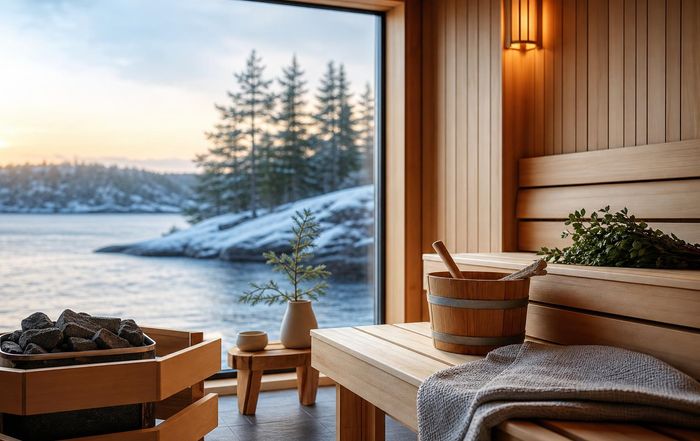
Design also plays a role in etiquette. Minimalist interiors, soft lighting, and muted colors support a calm atmosphere where loud behavior feels out of place. Respecting that aesthetic-keeping voices low, limiting clutter, and moving mindfully-is part of being a considerate guest.
A simple etiquette checklist for first-time visitors
While each country and facility has its own flavor, a few principles will serve almost anywhere in the Nordic region:
Arrive early enough to shower without rushing. Read posted signs about clothing, photography, and health warnings. In the changing room and showers, keep your belongings tidy and avoid spreading items across benches. Wash thoroughly with soap before entering the sauna, even if you showered earlier. Bring a clean towel to sit on and, where appropriate, a swimsuit; adapt to local norms once you understand them. Inside the sauna, speak softly, keep phones away, and ask before pouring water on the stones. Step out calmly if the heat feels too intense, and use cool showers, fresh air, or gentle dips rather than forcing yourself to endure discomfort. Between rounds, rest, rehydrate, and enjoy the slower pace. When you leave, dry off before entering communal areas and return any borrowed items neatly.
For many visitors, that first Nordic sauna session becomes a memorable anchor in a broader journey into self-care-alongside nourishing food and nutrition, movement, and restorative sleep. With a little cultural understanding and respect for local customs, the experience shifts from anxiety about "doing it wrong" to a quiet, deeply human ritual of heat, cold, and shared stillness.
