
Foods That Naturally Boost Collagen Production: A Top Guide for High-Performance Living
Collagen, Longevity and the Modern Wellness Consumer
Collagen has moved from niche supplement shelves into the mainstream of global wellness, beauty and performance culture. For the discerning audience collagen is no longer viewed simply as a cosmetic ingredient associated with wrinkle creams, but as a strategic pillar of long-term health, from skin elasticity and joint mobility to gut integrity and metabolic resilience. As leading health authorities such as the Harvard T.H. Chan School of Public Health and the National Institutes of Health have emphasized, collagen is the body's most abundant protein, forming the structural framework of skin, bones, tendons, ligaments, cartilage and blood vessels, and its gradual decline is a defining biological marker of aging.
For spa and salon guests, wellness travelers, performance-focused professionals and beauty-conscious consumers across North America, Europe, Asia and beyond, understanding how to naturally support collagen production through nutrition has become a critical dimension of proactive self-care. Within this context, QikSpa positions collagen not as a passing trend but as a cornerstone of integrated spa, health and lifestyle strategy, linking evidence-based nutrition with aesthetic goals, mental wellbeing and sustainable living. Readers seeking a holistic foundation can explore how collagen fits into broader health and wellness frameworks that QikSpa curates for a global audience.
The Science of Collagen: Why Food Still Matters
Collagen is composed primarily of the amino acids glycine, proline and hydroxyproline, arranged in triple-helix structures that give tissues tensile strength and elasticity. As documented by the Cleveland Clinic, natural collagen synthesis declines steadily from the mid-20s onward, accelerated by ultraviolet exposure, pollution, poor diet, smoking, chronic stress and sleep deprivation. While collagen supplements and functional beverages have proliferated, the body ultimately relies on its own biosynthetic machinery, which depends on sufficient protein intake, key micronutrients and an internal environment free from chronic inflammation and oxidative stress.
From a professional wellness perspective, this means that collagen-supportive nutrition should be viewed as a daily practice rather than a quick fix. Aesthetic outcomes such as smoother skin, stronger hair and nails, and improved body composition are intertwined with systemic markers of health, including joint comfort, bone density, vascular integrity and gut barrier function. Clinicians and dietitians increasingly highlight that collagen synthesis is influenced by overall dietary pattern, as reflected in research cataloged by the Academy of Nutrition and Dietetics and the World Health Organization. For QikSpa's audience, this reinforces the importance of integrating collagen-boosting foods into everyday meals, spa cuisine and wellness retreats, rather than relying solely on isolated powders.
Vitamin C: The Non-Negotiable Catalyst for Collagen Formation
Vitamin C is indispensable for collagen production because it acts as a cofactor for the enzymes prolyl and lysyl hydroxylase, which stabilize and cross-link collagen fibers. Without adequate vitamin C, collagen synthesis becomes disorganized and fragile, a fact dramatically illustrated by the historical disease scurvy. Modern deficiencies may be subtler but can still compromise skin quality and tissue repair. The National Health Service (NHS) in the United Kingdom underscores the role of vitamin C in supporting normal skin, cartilage and bone function, which aligns directly with collagen integrity.
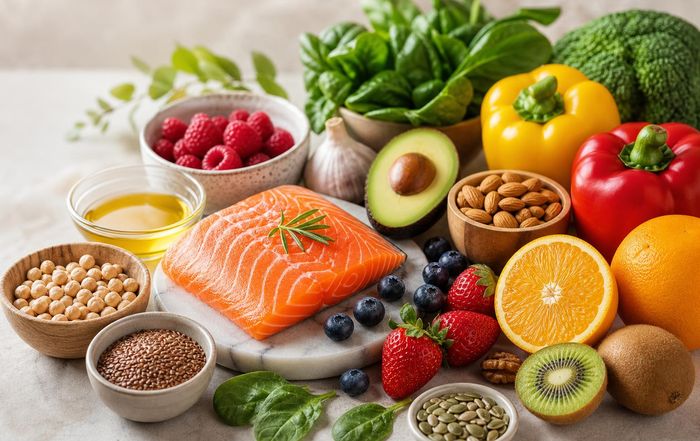
Natural sources of vitamin C that fit seamlessly into a spa-inspired lifestyle include citrus fruits, kiwifruit, strawberries, papaya, bell peppers and dark leafy greens such as kale and spinach. In regions like the United States, Canada and Australia, vitamin C-rich berries and seasonal produce can be integrated into collagen-focused breakfast bowls and smoothies, while in Japan, South Korea and across Europe, locally available fruits and vegetables can play a similar role. QikSpa's food and nutrition content frequently emphasizes colorful, plant-forward plates, and this is particularly relevant for collagen support, as vitamin C-rich foods are also rich in antioxidants that protect existing collagen from free radical damage.
Protein and Amino Acids: Building Blocks for Structural Renewal
Collagen is a protein, and the body requires an adequate supply of amino acids to synthesize it. While collagen itself is rich in certain amino acids, the broader protein matrix of the diet matters for overall tissue renewal. The U.S. Department of Agriculture and similar agencies across Europe and Asia have updated guidance in recent years to emphasize high-quality protein sources distributed evenly across meals, particularly for aging populations concerned with muscle mass and connective tissue health.
Foods that naturally provide the amino acids needed for collagen include lean meats, poultry, eggs, fish, dairy, legumes, tofu, tempeh and pulses. For omnivores, slow-cooked cuts that include connective tissue, such as shanks or wings, can be prepared in a health-conscious way to yield collagen-rich broths and stews, aligning with traditional cuisines from France and Italy to China and South Korea. For those following plant-forward or fully plant-based lifestyles, a combination of legumes, whole grains, nuts and seeds can provide the necessary amino acid spectrum, especially when coupled with vitamin C-rich vegetables to optimize collagen synthesis. QikSpa's lifestyle and fitness guidance often highlights balanced protein strategies that support both performance and aesthetic outcomes, recognizing that collagen health is inseparable from overall protein sufficiency.
Bone Broth and Gelatin: Traditional Foods Reimagined for Modern Wellness
Bone broth has experienced a global resurgence, from wellness cafés in New York and London to spa resorts in Germany, Switzerland and Japan. When prepared by simmering bones, cartilage and connective tissue for extended periods, bone broth releases collagen, gelatin, minerals and amino acids into a highly bioavailable form. The Mayo Clinic notes that while evidence is still emerging, collagen-rich broths may contribute to joint comfort and skin health as part of an overall nutritious diet, especially when they replace ultra-processed foods.
Gelatin, derived from partially hydrolyzed collagen, is another traditional ingredient that can be integrated into modern spa cuisine, from naturally sweetened fruit gels to protein-enriched desserts. For QikSpa's audience, bone broth and gelatin-based recipes can be optimized to reduce sodium and saturated fat, focus on clean sourcing and align with sustainable practices, topics that are increasingly important for spa-goers and wellness-conscious travelers. Readers interested in the intersection of culinary tradition and modern nutrition can explore QikSpa's coverage of spa and salon rituals that incorporate collagen-supportive menus alongside treatments.
Omega-3 Fats and Marine Foods: Protecting Collagen from Within
While omega-3 fatty acids do not directly form collagen, they help create an anti-inflammatory internal environment that protects collagen-rich tissues, particularly in the skin, joints and cardiovascular system. The American Heart Association recommends regular consumption of fatty fish such as salmon, mackerel, sardines and trout, which provide marine omega-3s (EPA and DHA) known to support vascular health and modulate inflammatory pathways that can degrade collagen.
Marine foods also provide trace minerals like zinc, copper and selenium, all of which are involved in collagen synthesis and antioxidant defense. Oysters, mussels and other shellfish, widely consumed in coastal regions from Spain and France to Thailand and Japan, can be strategically included in a collagen-supportive diet when aligned with local culinary traditions. For those who avoid fish, algae-based omega-3 supplements and plant sources like flaxseeds, chia seeds and walnuts can contribute ALA, a precursor to EPA and DHA, although conversion rates are modest. QikSpa's international coverage often highlights regional seafood traditions and their role in longevity, reflecting patterns observed in Blue Zones and other long-lived populations documented by organizations such as the National Institute on Aging.
Antioxidant-Rich Produce: Shielding Collagen from Oxidative Stress
Beyond vitamin C, a broad spectrum of antioxidants found in fruits, vegetables, herbs and spices plays a crucial role in safeguarding collagen from oxidative stress induced by UV radiation, pollution and metabolic processes. Polyphenols, carotenoids and flavonoids help neutralize free radicals that would otherwise damage collagen fibers and elastin, contributing to wrinkles, sagging skin and joint degeneration. The European Food Information Council emphasizes the value of eating a variety of colorful plant foods to harness this protective effect.
Berries, pomegranates, grapes, tomatoes, carrots, sweet potatoes, leafy greens, green tea and herbs such as rosemary and oregano are particularly rich in these protective compounds. In Nordic countries like Sweden, Norway and Finland, wild berries and seasonal root vegetables provide a robust antioxidant profile, while in Southeast Asia, tropical fruits and spices such as turmeric and ginger offer similar benefits. By framing these ingredients within spa cuisine, QikSpa encourages readers to view vibrant salads, herbal infusions and plant-forward dishes not only as culinary pleasures but as strategic tools to preserve collagen and overall tissue integrity, ideas that align closely with its wellness and beauty editorial pillars.
Zinc, Copper and Trace Minerals: Small Nutrients with Big Structural Impact
Collagen synthesis relies on a network of trace minerals that act as cofactors for enzymatic reactions. Zinc supports DNA synthesis, cell division and protein production, while copper is essential for lysyl oxidase, an enzyme involved in cross-linking collagen and elastin. The Office of Dietary Supplements at the NIH highlights that even mild deficiencies in these minerals can impair wound healing, skin quality and connective tissue strength.
Natural food sources of zinc include oysters, beef, lamb, pumpkin seeds, lentils and chickpeas, while copper can be found in shellfish, nuts, seeds, whole grains and cocoa. In countries like Germany, the Netherlands and Denmark, whole-grain breads and seed mixes are traditional vehicles for these nutrients, while in South Africa, Brazil and Malaysia, legumes and nuts play a similar role in local cuisines. For spa operators and wellness chefs designing menus for a global clientele, ensuring that meals include mineral-rich ingredients is an understated yet powerful way to support collagen and overall resilience. QikSpa's food and nutrition coverage often integrates these minerals into recipes that remain approachable and culturally adaptable.
Gut Health, Collagen and the Emerging Microbiome Connection
In 2026, the relationship between gut health and collagen is an area of intense scientific and commercial interest. A healthy gut lining, composed in part of collagen, is essential for nutrient absorption and immune regulation. Conversely, collagen peptides and specific amino acids such as glycine and glutamine may support gut barrier integrity, creating a virtuous cycle that benefits both digestion and systemic health. The International Scientific Association for Probiotics and Prebiotics has drawn attention to how dietary fibers, fermented foods and probiotic strains can influence inflammation and oxidative stress, indirectly affecting collagen metabolism.
Foods that support a healthy microbiome-such as yogurt, kefir, kimchi, sauerkraut, miso, tempeh and high-fiber fruits, vegetables and whole grains-therefore become part of a comprehensive collagen strategy. For spa and salon clients concerned with skin clarity, bloating and energy levels, the gut-skin axis is particularly relevant, and QikSpa's integrated approach to health and wellness reflects this connection. In practice, this means that a collagen-boosting menu at a spa retreat in Italy or Thailand might pair bone broth or tofu-based soups with fermented side dishes and fiber-rich vegetables to maximize both gut and skin benefits.
Lifestyle, Fitness and Yoga: Beyond Food in Collagen Preservation
While nutrition is central, collagen health is also profoundly influenced by lifestyle factors, including physical activity, sleep, stress management and environmental exposures. Resistance training and weight-bearing exercise stimulate collagen production within muscles, tendons and bones, helping to maintain structural integrity across the lifespan. The World Health Organization continues to emphasize regular physical activity as a key determinant of healthy aging, and this extends to collagen-rich tissues.
Practices such as yoga and Pilates, widely embraced from the United States and United Kingdom to India and New Zealand, support joint mobility, postural alignment and circulatory health, all of which contribute to the nourishment and maintenance of connective tissues. Within QikSpa's editorial ecosystem, fitness and yoga content is curated to complement collagen-supportive nutrition, reflecting a philosophy that sees movement, breath and mindful recovery as integral to skin, hair and joint vitality. For professionals in the spa and wellness business, this integrated perspective offers a framework for designing programs that combine collagen-boosting menus with tailored movement sessions and restorative therapies.
Beauty, Fashion and the Business of Collagen in a Global Market
Collagen has become a powerful driver of innovation across beauty, fashion and wellness sectors, influencing product development, service menus and consumer expectations. From ingestible beauty supplements in France and Italy to collagen-infused beverages in Japan, South Korea and Singapore, brands are seeking to align with consumer demand for solutions that promise visible results and holistic benefits. The Global Wellness Institute reports that the wellness economy continues to expand across regions, with beauty and personal care, healthy eating and wellness tourism as major growth engines.
For spa and salon businesses, including those highlighted in QikSpa's business and spa and salon coverage, collagen offers both opportunities and responsibilities. The opportunity lies in developing high-value, experience-rich offerings that integrate collagen-supportive foods, topical treatments and educational content. The responsibility lies in grounding claims in credible science, maintaining transparency about sourcing and formulations, and avoiding exaggerated promises. In fashion capitals such as Paris, Milan, London and New York, the conversation around collagen is also evolving, with emphasis shifting from quick fixes to long-term skin health, body confidence and sustainable self-presentation, themes that align closely with QikSpa's fashion and beauty narratives.
Sustainability and Ethical Sourcing: Collagen in a Conscious Era
As consumers in Europe, North America, Asia and beyond become more environmentally and ethically conscious, questions around the sourcing of collagen-rich foods and supplements have intensified. Traditional collagen is typically derived from bovine, porcine or marine sources, raising concerns about animal welfare, overfishing and carbon footprints. Organizations such as the Food and Agriculture Organization of the United Nations have highlighted the need for more sustainable animal agriculture and fisheries, while innovators explore upcycled collagen from by-products and emerging alternatives such as fermentation-based or lab-grown proteins.
For QikSpa's audience, many of whom are attentive to sustainable luxury and ethical wellness, the future of collagen lies in aligning personal health goals with planetary wellbeing. This includes choosing collagen-rich foods from responsibly managed fisheries and farms, prioritizing whole-animal and nose-to-tail approaches that reduce waste, and increasing reliance on plant-based, collagen-supportive nutrients to diversify protein sources. QikSpa's sustainable and travel coverage frequently explores destinations, retreats and brands that exemplify this balance, from eco-conscious spas in Scandinavia and New Zealand to regenerative culinary programs in South Africa and Brazil.
Women, Careers and Collagen as a Strategic Health Asset
Women across the globe, navigating demanding careers, family responsibilities and social expectations, are particularly attuned to the intersection of energy, appearance and long-term health. Hormonal transitions, including pregnancy, perimenopause and menopause, can influence collagen density, skin thickness and joint comfort, making collagen-supportive nutrition a strategic priority. The Office on Women's Health in the United States and comparable bodies in Europe and Asia highlight the importance of protein, micronutrients and physical activity in supporting bone and connective tissue health across the female lifespan.
For professional women in sectors ranging from finance and technology to hospitality and wellness, collagen becomes more than a beauty concern; it is an asset that underpins confidence, mobility and resilience in high-performance environments. QikSpa's women and careers sections increasingly frame nutrition, movement and recovery as career-enhancing practices, with collagen-boosting foods integrated into strategies for managing stress, maintaining presence in client-facing roles and sustaining productivity during global travel. This perspective resonates strongly in cosmopolitan centers such as London, Singapore, Dubai and Toronto, where work and wellness are converging in new ways.
Integrating Collagen-Supportive Foods into Everyday Life
For most readers, the most effective collagen strategy is one that is practical, enjoyable and adaptable to diverse cultural contexts. This means starting the day with vitamin C-rich fruits and high-quality protein, incorporating collagen-supportive ingredients such as bone broth or legumes into lunches and dinners, and using snacks as opportunities to add nuts, seeds, fermented foods and antioxidant-rich produce. It also means aligning dietary choices with movement, sleep and stress management practices that collectively protect and regenerate collagen-rich tissues.
From a business standpoint, spa and salon operators, wellness resorts and hospitality brands can differentiate themselves by designing experiences that weave collagen-supportive foods into tasting menus, cooking classes and personalized nutrition consultations, while also offering treatments and educational sessions that help guests understand the science behind what they are consuming. For individuals, QikSpa's integrated site-from wellness and health to food and nutrition and lifestyle-provides a curated roadmap to explore these possibilities in depth.
Collagen is best understood not as a single product or trend, but as a reflection of how consistently one nourishes, moves and restores the body over time. By prioritizing foods that naturally boost collagen production, aligning them with evidence-based lifestyle practices and embracing ethical, sustainable choices, QikSpa's global community can support not only smoother skin and stronger joints, but a more vibrant, resilient and future-ready way of living.
