
Rethinking Mobility: Eco-Friendly Commuting Options for City Dwellers
The New Urban Commute: Wellness, Work, and the Planet
Urban mobility has become a defining issue for both global sustainability and personal wellbeing, and for the audience of QikSpa, commuting is no longer viewed simply as a necessary inconvenience between home and work, but as a powerful lever that shapes health, productivity, beauty, lifestyle, and even long-term career success. Across major cities in the United States, Europe, Asia, Africa, and South America, congestion, air pollution, and rising energy costs have forced governments, businesses, and individuals to fundamentally rethink how they move through the urban landscape, while the growing emphasis on holistic wellness, preventive health, and sustainable living has created a strong alignment between eco-friendly commuting and the broader lifestyle aspirations that QikSpa champions across its coverage of wellness, health, fitness, lifestyle, and business.
At the same time, leading institutions such as the World Health Organization emphasize that air pollution remains one of the largest environmental health risks globally, with millions of premature deaths attributed to poor air quality every year, and readers can explore how urban air quality affects long-term wellbeing through public health resources such as the WHO air pollution portal. This reality has driven a growing recognition that the daily commute is not just a logistical question but a core element of personal health strategy, beauty and skincare protection, mental balance, and even the way individuals experience their city, and it is within this context that QikSpa positions eco-friendly commuting as an integral part of a modern, aspirational, and responsible lifestyle.
Health and Wellness at the Heart of Eco-Friendly Commuting
For city dwellers who follow QikSpa for insights on spa and salon experiences, preventive health, and mindful living, eco-friendly commuting is emerging as a practical and accessible wellness tool, and not simply an environmental statement. Walking, cycling, and e-scooting to work or to a favorite spa or salon can significantly increase daily physical activity, reduce stress, and improve cardiovascular health, aligning closely with the recommendations of organizations such as the American Heart Association, which outlines the benefits of regular moderate-intensity movement for heart health and overall vitality, and further details can be reviewed through the American Heart Association's physical activity guidance.
For many professionals in cities from New York and London to Singapore and Sydney, the shift to active or low-emission commuting has also become an antidote to the sedentary office lifestyle, complementing structured workouts and yoga sessions, and readers who already prioritize restorative practices can deepen their approach by integrating movement into their daily transport routines, while aligning this with the mindful approaches explored in QikSpa's dedicated yoga and fitness sections. Research from institutions such as Harvard T.H. Chan School of Public Health has underscored that even short bouts of walking or cycling can improve mood, sleep, and cognitive performance, and interested readers can learn more about how physical activity influences long-term health and integrate these insights into their commuting choices.
The wellness implications extend beyond physical health; eco-friendly commuting options such as walking, cycling, and public transit can reduce exposure to the chronic stress associated with traffic congestion, parking anxiety, and unpredictable travel times, while also providing an opportunity for mental decompression, mindfulness, or digital detox. Many professionals now frame their commute as a "transition ritual" that separates work from personal life, using time on a tram, metro, or train to listen to wellness podcasts, practice breathing exercises, or simply observe the cityscape, reinforcing the holistic wellness narratives that QikSpa explores in its wellness and lifestyle coverage.
Beauty, Skin Health, and the Urban Environment
City commuters who care about beauty, skincare, and spa-level self-care are increasingly aware that how they move through the city directly affects the health and appearance of their skin, hair, and overall radiance. Prolonged exposure to vehicle emissions, particulate matter, and urban smog can accelerate skin aging, contribute to hyperpigmentation, and exacerbate conditions such as acne and eczema, a reality highlighted by dermatology research summarized by organizations such as the American Academy of Dermatology, where readers can explore how air pollution affects skin health.
Eco-friendly commuting can mitigate some of these risks in subtle but important ways. Shifting from driving in congested traffic to walking or cycling along greener routes, or using well-ventilated public transit systems, can reduce the intensity and duration of exposure to concentrated exhaust fumes, while also encouraging commuters to adopt more consistent skincare routines, including cleansing, antioxidant serums, and UV protection. For QikSpa readers who frequent spa and salon services, the commute becomes part of a wider beauty ritual, where choosing a healthier route aligns with the kind of high-touch, preventive care that underpins modern beauty philosophies, and these themes are reflected in QikSpa's beauty and spa and salon content.
Urban planners and sustainability researchers have also noted that cities investing in pedestrian-friendly streets, cycling infrastructure, and green corridors can create micro-environments with better air quality and reduced heat island effects, and readers can learn more about climate-resilient city design through resources from the United Nations Environment Programme. For individuals, selecting commuting routes that pass through parks or tree-lined streets can provide not only cleaner air but also psychological benefits associated with exposure to nature, complementing the restorative experiences often sought in spa and wellness retreats.
The Rise of Micromobility: E-Bikes, E-Scooters, and Compact EVs
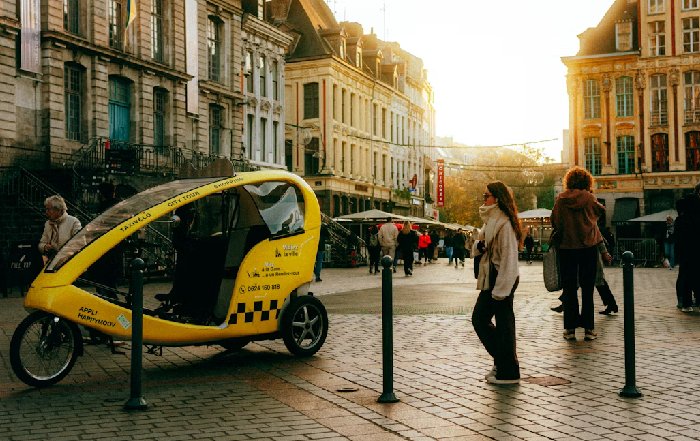
Across major cities in Europe, North America, and Asia, micromobility has become one of the most visible symbols of the eco-friendly commuting revolution. E-bikes, e-scooters, and compact electric vehicles are now common on city streets in Berlin, Amsterdam, Seoul, and San Francisco, reflecting a shift towards more agile, low-emission transport options that bridge the "last mile" between transit hubs and homes or workplaces. Organizations such as the International Transport Forum have documented this transformation and provide insights on how micromobility is reshaping urban transport systems, and readers can explore micromobility trends and policy debates.
For the QikSpa audience, micromobility offers a compelling intersection of convenience, style, and sustainability. Commuters can arrive at work or at a spa appointment without the physical effort of traditional cycling, yet still enjoy fresh air, outdoor exposure, and a sense of autonomy over their schedule, while premium e-bike and e-scooter designs have become part of the broader fashion and lifestyle conversation, complementing the aesthetic sensibilities explored in QikSpa's fashion and lifestyle sections.
Micromobility also aligns with emerging business models in shared mobility, where companies such as Lime, Bird, and Tier Mobility have developed app-based rental platforms, although the regulatory environment remains fluid as cities balance safety, infrastructure, and environmental goals. Policy guidance from organizations such as C40 Cities highlights how global cities collaborate to design safer streets and encourage low-carbon transport, and readers can learn more about how leading cities are decarbonizing mobility. As these platforms mature, they present new opportunities for commuters to integrate eco-friendly choices into their routines without committing to vehicle ownership, thereby aligning sustainability with flexibility and financial prudence.
Public Transit as a Wellness and Productivity Platform
Well-designed public transit systems remain the backbone of eco-friendly commuting in dense urban areas, and cities such as Tokyo, Singapore, Zurich, and Copenhagen demonstrate how efficient, reliable, and clean transport networks can dramatically reduce car dependency, lower emissions, and support high quality of life. The World Bank has emphasized that sustainable urban transport is central to inclusive economic growth, and readers can explore how public transit supports resilient cities.
For professionals, students, and entrepreneurs who follow QikSpa's insights on careers and business, public transit can be reframed as a mobile productivity and self-care space. Instead of being confined to the cognitive load of driving, commuters on trains and metros can use travel time for strategic planning, personal development, or restorative activities such as reading, meditation, or simply closing their eyes to decompress, while the ability to detach from the steering wheel allows for a more intentional transition into and out of the workday, reinforcing the mental health benefits that QikSpa regularly explores in its health and wellness coverage.
In many cities, public transit is also becoming more integrated with digital services that support healthy living, such as real-time air quality monitoring, step-counting integrations, and wayfinding tools that encourage walking or cycling for part of the journey. Technology companies and transit authorities are collaborating to create more seamless multimodal experiences, and organizations such as the International Association of Public Transport (UITP) provide insights on these innovations, which readers can explore through UITP's urban mobility resources. This convergence of technology, health awareness, and sustainability reflects the broader lifestyle evolution that QikSpa documents across its global readership.
Remote Work, Hybrid Lifestyles, and the Redefined Commute
By 2026, remote and hybrid work models have become deeply embedded in corporate cultures across North America, Europe, and parts of Asia-Pacific, and this shift has fundamentally altered the meaning of commuting for millions of professionals. Instead of a daily obligation, the commute in many sectors has become a periodic, intentional activity, chosen for collaboration days, client meetings, or in-person strategy sessions. Organizations such as McKinsey & Company and Deloitte have analyzed how hybrid work reshapes urban mobility patterns and office design, and readers can learn more about the future of work and commuting.
For the QikSpa audience, this transformation opens new possibilities to align commuting with wellness, beauty, and lifestyle goals. On days when travel is required, individuals can design a more curated experience, combining a low-emission commute with a visit to a favorite spa, a healthy lunch at a nutrition-focused restaurant, or a yoga session near the office, turning what was once a draining routine into a mini-retreat that supports both career and wellbeing. QikSpa's coverage of food and nutrition, spa and salon, and yoga offers readers inspiration for crafting these integrated days, where commuting becomes part of a larger lifestyle narrative rather than an isolated burden.
Hybrid work also encourages many professionals to relocate to neighborhoods or satellite cities with better access to nature, cycling paths, and wellness facilities, even if they maintain periodic access to major business districts, and this trend intersects with the travel and relocation themes that QikSpa explores in its travel and international sections. As individuals consider moves between countries such as the United States, Canada, Germany, Singapore, or Australia, the quality of local transport systems and the availability of eco-friendly commuting options have become important criteria in lifestyle and career decisions, reflecting a deeper integration between mobility and overall life design.
Sustainable Business, Corporate Culture, and Commuter Incentives
Eco-friendly commuting is no longer only a personal choice; it has become a strategic business issue for employers seeking to attract talent, meet sustainability targets, and protect employee wellbeing. Companies across sectors, from technology and finance to hospitality and wellness, are implementing commuter benefits such as subsidized transit passes, secure bike parking, on-site showers, and flexible start times to encourage low-emission travel, while sustainability-focused organizations such as CDP and the World Business Council for Sustainable Development highlight how corporate mobility strategies contribute to broader climate commitments, and readers can learn more about sustainable business practices.
For businesses in the spa, salon, beauty, and wellness industries, which make up a core focus for QikSpa, eco-friendly commuting is also a brand and customer experience issue. Clients increasingly seek out venues that align with their values on sustainability and social responsibility, and a spa or salon that is easily accessible by public transit, cycling routes, or pedestrian pathways can differentiate itself in a crowded urban market. QikSpa's business coverage often emphasizes how brand positioning, customer experience, and operational sustainability intersect, and commuting access is now a critical part of that conversation, particularly in dense urban centers where parking is limited and customers are increasingly conscious of their environmental footprint.
From a human resources perspective, eco-friendly commuting programs can also support diversity, equity, and inclusion objectives, especially for women and younger workers who may be more reliant on public transit or shared mobility options, and organizations such as UN Women have highlighted the importance of safe, accessible transport for women's economic participation, with more information available through their resources on safe cities and public spaces. For QikSpa's audience interested in women's issues and career development, these initiatives represent a convergence of gender equity, workplace culture, and sustainable mobility.
Global Perspectives: Regional Differences and Shared Challenges
Although eco-friendly commuting is a global imperative, the specific options and challenges vary significantly across regions. In European cities such as Copenhagen, Amsterdam, and Berlin, cycling infrastructure, dense public transit networks, and compact urban design make low-emission commuting relatively accessible, and organizations like the European Environment Agency track how these policies influence emissions and health outcomes, providing insights that readers can explore in their urban sustainability reports. In North American cities such as Los Angeles, Houston, or Toronto, longer distances and car-centric urban forms present different obstacles, leading to a growing focus on regional rail, bus rapid transit, and electric vehicle adoption.
In Asia, megacities like Tokyo, Seoul, Shanghai, and Singapore showcase some of the world's most advanced and heavily used public transit systems, yet they also grapple with high population densities and rapid urbanization. Governments and private operators are experimenting with smart mobility solutions, congestion pricing, and integrated ticketing to encourage efficient, low-emission travel, while organizations such as UN-Habitat provide guidance on sustainable urban transport in rapidly growing regions, which readers can explore through UN-Habitat's urban mobility resources. In emerging economies across Africa and South America, from Nairobi and Lagos to São Paulo and Bogotá, informal transport systems, limited infrastructure, and affordability constraints shape commuting patterns, yet innovative bus rapid transit systems and community-driven cycling initiatives demonstrate how eco-friendly mobility can be adapted to diverse local contexts.
For QikSpa, with its international readership spanning Europe, Asia, North America, and beyond, these regional differences underscore the importance of context-specific guidance while also highlighting shared aspirations: healthier bodies, calmer minds, more beautiful and livable cities, and a reduced environmental footprint. The platform's international and sustainable sections provide a space for exploring how different countries and cities experiment with mobility solutions that align with wellness and lifestyle goals, offering inspiration that readers can adapt to their own local realities.
Sustainable Travel, Leisure, and the Extended Commute
Beyond daily work travel, eco-friendly mobility extends into how city dwellers approach leisure, spa getaways, and wellness retreats. Many QikSpa readers seek restorative experiences that allow them to disconnect from urban stress without abandoning their commitment to sustainability, and this has fueled demand for destinations accessible by train, coach, or shared electric vehicles rather than short-haul flights or long solo car journeys. Organizations such as the Global Sustainable Tourism Council provide frameworks for assessing and improving the sustainability of travel experiences, and readers can learn more about sustainable tourism standards.
In Europe, high-speed rail networks connect major cities to spa towns, coastal retreats, and mountain wellness resorts, enabling travelers to combine lower-carbon travel with restorative experiences, while in regions such as Japan, South Korea, and China, advanced rail systems similarly support eco-conscious domestic tourism. For North American and Australian readers, where distances can be greater, there is growing interest in regional trips that prioritize slow travel, scenic rail, and electric vehicle road journeys, aligning with the mindful travel themes that QikSpa explores in its travel and lifestyle coverage.
At the same time, urban residents are rediscovering their own cities through eco-friendly mobility, using bikes, e-scooters, or walking routes to explore new neighborhoods, parks, and wellness venues, turning the city itself into a kind of extended spa and fitness environment. This shift encourages a more intimate relationship with place and community, reinforcing the holistic perspective that underpins QikSpa's approach to wellness, beauty, and sustainable living.
Building a Personal Eco-Commuting Strategy with QikSpa
For city dwellers, rethinking mobility is not about adopting a single "perfect" commuting mode but about designing a flexible, sustainable, and health-aligned strategy that evolves with life stages, career demands, and urban conditions. A professional might combine cycling on clear days with public transit during inclement weather, or use an e-scooter for short trips to the gym or spa while reserving car-sharing or ride-hailing for specific family or business needs, and as urban infrastructure and policy continue to evolve, the mix of options will only expand, offering more ways to integrate eco-friendly choices into daily routines.
Within this evolving landscape, QikSpa serves as a trusted guide, curating insights that connect mobility decisions with broader dimensions of life, from health and wellness to beauty, sustainable living, business, and careers. By presenting eco-friendly commuting not merely as an environmental obligation but as an opportunity to enhance physical vitality, mental clarity, personal style, and professional performance, the platform reflects the integrated, experience-driven approach that modern urban professionals increasingly demand.
As cities worldwide continue to confront climate change, public health challenges, and shifting work patterns, the choices individuals make about how they move through their environments will play a pivotal role in shaping not only their own wellbeing but also the character of the urban communities they inhabit. For readers of QikSpa, rethinking mobility is ultimately about crafting a life that feels coherent, intentional, and aligned with their deepest values, where the journey to the office, the spa, the gym, or a weekend retreat becomes an expression of who they are and the future they want to help create, and as they navigate this transformation, QikSpa remains committed to providing the expertise, authority, and trustworthy guidance they need to make each commute a step toward a healthier, more beautiful, and more sustainable world.
Those seeking to integrate these insights into their everyday decisions can continue exploring the interconnected themes of wellness, sustainability, travel, fashion, and international lifestyles across QikSpa's digital ecosystem, beginning with the home portal at qikspa.com, and in doing so, they can transform the simple act of commuting into a cornerstone of a more balanced, responsible, and fulfilling urban life.
