
The Power of Second-Hand: How Refurbished Electronics and Conscious Reuse Are Redefining Modern Lifestyles
Second-Hand as a Strategic Lifestyle Choice
The global conversation around consumption has shifted from simple price sensitivity to a broader, more strategic focus on value, impact, and long-term wellbeing. Consumers in the United States, Europe, Asia, Africa, and beyond are increasingly questioning what they buy, how long it lasts, and what happens when it reaches the end of its first life. Against this backdrop, the rise of second-hand and refurbished goods, especially electronics, has become one of the most powerful and pragmatic responses to economic pressures, environmental concerns, and evolving lifestyle aspirations.
For QikSpa, a platform dedicated to helping readers cultivate a more intentional approach to lifestyle, wellness, beauty, and business, the second-hand revolution is not just a trend; it is a fundamental mindset shift that touches every area of modern living. Refurbished smartphones, laptops, wearables, and home devices are no longer seen as compromises but as intelligent choices that support personal finances, planetary health, and a more curated approach to everyday life. This transformation is being shaped by advances in technology, the professionalization of refurbishment, and a growing ecosystem of trusted brands and marketplaces that have embedded quality assurance, consumer rights, and sustainability into their models.
Understanding Refurbished Electronics: From Stigma to Standard
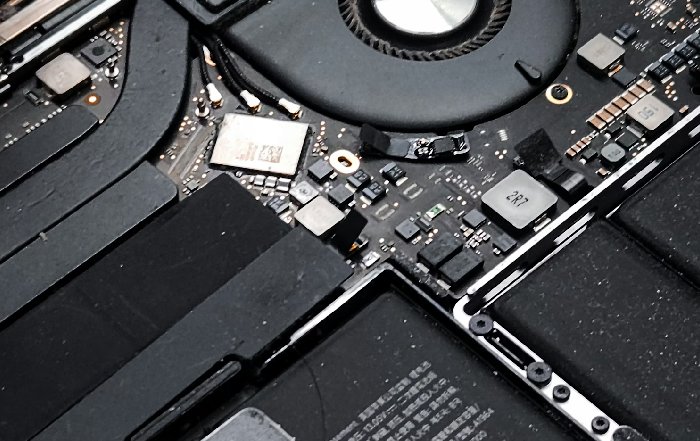
Refurbished electronics were once associated with uncertainty and risk, but by 2026 they have moved decisively into the mainstream, supported by robust standards, transparent grading systems, and extended warranties that rival those of new products. Organizations such as Apple, Samsung, and major marketplaces like Amazon have expanded certified refurbished programs, while specialist platforms in North America, Europe, and Asia have built their reputations on rigorous testing and professional repair. Consumers now routinely explore refurbished options when upgrading smartphones, laptops, tablets, gaming consoles, and even smart home devices.
This shift has been reinforced by the growth of the circular economy, a concept promoted by institutions such as the Ellen MacArthur Foundation, which emphasizes designing out waste and keeping products in use for as long as possible. Refurbished electronics sit at the heart of this approach, extending device lifecycles, reducing the demand for new raw materials, and lowering the volume of e-waste that ends up in landfills or informal recycling channels. As more professionals, entrepreneurs, and wellness-focused individuals adopt a conscious consumption mindset, refurbished devices are increasingly viewed as aligned with broader values of balance, responsibility, and strategic decision-making, themes that resonate throughout QikSpa's coverage of wellness and business.
Economic Advantages: Smart Financial Wellness in a Volatile World
Financial wellbeing has become a central component of holistic health, particularly as households and businesses navigate inflation, shifting job markets, and evolving digital demands. Refurbished electronics offer a compelling value proposition by enabling access to premium devices at significantly reduced prices, freeing up capital for other priorities such as travel, education, wellness services, or investment in small businesses.
In markets like the United States, United Kingdom, Germany, Canada, and Australia, consumers can often save 20-50 percent compared with the cost of buying new, while still benefiting from warranties and after-sales support. This has important implications for digital inclusion, especially for students, freelancers, and remote workers across Europe, Asia, Africa, and South America who require reliable devices but may not have the budget for the latest flagship models. Resources such as Consumer Reports and the U.S. Federal Trade Commission have provided guidance on buying refurbished safely, reinforcing buyer confidence and helping consumers evaluate warranties, return policies, and vendor reputations.
For readers of QikSpa who are building careers or businesses in beauty, spa, wellness, and creative industries, the ability to equip themselves with capable technology at lower cost can be transformative. A refurbished laptop can support digital marketing, online booking systems, and virtual consultations; a refurbished smartphone can enable content creation, client communication, and mobile payments. By approaching purchases strategically, professionals can channel savings into training, branding, or expanding services, aligning financial decisions with long-term growth and personal wellbeing. Those exploring new professional paths can also connect this mindset with broader career planning insights available through QikSpa's focus on careers.
Environmental Impact: Second-Hand as Everyday Climate Action
The environmental case for refurbished electronics is compelling and increasingly well documented. Organizations such as the United Nations Environment Programme and the World Economic Forum have highlighted the significant carbon footprint associated with producing new electronic devices, from mining rare earth metals to manufacturing and global logistics. Extending the life of existing devices through refurbishment and resale helps to reduce demand for new production and mitigates the environmental burden associated with extraction, energy use, and waste.
E-waste remains one of the fastest-growing waste streams worldwide, with substantial challenges in countries such as China, India, and several African nations where informal recycling can expose workers and communities to hazardous materials. By supporting professionally refurbished products with traceable supply chains and responsible end-of-life management, consumers contribute to a more controlled and safer approach to electronics reuse and recycling. The European Environment Agency has underscored the importance of circular strategies for electronics in Europe, while similar conversations are taking place in North America and Asia as governments and businesses explore extended producer responsibility and more stringent recycling standards.
For individuals committed to sustainable living, second-hand and refurbished purchases serve as practical, everyday climate actions that complement other lifestyle choices such as mindful nutrition, reduced single-use plastics, and sustainable travel. Readers exploring sustainability themes with QikSpa can deepen this perspective through its dedicated sustainable living coverage, integrating refurbished electronics into a broader personal strategy that includes eco-conscious fashion, energy-efficient homes, and responsible consumption across categories.
Quality, Reliability, and Trust: How the Industry Has Matured
One of the most significant shifts in the refurbished market has been the professionalization of refurbishment processes and the standardization of quality expectations. Reputable refurbishers now conduct multi-point inspections, replace worn components, update software, and sanitize devices before resale. Many offer graded conditions, ranging from "like new" to "good," allowing buyers to balance cosmetic appearance against price. This degree of transparency has helped to rebuild trust and normalize second-hand purchases among discerning consumers and corporate buyers alike.
In regions such as the European Union, regulations around consumer rights, warranties, and repairability have further reinforced confidence, with policy frameworks that encourage longer product lifespans and more accessible repair services. The European Commission has been active in promoting a "right to repair" agenda, which complements refurbishment by making it easier to service and maintain devices over time. In North America and other regions, consumer advocacy groups, technology media, and sustainability organizations have contributed to a more informed public discourse, enabling buyers to distinguish between credible providers and opportunistic resellers.
Trust is fundamental in this evolution, and it aligns closely with the values that QikSpa promotes across its coverage of health, beauty, and lifestyle. Just as spa and wellness clients seek reputable practitioners and evidence-based treatments, technology buyers increasingly look for clear guarantees, transparent processes, and authentic customer support when considering refurbished options. This convergence of expectations underscores how second-hand decisions are now part of a broader culture of informed, responsible choice-making that spans both digital and physical dimensions of life.
Integrating Second-Hand into Everyday Lifestyle and Wellness
Refurbished electronics are not only about cost and sustainability; they also play a subtle but important role in shaping how individuals experience daily life, manage stress, and pursue wellness. A reliable refurbished smartphone or wearable device can support fitness tracking, meditation apps, telehealth consultations, and nutrition planning, enabling users to build healthier routines without the financial pressure of constant device upgrades. For those following QikSpa's guidance on fitness, yoga, and overall wellbeing, technology becomes an enabler rather than a source of anxiety or overspending.
The modern spa and wellness consumer in cities from New York and London to Singapore, Sydney, and Stockholm often uses digital tools to book treatments, track sleep, monitor heart rate variability, and follow guided yoga or mindfulness sessions. Refurbished tablets and smartwatches can provide these capabilities at accessible price points, making it easier for more people to engage with digital wellness ecosystems. Platforms such as the World Health Organization and Mayo Clinic have emphasized the potential of digital health tools to support preventive care and chronic disease management, and refurbished devices help to democratize access to these benefits across income levels and geographies.
In home environments, refurbished smart speakers, lighting systems, and connected devices can support calming atmospheres, energy-efficient living, and personalized routines that align with spa-inspired relaxation principles. For readers exploring beauty and spa and salon trends on QikSpa, the intersection of technology, ambiance, and self-care highlights how second-hand electronics can integrate seamlessly into a holistic lifestyle that values both inner balance and outer experience.
Fashion, Beauty, and the Aesthetic of Conscious Consumption
The second-hand movement extends far beyond electronics, touching fashion, home décor, and beauty tools in ways that influence identity and self-expression. In fashion capitals such as Paris, Milan, London, and Tokyo, pre-owned designer pieces and vintage collections have become symbols of discernment and sustainability rather than compromise. Platforms and brands across Europe, North America, and Asia have elevated resale into a refined experience that appeals to style-conscious consumers who value both uniqueness and environmental responsibility.
Beauty and personal care have also embraced second-hand thinking, not through direct reuse of consumable products, but through refurbished or gently used tools such as hair styling devices, LED masks, and professional-grade equipment used in salons and spas. When sourced through reputable channels that adhere to safety and hygiene standards, these tools can provide access to high-performance equipment at lower cost, supporting independent practitioners and small businesses in the beauty and wellness space. Global resources such as Vogue Business and Business of Fashion have documented how resale and refurbishment are reshaping luxury and premium segments, reinforcing the idea that conscious consumption can sit comfortably alongside high aesthetics.
For QikSpa readers interested in fashion, beauty, and women's leadership, this evolution presents an opportunity to align external appearance with internal values. Choosing second-hand or refurbished items becomes a statement of intentionality, signaling a commitment to quality, longevity, and environmental awareness. It also encourages a slower, more reflective approach to consumption, in which each purchase is evaluated for its fit with personal style, lifestyle needs, and broader ethical considerations, a perspective that resonates strongly with women professionals and entrepreneurs who are shaping new norms in wellness and lifestyle sectors.
Global Perspectives: Regional Dynamics and Cultural Shifts
The embrace of refurbished electronics and second-hand goods is unfolding differently across regions, shaped by cultural norms, regulatory environments, and economic conditions. In Europe, strong policy emphasis on circularity and consumer rights has accelerated the acceptance of refurbished products, with countries such as Germany, France, the Netherlands, and the Nordics often at the forefront of sustainable consumption practices. The OECD has highlighted how policy frameworks can encourage reuse and refurbishment, and many European businesses have integrated circular models into their core strategies.
In North America, the growth of major online marketplaces and trade-in programs has normalized device resale and refurbishment, while a strong startup ecosystem continues to innovate around repair, diagnostics, and logistics. In Asia, dynamic markets such as China, South Korea, Japan, Singapore, and Thailand are seeing rapid expansion of both domestic and cross-border refurbished trade, supported by digital platforms and mobile-first consumers who are highly tech-savvy yet increasingly attentive to value and sustainability. In Africa and South America, refurbished electronics play a crucial role in expanding digital access, enabling entrepreneurs, students, and professionals to participate more fully in the digital economy despite income constraints and infrastructure challenges.
For a globally oriented audience like QikSpa's, which spans regions from North America and Europe to Asia, Africa, and South America, these regional dynamics matter both for practical decision-making and for understanding broader societal trends. Second-hand and refurbished markets are not only commercial phenomena but indicators of how societies are recalibrating their relationship with technology, resources, and wellbeing. Insights from organizations such as the World Bank and the International Telecommunication Union provide additional context on digital inclusion and infrastructure, reinforcing the role of refurbished devices as enablers of opportunity and participation worldwide.
Second-Hand Beyond Electronics: Food, Travel, and Everyday Choices
While refurbished electronics often capture the spotlight, the principles behind second-hand thinking extend into many other dimensions of daily life that intersect with QikSpa's editorial focus. In food and nutrition, for example, the ethos of reducing waste and valuing resources manifests in efforts to minimize food loss, support upcycled ingredients, and embrace more sustainable supply chains. Readers exploring food and nutrition topics can see clear parallels between giving devices a second life and ensuring that food is used thoughtfully, whether through meal planning, responsible sourcing, or support for organizations working to combat food waste; initiatives covered by platforms like the Food and Agriculture Organization illustrate the global stakes of these choices.
In travel, the second-hand mindset can be seen in the growing popularity of eco-lodges, heritage properties, and restored accommodations that repurpose existing structures rather than building from scratch. Travelers in regions such as Europe, Southeast Asia, and South America are increasingly drawn to experiences that combine authenticity with lower environmental impact, aligning with the values explored in QikSpa's coverage of travel. Even in fitness and yoga, refurbished or pre-owned equipment-from stationary bikes to yoga props-can offer accessible entry points for individuals building home studios or small boutique spaces, particularly in markets where import costs and currency fluctuations make new equipment prohibitively expensive.
These cross-domain connections reinforce the idea that second-hand is not a narrow category but a holistic orientation toward resourcefulness, creativity, and respect for materials. Whether applied to electronics, clothing, furniture, or even architectural spaces, the underlying principles support a lifestyle that is both aspirational and grounded, combining comfort and style with responsibility and foresight.
Building a Personal and Professional Strategy Around Second-Hand
For business leaders, entrepreneurs, and professionals navigating complex markets in 2026, second-hand and refurbished assets can form an integral part of a broader strategic toolkit. Small businesses in spa, salon, wellness, and hospitality sectors can leverage refurbished point-of-sale systems, computers, and audiovisual equipment to reduce startup and operating costs without compromising on service quality. Corporate sustainability strategies can incorporate refurbished devices into procurement policies, aligning with environmental, social, and governance (ESG) objectives and demonstrating leadership to clients and stakeholders. Resources such as the Harvard Business Review and McKinsey & Company have explored how circular models and resource efficiency contribute to long-term competitiveness, reinforcing the business case for integrating refurbished solutions.
On a personal level, individuals can craft deliberate frameworks for when and how to choose second-hand. High-depreciation items such as smartphones, laptops, and tablets are often ideal candidates for refurbished purchases, as are premium fashion pieces, furniture, and select fitness equipment. By mapping out priorities across health, beauty, career, and leisure, readers can align spending with what genuinely enhances their lives, a philosophy that resonates with QikSpa's holistic approach to beauty, wellness, and lifestyle design. This strategic mindset encourages people to see purchases not as isolated transactions but as components of an integrated plan that supports mental clarity, financial stability, and long-term satisfaction.
The Future of Second-Hand: Innovation, Regulation, and Cultural Maturity
Looking ahead, the second-hand and refurbished landscape is poised for further transformation as technology, regulation, and culture continue to evolve. Advances in diagnostics, artificial intelligence, and supply chain tracking will make it easier to assess device health, predict remaining lifespan, and provide transparent histories to buyers. Regulatory initiatives in regions such as the European Union and North America are likely to strengthen rights to repair and reuse, while emerging markets across Asia, Africa, and South America may develop more structured refurbishment ecosystems to meet growing demand and address environmental challenges.
Culturally, the stigma once associated with second-hand is steadily being replaced by a narrative of intelligence, responsibility, and even prestige. Younger generations in the United States, Europe, and Asia often view second-hand and refurbished choices as expressions of individuality and ethical commitment, while established professionals recognize them as prudent financial and strategic decisions. For women leaders, creatives, and wellness professionals, this shift creates space to model new forms of success that prioritize balance, impact, and authenticity over conspicuous consumption.
As these trends converge, platforms like QikSpa are uniquely positioned to guide readers through the practical and philosophical dimensions of this transition, connecting refurbished electronics and second-hand thinking with broader themes of health, wellbeing, beauty, and global awareness. By integrating insights from international organizations, business thought leaders, and sustainability pioneers, QikSpa can help its global audience-from New York to Nairobi, London to Singapore, and São Paulo to Sydney-navigate the second-hand revolution with clarity, confidence, and a deep sense of purpose.
In this emerging era, the power of second-hand lies not only in the objects themselves but in the mindset they represent: a commitment to making choices that honor personal aspirations, respect planetary boundaries, and unlock new possibilities for living well in a connected, resource-conscious world.
