
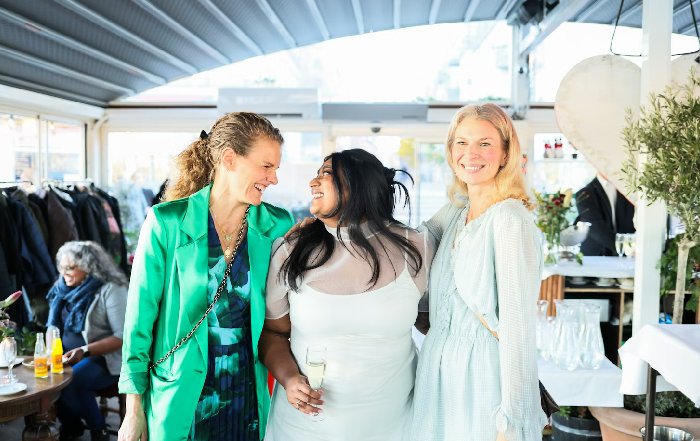
Celebrating Female Entrepreneurs in the Beauty and Wellness Space
The New Face of Global Entrepreneurship
The global beauty and wellness economy has evolved into one of the most dynamic, resilient, and culturally influential sectors of the world marketplace, and at the heart of this transformation stands a generation of female entrepreneurs who are redefining what it means to build brands that are not only profitable, but also deeply human, inclusive, and sustainable. From boutique spas in New York and London to wellness retreats in Thailand and Bali, from clean beauty laboratories in Germany and Sweden to digital wellness platforms serving clients across North America, Asia, and Africa, women founders are reshaping consumer expectations about self-care, authenticity, and trust, and Qikspa positions itself as a dedicated platform to tell their stories, connect their innovations, and guide audiences who are seeking a more conscious and elevated way of living.
This shift is occurring against a backdrop of rapid industry expansion and changing consumer values. According to recent analyses of the global wellness economy, organizations such as the Global Wellness Institute highlight how wellness has become a multi-trillion-dollar sector spanning spa, fitness, nutrition, mental health, and workplace wellbeing, and this growth is mirrored in the beauty industry, where reports from McKinsey & Company and Euromonitor show that consumer demand is moving firmly toward science-backed, ethical, and personalized solutions. Learn more about the evolving global wellness economy at Global Wellness Institute, and explore the broader business outlook for beauty at McKinsey's beauty industry insights.
Within this landscape, female founders are no longer operating on the margins; they are building category-defining brands, influencing policy, and shaping cultural narratives about health, beauty, and wellbeing. For Qikspa, which curates insights across spa and salon experiences, lifestyle trends, and wellness innovation, celebrating these entrepreneurs is not a symbolic gesture, but a core editorial mission grounded in experience, expertise, authoritativeness, and trustworthiness.
Why Women Are Rewriting the Rules of Beauty and Wellness
The rise of female entrepreneurs in beauty and wellness is not an accident of timing; it reflects deep structural and cultural shifts. First, women have long been the primary consumers and decision-makers in these categories, making them uniquely positioned to identify unmet needs, design more empathetic experiences, and challenge outdated assumptions. Second, the democratization of digital tools, from e-commerce platforms to social media storytelling, has lowered barriers to entry and allowed women founders from the United States, the United Kingdom, Germany, Canada, Australia, and beyond to build global audiences without traditional gatekeepers. Third, the growing recognition of women's leadership in business, supported by institutions like the World Economic Forum and UN Women, has helped draw more capital, mentorship, and media attention to female-led ventures. For a deeper understanding of gender and economic empowerment, explore World Economic Forum's gender parity insights and UN Women's economic empowerment resources.
In beauty and wellness specifically, women founders often bring a lived understanding of how products and services intersect with identity, confidence, and wellbeing, and this perspective is visible in the wave of brands built around inclusivity, transparency, and holistic care. From clean skincare in France and Italy to inclusive haircare in the United States and Brazil, from wellness retreats in Thailand and South Africa to digital fitness solutions in Singapore and South Korea, female entrepreneurs are designing ecosystems rather than isolated offerings, and they are doing so with a strong sense of responsibility toward their communities and the environment.
Qikspa reflects this shift by placing women's voices and experiences at the center of its coverage, whether examining beauty innovations, exploring food and nutrition as a pillar of wellness, or highlighting women's leadership and empowerment in international markets. In doing so, the platform mirrors the very qualities that distinguish successful female founders: a commitment to depth over hype, to evidence over trends, and to long-term trust over short-term visibility.
Building Trust: Science, Safety, and Transparency
Trust has emerged as the defining currency of modern beauty and wellness, and female entrepreneurs have been among the most vocal advocates for science-backed formulations, transparent sourcing, and honest communication about both benefits and limitations. Consumers in the United States, Europe, and Asia increasingly scrutinize ingredient lists, demand clarity on manufacturing practices, and expect brands to align with their values regarding health, environment, and social responsibility. Authoritative resources such as the U.S. Food and Drug Administration and the European Commission's regulations on cosmetics and wellness products have become important reference points for founders who want to go beyond minimal compliance and actively champion consumer safety. Learn more about regulatory frameworks at the FDA's cosmetics section and the European Commission's cosmetics portal.
Female-led brands are often distinguished by their willingness to engage with scientific and regulatory complexity rather than gloss over it in marketing language. Many founders collaborate closely with dermatologists, nutritionists, formulators, and public health experts, and some partner with academic institutions or clinical research organizations to validate claims and refine product development. In markets such as Germany, Switzerland, and Japan, where consumers place particularly high value on clinical rigor and quality assurance, this science-first approach has been instrumental in building long-term brand loyalty.
Qikspa aligns with this evidence-based ethos by curating content that bridges expert knowledge and consumer understanding. In its coverage of health and fitness, the platform emphasizes credible sources, practical guidance, and nuanced analysis rather than sensationalism, thereby reinforcing a culture where informed decision-making and critical thinking are central to personal wellbeing. This editorial stance resonates strongly with the priorities of female entrepreneurs who recognize that sustainable growth in beauty and wellness depends on cultivating informed, empowered clients rather than passive consumers.
The Spa and Salon as Strategic Hubs of Female Leadership
Spa and salon environments have become powerful laboratories for female entrepreneurship, particularly in urban centers like New York, London, Berlin, Toronto, Sydney, Paris, Milan, Madrid, Amsterdam, Zurich, Singapore, and Seoul, as well as in rapidly growing markets across South Africa, Brazil, Malaysia, and Thailand. These spaces are no longer perceived merely as sites of pampering or aesthetic enhancement; they have evolved into strategic hubs where service, experience design, retail, and community-building intersect. Many of these businesses are founded and led by women who combine technical expertise in cosmetology, skincare, or bodywork with sophisticated management skills and a deep understanding of client psychology.
The most successful female-led spas and salons treat every client interaction as part of a broader wellness journey, integrating treatments with personalized advice on skincare, nutrition, sleep, and stress management. Industry associations such as the International Spa Association (ISPA) and research from Allied Market Research illustrate how this integrated approach is driving sustained growth and differentiation in a competitive marketplace. Discover more about spa industry trends at ISPA's research resources and explore market analyses through Allied Market Research's wellness reports.
On Qikspa, coverage of spa and salon innovation is framed through this entrepreneurial lens. The platform highlights how female founders design signature treatments, curate product assortments, invest in staff training, and deploy digital tools for booking, feedback, and loyalty, demonstrating that operational excellence is inseparable from client experience. In cities across North America, Europe, and Asia-Pacific, these women are setting new standards for what a modern spa or salon can represent: a trusted sanctuary, a learning environment, and a community hub that reflects both local culture and global best practices.
Holistic Lifestyle: Beyond Products to Whole-Person Wellbeing
One of the most distinctive contributions of female entrepreneurs in beauty and wellness is their insistence on viewing wellbeing as a holistic, interconnected experience rather than a series of isolated purchases. This perspective aligns with a global shift toward lifestyle-focused approaches that integrate beauty, nutrition, movement, mental health, and environmental awareness. Leading organizations such as the World Health Organization and Harvard T.H. Chan School of Public Health have emphasized the importance of diet, physical activity, and stress management in preventing chronic disease and enhancing quality of life, and female founders are translating these insights into accessible offerings and everyday rituals. Learn more about holistic health perspectives at the World Health Organization and explore evidence-based lifestyle guidance at Harvard T.H. Chan School of Public Health.
In practice, this holistic mindset manifests in brands that connect skincare with nutritional guidance, fitness with mental resilience, and spa experiences with sleep hygiene or digital detox strategies. Qikspa mirrors this integrative approach by weaving together content on lifestyle, food and nutrition, and wellness, positioning beauty not as a superficial goal but as a visible expression of inner health and balance. For audiences across the United States, Europe, Asia, Africa, and South America, this framing resonates with a growing desire to move beyond short-lived trends and embrace sustainable, life-enhancing habits.
Female entrepreneurs are also at the forefront of designing experiences that respect cultural diversity and local traditions. In Italy and Spain, for instance, founders often draw on Mediterranean diets and rituals; in Japan and South Korea, entrepreneurs integrate long-standing bathing and skincare customs; in Thailand and Malaysia, traditional massage and herbal therapies are elevated into premium wellness offerings; and in Scandinavian countries like Sweden, Norway, Denmark, and Finland, concepts of hygge and nature-connected living inform spa architecture and lifestyle coaching. This ability to honor heritage while innovating for a global audience is one of the reasons female-led brands are winning trust in an increasingly interconnected marketplace.
Sustainability and Ethical Responsibility as Core Business Strategy
Sustainability has shifted from a niche concern to a central business imperative, and female entrepreneurs in beauty and wellness are among the most proactive leaders in this arena, recognizing that long-term brand equity depends on responsible stewardship of resources, ethical labor practices, and transparent communication about environmental impact. Consumers in markets such as Germany, the Netherlands, Switzerland, Canada, and Australia are particularly attentive to issues such as packaging waste, carbon footprint, and supply chain traceability, and this scrutiny is rapidly expanding to regions across Asia, Africa, and South America.
Reports from organizations like the Ellen MacArthur Foundation and the United Nations Environment Programme (UNEP) highlight the urgency of transitioning to circular economies and reducing plastic pollution, themes that directly affect the packaging and formulation strategies of beauty and wellness brands. Learn more about circular design principles at the Ellen MacArthur Foundation and explore environmental insights at UNEP.
Female founders are responding with innovations such as refillable packaging, biodegradable materials, ethically sourced ingredients, and transparent supplier relationships. Many are also engaging in certifications and standards, from organic and fair-trade labels to cruelty-free and vegan accreditations, thereby offering consumers clearer signals about what their purchases support. Qikspa amplifies these efforts through its editorial focus on sustainable living and business, showcasing how women-led brands are turning environmental responsibility into a differentiating strength rather than treating it as a marketing afterthought.
This sustainability lens extends beyond products to encompass business models and workplace cultures. Female entrepreneurs are experimenting with flexible work arrangements, inclusive hiring practices, and community investment initiatives, recognizing that a truly sustainable brand must support the wellbeing of employees, suppliers, and local communities as much as that of end consumers. By telling these stories with depth and nuance, Qikspa helps readers understand that responsible beauty and wellness is not only possible but increasingly essential in a world facing climate, social, and economic challenges.
The Intersection of Wellness, Fitness, Yoga, and Fashion
As wellness becomes an aspirational lifestyle across global cities from Los Angeles and London to Berlin, Singapore, Tokyo, and Cape Town, female entrepreneurs are building brands at the intersection of fitness, yoga, and fashion, offering consumers integrated experiences that blend performance, aesthetics, and mindfulness. The growth of athleisure, boutique fitness studios, and digital yoga platforms has created fertile ground for women founders who understand both the functional requirements of movement and the emotional motivations behind self-expression.
Industry analyses from PwC and Deloitte indicate that consumers increasingly seek multi-dimensional offerings that combine physical activity, mental resilience, and social connection, whether through in-person classes, hybrid memberships, or immersive digital communities. Explore broader wellness and fitness trends at PwC's consumer markets insights and Deloitte's health and wellness perspectives.
On Qikspa, the convergence of fitness, yoga, and fashion is explored through the lens of female leadership, highlighting how women founders design apparel that is both technically sophisticated and body-inclusive, develop yoga and mindfulness programs that address stress and burnout, and curate digital content that makes high-quality guidance accessible across continents. These entrepreneurs are acutely aware that for many clients, especially women balancing careers, family responsibilities, and personal ambitions, wellness must be flexible, time-efficient, and emotionally supportive.
The fashion dimension of wellness also carries important cultural and psychological implications. Female-led brands are increasingly challenging narrow beauty standards and promoting representations that reflect diverse body types, ages, and cultural backgrounds, thereby expanding the definition of what it means to look and feel well. By documenting these shifts, Qikspa offers its audience a more expansive, inclusive view of wellness that aligns with global conversations on representation, equity, and mental health.
Global Mobility: Travel, Retreats, and International Expansion
Travel has long been intertwined with beauty and wellness, from historic spa towns in Europe to contemporary wellness retreats in Asia-Pacific and Africa, and female entrepreneurs are playing a central role in shaping the next generation of travel experiences that prioritize restoration, learning, and cultural immersion. As international travel has steadily rebounded and evolved by 2026, consumers from North America, Europe, Asia, and the Middle East increasingly seek journeys that combine relaxation with personal growth, such as yoga retreats in Thailand, spa getaways in Switzerland, or nutrition-focused escapes in New Zealand.
Organizations like the World Travel & Tourism Council (WTTC) and the OECD have documented the rise of wellness tourism as a key driver of economic development, particularly in regions where natural landscapes, traditional healing practices, and hospitality expertise converge. Learn more about wellness tourism trends at the World Travel & Tourism Council and explore policy perspectives through the OECD's tourism analysis.
Female founders are designing travel experiences that go beyond surface-level relaxation, incorporating workshops on mindfulness, nutrition, and creative expression, as well as opportunities to engage with local communities in respectful, mutually beneficial ways. Many of these entrepreneurs also operate cross-border brands, managing spa locations, product distribution, or digital platforms across multiple regions, from the United States and Canada to the United Kingdom, France, Italy, Spain, China, Japan, and South Africa. On Qikspa, the travel vertical explores how these women navigate regulatory differences, cultural nuances, and operational complexity while maintaining a consistent brand ethos grounded in care, authenticity, and trust.
For readers considering careers in this evolving field, the stories of these global entrepreneurs provide both inspiration and practical insight into what it takes to build and scale wellness ventures across borders. Qikspa supports this ambition by offering guidance and perspectives in its business and careers sections, helping aspiring founders understand not only the opportunities but also the responsibilities that come with leading in a sector so intimately connected to people's lives and aspirations.
Empowering the Next Generation of Women in Beauty and Wellness
As the beauty and wellness sectors continue to expand worldwide, the question is no longer whether women will play a central role, but how their leadership can be supported, amplified, and sustained across generations and geographies. From mentorship networks in the United States and United Kingdom to accelerator programs in Germany, Canada, and Singapore, from impact investment initiatives in Africa and South America to educational partnerships in Asia and Europe, ecosystems are slowly evolving to provide more equitable access to capital, knowledge, and visibility for female founders.
Organizations such as Goldman Sachs' 10,000 Women initiative and IFC's gender-focused investment programs underscore the economic and social benefits of supporting women entrepreneurs across industries, including consumer health and wellness. Learn more about global efforts to support women in business at Goldman Sachs 10,000 Women and explore development finance perspectives through IFC's gender and economic inclusion resources.
Within this broader movement, Qikspa positions itself as a trusted, expert-driven platform dedicated to celebrating female entrepreneurs in beauty and wellness while also providing the in-depth analysis, cross-sector insights, and global outlook that business audiences require. By connecting themes of women's leadership, international opportunity, and holistic lifestyle across its editorial pillars, Qikspa offers a vantage point from which readers can appreciate not only individual success stories but also the structural changes reshaping the industry.
Looking ahead, the influence of female entrepreneurs in beauty and wellness is poised to deepen as technology, sustainability, and global mobility continue to redefine how people care for themselves and relate to one another. Whether through innovative spa and salon concepts, science-led skincare brands, integrative wellness platforms, or transformative travel experiences, women founders are demonstrating that business success and human wellbeing can reinforce each other rather than stand in tension. For Qikspa, the commitment to documenting and supporting this evolution is both a responsibility and a privilege, rooted in the belief that when women lead with expertise, empathy, and integrity, the entire beauty and wellness ecosystem becomes more resilient, inclusive, and worthy of trust.
For readers seeking to navigate this dynamic landscape-whether as consumers, professionals, or aspiring entrepreneurs-the journey begins with informed, thoughtful engagement. By exploring the interconnected worlds of beauty, health, sustainability, fitness, travel, and careers through the lens of female leadership, Qikspa invites its global audience to envision a future where self-care is not a luxury, but a well-designed, evidence-based, and accessible path to living well in every sense of the word. Visit Qikspa at qikspa.com to continue exploring this evolving story of women shaping the beauty and wellness world in 2026 and beyond.
