
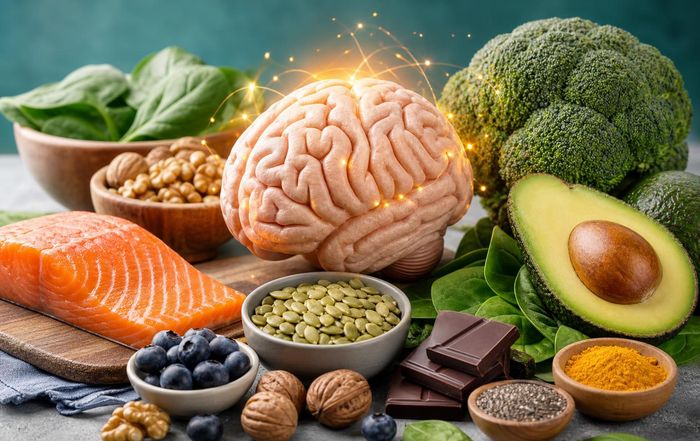
Superfoods That Support Mental Clarity in a High-Performance World
In 2026, mental clarity has become a defining asset for professionals, entrepreneurs, and creators navigating an increasingly complex and always-on global economy. As work, life, and digital environments converge, the ability to think clearly, focus deeply, manage stress, and make sound decisions is no longer a luxury but a fundamental requirement for sustainable success. Against this backdrop, QikSpa has positioned itself at the intersection of spa culture, nutrition science, and high-performance living, exploring how targeted dietary choices-especially superfoods-can meaningfully enhance cognitive function and emotional resilience.
This article examines the science and practice of using superfoods to support mental clarity, drawing on leading research, global wellness trends, and the integrative philosophy that underpins the content across QikSpa's health, wellness, and food and nutrition channels. It is written for a business-oriented audience that values evidence-based strategies, international perspectives, and a holistic approach to performance and wellbeing.
The New Science of Mental Clarity
Mental clarity is not a vague concept; it is a composite of measurable cognitive capacities such as attention, working memory, processing speed, and executive function, together with subjective experiences of calm, focus, and emotional balance. Research from institutions such as Harvard Medical School has consistently shown that diet, sleep, stress, and movement form a tightly interwoven matrix that shapes brain health over both the short and long term. Learn more about the link between nutrition and brain health through resources from Harvard Health Publishing.
The high-performance professionals who form a substantial part of QikSpa's audience-across the United States, United Kingdom, Germany, Canada, Australia, Singapore, and beyond-are increasingly aware that mental clarity cannot be maintained on caffeine and willpower alone. Instead, they are turning toward superfoods: nutrient-dense whole foods that contain high concentrations of vitamins, minerals, polyphenols, omega-3 fatty acids, and other bioactive compounds demonstrated to support brain structure and function. While no single food can guarantee focus or productivity, consistent patterns of superfood consumption, integrated with spa-inspired self-care and intelligent lifestyle design, can create conditions in which clarity becomes the norm rather than the exception.
Defining Superfoods in a Business and Wellness Context
The term "superfood" is not a formal scientific classification but a practical shorthand widely used in both nutrition research and the wellness industry to describe foods with particularly high nutritional value relative to their caloric content. Leading public health organizations such as the World Health Organization emphasize dietary patterns over individual ingredients, yet they acknowledge that certain foods offer especially concentrated benefits for metabolic and neurological health. Explore broader guidance on healthy diets from the World Health Organization.
For professionals engaged in demanding roles-from financial services in London to technology in San Francisco or design in Milan-superfoods matter because they offer a strategic way to upgrade meals and snacks without overly complicating daily routines. The editorial approach at QikSpa aligns with this pragmatic perspective, focusing on how readers can integrate brain-supportive superfoods into diverse culinary traditions, from Mediterranean and Nordic diets to East Asian and plant-forward cuisines, while maintaining the pleasure and cultural richness of food that is essential for long-term adherence. Readers seeking a broader lifestyle context can explore curated content in QikSpa's lifestyle section, where nutrition is integrated with travel, fashion, and modern living.
Omega-3 Rich Superfoods: Fuel for Focus and Emotional Balance
Among the most consistently validated nutritional strategies for supporting mental clarity is the intake of omega-3 fatty acids, particularly EPA and DHA, which play structural and signaling roles in the brain. Clinical and epidemiological studies referenced by organizations such as the National Institutes of Health have linked higher omega-3 consumption with improved attention, mood regulation, and reduced risk of cognitive decline. Professionals can deepen their understanding through resources from the NIH Office of Dietary Supplements.
Superfoods rich in omega-3s include cold-water fatty fish such as salmon, mackerel, sardines, and herring, as well as plant-based options like chia seeds, flaxseeds, and walnuts. While plant sources primarily provide ALA, which the body partially converts to EPA and DHA, they still contribute meaningfully to overall omega-3 status, especially in vegetarian or vegan diets. For executives and frequent travelers who may struggle to maintain consistent access to high-quality seafood, incorporating ground flaxseed into breakfast bowls, chia seeds into smoothies, and walnuts into salads represents a simple yet powerful strategy to support mental clarity throughout a demanding workday.
In markets such as Japan, Norway, and Iceland, where fish consumption is traditionally high, population-level data suggest better cognitive outcomes with age, reinforcing the idea that long-term patterns rather than sporadic supplementation drive meaningful benefits. Readers interested in integrating these patterns into their own lives can find culinary inspiration and practical guidance across QikSpa's food and nutrition features, which explore modern approaches to traditional brain-supportive cuisines.
Antioxidant-Rich Berries and Dark-Colored Fruits
Oxidative stress and inflammation are central mechanisms in cognitive fatigue, brain aging, and mood disturbances. Superfoods rich in polyphenols-especially anthocyanins found in deeply colored berries and fruits-have been shown in numerous studies to support memory, learning, and neuroplasticity. Institutions such as Tufts University and University of Reading have published research indicating that regular consumption of blueberries, blackberries, and strawberries may improve certain aspects of cognitive function across different age groups. For further context, readers can review discussions of antioxidant-rich diets via Tufts Health & Nutrition Letter.
Blueberries, often highlighted as a leading brain-supportive superfood, are particularly relevant for professionals seeking sustained mental clarity, as they appear to influence signaling pathways involved in communication between neurons. Dark cherries, blackcurrants, and pomegranates offer similar polyphenolic benefits and can be incorporated into both sweet and savory dishes. For business travelers moving frequently between hubs such as New York, London, Singapore, and Dubai, frozen berries provide a convenient, stable, and nutrient-dense option that can be stored in serviced apartments or long-stay hotels, ensuring continuity of brain-supportive nutrition even when routines are disrupted.
The connection between antioxidant-rich superfoods and spa-inspired living is central to QikSpa's editorial vision. Just as a well-designed spa treatment reduces physiological and psychological stress, a diet rich in colorful fruits and vegetables reduces oxidative stress at the cellular level, creating internal conditions that mirror the external calm cultivated in spa and salon environments. Readers can explore this synergy further through QikSpa's spa and salon insights, which increasingly integrate nutritional perspectives into traditional beauty and relaxation narratives.
Leafy Greens and Cruciferous Vegetables: Structural Support for the Brain
Leafy greens such as spinach, kale, Swiss chard, rocket, and collard greens, along with cruciferous vegetables like broccoli, Brussels sprouts, and cauliflower, provide essential nutrients including folate, vitamin K, lutein, and beta-carotene. Longitudinal research highlighted by organizations such as the Alzheimer's Association suggests that regular consumption of these vegetables is associated with slower cognitive decline and better performance on memory tests in older adults. Readers can explore more about brain-healthy dietary patterns through the Alzheimer's Association nutrition resources.
For ambitious professionals in high-pressure markets such as the United States, United Kingdom, Germany, and Singapore, these vegetables offer a strategic advantage beyond long-term brain health. Their high micronutrient density supports energy metabolism, neurotransmitter synthesis, and vascular health, all of which contribute to the consistent mental clarity required for complex problem-solving and leadership. Incorporating a generous portion of leafy greens into daily meals-whether through salads, warm grain bowls, or blended soups-can be seen as a structural investment in cognitive infrastructure, similar to upgrading the hardware on which mental "software" runs.
Within QikSpa's broader wellness philosophy, these vegetables are not framed as restrictive or punitive requirements but as tools for empowerment. By understanding how specific foods support brain function, readers gain agency over their own productivity and emotional stability, aligning nutritional choices with career ambitions and personal values. Those seeking to connect dietary strategies with broader wellness practices can explore QikSpa's wellness content, where nutrition sits alongside sleep, stress management, and movement as pillars of mental clarity.
Fermented Foods, Gut Health, and the Mind-Microbiome Connection
In the past decade, the relationship between gut health and brain function has shifted from speculative to central in neuroscience and psychiatry. The gut-brain axis, mediated through neural, hormonal, and immune pathways, means that the composition and diversity of gut microbiota significantly influence mood, cognition, and stress resilience. Leading institutions such as Johns Hopkins Medicine have outlined how gut bacteria can affect mental states, reinforcing the importance of dietary strategies that support a healthy microbiome. Learn more about the gut-brain connection from Johns Hopkins Medicine.
Fermented superfoods-such as yogurt with live cultures, kefir, kimchi, sauerkraut, miso, tempeh, and certain aged cheeses-introduce beneficial bacteria and, in some cases, prebiotic fibers that nourish existing microbial communities. For professionals dealing with chronic stress, frequent travel across time zones, and irregular eating schedules, these foods can help stabilize digestion and, by extension, support more stable mood and clearer thinking. In markets such as South Korea, Japan, Germany, and Scandinavia, traditional fermented foods have long formed part of daily diets, and global wellness culture is now rediscovering their value through a modern, evidence-based lens.
QikSpa's international orientation, reflected in its global and regional coverage, positions it well to highlight how different cultures have historically leveraged fermentation for health and how these traditions can be adapted to contemporary business lifestyles. Whether it is kimchi accompanying a quick office lunch in Seoul, miso soup in Tokyo, or sauerkraut alongside whole grains in Berlin, these superfoods offer a practical route to mental clarity through the microbiome.
Green Tea, Matcha, and the Art of Calm Focus
Caffeine is a familiar productivity tool, yet conventional coffee consumption can lead to energy spikes, jitters, and crashes that undermine the very clarity professionals seek. Green tea and matcha, rich in catechins such as EGCG and the amino acid L-theanine, offer a more nuanced cognitive profile: mild stimulation coupled with enhanced alpha brain wave activity associated with relaxed alertness. Research summarized by organizations such as the Mayo Clinic indicates that L-theanine may promote relaxation without drowsiness, particularly when combined with caffeine, making green tea and matcha ideal for sustained focus. Learn more about tea and health from Mayo Clinic.
In markets such as Japan, South Korea, and increasingly Western countries, ceremonial matcha has evolved from a cultural ritual into a performance-enhancing beverage for entrepreneurs, creatives, and executives. Unlike standard green tea, matcha involves consuming the whole powdered leaf, providing a more concentrated dose of antioxidants and L-theanine. For professionals seeking to replace an afternoon coffee habit that disrupts sleep and raises anxiety, transitioning to matcha can be a strategic move toward steadier mental clarity.
QikSpa's coverage of fitness, yoga, and mindful living often integrates these beverages into pre-work or pre-practice rituals, emphasizing not only their biochemical effects but also the psychological benefits of deliberate preparation and consumption. In a world where digital distractions fragment attention, the simple act of preparing a pot of green tea can function as a micro-ritual that signals a shift into focused, intentional work.
Nuts, Seeds, and Dark Chocolate: Strategic Snacking for Peak Performance
Snacking habits often determine whether mental clarity is sustained or sabotaged throughout the workday. Highly processed, sugar-laden snacks can lead to rapid blood sugar spikes followed by crashes that impair concentration and mood. In contrast, superfoods such as almonds, walnuts, pumpkin seeds, sunflower seeds, and minimally processed dark chocolate (with high cocoa content and low sugar) provide a combination of healthy fats, magnesium, polyphenols, and modest amounts of caffeine and theobromine.
Organizations such as the American Heart Association have highlighted the cardiovascular benefits of nuts and seeds, which indirectly support brain health through improved blood flow and vascular integrity. Professionals can explore these connections through resources from the American Heart Association. From a cognitive perspective, these foods provide slow-release energy and key micronutrients that stabilize mood and support neurotransmitter function. Dark chocolate, in particular, has been associated in some studies with acute improvements in attention and working memory, likely due to its flavanol content and mild stimulants.
For executives in time-pressured roles across North America, Europe, and Asia, assembling a simple snack kit-such as a small container of mixed nuts and seeds with a few squares of high-quality dark chocolate-offers a practical way to avoid vending machine choices that undermine mental clarity. QikSpa often frames such strategies within its business and careers coverage, recognizing that cognitive performance is a core competitive advantage in modern organizations.
Hydration, Herbal Infusions, and the Overlooked Superfood: Water
While superfoods often evoke exotic berries or rare seeds, water remains the most fundamental cognitive performance enhancer. Even mild dehydration has been shown in studies referenced by agencies like the European Food Safety Authority to impair attention, working memory, and mood. Readers can review general hydration guidance through resources from the European Food Safety Authority. In high-pressure business environments, especially in climate-challenged regions from the Middle East to parts of Australia and South Africa, maintaining hydration is both a health and productivity imperative.
Herbal infusions such as peppermint, rosemary, and lemon balm teas, while not technically "superfoods" in the conventional marketing sense, provide additional cognitive benefits through mild stimulation, improved circulation, and relaxation. Emerging research suggests that certain herbs may modestly enhance alertness or reduce anxiety, making them useful adjuncts to a broader superfood strategy. For professionals who struggle to drink sufficient plain water, these infusions offer a more appealing and varied hydration experience that supports sustained mental clarity.
In spa and salon environments, hydration is often emphasized as part of skin health and detoxification protocols. QikSpa, with its integrated view of beauty and health, extends this narrative to brain function, reminding readers that clear skin and clear thinking often share the same foundations: adequate hydration, balanced nutrition, and consistent self-care.
Integrating Superfoods into a Holistic Lifestyle Strategy
Superfoods alone cannot compensate for chronic sleep deprivation, unmanaged stress, or sedentary behavior. Leading organizations such as the World Economic Forum have increasingly highlighted mental health and cognitive resilience as strategic business issues, emphasizing integrated approaches that combine nutrition, movement, psychological safety, and flexible work structures. Explore broader discussions on wellbeing and productivity from the World Economic Forum.
For QikSpa's audience, which spans entrepreneurs in New York and London, creatives in Berlin and Paris, executives in Singapore and Hong Kong, and wellness professionals in Sydney and Cape Town, the most effective strategy for mental clarity is a lifestyle architecture in which superfoods are one component of a larger system. That system typically includes regular physical activity, restorative sleep, stress management practices such as meditation or yoga, and intentional spa-inspired rituals that punctuate the week with recovery and reflection. Readers interested in designing such systems can explore thematic content across QikSpa's wellness, fitness, and lifestyle sections, where superfoods are consistently presented in context rather than in isolation.
In global careers where relocation, frequent travel, and cross-cultural collaboration are common, superfoods also provide a sense of continuity and control. Whether it is a familiar morning smoothie built around berries and leafy greens, a daily matcha ritual, or a simple habit of including fermented foods at lunch, these small practices anchor individuals amid volatility. They signal a commitment not only to performance but also to self-respect and long-term wellbeing.
Superfoods, Spa Culture, and the Future of Mental Performance
As the boundaries between spa culture, corporate performance, and everyday living continue to blur, superfoods are moving from niche wellness conversations into mainstream business strategy. QikSpa, by curating insights that span spa and salon experiences, nutrition science, beauty, fitness, and global lifestyle trends, is uniquely positioned to guide readers through this evolution. The emerging paradigm is not one of short-term hacks or restrictive regimes but of intelligent, pleasurable, and sustainable choices that respect both the body and the mind.
In the coming years, advances in personalized nutrition, microbiome profiling, and digital health tracking are likely to refine how individuals select and combine superfoods for mental clarity. Regions such as the United States, Europe, and Asia are already seeing increased collaboration between technology firms, healthcare providers, and wellness brands, creating ecosystems in which data-driven insights inform daily food choices. Nonetheless, the core principles will remain grounded in whole, minimally processed foods, diverse plant intake, healthy fats, and mindful rituals-all themes consistently emphasized across the QikSpa platform and its sustainable living coverage.
For professionals, leaders, and creatives in 2026, mental clarity is both a competitive differentiator and a quality-of-life imperative. Superfoods, when integrated thoughtfully into a broader framework of spa-inspired self-care, movement, and rest, offer a powerful, accessible, and globally adaptable means of supporting that clarity. Whether the reader is exploring new career horizons, building a business, or simply seeking to show up more fully in daily life, the path forward begins with small, consistent choices-on the plate, in the cup, and in the rituals that shape every day.
Through its growing ecosystem of content across QikSpa.com, QikSpa continues to champion this integrated approach, inviting its worldwide audience to see superfoods not as fleeting trends but as enduring allies in the pursuit of focus, resilience, and a more intentional way of living and working.
