
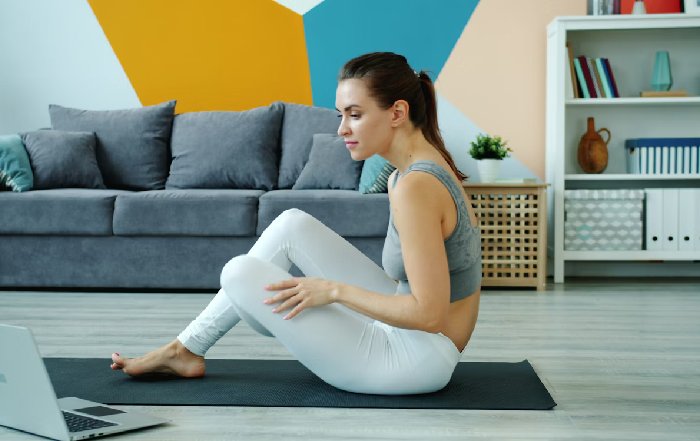
Activewear That Transitions Seamlessly from Studio to Street
The New Era of Hybrid Wardrobes
Activewear has moved far beyond the gym and become a central pillar of modern wardrobes, especially for professionals who expect their clothing to perform across multiple contexts in a single day. The convergence of fitness culture, hybrid work models, wellness-focused lifestyles and the rise of conscious consumption has created a powerful demand for garments that transition seamlessly from studio to street, from yoga mat to client meeting, and from long-haul travel to evening social engagements. For QikSpa, whose audience spans spa and salon enthusiasts, wellness-driven professionals, frequent travelers and fashion-conscious consumers across North America, Europe, Asia and beyond, this evolution in activewear is not a passing trend but a structural shift in how people dress, work and live.
The global athleisure and performance apparel market continues to grow steadily, with analysts at McKinsey & Company noting that wellness and performance remain among the most resilient segments in the fashion industry, even amid economic uncertainty. Readers who follow broader fashion and retail trends can explore how performance categories are shaping the sector through resources such as the McKinsey State of Fashion. At the same time, the cultural embrace of holistic wellness, from mindful movement to restorative spa experiences, has deepened the connection between what people wear and how they feel, a connection that sits at the heart of the editorial vision at QikSpa Wellness.
From Athleisure to "Everywear": How Consumer Expectations Have Shifted
The early 2010s saw the rise of athleisure as a fashion category, but by 2026, the conversation has shifted to what many industry observers now call "everywear" - garments that are truly versatile, technically sophisticated and aesthetically polished enough to serve as everyday uniforms. Consumers in the United States, United Kingdom, Germany, Canada and Australia, as well as in fast-growing markets such as Singapore, South Korea and Brazil, expect their clothing to support a morning Pilates session, a day of remote or hybrid work, a quick spa appointment and an evening dinner without requiring multiple outfit changes.
This shift is closely linked to the broader lifestyle transformation that has seen wellness embedded into daily routines. Many of the same individuals who book treatments at high-end spas and salons, follow lifestyle insights and invest in mental health apps are also looking for apparel that feels as good as it looks. Reports from the Global Wellness Institute, accessible through their wellness economy research, highlight how wellness is no longer a niche but a primary lens through which consumers evaluate products and services, including fashion. For QikSpa readers, this means that the clothes worn to a spa appointment or yoga class are increasingly the same clothes worn to a business meeting or airport lounge, creating a seamless continuum between self-care, work and social life.
Design Principles Behind Studio-to-Street Activewear
The most successful studio-to-street pieces share several design principles that align performance with polish. First, they prioritize advanced fabrication. Technical fabrics with four-way stretch, moisture-wicking capabilities and breathability are now standard expectations, but premium brands are going further by integrating temperature regulation, odor control and quick-dry properties. Research from organizations such as Textile Exchange, which offers detailed insights into preferred fibers and materials, illustrates how innovative yarns and blends are transforming both comfort and sustainability in performance apparel.
Second, silhouette and construction play a decisive role in whether a piece can move confidently from studio to street. High-waisted leggings with subtle seam lines, structured yet soft joggers, cropped but refined tops and tailored performance blazers are designed to flatter a wide range of body types while maintaining a clean, elevated aesthetic. For readers interested in how these silhouettes intersect with broader style movements, QikSpa's coverage of contemporary fashion highlights the ongoing blend of sportswear and tailoring in both women's and men's wardrobes.
Third, color and finish are critical. While bold prints and neon accents remain popular in certain fitness communities, the most versatile pieces tend to favor sophisticated neutrals, tonal palettes and matte finishes that read as modern and minimal in an office or restaurant setting. Brands across Europe, Asia and North America are increasingly influenced by Scandinavian and Japanese minimalism, drawing on design philosophies that emphasize simplicity, functionality and refined detail. Publications such as Vogue Business regularly analyze these trends, and readers can deepen their understanding of the intersection between fashion and function through the Vogue Business fashion and athleisure coverage.
Fabric Innovation: Comfort, Performance and Sustainability
Fabric innovation sits at the core of the studio-to-street evolution. As consumers become more educated about materials, they are asking harder questions about what touches their skin all day and how those textiles impact the environment. Many leading activewear brands are shifting toward recycled polyester, bio-based nylon alternatives, organic cotton blends and regenerated fibers such as those derived from pre- and post-consumer waste. Reports from Fashion for Good, which showcases cutting-edge material solutions on its innovation platform, demonstrate how quickly the technology behind sustainable performance textiles is advancing.
At the same time, health-conscious consumers are paying closer attention to skin sensitivity, breathability and potential exposure to harmful chemicals. Resources from agencies such as the European Chemicals Agency (ECHA), including their guidance on chemicals in textiles, have raised awareness of substances that may be present in dyes, finishes and performance treatments. As a result, more brands are pursuing certifications like OEKO-TEX and bluesign to demonstrate that their fabrics meet stringent safety and environmental criteria. Health-focused readers who follow QikSpa's health coverage are increasingly aligning their wardrobe choices with the same standards they apply to skincare, nutrition and wellness products.
For spa and salon professionals, who spend long hours in motion, on their feet and in temperature-variable environments, these fabric innovations are more than a matter of comfort; they directly influence daily wellbeing and professional performance. Breathable, stretch-friendly garments that maintain their shape and appearance throughout a demanding shift can contribute to reduced fatigue, better posture and greater confidence when interacting with clients.
The Wellness Lifestyle: How Movement, Mindfulness and Self-Care Shape Wardrobe Choices
The studio-to-street activewear movement is deeply intertwined with the rise of holistic wellness, in which physical activity, mental health, nutrition and self-care are viewed as interconnected pillars of a fulfilling life. From early-morning yoga sessions to lunchtime walks, from evening strength training to weekend spa retreats, individuals are curating their days around movement and recovery. The World Health Organization has repeatedly emphasized the importance of physical activity in its physical activity guidelines, and this message has resonated strongly in countries such as Sweden, Norway, Denmark, Japan and New Zealand, where active lifestyles are part of national identity.
Within this context, clothing becomes an enabler of consistency. When leggings, tops and outer layers are comfortable enough to wear from home to studio to office, the friction associated with fitting movement into a busy schedule is significantly reduced. QikSpa's coverage of fitness and yoga often emphasizes the importance of habit formation, and apparel that supports spontaneous movement - whether it is a quick stretch between meetings or a brisk walk during a conference call - can make a measurable difference in how often people engage in physical activity.
Spa and wellness destinations have also embraced this integrated approach. Many high-end properties in Italy, France, Thailand and South Africa now design experiences that encourage guests to keep wearing their performance apparel throughout the day, transitioning from guided yoga classes to hydrotherapy circuits, mindfulness workshops and healthy dining without the need for multiple wardrobe changes. Travelers who follow QikSpa's travel insights are increasingly seeking destinations that support this fluid, wellness-centered approach to clothing and experience design.
Global Style Perspectives: Regional Nuances in Studio-to-Street Dressing
Although the studio-to-street activewear movement is global, regional nuances in style, climate and culture shape how it manifests across different markets. In the United States and Canada, the look often leans toward relaxed layering: high-waisted leggings or performance joggers paired with oversized hoodies, bomber jackets or technical trench coats, creating a sporty yet polished aesthetic suitable for both urban and suburban environments. In the United Kingdom, Germany, Netherlands and Switzerland, there is a stronger emphasis on minimalist tailoring, with sleek black or navy leggings, merino-blend tops and water-resistant outerwear that reflects both the climate and the understated European design sensibility.
In Japan and South Korea, studio-to-street activewear frequently incorporates directional silhouettes, cropped lengths and innovative layering, reflecting the influence of streetwear and avant-garde fashion. Cities like Seoul and Tokyo have become laboratories for performance-forward yet highly stylized looks that often appear in global trend reports and runway collections. Fashion observers can track these developments through platforms like Business of Fashion, which regularly analyzes global activewear and streetwear trends.
In warmer climates such as Thailand, Malaysia, Brazil and South Africa, lightweight fabrics, breathable mesh panels and UV-protective materials are prioritized, with brighter color palettes and bolder prints remaining popular for both studio and street. The common denominator across these regions is the expectation that performance garments must be visually sophisticated enough to be worn in social and professional settings, a standard that continues to rise as consumers become more discerning.
Women's Leadership in the Studio-to-Street Movement
Women have been at the forefront of the studio-to-street activewear transformation, both as consumers and as leaders within the industry. Female founders, designers and executives at brands across North America, Europe and Asia have championed inclusive sizing, body-positive marketing and styles that reflect the realities of modern life, where caregiving responsibilities, professional ambitions and wellness goals coexist. For readers engaged with QikSpa's women-focused content, the evolution of activewear is often viewed through the lens of empowerment, comfort and self-expression rather than purely through fashion trends.
Organizations such as Catalyst and LeanIn.Org have documented the challenges and opportunities facing women in the workplace, including the impact of flexible work arrangements and evolving dress codes. Those interested in the broader conversation on women's leadership and workplace culture can explore resources like Lean In's research on women in the workplace. As corporate dress norms have relaxed, particularly in tech, creative industries and wellness-oriented businesses, women have gained more freedom to dress in ways that align with their personal health and comfort without sacrificing professionalism.
This shift has been especially significant for women working in spa, salon, fitness and wellness environments, where long hours of physical activity historically collided with rigid uniform expectations. By integrating polished activewear into uniform policies, many businesses have enabled their staff to move more freely, reduce strain and present a modern, aspirational image that aligns with client expectations. QikSpa's spa and salon coverage frequently highlights how attire can influence both staff wellbeing and client perception, underscoring the strategic importance of wardrobe choices in service-driven industries.
Business Strategy: How Brands Build Trust and Authority in 2026
Behind every successful studio-to-street collection lies a carefully calibrated business strategy that balances innovation, brand storytelling, supply chain responsibility and customer trust. Companies that have established themselves as leaders in this space typically invest heavily in research and development, collaborating with textile scientists, movement specialists, physiotherapists and even mental health experts to ensure their products support real-world needs. Industry bodies such as the American Apparel & Footwear Association (AAFA) provide ongoing updates on policy, trade and sustainability issues, helping brands navigate complex regulatory landscapes across regions including Europe, Asia and North America.
Trustworthiness is increasingly evaluated through transparency. Consumers expect clarity about where and how garments are made, what materials are used and how workers throughout the supply chain are treated. Initiatives like the Fashion Transparency Index, produced by Fashion Revolution, offer a framework for assessing brand performance in these areas; interested readers can explore the latest findings through the Fashion Transparency Index. For QikSpa's business-minded audience, who follow industry and entrepreneurship insights, these developments are a reminder that credibility in the activewear space is built not only on aesthetics and comfort but also on ethical and environmental integrity.
Digital channels have amplified both opportunity and scrutiny. Social media, influencer partnerships and user-generated content can quickly elevate a new brand or expose shortcomings in quality or ethics. As a result, leading companies are placing greater emphasis on authentic storytelling, long-term community building and responsive customer service. This emphasis aligns with QikSpa's own editorial approach, which prioritizes depth, expertise and long-term value over fleeting trends.
Sustainability and the Future of Studio-to-Street Apparel
Sustainability is no longer a niche concern in 2026; it is a central criterion for many consumers choosing activewear that they expect to wear daily. The environmental impact of synthetic fibers, microplastic shedding, water-intensive dyeing processes and textile waste has been widely documented by organizations such as the Ellen MacArthur Foundation, whose work on the circular economy for fashion has influenced policymakers and brands worldwide. For readers following QikSpa's sustainable living content, studio-to-street activewear represents both a challenge and an opportunity: a category where technical performance is essential, yet environmental responsibility is increasingly non-negotiable.
Forward-thinking brands are responding with multiple strategies, including designing for durability and repairability, using recycled and bio-based fibers, implementing take-back and resale programs, and investing in closed-loop recycling technologies. Some are experimenting with on-demand production and localized manufacturing to reduce overproduction and transportation emissions. Consumers are also playing a role by purchasing fewer, higher-quality pieces that can be worn across more occasions, rather than accumulating large quantities of single-purpose garments.
Regulatory pressure is mounting, particularly in the European Union, where initiatives related to extended producer responsibility and eco-design are reshaping how apparel companies operate. Resources from the European Commission on sustainable textiles and circular economy provide insight into how these policies are evolving and what they mean for the future of fashion. For global audiences in Asia, Africa, South America and North America, these developments signal a broader shift toward accountability and innovation that will likely influence activewear design and production for years to come.
Travel, Mobility and the Rise of the One-Bag Wardrobe
The studio-to-street activewear revolution has also transformed how people pack and travel. Business travelers, digital nomads and wellness tourists increasingly seek versatile pieces that can serve as workout gear, loungewear and day-to-night outfits, enabling them to travel lighter and move more freely across borders. This is particularly relevant for QikSpa's internationally minded audience, who follow global lifestyle and travel coverage and often combine work, leisure and wellness experiences during trips.
Travel experts and frequent flyers often highlight the advantages of building a capsule wardrobe around high-quality performance pieces that resist wrinkles, dry quickly and pair effortlessly with more formal items such as blazers or structured coats. Resources such as Lonely Planet, with its extensive travel tips and packing advice, demonstrate how thoughtfully chosen activewear can reduce stress and enhance comfort on the road. For spa and wellness travelers visiting destinations in Italy, Spain, Thailand or New Zealand, the ability to move from a long flight to a hotel gym, then to a spa treatment and finally to dinner in essentially the same core outfit is both practical and liberating.
This mobility-focused approach to dressing also resonates with professionals whose workdays span multiple environments. Hybrid workers may start the day at home, commute to a co-working space, attend an in-person meeting, visit a fitness studio and end the day at a social event, all without returning home to change. Studio-to-street activewear serves as the connective tissue that allows these transitions to feel natural and cohesive.
Careers in Wellness, Fashion and Activewear: Skills for the Next Decade
The growth of studio-to-street activewear has created new career opportunities at the intersection of fashion, wellness, sustainability and technology. Designers with expertise in performance textiles, pattern-making and ergonomic design are in high demand, as are product managers who understand both athletic performance and lifestyle aesthetics. Professionals with backgrounds in sports science, physiotherapy and biomechanics are increasingly collaborating with apparel companies to ensure that garments support healthy movement patterns and reduce injury risk.
For readers exploring career paths in these fields, QikSpa's careers section provides a lens into the evolving opportunities within spa management, wellness entrepreneurship, fitness and beauty. Industry resources such as LinkedIn's Economic Graph reports, including analyses on emerging jobs and skills, also highlight how roles related to sustainability, digital commerce and data analytics are shaping the future of fashion and activewear.
Entrepreneurs entering the studio-to-street space must balance creative vision with rigorous business planning, supply chain management and brand building. They are expected to demonstrate not only design talent but also a deep understanding of wellness culture, international market differences and responsible production. For many, partnerships with spas, boutique fitness studios, wellness retreats and hospitality brands offer strategic pathways to reach discerning, high-value customers who are already invested in holistic wellbeing.
How QikSpa Connects the Dots: From Studio to Street, and Beyond
As activewear continues to evolve in 2026, QikSpa occupies a distinctive position at the crossroads of spa culture, wellness, beauty, fashion and global lifestyle. Through its curated coverage of beauty and personal care, food and nutrition, fitness and yoga and broader wellness trends, QikSpa provides readers with a holistic perspective on how clothing choices intersect with physical health, mental wellbeing, professional identity and environmental responsibility.
The studio-to-street activewear movement encapsulates many of the themes that define modern life: the blending of work and leisure, the prioritization of comfort without sacrificing style, the pursuit of sustainable practices and the desire for authenticity and trust in the brands people invite into their daily routines. For a global audience stretching from North America to Europe, from Asia to Africa and South America, this category of apparel is not merely about what to wear to the gym; it is about how to live, move and present oneself in a complex, fast-changing world.
By highlighting expert perspectives, spotlighting innovative brands and exploring the lived experiences of spa-goers, wellness professionals, travelers and fashion-conscious consumers, QikSpa aims to guide its readers toward informed, intentional choices. Whether they are selecting a new pair of leggings that will carry them from a hot yoga class in Singapore to a client meeting in London, or curating a capsule wardrobe for a spa retreat in Switzerland, QikSpa's mission is to offer the insight, context and inspiration needed to navigate the studio-to-street landscape with confidence, clarity and style.
