
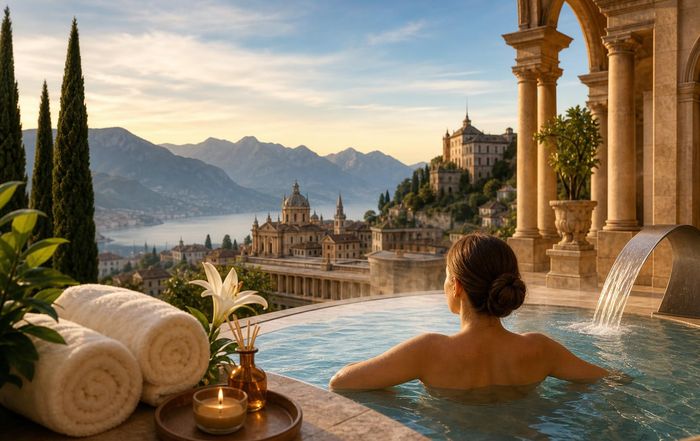
The Best Spa Destinations in Europe: A Perspective for Discerning Wellness Travelers
Europe's spa culture has undergone a profound transformation in the past decade, evolving from a niche leisure pursuit into a central pillar of the global wellness economy, and the continent stands at the forefront of integrated health, beauty, and lifestyle experiences that combine medical-grade expertise, traditional therapies, and immersive travel. For the well travelled audience of QikSpa and its global community of health-conscious professionals, entrepreneurs, and frequent travelers, understanding where Europe's leading spa destinations are heading is no longer a matter of simple indulgence; it is an essential element of long-term wellbeing strategy, informed decision-making, and sophisticated lifestyle design that aligns with evidence-based health practices, sustainable tourism, and the pursuit of high performance in both personal and professional life.
The New European Spa Landscape in 2026
In 2026, Europe's spa destinations are defined by a convergence of four powerful forces: the rise of preventive healthcare, the normalization of wellness travel as a mainstream segment of the global tourism market, the integration of digital health tools into traditional spa environments, and a growing insistence on sustainability and ethical operations from both consumers and regulators. According to recent insights from the Global Wellness Institute, wellness tourism continues to outpace overall tourism growth, driven by travelers who seek more than relaxation and who prioritize destinations that offer credible, clinically informed therapies, advanced diagnostics, and measurable outcomes that can be integrated into their long-term health plans. Learn more about the evolution of wellness tourism at the Global Wellness Institute.
For QikSpa, which curates content at the intersection of spa, health, and lifestyle on platforms such as its daily updated and dedicated spa and salon and wellness sections, this shift underscores the importance of highlighting European spa destinations that demonstrate genuine expertise, medical collaboration, and trustworthiness. The most respected properties in Europe increasingly work in partnership with accredited medical institutions, certified nutritionists, and licensed therapists, reflecting the broader trend toward integrated care that is also being observed by organizations such as the World Health Organization, which continues to emphasize the role of preventive health and mental wellbeing in global public health strategies. Explore the WHO's perspective on health promotion at the World Health Organization.
Why Europe Leads in Spa Culture and Wellness Innovation
Europe's dominance in spa culture is not accidental; it is rooted in centuries of balneotherapy traditions, thermal springs, and sanatorium medicine, particularly in countries such as Germany, Switzerland, Hungary, Italy, and the Czech Republic, where thermal and mineral water treatments have long been prescribed by physicians as part of regulated medical regimes. This deep historical foundation, combined with strong regulatory frameworks in many European states, has created an environment where spa resorts are often held to high standards of safety and professionalism, supported by national health systems and medical associations that recognize the therapeutic benefits of hydrotherapy, physiotherapy, and supervised fasting programs. The European Spa Association continues to promote quality standards and cross-border collaboration, enabling travelers to identify destinations that meet rigorous criteria for safety and efficacy; learn more about European spa standards at the European Spa Association.
In parallel, the broader European tourism ecosystem has embraced wellness as a strategic priority, with countries such as Germany, Austria, Switzerland, France, Italy, and Spain investing in infrastructure, sustainability certifications, and innovation programs to attract high-value wellness travelers from North America, Asia, and the Middle East. Data from the European Travel Commission highlights wellness and nature-based tourism as key growth areas across the continent, with an emphasis on quality over volume and on dispersing visitors beyond traditional city centers into rural and alpine regions. Discover current insights on European tourism trends through the European Travel Commission.
Central Europe: Medical Spas, Thermal Heritage, and Evidence-Based Programs
Central Europe remains the heartland of serious medical and thermal spa culture, attracting discerning visitors from the United States, United Kingdom, Canada, Australia, and across Asia who seek structured, physician-supervised programs that combine diagnostics, nutrition, and physical therapies. In countries such as Germany, Czech Republic, and Hungary, spa towns are often built around mineral springs whose properties have been studied for decades, and many clinics operate with board-certified physicians, physiotherapists, and dietitians on staff, enabling them to offer programs targeting metabolic health, musculoskeletal conditions, cardiovascular risk factors, and stress-related disorders.
One of the most distinctive aspects of these Central European destinations is the integration of spa therapies into formal healthcare systems, particularly in Germany, where some treatments may be prescribed and partially reimbursed. This model has encouraged a culture of rigor and accountability that appeals to executives and professionals looking for reliable interventions rather than purely cosmetic or experiential offerings. Travelers who wish to understand how thermal and balneotherapy practices align with modern medicine can consult resources from the National Institutes of Health, which hosts a growing body of research on hydrotherapy, fasting, and integrative health approaches. Explore research on complementary health approaches at the National Center for Complementary and Integrative Health.
For email subscribers and online readers of QikSpa who are designing a wellness-focused itinerary that balances medical-grade programs with broader lifestyle goals, these Central European spa destinations provide an excellent foundation that can be complemented by ongoing routines at home, drawing on guidance from the platform's health and food and nutrition sections to sustain results long after the stay has ended.
Alpine and Nordic Retreats: Nature, Longevity, and Climate-Conscious Wellness
In the alpine regions of Switzerland, Austria, France, and Italy, as well as in Nordic countries such as Sweden, Norway, Finland, and Denmark, spa destinations in 2026 increasingly emphasize longevity, mental resilience, and climate-conscious wellness, leveraging pristine natural environments, clean air, and outdoor activities as core components of their offerings. High-altitude resorts and lakeside retreats now routinely integrate guided hiking, cold-water immersion, and structured breathing or mindfulness practices with more traditional spa treatments, recognizing that exposure to nature and moderate environmental stressors can support metabolic health, immune function, and psychological balance.
This approach aligns with growing scientific consensus on the benefits of nature exposure and stress modulation, which has been documented by institutions such as Harvard Medical School, where researchers continue to explore the impact of lifestyle interventions on chronic disease risk and cognitive performance. Learn more about the science of lifestyle medicine at Harvard Health Publishing. Many alpine and Nordic spas now collaborate with sports scientists, sleep specialists, and psychologists to design personalized programs that address burnout, digital overload, and long-term cognitive health, making them particularly attractive to senior executives, entrepreneurs, and high-performing professionals seeking structured recovery and performance optimization.
These destinations also tend to be at the forefront of sustainability, often holding certifications from organizations such as Green Key or EarthCheck, and integrating renewable energy, water conservation, and local sourcing into their operations. Travelers who prioritize responsible tourism can deepen their understanding by exploring how global frameworks such as those promoted by the United Nations Environment Programme are shaping sustainable hospitality practices; learn more about sustainable business practices at the UN Environment Programme. For QikSpa, which maintains a dedicated focus on responsible living through its sustainable and lifestyle content, these alpine and Nordic retreats represent a compelling intersection of environmental responsibility and high-end wellness.
Mediterranean Spa Destinations: Beauty, Nutrition, and Holistic Lifestyle
The Mediterranean region, encompassing Spain, Italy, France, Greece, and coastal Turkey, continues to attract a global audience seeking a more lifestyle-oriented interpretation of wellness, where spa experiences are seamlessly integrated with gastronomy, culture, and outdoor living. In 2026, leading Mediterranean spa resorts distinguish themselves not only through thalassotherapy, vinotherapy, and advanced skincare programs, but also through sophisticated nutritional concepts that draw on the well-documented benefits of the Mediterranean diet, which has been extensively studied for its positive impact on cardiovascular health, cognitive function, and longevity.
Institutions such as the Mayo Clinic and Cleveland Clinic consistently highlight the Mediterranean diet as a gold standard for sustainable, long-term eating patterns that support weight management and disease prevention, and many Mediterranean spa destinations now incorporate medically informed nutritional coaching, cooking classes, and personalized meal plans into their programs. Learn more about the Mediterranean diet and its benefits through the Mayo Clinic and explore heart-healthy nutrition insights at the Cleveland Clinic. This integration of culinary excellence, beauty treatments, and relaxed coastal environments creates a powerful value proposition for travelers from North America, Asia, and the Middle East who wish to combine restorative vacations with meaningful lifestyle upgrades.
For QikSpa readers with a particular interest in aesthetics, personal presentation, and modern grooming, Mediterranean spa destinations align closely with the themes explored in the platform's beauty and fashion sections, offering advanced skincare technologies, non-invasive cosmetic procedures, and curated retail experiences featuring both global and local beauty brands that emphasize clean formulations and ethical sourcing.
Urban Wellness Hubs: London, Paris, Berlin, and Beyond
While traditional spa destinations often evoke images of remote mountains and coastal retreats, Europe's major cities have become influential wellness hubs in their own right, blending cutting-edge technology, design-led environments, and highly specialized services that cater to time-poor urban professionals and international travelers. In cities such as London, Paris, Berlin, Amsterdam, and Barcelona, urban spa and wellness centers now frequently integrate biohacking tools, infrared therapies, cryotherapy, IV nutrient infusions, and data-driven fitness assessments, appealing to a clientele that is comfortable with quantified self approaches and interested in optimizing performance.
This urban wellness movement is supported by a broader ecosystem of boutique fitness studios, healthy dining concepts, and coworking spaces that prioritize ergonomics and mental health, reflecting the shift toward holistic urban living documented by organizations such as McKinsey & Company, which has analyzed how consumer expectations around health and wellbeing are reshaping retail, hospitality, and real estate. Explore perspectives on the business of wellness at McKinsey & Company. For business travelers, these city-based spa destinations offer the advantage of accessibility and flexibility, enabling them to integrate meaningful wellness interventions into short trips or regular commutes without the need for extended retreats.
For QikSpa, which addresses the intersection of wellness and professional life through its business and careers content, urban spa hubs provide a practical model of how executives and entrepreneurs can sustain wellbeing amidst demanding schedules, using targeted treatments, recovery protocols, and coaching to maintain resilience and productivity while navigating global markets.
Yoga, Fitness, and Integrative Programs Across Europe
Beyond traditional hydrotherapy and beauty treatments, Europe's leading spa destinations in 2026 have embraced a more integrative vision that includes structured fitness, yoga, and mindfulness programs designed to support long-term behavioral change rather than short-term relaxation alone. Resorts from Portugal to Croatia and from Ireland to Greece increasingly offer multi-day or multi-week programs that combine daily movement, guided meditation, strength training, mobility work, and educational workshops on sleep, stress management, and digital hygiene, often led by certified instructors and health coaches.
This trend reflects the broader global shift toward integrative health, as documented by institutions such as Johns Hopkins Medicine, which continues to explore how mind-body interventions, exercise, and stress reduction can complement conventional medical treatments in the prevention and management of chronic disease. Learn more about integrative health approaches at Johns Hopkins Medicine. For travelers from Asia, North America, and South America, European spa destinations that emphasize structured movement and mental training are particularly attractive, as they allow guests to develop sustainable routines that can be maintained at home with the support of digital platforms and communities.
The editorial direction of QikSpa, with its dedicated focus on fitness and yoga, aligns closely with this integrative approach, highlighting destinations that not only provide high-quality facilities but also demonstrate a commitment to education, coaching, and long-term habit formation, ensuring that each spa stay becomes a catalyst for enduring change rather than an isolated experience.
Women-Centered Wellness and Inclusive Spa Experiences
One of the most significant developments in European spa destinations over the last several years has been the rise of women-centered wellness programs and more inclusive offerings that address the specific needs of different life stages, cultural backgrounds, and personal identities. Many leading resorts now offer specialized programs for hormonal health, fertility support, prenatal and postnatal care, and menopause management, often developed in collaboration with gynecologists, endocrinologists, and mental health professionals to ensure evidence-based protocols and sensitive, confidential environments.
This evolution reflects a broader global recognition of women's health as a critical and historically under-served domain, a topic increasingly highlighted by organizations such as The Lancet and World Economic Forum, which have examined the economic and social impact of investing in women's health and wellbeing. Explore global perspectives on women's health through The Lancet and learn how wellbeing intersects with economic resilience at the World Economic Forum. In parallel, many European spa destinations have taken steps to become more inclusive of diverse body types, ages, and cultural norms, adjusting dress codes, communication styles, and facility design to ensure that all guests feel welcome and respected.
For QikSpa, whose audience includes a strong community of women professionals and entrepreneurs and whose editorial scope includes a dedicated women category, these developments are particularly relevant, reinforcing the importance of choosing spa destinations that recognize and respond to the specific needs, aspirations, and challenges of women at different stages of their personal and professional journeys.
Sustainability, Ethics, and the Future of European Spa Travel
As environmental and social responsibility rise to the top of corporate and consumer agendas, the future of European spa destinations will be shaped not only by the quality of their treatments and facilities, but also by their ability to operate ethically and sustainably, minimizing ecological footprints and contributing positively to local communities. Travelers are increasingly informed and discerning, seeking transparency on issues such as energy use, water management, waste reduction, and labor practices, and turning to frameworks and certifications supported by organizations like the Global Sustainable Tourism Council for guidance. Learn more about sustainable tourism standards at the Global Sustainable Tourism Council.
In 2026, leading spa destinations across Europe are responding by investing in renewable energy systems, circular water technologies, regenerative landscaping, and community engagement programs, as well as by partnering with local farmers, artisans, and wellness practitioners to promote regional economies and cultural heritage. These initiatives not only reduce environmental impact but also enhance the authenticity and depth of the guest experience, aligning with the values of a new generation of wellness travelers who see personal wellbeing as inseparable from planetary health and social equity.
This holistic perspective is central to the mission of QikSpa, whose global platform, accessible via qikspa.com, aims to connect readers with destinations, practices, and insights that support not only individual health, beauty, and performance, but also responsible choices that respect communities and ecosystems. Through its coverage of spa and salon innovation, nutrition, fitness, fashion, international travel, and sustainable business, the platform encourages its audience to view each European spa journey as part of a larger, purpose-driven lifestyle.
Choosing the Right European Spa Destination
For discerning travelers, selecting the best spa destination in Europe involves more than comparing amenities or price points; it requires a clear understanding of personal objectives, health status, and lifestyle context, as well as an appreciation of how different regions and properties specialize in distinct aspects of wellness. Those seeking medically supervised programs for metabolic health or rehabilitation may gravitate toward Central European medical spas with strong clinical partnerships, while executives facing burnout might prioritize alpine or Nordic retreats focused on mental resilience, sleep, and nature immersion. Travelers interested in beauty, aesthetics, and culinary wellness may find Mediterranean resorts particularly compelling, whereas frequent business travelers may prefer the flexibility and innovation of urban wellness hubs in major European capitals.
Across all these options, key selection criteria include the qualifications and experience of medical and therapeutic staff, the transparency of treatment protocols, the integration of nutrition and movement into program design, and the property's commitment to sustainability and ethical operations. Prospective guests are increasingly encouraged to review independent assessments, seek referrals from trusted health professionals, and consult reputable information sources such as NHS UK for general health guidance when considering specific therapies or interventions. Access reliable health information through the NHS.
For the global community engaging here, the process of choosing a European spa destination is enriched by the platform's cross-cutting coverage of spa trends, health science, international travel, and sustainable lifestyle choices, enabling readers from North America, Europe, Asia, Africa, and South America to make informed, strategic decisions that reflect their personal priorities and professional realities.
Conclusion: Europe as a Strategic Hub for Global Wellness Journeys
In 2026, Europe stands as a strategic hub for global wellness journeys, offering an unparalleled diversity of spa destinations that combine historical depth, medical expertise, environmental responsibility, and sophisticated lifestyle experiences. From the clinical rigor of Central European thermal clinics to the nature-immersive retreats of the Alps and Nordics, from the lifestyle-rich Mediterranean resorts to the cutting-edge urban wellness hubs of London, Paris, and Berlin, the continent provides a spectrum of options for individuals, couples, and corporate leaders seeking to invest in long-term health, beauty, and performance.
For QikSpa and its international growing audience of wellness-focused professionals, entrepreneurs, and travelers, Europe's best spa destinations are more than vacation spots; they are strategic partners in a broader journey toward integrated wellbeing, sustainable living, and purposeful success. By aligning destination choices with clear objectives, credible expertise, and responsible values, today's travelers can transform each European spa visit into a meaningful chapter in their ongoing pursuit of health, resilience, and fulfillment, supported by the insights, guidance, and inspiration curated across the QikSpa ecosystem.
