
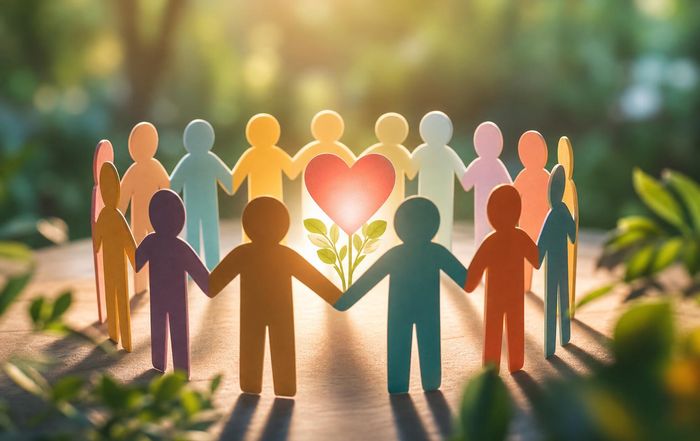
The Importance of Community for Mental Health in a Fast-Changing World
Community as a Strategic Asset for Modern Wellbeing
Have you been paying attention, as digital communication becomes ever more pervasive and work, leisure, and family life continue to blend across time zones and platforms, the role of genuine community in sustaining mental health has moved from a soft, "nice-to-have" ideal to a strategic necessity for individuals, employers, and policymakers alike. For QikSpa, whose little unique content mission is to curate and champion integrated approaches to wellbeing across spa and salon experiences, health, wellness, beauty, food and nutrition, fitness, yoga, fashion, travel, careers, business, lifestyle, and sustainable living, the importance of community is not an abstract theme but a practical foundation that shapes how people live, work, and care for themselves.
Across regions as diverse as the United States, the United Kingdom, Germany, Canada, Australia, France, Italy, Spain, the Netherlands, Switzerland, China, Sweden, Norway, Singapore, Denmark, South Korea, Japan, Thailand, Finland, South Africa, Brazil, Malaysia, New Zealand, and beyond, research has converged on one clear conclusion: social connection is one of the most powerful protectors of mental health. Organizations such as the World Health Organization now frame loneliness and social isolation as major public-health concerns, highlighting how strong social ties reduce the risk of depression, anxiety, substance misuse, and even early mortality. Readers who engage with QikSpa's perspectives on health and wellness increasingly understand that community is not a peripheral luxury around the edges of self-care; it is the infrastructure that allows self-care to work.
The Science of Connection: Why Community Protects the Mind
Decades of evidence from institutions like Harvard University and the U.S. National Institutes of Health have shown that people with strong social relationships live longer, report higher life satisfaction, and show lower rates of mental illness. Longitudinal studies such as the Harvard Study of Adult Development, one of the longest-running investigations into human wellbeing, consistently find that quality relationships are more predictive of happiness and health than income, education, or even genetic risk factors. Those interested in the scientific underpinnings of these findings can explore how social ties influence stress responses and brain health through resources provided by the National Institute of Mental Health.
From a biological perspective, belonging to a supportive community reduces chronic stress, which is a major driver of anxiety, depression, and burnout. Positive social interactions stimulate the release of oxytocin and other neurochemicals associated with trust, bonding, and emotional regulation, which in turn help buffer the impact of daily pressures and negative events. Research summarized by The American Psychological Association underscores that people who feel they can rely on others in times of need show more adaptive coping strategies, lower cortisol levels, and faster recovery from emotional setbacks, offering compelling evidence that community is a form of psychological resilience in action.
In parallel, mental-health organizations such as Mind in the United Kingdom and the Canadian Mental Health Association have documented how peer support groups and community-based interventions can significantly improve outcomes for people living with depression, anxiety, and trauma, complementing clinical treatment rather than replacing it. For readers of QikSpa who are exploring a holistic pathway that integrates clinical care with lifestyle and community practices, the emerging consensus is clear: mental health is relational, and investing in community is as important as any individual strategy for self-management.
Community Within Spa and Salon Culture: Beyond Pampering
Spa and salon environments have long been associated with relaxation, beauty, and self-expression, but in markets across Europe, Asia, North America, South America, Africa, and Oceania, these spaces are increasingly recognized as hubs of community and emotional support. When clients step into a spa or salon, they enter not only a physical environment designed for comfort, but also a social ecosystem where conversation, empathy, and human touch play critical roles in psychological wellbeing. As QikSpa highlights in its coverage of spa and salon experiences, the most successful operators are those that understand the emotional and relational dimensions of their services.
In cities from New York to London, Berlin to Toronto, Sydney to Singapore, many spa and salon professionals report that clients share personal stories, fears, and aspirations during treatments or consultations, creating a form of informal, non-clinical support that can reduce feelings of isolation. Organizations such as Mental Health Foundation in the UK note that everyday social interactions, even those that are brief and service-oriented, can meaningfully enhance mood and a sense of belonging, particularly for individuals who may lack other social outlets. When spa and salon spaces are intentionally designed to foster warmth, respect, and psychological safety, they become micro-communities where mental health is quietly, but powerfully, reinforced.
For QikSpa, this recognition informs how content on beauty and lifestyle is curated, emphasizing that beauty rituals and grooming are not merely about aesthetics, but about identity, confidence, and connection. Whether a client is receiving a facial in Paris, a traditional hammam in Istanbul, a massage in Bangkok, or a hair treatment in Johannesburg, the sense of being cared for by another human being can alleviate loneliness and enhance emotional equilibrium, particularly when practitioners are trained to recognize the signs of distress and to respond with sensitivity and appropriate referrals when needed.
Health, Wellness, and the Architecture of Belonging
The concept of wellness has evolved dramatically over the last decade, moving from a narrow focus on physical fitness and diet to a broader, integrated view that includes mental, emotional, and social wellbeing. Global frameworks from the World Health Organization and the OECD now describe health as a state of complete physical, mental, and social wellbeing, rather than the mere absence of disease, which aligns strongly with QikSpa's integrated approach across health, wellness, and fitness. Within this holistic paradigm, community becomes one of the central "pillars" of health, alongside sleep, movement, nutrition, and mental-health care.
In many countries, from the United States and Canada to Sweden, Japan, and New Zealand, governments and public-health agencies are experimenting with community-based mental-health initiatives that bring people together in local hubs, peer groups, and shared activities. Initiatives highlighted by Public Health England, Health Canada, and Australia's Department of Health show that community centers, sports clubs, and cultural organizations can serve as accessible entry points for mental-health support, particularly for those who may be reluctant to seek formal therapy. These programs often integrate activities such as group exercise, creative arts, and mindfulness training, echoing the multi-dimensional wellness content that QikSpa develops for readers across continents.
For global audiences, including those in France, Italy, Spain, the Netherlands, Switzerland, South Korea, and Brazil, the lesson is similar: mental health flourishes where people have repeated, meaningful contact with others in safe, inclusive spaces. Whether this takes the form of neighborhood walking groups, community gardens, or digital meetups for shared interests, the key is the creation of environments where individuals feel seen, valued, and able to contribute. In this sense, community is not only about receiving support, but also about being able to offer it, which research from institutions like Stanford University has shown to be a powerful factor in enhancing one's own sense of purpose and resilience.
Food, Nutrition, and the Social Rituals That Heal
Nutrition science has increasingly highlighted the connection between diet and mental health, with organizations such as Harvard T.H. Chan School of Public Health and Cleveland Clinic emphasizing how dietary patterns influence mood, cognition, and long-term brain health. However, for a community-oriented platform like QikSpa, which explores food and nutrition in the context of holistic living, the psychological impact of eating extends beyond nutrients to include the social rituals of cooking and sharing meals.
From Mediterranean communities in Italy, Spain, and Greece to traditional family structures in South Korea, Japan, and Thailand, shared meals have historically functioned as anchors of social life, reinforcing bonds across generations and providing predictable moments of connection in otherwise busy lives. Researchers at Blue Zones LLC, working with data from regions with exceptional longevity, have noted that communal eating is strongly associated with both physical and mental wellbeing, a finding that resonates with broader work on social determinants of health. For individuals in fast-paced urban centers in New York, London, Berlin, Singapore, or Hong Kong, intentionally reclaiming shared meals with friends, family, or colleagues can be a practical, accessible way to build community and support mental health.
In this context, food becomes a medium through which culture, identity, and care are expressed, offering opportunities for people to feel included and valued. Community cooking classes, neighborhood potlucks, and culturally diverse food festivals not only enrich local economies but also create psychologically nourishing spaces where differences can be celebrated and common ground discovered. For readers of QikSpa who are navigating multicultural environments or international careers, integrating social eating into their routines can help mitigate the isolation that often accompanies relocation, remote work, or demanding professional paths.
Fitness, Yoga, and Movement as Community Practice
Physical activity is well known to reduce symptoms of depression and anxiety, and organizations such as the World Health Organization and Mayo Clinic have repeatedly emphasized its importance for mental health. Yet, as QikSpa's coverage of fitness and yoga emphasizes, the mental-health benefits of movement are significantly amplified when exercise becomes a shared, community-based experience rather than a solitary obligation.
Group fitness classes, running clubs, dance studios, and yoga communities in cities from Los Angeles to London, Stockholm to Seoul, and Cape Town to São Paulo foster camaraderie, mutual encouragement, and accountability, which not only improve adherence to exercise routines but also create a sense of identity and belonging. Studies summarized by The Lancet Public Health have shown that team sports and group exercise are associated with fewer days of poor mental health compared to solitary activities, suggesting that the social dimension of movement is a core driver of its psychological benefits. For professionals with high-pressure roles in finance, technology, healthcare, or the creative industries, joining a regular group class or community sports league can provide both stress relief and a stable social network outside of work.
Yoga communities in particular have grown into global networks that bridge continents, with practitioners in the United States, Europe, Asia, and beyond connecting through studios, retreats, and online platforms. When approached with cultural respect and ethical sensitivity, yoga offers a space where breath, movement, and mindfulness intersect with shared presence, allowing practitioners to feel supported both physically and emotionally. For QikSpa, which engages readers seeking integrated mind-body practices, highlighting community-oriented yoga and fitness experiences is a way to encourage sustainable self-care that is anchored not only in personal discipline but also in collective support.
Fashion, Identity, and Belonging Across Borders
Fashion may appear at first glance to be distant from mental health, yet for many people across the United States, the United Kingdom, Germany, France, Italy, Spain, the Netherlands, China, Japan, South Korea, and beyond, clothing and personal style are deeply entwined with identity, confidence, and social inclusion. As QikSpa explores in its coverage of fashion, the communities that form around shared aesthetics, designers, and subcultures can offer powerful support systems, particularly for younger generations and marginalized groups.
Social-psychology research, including work disseminated by The British Psychological Society, suggests that feeling able to express one's authentic self through appearance is associated with higher self-esteem and lower levels of social anxiety. Fashion communities, whether centered around sustainable brands, streetwear, luxury labels, or local artisans, create spaces where individuals can connect over shared values and creativity. In cities like Milan, Paris, Tokyo, and New York, fashion events and local designer markets function as hubs where emerging designers, stylists, and enthusiasts build professional networks and friendships that can buffer the emotional volatility of competitive industries.
At the same time, global conversations around sustainable and ethical fashion, highlighted by organizations such as Fashion Revolution, have inspired communities that combine mental wellbeing with purpose-driven action. For many, participating in movements that promote transparency, fair labor, and environmental responsibility provides a sense of meaning that extends beyond personal style, reinforcing the idea that community is not only about who we connect with, but also about what we stand for together.
Global, International, and Travel Communities in a Connected Era
In an era where mobility and connectivity allow individuals to live, work, and travel across continents, building and sustaining community has become both more challenging and more essential. Digital platforms enable people in Europe, Asia, Africa, North America, South America, and Oceania to maintain relationships across distance, yet they can also foster superficial connection and comparison if not used thoughtfully. For globally minded readers of QikSpa, who engage with international perspectives and travel experiences, the question is how to cultivate deep, supportive communities in the midst of constant movement.
Travel itself can be a catalyst for mental wellbeing when it includes opportunities to meet new people, learn from different cultures, and participate in local life. Organizations such as UN Tourism and UNESCO emphasize that cultural exchange and responsible tourism can enhance mutual understanding and social cohesion, which in turn support psychological health at both individual and community levels. For digital nomads, expatriates, and internationally mobile professionals, joining local clubs, co-working spaces, volunteer initiatives, or language-exchange groups can transform a potentially isolating relocation into a rich, community-oriented experience.
Online communities, when curated with care and aligned with clear values, also play a significant role. Professional networks like LinkedIn, industry associations, and specialized forums can provide mentorship, peer support, and learning opportunities that help individuals navigate career transitions, entrepreneurship, or cross-border collaboration. For QikSpa, which addresses careers and business alongside wellness topics, the intersection of professional community and mental health is particularly salient, as isolation and burnout remain pressing issues in many high-performance sectors.
Women, Leadership, and Supportive Networks
Across many regions, women continue to face unique pressures related to caregiving responsibilities, workplace inequality, safety concerns, and cultural expectations around appearance and behavior. These pressures can significantly impact mental health, making community support especially critical. As QikSpa's dedicated focus on women underscores, women-centered communities-both formal and informal-are vital in providing spaces for sharing experiences, accessing mentorship, and advocating for systemic change.
Organizations such as UN Women, LeanIn.Org, and national women's health institutes across the United States, Canada, the United Kingdom, Australia, and beyond have highlighted how peer networks, support groups, and professional associations can improve mental-health outcomes by reducing stigma, offering practical resources, and promoting collective action. Whether through local women's circles, industry-specific networks in finance, technology, healthcare, and the creative arts, or grassroots advocacy groups in regions from Scandinavia to South Africa and Brazil, these communities provide emotional validation and strategic guidance that can be difficult to find elsewhere.
For women navigating leadership roles or entrepreneurial paths, community becomes a strategic asset, offering not only psychological support but also access to opportunities, partnerships, and role models. By spotlighting stories of women who build and lead communities in the spa, wellness, beauty, fashion, and travel sectors, QikSpa contributes to a broader narrative that links mental health, empowerment, and collective resilience across borders.
Sustainable Communities and the Mental Health of the Future
As climate change, environmental degradation, and social inequality continue to shape global realities, sustainable living has emerged as both a moral imperative and a source of psychological tension. Eco-anxiety and climate grief, documented by organizations such as The American Psychological Association and The Lancet, are increasingly recognized as significant mental-health issues, particularly among younger generations in Europe, North America, Asia, and beyond. Yet, communities that organize around sustainability and regenerative practices can transform fear and helplessness into agency and hope.
Local initiatives in cities from Amsterdam to Copenhagen, Vancouver to Wellington, Cape Town to São Paulo, and Singapore to Seoul demonstrate how community gardens, repair cafés, zero-waste collectives, and cooperative housing projects not only reduce environmental impact but also foster social bonds, shared purpose, and mutual support. For QikSpa, whose sustainable content emphasizes the intersection of eco-conscious choices and wellbeing, these examples illustrate how sustainability and mental health are deeply interconnected.
When individuals participate in community actions that align with their values-whether through environmental volunteering, ethical consumer movements, or local policy engagement-they often report reduced anxiety, increased optimism, and a stronger sense of belonging. This aligns with broader research on meaning-centered wellbeing, which suggests that people cope better with uncertainty and stress when they feel part of something larger than themselves. In this sense, sustainable communities are not only a response to ecological challenges but also a blueprint for more mentally resilient societies.
Integrating Community Into Everyday Life
Across spa and salon experiences, health and wellness practices, beauty and fashion expressions, food and nutrition choices, fitness and yoga routines, international and travel adventures, career and business strategies, lifestyle aspirations, sustainable initiatives, and women's leadership journeys, one theme consistently emerges: mental health thrives in community. For peace and balance seeking community engaging with QikSpa from the United Kingdom, Germany, Canada, Australia, France, Spain, the Netherlands, Switzerland, Norway, Sweden, Singapore, Denmark, Japan, Thailand, Finland, China, South Africa, Brazil, Malaysia, New Zealand, and beyond, the challenge and opportunity lie in translating this understanding into daily habits and long-term decisions.
This may involve choosing spa and salon environments that cultivate authentic connection, prioritizing group-based wellness activities, reclaiming shared meals, joining interest-based or professional communities, and participating in local or global initiatives that align with personal values. It may also mean setting boundaries around digital engagement to favor deeper, more intentional relationships over constant but shallow connectivity. By curating insights, stories, and practical guidance across its sections on spa and salon, health, wellness, food and nutrition, fitness, international, business, careers, sustainable living, yoga, fashion, women, travel, and lifestyle, QikSpa positions itself as a trusted partner in this journey.
Ultimately, the importance of community for mental health is not a passing trend but a structural truth about human wellbeing. As societies navigate technological acceleration, demographic shifts, and global uncertainties, the communities people build-locally and globally, in person and online-will shape not only their emotional lives but also their capacity to innovate, collaborate, and sustain meaningful progress. In this evolving landscape, QikSpa continues to champion the independent news insight that true wellness is not achieved in isolation; it is created, nurtured, and protected together.
