
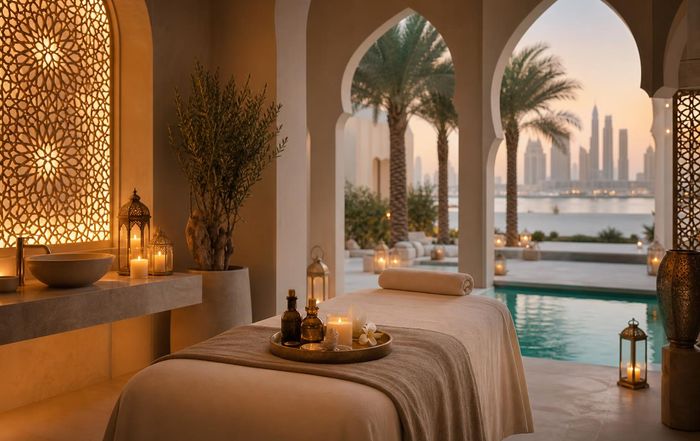
The Rise of Spa Culture in the Middle East: How a Region is Redefining Global Wellness
A New Era of Wellness in the Middle East
Spa culture in the Middle East has moved far beyond the image of occasional indulgence in opulent hotel spas and has matured into a sophisticated, multifaceted wellness ecosystem that blends deep-rooted traditions with cutting-edge global innovation. What was once a niche amenity attached to luxury resorts has evolved into a strategic pillar for tourism, hospitality, real estate, healthcare, and lifestyle businesses across the region. From the futuristic skylines of Dubai and Doha to the cultural hubs of Riyadh, Abu Dhabi, Muscat, and Manama, spa and wellness experiences are now central to how residents and visitors understand quality of life, personal performance, and long-term health.
For QikSpa, a premium daily updated website platform dedicated to curating and interpreting global spa, wellness, beauty, and lifestyle trends for a discerning international audience, this transformation in the Middle East offers a powerful case study in how culture, economics, demographics, and technology can converge to reshape an entire industry. As the region positions itself as a global wellness destination, the rise of spa culture is not only changing how people relax and rejuvenate; it is redefining how they work, travel, eat, move, and age, creating new expectations and opportunities that resonate far beyond regional borders.
Historical Roots: From Hammams to High-Tech Wellness
The contemporary spa boom in the Middle East sits on centuries of tradition. Long before the arrival of modern spa brands, the region's cultures had already developed sophisticated approaches to cleansing, relaxation, and social well-being. The historic hammam, or traditional bathhouse, which can still be experienced in cities such as Istanbul, Marrakech, and parts of the Levant, was not merely a place to bathe but a social and cultural institution, where rituals of purification, massage, and grooming were interwoven with community life and spiritual practice. Institutions like UNESCO have highlighted the cultural significance of such practices, and those roots continue to shape today's spa narratives as operators seek authenticity rather than superficial luxury.
In the Gulf states, traditional healing methods, including the use of regional botanicals, desert herbs, and ancient massage techniques, are being rediscovered and integrated into modern spa menus. While global brands introduce advanced technologies such as cryotherapy, infrared saunas, and biohacking treatments, many leading properties deliberately connect these innovations with local stories and ingredients to enhance both credibility and guest connection. This fusion of heritage and high-tech reflects a broader shift toward integrated wellness, a trend thoroughly documented by organizations such as the Global Wellness Institute, which tracks the rapid growth of wellness tourism and spa revenues across the Middle East and North Africa.
Economic Drivers: Tourism, Diversification, and Investment
The rise of spa culture in the Middle East cannot be separated from the region's ambitious economic diversification agendas, particularly in countries like the United Arab Emirates, Saudi Arabia, and Qatar. Governments are investing heavily in tourism, hospitality, and lifestyle infrastructure as they seek to reduce dependence on hydrocarbons and build knowledge-based, service-oriented economies. Wellness has emerged as a powerful differentiator within this strategy, enabling destinations to move beyond traditional sun-and-shopping propositions toward more holistic and sustainable value offerings.
In the UAE, spa and wellness facilities are now standard features in luxury and upper-midscale hotels, mixed-use developments, and branded residences, with major operators aligning their service philosophies with international quality benchmarks set by organizations such as the International Spa Association (ISPA). In Saudi Arabia, the Vision 2030 framework has catalyzed significant investment in giga-projects like NEOM and the Red Sea developments, where wellness resorts, medical spas, and nature-based retreats are positioned as core pillars of the visitor experience. Investors and developers increasingly rely on industry reports from groups such as Deloitte and McKinsey & Company to understand evolving consumer expectations, while collaborating with spa consultants and global wellness brands to ensure that new properties meet world-class standards.
For spa professionals, entrepreneurs, and executives following insights on the business-focused content at qikspa.com/business.html, the Middle East provides a compelling example of how spa and wellness concepts can be positioned not just as amenities but as revenue engines, brand signatures, and long-term loyalty drivers in both hospitality and mixed-use real estate.
Urban Luxury and Resort Escapes: New Benchmarks for Spa and Salon Experiences
Urban centers across the Middle East are now home to some of the world's most sophisticated spa and salon environments, where design, service, and technology converge to create immersive experiences. In Dubai and Abu Dhabi, for instance, landmark properties managed by Four Seasons, Mandarin Oriental, Jumeirah Group, and Marriott International compete to offer ever more distinctive spa journeys, from sky-high hydrotherapy suites overlooking cityscapes to integrated wellness floors that combine medical diagnostics, physiotherapy, beauty treatments, and mindfulness programs.
These facilities are not limited to transient tourists. Affluent local residents and long-term expatriates increasingly view regular spa and salon visits as essential components of their personal lifestyle strategy, particularly in high-pressure, performance-driven cities. For readers exploring the evolving world of spa and salon trends, QikSpa's dedicated spa and salon section contextualizes how design, service customization, and technology adoption in the Middle East are influencing expectations in markets such as the United States, United Kingdom, Germany, Canada, and Australia.
Meanwhile, resort destinations along the Red Sea, Arabian Gulf, and Indian Ocean coasts offer more expansive wellness programs, where spa treatments are integrated with yoga, fitness, nutrition, and nature-based activities. Many of these resorts draw on guidelines and research from organizations like the World Travel & Tourism Council, which has emphasized wellness and sustainability as key growth drivers for global tourism. The result is a spectrum of experiences that range from ultra-luxury hammam suites with private thermal circuits to minimalist eco-retreats focused on silence, digital detox, and restorative sleep.
Health, Wellness, and Preventive Care: Beyond Pampering
A defining feature of the region's spa evolution is the shift from pampering to prevention. Spa culture in the Middle East is increasingly aligned with broader health and wellness priorities, mirroring global trends identified by institutions such as the World Health Organization, which has consistently highlighted the rising burden of non-communicable diseases related to lifestyle factors. In response, many spa operators are moving beyond aesthetic and relaxation services to incorporate evidence-informed wellness programs that address stress, sleep, metabolic health, and musculoskeletal issues.
Medical wellness centers and integrative clinics, often located within or adjacent to luxury hotels and mixed-use developments, now combine traditional spa therapies with services such as physiotherapy, sports medicine, nutrition counseling, and mental health support. These facilities often collaborate with international medical institutions and follow guidelines from organizations such as the Mayo Clinic or Cleveland Clinic to ensure clinical rigor. For individuals seeking to better understand the intersection of spa, health, and lifestyle, QikSpa provides in-depth coverage at qikspa.com/health.html and qikspa.com/wellness.html, where readers can explore how preventive care is being translated into practical, accessible programs across the Middle East and beyond.
This integration of health and spa culture is particularly relevant in Gulf countries, where lifestyle-related conditions such as obesity, diabetes, and cardiovascular disease have prompted public health campaigns focused on physical activity, nutrition, and stress reduction. Spa operators who align their services with these priorities, offering education and sustainable behavior-change support rather than only short-term indulgence, are increasingly seen as partners in national well-being rather than purely commercial enterprises.
Beauty, Grooming, and Aesthetic Innovation
Beauty and grooming have always been central to social life in the Middle East, but in 2026 the region's spa culture reflects a far more sophisticated and inclusive understanding of beauty. High-end salons and spa facilities in cities such as Dubai, Riyadh, Doha, and Kuwait City are at the forefront of aesthetic innovation, offering advanced skincare, non-invasive cosmetic procedures, and personalized grooming experiences for both women and men. These services are informed by rapid advances in cosmetic science and dermatology, often drawing on research published in respected outlets such as The British Journal of Dermatology and guidelines from the American Academy of Dermatology.
The growth of aesthetic medicine clinics within or alongside spa environments has blurred the lines between traditional beauty treatments and clinical procedures. Guests can move seamlessly from a classic hammam ritual to a dermatologist-led skin analysis or a minimally invasive rejuvenation treatment, reflecting a holistic approach to appearance and confidence. For readers tracking the evolution of beauty standards and technologies, QikSpa's beauty hub at qikspa.com/beauty.html explores how Middle Eastern consumers are influencing global trends in skincare, fragrance, makeup, and grooming rituals.
At the same time, there is a growing interest in clean beauty and ethical sourcing, with many spas and salons in the region prioritizing brands that avoid controversial ingredients and support sustainable supply chains. This mirrors global movements documented by organizations such as the Environmental Working Group, and it aligns closely with the broader sustainability agenda that is reshaping consumer expectations worldwide.
Food, Nutrition, and the Wellness Lifestyle
The contemporary spa experience in the Middle East increasingly extends to the dining table, as wellness-oriented consumers seek coherence between the treatments they receive and the food they consume. Leading hotels, resorts, and urban wellness centers now integrate nutrition philosophy into their spa offerings, providing menus that emphasize whole foods, plant-forward options, and functional ingredients that support gut health, immunity, and cognitive performance. Many chefs and nutritionists in the region draw on evidence-based guidelines from institutions like the Harvard T.H. Chan School of Public Health to design menus that are both culturally resonant and nutritionally robust.
This integration of spa and nutrition has led to the rise of wellness cafés, juice bars, and healthy grab-and-go concepts embedded within spa and fitness facilities, creating a seamless ecosystem in which guests can move from a yoga class to a massage and then to a nutrient-dense meal without compromising their health goals. For professionals and consumers seeking to deepen their understanding of food as a pillar of wellness, QikSpa offers curated insights at qikspa.com/food-and-nutrition.html, emphasizing how Middle Eastern hospitality brands are reimagining traditional cuisines in healthier, more balanced forms.
This shift is particularly significant in a region where rich, celebratory foods play a central role in social gatherings, and where public health authorities are increasingly concerned with reducing sugar and processed food consumption. Spa culture, by normalizing and elevating healthy dining as a desirable lifestyle choice, contributes to a broader redefinition of what aspirational living looks like in the Middle East.
Fitness, Yoga, and Integrated Movement Culture
Alongside spa treatments and nutrition, movement has become a core dimension of the Middle Eastern wellness landscape. High-end fitness clubs, boutique studios, and performance centers now occupy prime real estate in mixed-use developments and luxury hotels, often in close partnership with spa facilities. Residents and visitors can access comprehensive programs that combine strength training, cardiovascular conditioning, mobility work, and recovery modalities such as sports massage and cryotherapy, guided by trainers who follow best practices from organizations like the American College of Sports Medicine.
Yoga, once considered a niche practice in many parts of the region, has become widely accepted and integrated into wellness programs, with studios and retreats offering styles ranging from gentle restorative sessions to dynamic vinyasa and hot yoga. Internationally recognized teachers frequently visit the region for workshops and festivals, and many local instructors are now building strong followings across social media platforms. Readers who wish to explore how movement and mindfulness intersect with spa culture can find dedicated coverage at qikspa.com/fitness.html and qikspa.com/yoga.html, where QikSpa highlights innovative programming and cross-cultural influences.
In this context, spa culture becomes not merely about passive relaxation but about active recovery and performance optimization, supporting the needs of busy professionals, athletes, and wellness-focused travelers. This aligns with global research summarized by institutions such as Stanford Medicine, which emphasizes the profound impact of physical activity and stress management on long-term health outcomes.
Fashion, Identity, and the Aesthetics of Wellness
The rise of spa culture in the Middle East has also influenced fashion and self-expression, as consumers seek clothing and accessories that align with their wellness-focused lifestyles. Modest activewear, luxury loungewear, and spa-inspired resort collections have become increasingly visible in markets such as the UAE, Saudi Arabia, and Qatar, where local designers and international brands collaborate to create pieces that respect cultural norms while embracing global trends in athleisure and functional fashion. Industry bodies such as the British Fashion Council have highlighted the growing importance of sustainability and wellness narratives in fashion, themes that resonate strongly with Middle Eastern consumers.
In spa environments, uniforms, textiles, and design aesthetics are carefully curated to convey calm, cleanliness, and understated luxury, contributing to a holistic sensory experience. For readers interested in how fashion intersects with wellness and identity, QikSpa's fashion section at qikspa.com/fashion.html explores the evolving relationship between what people wear, how they feel, and how they present themselves in spa, fitness, and everyday contexts.
International Influence, Travel, and Cross-Cultural Exchange
The Middle East's strategic location between Europe, Asia, and Africa, combined with its world-class aviation hubs and hospitality infrastructure, positions it as a natural crossroads for global wellness travel. International visitors from the United States, United Kingdom, Germany, France, Italy, Spain, the Netherlands, Switzerland, China, and beyond increasingly view cities like Dubai and Doha not only as transit points but as wellness destinations in their own right, where they can break journeys with restorative spa experiences, fitness sessions, and healthy dining.
At the same time, Middle Eastern residents are among the world's most active outbound wellness travelers, seeking retreats, medical wellness programs, and spa holidays in destinations such as Thailand, Bali, Switzerland, and the Mediterranean. This two-way flow of travelers supports a rich cross-cultural exchange of ideas, techniques, and business models. Organizations like the World Tourism Organization (UNWTO) have documented the growing importance of wellness tourism as a driver of high-value, low-impact travel, a trend that aligns closely with the aspirations of regional tourism boards.
For readers following global wellness trends and their regional implications, QikSpa's international and travel coverage at qikspa.com/international.html and qikspa.com/travel.html offers perspective on how Middle Eastern spa culture both influences and is influenced by developments in Europe, Asia, North America, and other key markets.
Careers, Talent, and Professionalization of the Spa Sector
The expansion of spa culture in the Middle East has created a robust market for skilled professionals, from therapists and aestheticians to nutritionists, fitness trainers, spa directors, and wellness consultants. Leading hospitality groups and standalone wellness brands invest heavily in training and development, often partnering with international education providers and accreditation bodies such as CIDESCO International to ensure high standards of practice. This professionalization is critical to building trust and credibility, particularly as consumers become more discerning and better informed about wellness and health claims.
Career opportunities in the region's spa and wellness sector are attracting talent from across the globe, including Europe, Asia, Africa, and the Americas, contributing to highly diverse, multilingual teams that can serve an equally diverse clientele. For students, career changers, and experienced professionals exploring opportunities in this dynamic field, QikSpa's careers section at qikspa.com/careers.html provides guidance on skill development, market trends, and employer expectations in the Middle East and beyond.
Sustainability, Responsibility, and the Future of Spa Culture
As spa culture in the Middle East matures, questions of sustainability and social responsibility are moving to the forefront. Water usage, energy consumption, waste management, and product sourcing are all under scrutiny in a region where environmental challenges, including water scarcity and climate change, are particularly acute. Forward-thinking operators are implementing green building standards, investing in energy-efficient technologies, and adopting circular economy principles in line with frameworks promoted by organizations such as the World Green Building Council.
Many spas are also reevaluating their product lines, favoring brands that prioritize ethical sourcing, minimal packaging, and biodegradable ingredients, and they are educating guests about the environmental impact of their choices. Learn more about sustainable business practices through resources from institutions such as the Ellen MacArthur Foundation, which has become a leading voice in circular economy thinking. For readers who wish to understand how sustainability intersects with spa, travel, and lifestyle choices, QikSpa offers dedicated coverage at qikspa.com/sustainable.html, highlighting regional and global examples of responsible innovation.
Sustainability in spa culture is not limited to environmental concerns; it also encompasses social inclusion, community engagement, and the empowerment of women in the workforce and leadership roles. As regional economies encourage higher female participation in sectors such as hospitality and wellness, spa operations are becoming important employers and career incubators for women in countries like Saudi Arabia, the UAE, and Qatar. Readers interested in the evolving role of women in wellness and business can explore QikSpa's women-focused content at qikspa.com/women.html, where stories from the Middle East highlight both progress and ongoing challenges.
QikSpa's Perspective: Curating a Global Wellness Conversation
From its vantage point as a global platform dedicated to spa, wellness, beauty, and lifestyle, QikSpa recognizes the Middle East as one of the most dynamic and influential regions shaping the future of spa culture. The interplay of tradition and innovation, luxury and sustainability, local identity and international exchange offers rich insights for executives, practitioners, and consumers worldwide who are seeking to understand where the wellness industry is heading.
By bringing together analysis across spa and salon experiences, health and wellness strategies, beauty and fashion trends, food and nutrition innovation, fitness and yoga movements, international travel patterns, career pathways, and sustainable business practices, QikSpa aims to provide its audience with a holistic view of the forces driving change. Readers can explore this integrated perspective across the platform, starting from the homepage at qikspa.com, and navigating to specialized sections such as qikspa.com/lifestyle.html, which connects spa culture to broader lifestyle choices in the Middle East and around the world.
As the region continues to invest in wellness infrastructure, talent, and innovation, and as global consumers increasingly prioritize experiences that support long-term health, resilience, and meaning, the rise of spa culture in the Middle East is likely to accelerate rather than plateau. For business leaders, investors, and professionals, understanding this evolution is no longer optional; it is essential to staying competitive in a marketplace where wellness has become a defining expectation rather than a discretionary luxury.
In 2026 and beyond, the Middle East is not simply adopting global spa trends; it is actively shaping them, offering a powerful example of how a region can leverage its cultural heritage, economic ambitions, and strategic vision to build a wellness ecosystem that resonates across continents. Through ongoing coverage, analysis, and storytelling, QikSpa will continue to chart this journey each and every single day, helping its audience translate regional insights into global opportunities and more fulfilling, sustainable lifestyles.
