
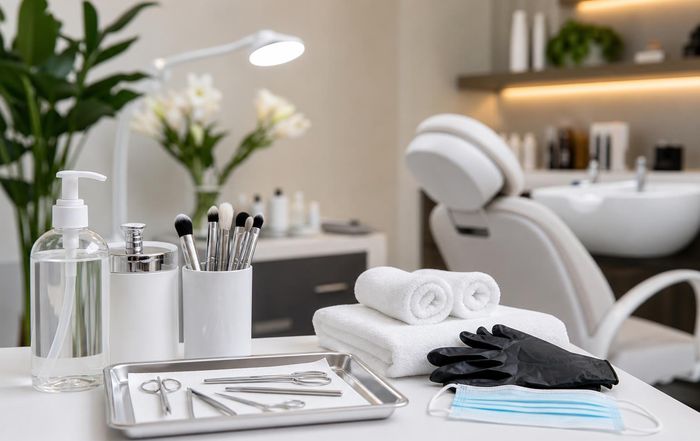
The Importance of Sanitation in Beauty Services!
Sanitation has moved from being a backstage operational concern in the beauty industry to a central pillar of brand reputation, regulatory compliance and client loyalty, and as the global wellness economy surpasses pre-pandemic levels in 2026, clients across major markets from the United States and the United Kingdom to Singapore and South Korea are making hygiene standards a decisive factor in their choice of spa, salon and wellness destination. For QikSpa, which serves a discerning, internationally minded audience focused on spa and salon excellence, health, wellness, beauty and sustainable lifestyle choices, the importance of sanitation in beauty services is not merely a matter of technical compliance; it is a core expression of Experience, Expertise, Authoritativeness and Trustworthiness that underpins every recommendation, review and insight published across its platforms.
Sanitation as the Foundation of Modern Beauty Experiences
The modern spa and salon experience is defined as much by what clients do not see-pathogens, cross-contamination risks, improper sterilization-as by the visible elements of design, ambiance and service. In the years following the COVID-19 pandemic, organizations such as the World Health Organization have continued to emphasize the critical role of environmental hygiene and infection prevention in personal care environments, and beauty professionals have had to absorb and operationalize this guidance in ways that are both rigorous and client-friendly. Learn more about global infection prevention standards at the World Health Organization.
For clients exploring spa and salon options through pages like the spa and salon insights, sanitation has become a proxy for the overall professionalism and credibility of a provider. When a client observes a technician properly disinfecting tools, wearing appropriate personal protective equipment and following clear protocols for linen, surfaces and equipment, that client is not only reassured about immediate safety but is also more likely to trust advanced treatments ranging from chemical peels to laser services. This trust is especially important in leading markets like the United States, Canada and Germany, where regulatory frameworks are becoming more stringent and clients are increasingly informed about hygiene standards through consumer advocacy groups and professional associations such as the American Academy of Dermatology, which continues to publish guidance on safe skin care practices in clinical and non-clinical settings. Further information on dermatological safety can be found at the American Academy of Dermatology.
Regulatory Expectations and Global Best Practices
By 2026, beauty professionals operate in a complex regulatory landscape that spans local health codes, national occupational safety laws and international recommendations on infection control, and these frameworks collectively shape how spas and salons in regions from Europe to Asia design their sanitation protocols. In the United States, state cosmetology and barbering boards, supported by organizations such as the Centers for Disease Control and Prevention, provide detailed requirements for disinfection, sterilization and record-keeping in licensed establishments, and similar structures exist in the United Kingdom under the guidance of bodies like the National Health Service, which has issued best practice documents for safe aesthetic procedures and community care settings. Guidance on environmental cleaning and disinfection can be reviewed at the CDC, and those interested in UK-specific protocols can explore the NHS.
Across the European Union, directives related to occupational health and safety, chemical usage and consumer protection influence how beauty providers handle disinfectants, sharps and waste, while in Asia-Pacific markets such as Singapore, Japan and South Korea, ministries of health and professional councils have introduced targeted regulations for aesthetic and wellness centers. For internationally oriented readers following international coverage, these regulatory differences underscore the value of choosing providers that not only meet legal minimums but align with global best practices, such as those published by the International Spa Association, which continues to advocate for standardized hygiene benchmarks in luxury and destination spas worldwide. More on evolving spa standards can be found at the International Spa Association.
Health Risks and the Hidden Cost of Poor Sanitation
The health risks associated with inadequate sanitation in beauty services are well documented in medical literature and public health reports, and they range from relatively mild irritations to severe, long-term complications. Bacterial infections such as staphylococcal skin infections, fungal conditions like onychomycosis and viral issues including warts and herpes simplex can be transmitted through improperly disinfected tools, contaminated surfaces or shared products, while blood-borne pathogens, though less common, represent a serious concern in services that may involve micro-injuries to the skin, such as microblading, microneedling and certain nail procedures.
Organizations such as the Mayo Clinic and the Cleveland Clinic have highlighted the connection between compromised skin barriers, opportunistic infections and delayed wound healing, emphasizing that even seemingly minor lapses in hygiene can have outsized consequences for individuals with diabetes, autoimmune conditions or other chronic health issues. Readers can explore clinical perspectives on infection risk at the Mayo Clinic and the Cleveland Clinic. When clients choose beauty services based on aesthetics alone, without verifying sanitation practices, they may be inadvertently exposing themselves to risks that extend far beyond temporary redness or irritation, and this is where trusted platforms such as health resources play an essential role in educating consumers about red flags, informed consent and the questions that should be asked before any treatment begins.
Sanitation as a Pillar of Holistic Health and Wellness
Holistic wellness, which integrates physical, mental and emotional health, cannot be authentically pursued in environments that neglect basic sanitation, and this reality has become even more pronounced as wellness tourism and integrative health practices expand across regions like Europe, Asia and North America. The wellness community has increasingly embraced evidence-based approaches, with institutions such as Harvard T.H. Chan School of Public Health and Johns Hopkins Medicine promoting a science-driven understanding of lifestyle, stress management and preventive care. Readers interested in the broader health context can review resources from Harvard T.H. Chan School of Public Health and Johns Hopkins Medicine.
For QikSpa, which curates content across wellness, lifestyle, fitness and yoga, sanitation is framed not as a narrow technical requirement but as a core expression of respect for the body and mind. A spa that maintains pristine treatment rooms, properly laundered linens and meticulously sanitized hydrotherapy equipment is not only preventing infection; it is also creating a psychologically safe space where clients can fully relax, engage in mindfulness and experience the restorative potential of massage, facials or body therapies. This alignment between hygiene and mental wellbeing is particularly important for clients managing stress, burnout or post-illness recovery, who may already be under the care of healthcare providers and are seeking complementary support through high-quality beauty and wellness services.
The Role of Nutrition, Immunity and Skin Integrity
Sanitation in beauty services interacts closely with broader health determinants such as nutrition, immune function and skin integrity, and in 2026, there is a growing recognition that well-nourished, resilient skin is better able to withstand environmental stressors and recover from minor insults that may occur during treatments. Scientific organizations like the Academy of Nutrition and Dietetics and research bodies such as the National Institutes of Health have published extensive work on the role of micronutrients, hydration and dietary patterns in maintaining skin health, collagen synthesis and barrier function, reinforcing the idea that external treatments and internal habits are deeply interconnected. Readers can explore evidence-based nutrition guidance at the Academy of Nutrition and Dietetics and the National Institutes of Health.
Within our ecosystem, this holistic view is reflected in dedicated content on food and nutrition, where discussions of anti-inflammatory eating, gut health and hydration complement advice on selecting hygienic salons and spas. When clients combine robust personal hygiene, balanced nutrition and informed provider selection, they significantly reduce the likelihood that a routine beauty service will lead to adverse reactions, and they also maximize the benefits of advanced treatments such as chemical exfoliation, laser rejuvenation or injectable procedures that rely on healthy tissue for optimal outcomes. This integrated approach is particularly relevant for women, who make up a substantial portion of spa and salon clientele worldwide and who often balance complex roles in work, family and community life; QikSpa addresses these intersections through its women-focused content, emphasizing empowerment through knowledge and safe self-care choices.
Sanitation, Beauty Innovation and Advanced Treatments
The rapid evolution of beauty technology-from high-frequency devices and LED therapy to minimally invasive aesthetic procedures-has elevated the importance of stringent sanitation and sterilization protocols, because devices that come into close contact with the skin or mucous membranes can become vectors for infection if not properly maintained. Organizations such as the U.S. Food and Drug Administration and the European Medicines Agency provide regulatory oversight for many of these technologies and products, issuing guidance on safe usage, contraindications and adverse event reporting, yet the day-to-day responsibility for hygienic operation rests with the spa or salon and its staff. Readers interested in device regulation and safety can learn more from the U.S. Food and Drug Administration and the European Medicines Agency.
For high-end urban markets in cities like New York, London, Singapore and Sydney, where clients frequently seek cutting-edge treatments marketed as medical-grade or clinical, the line between traditional beauty services and healthcare has blurred, and this makes it essential for clients to verify not only the technology used but also the infection control standards applied. QikSpa leverages its position as a trusted curator to spotlight providers that demonstrate excellence in both innovation and hygiene, guiding readers through the nuances of pre-treatment skin preparation, post-treatment care and red flags such as reusing single-use items or failing to explain sterilization procedures. This level of transparency reinforces the platform's commitment to Experience and Expertise, ensuring that advanced beauty remains grounded in safety and evidence-based practice.
Sustainable Sanitation: Balancing Safety and Environmental Responsibility
As sustainability becomes a defining priority for consumers from Scandinavia to Australia and from Canada to South Africa, the beauty industry faces the dual challenge of maintaining uncompromising sanitation standards while minimizing environmental impact. Traditional disinfectants, single-use plastics and energy-intensive laundry cycles can contribute to waste and carbon emissions, prompting forward-thinking spas and salons to explore greener alternatives that still meet or exceed public health guidelines. Organizations such as the United Nations Environment Programme and Green Seal have highlighted pathways for reducing chemical footprints, improving water efficiency and adopting certified eco-friendly cleaning products without compromising on efficacy. Those interested in the environmental dimension of hygiene can learn more from the United Nations Environment Programme and Green Seal.
Within the updated sustainable living coverage, sanitation is examined through this dual lens of safety and responsibility, showcasing examples of salons that use biodegradable disinfectant wipes where appropriate, invest in high-efficiency washers and dryers for linens, or implement sterilization systems that reduce chemical usage while maintaining medical-grade standards. Clients who prioritize sustainability alongside personal health can use these insights to identify providers that align with their values, particularly in markets such as the Netherlands, Denmark and New Zealand, where eco-conscious consumer behavior is especially pronounced. By highlighting best practices in sustainable sanitation, QikSpa reinforces the idea that environmental stewardship and rigorous hygiene are mutually reinforcing rather than contradictory goals.
Training, Culture and Leadership in Hygienic Operations
The most sophisticated sanitation protocols remain ineffective without a strong culture of compliance, continuous training and leadership commitment, and this cultural dimension has emerged as a critical differentiator among beauty businesses in 2026. Professional bodies like the International Association for Professional Beauty Therapists and educational institutions worldwide have expanded their curricula to include advanced modules on infection prevention, risk assessment and client communication, recognizing that technical skills must be accompanied by a deep understanding of hygiene science and ethical responsibility. Further insight into professional education trends can be found through the International Association for Professional Beauty Therapists.
For spa and salon owners and managers, many of whom follow our business insights and careers guidance, investment in sanitation training is both a risk-management strategy and a brand-building opportunity. Establishments that conduct regular internal audits, document sterilization cycles, maintain up-to-date safety data sheets and empower staff to halt services when hygiene is in doubt are more likely to avoid costly incidents and cultivate long-term client loyalty. Leadership that visibly prioritizes hygiene-by allocating budget to high-quality equipment, allowing sufficient time between appointments for thorough cleaning and recognizing staff who exemplify best practices-sends a clear message that safety is non-negotiable. This message resonates strongly across culturally diverse markets in Asia, Europe, Africa and the Americas, where clients may have varying expectations but share a universal desire for safe, respectful and professional care.
Client Education and the Power of Informed Choice
Sanitation in beauty services is ultimately a shared responsibility between providers and clients, and informed clients are better positioned to choose reputable establishments, ask appropriate questions and adhere to aftercare instructions that reduce the risk of complications. Public health agencies such as Health Canada and Australia's Department of Health and Aged Care have produced consumer-friendly resources outlining what to look for in hygienic beauty settings, from visible licenses and clean workstations to proper use of gloves and single-use instruments, and these resources complement the more specialized guidance available through dermatology and infection control organizations. Readers in these regions can access further information from Health Canada and the Australian Department of Health and Aged Care.
QikSpa contributes to this educational ecosystem by presenting clear, accessible content across its beauty and travel pages, helping clients understand how to evaluate hygiene standards not only in their home cities but also when visiting spas and salons abroad, where regulatory frameworks and cultural norms may differ. For international travelers exploring wellness retreats in Thailand, beachside salons in Spain or urban spas in Tokyo, this knowledge is invaluable, enabling them to enjoy local beauty traditions while reducing health risks. By emphasizing practical, actionable guidance-from recognizing properly sealed sterilization pouches to understanding why double-dipping in wax pots is unacceptable-QikSpa reinforces its role as a trusted advisor in every stage of the client journey.
Fashion, Image and the Ethics of Safe Beauty
In fashion capitals such as Paris, Milan, New York and Seoul, where image and aesthetics are central to personal and professional identity, the pressure to maintain a polished appearance can lead individuals to seek frequent beauty services, and this frequency amplifies the importance of consistent sanitation. The global fashion and beauty media, including organizations like the Council of Fashion Designers of America and British Fashion Council, have increasingly acknowledged the responsibility of the industry to promote safe, ethical beauty practices, especially as backstage environments at runway shows and photo shoots involve rapid-fire hair and makeup applications on multiple models in confined spaces. Those interested in the intersection of fashion and ethics can explore the Council of Fashion Designers of America and the British Fashion Council.
For the happy audience that follows fashion and style content, the message is clear: true elegance and professional presence are inseparable from health and safety. Clients, models and professionals who insist on hygienic practices-such as clean brushes, sanitized tools and fresh applicators-are not being demanding; they are setting a standard that protects themselves and others. This ethical stance extends to social media influencers, content creators and wellness entrepreneurs, many of whom rely on platforms like QikSpa to stay abreast of best practices and to ensure that the beauty routines they share with followers are grounded in responsible, science-informed hygiene rather than superficial trends.
The Main Value of Sanitation for Beauty Businesses?
From a business perspective, sanitation is a strategic asset that influences brand positioning, customer retention, operational resilience and even insurance costs, and in 2026, investors and corporate stakeholders increasingly scrutinize how beauty companies manage health and safety risks as part of broader environmental, social and governance considerations. Consulting firms and industry analysts have noted that spas and salons with robust hygiene protocols recovered more quickly from pandemic-related disruptions, maintained stronger client relationships and were better positioned to adapt to new services and technologies that require advanced infection control measures.
For beauty entrepreneurs and corporate leaders who engage with us for daily market intelligence and strategic insight, the implication is that sanitation should be integrated into core business planning, staff incentives and client communication strategies rather than treated as an operational afterthought. Transparent hygiene policies, visible sanitation practices and proactive education campaigns can differentiate a brand in crowded markets from the United States and Canada to Brazil and South Africa, where competition is intense and clients have abundant choice. By aligning sanitation excellence with brand values-whether those values emphasize luxury, sustainability, innovation or inclusivity-beauty businesses can create compelling narratives that resonate with modern consumers and stand up to scrutiny from regulators, partners and the media.
Sanitation as a Non-Negotiable Standard
As the global beauty and wellness landscape continues to evolve, with new technologies, cross-border travel patterns and shifting consumer expectations, sanitation will remain a non-negotiable standard that defines trustworthy providers and credible information sources. Part of our mission is to guide clients and professionals across spa and salon services, health, wellness, beauty, nutrition, fitness, yoga, fashion, travel, careers, business and sustainable living, the importance of sanitation in beauty services is woven into every recommendation and editorial decision, ensuring that readers from New York to Tokyo and from London to Cape Town can pursue their aesthetic and wellness goals with confidence.
By championing rigorous hygiene, spotlighting responsible businesses and empowering clients to make informed choices, QikSpa reinforces a simple but powerful principle: beauty is at its best when it is safe, ethical and aligned with the highest standards of health and wellbeing. Those who wish to explore this integrated perspective further can begin with the broader experience here where sanitation is not a footnote but a foundational element of a modern, global, wellness-driven lifestyle.
