
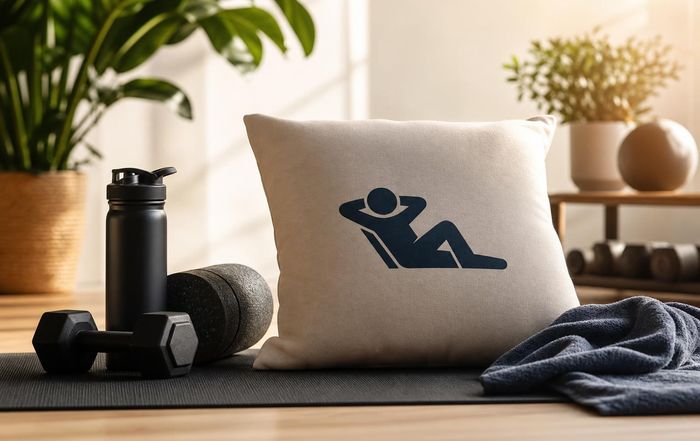
The Active Power of Rest Days in Modern Fitness
As high-intensity workouts, wearable technology, and performance tracking dominate the global fitness culture from the United States and United Kingdom to Singapore, Australia, and beyond, the concept of the rest day has quietly evolved from an afterthought into a core strategic asset for sustainable health, beauty, and performance. For the calm yet active audience of QikSpa which sits at the intersection of spa and salon experiences, wellness, beauty, nutrition, travel, careers, and sustainable lifestyles, understanding the importance of rest days is no longer optional; it is fundamental to building a long-term, results-driven approach to fitness and overall wellbeing.
Rest days are not simply pauses between workouts; they are active investments in recovery, hormonal balance, mental clarity, and even professional performance. As global health authorities such as the World Health Organization emphasize the importance of regular physical activity, the parallel conversation about structured recovery has become equally essential. Learn more about global physical activity guidelines at the World Health Organization. Within this evolving landscape, qikspa.com uniquely integrates spa, wellness, and lifestyle perspectives to help individuals in regions from Europe and Asia to North America and Africa transform rest into a powerful pillar of their fitness strategy.
Redefining Fitness: Why Rest Is Now a Performance Multiplier
The traditional image of fitness has often been defined by more hours in the gym, more miles on the road, and more intensity in every training session. However, by 2026, sports scientists, leading health organizations, and elite coaches across Germany, Canada, Japan, and South Korea have converged on a clear conclusion: without adequate recovery, effort does not translate into progress, and in many cases, it leads to regression. The concept of "no days off" that once dominated social media has been steadily replaced by an evidence-based understanding that muscles, connective tissues, and the nervous system adapt and grow stronger not during the workout itself, but during the periods of rest that follow.
This shift is supported by research from institutions such as Harvard Medical School, which has highlighted the critical role of sleep and recovery in performance, cognition, and metabolic health. Readers can explore more about the science of sleep and health at Harvard Health Publishing. For professionals and enthusiasts navigating high-pressure careers in finance, technology, hospitality, and wellness, this means that rest days are no longer a sign of weakness or lack of discipline; they are an intelligent, data-backed strategy for maximizing gains from every training session while safeguarding long-term health.
On qikspa.com, the connection between rest, spa culture, and performance is central. Visitors exploring the platform's dedicated fitness insights are increasingly seeking guidance not only on how to train harder, but how to recover smarter, aligning their routines with the best available science and global wellness practices.
The Physiology of Rest: How the Body Uses Downtime to Adapt
Understanding the importance of rest days begins with recognizing what happens inside the body after a workout. During strength training, high-intensity interval sessions, or endurance runs, muscle fibers experience microscopic damage, energy stores such as glycogen are depleted, and stress hormones including cortisol rise. While this controlled stress is necessary to stimulate adaptation, it is the subsequent recovery period that allows the body to repair and rebuild. Without this phase, the cycle of breakdown and renewal remains incomplete.
Organizations such as the American College of Sports Medicine have long emphasized the principle of progressive overload balanced with adequate recovery as a foundation of safe and effective training. Readers can explore professional exercise recommendations at the ACSM. When rest days are honored, protein synthesis increases, muscle fibers repair and grow stronger, and connective tissues adapt, thereby reducing the risk of overuse injuries that are increasingly prevalent in active populations across France, Italy, Spain, and Brazil.
Beyond muscular repair, rest days allow the cardiovascular system to recalibrate and the nervous system to downshift from the sympathetic "fight or flight" state into a more restorative parasympathetic mode. This shift supports heart rate variability, blood pressure regulation, and emotional resilience. For visitors of qikspa.com exploring health-focused content, understanding these physiological mechanisms provides a rationale for treating rest as a non-negotiable component of any serious fitness plan.
Rest Days, Hormones, and Metabolic Health
The hormonal dimension of rest is particularly relevant in 2026, as more individuals in Sweden, Norway, Denmark, and Netherlands turn to data-driven wellness, biohacking, and precision nutrition. Excessive training without sufficient rest can lead to chronically elevated cortisol levels, disrupted testosterone and estrogen balance, impaired thyroid function, and greater insulin resistance, all of which undermine both performance and aesthetic goals such as fat loss and muscle definition.
Research published and summarized by institutions like the Mayo Clinic has outlined how overtraining and chronic stress can contribute to fatigue, mood disturbances, and decreased immune function. Learn more about the impact of stress on health at the Mayo Clinic. Planned rest days, especially when combined with supportive practices such as spa therapies, gentle movement, and high-quality nutrition, help rebalance these hormonal systems, allowing the body to respond more positively to subsequent training stimuli.
For the qikspa.com audience interested in the intersection of fitness and food and nutrition, rest days can also be used strategically to optimize nutrient timing. With lower training stress, the body may be better positioned to replenish glycogen stores, absorb micronutrients, and restore gut health, which is increasingly recognized as a central pillar of metabolic and immune function. Trusted resources such as the Cleveland Clinic provide further insights into how nutrition and rest interact to support health; more information is available at the Cleveland Clinic.
Mental Recovery: Protecting Focus, Motivation, and Emotional Wellbeing
Fitness is not only a physical endeavor; it is deeply psychological. In high-performance cultures across United States, United Kingdom, Singapore, and South Korea, where productivity and achievement are often prioritized, mental fatigue and burnout are common. Rest days serve as essential psychological resets, helping individuals maintain motivation, avoid exercise addiction, and preserve a healthy relationship with movement and body image.
Leading mental health organizations, including the National Institute of Mental Health, have highlighted the close links between chronic stress, anxiety, and depression. Learn more about mental health and stress management at the NIMH. When structured thoughtfully, rest days can include restorative practices such as mindfulness, journaling, or simply unstructured leisure time, which help recalibrate the mind and reduce performance pressure. This is especially important for professionals in demanding careers who rely on fitness as both a stress outlet and a form of self-care.
The integrative perspective offered by qikspa.com brings mental recovery into the same conversation as spa and salon experiences. Time spent in calm, aesthetically pleasing environments, whether in urban centers like London, New York, Tokyo, or Berlin, or in destination spas across Thailand and New Zealand, has measurable benefits for mood and cognitive function. Readers interested in a broader lifestyle lens on recovery can explore wellness-oriented content that connects mental rest, physical fitness, and everyday routines.
Spa Culture and Rest Days: Turning Recovery into a Ritual
One of the distinctive contributions of qikspa.com is its ability to translate clinical and performance-focused insights into accessible rituals that can be integrated into everyday life, especially through spa and salon experiences. In many parts of Europe, Asia, and South America, spa culture has long been intertwined with notions of health, beauty, and community, and in 2026, this heritage is increasingly being reinterpreted through a modern wellness lens.
Hydrotherapy, massage, and thermal experiences have been studied for their potential to enhance circulation, reduce muscle tension, and support parasympathetic activation. Organizations such as the International Spa Association and research highlighted by the National Institutes of Health provide overviews of how such therapies may influence recovery and stress. Learn more about complementary health approaches at the National Center for Complementary and Integrative Health. For fitness enthusiasts and professionals alike, incorporating spa visits on rest days can transform passive downtime into an intentional, restorative ritual.
On qikspa.com, the spa and salon section is designed to help readers discover how treatments such as sports massage, aromatherapy, and therapeutic bathing can complement structured training programs. This integration is particularly relevant for those balancing intense exercise with demanding careers, as it allows recovery to feel both indulgent and purposeful, reinforcing the idea that taking care of the body and mind is a form of high-performance strategy rather than self-indulgence.
Active Recovery: Gentle Movement as a Bridge Between Training and Rest
While complete rest days-where structured exercise is paused entirely-are valuable, many experts now advocate for the concept of active recovery, especially for highly trained individuals in regions such as Japan, Switzerland, and Canada. Active recovery refers to low-intensity activities performed on rest days, such as walking, light cycling, or gentle mobility work, which support circulation and tissue repair without adding significant stress.
Evidence from sports science organizations like UK Sport and guidance from training institutions such as USA Track & Field highlight that active recovery can help clear metabolic byproducts, reduce perceived muscle soreness, and maintain movement quality. Readers can explore more about sports performance and recovery strategies at UK Sport. For many individuals, especially those who feel restless on traditional rest days, active recovery offers a psychologically satisfying way to stay engaged with movement while still honoring the body's need for repair.
Within the qikspa.com ecosystem, active recovery is often framed through practices such as restorative yoga, mindful walking, or low-intensity swimming. The dedicated yoga section provides an avenue to explore how slower, breath-focused sessions can complement more intense training days, helping improve flexibility, joint health, and nervous system regulation. This approach is particularly appealing to readers across India, Thailand, and Malaysia, where yoga and mindful movement have deep cultural roots, as well as to those in North America and Europe seeking balance in fast-paced urban environments.
Rest Days, Beauty, and the Visible Signs of Recovery
For the beauty-conscious audience of qikspa.com, the impact of rest days extends visibly to skin, hair, and overall appearance. Intense training, particularly when combined with insufficient sleep and chronic stress, can contribute to dehydrated skin, increased inflammation, and exacerbation of conditions such as acne or eczema. Adequate rest, hydration, and nutrition work together to support the skin's barrier function, collagen production, and natural radiance.
Dermatology experts and institutions such as the American Academy of Dermatology have emphasized the role of lifestyle factors, including sleep and stress, in skin health. Learn more about how lifestyle influences skin at the American Academy of Dermatology. On rest days, individuals can take advantage of the reduced time pressure to implement more comprehensive skincare rituals, schedule professional treatments, or simply allow the skin to recover from sweat, sun exposure, and environmental stressors associated with outdoor training.
The beauty-focused content on qikspa.com often intersects with wellness and fitness, highlighting how holistic self-care practices, including rest, are reflected in the complexion, posture, and overall vitality. This perspective resonates strongly with readers in fashion-forward centers such as Paris, Milan, Madrid, and Seoul, where physical aesthetics, personal branding, and professional presence are closely intertwined.
Nutrition and Hydration on Rest Days: Building the Foundation for Future Performance
Rest days offer an ideal opportunity to refocus on nutrition and hydration without the immediate demands of pre- and post-workout fueling. For individuals training in diverse climates-from the heat of South Africa and Brazil to the cooler environments of Finland and Norway-replenishing fluids, electrolytes, and nutrients is essential for maintaining performance capacity and overall health.
Global authorities such as the Academy of Nutrition and Dietetics and the European Food Safety Authority provide guidelines on macronutrient balance, micronutrient sufficiency, and hydration strategies that support active lifestyles. Learn more about evidence-based sports nutrition at the Academy of Nutrition and Dietetics. On rest days, slightly adjusting caloric intake while prioritizing protein, fiber, healthy fats, and antioxidant-rich fruits and vegetables can support muscle repair, reduce inflammation, and stabilize energy levels.
Readers of qikspa.com who explore the platform's food and nutrition insights are increasingly interested in how rest day meals can be aligned with broader wellness goals, including weight management, hormonal balance, and digestive health. This is particularly relevant for busy professionals and frequent travelers in Singapore, Dubai, New York, and London, who must navigate restaurant menus, airport food courts, and hotel offerings while maintaining a stable and supportive nutritional foundation.
Global Lifestyles, Travel, and the Challenge of Consistent Recovery
In 2026, many readers of qikspa.com lead highly mobile lives, traveling frequently for business and leisure across continents, from North America to Asia-Pacific and Europe. Jet lag, changing time zones, unfamiliar environments, and irregular schedules can all disrupt sleep quality, training routines, and recovery. In this context, rest days become even more critical as an adaptable tool for maintaining health and performance amid constant change.
Organizations such as the Centers for Disease Control and Prevention provide guidance for healthy travel, including strategies for sleep, hydration, and movement during long flights. Learn more about healthy travel practices at the CDC Travelers' Health. For traveling professionals, planning rest days around long-haul flights or high-stress workdays can mitigate the cumulative impact of fatigue and allow the body to recalibrate more effectively.
The travel section on qikspa.com often explores how to integrate spa visits, hotel wellness facilities, and simple in-room recovery routines into itineraries across cities such as Tokyo, Sydney, Toronto, Zurich, and Cape Town. By treating rest days as movable anchors within a flexible training plan, individuals can maintain a sense of structure and self-care even in the midst of shifting schedules and environments.
Women, Rest, and the Importance of Cyclical Training
For women, rest days carry additional layers of significance due to hormonal fluctuations across the menstrual cycle, pregnancy, postpartum recovery, and perimenopause. In 2026, there is growing recognition among sports scientists and medical professionals that female physiology requires more nuanced training and recovery strategies than the historically male-centered models that dominated much of the twentieth century.
Organizations such as Women in Sport and research initiatives at leading universities have highlighted how energy availability, iron levels, and hormonal changes can influence performance, recovery, and injury risk. Learn more about women's sports health at Women in Sport. Strategically scheduling rest or lighter training sessions during phases of the cycle associated with lower energy or higher discomfort can improve adherence, reduce injury risk, and enhance overall wellbeing.
On qikspa.com, the women-focused content often intersects with discussions about fitness, careers, and lifestyle, recognizing that women across United States, United Kingdom, France, China, and South Africa frequently balance professional responsibilities, caregiving roles, and personal ambitions. By framing rest as a form of intelligent self-management rather than a luxury, the platform supports women in designing fitness routines that are both high-performing and sustainable across life stages.
Sustainable Fitness: Rest Days as a Core Pillar of Long-Term Health
The global conversation around sustainability has traditionally focused on environmental issues, yet in 2026, there is an increasing emphasis on personal sustainability: the capacity to maintain health, energy, and purpose over decades rather than months. Overtraining, chronic fatigue, and burnout are fundamentally unsustainable patterns that eventually erode not only physical health but also career potential and quality of life.
Organizations such as the World Economic Forum have begun to discuss wellbeing and mental health as core components of sustainable economic and workplace models. Learn more about sustainable business and human capital at the World Economic Forum. Within this context, rest days become a symbolic and practical expression of sustainable fitness: they represent a commitment to longevity over short-term extremes, and to balance over relentless acceleration.
The sustainable living section on qikspa.com extends this principle beyond the gym, connecting rest, recovery, and conscious consumption with broader lifestyle choices. From choosing eco-conscious spa experiences in Scandinavia and New Zealand to supporting local wellness businesses in Africa and South America, readers are encouraged to see their rest practices as part of a larger ecosystem of responsible living.
Integrating Rest Days into a Holistic Lifestyle Goals
For the groovy wellness community here, the importance of rest days in fitness cannot be separated from broader lifestyle ambitions that encompass career growth, travel, beauty, mental health, and personal fulfillment. In boardrooms from New York to London, in creative hubs across Berlin, Barcelona, and Melbourne, and in rapidly evolving wellness markets such as China, Malaysia, and United Arab Emirates, high performers are learning that disciplined rest is as critical to their success as disciplined work.
Each day by exploring interconnected themes across fitness, wellness, lifestyle, business, and the broader ecosystem of content on qikspa.com, readers can design rest strategies that are not only physiologically effective but also aligned with their personal values, aesthetic preferences, and professional goals. The rest day thus becomes more than a gap in the schedule; it becomes a carefully curated experience, combining evidence-based recovery practices with the restorative power of spa culture, mindful movement, and intentional living.
As fitness continues to evolve, the individuals and organizations that embrace rest as a strategic advantage-rather than a concession-will be best positioned to thrive. In this emerging paradigm, qikspa.com serves as a inspirational guide, helping readers worldwide transform rest days from overlooked intervals into the quiet engine of lasting health, beauty, and performance.
