
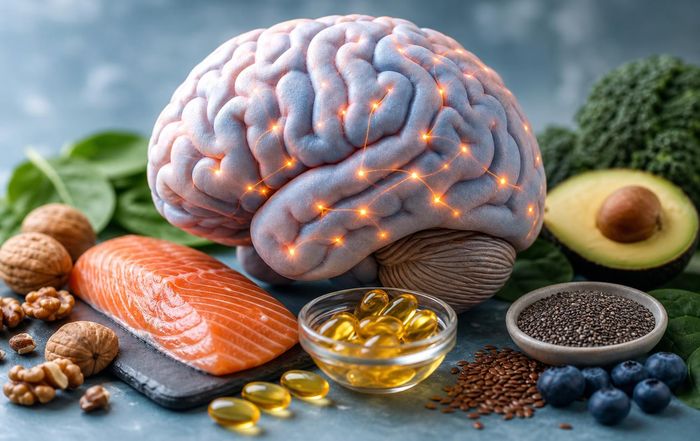
The Importance of Omega-3s for Brain Health in a High-Performance World
Omega-3s and the Modern Brain: Why It Matters to QikSpa's Global Audience
As the pace of professional and personal life accelerates across major hubs from the United States and United Kingdom to Singapore, Germany, and Australia, the demand for sharper cognition, emotional resilience, and long-term neurological health has never been greater. For the top community engaging with us, whether through insights on spa and salon rejuvenation, health optimization, or holistic wellness strategies, understanding the role of omega-3 fatty acids in brain health is no longer a niche nutritional topic, but a strategic element of personal and professional performance.
Omega-3s, particularly EPA (eicosapentaenoic acid) and DHA (docosahexaenoic acid), have moved from the margins of nutritional science to the core of global health discussions, with organizations such as the World Health Organization highlighting the importance of adequate intake for cardiovascular and neurological well-being. Readers seeking to explore broader nutrition fundamentals will find that omega-3s consistently emerge as a foundational pillar, influencing everything from cognitive clarity in demanding careers to emotional balance in high-pressure environments in North America, Europe, Asia, and beyond.
The Science of Omega-3s: Building Blocks of the Brain
The human brain is a highly complex organ composed of nearly 60 percent fat, and among these lipids, DHA stands out as a critical structural component of neuronal membranes. According to research summarized by the National Institutes of Health, DHA is particularly concentrated in the cerebral cortex and retina, where it supports synaptic function, cell signaling, and neuroplasticity. Readers who wish to delve deeper into the biochemical pathways can review the scientific overviews available through the NIH Office of Dietary Supplements.
From a physiological perspective, omega-3s influence membrane fluidity, receptor function, and neurotransmitter dynamics, thereby affecting how efficiently brain cells communicate. This is particularly relevant for professionals in demanding sectors in cities such as New York, London, Berlin, Singapore, and Tokyo, where sustained concentration, rapid decision-making, and adaptive thinking are essential. Neurobiological insights published by institutions like Harvard T.H. Chan School of Public Health have emphasized how DHA and EPA modulate inflammation and oxidative stress in the brain, which are increasingly implicated in cognitive decline and mood dysregulation. Interested readers can learn more about omega-3 and brain mechanisms through their detailed nutrition resources.
Within this context, QikSpa's commitment to evidence-based content on health and wellness becomes a strategic gateway for professionals, entrepreneurs, and wellness leaders seeking to integrate scientifically grounded nutritional strategies into their daily routines and organizational cultures.
Cognitive Performance, Focus, and Memory Across Life Stages
Cognitive performance is no longer viewed as an unchangeable trait; instead, it is increasingly understood as a dynamic capability that can be supported, protected, and even enhanced through lifestyle and nutritional interventions. Omega-3s, particularly DHA, have been associated with improved attention, processing speed, and working memory, attributes that are indispensable for leaders, innovators, and knowledge workers across Canada, France, Italy, Spain, and South Korea.
Longitudinal studies and clinical trials, many of which are summarized by the Alzheimer's Association, suggest that higher dietary intake of omega-3s may correlate with a reduced risk of age-related cognitive decline and may support healthier brain aging. Those interested in the intersection between nutrition and dementia risk can explore current research directions that highlight how diet, including omega-3 consumption, interacts with genetic and lifestyle factors.
For younger professionals and students in regions such as Brazil, Malaysia, and South Africa, where digital workloads and multitasking demands are intense, omega-3s may support sustained attention and mental stamina. While supplementation is not a substitute for adequate sleep, stress management, and physical activity, it can be a valuable adjunct within a broader performance framework, complementing practices such as mindful breaks, ergonomic workspaces, and restorative spa therapies that are frequently showcased in QikSpa's lifestyle and fitness content.
Emotional Well-Being, Stress, and Mental Health
In 2026, mental health is recognized as a core dimension of professional sustainability, not merely a private concern. Increasing evidence indicates that omega-3s may play a supportive role in mood regulation, stress resilience, and emotional stability. Research aggregated by The Lancet Psychiatry and similar peer-reviewed platforms has explored the adjunctive use of omega-3 supplements in mood disorders, particularly major depressive disorder, with EPA often showing more pronounced effects in clinical contexts.
For executives, founders, and high-responsibility professionals in markets from Switzerland and Netherlands to Japan and Thailand, chronic stress and emotional burnout are serious risks. Omega-3s exert anti-inflammatory effects that may intersect with pathways implicated in mood disorders, offering a potential nutritional lever for individuals working with mental health professionals. The American Psychiatric Association has issued position statements and practice guidelines that reference the possible role of omega-3s as part of broader treatment strategies; readers can review the association's guidance on nutrition and mental health as part of a comprehensive understanding.
Within the holistic wellness ecosystem that QikSpa curates, emotional balance is not treated in isolation. It is integrated with restorative experiences such as spa therapies, mindful movement, and yoga practices, as well as personalized nutrition insights. Omega-3s thus become one component of a multi-dimensional strategy that aligns physiological support with psychological and spiritual well-being.
Omega-3s, Inflammation, and Whole-Body Health
The importance of omega-3s for brain health cannot be fully appreciated without recognizing their systemic anti-inflammatory properties. Chronic low-grade inflammation is now understood to be a common denominator in cardiovascular disease, metabolic syndrome, and neurodegenerative conditions, and omega-3s help modulate inflammatory pathways at a cellular level. Organizations such as the American Heart Association have long recognized the benefits of omega-3 fatty acids for heart health and provide guidelines on fish consumption and supplementation; professionals can explore their recommendations to better align dietary choices with long-term health goals.
The concept of "inflammaging," which links chronic inflammation with accelerated aging, has gained traction among researchers and wellness practitioners in Europe, Asia, and North America. Omega-3s, by influencing eicosanoid synthesis and reducing pro-inflammatory cytokines, contribute to a more balanced inflammatory profile, which in turn supports vascular health, metabolic stability, and brain perfusion. This systemic perspective is particularly relevant to QikSpa's audience, which often approaches health through interconnected pillars of nutrition, movement, stress management, and recovery.
For individuals engaged in intensive physical training or performance sports-whether in Australia, New Zealand, Norway, or Finland-omega-3s may also support recovery, joint comfort, and exercise tolerance. This aligns with broader performance narratives explored in QikSpa's fitness and wellness coverage, where the goal is not merely short-term performance gains, but sustainable, injury-resistant, and mentally resilient lifestyles.
Key Dietary Sources: From Ocean to Plant-Based Options
Understanding where to obtain omega-3s is essential for a global audience that includes omnivores, pescatarians, vegetarians, and vegans. The richest natural sources of EPA and DHA are fatty fish such as salmon, mackerel, sardines, herring, and anchovies, with public health agencies like the U.S. Food and Drug Administration providing guidance on safe fish consumption and mercury considerations. Those seeking detailed consumer advice can review FDA recommendations on fish and shellfish.
For plant-forward or vegan readers in India, China, South Korea, and other parts of Asia, the primary omega-3 available in plant foods is ALA (alpha-linolenic acid), found in flaxseeds, chia seeds, walnuts, and certain vegetable oils. While the body can convert ALA to EPA and DHA, the conversion rate is relatively low, which is why many nutrition experts recommend algae-based DHA and EPA supplements for those who avoid fish. Institutions such as the British Nutrition Foundation provide accessible overviews of plant and marine omega-3 sources, enabling consumers to learn more about dietary omega-3 strategies.
For hospitality, spa, and wellness businesses featured on QikSpa, there is a growing opportunity to design menus, retreats, and wellness programs that integrate omega-3-rich dishes, whether through sustainably sourced seafood, fortified foods, or plant-based options that align with diverse cultural and ethical preferences. This convergence of culinary creativity and nutritional science is increasingly central to premium wellness experiences in destinations from Italy and France to Thailand and South Africa.
Omega-3s in Spa, Salon, and Beauty Experiences
While the neurological and cardiovascular benefits of omega-3s are well-documented, their influence extends into domains that are central to QikSpa's identity, including beauty, spa and salon innovation, and high-end personal care. Omega-3s contribute to skin barrier function, hydration, and elasticity by supporting the lipid matrix that protects against environmental stressors, a consideration that is particularly relevant for urban professionals exposed to pollution and digital screen time in cities such as Los Angeles, Toronto, Paris, Madrid, and Seoul.
Dermatology resources from organizations such as the American Academy of Dermatology have explored how diet, including essential fatty acid intake, affects skin health, acne, and inflammatory conditions. Those interested in a clinical perspective can review dermatological guidance on nutrition and skin. For spa and salon operators, integrating omega-3 education into client consultations, treatments, and after-care recommendations can elevate service quality, positioning their offerings as not only cosmetic, but deeply health-aligned.
Furthermore, the intersection of omega-3s with hair and nail health is increasingly recognized, with some evidence suggesting that adequate intake may support hair density and scalp health. This opens opportunities for premium salons and wellness centers featured on QikSpa to develop signature programs that combine topical treatments with personalized nutrition guidance, reinforcing their positioning as holistic beauty and wellness destinations.
Women's Brain Health, Hormones, and Lifecycle Needs
Women's health, a core focus area for QikSpa and its women-centered insights, presents unique considerations in the context of omega-3s and brain function. Hormonal fluctuations across the menstrual cycle, pregnancy, postpartum period, and menopause can influence mood, cognition, and stress resilience, and omega-3s have been studied for their role in supporting women through these transitions.
During pregnancy and lactation, DHA is vital for fetal and infant brain and visual development, leading many public health authorities, including Health Canada and NHS UK, to emphasize adequate intake for mothers. Expectant and new mothers can review official maternal nutrition guidance to better understand recommendations on fish and supplementation. There is also emerging research on the potential role of omega-3s in reducing the risk or severity of perinatal depression, although this should always be considered in consultation with healthcare professionals.
In midlife and beyond, women navigating perimenopause and menopause often report cognitive fog, mood shifts, and sleep disturbances. While omega-3s are not a standalone solution, their anti-inflammatory and neuroprotective roles may contribute to a more stable cognitive and emotional landscape, especially when integrated with other evidence-based strategies such as resistance training, stress reduction, and restorative spa practices. For women in leadership roles across Europe, Asia, Africa, and South America, these strategies can translate directly into sustained performance and quality of life.
Omega-3s, High-Performance Careers, and Corporate Wellness
As organizations across North America, Europe, and Asia-Pacific compete for talent and strive to reduce burnout, nutrition is emerging as a critical, yet often underutilized lever in corporate wellness strategies. Omega-3s, with their documented roles in cognitive function, mood, and systemic health, are increasingly being discussed in executive health programs, leadership retreats, and performance coaching.
Forward-thinking companies, often profiled within QikSpa's business and careers content, are beginning to integrate omega-3 education into wellness seminars, cafeteria offerings, and health benefit designs. Resources from organizations such as the World Economic Forum and McKinsey & Company have repeatedly underscored the economic impact of mental health, cognitive performance, and chronic disease on productivity, prompting leaders to learn more about sustainable business practices.
For professionals working in high-stakes sectors-finance in Zurich, technology in San Francisco, design in Milan, or logistics in Rotterdam-the cumulative benefits of sustained brain health can directly influence career longevity, innovation capacity, and leadership effectiveness. Omega-3s, integrated into a broader framework of sleep hygiene, physical activity, and psychological safety, become part of a strategic toolkit for long-term professional resilience.
Sustainability, Ethics, and the Future of Omega-3 Sourcing
For a site like this, which dedicates space to sustainable living and conscious consumption, the conversation around omega-3s must also address environmental and ethical dimensions. Traditional marine sources of omega-3s raise concerns about overfishing, by-catch, and ecosystem impact, particularly in heavily fished regions of the Atlantic, Pacific, and Indian Oceans.
Organizations such as the Marine Stewardship Council and Friend of the Sea have established certification systems to promote sustainable fisheries and aquaculture, enabling consumers and businesses to identify responsibly sourced seafood. At the same time, technological innovations in algae cultivation are creating new avenues for producing EPA and DHA without relying on fish stocks, a development that aligns strongly with sustainability goals in markets like Scandinavia, Germany, and New Zealand.
For spa resorts, wellness hotels, and premium salons that appear across QikSpa's international and travel coverage, aligning menu choices, supplements, and retail offerings with credible sustainability standards is becoming a differentiator in discerning markets. Guests are increasingly seeking experiences that not only enhance their health and appearance, but also reflect their values around environmental stewardship and social responsibility.
Integrating Omega-3s into a Holistic Lifestyle
Ultimately, the importance of omega-3s for brain health is best understood within a comprehensive lifestyle framework that integrates nutrition, movement, recovery, and mental well-being. For the global community engaging with QikSpa, this means not treating omega-3s as a quick fix, but as a foundational element that supports the broader pillars of a refined, health-centric, and performance-oriented life.
Folks can explore complementary perspectives across this ecosystem, from wellness strategies that emphasize stress reduction and sleep, to fitness insights that highlight the synergy between physical training and cognitive performance, to beauty and spa content that connects inner health with outer radiance. By aligning daily food choices with scientific understanding-selecting omega-3-rich meals, considering high-quality supplements when appropriate, and favoring sustainable sources-individuals in the United States, United Kingdom, Germany, Canada, Australia, Singapore, and worldwide can cultivate a brain that is not only healthier, but more resilient, creative, and capable of thriving in the complex realities of today.
In this integrated vision, omega-3s are not merely nutrients; they are strategic assets in the pursuit of a life that harmonizes professional ambition, personal fulfillment, and long-term neurological vitality, a vision that is deeply aligned with the mission and values that QikSpa brings to its global audience every day.
