
Wellness Traditions from Around the World: How Global Rituals Shape Modern Living at Qikspa
The Global Language of Wellness?
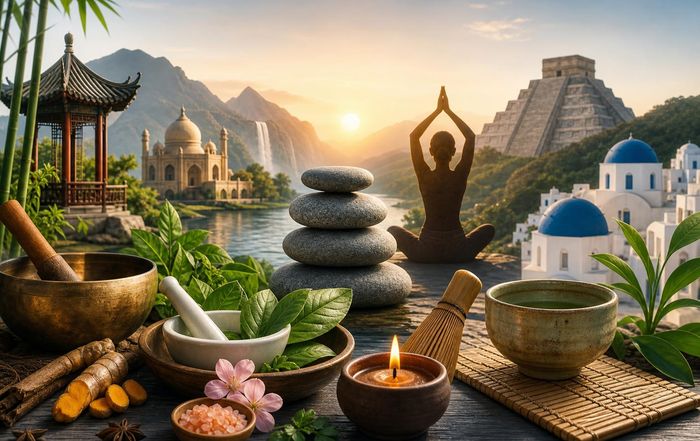
Finally wellness has become a unifying global language, cutting across borders, cultures, and industries, and shaping how individuals and organizations think about health, performance, and quality of life. From the spa and salon experiences of New York and London to the hot spring rituals of Japan and the forest traditions of Scandinavia, ancient practices are being reinterpreted through contemporary science and integrated into daily routines in ways that are both deeply personal and highly strategic. For Qikspa, which sits at the intersection of spa, health, beauty, and lifestyle, this global movement is not a trend but a long-term framework for how modern people live, work, and care for themselves.
Modern wellness is no longer limited to occasional treatments or short-lived resolutions; it is increasingly seen as a comprehensive system that connects physical health, mental resilience, emotional balance, social relationships, and environmental responsibility. Institutions such as the World Health Organization highlight that health is not merely the absence of disease but a state of complete physical, mental, and social well-being, and this broader definition has opened the door for traditional wellness practices to be recognized and studied in more rigorous ways. Readers online and email newsletter members exploring the integrated approach at Qikspa can see how spa and salon experiences, holistic health insights, and lifestyle guidance are being curated in a way that reflects this global, multi-dimensional understanding of wellness.
Ancient Wisdom Meets Modern Science
Across continents, traditional wellness systems have evolved over centuries through observation, experimentation, and community practice, and in recent decades, modern science has begun to validate and refine many of these approaches. The growing body of research on nutrition, movement, sleep, and stress management from organizations like Harvard Medical School and the Mayo Clinic demonstrates that practices once considered purely cultural often have measurable physiological effects, from reduced inflammation to improved cognitive performance. As a result, executives, entrepreneurs, and professionals are increasingly looking to these traditions not only for personal well-being but also for enhanced productivity and long-term career sustainability.
For Qikspa, this alignment between tradition and evidence is central to how content is curated across its core verticals. Readers engaging with spa and salon day to day insights on spa and salon experiences can now see how massage, hydrotherapy, and skin treatments are supported by dermatological and neurological research, while visitors exploring health and wellness are guided through frameworks that connect cardiovascular health, hormonal balance, and mental clarity to daily habits and long-standing cultural rituals. This synthesis of experience and expertise fosters a sense of trust and authority that is particularly important for a global audience seeking reliable guidance in a crowded wellness landscape.
Asia: Holistic Systems that Integrate Body, Mind, and Spirit
Ayurveda and the Indian Subcontinent
In India and across the global Indian diaspora, Ayurveda remains one of the most influential holistic health systems, emphasizing individualized care based on constitution, digestion, and lifestyle. Rooted in texts that date back thousands of years, Ayurvedic practice integrates nutrition, herbal medicine, massage, meditation, and daily routines, and its concepts have gained renewed attention as professionals search for sustainable strategies to manage stress and prevent burnout. Modern institutions such as the National Center for Complementary and Integrative Health in the United States have examined aspects of Ayurvedic therapies, particularly in relation to stress reduction and chronic conditions, and this research is encouraging a more nuanced integration of traditional protocols into contemporary health planning.
For readers of Qikspa, Ayurvedic principles resonate strongly with the platform's focus on personalized routines and seasonal living, particularly in areas such as food and nutrition where the idea of eating according to one's constitution and environment is gaining traction among health-conscious consumers. Business leaders and professionals in the United States, United Kingdom, and Europe are increasingly exploring Ayurvedic-informed routines-such as structured morning rituals, mindful eating, and herbal support-as a way to stabilize energy and cognition throughout demanding workdays. As these practices are adapted for modern schedules and urban lifestyles, Qikspa plays a role in translating complex traditional concepts into accessible, trustworthy guidance for a global audience.
Traditional Chinese Medicine and the Power of Balance
Across China and much of East and Southeast Asia, Traditional Chinese Medicine (TCM) continues to shape how individuals think about balance, prevention, and the subtle interplay between lifestyle and health. Techniques such as acupuncture, herbal formulas, qigong, and cupping have moved from regional clinics into mainstream wellness centers and high-end spas in cities like New York, London, and Singapore, where they are used to address pain, sleep disturbances, and stress-related disorders. Organizations such as the Cleveland Clinic have explored how acupuncture can complement conventional treatments, particularly in pain management and anxiety, and this integrative approach is increasingly common in global urban centers.
For a platform like Qikspa, which addresses both physical fitness and mental resilience through its fitness and lifestyle coverage, TCM offers a compelling model of how movement, breath, and environment can be orchestrated to support long-term vitality. The practice of qigong, for example, with its slow, deliberate movements and focus on breath, aligns closely with contemporary research on nervous system regulation and heart rate variability, areas that are being studied by institutions like Stanford Medicine in the context of stress and performance. By presenting these traditions through a modern, evidence-aware lens, Qikspa helps readers in North America, Europe, and Asia understand how to integrate such practices into busy, technology-driven lives.
Japanese and Korean Rituals of Everyday Care
In Japan, wellness is often embedded in everyday rituals that emphasize simplicity, presence, and connection to nature, from the practice of shinrin-yoku (forest bathing) to the communal experience of onsen hot springs. Research from organizations such as Japan's Forestry Agency and international journals has shown that spending time in forests can lower cortisol levels and blood pressure, and this has inspired urban wellness programs in cities from Tokyo to Berlin that encourage nature immersion as a counterbalance to digital overload. The Japanese concept of ikigai, or a sense of purpose in daily life, has also influenced Western approaches to career and life design, particularly among professionals seeking meaningful work beyond financial metrics.
South Korea, meanwhile, has become globally influential through its jjimjilbang spa culture and advanced skincare industry, which emphasize multi-step routines, hydration, and barrier protection. Dermatological research summarized by organizations like the American Academy of Dermatology has reinforced the importance of consistent, gentle skincare and sun protection, validating many of the principles embedded in Korean routines. For Qikspa, these East Asian traditions inform not only spa and skincare content but also broader discussions in beauty and fashion, where self-care is increasingly viewed as a strategic component of professional presence and long-term confidence.
Europe: Thermal Waters, Slow Living, and Preventive Care
The Spa Cultures of Central and Northern Europe
Central Europe, particularly Germany, Switzerland, and Austria, has a long-standing tradition of integrating spa therapies into mainstream healthcare through Kur and heilbad systems, where thermal baths, balneotherapy, and supervised rest are prescribed for a range of conditions. These practices, often supported by public health systems, embody a preventive approach that contrasts with more reactive models and have influenced wellness tourism across Europe. Organizations such as the Global Wellness Institute have analyzed how these medically supervised spa traditions are shaping the global spa and salon industry, especially as travelers seek destinations that combine relaxation with measurable health benefits.
In Scandinavia, the sauna culture of Finland, Sweden, and Norway has evolved from a family and community ritual into a globally recognized wellness practice, with research published in collaboration with institutions like the University of Eastern Finland suggesting associations between regular sauna use and cardiovascular and cognitive benefits. For a platform like Qikspa, which serves readers interested in both wellness and travel, these European traditions highlight how wellness can be integrated into architecture, urban planning, and hospitality, from hotel spas in the Swiss Alps to public saunas in Helsinki that double as social and cultural hubs.
Mediterranean Diet and Lifestyle
The countries of Southern Europe, including Italy, Spain, Greece, and France, have long been associated with a lifestyle that combines rich culinary traditions with social connection and outdoor living, and the Mediterranean diet has been extensively studied as a model of heart-healthy eating. Research summarized by organizations such as the American Heart Association and Harvard T.H. Chan School of Public Health shows that diets rich in vegetables, fruits, whole grains, olive oil, and moderate amounts of fish and wine are linked to reduced risk of cardiovascular disease and improved longevity. This pattern is not only about ingredients but also about the pace of meals, communal dining, and the integration of movement into everyday routines.
For the Qikspa audience, particularly those exploring food and nutrition and international lifestyle trends, the Mediterranean model demonstrates how cultural enjoyment and health can coexist, countering the idea that wellness requires deprivation or rigid rules. Business travelers and remote professionals who divide their time between North America and Europe increasingly seek to emulate aspects of this lifestyle-such as longer lunches, walking meetings, and seasonal eating-as a way to maintain energy and mood across demanding schedules. In this context, Qikspa serves as a bridge, translating regional traditions into practical strategies that can be applied in cities from New York and Toronto to London and Berlin.
The Americas: Indigenous Wisdom and Integrated Modern Wellness
North American Indigenous and Holistic Traditions
Across North America, Indigenous communities have long cultivated holistic wellness systems that connect physical health with land, community, and spirituality, using practices such as sweat lodges, smudging, storytelling, and seasonal ceremonies. While these traditions are deeply rooted in specific cultures and should be approached with respect and an awareness of cultural boundaries, they have influenced broader conversations about relational health and environmental stewardship. Organizations such as the National Institutes of Health in the United States have supported research into community-based wellness programs that draw on Indigenous knowledge to address issues like diabetes, addiction, and mental health, emphasizing the importance of cultural context in effective interventions.
In parallel, the rise of integrative medicine in the United States and Canada, championed by institutions such as the Mayo Clinic and Cleveland Clinic, has created new models that combine conventional medical care with complementary therapies like mindfulness, yoga, acupuncture, and nutrition counseling. For Qikspa, whose readership includes health-conscious professionals across North America, this integrative framework aligns closely with the platform's emphasis on evidence-informed self-care and long-term resilience. Articles in health and business increasingly highlight how organizations are incorporating mindfulness programs, ergonomic design, and flexible schedules to support employee well-being and performance.
Latin American Rhythms and Community
In South America and parts of Central America, wellness is often expressed through movement, music, and community gatherings, from Brazilian capoeira and samba to Argentine tango and Colombian dance traditions. These practices, while artistic and cultural, also function as powerful cardiovascular workouts and social bonding mechanisms, supporting mental health and resilience. Research cited by organizations such as the World Economic Forum has highlighted how community and social connection are critical determinants of well-being and productivity, and Latin American cultures provide vivid examples of how joy, rhythm, and togetherness can be integrated into daily life.
For Qikspa readers in Brazil, Argentina, Chile, and beyond, as well as for global professionals inspired by these traditions, the lesson is that fitness and wellness do not need to be confined to gyms or solitary routines. By exploring movement-based traditions through fitness and lifestyle content, Qikspa emphasizes the importance of cultural expression and social interaction as key components of a sustainable wellness strategy, particularly for individuals whose careers involve high levels of stress, travel, or digital isolation.
Africa, the Middle East, and the Rituals of Renewal
Across Africa and the Middle East, wellness traditions often center on communal care, natural ingredients, and elaborate cleansing rituals that have been refined over centuries. The hammam culture of Morocco, Turkey, and parts of the Middle East, for instance, combines heat, steam, exfoliation, and massage in a sequence that supports circulation, skin health, and relaxation, and has influenced spa and salon design worldwide. The use of natural oils such as argan, shea, and black seed oil, as well as plant-based treatments for hair and skin, has been increasingly validated by dermatological research and incorporated into global beauty formulations, as highlighted by organizations like the British Association of Dermatologists.
In sub-Saharan Africa, traditional healers and community elders often play a central role in health guidance, using herbal medicines, storytelling, and spiritual practices to support individuals through life transitions, grief, and illness. While these approaches vary widely by region and culture, they underscore the importance of narrative, identity, and belonging in maintaining psychological and emotional well-being. For Qikspa, whose audience includes readers across South Africa, Nigeria, Kenya, and the wider continent, these traditions inform a broader conversation in wellness and international coverage about how modern urban lifestyles can still honor community, ritual, and connection to land, even in fast-growing cities like Johannesburg, Lagos, and Nairobi.
Yoga, Mindfulness, and the Globalization of Inner Practices
Few wellness traditions have achieved the global reach of yoga and mindfulness, which originated in South and East Asia but are now practiced in studios, offices, and homes across the United States, Europe, Australia, and beyond. Yoga, with its combination of postures, breathwork, and meditation, has been studied extensively by organizations such as Johns Hopkins Medicine, which have reported benefits for stress, flexibility, and certain chronic conditions, while mindfulness-based stress reduction programs have been adopted by corporations, schools, and healthcare systems worldwide. This scientific validation has accelerated adoption among business leaders and professionals who might previously have viewed these practices as niche or purely spiritual.
For Qikspa, yoga and mindfulness are not only topics within the dedicated yoga and wellness sections but also underlying themes that connect content across beauty, health, and lifestyle. Readers are increasingly interested in how short, structured practices-such as ten-minute breathing exercises between meetings or gentle stretches during long flights-can have disproportionate benefits for focus, emotional regulation, and decision-making. As hybrid work and global collaboration continue to shape careers in 2026, the ability to self-regulate and maintain inner stability becomes a core professional competency, and Qikspa positions these ancient practices as modern performance tools rather than optional extras.
Sustainability, Ethics, and the Future of Global Wellness
As wellness traditions move across borders and become part of global commerce, questions of sustainability, ethics, and cultural respect have become more urgent. The growth of wellness tourism, natural beauty products, and spa services has environmental implications, from water and energy use to sourcing of botanicals and packaging waste, and leading organizations such as the United Nations Environment Programme and the Ellen MacArthur Foundation have called for more responsible, circular approaches to business. At the same time, there is increasing scrutiny of cultural appropriation and the commercialization of sacred practices, prompting brands and platforms to engage more deeply with origin communities and experts.
Within this evolving landscape, Qikspa is consciously aligning its content and partnerships with principles of integrity and long-term responsibility, particularly through its focus on sustainable and business topics. By highlighting companies that prioritize fair trade sourcing, eco-friendly spa design, and inclusive hiring practices, and by encouraging readers to learn more about sustainable business practices, the platform supports a more thoughtful, values-driven approach to wellness consumption. For a global loyal and active audience spanning the United States, Canada, the United Kingdom, Germany, Australia, Asia, and beyond, this emphasis on trustworthiness and ethics is becoming a key differentiator in choosing where to invest time, attention, and resources.
Women, Careers, and the Strategic Role of Self-Care
Women across the world, from executives in New York and London to entrepreneurs in Singapore and Johannesburg, are at the forefront of redefining wellness as a strategic asset rather than a luxury. Balancing careers, family responsibilities, and personal aspirations has made women particularly attuned to the importance of energy management, mental health, and community support, and this is reflected in the growth of women-led wellness brands, networks, and initiatives. Reports from organizations such as McKinsey & Company and the World Economic Forum have documented both the persistent challenges women face in leadership and the economic benefits of closing gender gaps, and wellness is increasingly recognized as part of this broader equity conversation.
For Qikspa, which dedicates well researched coverage to women, careers, and lifestyle, global wellness traditions provide a rich toolkit for women to design lives and careers that are both ambitious and sustainable. Whether drawing on yoga and meditation for emotional resilience, Mediterranean food patterns for stable energy, or Nordic approaches to work-life balance, readers can integrate diverse practices into personalized strategies that support long-term success. By presenting these options through a lens of expertise, authoritativeness, and trust, Qikspa helps women and men alike move beyond fragmented self-care trends toward coherent, evidence-informed frameworks that respect both cultural heritage and modern realities.
Qikspa's Role in a Connected Wellness World
As wellness traditions from around the world continue to intersect and evolve in 2026, the need for curated, reliable, and context-rich guidance has never been greater. The global audience that turns to Qikspa-from professionals in the United States, United Kingdom, Germany, and Canada to readers in Asia, Africa, and South America-is not simply looking for isolated tips; they are seeking a trusted partner to help them navigate the complexity of modern life with clarity and purpose. By integrating spa and salon expertise, health and fitness insights, beauty and fashion perspectives, and international and sustainable viewpoints into a cohesive whole, Qikspa offers more than information; it offers a framework for living well in a rapidly changing world.
In this sense, the diverse wellness traditions of India, China, Japan, Scandinavia, the Mediterranean, the Americas, Africa, and the Middle East are not distant curiosities but living resources that can be adapted and honored in contemporary routines. From the homepage of Qikspa to its specialized engaging sections on wellness, health, and travel, the platform invites readers to explore, experiment, and refine their own approaches to well-being, with the assurance that each insight is grounded in a commitment to experience, expertise, authoritativeness, and trustworthiness. As the world becomes more interconnected, this thoughtful, globally informed perspective on wellness will remain essential for individuals, organizations, and societies striving not just to succeed, but to thrive.
