
Japanese Onsen Etiquette: A Calm, Confident Guide for Spa Travelers
For many spa lovers, soaking in a Japanese onsen ranks alongside a great massage or a perfectly run hammam. Yet even seasoned travelers can feel anxious the first time they step into a hot spring bath in Japan: Where do you undress? What do you do with the towel? Is it really okay to be naked with strangers?
This guide walks through Japanese onsen etiquette step by step so visitors can relax instead of worrying about making a cultural misstep. It focuses on public baths attached to ryokan (traditional inns), hotels, and standalone bathhouses, which are the most common experiences for international spa travelers.
Understanding What an Onsen Really Is
In Japan, onsen refers specifically to baths that use geothermally heated natural hot spring water that meets criteria defined in Japanese hot spring law, including minimum temperature and mineral content. The Japan Tourism Agency and local prefectures regulate onsen businesses, and many traditional hot spring towns have histories stretching back centuries.
Onsens are different from sento, which are public bathhouses that typically use heated tap water rather than natural hot springs. Both require similar etiquette, but onsens are often associated with wellness benefits from minerals such as sulfur, sodium chloride, or bicarbonate. The Japan National Tourism Organization highlights hot springs as a core part of the country's culture and tourism, especially in mountain regions and volcanic areas such as Hakone, Beppu, and Hokkaido.
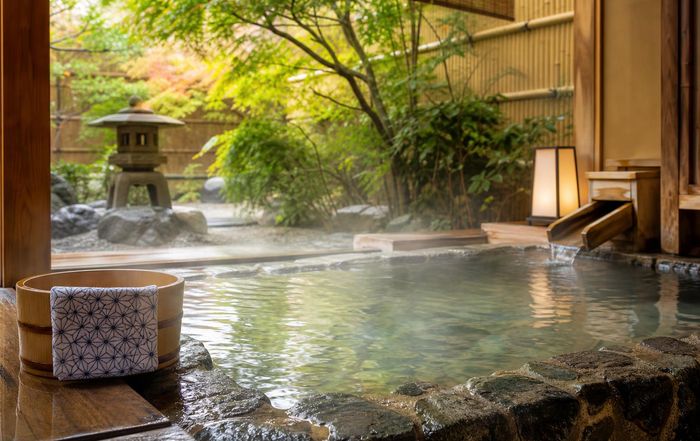
For spa travelers used to private treatment rooms, Japanese baths can feel communal and exposed. Yet once the basic rules are understood, the experience is often described as deeply meditative: hot water, quiet conversation, and a strong sense of shared calm. That makes onsen culture a natural fit for people interested in wellness, travel, and slow, restorative rituals.
The Big Picture: Core Principles of Onsen Etiquette
Most onsen rules flow from a few simple principles: cleanliness, consideration, and quiet.
Cleanliness is non-negotiable. Bathing areas are for soaking, not washing, and everyone must arrive in the water completely clean. This reflects broader Japanese hygiene culture, where bathing is historically about relaxation after washing rather than the washing itself. Public health guidance from organizations such as Japan's Ministry of Health, Labour and Welfare and global bodies like the World Health Organization emphasizes showering before using communal pools or hot tubs, and Japanese baths take that expectation especially seriously.
Consideration means keeping your presence as unobtrusive as possible. Avoid splashing, loud voices, strong perfumes, or anything that might disturb others. For wellness-oriented travelers used to quiet spa environments, this may feel familiar, but Japanese baths tend to be even more restrained than Western resort spas.
Quiet does not mean silence. Gentle conversation is fine in many onsens, especially those popular with families or tourists, but the tone is hushed. In more traditional hot spring towns, visitors often treat the bath almost like a contemplative space, similar to the atmosphere some people seek in yoga studios or meditation retreats.
Keeping these three principles in mind makes it easier to navigate the specific steps that follow.
Before You Go: Tattoos, Health, and What to Bring
One of the most common questions from international visitors involves tattoos. Because of historical associations with organized crime, many onsens still restrict visible tattoos. According to research and surveys referenced by the Japan Tourism Agency, policies vary widely: some facilities are strict, others allow small tattoos if covered with a patch, and some modern or tourist-oriented onsens are fully tattoo-friendly.
Travelers with tattoos should:
Check the onsen's website or call ahead when possible.
Ask at reception politely if unsure; staff may provide cover stickers or suggest specific times.
Consider booking a private bath (kashikiri or kazoku buro) in ryokan or hotels, which are usually tattoo-friendly and ideal for couples or families.
Health considerations matter as well. Very hot baths can affect blood pressure and heart rate. Organizations such as the American Heart Association and national health services in countries like the UK's NHS advise people with cardiovascular disease, pregnancy complications, or certain chronic conditions to consult a clinician before using saunas or hot baths. In practice, that means listening to your body, avoiding very long soaks, and stepping out if you feel light-headed.
Most onsens provide everything required for bathing: body soap, shampoo, and sometimes conditioner. Many ryokan also offer large towels and the small hand towel used in the bath area. Travelers focused on beauty and skin care sometimes bring their own gentle cleansers or moisturizers, but it is important to avoid using strong exfoliants or oils in communal spaces, as they can affect water quality.
Step One: Check In and Change the Right Way
On arrival, visitors usually remove shoes before entering the main building or at the changing room entrance, depending on the facility. At reception, guests may pay an entry fee, receive a key for a locker, and sometimes a set of towels and yukata (light cotton robe). Larger onsen complexes, especially in resort areas, may feel closer to Western spa facilities, while small rural baths can be more basic but very atmospheric.
Changing rooms are gender-segregated, signposted with kanji (男 for men, 女 for women) and often color-coded: blue for men, red or pink for women. Mixed-gender baths (konyoku) exist but are far less common and typically have clear signs. Visitors step into the appropriate changing room, remove all clothing, and store everything in a locker or basket. Swimwear is not worn in traditional Japanese baths; being fully naked is expected unless the facility explicitly allows bathing suits.
The small towel provided should not be used to cover the entire body in the changing room; instead, people usually fold it and hold it modestly in front of themselves when walking to the washing area. For those unused to communal nudity, this can feel uncomfortable at first, but it is worth remembering that everyone is focused on their own routine. For spa travelers used to private spa and salon experiences, this shared vulnerability is often part of the cultural shift that makes onsen bathing distinctive.
Step Two: Wash Thoroughly Before Entering the Bath
The washing area is the heart of onsen etiquette. Rows of low stools and hand-held showers line the room, each with a mirror, soap, and shampoo. The process is systematic and unhurried, and rushing through it is considered poor manners.
Visitors should choose an empty station, sit on the stool (never stand while showering, as this can splash others), and wash carefully from head to toe. Hair should be thoroughly rinsed if shampoo is used, and all soap must be removed before moving toward the bath. Many Japanese bathers take time to scrub the body with a washcloth or sponge, reflecting the cultural importance of arriving in the tub completely clean.
For people with long hair, tying it up is essential so it does not touch or float in the bathwater. Even if hair is not washed, it should be secured above the shoulders. This aligns with hygiene advice from public health agencies such as the U.S. Centers for Disease Control and Prevention, which recommend keeping hair out of communal water where possible.
The small towel can be used for washing or drying off excess water before entering the bath. Once finished, it is polite to rinse the stool and surrounding area with the hand-held shower so the next person finds a clean station. This small gesture of consideration reflects a broader Japanese emphasis on leaving shared spaces tidy, seen as well in public transport, restaurants, and even some sustainable tourism initiatives that ask visitors to minimize their impact.
Step Three: Enter the Bath Quietly and Respectfully
After washing, visitors walk carefully to the hot spring pool, often drying off lightly with the small towel so they do not drip excessively on the floor. Slippery stone or tile surfaces are common, so moving slowly is both polite and safer. Before fully immersing themselves, many bathers pour some hot water from the tub over their legs or torso using a provided scoop. This helps the body adjust to the temperature and reduces the shock of stepping into very hot water.
The key points of etiquette inside the bath are simple but important. First, avoid splashing or swimming. Onsen baths are for soaking quietly, not for exercise or play. Second, keep hair and the small towel out of the water. Many people fold the towel and rest it on top of their head, which helps regulate temperature and keeps it clean. Third, maintain a low voice. Gentle conversation is fine in many settings, but loud laughter or phone calls are strongly discouraged.
Most onsens prohibit cameras and smartphones in bathing areas to protect privacy. Even if a facility does not explicitly ban them, it is considerate to leave devices in lockers or baskets. This also supports the wellness aspect of the experience: stepping away from screens, much like digital detox retreats popular in lifestyle and health travel.
How Long to Soak, and How to Care for Your Body
Typical onsen water temperatures range from around 38°C to over 42°C (about 100-108°F). For people unaccustomed to very hot baths, shorter sessions are safer and more comfortable. Japanese health and tourism agencies often suggest soaking for about 5-10 minutes at a time, stepping out to cool down, and repeating if desired. This pattern allows the body to enjoy the relaxing effects of heat without excessive strain.
Hydration is critical. Hot spring bathing can be dehydrating, and wellness organizations such as the Mayo Clinic and Harvard T.H. Chan School of Public Health emphasize fluid intake around sauna or hot tub use. Many onsen facilities provide water dispensers or vending machines in rest areas; it is wise to drink before and after bathing and to avoid arriving already dehydrated from long flights or alcohol.
Some onsen waters are strongly mineralized or acidic, especially in volcanic regions. Local signs may advise limiting time in the bath or rinsing lightly afterward. People with sensitive skin or existing dermatological conditions may wish to consult a dermatologist or refer to guidance from organizations such as the American Academy of Dermatology before extended use of very hot or mineral-rich water. That said, many Japanese people and visitors find that moderate, regular onsen bathing supports a sense of physical and mental ease, complementing other wellness practices like fitness and gentle stretching.
Leaving the Bath: Drying Off and Moving Back to Daily Life
When ready to leave the bath, visitors step out slowly to avoid dizziness, using handrails if provided. It is common to sit briefly on the edge or a nearby stool to cool down before walking back to the changing area. Excess water is usually wiped away with the small towel before re-entering the locker room so floors stay dry and safe.
Some onsens encourage guests not to shower again after soaking, to allow minerals to remain on the skin. Others provide clear instructions recommending a light rinse, especially if the water is very sulfurous or has a strong smell. Signs in Japanese and, increasingly, English help visitors understand local preferences. As a practical compromise, many travelers simply rinse their body lightly without using soap, preserving some mineral contact while feeling fresh.
Back in the changing room, people dry off thoroughly before putting on clothing or yukata. Modesty is appreciated, but there is no expectation to hide or rush; the atmosphere is typically matter-of-fact. Facilities often provide hairdryers and basic amenities, though guests are expected not to monopolize them. Once dressed, many people move to a rest area to drink water, enjoy a light snack, or simply sit quietly. In traditional hot spring towns, sipping milk or a local drink after bathing is a small, nostalgic ritual.
Mixed-Gender Baths, Private Onsens, and Family Bathing
While most public onsen areas are separated by gender, a minority of facilities offer mixed-gender baths or private rental baths. Mixed-gender settings vary widely: some require bathing suits, while others follow the same nude etiquette as single-gender baths. Rules are usually posted at reception and at the entrance to the bathing area; asking staff if unsure is always acceptable.
Private baths, which can be booked by couples, families, or small groups, are increasingly popular among international travelers and locals who prefer more privacy. Many ryokan and hotels in major hot spring regions promote these as part of their travel offerings. Although etiquette is slightly more relaxed in private spaces, basic principles still apply: wash first, avoid contaminating the water with soap, and treat the space with care for the next users.
Family bathing is common in Japan, especially with young children. Parents typically supervise closely, help children wash thoroughly at the shower stations, and encourage quiet behavior in the bath. For visitors traveling with kids, choosing family-friendly onsen hotels and reading house rules in advance can reduce stress. Tourism bodies such as Visit Japan and major travel platforms often categorize properties that are particularly welcoming to families and international guests.
Cultural Nuance: Modesty, Body Image, and Respect
For many visitors, the most challenging part of onsen etiquette is not the washing order but the vulnerability of being naked in a communal space. Japanese culture tends to treat nudity in baths as ordinary and separate from sexuality. Generations of families, friends, and colleagues have bathed together in hot springs and public baths, especially before private bathrooms became standard in homes. This history shapes today's norms.
At the same time, Japan is not monolithic. Younger city dwellers may use onsens less frequently than older generations, and some people feel just as shy as international visitors. Remembering that bodies of all shapes, ages, and abilities use the bath can help reduce self-consciousness. Onsen culture, at its best, is quietly inclusive: scars, disabilities, and differences are simply part of the shared human experience.
Respect also extends to religious and cultural differences. Some travelers from backgrounds with stricter norms around modesty may prefer private baths or facilities that allow bathing suits. Japan's tourism authorities and local governments increasingly recognize this diversity and encourage onsens to communicate their policies clearly. International health and culture organizations, including UNESCO, have highlighted traditional bathing practices worldwide as significant intangible heritage, underscoring the value of preserving local customs while welcoming visitors.
Choosing the Right Onsen for Your Style of Wellness Travel
Not all onsens feel the same. For spa-oriented travelers planning their itineraries, it can help to think of hot springs the way one might think of hotels or business conference venues: each has its own atmosphere and target audience.
Large resort complexes often combine indoor and outdoor baths, saunas, massage services, and restaurants. They may be more accustomed to international guests, with multilingual signs and relaxed attitudes toward small tattoos. Traditional ryokan in historic hot spring towns tend to emphasize quiet, seasonal cuisine, and a slower pace, appealing to travelers interested in immersive lifestyle and cultural experiences. Urban day-use onsens near train stations can feel more functional, serving local residents who drop in after work.
When researching, it can be useful to:
Check official tourism sites such as Japan National Tourism Organization or regional visitor bureaus.
Read property descriptions on major booking platforms and compare them with official hotel or ryokan websites.
Look for mentions of "English-friendly," "family-friendly," or "tattoo-friendly" in marketing materials.
Consider what matters most: quiet, views, water quality, spa treatments, or easy access from major cities.
Travelers who see onsen visits as part of a broader self-care journey-alongside nourishing food and nutrition, gentle movement, and intentional rest-often appreciate destinations that integrate hot springs with walking trails, yoga spaces, or wellness programs.
Bringing Onsen Wisdom Back Home
Even after leaving Japan, many visitors find that onsen etiquette reshapes how they approach baths, spas, and wellness rituals elsewhere. The emphasis on washing before soaking, respecting shared spaces, and treating bathing as a quiet, restorative practice rather than a rushed hygiene task can influence daily routines. For people experimenting with home spa days or planning future women's retreats, integrating small elements of Japanese bathing culture-like unhurried showers, device-free soaking, or mindful transitions between hot and cool-can create a similar sense of reset.
International spa operators and wellness resorts have taken note, with some incorporating Japanese-style bathing areas or onsen-inspired experiences. While these cannot replicate natural hot springs or local customs exactly, they often draw on principles echoed by global wellness organizations and medical bodies: warmth, relaxation, cleanliness, and respectful quiet all support mental and physical recovery.
For travelers, understanding onsen etiquette is less about memorizing rules and more about aligning with a shared ethos. Arrive clean, move gently, speak softly, and treat the water-and the people around you-with care. With that foundation, even a first-time visitor can step into the steam of a Japanese hot spring with confidence, allowing the experience to be what it has been for centuries: a simple, deep form of rest.
