
How Asian Cultures Approach Holistic Health in a Global Wellness Era
Holistic Health as a Strategic Priority for Modern Life
Holistic health has moved from a niche interest to a strategic priority for individuals, employers, and policymakers across the world, and for QikSpa, this evolution is not an abstract trend but a lived reality reflected in the questions, concerns, and aspirations of its global audience. As rising stress levels, chronic lifestyle diseases, and digital overload reshape daily routines in the United States, United Kingdom, Germany, Canada, Australia, and beyond, many people are looking to Asian traditions for integrated, time-tested approaches that connect body, mind, and spirit in a more sustainable way.
Unlike fragmented models of care that separate physical treatment from emotional and social well-being, holistic health in many Asian cultures has historically been grounded in a unified worldview, where food, movement, rest, relationships, and environment are inseparable from personal vitality and long-term resilience. This perspective aligns closely with the editorial vision of QikSpa, which places spa and salon, health, wellness, beauty, and food and nutrition at the center of a broader lifestyle conversation, inviting readers to explore not only treatments and trends but also deeper cultural frameworks that shape how people care for themselves across Asia, Europe, North America, and beyond.
According to global data from organizations such as the World Health Organization, rising rates of non-communicable diseases, including cardiovascular conditions, diabetes, and mental health disorders, are strongly linked to lifestyle patterns, stress, and environmental factors, and this has fueled renewed interest in traditional Asian systems that emphasize prevention, balance, and early intervention rather than waiting for acute illness to emerge. Learn more about the global burden of lifestyle-related disease on the World Health Organization website.
For business leaders, wellness entrepreneurs, and hospitality operators who come to QikSpa for peaceful balanced, yet strategic insight, understanding how Asian cultures approach holistic health is not only a matter of cultural curiosity but also a practical guide to designing services, products, and experiences that resonate with increasingly discerning consumers in markets from Singapore and Japan to France, Italy, Spain, and Brazil.
Philosophies of Balance: Foundations of Asian Holistic Health
At the core of many Asian traditions lies the idea that health is not a fixed state but a dynamic equilibrium, constantly influenced by internal and external forces, and this concept of balance is visible in Traditional Chinese Medicine (TCM), Ayurveda, Japanese wellness culture, and other regional practices, each of which has evolved over centuries while retaining a focus on the interconnectedness of all aspects of life.
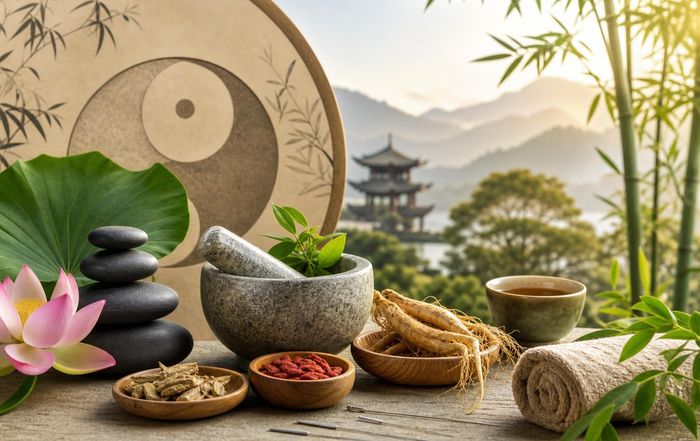
In TCM, health is understood through the interplay of Qi (vital energy), Yin and Yang, and the Five Elements, and practitioners consider how emotions, diet, climate, and lifestyle affect the flow of energy through meridians in the body; this approach underpins acupuncture, herbal medicine, Tui Na massage, and Qigong, and it has influenced integrative medicine programs in leading institutions such as Harvard Medical School, where clinicians increasingly explore complementary modalities alongside conventional care. Readers can explore integrative approaches to medicine through the Harvard Health Publishing portal.
In South Asia, Ayurveda-widely practiced in India, Sri Lanka, and now increasingly in United States and Europe-frames health as the balance of three doshas (Vata, Pitta, Kapha), which represent distinct mind-body constitutions; this system integrates herbal remedies, detoxification protocols such as Panchakarma, daily routines (Dinacharya), and dietary recommendations tailored to an individual's constitution and local climate, and it has shaped not only medical practice but also spa rituals, nutrition trends, and even beauty regimens that emphasize natural ingredients and seasonal alignment. A deeper overview of Ayurveda's principles can be found through the National Center for Complementary and Integrative Health.
Japanese and Korean approaches to holistic health, while distinct from TCM and Ayurveda, also emphasize balance, subtlety, and continuity in daily habits rather than dramatic interventions; traditions such as Japanese onsen bathing, forest bathing (Shinrin-yoku), and the concept of ikigai (a sense of purpose) illustrate how cultural values around simplicity, nature, and social harmony contribute to mental and physical well-being, while in South Korea, the popularity of jjimjilbang (public bathhouses) and a sophisticated skincare culture reflect an integrated view of health, relaxation, and aesthetics. The OECD provides comparative data showing how lifestyle and social factors influence health outcomes in countries such as Japan, South Korea, and Finland, which can be explored through its health statistics portal.
For QikSpa, these philosophies of balance resonate deeply with its own approach to editorial curation, where wellness is presented not as a collection of isolated tips but as a coherent framework that links fitness, yoga, nutrition, beauty, and emotional resilience into a single narrative of holistic living.
Traditional Chinese Medicine: Energy, Meridians, and Modern Integration
Traditional Chinese Medicine remains one of the most influential holistic systems worldwide, and its reach now extends far beyond China, Singapore, and Malaysia into clinics, spas, and wellness centers in United States, United Kingdom, Germany, Canada, Australia, and across Europe and South America. The TCM framework views the human body as a complex network of meridians through which Qi flows, and health is maintained when this flow is smooth and balanced; when Qi is blocked or deficient, physical symptoms, emotional disturbances, or functional disorders may arise, prompting interventions that seek to restore harmony rather than simply suppress symptoms.
Acupuncture is perhaps the most recognized TCM practice in the West, and research from organizations such as the National Institutes of Health has examined its potential benefits for pain management, migraine, insomnia, and anxiety, thereby encouraging integrative models in hospitals and rehabilitation centers; individuals interested in evidence-based perspectives on acupuncture and herbal medicine can consult resources from the National Institutes of Health. Beyond acupuncture, TCM includes cupping, moxibustion, herbal formulas, and lifestyle counseling that address sleep, stress, and dietary patterns, and many of these elements are now being adapted into spa programs, corporate wellness offerings, and personalized health coaching.
For spa and salon operators, TCM has inspired treatments that combine acupressure, meridian-focused massage, and herbal compresses, offering clients in cities such as London, New York, Berlin, Tokyo, and Bangkok experiences that feel both luxurious and therapeutic; QikSpa frequently highlights how these therapies can be integrated into contemporary spa and salon menus, while maintaining cultural respect and professional standards. At the same time, regulatory frameworks, practitioner training, and quality control remain crucial, especially as demand grows in regions such as North America, Europe, and Africa, where consumers increasingly seek natural alternatives but also expect transparency and safety.
By presenting TCM within a balanced editorial context that recognizes both its historical depth and the importance of modern evidence, QikSpa supports an informed approach that encourages curiosity while emphasizing the need for qualified practitioners and responsible integration into broader health strategies.
Ayurveda: Personalized Wellness and Preventive Living
Ayurveda's influence on global wellness has expanded significantly by 2026, shaping not only medical practice in India and Sri Lanka but also spa rituals, skincare lines, and nutrition philosophies in United States, United Kingdom, Germany, France, Italy, and Australia. At its core, Ayurveda is a highly personalized system that recognizes individual differences in constitution, digestion, mental tendencies, and environmental sensitivity, and this personalization resonates strongly with modern consumers who seek tailored solutions rather than generic advice.
The Ayurvedic concept of daily routine (Dinacharya) emphasizes consistent practices such as oil pulling, tongue scraping, self-massage (Abhyanga), and mindful eating, which together support detoxification, circulation, and nervous system balance; these rituals have found their way into global spa menus and home-care routines, often combined with yoga, meditation, and breathwork to create a comprehensive self-care framework. For readers who wish to understand how traditional practices intersect with modern science, organizations like the Mayo Clinic provide accessible overviews of integrative health approaches, which can be explored through the Mayo Clinic integrative medicine section.
Ayurveda's strong emphasis on food as medicine aligns with QikSpa's focus on food and nutrition, where recipes, ingredient profiles, and dietary strategies are presented not merely as culinary trends but as tools for balancing energy, mood, and long-term vitality; spices such as turmeric, ginger, cumin, and coriander, as well as ghee and herbal teas, are increasingly recognized in Canada, Netherlands, Sweden, and New Zealand for their potential anti-inflammatory and digestive benefits, while Ayurvedic detox programs and seasonal cleanses are being adapted for urban lifestyles.
For wellness businesses, Ayurveda offers a rich conceptual framework for designing retreats, spa programs, and coaching services that combine body treatments, nutrition guidance, and mental well-being practices; however, as QikSpa often notes in its business coverage, success depends on rigorous training, ethical sourcing of herbs and oils, and transparent communication about what these traditions can and cannot promise. The Global Wellness Institute regularly publishes research on trends such as Ayurveda, yoga, and integrative medicine, which can be explored through its industry insights to inform strategic planning and product development.
Mind-Body Practices: Yoga, Meditation, and Movement Traditions
If there is one area where Asian holistic health has transformed global culture most visibly, it is in the realm of mind-body practices such as yoga, meditation, Tai Chi, and Qigong, which are now commonplace in studios, corporate wellness programs, and digital platforms across United States, United Kingdom, Germany, Japan, South Korea, Singapore, and South Africa. Originating in ancient India, yoga has evolved into multiple lineages ranging from physically intense styles to gentle, restorative forms, yet its underlying philosophy remains centered on union-of body and mind, individual and environment, action and awareness.
Meditation, once considered esoteric, is now widely advocated by organizations such as Johns Hopkins Medicine and the American Psychological Association for its potential to reduce stress, improve focus, and support emotional regulation; readers can explore research on mindfulness and mental health through the American Psychological Association. Meanwhile, Chinese movement traditions like Tai Chi and Qigong emphasize slow, deliberate motions synchronized with breath, promoting balance, joint health, and calm concentration, and they have gained popularity among older adults and those seeking low-impact yet effective exercise.
For QikSpa, these practices are central to its coverage of fitness and yoga, where the focus is not solely on physical appearance or performance but on sustainable routines that can be integrated into daily life in urban and rural settings across Asia, Europe, Africa, and South America. Corporate leaders exploring employee wellness strategies increasingly turn to these mind-body tools to address burnout and enhance productivity, recognizing that mental clarity and emotional resilience are now core business assets rather than optional extras.
Digital innovation has accelerated this shift, with platforms offering virtual classes, guided meditations, and personalized programs accessible from New York to Nairobi and Bangkok to Barcelona; yet QikSpa continues to highlight the importance of quality instruction, cultural respect, and realistic expectations, encouraging readers to approach these practices as long-term disciplines rather than quick fixes. For those seeking scientific context, institutions such as Stanford Medicine provide insights into the neuroscience of meditation and stress regulation, which can be explored via the Stanford Medicine website.
Beauty, Spa, and Ritual: The Aesthetic Dimension of Holistic Health
In many Asian cultures, beauty is not treated as a superficial pursuit but as a visible expression of internal health, emotional balance, and thoughtful self-care, and this holistic view has profoundly influenced global spa and salon concepts, skincare formulations, and grooming rituals. Japanese and Korean beauty philosophies, for example, emphasize layering, hydration, and barrier protection, reflecting a preventive mindset that aims to maintain skin health over decades rather than chase rapid, aggressive transformations; this approach has inspired consumers in United States, United Kingdom, France, Italy, and Spain to adopt multi-step routines that combine traditional ingredients like green tea, rice, ginseng, and fermented extracts with cutting-edge dermatological research.
In South and Southeast Asia, beauty rituals often integrate Ayurvedic or herbal principles, using oils, pastes, and botanical infusions that nourish the skin while also calming the nervous system, and these treatments are frequently embedded in social and familial contexts, such as pre-wedding ceremonies or seasonal celebrations. The global spa and salon industry has been quick to recognize the emotional and cultural richness of these rituals, incorporating them into signature treatments that promise not only visible results but also a sense of grounding and reconnection. QikSpa dedicates significant coverage to spa and salon experiences that draw inspiration from Asian traditions while maintaining high standards of hygiene, training, and customer care.
The intersection of beauty and mental health has also become more visible by 2026, with psychologists and dermatologists acknowledging the complex relationship between self-image, skin conditions, and emotional well-being; research from organizations like the British Association of Dermatologists and the American Academy of Dermatology highlights how stress, sleep, and lifestyle influence skin health, and readers can explore these connections through the American Academy of Dermatology. For women and men across Germany, Netherlands, Sweden, Norway, Denmark, and beyond, this understanding reinforces the value of holistic routines that integrate skincare, nutrition, movement, and rest.
On QikSpa, beauty is consistently framed within this broader context, with beauty content emphasizing ingredient transparency, ethical sourcing, and inclusivity across skin tones, ages, and genders, while also acknowledging the specific interests and challenges faced by women in balancing professional responsibilities, family roles, and personal self-care.
Food, Nutrition, and the Asian Concept of Eating for Harmony
Food occupies a central place in Asian holistic health, where meals are rarely seen only as sources of calories but as complex tools for balancing energy, supporting digestion, and aligning with seasonal and regional conditions. In Chinese dietary therapy, for example, foods are classified not only by macronutrients but also by energetic qualities such as warming or cooling, and individuals are encouraged to adjust their diets based on climate, constitution, and current imbalances; this nuanced approach has intrigued nutritionists and chefs in United States, Canada, Australia, and New Zealand, who are increasingly blending traditional wisdom with modern nutritional science.
Similarly, in Ayurveda, the concept of Agni (digestive fire) underscores the idea that it is not only what one eats but how well one digests and assimilates it that determines health, and this has led to dietary recommendations that prioritize freshly cooked foods, mindful eating, and the use of spices to enhance digestion and metabolism. These principles are particularly relevant in an era of ultra-processed foods and irregular eating patterns, and organizations such as the Harvard T.H. Chan School of Public Health provide evidence-based insights into the impact of dietary patterns on chronic disease, which can be explored through the Harvard Nutrition Source.
For QikSpa, the connection between culinary traditions and holistic health is a recurring theme in its food and nutrition and lifestyle coverage, where recipes inspired by Asian cuisines are presented alongside discussions of mindful eating, gut health, and metabolic balance. Across Europe, Asia, Africa, and South America, chefs, dietitians, and wellness coaches are collaborating to reinterpret traditional dishes in ways that respect cultural heritage while accommodating modern dietary needs, such as plant-based preferences or specific health conditions.
International organizations like the Food and Agriculture Organization of the United Nations have also highlighted the role of traditional diets in promoting sustainable, nutrient-dense food systems, and readers interested in the global dimension of nutrition and sustainability can explore these topics through the FAO website. For individuals and businesses alike, the Asian approach to food as a vehicle for harmony offers a valuable counterpoint to fragmented, trend-driven nutrition advice.
Sustainability, Community, and the Future of Holistic Wellness
Holistic health in Asian cultures has traditionally been intertwined with respect for nature, community ties, and intergenerational knowledge, and in 2026, these values are increasingly relevant as the global wellness industry grapples with environmental impact, social responsibility, and long-term viability. Practices such as using local, seasonal ingredients, minimizing waste in herbal preparations, and designing architecture that harmonizes with natural surroundings are not new inventions but long-standing traditions in many parts of Asia, from rural Japan and Thailand to communities in India, China, and Malaysia.
The modern wellness sector, from luxury resorts in Bali and Phuket to urban spas in New York, London, and Dubai, is now under pressure to align with environmental standards and ethical sourcing expectations, and organizations such as the Ellen MacArthur Foundation and the World Economic Forum provide frameworks for circular economy thinking and sustainable business models, which can be explored through the World Economic Forum website. For QikSpa, sustainability is not a peripheral topic but a core editorial pillar reflected in its sustainable and international coverage, where readers are encouraged to consider how their wellness choices affect ecosystems, labor practices, and local communities.
The social dimension of holistic health is equally important, as Asian traditions often emphasize family, community rituals, and collective responsibility; from community yoga sessions in India to group Tai Chi in public parks in China and Singapore, wellness is frequently practiced in shared spaces that foster belonging and mutual support. In South Africa, Brazil, and other emerging wellness markets, this communal orientation is inspiring localized adaptations that combine traditional healing, movement, and music with contemporary health education.
For professionals exploring careers in wellness, spa management, nutrition, or integrative health, understanding these cultural and ethical dimensions is increasingly essential, as clients and employers in North America, Europe, and Asia-Pacific seek practitioners who can navigate not only technical skills but also cultural intelligence and sustainability literacy. QikSpa's business section regularly examines how these factors shape investment decisions, brand positioning, and strategic partnerships across the global wellness value chain.
A Personalized, Global Future for Holistic Health
As holistic health continues to evolve in 2026, Asian cultural perspectives offer both inspiration and practical guidance for individuals, businesses, and policymakers seeking more resilient and humane models of well-being. The integration of TCM, Ayurveda, Japanese and Korean wellness, yoga, meditation, and food traditions into mainstream health and lifestyle choices across United States, United Kingdom, Germany, France, Italy, Spain, Netherlands, Switzerland, China, Sweden, Norway, Denmark, South Korea, Japan, Thailand, Finland, South Africa, Brazil, Malaysia, New Zealand, and beyond reflects a broader shift toward personalization, prevention, and interconnected thinking.
For QikSpa, this global movement is deeply personal, shaping the way the daily curated premium platform serves content across health, wellness, spa and salon, beauty, food and nutrition, fitness, yoga, fashion, travel, business, and women, ensuring that readers can navigate a complex landscape of options with clarity, confidence, and cultural respect. By bringing together traditional wisdom, contemporary science, and a global perspective, QikSpa aims to serve as a trusted guide for those who wish to design lives, careers, and enterprises that honor both personal well-being and collective flourishing.
In an era defined by rapid change, digital acceleration, and environmental uncertainty, the enduring lessons of Asian holistic health-balance, awareness, connection, and responsibility-offer a powerful compass. Whether through a carefully crafted herbal tea, a quiet morning meditation, a rejuvenating spa ritual, or a strategic wellness initiative in a multinational corporation, these principles invite individuals and organizations alike to reimagine health not as a destination but as an ongoing, integrated journey. Readers who wish to explore this journey in greater depth will continue to find at QikSpa a peace loving dedicated online space where global insight meets personal relevance, and where holistic health is treated not as a trend but as a long-term commitment to quality of life.
