
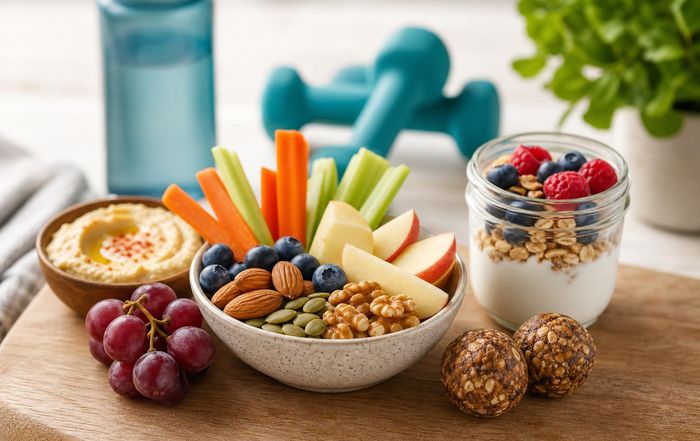
Healthy Snacking for Sustained Energy in a 24/7 World
As professionals, entrepreneurs, and wellness-conscious consumers navigate increasingly demanding schedules and global lifestyles, healthy snacking has moved from a peripheral habit to a central pillar of daily performance and long-term wellbeing. For people here, whose interests span spa and salon culture, health, wellness, beauty, food and nutrition, fitness, yoga, fashion, international travel, careers, business, lifestyle, sustainability, and women's health, the question is no longer whether to snack, but how to snack intelligently for sustained energy, sharper focus, and holistic balance. Healthy snacking, when guided by science and aligned with personal values, becomes a strategic tool that connects physical vitality with mental clarity, professional productivity, and even aesthetic goals such as glowing skin and healthy hair.
This article explores healthy snacking for sustained energy in depth, drawing on current nutrition science, global trends, and practical insights relevant to readers across North America, Europe, Asia, Africa, and South America. It also reflects the integrated perspective that defines QikSpa, linking nutrition with spa culture, fitness, yoga, and modern lifestyle design, and offering a roadmap for individuals and organizations that want to embed smarter snacking into everyday routines.
The Science of Sustained Energy: Beyond Sugar Highs and Crashes
Sustained energy is not simply the absence of fatigue; it is the capacity to maintain a stable, focused, and productive state over long periods, whether in a boardroom in New York, a co-working space in Berlin, a wellness retreat in Bali, or a home office in Toronto. At the physiological level, sustained energy is governed by blood glucose stability, hormonal balance, hydration, and the availability of key nutrients that support cellular metabolism.
Modern research from organizations such as the World Health Organization highlights the role of balanced dietary patterns in preventing energy crashes, metabolic syndrome, and chronic disease, encouraging individuals to learn more about healthy diet foundations. Short bursts of energy typically arise from high-sugar, low-fiber snacks that are rapidly absorbed, leading to sharp spikes in blood glucose followed by equally rapid declines. These fluctuations can impair concentration, mood, and decision-making, which is particularly problematic for business leaders, knowledge workers, and creative professionals who rely on consistent mental performance throughout the day.
In contrast, snacks that combine complex carbohydrates, lean or plant-based proteins, healthy fats, and fiber are digested more slowly and help maintain more stable blood glucose levels. Research from Harvard T.H. Chan School of Public Health has emphasized the importance of whole grains, nuts, seeds, and minimally processed foods in supporting metabolic health, and readers can explore guidance on healthy eating patterns. For the QikSpa audience, this means that the most effective snacks are those that mirror the balanced, whole-food philosophy already embraced in spa cuisine and wellness retreats, rather than the ultra-processed convenience foods that still dominate many office and travel environments.
Macronutrients and Micronutrients: Building an Energy-Smart Snack
An energy-smart snack is built on an understanding of how macronutrients and micronutrients work together to fuel the body and mind. Carbohydrates provide the primary source of quick energy, but their quality and context matter. Complex carbohydrates from sources such as oats, quinoa, fruit, and legumes deliver energy alongside fiber, vitamins, and minerals, while also moderating the rate of glucose absorption. When combined with protein and healthy fat, these carbohydrates become part of a synergistic snack that supports endurance rather than a fleeting burst of alertness.
Protein is essential for satiety, muscle repair, and the production of neurotransmitters that influence mood and cognition. High-quality protein sources, whether from dairy, eggs, fish, or plant-based options such as lentils, chickpeas, tofu, and nuts, contribute to a feeling of sustained fullness that discourages impulsive overeating later in the day. Healthy fats from nuts, seeds, olive oil, avocados, and fatty fish support cell membrane integrity, hormone production, and brain health. Organizations such as the American Heart Association provide guidance on choosing heart-healthy fats, which is particularly relevant for readers in the United States, Canada, and Europe where cardiovascular risk remains a concern.
Micronutrients, including B vitamins, magnesium, iron, and antioxidants, are equally important, especially for individuals managing high workloads and travel across time zones. For example, iron deficiency can contribute to fatigue, while magnesium plays a role in energy production and stress regulation. The National Institutes of Health offers detailed fact sheets on vitamins and minerals, which can help readers understand how thoughtfully chosen snacks-such as a handful of almonds, a small portion of dark chocolate, or a smoothie with leafy greens and berries-can support both immediate energy and long-term resilience. On QikSpa, the nutrition-focused content at Food and Nutrition further explores how these nutrients can be integrated into daily eating patterns in a practical and enjoyable way.
Circadian Rhythms, Work Patterns, and the Timing of Snacks
Healthy snacking for sustained energy is not only about what is eaten, but also when it is consumed. Circadian biology, which examines the body's internal clock, has become a major field of interest for performance-driven professionals and wellness practitioners alike. Research from institutions such as Stanford Medicine continues to illuminate how the timing of food intake interacts with sleep, hormone cycles, and metabolic health, and readers can explore insights into circadian rhythms and health.
In many global business hubs, from London and Singapore to Sydney and Tokyo, professionals often start early, work late, and coordinate across multiple time zones. This can lead to irregular meal patterns, late-night snacking, and reliance on caffeine and sugar to stay alert. To counteract these pressures, a structured snacking strategy becomes essential. A mid-morning snack that combines protein and fiber, such as Greek yogurt with berries or hummus with raw vegetables, can smooth the energy dip that follows a light breakfast or an early start. Similarly, a mid-afternoon snack that includes complex carbohydrates and healthy fats, such as whole-grain crackers with nut butter or a small portion of trail mix, can prevent the classic late-day slump that undermines productivity and increases cravings for sweets.
For frequent travelers and remote workers, circadian disruption is even more pronounced. The Centers for Disease Control and Prevention offers practical guidance on managing jet lag and sleep, and incorporating targeted snacks at local meal times can help reset the body's clock. On QikSpa, the Travel section often highlights how spa resorts, wellness retreats, and premium airlines are beginning to offer time-zoned snack menus that are designed to support circadian alignment, reflecting a growing convergence between hospitality, nutrition science, and performance psychology.
Snacking, Spa Culture, and Holistic Wellness
The spa and salon world has traditionally been associated with relaxation, beauty, and pampering, but in 2026 it has evolved into a powerful platform for education and behavior change around nutrition and lifestyle. Many leading spa brands in the United States, Europe, and Asia now integrate nutrition consultations, healthy snack bars, and wellness cafés into their offerings, recognizing that what clients eat between treatments is as important as the treatments themselves. This shift aligns closely with the ethos of QikSpa, where spa and salon culture is seen as an entry point to broader conversations about health, wellness, and sustainable living.
Global wellness organizations such as the Global Wellness Institute have documented the rapid growth of wellness tourism and the increasing demand for integrated experiences that combine spa treatments, fitness, yoga, and nutrition, and interested readers can explore industry trends. Within this ecosystem, healthy snacking becomes a tangible, accessible practice that clients can adopt immediately. A spa that serves herbal teas, infused waters, and nutrient-dense snacks such as mixed nuts, fresh fruit, and vegetable-based canapés communicates a message of care that extends beyond the treatment room, reinforcing the idea that everyday choices fuel long-term vitality.
On QikSpa, the Spa and Salon and Wellness sections often highlight how spa menus are evolving to feature local, seasonal ingredients, plant-forward recipes, and snacks that support specific goals such as stress reduction, improved sleep, or skin health. This integration of nutrition into spa culture is especially appealing to women professionals, entrepreneurs, and frequent travelers who seek environments that respect both their desire for indulgence and their commitment to health.
Beauty, Skin Health, and the Aesthetic Impact of Snacking
For many readers of QikSpa, beauty and aesthetics are not vanity projects but expressions of health, confidence, and self-care. The connection between nutrition and skin health is now widely recognized, with dermatologists and nutritionists collaborating more closely than ever. The American Academy of Dermatology offers evidence-based advice on how diet affects skin, noting that high-glycemic diets and frequent sugar spikes can exacerbate conditions such as acne and premature aging.
Healthy snacking, when built around low-glycemic, antioxidant-rich foods, can therefore play a meaningful role in supporting clear, radiant skin and strong hair and nails. Snacks that feature berries, citrus fruits, nuts, seeds, and dark green vegetables provide vitamins C and E, zinc, selenium, and other compounds that help combat oxidative stress and support collagen production. Meanwhile, omega-3 fats from walnuts, chia seeds, and fatty fish can help maintain skin barrier function and reduce inflammation, which is relevant for individuals dealing with dryness, redness, or sensitivity.
The Beauty and Women sections of QikSpa frequently explore this intersection of nutrition and aesthetics, emphasizing that beauty routines are most effective when they extend from the spa or salon chair to the kitchen and snack drawer. In global fashion capitals such as Paris, Milan, New York, and Seoul, models, stylists, and executives alike are increasingly adopting snack habits that prioritize hydration, antioxidants, and healthy fats, recognizing that a luminous complexion and sustained energy go hand in hand.
Fitness, Yoga, and Performance-Focused Snacking
Healthy snacking is also central to the performance goals of individuals engaged in regular fitness, yoga, and athletic training. Whether in Los Angeles, London, Tokyo, or Cape Town, fitness enthusiasts and professional athletes are paying closer attention to how pre- and post-workout snacks influence strength, endurance, recovery, and mental focus. The International Olympic Committee and other sports science bodies have long emphasized the importance of timing and composition in athletic nutrition, and readers can learn more about sports nutrition principles.
For moderate-intensity workouts such as yoga, Pilates, or light cardio, a small snack containing easily digestible carbohydrates and a modest amount of protein, consumed 60 to 90 minutes before activity, can enhance performance without causing discomfort. Examples include a banana with a spoonful of nut butter, a small smoothie, or a piece of whole-grain toast with avocado. After exercise, a snack that combines protein and carbohydrates supports muscle repair and glycogen replenishment, such as Greek yogurt with fruit, a protein shake with oats, or a small serving of lean protein with roasted vegetables.
The Fitness and Yoga sections of QikSpa often showcase how studios, gyms, and yoga retreats from Australia and New Zealand to Germany and Scandinavia are integrating snack bars and café concepts that align with evidence-based sports nutrition. These spaces have become hubs where clients can learn, experiment, and refine their snacking strategies under the guidance of trainers, instructors, and nutrition coaches, reinforcing the idea that every workout begins and ends in the kitchen as much as on the mat or in the gym.
Global Trends, Cultural Diversity, and Local Snack Wisdom
Healthy snacking is not a one-size-fits-all concept, and cultural diversity plays a significant role in shaping what people reach for between meals. Around the world, traditional snack foods often embody principles that modern nutrition science now endorses. In Japan, for example, small portions of edamame, seaweed, and rice crackers offer plant protein, fiber, and minerals. In Mediterranean countries such as Italy, Spain, and Greece, olives, nuts, and fresh fruit are common, aligning with the widely studied Mediterranean diet, which organizations like Mayo Clinic describe as a model for heart-healthy eating.
In India and Thailand, spiced nuts, lentil-based snacks, and fresh coconut water provide a balance of flavor and nutrition that supports energy in hot climates and busy urban environments. In South Africa and Brazil, fruit-based snacks, nuts, and traditional grain dishes can be adapted into modern, portable formats that retain their nutritional strengths while meeting contemporary lifestyle needs. The Food and Agriculture Organization of the United Nations has highlighted the value of traditional diets in supporting sustainability and health, encouraging readers to explore sustainable food systems.
QikSpa's International and Lifestyle sections are well positioned to showcase these diverse snack traditions, helping readers in the United States, United Kingdom, Canada, Germany, France, China, and beyond discover global inspirations that can be integrated into their own routines. By learning from local wisdom-such as the Scandinavian emphasis on whole grains and berries, or the Korean use of fermented foods-readers can design snack patterns that are both pleasurable and deeply nourishing.
Snacking at Work: Business, Careers, and Organizational Strategy
In modern workplaces, from tech hubs in Silicon Valley and Seoul to financial centers in London and Zurich, healthy snacking has become a strategic business issue as well as a personal choice. Employers recognize that nutrition affects concentration, creativity, decision-making, and resilience under pressure. Forward-thinking companies, including global leaders such as Google and Microsoft, have redesigned office kitchens and snack programs to emphasize whole foods, fresh produce, and minimally processed options, drawing on insights from occupational health research and corporate wellness programs.
Organizations like McKinsey & Company and Deloitte have published analyses on the economic impact of employee wellbeing, highlighting how investments in health, including nutrition, can improve productivity and reduce absenteeism, and readers can learn more about sustainable business practices. For professionals navigating demanding careers, access to healthy snacks at work can mean the difference between sustained performance and mid-afternoon burnout. Simple changes-such as replacing sugary beverages with infused water, offering nuts and fresh fruit instead of candy, and providing education on energy-supportive snacking-can create a culture of wellbeing that benefits both employees and employers.
The Business and Careers sections of QikSpa can play a vital role in sharing case studies, best practices, and leadership perspectives on how organizations in North America, Europe, Asia, and beyond are integrating nutrition into their broader ESG and human capital strategies. As more companies adopt hybrid and remote work models, guidance on setting up a healthy home snack environment, managing energy during virtual meetings, and making smart choices while traveling for business becomes increasingly valuable.
Sustainability, Ethics, and the Future of Snacking
Healthy snacking in 2026 is also inseparable from questions of sustainability, ethics, and the environmental impact of food choices. Consumers in Scandinavia, Germany, the Netherlands, Canada, Australia, and other sustainability-focused markets are increasingly aware that the snacks they choose affect not only their own health but also the planet's wellbeing. This has fueled the growth of plant-based snacks, upcycled ingredients, regenerative agriculture, and packaging innovations that reduce waste and carbon footprints.
Organizations such as the Ellen MacArthur Foundation advocate for circular economy principles in food systems, encouraging businesses and consumers to rethink packaging and waste. Meanwhile, the United Nations Environment Programme highlights the need to reduce food waste and support sustainable consumption. For the QikSpa audience, this means that choosing snacks made from responsibly sourced ingredients, supporting brands with transparent supply chains, and favoring reusable or compostable packaging are all ways to align personal energy goals with broader environmental values.
The Sustainable and Health sections of QikSpa are well placed to explore these themes, helping readers in regions from Singapore and Denmark to South Korea and New Zealand navigate the emerging landscape of eco-conscious snacking. As climate concerns intensify and regulatory frameworks evolve, businesses in the food and wellness sectors will increasingly differentiate themselves by offering snack solutions that are nutritionally robust, ethically produced, and environmentally responsible.
Integrating Healthy Snacking into a Holistic QikSpa Lifestyle
Ultimately, healthy snacking for sustained energy is most powerful when it is integrated into a broader lifestyle that values rest, movement, mental health, and meaningful connection. Our ecosystem, from its focus on spa and salon experiences to its coverage of fitness, yoga, fashion, travel, and international trends, provides a framework for understanding how daily choices in one domain influence outcomes in others. A professional who chooses nourishing snacks is more likely to have the energy to attend an evening yoga class, schedule a restorative spa treatment, prepare a balanced dinner, or engage fully in family and social life.
For individuals in Australia, France, Brazil, Thailand, Switzerland, China, and beyond, healthy snacking can be adapted to local tastes, budgets, and cultural norms while still adhering to universal principles of balance, moderation, and mindfulness. By emphasizing whole, minimally processed foods; combining complex carbohydrates, protein, and healthy fats; paying attention to timing and portion sizes; and considering the environmental and ethical dimensions of food choices, readers can build a snacking strategy that supports sustained energy from morning to night.
As QikSpa continues to evolve as a site for integrated wellness, beauty, and lifestyle content, healthy snacking will remain a central theme that connects its diverse verticals. Whether exploring spa cuisine in Europe, fitness trends in North America, yoga retreats in Asia, or sustainable food innovations in Africa and South America, the core message remains consistent: every snack is an opportunity to invest in energy, clarity, and long-term wellbeing. Readers who embrace this perspective will find that healthy snacking is not a restriction or a chore, but a daily ritual of self-care that aligns body, mind, career, and planet in a more harmonious and sustainable way.
