
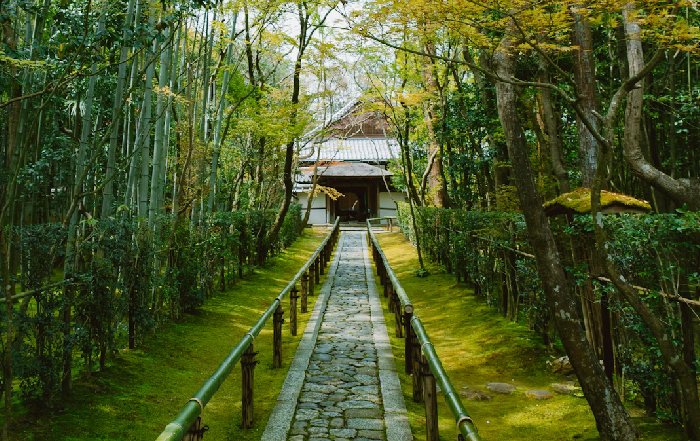
Cultural Immersion Travel: Going Deeper Than the Tourist Trail
Cultural Immersion in a Changing Global Travel Landscape
As international travel has rebounded and evolved, a growing number of travelers are turning away from superficial sightseeing and instead seeking journeys that foster genuine connection, understanding, and transformation. Cultural immersion travel, once a niche segment, has moved into the mainstream as discerning travelers in the United States, Europe, Asia, Africa, and beyond increasingly prioritize meaningful experiences over mere accumulation of destinations. For QikSpa, whose readers already value wellbeing, beauty, lifestyle, and personal growth, this shift aligns closely with a broader movement toward intentional living that integrates travel with health, wellness, and sustainable choices rather than treating vacations as isolated escapes from everyday life.
This new era of travel is unfolding against a backdrop of heightened awareness about global interdependence, social equity, and environmental responsibility. Organizations such as the World Tourism Organization (UNWTO) highlight how tourism can support local economies and cultural preservation when managed responsibly, and travelers are more conscious than ever of how their presence affects the communities they visit. As wellness tourism continues to grow, with insights from sources like the Global Wellness Institute emphasizing the connection between travel, mental health, and lifestyle choices, cultural immersion has become a natural extension of a holistic approach to wellbeing that QikSpa's audience already explores through areas such as wellness, health, and lifestyle.
From Tourist to Temporary Local: Redefining the Travel Mindset
Cultural immersion travel begins with a mindset shift from passive observation to active participation. Rather than viewing a destination as a backdrop for photographs, immersion-oriented travelers aim to understand how people live, work, celebrate, and cope with daily challenges, whether in the streets of Barcelona, the neighborhoods of Tokyo, or the townships outside Cape Town. This approach requires time, curiosity, humility, and a willingness to step outside familiar comfort zones, which can be as transformative for a seasoned executive from New York as for a young professional from Berlin or Singapore.
This emerging mindset also reflects a broader lifestyle trend toward intentional consumption and experiential value, a trend visible in areas such as spa and salon culture, fitness, and beauty, where people increasingly seek depth, personalization, and authenticity. Research from organizations like McKinsey & Company underscores how consumers worldwide are prioritizing experiences that align with their values, including sustainability, wellbeing, and social impact. Learn more about how global consumer behavior is changing and how this relates to more mindful, culturally engaged travel through the evolving body of work available from McKinsey and similar institutions.
The Wellness-Culture Connection: Travel as a Path to Holistic Wellbeing
For a platform like QikSpa, which explores the intersection of wellbeing, beauty, and lifestyle, cultural immersion travel is not merely about tourism; it is a powerful tool for holistic wellness. Immersive journeys can reduce stress, expand emotional resilience, and foster a sense of meaning and connection that many individuals in fast-paced urban environments in London, New York, Shanghai, or Sydney find increasingly elusive. Evidence from organizations such as the American Psychological Association suggests that exposure to diverse perspectives and environments can support mental flexibility and empathy, both of which are core components of psychological wellbeing.
Travelers who integrate local wellness practices into their journeys often report benefits that extend long after returning home. In Japan, visitors may engage with the philosophy of ikigai, discovering a renewed sense of purpose. In India or Thailand, travelers might deepen their practice of yoga or meditation, drawing inspiration from centuries-old traditions and contemporary wellness communities. Resources such as Yoga Journal or the Mayo Clinic provide further insight into how mindfulness, yoga, and restorative practices contribute to physical and mental health, and these benefits become even more profound when contextualized within their cultural origins rather than experienced as detached fitness trends.
Designing Immersive Itineraries: Depth Over Distance
Cultural immersion requires intentional trip design that prioritizes depth over distance. Instead of racing through multiple countries in a week, travelers increasingly opt to spend extended time in one city, region, or village, allowing relationships and routines to form. This might mean renting an apartment in Lisbon for a month, joining a community cooking group in Seoul, or volunteering with a local environmental initiative in Costa Rica. Platforms such as UNESCO offer guidance on World Heritage sites and intangible cultural heritage, helping travelers identify traditions, festivals, and practices that are deeply rooted in local identity and worth experiencing respectfully.
For QikSpa's readers who value health, beauty, and lifestyle, immersive itineraries can be intentionally designed around themes that align with personal goals. A traveler might plan a journey focused on culinary wellness, exploring local markets and plant-based cuisine in Italy or California, while drawing on nutritional insights from sources like Harvard T.H. Chan School of Public Health and then integrating those learnings into daily life after returning home. The food and nutrition section of QikSpa can further support this integration, helping readers translate global food experiences into sustainable, health-conscious habits.
Local Rituals, Beauty Traditions, and Spa Culture Around the World
Cultural immersion is particularly meaningful when travelers engage with local beauty and wellness rituals in an informed and respectful way. Traditional hammams in Morocco and Turkey, onsen bathing in Japan, ayurvedic treatments in India, and Nordic sauna culture in Finland and Sweden all represent centuries of knowledge about cleansing, relaxation, and social connection. Many of these practices are receiving renewed global attention as wellness tourism expands across Europe, Asia, and North America, with organizations such as the Global Wellness Institute and Spa Industry Association documenting their economic and cultural significance.
For QikSpa, which explores spa and salon experiences as part of a broader wellness lifestyle, these local rituals offer not only rejuvenation but also insight into how different cultures understand balance, beauty, and healing. Travelers who experience a traditional Thai massage, a Balinese boreh body treatment, or a Swiss hydrotherapy circuit are not simply purchasing a service; they are engaging with local history, craftsmanship, and philosophy. By learning more about the roots of these practices through reputable sources such as National Geographic and regional tourism boards, visitors can approach spa and wellness experiences as cultural exchanges rather than commodified luxuries.
Fashion, Identity, and Cultural Expression on the Road
Fashion and personal style serve as powerful expressions of cultural identity, and immersive travelers often discover that clothing, textiles, and design are gateways into deeper understanding of a place. From the artisanal weaving communities of Peru and the intricate batik traditions of Indonesia to haute couture houses in Paris and Milan, fashion tells stories about history, gender roles, social hierarchies, and sustainability. For readers interested in fashion and women's perspectives, cultural immersion travel offers opportunities to engage with designers, craftspeople, and entrepreneurs whose work reflects both heritage and innovation.
Organizations such as the Business of Fashion and British Fashion Council provide extensive analysis of how global fashion is evolving, including the rise of ethical and sustainable production. Learn more about sustainable business practices and how they intersect with fashion through initiatives supported by the Ellen MacArthur Foundation and similar bodies focusing on the circular economy. When travelers purchase locally made garments or textiles directly from artisans-whether in Morocco, South Africa, Vietnam, or Mexico-they are not only supporting livelihoods but also participating in the preservation of cultural techniques that might otherwise be lost to mass production.
Food as a Cultural Language: From Street Markets to Fine Dining
Culinary experiences remain one of the most accessible and rewarding paths to cultural immersion, as food offers a universal yet highly localized language that transcends borders. Sampling street food in Bangkok, exploring tapas culture in Spain, or sharing a home-cooked meal in a village in Tuscany can reveal layers of history, trade, migration, and social norms that no guidebook can fully capture. Reputable organizations such as Slow Food International advocate for the preservation of traditional foodways and biodiversity, encouraging travelers to support local producers and heritage ingredients when dining abroad.
For QikSpa's audience, who already engage with food and nutrition as part of a wellness-focused lifestyle, immersion in local cuisines offers an opportunity to expand healthy eating habits while respecting cultural context. Resources from institutions like Cleveland Clinic or World Health Organization (WHO) provide evidence-based guidance on nutrition, which can help travelers navigate rich, diverse cuisines without compromising health goals. By understanding how Mediterranean diets, Japanese washoku, or plant-forward cuisines in California and Australia align with long-term wellbeing, travelers can return home not only with memories but also with practical culinary inspiration.
Sustainable and Responsible Immersion: Minimizing Harm, Maximizing Benefit
As cultural immersion travel grows in popularity, questions about sustainability, ethics, and community impact have become central. Travelers who wish to go deeper than the tourist trail must also be prepared to examine how their presence affects housing markets, local wages, cultural integrity, and environmental health. Organizations like the World Travel & Tourism Council (WTTC) and Sustainable Travel International offer frameworks for responsible tourism, emphasizing fair employment, respectful cultural exchange, and low-impact travel choices that benefit host communities rather than displacing them.
QikSpa's commitment to sustainable living and conscious lifestyle choices aligns naturally with these principles. Learn more about sustainable business practices and how they intersect with tourism through resources from the World Economic Forum, which regularly analyzes the environmental and social implications of global mobility. By choosing locally owned accommodations, supporting small businesses, respecting cultural norms, and minimizing waste and carbon emissions, travelers can ensure that immersive experiences contribute positively to destinations in Europe, Asia, Africa, and the Americas rather than unintentionally causing harm.
Women, Safety, and Empowerment in Cultural Immersion Travel
For women travelers in particular, cultural immersion offers both unique opportunities and specific challenges. Engaging deeply with local communities can open doors to conversations about gender roles, professional opportunities, and social change in countries as diverse as Germany, Japan, South Africa, and Brazil. At the same time, safety, cultural expectations, and legal frameworks must be considered carefully. Organizations such as UN Women and World Bank provide valuable insights into gender equality indicators and women's economic participation across regions, helping travelers understand the broader context in which their interactions occur.
QikSpa's women-focused content can support female travelers in navigating these complexities thoughtfully, combining practical advice with a nuanced understanding of cultural differences. External resources like Travel.State.Gov for U.S. citizens or governmental travel advisories in the United Kingdom, Canada, Australia, and other countries can provide up-to-date information on local conditions. When approached with awareness and respect, cultural immersion can become a powerful avenue for cross-cultural dialogue, mutual learning, and solidarity among women worldwide.
Integrating Fitness, Yoga, and Mindful Movement into Immersive Travel
Travelers increasingly seek to maintain or even enhance their fitness and wellness routines while abroad, and cultural immersion offers distinctive ways to do so. In Scandinavian countries such as Norway, Sweden, and Finland, outdoor culture and concepts like friluftsliv encourage daily movement in nature, from hiking and cross-country skiing to cold-water swimming. In South Korea and Japan, urban parks and community centers often host group exercise and tai chi sessions that visitors can respectfully join. Learn more about the health benefits of regular physical activity through organizations such as the World Health Organization and American College of Sports Medicine, which provide guidelines that can be adapted to travel contexts.
For QikSpa readers, integrating fitness and yoga into immersive travel can transform a trip into a holistic retreat that supports both physical and mental health. Whether attending a local yoga class in Bali, joining a running club in Berlin, or participating in a community dance workshop in Brazil, travelers can connect with residents through shared movement rather than solely through conversation. This embodied approach to cultural immersion often leads to more authentic interactions and a deeper appreciation of how different societies integrate health, leisure, and community into daily life.
Business, Careers, and the Professional Value of Cultural Fluency
Beyond personal enrichment, cultural immersion travel holds significant professional value, particularly for executives, entrepreneurs, and early-career professionals operating in increasingly globalized markets. Cross-cultural communication skills, empathy, and adaptability are now recognized as core leadership competencies, and organizations such as Harvard Business Review and Deloitte regularly highlight how international experience can enhance innovation, negotiation, and team performance. For those building careers in sectors such as wellness, hospitality, fashion, or sustainable business, firsthand exposure to diverse markets and consumer behaviors can be a decisive advantage.
QikSpa's business and careers content can help readers translate immersive travel experiences into professional narratives that resonate with employers, investors, and collaborators. Learn more about global skills and future-of-work trends through reputable sources such as the World Economic Forum or OECD, which analyze how intercultural competence and global awareness shape employability in North America, Europe, Asia, and beyond. When framed thoughtfully, a period of immersive travel in regions like Southeast Asia, Sub-Saharan Africa, or Latin America can demonstrate initiative, resilience, and strategic curiosity, all of which are highly valued in contemporary business environments.
Planning Immersive Journeys Across Regions: A Global Perspective
While the principles of cultural immersion are universal, their application varies across regions, and travelers benefit from understanding these nuances. In Europe, for instance, slower travel by rail between countries such as France, Germany, Italy, and Spain can facilitate extended stays in smaller towns and rural areas where local traditions remain strong. In Asia, from Thailand and Malaysia to Japan and South Korea, immersion may involve navigating complex urban systems, participating in local festivals, or engaging with spiritual sites and practices that require particular sensitivity and preparation. In Africa and South America, immersive travel often intersects with community-based tourism initiatives that support conservation, education, and entrepreneurship, as documented by organizations like Conservation International and UN Development Programme (UNDP).
QikSpa's international and travel sections can serve as ongoing companions for readers as they plan and refine journeys across continents. By combining destination-specific research from official tourism boards and reputable global organizations with personal reflection on wellness, lifestyle, and values, travelers can design itineraries that feel both adventurous and aligned with their deeper aspirations. Learn more about regional cultural norms and best practices through resources such as Culture Crossing and governmental cultural institutes, which can help ensure that immersion is conducted in a manner that is respectful and well-informed.
Bringing Cultural Immersion Home: Lasting Transformation Beyond the Trip
Ultimately, the true measure of cultural immersion travel is not the number of stamps in a passport but the degree to which a journey transforms daily life after returning home. Travelers who have lived with host families, studied local languages, practiced traditional wellness rituals, or collaborated with community organizations often find that their perspectives on beauty, success, health, and happiness shift in subtle yet profound ways. They may adopt new dietary habits inspired by Mediterranean or Asian cuisines, integrate mindfulness practices learned in retreats in India or Bali, or re-evaluate their consumption patterns in light of sustainable practices observed in Scandinavia or New Zealand.
For QikSpa, whose mission centers on helping readers craft lives of balance, beauty, and authenticity, cultural immersion travel represents a powerful extension of the themes already explored across wellness, health, lifestyle, and sustainable living. By engaging deeply with cultures around the world, whether in North America, Europe, Asia, Africa, or South America, travelers gain not only memorable experiences but also a richer understanding of themselves and their place in a shared global community. As the world continues to evolve through 2026 and beyond, those who choose to travel with intention, humility, and curiosity will find that the most meaningful journeys are not simply about where they go, but about how they grow-and how they bring those insights back to enrich their homes, careers, and communities.
