
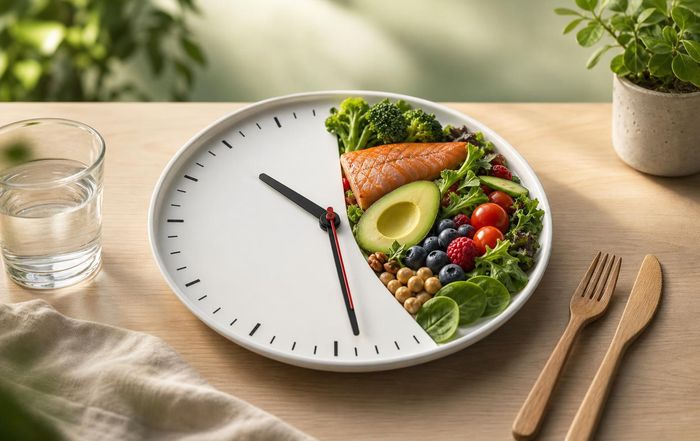
The Main Power of Intermittent Fasting for Modern Wellness
Intermittent Fasting in a Wellness Landscape
Intermittent fasting has moved from fringe wellness trend to a mainstream, globally recognized strategy for improving health, performance, and longevity. Across major markets in North America, Europe, Asia, and beyond, health-conscious professionals, entrepreneurs, and wellness leaders are integrating structured fasting protocols into their daily routines, aligning them with broader commitments to spa and salon self-care, evidence-based nutrition, and performance-driven lifestyles. For this site, which sits at the intersection of spa culture, holistic health, and modern lifestyle aspirations, intermittent fasting represents not just a dietary pattern but a strategic pillar in the evolving definition of wellness.
Intermittent fasting, broadly defined as alternating cycles of eating and fasting within specific time windows, is no longer perceived merely as a weight-loss tactic; it is now framed by leading medical and research institutions as a metabolic reset tool that can enhance energy, cognitive clarity, cellular repair, and long-term disease prevention. Organizations such as Harvard T.H. Chan School of Public Health and Johns Hopkins Medicine have helped shape the public understanding of fasting by explaining how time-restricted eating influences insulin sensitivity, inflammation, and cellular resilience. Readers who wish to deepen their understanding of the scientific underpinnings can explore how metabolism responds to fasting windows, and then consider how such knowledge can be integrated with the broader wellness journeys that QikSpa curates across spa, beauty, fitness, and lifestyle content.
The Science of Metabolic Flexibility and Cellular Renewal
The central physiological benefit of intermittent fasting lies in its impact on metabolic flexibility, which is the body's ability to transition efficiently between using glucose and fat as primary fuel sources. When individuals extend the time between meals, insulin levels decline, glycogen stores are gradually depleted, and the body increasingly mobilizes stored fat for energy. Research from organizations such as the National Institutes of Health has highlighted how this shift can improve cardiometabolic markers, including blood sugar regulation, triglyceride levels, and blood pressure. Readers interested in a deeper dive into these mechanisms can review current metabolic health research to understand how fasting protocols complement a broader health strategy.
Beyond basic energy metabolism, intermittent fasting is associated with enhanced cellular maintenance processes such as autophagy, a form of internal housekeeping in which cells remove damaged components and recycle them. This process has been linked, in laboratory and early human studies, to improved cellular resilience and potential longevity benefits, topics that leading institutions like the Buck Institute for Research on Aging and Mayo Clinic have been actively investigating. Professionals who are designing long-term wellness plans, particularly those integrating spa therapies and stress management, can benefit from understanding how fasting-induced autophagy might align with other restorative practices, in the same way that holistic health strategies combine nutrition, movement, and recovery.
Intermittent Fasting and Weight Management in a High-Performance World
For a global audience balancing demanding careers, family responsibilities, and ambitious lifestyle goals, one of the most practical benefits of intermittent fasting is its structured approach to caloric intake and appetite regulation. Time-restricted eating windows, such as 16:8 or 14:10 schedules, simplify decision-making by narrowing the hours during which food is consumed, often leading to a natural reduction in total calories without the psychological burden of constant counting. Organizations like Cleveland Clinic have discussed how fasting can support sustainable weight loss when paired with nutrient-dense, minimally processed foods and appropriate physical activity, and readers can learn more about weight management strategies to better evaluate which protocol suits their lifestyle.
For the QikSpa audience, which places a premium on appearance, confidence, and performance, the weight management aspect of intermittent fasting intersects directly with broader beauty and wellness goals. Healthy body composition, supported by reduced visceral fat and improved metabolic markers, can influence skin quality, hormonal balance, and energy levels, all of which are central themes in the curated insights found in the beauty and fitness sections. In regions such as the United States, United Kingdom, Germany, and Australia, where busy urban professionals often struggle with erratic eating patterns, intermittent fasting offers a structured, evidence-aligned alternative to more extreme or unsustainable diets.
Cognitive Performance, Focus, and Mental Clarity
In 2026, the concept of wellness extends far beyond physical metrics to encompass cognitive performance, mental clarity, and emotional resilience. Many individuals across technology, finance, creative industries, and leadership roles report that intermittent fasting enhances their ability to concentrate, reduces afternoon energy slumps, and supports a more stable mood profile. While individual responses vary, there is growing interest in how fasting influences brain-derived neurotrophic factor (BDNF), ketone production, and neuroinflammation, themes that organizations such as Alzheimer's Association and National Institute on Aging are exploring in the context of brain health and aging. Those interested in long-term cognitive resilience can explore insights on brain-healthy lifestyles and consider how structured fasting may complement other protective behaviors.
For the research and editorial team, which speaks to a happy audience of ambitious, health-conscious readers, the cognitive dimension of intermittent fasting is particularly relevant. Professionals in major cities from New York to London, Singapore to Berlin, are seeking strategies that simultaneously sharpen their focus and align with broader wellness values. When combined with practices such as mindfulness, spa therapies, and restorative sleep, intermittent fasting can become part of an integrated cognitive performance strategy. The lifestyle and wellness sections are increasingly reflecting this shift, highlighting routines that merge nutrition timing, stress management, and digital boundaries to support sustained mental performance.
Intermittent Fasting, Hormones, and Longevity
Hormonal balance is central to overall wellness, influencing everything from energy levels and mood to skin quality and reproductive health. Intermittent fasting has been shown, in various studies, to improve insulin sensitivity and reduce markers of chronic inflammation, both of which are critical for long-term health and disease prevention. Institutions such as World Health Organization and Centers for Disease Control and Prevention have emphasized the global burden of metabolic diseases such as type 2 diabetes and cardiovascular disease, and how modifiable lifestyle strategies can play a preventive role. Those who wish to understand the broader public health context can review global noncommunicable disease data and then reflect on how personal fasting practices might fit into a preventive health framework.
At the same time, responsible adoption of intermittent fasting requires recognition of its nuanced hormonal effects, particularly for women and for individuals with pre-existing endocrine disorders. Emerging research, some of it summarized by organizations like Endocrine Society, suggests that fasting protocols may need to be adjusted for menstrual cycles, fertility considerations, and thyroid health. For the significant portion of readers who are women navigating complex roles across careers, family, and global travel, thoughtful personalization is essential. The women and health pages increasingly emphasize collaboration with qualified healthcare professionals, encouraging readers to align fasting strategies with medical guidance, regular lab work, and ongoing monitoring.
Integrating Fasting with Spa, Beauty, and Skin Health
In the spa and salon world, visible benefits often drive engagement, yet the most sustainable transformations arise from deep internal changes. Intermittent fasting's potential to reduce systemic inflammation, improve glycemic control, and enhance circulation can indirectly influence skin clarity, texture, and elasticity. Dermatology experts and organizations such as the American Academy of Dermatology have long noted the relationship between diet, inflammation, and skin conditions such as acne, rosacea, and premature aging. Professionals seeking to connect nutritional timing with their skincare routines can learn more about skin and nutrition relationships and then integrate those insights into their spa and beauty strategies.
For QikSpa, whose spa and salon original reporting focuses on both luxury experiences and evidence-based care, intermittent fasting offers a compelling bridge between internal wellness and external radiance. Clients visiting high-end spas in cities like Paris, Dubai, Singapore, and Los Angeles are increasingly asking how their facials, massages, and body treatments can be complemented by nutrition strategies that support collagen production, reduce puffiness, and stabilize energy. By highlighting how structured fasting windows can work alongside hydration, targeted skincare, and stress-reduction therapies, QikSpa positions itself as a trusted guide for readers seeking a unified approach to beauty and health.
Nutrition Quality: What to Eat When You Are Not Fasting
Intermittent fasting is not a license to neglect food quality; in fact, the compressed eating window makes nutrient density even more important. Leading authorities such as Academy of Nutrition and Dietetics and British Nutrition Foundation emphasize the importance of whole foods, lean proteins, healthy fats, and abundant vegetables in supporting both metabolic health and overall wellness. Those aiming to refine their approach can explore evidence-based healthy eating principles and then apply them strategically within their chosen fasting schedule.
For the online readership, which is highly engaged with food and nutrition content, the opportunity lies in designing meals that are both indulgent and aligned with health goals. Mediterranean-inspired patterns, featuring olive oil, fish, legumes, and fresh produce, continue to be celebrated by institutions such as American Heart Association for their cardiovascular benefits, and readers can learn more about heart-healthy eating patterns to inform their meal planning. Whether dining in New York, Milan, Tokyo, or Cape Town, professionals can use intermittent fasting as a framework to enjoy high-quality cuisine without compromising long-term health.
Fasting, Fitness, and Recovery: Aligning Training with Timing
As fitness culture continues to expand across regions from North America and Europe to Asia-Pacific and the Middle East, many athletes and recreational exercisers are experimenting with training in a fasted state. Research summarized by organizations such as American College of Sports Medicine suggests that, for some individuals, fasted low to moderate intensity exercise may enhance fat oxidation, while higher intensity training often benefits from pre-workout nutrition. Those looking to refine their performance strategies can review exercise and nutrition guidelines and then adapt them to their intermittent fasting schedule.
For QikSpa, which curates a broad spectrum of fitness and yoga insights, the key message is that fasting and exercise must be personalized. In cities like London, Toronto, Seoul, and Sydney, busy professionals may find that a morning fasted walk, yoga session, or light strength training aligns well with their energy patterns, while more intense workouts might be scheduled within or just before the eating window. Recovery is equally critical; adequate protein, electrolytes, and sleep are essential to prevent overtraining and hormonal dysregulation. By integrating spa modalities-such as massage, hydrotherapy, and sauna-with structured fasting and training, QikSpa demonstrates how a multi-dimensional recovery strategy can support sustainable performance and long-term health.
Global and Cultural Perspectives on Fasting
Intermittent fasting is not a new concept; it has deep roots in cultural, spiritual, and religious traditions worldwide, from Ramadan practices in predominantly Muslim countries to historical fasting customs in Christian, Buddhist, and Hindu communities. In 2026, this cultural heritage is intersecting with modern science, creating a unique opportunity for cross-cultural learning and respect. Organizations such as UNESCO and World Economic Forum often highlight how traditional knowledge can inform contemporary sustainability and health practices, and readers interested in the cultural dimension of wellness can explore global perspectives on culture and well-being to appreciate fasting's broader context.
For a website like this, with an international readership spanning the United States, China, and beyond, acknowledging this heritage is essential. The modern intermittent fasting movement can be enriched by understanding how different cultures integrate fasting with community rituals, spiritual reflection, and seasonal rhythms, while also applying contemporary medical knowledge to ensure safety and inclusivity. This blend of tradition and innovation aligns with QikSpa's mission to curate globally relevant, culturally sensitive wellness insights.
Sustainability, Travel, and the Mobile Professional
In an era where sustainable living and conscious consumption are increasingly central to personal and corporate values, intermittent fasting offers an unexpected but meaningful contribution. By reducing the number of meals consumed, many individuals naturally decrease overall food waste and packaging, and may become more intentional about the quality and sourcing of the foods they do eat. Organizations such as United Nations Environment Programme and Ellen MacArthur Foundation have emphasized the importance of reducing overconsumption and promoting circular food systems, and readers can learn more about sustainable food practices to align their fasting routines with environmental goals.
For frequent travelers and global professionals, intermittent fasting can also serve as a practical tool for managing jet lag, irregular schedules, and inconsistent access to healthy food options. By strategically timing fasting windows during long-haul flights or high-intensity workdays, individuals can reduce impulsive snacking and better align their circadian rhythms with local time zones, while relying on high-quality meals once they reach their destination. The ace travel and sustainable sections increasingly highlight how nutrition timing, hydration, and movement routines can make business and leisure travel more energizing and less disruptive.
Professional Growth, Careers, and the Business of Wellness
The rise of intermittent fasting also has implications for careers and the broader business landscape. As wellness becomes a strategic priority for corporations worldwide, forward-thinking employers are integrating evidence-based health education, flexible meal break policies, and supportive workplace environments that respect diverse dietary and fasting practices. Organizations such as World Economic Forum and McKinsey & Company have analyzed how employee well-being directly influences engagement, productivity, and retention, and readers can explore perspectives on workplace wellness and performance to understand how fasting might fit into high-performance cultures.
For professionals shaping their own careers within the wellness, spa, nutrition, or fitness sectors, intermittent fasting represents both a personal practice and a professional competency. The new careers and business features speak to entrepreneurs, practitioners, and executives who must navigate scientific evidence, client expectations, regulatory considerations, and global market trends. Understanding the benefits and limitations of fasting allows them to design services, educational content, and corporate wellness programs that are credible, inclusive, and impactful. In markets from the United States and Europe to Asia and Africa, the most successful wellness businesses in 2026 are those that combine scientific rigor with cultural sensitivity and personalized guidance.
Personalization, Safety, and Building Trust
Despite its many potential benefits, intermittent fasting is not appropriate for everyone, and responsible adoption requires careful consideration of individual health status, life stage, and medical history. Individuals with a history of eating disorders, uncontrolled diabetes, certain cardiovascular conditions, or those who are pregnant, breastfeeding, or under specific medical treatments should consult qualified healthcare professionals before initiating any fasting protocol. Reputable organizations such as NHS in the United Kingdom and Health Canada emphasize the importance of individualized medical advice, and readers can review general healthy living guidance as a starting point while recognizing that intermittent fasting requires more personalized evaluation.
For QikSpa, which seeks to embody experience, expertise, authoritativeness, and trustworthiness across all wellness domains, the commitment to safety and transparency is paramount. By presenting intermittent fasting as a powerful but nuanced tool-one that works best when integrated with balanced nutrition, movement, recovery, and medical oversight-QikSpa reinforces its role as a top guide rather than a promoter of quick fixes. The platform's integrated daily curated news of wellness, health, lifestyle, and beauty ensures that readers receive a holistic perspective, grounded in current evidence and informed by global best practices.
Intermittent Fasting as a Key Pillar of Modern Wellness
As of today, intermittent fasting stands at the intersection of science, culture, and lifestyle, offering a structured, research-aligned framework for individuals seeking to optimize their health, appearance, performance, and longevity. From metabolic flexibility and cellular repair to cognitive clarity, hormonal balance, and sustainable living, its benefits resonate strongly with the aspirations of a global, high-achieving audience. Yet its true power emerges only when it is personalized, integrated with high-quality nutrition and thoughtful movement, and grounded in medical guidance and self-awareness.
For QikSpa, intermittent fasting is more than a topic; it is a lens through which to explore the evolving definition of wellness in a world that is increasingly interconnected, demanding, and opportunity-rich. By weaving fasting insights into its coverage of spa and salon experiences, health strategies, beauty rituals, fitness and yoga practices, international lifestyles, sustainable choices, and career development, we support readers in designing lives that are not only more productive and aesthetically refined, but also more resilient, intentional, and aligned with their deepest values.
