
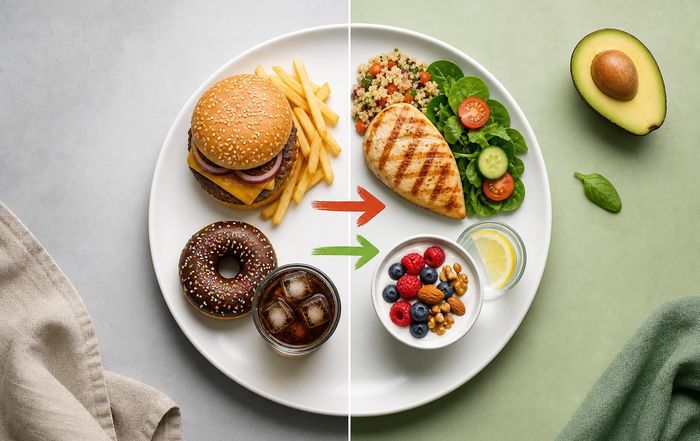
Simple Swaps for a Healthier Diet and more Global Wellness Thoughts!
The New Language of Everyday Nutrition
Woo hoo, healthy eating has evolved from a niche interest into a core pillar of modern living, shaping how people across the United States, Europe, Asia, Africa, and the Americas work, travel, relax, and care for themselves. For easy-going, individuals coming, here, who already see wellness as a lifestyle rather than a trend, nutrition is no longer about strict rules or short-lived diets; it is about realistic, sustainable choices that integrate seamlessly with spa culture, beauty routines, fitness plans, and busy professional lives. Simple swaps for a healthier diet have become one of the most powerful tools in this transformation, enabling individuals to upgrade daily habits without sacrificing pleasure, cultural traditions, or social connections.
In leading wellness destinations from New York and London to Singapore, Sydney, and Stockholm, the most forward-thinking spas and salons now treat food and nutrition as equal partners to massage, skincare, and mindfulness therapies. This integrated approach aligns with the philosophy that underpins QikSpa, where spa and salon experiences are seen as entry points into a broader ecosystem of health, wellness, and lifestyle optimization. Simple dietary swaps, when chosen strategically and applied consistently, can support clearer skin, more resilient hair, higher energy, better sleep, and improved emotional balance, all of which enhance the results of professional treatments and at-home self-care.
As global institutions such as the World Health Organization highlight the role of nutrition in preventing noncommunicable diseases, readers are increasingly seeking practical guidance rather than abstract theory. Those who frequent premium spas in cities like Paris, Berlin, Tokyo, or Toronto understand that they do not have to completely abandon cherished foods from Italian, Thai, Brazilian, or Indian cuisines; instead, they can make informed substitutions, adjust portions, and refine cooking methods. This article explores how simple, evidence-informed swaps can be leveraged by wellness-conscious individuals everywhere, while reflecting the experience-driven, trustworthy perspective that defines QikSpa and its growing international audience.
Why Simple Swaps Work Better Than Restrictive Diets
Nutrition experts across North America, Europe, and Asia now widely agree that small, consistent improvements in dietary patterns are more effective and sustainable than extreme restrictions. Research summarized by organizations such as the Harvard T.H. Chan School of Public Health shows that long-term health outcomes are strongly influenced by overall dietary quality rather than single "superfoods" or short-term detoxes. Learn more about sustainable dietary patterns through resources like the Healthy Eating Plate, which emphasizes whole grains, healthy fats, and abundant vegetables.
Simple swaps align with how people actually live. A professional in London or Frankfurt, a wellness traveler in Bangkok or Cape Town, or a busy parent in Toronto or São Paulo rarely has the time or desire to measure every gram of food. However, they can choose sparkling water over sugary soda, whole-grain bread instead of refined white bread, or grilled fish rather than deep-fried options. Over days and months, these incremental changes compound, supporting healthier weight management, more stable blood sugar, and improved cardiovascular health, as outlined by organizations such as the American Heart Association, which provides guidance on heart-healthy eating patterns.
For the massage and salon loving folks here online today, which often spans spa aficionados, beauty professionals, wellness entrepreneurs, and health-conscious travelers, simple swaps also align with a desire for elegance, enjoyment, and balance. Rather than framing food as a source of guilt or anxiety, these swaps encourage a mindset in which each meal or snack becomes an opportunity to nourish the body, support skin and hair health, and fuel performance in work, sport, and creative pursuits. Within the broader QikSpa ecosystem, nutrition thus becomes a key connector between spa and salon experiences, fitness routines, and daily lifestyle decisions.
Building a Healthier Plate: From Refined to Whole
One of the most impactful categories of simple swaps involves moving from refined ingredients to whole, minimally processed alternatives. Across the United States, United Kingdom, Germany, Canada, Australia, and beyond, refined grains, added sugars, and highly processed snacks remain ubiquitous, yet steadily more consumers are discovering that upgrading these staples can dramatically enhance energy levels, digestion, and satiety. The Dietary Guidelines for Americans and similar frameworks in Europe and Asia consistently recommend shifting toward whole grains, legumes, vegetables, and fruits as daily foundations, and readers can explore these principles through resources such as the U.S. Department of Agriculture's MyPlate.
Replacing white bread, white rice, and regular pasta with whole-grain or higher-fiber alternatives is a classic example of a simple swap that delivers disproportionate benefits. Whole-grain sourdough in Paris, rye bread in Scandinavia, brown rice in Japan, or quinoa in South America all offer more fiber, micronutrients, and stable energy than their refined counterparts, while fitting seamlessly into local culinary traditions. Similarly, choosing steel-cut oats or muesli over sugary breakfast cereals supports more balanced blood sugar and longer-lasting fullness, which is particularly valuable for professionals and entrepreneurs balancing demanding schedules, as explored in the business and performance-focused coverage.
Another powerful shift involves replacing sugary drinks-still a major source of empty calories worldwide-with water, unsweetened tea, or lightly flavored sparkling water. In wellness-focused cities from Vancouver to Zurich and Singapore, spa guests are increasingly offered infused waters with citrus, herbs, or berries instead of soft drinks, aligning hydration with the overall aesthetic of calm and luxury. Guidance from the Centers for Disease Control and Prevention on healthy beverage choices underscores how such swaps can significantly reduce added sugar intake, thereby supporting better dental health, weight management, and metabolic resilience.
Protein Upgrades: From Processed to Clean and Lean
Protein choices profoundly influence not only body composition and fitness outcomes but also skin integrity, hair strength, and overall vitality, making them central to the wellness philosophy embraced by QikSpa. Many traditional diets in North America and parts of Europe have historically leaned heavily on processed meats, fried options, and large portions of red meat, which are associated with higher risks of chronic disease when consumed in excess. In contrast, simple swaps toward lean, minimally processed proteins can provide the amino acids essential for tissue repair, immune function, and beauty-related outcomes such as collagen maintenance.
Opting for grilled, baked, or steamed fish instead of deep-fried fish, or choosing skinless poultry, tofu, lentils, or chickpeas instead of processed sausages and cured meats, represents a practical shift that can be applied in restaurants, home kitchens, and even hotel buffets from Dubai to Copenhagen. The British Nutrition Foundation offers accessible guidance on healthy protein choices, which can help readers in the United Kingdom and beyond refine their everyday meals without abandoning beloved flavors. For those who follow plant-forward lifestyles, swapping heavily processed meat substitutes for whole-food protein sources such as beans, tempeh, or nuts can reduce additives while still providing satisfying texture and taste.
In fitness-conscious communities, particularly in cities like Los Angeles, Munich, Seoul, and Melbourne, there is growing appreciation for aligning protein intake with training goals and recovery needs. People who engage with the fitness and yoga content can integrate simple swaps such as Greek yogurt instead of sugary flavored yogurts, or hummus and vegetables instead of processed meat snacks, thereby supporting muscle repair and sustained energy. Expert organizations including the International Society of Sports Nutrition provide evidence-based recommendations on protein for active individuals, reinforcing the idea that quality and timing matter as much as quantity.
Fats Reimagined: From Hidden Dangers to Healthy Allies
The global conversation around dietary fat has transformed over the past decade, moving away from the simplistic notion that all fat is harmful toward a more nuanced understanding of how different types of fats affect cardiovascular, cognitive, and hormonal health. For wellness-focused readers in Europe, Asia, North America, and beyond, simple swaps in this category can profoundly influence long-term wellbeing, especially when integrated with spa treatments aimed at stress reduction, skin rejuvenation, and metabolic balance.
Replacing trans fats and excessive saturated fats with unsaturated fats is one of the most powerful steps individuals can take. This may involve choosing olive oil or canola oil instead of butter for cooking, selecting nuts and seeds over pastries for snacks, or incorporating avocado and fatty fish like salmon, sardines, or mackerel instead of processed cheese and fried foods. The European Food Safety Authority has issued detailed opinions on dietary fats and health, which support these shifts across EU member states and influence broader international guidance.
In Mediterranean countries such as Italy, Spain, and France, traditional patterns that emphasize olive oil, nuts, and fish align closely with modern research on heart health and longevity. Learn more about the Mediterranean diet and its benefits through resources from institutions like the Mayo Clinic, which provides an overview of Mediterranean-style eating. For our readers, these examples illustrate how culturally rooted cuisines can be leveraged rather than abandoned, with simple swaps such as choosing grilled octopus with olive oil instead of cream-based dishes, or enjoying a small portion of high-quality dark chocolate instead of large servings of confectionery made with hydrogenated fats.
By embracing healthier fats, individuals support not only cardiovascular health but also skin barrier function, hair shine, and hormonal stability, all of which are key concerns for spa clients and beauty enthusiasts. This synergy between internal nutrition and external treatments is central to QikSpa's integrated approach to beauty, reinforcing the message that glow and radiance begin on the plate as much as on the treatment bed.
Sugar and Sweetness: Reducing Without Depriving
Managing sugar intake is a universal challenge, affecting consumers from the United States and Canada to Japan, South Africa, and Brazil. The rise of specialty coffee, artisanal desserts, and convenience snacks has made sugar more pervasive, even in foods that do not taste overtly sweet. Yet for health-conscious individuals and spa-goers, excessive sugar is increasingly recognized as a barrier to clear skin, stable mood, restorative sleep, and long-term metabolic health.
Simple swaps offer a realistic path forward. Choosing unsweetened versions of plant milks, yogurt, and breakfast cereals, then adding fruit or a small drizzle of honey if needed, allows individuals to control sweetness levels while reducing total sugar. Replacing large sugary desserts with smaller portions of higher-quality treats, or fruit-based options such as baked apples, berries, or citrus, can satisfy cravings while providing fiber and antioxidants. The World Health Organization provides clear recommendations on reducing free sugars, which can guide readers in every region toward more informed decisions.
In spa cafés and wellness retreats from Bali to the Swiss Alps, menus increasingly showcase naturally sweet ingredients such as dates, figs, and seasonal fruits, often paired with nuts, seeds, and whole grains to moderate blood sugar impact. This aligns with the broader trend toward mindful indulgence, in which pleasure is preserved but excess is reduced. For readers exploring QikSpa's food and nutrition insights, these examples underscore that enjoyment and discipline can coexist when sweetness is reframed as an accent rather than a dominant theme.
Global Flavors, Local Swaps: Adapting Traditions Without Losing Identity
One of the most compelling aspects of simple dietary swaps is their adaptability to different cultural contexts. In Asia, Europe, Africa, and the Americas, traditional cuisines offer rich tapestries of flavor, technique, and ritual, and many readers of QikSpa are passionate travelers who seek to honor local food cultures while maintaining their wellness standards. The key is not to impose a single global template, but to identify context-sensitive swaps that preserve identity while upgrading nutritional value.
In East and Southeast Asia, for example, swapping a portion of white rice for a mix of brown rice, barley, or quinoa can increase fiber and micronutrient intake without altering beloved dishes beyond recognition. In Latin America, choosing grilled or baked versions of meats and street foods rather than deep-fried options can significantly reduce unhealthy fats while preserving signature spices and marinades. In Northern Europe, where bread and dairy are central, selecting whole-grain rye bread, fermented dairy like kefir, and smaller portions of high-quality cheese instead of processed spreads can align tradition with modern health goals. The Food and Agriculture Organization of the United Nations offers detailed profiles on traditional diets and nutrition, highlighting how cultural heritage can support rather than hinder healthier eating.
For global citizens and frequent travelers who follow the new international and travel stories, these culturally sensitive swaps are particularly valuable. They enable individuals to dine in Tokyo, Cape Town, Madrid, or Montreal with confidence, making small adjustments-such as prioritizing vegetable dishes, choosing broth-based soups over creamy ones, or moderating portion sizes-without rejecting local hospitality or culinary artistry. This approach reflects QikSpa's commitment to inclusivity, respect, and practicality in wellness guidance.
Nutrition as a Beauty and Spa Strategy
Within the spa and salon world, the connection between nutrition and beauty has become increasingly explicit. Leading establishments in cities like New York, London, Dubai, and Singapore now design signature programs that pair facials, massages, and body treatments with personalized nutritional recommendations, recognizing that external results are amplified when internal inputs are optimized. For QikSpa, which serves as a digital hub for spa and salon professionals and enthusiasts, simple dietary swaps form a cornerstone of this integrated philosophy.
Replacing ultra-processed snacks with nutrient-dense options such as nuts, seeds, and fresh fruit can help stabilize blood sugar, which in turn reduces inflammatory responses that may manifest as dullness, breakouts, or premature aging. Swapping heavily salted, packaged foods for fresh, herb-seasoned dishes can reduce fluid retention, which is particularly relevant for clients seeking body contouring or lymphatic drainage treatments. Choosing herbal teas and water over excessive caffeine and alcohol supports better hydration, which enhances the effects of moisturizing and anti-aging skincare regimens. Organizations like the American Academy of Dermatology provide educational resources on diet and skin health, reinforcing these connections.
For women in particular, who form a significant portion of the audience and engage actively with content on women's health and lifestyle, simple swaps can also support hormonal balance, bone health, and reproductive wellbeing. Incorporating calcium-rich foods, iron sources paired with vitamin C, and omega-3 fats while moderating ultra-processed foods and added sugars can contribute to more stable energy, mood, and skin condition across life stages. This holistic perspective, grounded in science but expressed through accessible daily choices, defines the kind of trustworthy, experience-driven guidance that QikSpa aims to deliver.
Aligning Diet Swaps with Fitness, Yoga, and Mental Wellbeing
Nutrition does not operate in isolation; it interacts continuously with movement, sleep, and stress management. For readers who follow QikSpa's coverage of fitness, yoga, and holistic wellness, simple dietary swaps can be strategically aligned with training schedules, recovery needs, and mental health goals. This integrated approach mirrors the practices of leading wellness centers worldwide, from Los Angeles and Toronto to Copenhagen, Seoul, and Auckland.
Swapping refined carbohydrates for complex carbohydrates before exercise-such as choosing oats, whole-grain toast, or fruit instead of pastries-can provide more sustained energy and reduce mid-workout fatigue. After workouts or yoga sessions, replacing sugary drinks with water or electrolyte-enhanced beverages that are low in added sugar supports hydration without unnecessary calories, as recommended by organizations such as the American College of Sports Medicine, which offers guidance on hydration and performance. Similarly, choosing a balanced snack of protein and complex carbohydrates after training, such as yogurt with fruit or hummus with whole-grain crackers, can enhance recovery and muscle repair.
Mental wellbeing is also closely linked to dietary patterns, with emerging research suggesting that diets rich in whole foods, healthy fats, and fiber may support more stable mood and cognitive function. Simple swaps such as replacing ultra-processed comfort foods with nourishing alternatives-like vegetable-based soups, whole-grain dishes, or dark chocolate in moderation-can contribute to a more balanced emotional state. Resources from the National Institute of Mental Health explore the relationship between lifestyle factors and mental health, offering a broader context for readers interested in holistic wellness. Within the QikSpa ecosystem, these insights reinforce the message that every meal is an opportunity to support not only physical performance but also mental clarity and emotional resilience.
Sustainability, Ethics, and the Future of Everyday Eating
By 2026, sustainability has become a central concern for consumers and businesses alike, influencing choices from fashion and travel to food and wellness. For email subscribers or online readers who engage with sustainable living content, simple dietary swaps offer a powerful way to align personal health with environmental responsibility. Reducing food waste, moderating meat consumption, and favoring seasonal, locally sourced ingredients where possible can collectively lower environmental impact while often improving nutritional quality.
Swapping imported, heavily packaged snacks for locally produced fruits, vegetables, nuts, and whole grains can reduce transportation emissions and plastic waste. Choosing plant-based meals several times a week instead of meat-heavy options not only supports cardiovascular health but also lowers the carbon footprint of the diet, as highlighted by organizations like the EAT-Lancet Commission, which explores planetary health diets. Even small decisions, such as preferring tap water where safe over bottled beverages, or selecting sustainably sourced seafood certified by organizations like the Marine Stewardship Council, can contribute to a more ethical and environmentally conscious lifestyle.
For professionals in the spa, salon, and wellness industries, these shifts also present business opportunities. Menus that highlight sustainable, nutrient-dense options can differentiate brands, attract discerning clients, and demonstrate corporate responsibility, themes explored in the business and careers coverage. Learn more about sustainable business practices through resources from the United Nations Environment Programme, which outlines frameworks for sustainable consumption and production. In this way, simple dietary swaps become not only a personal health strategy but also a statement of values and a driver of innovation across the global wellness economy.
Bringing It All Together: Thoughts on Everyday Excellence
For a global, sophisticated audience that spans spa lovers in Switzerland, wellness professionals in the United States, beauty enthusiasts in the United Kingdom, entrepreneurs in Singapore, and travelers across Africa, Asia, and South America, the path to a healthier diet does not lie in perfection or deprivation. Instead, it lies in a series of informed, consistent, and culturally sensitive choices-simple swaps that gradually transform the quality of daily life. QikSpa positions itself at the intersection of lifestyle, wellness, and beauty, offering a trusted space where readers can explore how these swaps fit into their routines, aspirations, and identities.
Whether the goal is to enhance the results of spa and salon treatments, support a demanding career, improve athletic performance, navigate midlife changes, or simply feel more energized and confident each day, the principles remain the same: choose whole over ultra-processed, balance rather than excess, and quality over quantity. Simple swaps such as whole grains instead of refined grains, water instead of sugary drinks, lean and plant-based proteins instead of heavily processed meats, and healthy fats instead of trans fats are accessible to most people in most regions, even amid busy schedules and diverse cultural contexts.
As the wellness landscape continues to evolve, the news on editorial team remains committed to providing experience-driven, expert-informed guidance that respects both science and individuality. Readers are encouraged to view every meal, snack, and beverage as an opportunity to practice self-care at the most fundamental level, complementing the external rituals of spa treatments, skincare, movement, and fashion. By embracing simple swaps for a healthier diet, individuals around the world can build a foundation for long-term health, beauty, and fulfillment, reflecting the holistic vision that defines QikSpa and its global community.
