
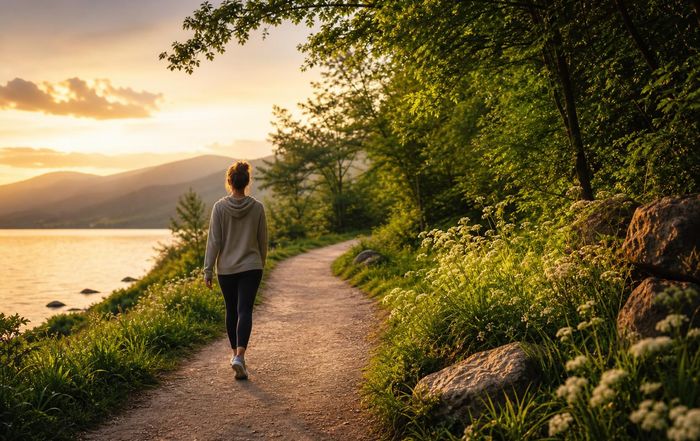
Mindful Walking for Stress Relief in a Hyperconnected World
The New Landscape of Stress in 2026
By 2026, the global conversation about stress has shifted from dismissive acknowledgment to urgent priority, as leaders in health, business, and lifestyle increasingly recognize chronic stress as both a human crisis and a strategic risk. The acceleration of digital work, the blurring of professional and personal boundaries, and the persistent uncertainty in global markets have all contributed to a pervasive sense of cognitive overload. Organizations and individuals are looking for tools that are practical, evidence-based, and sustainable, and in this context, mindful walking has emerged as a deceptively simple yet powerful practice that aligns closely with the values and mission of QikSpa.
Mindful walking, at its core, is the deliberate practice of walking with full awareness of the body, breath, and surroundings, transforming a routine physical activity into a structured mental reset. As research from institutions such as Harvard Medical School continues to highlight the benefits of mindfulness for anxiety and stress reduction, the integration of movement into mindfulness has become particularly compelling for busy professionals who struggle to find time for seated meditation. For the audience that turns to QikSpa for insights on spa and salon experiences, health, wellness, and lifestyle, mindful walking offers a bridge between evidence-based mental health practices and accessible, real-world routines.
Across regions from the United States and the United Kingdom to Germany, Singapore, and Australia, employers and wellness providers are incorporating walking-based mindfulness programs into corporate well-being strategies, spa treatments, and urban retreats. As the wellness economy continues to expand, with data from the Global Wellness Institute showing sustained growth in mental wellness and physical activity segments, mindful walking stands out as a low-cost, high-impact intervention that can be adapted to different cultures, climates, and urban or rural environments worldwide.
The Science Behind Mindful Walking and Stress Relief
The effectiveness of mindful walking in managing stress is grounded in well-documented physiological and psychological mechanisms rather than wellness trends alone. When walking at a moderate pace, the body activates systems that help regulate cortisol, the primary stress hormone, and supports cardiovascular health, which is increasingly recognized as closely tied to mental well-being. Studies referenced by organizations such as the American Psychological Association highlight how regular movement enhances mood, improves sleep quality, and increases resilience to daily stressors, while mindfulness practices support emotional regulation and attentional control.
Mindful walking combines these two domains, and emerging research from universities and clinical centers has begun to examine how this integration uniquely benefits the brain. By intentionally directing attention to the sensation of each step, the rhythm of breathing, and the contact of the feet with the ground, individuals gently disengage from ruminative thought patterns that fuel anxiety and stress. This process aligns with findings from UCLA Health on how mindfulness practices can reshape neural pathways associated with focus and emotional stability, suggesting that mindful walking may not only provide immediate relief but also contribute to longer-term changes in how stress is processed.
Physiologically, mindful walking can stimulate the parasympathetic nervous system, often referred to as the "rest and digest" system, which counterbalances the fight-or-flight response triggered by chronic stress. Research summarized by Mayo Clinic indicates that simple, regular physical activity can reduce muscle tension, lower blood pressure, and improve energy levels, while mindfulness enhances the perception of safety and control, two key factors in mitigating stress. For readers seeking a deeper understanding of holistic health, the intersection of these mechanisms is explored in more detail within QikSpa's own health and wellness sections, where the relationship between mind and body is treated as a strategic foundation rather than an abstract concept.
Integrating Mindful Walking into Modern Spa and Wellness Experiences
For a platform like QikSpa, which connects audiences to evolving spa, salon, and wellness cultures worldwide, mindful walking offers a compelling extension of traditional treatments into the everyday lives of clients. Spas in North America, Europe, and Asia are increasingly moving beyond static, facility-based services to design experiences that follow guests beyond the treatment room, and mindful walking has become a natural component of this evolution. Urban spas in cities such as London, New York, Singapore, and Tokyo are curating guided mindful walking routes through nearby parks or waterfronts, allowing clients to transition from indoor treatments to outdoor sensory immersion, reinforcing the benefits of massage, facials, and body therapies with nervous system regulation through movement.
This trend aligns with the broader shift in spa and salon culture toward integrated well-being, where services are no longer limited to aesthetic outcomes but are designed to support emotional balance, mental clarity, and lifestyle transformation. Readers exploring spa and salon insights on QikSpa are increasingly interested in offerings that combine beauty and relaxation with measurable health benefits, and mindful walking programs meet this demand by being easy to implement, scalable, and adaptable to different demographics, including executives, frequent travelers, and wellness-focused tourists.
Globally recognized organizations such as Spafinder have documented the rise of mindfulness-based spa experiences, and mindful walking is often highlighted as a signature element in wellness retreats from Thailand and Bali to Italy and the United States. For spa operators and wellness entrepreneurs, integrating mindful walking into service menus not only enhances client outcomes but also reinforces brand positioning as a forward-thinking, evidence-aligned provider. In this context, QikSpa serves both as an inspiration hub for clients seeking such experiences and as a strategic resource for businesses exploring innovative wellness offerings.
Mindful Walking and Personal Health: A Practical, Everyday Intervention
While spa and salon environments provide an ideal gateway to mindful walking, the true power of the practice lies in its accessibility beyond curated settings. For individuals navigating demanding careers, family responsibilities, and constant digital connectivity, mindful walking can be woven into daily routines without the need for specialized equipment, memberships, or extended time blocks. Health organizations such as the World Health Organization continue to emphasize the importance of regular physical activity for preventing noncommunicable diseases and supporting mental health, and mindful walking offers a way to meet these guidelines while simultaneously addressing stress and burnout.
Professionals in finance, technology, healthcare, and creative industries, especially in high-intensity markets such as the United States, United Kingdom, Germany, and Singapore, often report that they lack the time or mental bandwidth for conventional meditation practices. Mindful walking reframes this barrier by transforming an activity that already exists-commuting between meetings, walking from the office to a café, or moving through an airport terminal-into a structured practice of awareness. For readers exploring fitness and lifestyle content on QikSpa, this approach demonstrates that meaningful stress relief does not always require additional time but rather a different quality of attention.
Healthcare leaders and researchers, including those referenced by Johns Hopkins Medicine, have noted that even short, consistent intervals of mindfulness can reduce symptoms of anxiety, depression, and stress. When paired with walking, these intervals become easier to sustain, particularly for individuals who feel restless or uncomfortable in prolonged stillness. As more clinicians, therapists, and corporate wellness consultants recommend movement-based mindfulness to their clients, mindful walking is increasingly recognized as a legitimate, evidence-aligned component of comprehensive stress management plans rather than a peripheral wellness trend.
The Intersection of Mindful Walking, Nutrition, and Holistic Well-Being
Stress relief is rarely achieved through a single intervention, and in 2026 the most effective wellness strategies are those that integrate movement, nutrition, sleep, and emotional health into a coherent lifestyle framework. Mindful walking interacts synergistically with nutrition by influencing appetite regulation, digestion, and food choices, particularly when practiced before or after meals. Research summarized by Harvard T.H. Chan School of Public Health notes that regular physical activity improves insulin sensitivity and metabolic health, while mindfulness can reduce emotional eating and increase awareness of hunger and satiety cues.
For readers engaging with QikSpa's food and nutrition content, mindful walking offers a practical tool to enhance the benefits of balanced eating patterns, whether they follow Mediterranean, plant-forward, or culturally specific diets. A brief mindful walk after lunch in a corporate environment in London or Frankfurt, or an evening walk in cities like Sydney or Vancouver, can support digestion and create a psychological boundary between work and personal time, which is crucial for preventing chronic stress. International guidelines and analyses from organizations such as the European Food Information Council highlight how even moderate movement contributes to long-term health outcomes, reinforcing the value of integrating mindful walking into daily routines across age groups and regions.
Holistic wellness practitioners increasingly encourage clients to view mindful walking not as an isolated stress management technique but as a central pillar of an integrated lifestyle, alongside nutrient-dense meals, restorative sleep, and supportive social connections. In this integrated view, which is reflected across QikSpa's wellness and health coverage, mindful walking becomes a practical anchor habit that supports broader behavioral change, making it easier to adopt healthier dietary patterns and maintain them over time.
Mindful Walking, Yoga, and the Evolution of Movement Practices
The global growth of yoga, from studios in New York and London to wellness centers in Berlin, Seoul, and São Paulo, has helped familiarize millions with the concepts of breath awareness, body alignment, and present-moment focus. Mindful walking naturally extends these principles into everyday movement, offering an accessible alternative for those who may feel intimidated by yoga classes or who require lower-impact practices due to age, injury, or mobility constraints. For readers who follow QikSpa's yoga content, mindful walking can be seen as a mobile form of meditation that complements both dynamic and restorative yoga sequences.
Organizations such as Yoga Alliance have documented the physical and mental benefits of yoga, including reduced stress, improved flexibility, and enhanced emotional regulation. When individuals integrate mindful walking into their routines on days when a full yoga practice is not feasible, they maintain continuity in their mind-body connection, reinforcing neural pathways associated with calm and focus. In wellness retreats and urban studios worldwide, instructors are increasingly incorporating short mindful walks before or after classes, particularly in locations with access to gardens, parks, or waterfronts, recognizing that the transition from indoor practice to outdoor awareness can deepen the overall experience.
This convergence of yoga and mindful walking reflects a broader shift in global wellness culture toward adaptable, personalized movement practices that can travel with individuals across borders and life stages. Whether in the fast-paced environments of New York and London, the tech hubs of Seoul and Singapore, or the coastal cities of Sydney and Cape Town, mindful walking offers a way to embody the principles of yoga and mindfulness in the flow of everyday life, reinforcing resilience in the face of modern stressors.
Fashion, Wearables, and the Aesthetic of Well-Being on the Move
The rise of mindful walking has also intersected with fashion and technology, as consumers increasingly seek clothing and accessories that support both performance and presence. In key fashion capitals such as Paris, Milan, New York, and London, designers and brands are responding to the demand for versatile, comfortable, and elegant attire that transitions seamlessly from office environments to outdoor walks, reflecting a broader cultural shift where well-being is no longer confined to gym or home settings. Readers exploring QikSpa's fashion coverage will recognize how athleisure has evolved into "mindful wear," with an emphasis on breathable fabrics, ergonomic footwear, and minimalist design that encourages movement without sacrificing professional appearance.
In parallel, the proliferation of wearable devices has transformed how individuals monitor and optimize their walking practices. Companies such as Garmin and Fitbit, as well as integrated ecosystems from Apple and Samsung, offer features that track steps, heart rate variability, stress levels, and even mindfulness sessions. While mindful walking emphasizes internal awareness rather than performance metrics, many professionals find that gentle data insights can reinforce consistency and motivate them to maintain daily walking routines, particularly when their work is largely sedentary.
This intersection of fashion, technology, and mindful movement reflects the growing sophistication of global wellness consumers, who expect solutions that are both functional and aesthetically aligned with their personal and professional identities. For QikSpa, which sits at the crossroads of beauty, lifestyle, and wellness, mindful walking becomes part of a broader narrative in which self-care is integrated into how individuals dress, move, and present themselves in both physical and digital environments.
Global Perspectives: Mindful Walking Across Cultures and Cities
One of the most compelling aspects of mindful walking is its adaptability across cultures, climates, and urban designs. In European cities such as Amsterdam, Copenhagen, and Zurich, where walkability and cycling infrastructure are deeply embedded in urban planning, mindful walking can be seamlessly integrated into daily commutes and errands, transforming already active lifestyles into more conscious, restorative experiences. In contrast, in car-centric environments in parts of North America or rapidly urbanizing regions of Asia, intentional mindful walking may require more deliberate planning, such as choosing specific neighborhoods, parks, or waterfronts for regular practice.
Organizations focused on urban health and sustainability, including C40 Cities and UN-Habitat, have increasingly emphasized the importance of walkable cities for both environmental and public health outcomes, recognizing that pedestrian-friendly environments support not only physical activity but also mental well-being and social connection. As cities in regions such as Europe, Asia, and South America invest in green spaces, riverside promenades, and pedestrian zones, opportunities for mindful walking expand, offering residents and visitors alike accessible spaces for stress relief and contemplation.
For QikSpa's internationally minded audience, which spans North America, Europe, Asia, Africa, and South America, mindful walking can also become a lens through which to experience travel. Exploring international and travel content on the platform, readers can envision integrating mindful walks into business trips in Frankfurt, conferences in Singapore, or vacations in Cape Town or Rio de Janeiro, using local parks, coastal paths, or historic districts as backdrops for both cultural discovery and stress reduction. This approach transforms travel from a source of additional strain into an opportunity for renewal and perspective.
Mindful Walking in Business, Careers, and Leadership
In 2026, the conversation about stress is not only a personal health issue but a strategic business concern, as organizations grapple with burnout, turnover, and declining engagement across industries. Forward-looking companies in the United States, United Kingdom, Germany, Canada, Australia, and beyond are increasingly embedding well-being into their talent and leadership strategies, recognizing that sustainable performance depends on mental resilience and emotional balance. Mindful walking has begun to feature in corporate wellness programs, leadership retreats, and executive coaching, offering a practical, non-intimidating entry point into mindfulness for professionals who may be skeptical of traditional meditation.
Business-focused platforms and thought leaders, including resources from McKinsey & Company and Deloitte Insights, have documented how well-being initiatives, when implemented strategically, can improve productivity, innovation, and retention. Within this context, mindful walking stands out because it can be integrated into existing work patterns: walking meetings, reflective walks between tasks, or short outdoor breaks during long strategy sessions. For readers exploring business and careers content on QikSpa, mindful walking represents a concrete practice that supports both personal resilience and professional effectiveness.
Leadership development programs in sectors ranging from finance and technology to healthcare and education are beginning to incorporate mindful walking as a tool for decision-making clarity, emotional regulation, and creative thinking. By stepping away from screens and into movement, leaders can create mental space to process complex information, reflect on strategic choices, and connect with their teams in a more grounded, present manner. This shift reflects a broader redefinition of leadership in the post-pandemic era, where emotional intelligence, self-awareness, and sustainable performance are seen as essential competencies rather than optional traits.
Sustainability, Nature, and the Ethics of Slowing Down
As climate concerns intensify and sustainability becomes a core expectation of consumers and businesses, mindful walking offers a subtle yet meaningful way to reconnect with the natural world and reconsider daily choices. Walking, particularly in green spaces, is one of the lowest-impact forms of transportation and recreation, aligning with the values of environmentally conscious individuals and organizations. Environmental and health authorities, including the U.S. National Park Service, have highlighted how time spent in nature supports both psychological well-being and environmental stewardship, and mindful walking amplifies these benefits by encouraging deeper sensory engagement with surroundings.
For readers exploring QikSpa's sustainable content, mindful walking can be viewed as both a personal and ethical practice, one that reduces reliance on high-carbon leisure activities and reinforces appreciation for local parks, gardens, and natural landscapes. In countries such as Norway, Sweden, Finland, and New Zealand, where outdoor culture is already strong, mindful walking can deepen existing traditions of nature immersion, while in more densely populated or industrialized regions it can serve as a catalyst for advocating greener, more walkable urban design.
This ethical dimension of mindful walking also intersects with broader conversations about the pace of modern life, consumerism, and digital saturation. By choosing to walk mindfully rather than rush, scroll, or multitask, individuals make a quiet statement about their priorities, reclaiming attention as a finite and valuable resource. For QikSpa, which positions itself as a guide to intentional living across beauty, health, and lifestyle domains, mindful walking embodies the principle that meaningful change often begins with small, consistent shifts in how time and awareness are directed.
Women, Well-Being, and the Role of Mindful Walking
Women across the world, from executives in London and New York to entrepreneurs in Berlin and Singapore, and caregivers in cities and rural communities alike, often carry a disproportionate share of emotional labor, caregiving responsibilities, and professional expectations. This reality has contributed to high levels of stress and burnout among women in multiple regions, a trend documented by organizations such as UN Women in the context of broader social and economic pressures. Mindful walking offers a flexible, accessible practice that can be adapted to different life stages, from young professionals navigating early career demands to mothers balancing family and work, and older women seeking gentle, sustainable forms of movement.
For readers engaging with QikSpa's women content, mindful walking can serve as both a self-care tool and a boundary-setting practice, creating intentional time that is not defined by productivity, caregiving, or external validation. Short, consistent walks-whether around a neighborhood in Toronto, a park in Paris, a riverside path in Seoul, or a coastal route in Cape Town-can become daily rituals of reconnection, allowing women to process emotions, reset their nervous systems, and access a sense of agency in the midst of complex demands.
In professional contexts, women leaders and managers are increasingly modeling mindful walking as part of a broader culture of well-being, normalizing walking meetings, reflective breaks, and outdoor check-ins with teams. This visible integration of self-care into leadership practice not only supports individual resilience but also signals to organizations that well-being is compatible with ambition, responsibility, and high performance. As QikSpa continues to highlight stories and strategies at the intersection of wellness, beauty, and professional life, mindful walking stands out as a practice that is inclusive, scalable, and deeply aligned with the evolving needs and aspirations of women worldwide.
Mindful Walking as a Cornerstone of QikSpa's Vision for Modern Well-Being
Across continents, industries, and life stages, mindful walking has quietly evolved from a niche mindfulness technique into a globally relevant practice that addresses some of the most pressing stress-related challenges of 2026. It bridges the worlds of spa and salon culture, personal health, corporate well-being, sustainable living, fashion, and women's empowerment, embodying the integrated, experiential approach to wellness that defines QikSpa. By inviting individuals to slow down, feel each step, and engage fully with their surroundings, mindful walking offers more than temporary relief; it cultivates a durable capacity for presence, resilience, and clarity in a world that often pulls attention in every direction.
For the global audience that turns to QikSpa-from professionals in New York, London, and Berlin to wellness seekers in Bangkok, Cape Town, São Paulo, and beyond-mindful walking represents a practical, inclusive, and future-aligned strategy for stress relief. It requires no special equipment, no membership, and no perfect conditions, only the willingness to pause, step outside, and choose, for a few minutes each day, to inhabit life with greater awareness. In doing so, individuals not only protect their own health and performance but also contribute to a broader cultural shift toward more humane, sustainable, and mindful ways of living and working, a shift that QikSpa is committed to illuminating and supporting across all of its platforms and content domains.
