
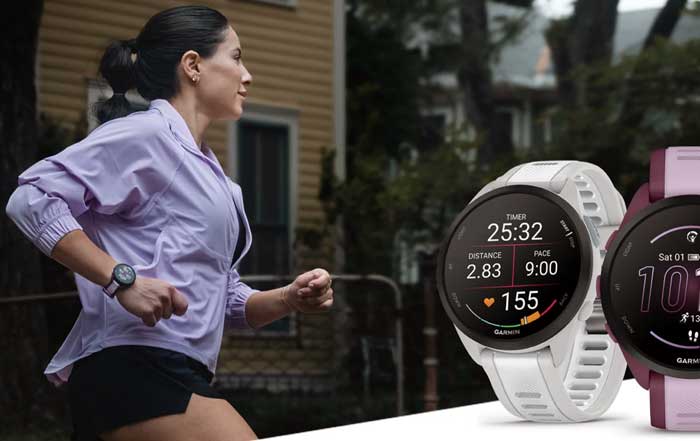
The Best Sports Fitness Trackers in 2026: Intelligent Companions for Holistic Performance and Lifestyle
The sports and fitness technology landscape in 2026 reflects a profound shift in how individuals around the world think about health, performance, and daily living. What began as simple step counters has matured into a sophisticated ecosystem of connected devices capable of capturing granular biometric data, interpreting it with artificial intelligence, and transforming that information into practical guidance for better living. For readers of qikspa.com, who prioritize spa-quality wellness, balanced lifestyles, and high performance in both personal and professional spheres, sports fitness trackers have become strategic tools rather than mere gadgets, supporting everything from recovery and stress management to travel, fashion, and career longevity.
Modern trackers now sit at the intersection of health science, design, and digital ecosystems. They monitor heart rate variability, blood oxygen saturation, sleep architecture, stress markers, menstrual health, recovery readiness, and even subtle temperature variations that can hint at illness or overtraining. Through this lens, they offer a comprehensive view of the body and mind that aligns closely with the integrated approach to wellness championed in the health and wellness coverage on qikspa.com. Against this backdrop, leading organizations such as Apple, Garmin, Fitbit (under Google), Samsung, Whoop, Polar, Suunto, Amazfit, and Huawei continue to refine their devices to meet the demands of athletes, executives, frequent travelers, and wellness-focused individuals across North America, Europe, Asia, and beyond.
Fitness Trackers as Everyday Lifestyle and Wellness Hubs
By 2026, fitness trackers have firmly established themselves as lifestyle companions rather than specialist tools reserved for athletes. They support daily routines in ways that extend far beyond counting steps or timing workouts. For a busy professional starting the day with a mindful breathing session, moving into a packed schedule of meetings, and finishing with an evening run or yoga class, the same device now tracks sleep quality, morning readiness, cognitive strain, physical exertion, and evening wind-down practices, then feeds those insights back in the form of tailored recommendations.
The integration of wearables with smartphones, cloud platforms, and digital health services has become seamless. Data can be shared with healthcare providers in many regions, particularly in the United States, United Kingdom, Germany, and Canada, where telehealth and remote monitoring have grown substantially. Interested readers can review how major institutions describe the benefits of continuous monitoring by exploring resources such as long-term physical activity guidance from the U.S. Centers for Disease Control and Prevention or heart health recommendations from the American Heart Association.
At the same time, aesthetics and comfort have become non-negotiable. Trackers must look appropriate in boardrooms in London, co-working spaces in Berlin, wellness retreats in Thailand, and creative studios in New York. This convergence of design and function echoes the themes regularly explored in qikspa.com's lifestyle features, where health, beauty, and performance are treated as interconnected aspects of a modern, aspirational life.
Apple Watch Series 10: Deep Integration and Everyday Intelligence
The Apple Watch Series 10 remains a benchmark for integrated wellness and productivity in 2026. Building on years of iterative innovation, it operates less as a watch and more as a compact, always-on health and performance platform. Its sensor suite measures heart rhythm, blood oxygen, skin temperature trends, and advanced motion metrics, while its ECG and irregular rhythm notifications help users detect potential cardiovascular issues earlier, complementing guidance from resources such as cardiovascular prevention insights provided by the Mayo Clinic.
For users in the United States, Canada, United Kingdom, Australia, and much of Europe, the deep integration of Apple Fitness+ brings structured workouts, guided meditations, and tailored coaching directly to the wrist. Whether a user is completing a strength session before work, a midday walking meeting, or an evening mindfulness practice, the Series 10 adjusts recommendations based on sleep quality, stress levels, and recovery data. The device's refined display and improved energy efficiency ensure it remains readable during outdoor activities such as cycling in Spain, hiking in Switzerland, or running in Japan, while still lasting long enough to support a demanding professional schedule.
For qikspa.com readers, the Apple Watch Series 10 often functions as the central hub that connects spa-inspired self-care routines, structured fitness training, and career productivity. Those interested in the broader evolution of this platform can review current developments on Apple's official watch page, where the company outlines its ongoing emphasis on health, safety, and accessibility.
Garmin Fenix 8 Pro: Precision for Endurance and Outdoor Excellence
The Garmin Fenix 8 Pro caters to individuals whose definition of wellness includes endurance challenges, rugged outdoor exploration, and data-driven performance optimization. Designed to withstand harsh conditions in regions such as the Alps, the Canadian Rockies, and backcountry routes in New Zealand and Norway, it offers military-grade durability, advanced GPS with multi-band support, and solar-enhanced battery performance that can stretch across multi-day expeditions.
Athletes and outdoor professionals value its in-depth metrics, including VOâ max, training load focus, lactate threshold, and recovery time estimates. These analytics, informed by sports science research similar to that discussed by organizations like World Athletics, help runners, cyclists, triathletes, and mountaineers plan training blocks that balance stress and recovery more intelligently. The inclusion of preloaded topographic maps, ski maps, and golf course layouts reinforces its appeal to globally mobile users who combine business travel with high-level sport.
Garmin's emphasis on body battery scores, stress tracking, and guided breathing exercises underscores a broader recognition that endurance performance is inseparable from mental resilience and recovery. This philosophy aligns strongly with the holistic perspective promoted in qikspa.com's international wellness coverage, where outdoor adventure, sustainable living, and inner balance are treated as complementary dimensions of a life well lived.
Fitbit Charge 7: Accessible, Insightful, and Everyday-Friendly
The Fitbit Charge 7, developed under Google's stewardship, continues to occupy a central place in the mainstream wearable market by providing advanced metrics in a compact, approachable form factor. For many users in North America, Europe, and emerging markets across Asia and South America, it represents an ideal entry point into data-driven wellness without the complexity or price of premium multi-sport watches.
Its feature set in 2026 includes continuous heart rate monitoring, blood oxygen estimates, sleep staging with sleep score, menstrual cycle tracking, and stress management tools powered by electrodermal activity and heart rate variability. When combined with Fitbit Premium, users receive personalized workout plans, guided mindfulness sessions, and nutrition insights that support long-term behavior change, echoing principles often highlighted in evidence-based lifestyle medicine resources from the World Health Organization.
For readers of qikspa.com, the Charge 7 is particularly appealing to professionals who want a discreet, lightweight device they can wear 24/7, including during spa visits, yoga classes, and business meetings. It integrates well with broader digital ecosystems through Google Fit and Android services, making it a practical companion for those who see wellness as a continuous thread woven through work, family life, and personal growth.
Whoop 5.0: Recovery Intelligence for High Performers
The Whoop 5.0 stands out in 2026 as a specialized tool for individuals who treat recovery and readiness as seriously as training itself. Unlike traditional smartwatches, Whoop focuses almost entirely on three interconnected domains: strain, sleep, and recovery. Worn as a strap or integrated into apparel, it continuously captures heart rate variability, resting heart rate, respiratory rate, and sleep stages, then translates that data into daily recovery scores and strain targets.
This model has made Whoop popular among professional teams, elite athletes, and high-performing executives who need to manage stress and exertion with surgical precision. Its AI-driven analytics suggest when to increase training load, when to prioritize rest, and how factors such as alcohol, late meals, or travel across time zones affect physiological resilience. Many of these insights mirror the guidance found in high-performance research and educational content from organizations such as the American College of Sports Medicine.
For executives, entrepreneurs, and ambitious professionals who follow career development and wellness insights on qikspa.com, Whoop 5.0 can act as a personal performance advisor, warning against burnout and offering data-backed justification for rest, spa treatments, or lighter training days when recovery is compromised.
Samsung Galaxy Fit 3: Design-Forward Wellness in the Galaxy Ecosystem
The Samsung Galaxy Fit 3 is designed for individuals who want a sleek, modern device that integrates tightly with the broader Galaxy ecosystem while still delivering robust health metrics. Its AMOLED display and minimalist design make it suitable for both fitness sessions and formal environments, from offices in Singapore and Seoul to creative agencies in London and Amsterdam.
In 2026, the Galaxy Fit 3 offers continuous heart rate tracking, sleep analysis, stress monitoring, women's health tracking, and guided breathing exercises. When paired with Galaxy smartphones and tablets, it enables seamless notifications, music control, and access to Samsung Health services, which aggregate data across devices and support long-term wellness planning. Users interested in how such platforms frame holistic health can explore Samsung's wellness-focused materials.
For qikspa.com readers who see wellness as part of their personal brand and aesthetic, the Galaxy Fit 3's customizable straps and watch faces, along with its thin profile, allow it to complement both athleisure and tailored business attire, reinforcing the idea that fitness and style can coexist harmoniously in daily life.
Polar Ignite 3 and Suunto 9 Peak Pro: Structured Training and Endurance Reliability
The Polar Ignite 3 continues Polar's long-standing reputation for scientific rigor in heart rate tracking and structured training guidance. This device is particularly attractive for runners, triathletes, and serious fitness enthusiasts who value workout plans grounded in sports science. Its Nightly Recharge⢠recovery analysis and FitSpark⢠daily workout recommendations help users align intensity with readiness, reducing the risk of overtraining and injury while still supporting ambitious goals. Those interested in the science behind such recommendations can consult independent resources on training load and recovery, such as sports science insights from specialized medical and performance organizations.
The Suunto 9 Peak Pro, by contrast, is purpose-built for endurance adventurers who demand resilience and extended battery life in remote environments. Its long-duration GPS tracking, barometric altimeter, weather trend indicators, and robust navigation tools make it a trusted companion for mountain expeditions, ultra-distance events, and multi-day treks in regions such as South Africa, Brazil, and New Zealand. Suunto's commitment to eco-conscious manufacturing and recycled packaging resonates strongly with readers who follow sustainable lifestyle themes on qikspa.com, reflecting a growing expectation that high-performance gear should also respect environmental constraints.
Together, these devices illustrate how the sports fitness tracker market has diversified to meet the needs of both structured training enthusiasts and adventure-focused users who define wellness in terms of exploration and endurance.
Amazfit Balance and Huawei Watch GT 5: Value, Longevity, and Global Reach
The Amazfit Balance, developed by Zepp Health, has emerged as a compelling option for users seeking an affordable yet feature-rich device that emphasizes both physical and mental wellness. Its dual-band GPS, long battery life, stress monitoring, sleep quality scoring, and mindfulness reminders make it suitable for urban professionals in China, Malaysia, India, and other rapidly growing markets, as well as for cost-conscious users in Europe and North America. For those interested in how budget-friendly devices can still support evidence-based health habits, comparing their capabilities with broader wellness recommendations from organizations like the National Health Service in the UK can be informative.
The Huawei Watch GT 5 distinguishes itself through exceptional battery longevity and a strong emphasis on style. With multi-week battery life, AI-enhanced sleep coaching, TruSeen⢠heart rate monitoring, and support for over 100 activity modes, it appeals to travelers and professionals who cannot charge devices daily. Its design language, featuring premium materials and a refined AMOLED display, positions it as a viable alternative to luxury watches in markets from China and Singapore to Italy and France. Those who wish to understand the brand's broader wearable strategy can explore Huawei's official wearable portfolio.
For qikspa.com readers, both Amazfit Balance and Huawei Watch GT 5 demonstrate that high-quality health insights and elegant design are increasingly accessible at multiple price points, supporting inclusive wellness across regions and income levels.
Fashion, Spa Culture, and Holistic Integration
One of the most significant cultural shifts in the wearable space is the convergence of fashion, spa culture, and holistic wellness. Where early trackers were often bulky and utilitarian, 2026 devices are designed to complement tailored suits in New York, resort wear in Bali, and minimalist Scandinavian aesthetics in Denmark and Finland. Collaborations between technology companies and fashion houses, such as Apple's ongoing partnerships with Hermès underscore the recognition that wearables are visible expressions of personal identity.
Luxury spas and wellness resorts in destinations like Switzerland, Thailand, and Japan now frequently incorporate wearables into curated programs. Guests may arrive with their own Garmin, Whoop, or Apple Watch, or be loaned devices for the duration of a stay. Biometric data collected before and after treatments-massages, hydrotherapy sessions, yoga classes, and sleep optimization programs-provides tangible evidence of improvements in stress markers, sleep quality, and recovery. This data-driven approach reinforces the value of spa experiences and supports the type of integrated narratives that qikspa.com explores in its spa and salon and travel sections.
For many, the tracker becomes a bridge between the serenity of a retreat and the demands of daily life, reminding them to maintain rituals that support the calm and balance they experienced in those environments.
Women's Health, Empowerment, and Inclusive Design
The past few years have brought a welcome expansion of women-specific features in sports fitness trackers, reflecting the growing recognition that women's health needs are distinct and require dedicated tools. Devices from Fitbit, Samsung, Apple, and Polar now offer menstrual cycle tracking, fertility awareness tools, pregnancy-compatible activity insights, and, in some cases, nuanced analysis of how hormonal fluctuations may affect sleep, performance, and recovery.
This evolution parallels the increased visibility of women in leadership roles across the wellness and business sectors in regions such as North America, Europe, and Asia-Pacific. For the audience following women-focused content on qikspa.com, these features represent not only technological progress but also a broader cultural shift toward inclusive design and empowerment. Wearables now provide women with data that can inform training plans, travel schedules, and self-care routines, supporting both physical health and professional ambitions.
AI, Predictive Coaching, and the Next Stage of Personalization
Artificial intelligence has become the central engine that transforms raw biometric data into meaningful, personalized guidance. In 2026, leading platforms such as Whoop, Garmin, Apple, and Amazfit use AI models trained on vast datasets to predict how today's behaviors will influence tomorrow's readiness, mood, and performance. These systems analyze correlations between sleep duration and quality, training intensity, work-related stress, nutritional patterns, and environmental factors such as time zone changes or air quality.
As AI models grow more sophisticated, they increasingly resemble virtual coaches, advising users when to reduce training load, prioritize restorative yoga or spa treatments, or increase protein intake to support recovery. Readers who are exploring food and nutrition perspectives on qikspa.com can see how these digital recommendations complement human expertise in dietetics and functional nutrition. Parallel developments in digital health and AI are also discussed by institutions such as the World Economic Forum, which examine how data and algorithms are reshaping individual and public health.
For professionals and athletes alike, this predictive capability transforms wearables from passive recorders into active strategic partners in long-term performance and well-being.
Global Adoption, Sustainability, and the Future of Wearables
The adoption of sports fitness trackers is now truly global, with strong penetration in the United States, United Kingdom, Germany, France, Italy, Spain, Canada, Australia, Japan, South Korea, Singapore, and rapidly growing usage in Brazil, South Africa, Malaysia, and other emerging markets. While preferences differ-rugged outdoor devices in Europe and Oceania, fashion-forward smartwatches in Asia, and productivity-centric wearables in North America-the underlying motivation is consistent: a desire for data that supports healthier, more intentional living.
Sustainability has become a decisive factor in purchasing decisions, particularly in Europe and among younger consumers worldwide. Companies such as Suunto, Garmin, and Apple increasingly highlight recycled materials, energy-efficient displays, and carbon-reduction initiatives. For readers engaged with sustainable living content on qikspa.com, this reflects a growing alignment between personal wellness and planetary health, where the choice of a fitness tracker is part of a broader commitment to responsible consumption.
Looking forward, the next generation of wearables is expected to deepen integration with medical systems, smart cities, and home environments. More devices will include medical-grade sensors capable of detecting early signs of cardiovascular, metabolic, or respiratory issues, potentially connecting users directly with healthcare providers or digital triage services. Fitness trackers will also continue to integrate with platforms delivering yoga, mindfulness, and functional training, complementing the practices highlighted in qikspa.com's yoga and fitness sections.
Conclusion: Intelligent Companions for a Qikspa-Style Life
In 2026, sports fitness trackers have matured into intelligent companions that support the kind of balanced, high-performing, and aesthetically mindful lifestyle that qikspa.com champions. From the deeply integrated Apple Watch Series 10 and the endurance-focused Garmin Fenix 8 Pro, to the recovery-centric Whoop 5.0, accessible Fitbit Charge 7, design-led Samsung Galaxy Fit 3, scientifically grounded Polar Ignite 3, rugged Suunto 9 Peak Pro, and value-driven Amazfit Balance and Huawei Watch GT 5, there is now a device tailored to nearly every combination of goals, budget, and personal style.
These wearables are no longer about simple activity tracking. They are about aligning daily actions with long-term health, supporting demanding careers without sacrificing well-being, enhancing spa and travel experiences with measurable insights, and embedding sustainability and inclusivity into the very fabric of personal technology. For readers exploring beauty, business, wellness, and global lifestyle trends on qikspa.com, the best sports fitness trackers of today represent a powerful intersection of experience, expertise, authoritativeness, and trustworthiness-tools that help transform aspiration into sustainable, data-informed reality in a fast-moving world.
