
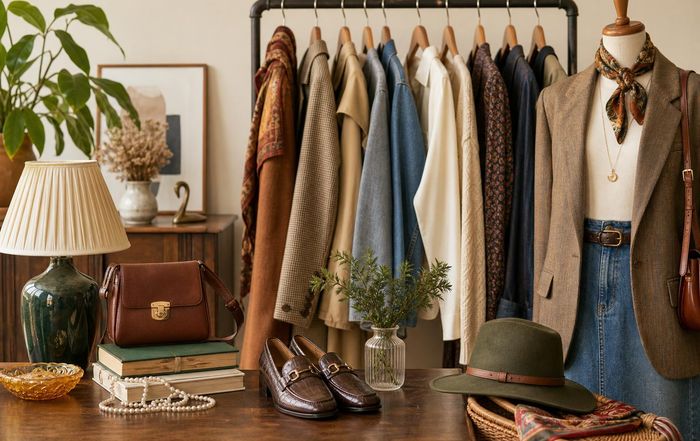
How to Style Second-Hand Finds!: A Top Guide for Modern Professionals
The New Status Symbol: Curated Second-Hand Style
Second-hand fashion has moved decisively from the margins into the mainstream, evolving from a budget necessity into a strategic lifestyle choice that reflects discernment, values and global awareness. For the visitors coming here, who are already attuned to premium experiences in spa and salon, wellness, beauty and lifestyle, the question is no longer whether pre-owned pieces belong in a sophisticated wardrobe, but how to style second-hand finds in a way that communicates professionalism, cultural fluency and personal authenticity across the world's leading business hubs.
Global data from organizations such as ThredUp and Boston Consulting Group have consistently shown that resale and second-hand fashion are among the fastest-growing segments in the apparel industry, with consumers in the United States, United Kingdom, Germany, France and across Asia and the Pacific increasingly viewing pre-owned garments as a smart, sustainable and stylish option rather than a compromise. As sustainability expectations intensify and regulations tighten, particularly in the European Union, the ability to integrate second-hand items into a polished, executive-ready wardrobe has become a marker of both taste and responsibility, aligning sartorial decisions with broader commitments to health, wellness and ethical living.
This article explores how to style second-hand finds with the same care and strategy that a discerning professional applies to personal wellbeing, drawing on the values that define the QikSpa community: experience, expertise, authoritativeness and trustworthiness. It examines sourcing, curation, tailoring, grooming and global cultural nuance, while showing how second-hand style can harmonize with spa-inspired self-care, performance-driven fitness, mindful nutrition and a modern approach to sustainable living.
Why Second-Hand Style Aligns with Modern Wellness and Business Values
The movement toward pre-owned fashion is not only an aesthetic preference; it is a logical extension of a holistic lifestyle that connects how individuals dress with how they live, work and care for themselves. As leading institutions such as the World Economic Forum have highlighted in their reports on circular economies, extending the life of garments is one of the most impactful ways to reduce the environmental footprint of the fashion industry, which remains a significant contributor to global emissions and water use. Learn more about sustainable business practices through resources from the World Economic Forum.
For professionals in New York, London, Berlin, Singapore or Sydney, this shift aligns with broader corporate sustainability commitments and ESG reporting frameworks. Organizations such as McKinsey & Company and Deloitte have noted that employees increasingly expect their employers to support responsible consumption, while executives themselves are under pressure to demonstrate that their personal choices reflect the values their companies promote. In this context, a carefully styled second-hand blazer or a vintage silk dress becomes more than a fashion statement; it becomes a visible expression of alignment between personal and corporate ethics.
The wellness dimension is equally important. Research from institutions like Harvard T.H. Chan School of Public Health has drawn stronger connections between lifestyle choices, mental wellbeing and long-term health outcomes. While nutrition, sleep and physical activity remain foundational, personal presentation can also influence confidence, perceived competence and social interaction, all of which affect stress levels and professional performance. Readers who already invest in their health, food and nutrition and fitness increasingly recognize that dressing well in a way that aligns with their values is part of a broader self-care strategy.
From a business perspective, second-hand style offers an opportunity to demonstrate creativity and resourcefulness. Senior leaders across North America, Europe and Asia are seeking ways to differentiate themselves in environments where dress codes are evolving, hybrid work models are common and traditional power dressing has softened. Curated pre-owned pieces allow individuals to build distinctive wardrobes that stand out in subtle, sophisticated ways while remaining appropriate for boardrooms in Zurich, client dinners in Tokyo or conferences in São Paulo.
Sourcing Second-Hand Pieces with Professional-Grade Discipline
Styling second-hand finds begins with disciplined sourcing, which requires the same analytical mindset that executives bring to strategic decisions. The most successful wardrobes are built not on impulse purchases, but on a clear understanding of personal style, professional context and long-term needs. Before entering a vintage boutique in Paris or opening a resale app in Toronto, it is advisable to define a strategic wardrobe framework: core colors, preferred silhouettes, key categories such as blazers, trousers, dresses, knitwear and outerwear, and the specific dress codes required for different professional and social settings.
International platforms such as Vestiaire Collective, The RealReal and Vinted have raised the bar for authentication and quality control, particularly for luxury items from brands like Hermès, Chanel and Rolex, while regional marketplaces in Europe, Asia and North America offer access to local designers and niche labels. Professionals can learn more about luxury authentication standards through resources provided by organizations such as The Fashion Law, which tracks legal and regulatory developments in the global fashion industry on its website.
Offline, curated consignment stores in cities from Los Angeles to Copenhagen and from Seoul to Cape Town provide opportunities to examine fabric, construction and fit in person, which remains critical for garments intended for high-stakes environments such as investor meetings or keynote presentations. Building relationships with knowledgeable store owners and stylists can yield early access to exceptional pieces and personalized recommendations that align with a professional image.
For readers of QikSpa who are already accustomed to tailoring wellness experiences to their needs, applying a similar level of discernment to sourcing second-hand fashion is a natural extension. Just as they might select spa therapies through the spa and salon lens of long-term wellbeing instead of short-term indulgence, they can approach second-hand shopping as a process of strategic curation rather than opportunistic bargain hunting.
Elevating Pre-Owned Pieces through Tailoring, Grooming and Care
The difference between a second-hand garment that looks like a compromise and one that looks intentionally refined often comes down to three elements: tailoring, grooming and garment care. In business capitals such as London, Frankfurt, Toronto and Singapore, individuals who understand these levers can integrate pre-owned pieces seamlessly into the most demanding professional settings.
Tailoring is the most direct route to elevating second-hand finds. A vintage blazer sourced in Milan or a pre-owned dress discovered in Melbourne can be transformed by adjusting shoulders, waist, sleeves and hemlines to create a precise, contemporary silhouette that communicates competence and confidence. Organizations such as the Council of Fashion Designers of America (CFDA) and the British Fashion Council have long emphasized the importance of fit in professional attire, and many of their insights on proportion and construction can be adapted to second-hand garments by skilled tailors. Readers seeking to understand modern tailoring standards can explore resources from the CFDA and the British Fashion Council.
Grooming and beauty routines are equally important, and this is where the expertise of QikSpa becomes particularly relevant. When styling second-hand pieces, polished hair, considered makeup and well-maintained skin can shift the overall impression from retro or experimental to sophisticated and intentional. For professionals who already invest time in beauty and wellness, integrating wardrobe choices into a coherent visual narrative reinforces their identity as individuals who manage every aspect of their presentation with care.
Garment care closes the loop, ensuring that second-hand finds retain their quality and longevity. Institutions such as Good On You and Fashion Revolution have provided extensive guidance on fabric care, microplastic shedding and responsible laundering practices, which can be particularly valuable for delicate vintage fabrics, natural fibers and performance materials. Learn more about responsible garment care and sustainable textiles through educational resources from Fashion Revolution. By investing in proper cleaning, storage and occasional restoration, professionals can extend the life of their favorite pieces while maintaining the standards expected in boardrooms from Zurich to Tokyo.
Integrating Second-Hand Style with Health, Fitness and Yoga-Inspired Lifestyles
For the QikSpa audience, wardrobe decisions do not exist in isolation; they intersect with commitments to health, fitness, yoga and overall wellbeing. Styling second-hand finds effectively involves understanding how garments move with the body, support daily routines and align with the rhythms of a life that might include early-morning yoga in Stockholm, midday client meetings in New York and evening networking events in Dubai.
Performance-minded professionals are increasingly adopting a wardrobe architecture that reflects their wellness priorities: breathable natural fibers, ergonomic tailoring and versatile pieces that transition smoothly between activities. Leading health organizations such as the World Health Organization (WHO) and Mayo Clinic have emphasized the importance of daily movement, posture and ergonomics, and while they do not prescribe dress codes, their guidance reinforces the value of clothing that supports physical comfort and mobility. Learn more about global physical activity guidelines from the WHO.
Second-hand style can integrate seamlessly into this framework. A pre-owned cashmere sweater layered over yoga-inspired separates, a vintage trench coat worn over athleisure on the way to the gym, or a tailored blazer combined with high-quality second-hand denim can all support a lifestyle in which fitness, yoga and professional responsibilities coexist. The key is to prioritize quality fabrics and construction, ensuring that garments drape well, move comfortably and maintain their shape through active days.
From a mental health perspective, there is also a growing recognition that personal style can be a form of self-expression that supports psychological wellbeing. Institutions such as The American Psychological Association have highlighted how clothing can influence mood, self-perception and social interaction. Professionals who curate second-hand wardrobes that authentically reflect their identities, values and cultural backgrounds often report a greater sense of ease and coherence across their personal and professional lives. Readers interested in the psychology of appearance can explore research summaries from the American Psychological Association.
Styling Second-Hand for Global Business Contexts and Travel
The international readership of QikSpa, spanning North America, Europe, Asia, Africa and South America, operates in diverse cultural and regulatory environments where dress codes vary but professionalism remains non-negotiable. Styling second-hand finds successfully across borders requires sensitivity to local norms, climate considerations and industry expectations.
In the United States and Canada, where business casual is widely accepted in many sectors, second-hand style can lean into a more relaxed yet polished aesthetic: well-fitted blazers, premium denim, fine-gauge knitwear and elevated footwear. In the United Kingdom, Germany, Switzerland and the Netherlands, where formality can remain higher in finance, law and consulting, pre-owned garments must meet stricter standards of tailoring and subtlety, often focusing on classic silhouettes and muted palettes that align with conservative office cultures.
In Asia-Pacific markets such as Japan, South Korea, Singapore and Australia, second-hand styling must navigate a spectrum that ranges from highly formal corporate environments to dynamic startup cultures. Here, professionals may use pre-owned pieces to introduce nuance and individuality-perhaps a vintage tie, a distinctive coat or an artisanal accessory-within otherwise conventional frameworks. Organizations such as the International Labour Organization (ILO) and OECD provide broader context on workplace norms and labor regulations, which can inform how individuals interpret appropriate dress in different jurisdictions. Learn more about global workplace trends from the OECD.
For frequent travelers, especially those who move between continents, second-hand wardrobes can offer both flexibility and resilience. High-quality pre-owned fabrics often age better than some new fast-fashion equivalents, resisting wrinkles and maintaining structure through flights, hotel stays and rapid schedule changes. A capsule of carefully chosen second-hand items-such as a navy blazer, a neutral dress, tailored trousers and a versatile coat-can be mixed with locally sourced pieces acquired during business trips to cities like Paris, Milan, Tokyo or São Paulo, resulting in a wardrobe that is both globally coherent and locally responsive. Readers interested in integrating style with international mobility can explore further perspectives on travel within the QikSpa ecosystem.
Aligning Second-Hand Style with Sustainable, Women-Focused and Inclusive Agendas
The conversation around second-hand fashion in 2026 is inseparable from broader debates about sustainability, gender equity and inclusion. Women professionals, in particular, have often faced narrower expectations around appearance and wardrobe, making the strategic use of second-hand finds a powerful tool for asserting autonomy, creativity and financial wisdom.
Organizations such as UN Women and UN Environment Programme (UNEP) have underscored the disproportionate impact of environmental degradation and economic volatility on women worldwide, as well as the central role women play in driving sustainable consumption patterns. Learn more about gender and sustainability from UN Women. By choosing pre-owned garments, women in leadership positions across Europe, Asia, Africa and the Americas can signal a commitment to resource efficiency and social responsibility, while also resisting the pressure to constantly purchase new outfits for every professional appearance.
The Ellen MacArthur Foundation has provided influential frameworks for circular fashion, emphasizing reuse, repair and recirculation, which align closely with the ethos of second-hand styling. These frameworks resonate strongly with readers who are already engaged with sustainable living, clean beauty and responsible travel. By integrating pre-owned pieces into their wardrobes, they participate in a broader system that values longevity, craftsmanship and thoughtful consumption over disposability.
Inclusivity is another important dimension. Second-hand markets can sometimes offer a wider range of sizes, cuts and styles than mainstream retail, providing opportunities for individuals whose bodies or identities are not always reflected in standard collections. As conversations about diversity and representation continue to evolve in fashion, wellness and corporate leadership, second-hand styling offers a way for professionals of all genders, body types and cultural backgrounds to construct wardrobes that truly reflect who they are, without being limited to what is currently offered in seasonal retail assortments. Within the QikSpa community, where women, wellness and empowerment are central themes, this inclusive potential is particularly significant.
Building a Cohesive Aesthetic: From Spa-Inspired Minimalism to Expressive Fashion
Styling second-hand finds is ultimately about creating cohesion: ensuring that every garment, whether new or pre-owned, contributes to a clear and consistent visual identity. For many QikSpa readers, that identity is informed by spa culture, wellness architecture and minimalist design: clean lines, calming palettes, natural textures and a focus on quality over quantity. This aesthetic can translate beautifully into second-hand wardrobes, particularly when professionals prioritize timeless silhouettes, neutral colors and tactile fabrics such as wool, silk, linen and cashmere.
At the same time, fashion remains a powerful medium for self-expression. In creative industries, technology startups, design firms and wellness enterprises, more expressive styling may be not only acceptable but advantageous, signaling innovation and individuality. A second-hand sequined blazer sourced in Berlin, a vintage kimono-inspired jacket from Tokyo or a bold printed dress found in Rio de Janeiro can become signature pieces that anchor a leader's visual brand. For readers who wish to explore how personal style intersects with broader cultural and aesthetic trends, the fashion coverage within QikSpa offers a complementary perspective.
The key is intentionality. Just as a spa experience is designed holistically-from lighting and scent to sound and touch-so too should a professional wardrobe be curated with an eye to how each element interacts. Accessories, footwear, grooming and even digital presence on platforms like LinkedIn should align with the message an individual wishes to convey: credible, contemporary, globally engaged and deeply attuned to both personal wellbeing and planetary health. Professionals seeking to refine their executive presence in the digital era can explore guidance from LinkedIn's own Career Advice resources.
Our Perspective: Second-Hand Style as Part of a Holistic Life Strategy!
For QikSpa, second-hand styling is not an isolated trend but a natural extension of a holistic philosophy that connects health, wellness, business, lifestyle and global awareness. The same mindset that leads a reader to optimize nutrition, invest in restorative spa experiences, maintain a disciplined fitness routine and pursue meaningful, values-aligned careers can also inform how they build and style their wardrobes.
In 2026, the most compelling professional identities are those that integrate multiple dimensions: physical vitality, mental resilience, ethical clarity and aesthetic intelligence. Second-hand fashion, when approached with expertise and intentionality, supports all of these dimensions. It reduces environmental impact, respects financial resources, celebrates craftsmanship, accommodates diverse bodies and cultures, and allows individuals to present themselves in ways that are both sophisticated and authentic.
As global conversations about sustainability, wellbeing and the future of work continue to evolve, styling second-hand finds will remain a powerful, visible way for leaders and emerging professionals alike to embody the values they espouse. For the worldwide growing daily audience-from New York to London, from Berlin to Singapore, from Cape Town to São Paulo-this is not simply a matter of trend adoption; it is an opportunity to demonstrate that true luxury in 2026 lies not in constant acquisition, but in thoughtful curation, responsible stewardship and the confident expression of a life lived in alignment.
