
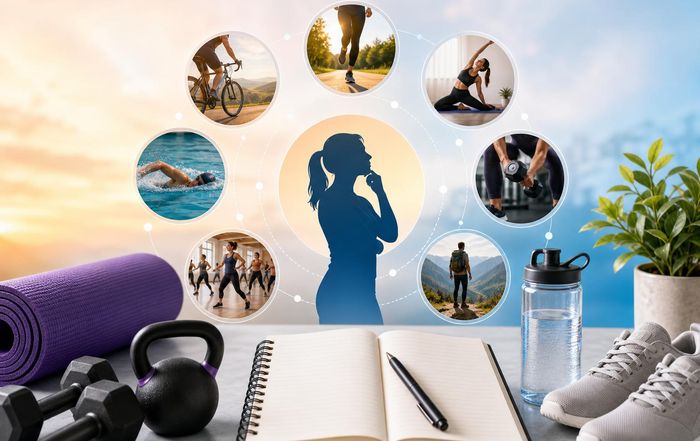
How to Find Your Ideal Exercise Routine in 2026
The New Landscape of Personal Fitness
In 2026, personal fitness is no longer defined by generic workout plans or one-size-fits-all advice; instead, it has evolved into a highly individualized journey that integrates physical health, mental well-being, lifestyle preferences, and long-term sustainability. As wellness becomes central to modern life, readers of QikSpa increasingly seek not just information about exercise, but strategic guidance on how to design routines that are realistic, enjoyable, and aligned with their broader goals in health, beauty, career, and lifestyle. This shift reflects a global recognition, from the United States to Singapore and across Europe and Asia, that the most effective exercise routine is the one a person can maintain consistently over years rather than weeks.
Leading health organizations, such as the World Health Organization, emphasize that regular physical activity is one of the most powerful tools for preventing chronic disease, supporting mental health, and promoting longevity, and interested readers can learn more about global physical activity guidelines through the WHO's official resources at who.int. At the same time, the explosion of digital platforms, wearable technology, and on-demand fitness content has created both unprecedented opportunity and overwhelming choice, leaving many individuals unsure where to begin or how to adapt expert recommendations to their own lives. Within this context, QikSpa positions itself as a trusted guide, connecting evidence-based knowledge with practical, real-world application through resources such as its dedicated sections on fitness, health, and wellness.
Understanding the Foundations: Health, Goals, and Lifestyle
Finding an ideal exercise routine begins with a clear understanding of personal health status, goals, and daily realities. Medical and sports science research, including guidance from institutions like the Mayo Clinic, consistently highlights the importance of aligning physical activity with individual health conditions, which can be explored in more depth at mayoclinic.org. Whether a person is managing hypertension, recovering from injury, navigating perimenopause, or simply returning to movement after a long sedentary period, these factors shape what is safe, appropriate, and effective in an exercise plan.
Equally important is goal clarity. Some individuals prioritize improved cardiovascular health, others focus on strength and muscle tone, while many are driven by stress reduction, better sleep, or enhanced appearance, which connects directly with the interests of readers exploring beauty and lifestyle content on QikSpa. Business professionals in major hubs such as London, New York, Berlin, and Singapore may seek routines that fit into intense work schedules, supporting sustained performance and focus, while parents in Canada or Australia might prioritize flexibility, family integration, and time efficiency. Understanding these personal drivers is essential, because research from organizations such as the American Psychological Association, available at apa.org, shows that intrinsic motivation and meaningful goals significantly increase adherence to exercise programs.
Lifestyle realities form the third foundational pillar. Work hours, commute time, caregiving responsibilities, travel frequency, and even local climate all influence what type of routine is feasible. A consultant who travels frequently between Europe and Asia may need a portable, bodyweight-based regimen that can be performed in hotel rooms, while a remote worker in Finland or New Zealand might have more flexibility to attend in-person classes or enjoy outdoor training. Readers of QikSpa who are also interested in travel and careers often benefit from exercise strategies that adapt seamlessly to changing environments and professional demands.
The Science of Effective Exercise: What the Evidence Says
While personal preferences and circumstances vary widely, the science behind effective exercise is remarkably consistent across populations. Leading authorities such as the American College of Sports Medicine, accessible at acsm.org, and the U.S. Centers for Disease Control and Prevention, at cdc.gov, recommend a blend of aerobic activity, strength training, and flexibility or mobility work for comprehensive health benefits. Aerobic exercise, such as brisk walking, cycling, or swimming, supports cardiovascular function, metabolic health, and endurance. Strength training, using free weights, machines, resistance bands, or bodyweight, is critical for preserving muscle mass, bone density, and functional capacity, especially as individuals in countries like Japan, Germany, and Italy navigate aging populations and longer working lives.
Flexibility and mobility work, including yoga, Pilates, and targeted stretching, contributes to joint health, posture, and injury prevention, while also offering mental health benefits through mindful breathing and stress reduction. Readers exploring QikSpa's dedicated yoga section often discover that integrating even short daily mobility sessions can transform how their bodies feel during work, travel, and everyday tasks. High-intensity interval training (HIIT) has also gained prominence worldwide due to its time efficiency and strong evidence base, with research published in reputable medical platforms such as The New England Journal of Medicine, which can be explored at nejm.org, demonstrating its positive effects on cardiovascular fitness and metabolic markers in many individuals.
However, the ideal balance of these components is not identical for everyone. For a beginner in South Africa or Brazil, a routine that emphasizes low-impact aerobic movement and basic strength exercises might be more appropriate, while an experienced athlete in Norway or Switzerland may require more advanced periodization and intensity. Elite sports organizations and research institutes, including Harvard T.H. Chan School of Public Health, whose resources at hsph.harvard.edu delve into the connections between physical activity, nutrition, and chronic disease, underline the importance of progression, recovery, and individual thresholds. For QikSpa readers, this scientific foundation reinforces a central message: an ideal exercise routine is evidence-informed yet personally tailored.
Personalization: Matching Exercise to Personality and Preferences
In the past, fitness advice often focused narrowly on physical capacity, overlooking psychological and emotional factors that strongly influence adherence. In 2026, leading behavioral science and sports psychology emphasize that sustainable routines must align with a person's temperament, preferences, and social tendencies. Introverted individuals in Denmark or Japan might thrive with solo running, home-based strength training, or app-guided yoga, while extroverted personalities in Spain, France, or Canada may feel more energized by group classes, team sports, or community fitness events.
Digital platforms and wearable devices, including those from companies such as Apple, Garmin, and Fitbit, have further supported personalization by enabling users to track heart rate, sleep quality, step count, and training load, and more information about how these metrics impact health can be found through the National Institutes of Health at nih.gov. By analyzing this data over time, individuals can identify patterns, such as which workouts correlate with better mood, higher productivity, or improved sleep. For business leaders and professionals who follow QikSpa's business coverage, this data-driven approach resonates with broader trends in performance optimization and evidence-based decision-making.
Personality also influences preferred environments. Some people feel inspired in high-energy boutique studios in cities like New York, London, or Seoul, while others find motivation in nature-based activities such as hiking in New Zealand, cycling in the Netherlands, or outdoor yoga in Thailand. Recognizing these preferences allows individuals to design routines that feel less like obligations and more like integrated, enjoyable parts of life. For readers exploring lifestyle and wellness content on QikSpa, this alignment between personality and exercise is often the difference between short-lived enthusiasm and long-term commitment.
Integrating Health, Nutrition, and Recovery
Exercise does not exist in isolation; it is deeply interconnected with nutrition, sleep, stress management, and overall health. Organizations such as the World Heart Federation, accessible at world-heart-federation.org, underscore that physical activity and diet together play a central role in reducing cardiovascular risk, improving metabolic health, and supporting healthy aging. For individuals seeking their ideal exercise routine, this means considering what they eat before and after workouts, how they hydrate, and how well they recover between sessions.
Readers of QikSpa who engage with its food and nutrition section recognize that balanced eating patterns, including adequate protein intake, complex carbohydrates, healthy fats, and micronutrients, are essential for fueling performance and facilitating muscle repair. Leading authorities such as The Academy of Nutrition and Dietetics, whose guidance can be found at eatright.org, highlight that nutritional needs vary by training intensity, body composition, age, and specific goals, whether weight management, muscle gain, or enhanced endurance. For women, particularly in regions like North America, Europe, and Asia, hormonal factors across the lifespan-puberty, pregnancy, postpartum, and menopause-further influence nutritional and exercise needs, aligning with the interests of readers exploring QikSpa's women content.
Recovery is equally critical. Chronic stress, inadequate sleep, and overtraining can undermine even the most carefully designed routines, leading to fatigue, injury, and burnout. Institutions such as Cleveland Clinic, accessible at my.clevelandclinic.org, provide detailed explanations of how rest, active recovery, and sleep quality impact performance and overall health. For busy professionals balancing demanding careers with family responsibilities, especially in fast-paced markets like Singapore, South Korea, and United States financial centers, integrating restorative practices such as gentle stretching, meditation, or spa-based therapies becomes an essential strategy rather than a luxury. This holistic view is central to QikSpa's ethos, reflected in its coverage of spa and salon experiences that complement fitness efforts by promoting relaxation, circulation, and mental clarity.
Global Trends: How Culture and Geography Shape Routines
Around the world, cultural norms, urban design, and public health policies strongly influence how people move and exercise. In Northern Europe, countries like Sweden, Norway, Finland, and Denmark are known for active commuting by bicycle and on foot, supported by infrastructure and social expectations that normalize daily movement. Residents in such environments may find it easier to integrate low- and moderate-intensity activity into their routines, and can further enhance their health with structured strength or flexibility training. In contrast, car-dependent regions in parts of North America or rapidly urbanizing areas in Asia may require more deliberate planning to overcome sedentary defaults, which is where home gyms, digital platforms, and workplace wellness programs become particularly valuable.
Global fitness trends also reflect regional preferences and innovations. Yoga and mindfulness-based movement, rooted in India and widely practiced in Thailand, Singapore, and Japan, continue to spread worldwide, offering accessible ways to combine physical and mental well-being. Readers can explore the broader wellness implications of these practices through QikSpa's yoga and wellness sections, which connect ancient traditions with modern lifestyles. In Brazil and South Africa, outdoor sports, dance, and community-based fitness events foster social connection along with physical activity, illustrating how enjoyment and cultural identity can significantly enhance adherence.
Public health agencies and non-profit organizations, including Public Health England (now part of the UK Health Security Agency) at gov.uk and Health Canada at canada.ca, have increasingly emphasized the importance of reducing sedentary time and encouraging active living across the lifespan. These initiatives influence workplace design, school curricula, and urban planning, shaping the opportunities people have to move throughout the day. For QikSpa readers interested in international perspectives, understanding how different countries approach physical activity can spark ideas for adapting routines, whether through active commuting, walking meetings, or community-based programs.
Aligning Exercise with Beauty, Fashion, and Self-Presentation
For many individuals, especially those engaged with the beauty and fashion sectors, exercise is closely linked with self-presentation, confidence, and personal style. The rise of athleisure and high-performance apparel, driven by brands such as Lululemon, Nike, and Adidas, has transformed how people dress for both workouts and everyday life, with more information on textile innovation and performance materials available through industry sources like Business of Fashion at businessoffashion.com. This convergence of fashion and fitness allows individuals to express their identity and feel more confident as they pursue their routines, which can be particularly motivating for those who follow QikSpa's fashion and beauty content.
At the same time, dermatologists and beauty experts emphasize that exercise affects skin health, circulation, and aging, both positively and negatively. Increased blood flow during physical activity delivers oxygen and nutrients to skin cells, while sweat can help clear pores, but inadequate cleansing or excessive sun exposure during outdoor workouts may contribute to irritation or premature aging. Reputable medical sources such as the American Academy of Dermatology, accessible at aad.org, provide guidance on protecting skin before, during, and after exercise, including the use of broad-spectrum sunscreen, gentle cleansers, and appropriate moisturizers. For readers of QikSpa, this intersection between fitness, skincare, and overall appearance reinforces the value of holistic routines that consider not only physical performance but also how one looks and feels every day.
Sustainability and Long-Term Consistency
Perhaps the most critical factor in determining an ideal exercise routine is sustainability-whether the chosen approach can be maintained consistently over months and years without causing injury, burnout, or excessive disruption to other life priorities. Wellness experts and public health researchers increasingly highlight that modest, regular activity often produces better outcomes than intense but short-lived efforts, a message echoed by organizations like The Lancet Public Health, whose articles at thelancet.com analyze long-term population data on movement and mortality. For QikSpa readers who are also interested in sustainable living, this concept of sustainability extends beyond environmental impact to include personal energy, time, and emotional resilience.
Designing a sustainable routine requires honest assessment of constraints and commitments. A senior executive in Zurich or Hong Kong may realistically manage three structured sessions per week combined with daily walking, while a freelancer in Italy or Spain might experiment with shorter, more frequent micro-workouts throughout the day. Parents in Australia or United Kingdom could integrate family activities such as weekend hikes, cycling, or dance sessions at home. Over time, these patterns become habits, and habits become identity, making exercise a natural part of life rather than a temporary project. QikSpa, through its integrated focus on wellness, lifestyle, and fitness, encourages readers to view their routines through this long-term lens, constantly adjusting but rarely abandoning their commitment to movement.
Sustainability also touches environmental considerations. Many individuals in Germany, Netherlands, Scandinavia, and beyond are increasingly choosing low-impact fitness options that align with broader climate and sustainability values, such as active commuting, outdoor calisthenics parks, or community-based programs that minimize resource use. Those interested in sustainable business models and responsible consumer behavior can learn more about sustainable business practices through resources provided by organizations such as the United Nations Environment Programme at unep.org. For QikSpa, which addresses both personal and planetary well-being, this alignment between exercise, ethics, and environment reflects a broader commitment to conscious living.
Practical Steps to Design a Personalized Routine
Translating all of this knowledge into action requires a structured but flexible approach. While every individual's path will be different, certain principles apply widely. First, beginning with a realistic baseline-whether that is ten minutes of walking per day, two weekly strength sessions, or short yoga practices-creates early wins and reduces the risk of injury. Gradual progression, such as increasing duration or intensity by small increments, allows the body and mind to adapt. Sports medicine specialists and physiotherapists, including those whose insights are available through Johns Hopkins Medicine at hopkinsmedicine.org, emphasize that slow, steady improvement is more protective and sustainable than sudden spikes in training load.
Second, scheduling exercise with the same seriousness as business meetings or family commitments signals that health is a non-negotiable priority. For professionals and entrepreneurs who follow QikSpa's business and careers sections, this mindset aligns with high-performance principles that treat physical capacity as a strategic asset. Whether it means early-morning sessions before the workday in New York, lunch-hour walks in London, or evening workouts in Tokyo, consistency in timing can reinforce habit formation.
Third, building in variety and periodic reassessment prevents stagnation and boredom. Rotating between strength, cardio, and flexibility sessions, experimenting with new modalities such as dance, Pilates, or outdoor sports, and adjusting goals as life circumstances change all contribute to long-term engagement. Those who enjoy structured guidance may benefit from consulting certified personal trainers, physiotherapists, or sports physicians, whose qualifications can often be verified through professional bodies listed by the International Health, Racquet & Sportsclub Association (IHRSA) at ihrsa.org. For readers of QikSpa, these external experts complement the platform's ongoing coverage of trends, techniques, and success stories from around the world.
The Role of QikSpa in a Global Wellness Journey
As wellness becomes a defining theme of modern life in 2026, individuals across North America, Europe, Asia, Africa, and South America seek trustworthy, integrated guidance that connects exercise with broader dimensions of health, beauty, career, and lifestyle. QikSpa, through its comprehensive ecosystem at qikspa.com, serves as a central hub for this journey, offering curated insights across spa and salon, health, wellness, fitness, food and nutrition, beauty, and more. By bringing together expertise from medicine, sports science, psychology, fashion, and international business, the platform emphasizes Experience, Expertise, Authoritativeness, and Trustworthiness in every perspective it shares.
For readers, the path to an ideal exercise routine is ultimately a personal one, shaped by individual aspirations, cultural context, and evolving life stages. Yet certain truths remain universal: movement is essential, consistency is powerful, and the most effective routine is the one that respects both the body's needs and the person's broader life. In a world where wellness is increasingly recognized as a foundation for success, resilience, and fulfillment, QikSpa stands as a partner and guide, helping individuals in the United States, United Kingdom, Germany, Canada, Australia, France, Italy, Spain, Netherlands, Switzerland, China, Sweden, Norway, Singapore, Denmark, South Korea, Japan, Thailand, Finland, South Africa, Brazil, Malaysia, New Zealand, and beyond to design exercise routines that are not only effective, but deeply aligned with who they are and how they want to live.
