
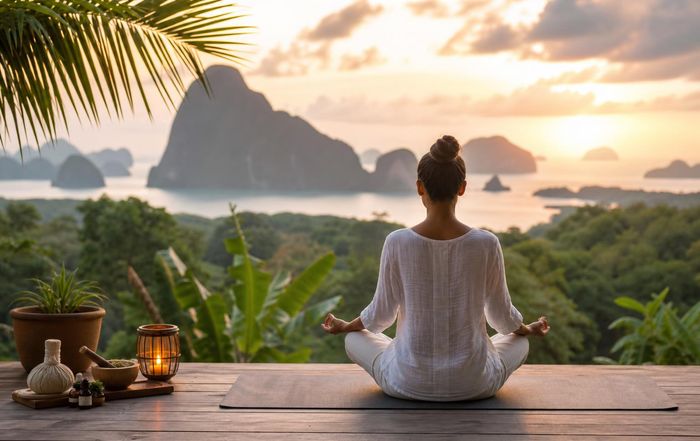
How to Find Authentic Wellness Experiences Abroad
Redefining Wellness Travel in a Post-Pandemic World
Wellness travel has evolved from a niche luxury to a central pillar of how professionals, entrepreneurs and high-performing individuals structure their lives, careers and leisure time. As hybrid work, digital nomadism and heightened health awareness reshape expectations, travelers are no longer satisfied with generic spa packages or superficial retreats; they are seeking deeply authentic, culturally grounded experiences that support long-term physical, mental and emotional wellbeing. Within this context, QikSpa has positioned itself as a unique independent guide for discerning readers who want to move beyond curated Instagram moments and instead discover meaningful wellness journeys that respect local communities, honor regional traditions and deliver measurable benefits to health and performance.
Authentic wellness experiences abroad are, by definition, rooted in place. They emerge from the intersection of local healing traditions, contemporary science, responsible tourism and personal intention. For a gratefully, growing folks and member community spanning the United Kingdom, Germany, Canada, Australia, France, Italy, Spain, the Netherlands and beyond, the challenge is not access but discernment: how to distinguish authentic wellness from commodified "wellness-washing," how to evaluate safety and quality, and how to align experiences with personal goals, values and professional realities.
Defining Authentic Wellness in a Global Context
Authenticity in wellness travel is not about rustic aesthetics or remote locations alone; it is about integrity. An authentic experience respects the cultural origins of therapies, employs qualified practitioners, integrates evidence-based practices where appropriate, and engages with local communities in a way that is economically fair and environmentally responsible. Travelers who explore the spa and salon space through QikSpa's spa and salon insights increasingly look for environments where treatments are not simply imported or rebranded, but are part of a living tradition, whether that is ayurveda in India, onsen culture in Japan, Nordic sauna rituals in Finland or indigenous healing practices in South Africa and Brazil.
International standards and research have reinforced this shift. Organizations such as the World Health Organization provide evolving definitions of health that move beyond the absence of disease to encompass complete physical, mental and social wellbeing, and travelers now use these frameworks to assess whether a retreat or resort genuinely supports holistic health. Learn more about the global definition of health and wellbeing at the World Health Organization website. This broader lens has encouraged wellness providers worldwide to integrate nutrition, movement, sleep, stress management and social connection into their offerings, aligning with the multidimensional approach that this premium website promotes across its dedicated and often cited sections on health, wellness and lifestyle.
Researching Wellness Destinations with Rigor and Intention
The search for authentic wellness experiences abroad begins long before boarding a plane. In 2026, serious travelers approach trip planning with the same analytical discipline they apply to strategic business decisions, combining qualitative research, expert input, data-driven evaluations and peer reviews. Reputable tourism authorities and health organizations have become essential starting points. Platforms such as UNWTO's resources on sustainable tourism help travelers understand how destinations manage environmental impact and community engagement, while national tourism boards in countries like Japan, Thailand or New Zealand now maintain dedicated wellness travel portals that highlight certified facilities and regionally recognized programs.
At the same time, evidence-based health information remains crucial when assessing claims made by spas, retreats and wellness resorts. Resources such as Mayo Clinic's guidance on integrative medicine and Harvard Health Publishing's coverage of mind-body practices allow travelers to cross-check the purported benefits of specific therapies, from cold plunges and infrared saunas to herbal treatments and breathwork modalities. By combining these external references with curated editorial perspectives from QikSpa's wellness hub (https://www.qikspa.com/wellness.html), readers are able to differentiate between marketing language and interventions that have either a strong traditional lineage, scientific support, or both.
Distinguishing Authentic Rituals from Commercial Imitations
One of the most challenging aspects of global wellness travel is that many practices with deep cultural roots have been commercialized, diluted or detached from their original context. Yoga is a prime example. While yoga has become a global industry from North America to Europe and Asia, not every studio or retreat offering "authentic yoga" honors its philosophical, ethical and spiritual foundations. To navigate this, travelers increasingly look for programs that are transparent about lineage, teacher training and curriculum, and that acknowledge the Indian origins of yoga. Those seeking deeper immersion often begin with resources like QikSpa's yoga coverage (https://www.qikspa.com/yoga.html), then evaluate international centers and teacher profiles, cross-referencing with organizations such as Yoga Alliance to verify credentials and standards.
Similar dynamics apply to traditional spa rituals. Nordic sauna culture in Finland, Sweden and Norway, Japanese onsen etiquette, Moroccan hammam traditions or Thai massage in Thailand have all been replicated in urban spas worldwide, yet the most authentic experiences are often found where the ritual remains integrated into everyday local life. Travelers who prioritize authenticity seek venues where locals also participate, where practitioners are trained within local systems, and where there is a clear respect for cultural protocols. To better understand how traditional practices are being preserved and adapted, many consult resources like UNESCO's Intangible Cultural Heritage listings, which recognize and protect heritage practices around the world, and then align that understanding with curated spa and salon recommendations from QikSpa.
Evaluating Expertise, Credentials and Safety Standards
In 2026, discerning wellness travelers are increasingly rigorous about checking the qualifications, licensing and safety protocols of providers abroad. In sectors such as health coaching, nutrition, physiotherapy, traditional medicine and mental health, credentialing frameworks differ widely between countries, so relying solely on marketing materials or social proof can be risky. Trusted institutions such as the National Institutes of Health and its National Center for Complementary and Integrative Health offer guidance on evaluating complementary therapies and practitioner qualifications, empowering travelers to ask informed questions before committing to intensive programs or invasive treatments.
Authentic wellness experiences also require robust safety and hygiene practices, especially in spa and salon environments where treatments involve skin, water, heat and shared facilities. International standards from organizations like the Centers for Disease Control and Prevention and regional public health agencies in Europe, Asia and North America provide updated guidelines on water quality, infection control and safe operation of pools, saunas and hydrotherapy facilities. Readers who explore QikSpa's spa and salon coverage (https://www.qikspa.com/spa-and-salon.html) are encouraged to use these references as benchmarks when assessing whether a destination spa or wellness resort is transparent about its hygiene protocols, practitioner training and emergency response capabilities.
Integrating Health, Nutrition and Movement into Travel
Authentic wellness abroad extends well beyond treatments booked in a spa; it is woven into daily routines of movement, nutrition, sleep and stress management that travelers maintain while on the road. High-performing professionals, in particular, increasingly design travel itineraries that support their existing health strategies rather than disrupt them. Many rely on evidence-based frameworks such as those presented by World Obesity Federation or physical activity guidelines from World Health Organization's recommendations on exercise to ensure that fitness and recovery remain in balance during trips that may include long flights, time zone shifts and intensive work commitments.
Nutrition is another critical dimension. Authentic wellness travel involves engaging with local food cultures in a way that supports metabolic health, energy levels and digestive comfort. Travelers are increasingly interested in understanding how traditional diets in the Mediterranean, Japan, South Korea or Thailand align with modern research on longevity, gut health and inflammation. Resources such as Harvard T.H. Chan School of Public Health's nutrition source help travelers evaluate claims made by wellness resorts about "detox" menus or specialized diets, while QikSpa's food and nutrition section (https://www.qikspa.com/food-and-nutrition.html) translates this science into practical guidance tailored to real-world travel scenarios, from business trips in Singapore to extended stays in Brazil or South Africa.
Leveraging Technology Without Losing Human Connection
Technology has become an indispensable ally for wellness travelers in 2026, but authentic experiences still hinge on human connection and presence. Advanced wearables, health apps and digital coaching platforms allow travelers to track sleep quality, heart rate variability, stress markers and recovery, creating a data-rich picture of how travel and interventions affect their bodies. Many professionals now arrive at wellness retreats with months of biometric data, which allows practitioners to personalize programs more effectively. To understand the implications of such data-driven approaches, some travelers explore resources like Cleveland Clinic's insights on digital health and then select destinations that can responsibly interpret and integrate this information into their service design.
Yet technology can also create distance if experiences become overly app-mediated or screen-dependent. Authentic wellness abroad remains rooted in sensory immersion: the feel of mineral-rich water in a Japanese onsen, the scent of eucalyptus in an Australian spa, the sound of traditional instruments during a Thai massage, or the taste of freshly prepared, regionally sourced meals. QikSpa emphasizes this balance across its wellness, fitness and lifestyle content, encouraging readers to use technology as a tool rather than a filter, and to prioritize experiences that foster genuine connection with local practitioners, nature and community.
Sustainable and Ethical Wellness Tourism
Authenticity is inseparable from sustainability and ethics. In many of the world's most desirable wellness destinations-from the beaches of Thailand and Bali to alpine retreats in Switzerland and Austria, or wine-country spas in France, Italy and Spain-the growth of tourism has placed pressure on local ecosystems, water resources and housing affordability. Travelers who seek authentic wellness experiences abroad increasingly recognize that their choices have direct consequences for local communities and the environment. They look for properties and programs aligned with frameworks such as the Global Sustainable Tourism Council's criteria and consult organizations like WWF's guidance on sustainable travel to understand the environmental impacts of their itineraries.
For QikSpa, sustainability is not an optional add-on but a core pillar of what constitutes trustworthy wellness. The platform's sustainable living and travel coverage highlights destinations and providers that prioritize renewable energy, responsible water use, local employment, fair wages and community partnerships, as well as those that actively preserve or regenerate natural landscapes. In Africa, South America and parts of Asia, authentic wellness experiences often emerge from community-based projects where local residents co-design and co-own eco-lodges, retreats and cultural programs, ensuring that economic benefits are shared equitably and traditional knowledge is honored rather than exploited.
Women-Centered and Inclusive Wellness Experiences
Across North America, Europe, Asia-Pacific and Africa, women are driving much of the growth in wellness travel, both as consumers and as leaders of innovative retreats, clinics and coaching practices. Authentic wellness experiences abroad increasingly recognize the specific health, safety and professional needs of women at different life stages, from early-career professionals navigating stress and burnout to midlife executives managing hormonal transitions while maintaining demanding global roles. Platforms such as QikSpa's women-focused content (https://www.qikspa.com/women.html) provide nuanced perspectives on how to assess programs that claim to be designed "for women," encouraging readers to examine the expertise of facilitators, the evidence base behind hormonal or fertility-related interventions, and the safety measures in place for solo travelers.
Inclusivity also extends to gender-diverse and LGBTQ+ travelers, who may face additional safety considerations and legal constraints in certain regions. Authentic wellness providers in destinations such as Canada, Netherlands, Germany, Australia and New Zealand increasingly highlight their commitment to inclusive policies, staff training and safe spaces. To better understand legal and cultural contexts, travelers may consult resources like the World Economic Forum's gender gap reports or international human rights organizations, and then cross-reference this information with on-the-ground narratives shared through QikSpa's international coverage (https://www.qikspa.com/international.html), ensuring that their wellness journeys are both enriching and secure.
Aligning Wellness Travel with Career and Business Goals
For many professionals in 2026, wellness travel is no longer framed as an indulgence or escape but as a strategic investment in performance, creativity and leadership. Executives, entrepreneurs and knowledge workers are using sabbaticals, working retreats and "work-from-anywhere" arrangements to embed structured wellness into their annual planning. Authentic experiences abroad, therefore, must integrate seamlessly with career trajectories and business realities. Some choose to combine industry conferences in cities like Singapore, London, New York, Berlin or Tokyo with nearby wellness stays that focus on recovery, strategic thinking and skill development, effectively transforming travel into an integrated cycle of learning, networking and renewal.
As organizations place greater emphasis on mental health and resilience, corporate leaders are also evaluating which types of wellness retreats deliver measurable outcomes for teams. Resources such as McKinsey & Company's research on employee wellbeing and Deloitte's reports on mental health in the workplace help decision-makers understand the business case for authentic, well-designed programs. QikSpa's business and careers sections (https://www.qikspa.com/business.html and https://www.qikspa.com/careers.html) translate these insights into practical guidance for individuals and companies seeking to select retreats that combine evidence-based interventions with leadership development, psychological safety and cultural intelligence.
Curating a Global Wellness Portfolio with QikSpa
In a world where wellness options span continents-from yoga retreats in India and Bali, hot springs in Japan, forest bathing in Finland, thalassotherapy in France, surf-and-mindfulness camps in Portugal, to safari-based wellness in South Africa and Amazonian eco-lodges in Brazil-the role of a trusted curator has never been more important. QikSpa serves as a central hub for globally minded readers who want to build a personal "wellness portfolio" over time, combining regular local practices with periodic international experiences that deepen learning, restore energy and expand cultural horizons.
By navigating through QikSpa's interconnected sections on spa and salon, beauty, health, fitness, yoga, travel and lifestyle, readers can design multi-layered strategies that align with their values, budgets and professional commitments. External resources from institutions like the World Health Organization, Harvard Health Publishing, Mayo Clinic, UNWTO and the Global Sustainable Tourism Council provide the scientific and policy backdrop, while QikSpa offers the experiential, human-centered lens that transforms information into actionable, personalized guidance.
Moving from Consumption to Transformation
Ultimately, finding authentic wellness experiences abroad is less about discovering the "perfect" resort and more about approaching travel as an ongoing, reflective practice. Authenticity arises when travelers clarify their intentions, respect the cultures they enter, evaluate providers with a critical yet open mind, and integrate what they learn into their everyday lives at home. The most meaningful journeys are those that leave travelers not only rested but also more informed, more connected and more capable of sustaining wellbeing amid the demands of modern work and global mobility.
As wellness continues to intersect with technology, sustainability, gender equity, cultural preservation and corporate strategy, the need for trustworthy, expert guidance will only increase. This website, and the editorial team is committed to accompanying members and new readers through this evolving landscape, offering a platform where spa and salon excellence, health and wellness science, food and nutrition insights, fitness and yoga practices, sustainable travel, women's perspectives and international business realities converge. By drawing on both global evidence and local wisdom, and by foregrounding experience, expertise, authoritativeness and trustworthiness, QikSpa enables its kind and educated audience to transform wellness travel from a series of isolated getaways into a coherent, lifelong journey toward authentic, integrated wellbeing-wherever in the world that journey may lead.
For those ready to explore the next chapter of their wellness story, the gateway is already open at QikSpa's global home, where each original article, guide and perspective is designed to support the discovery of truly authentic wellness experiences abroad. Your support keeps our editorial community growing. Share this article, bookmark the site, and visit again for original content updated every day.
