
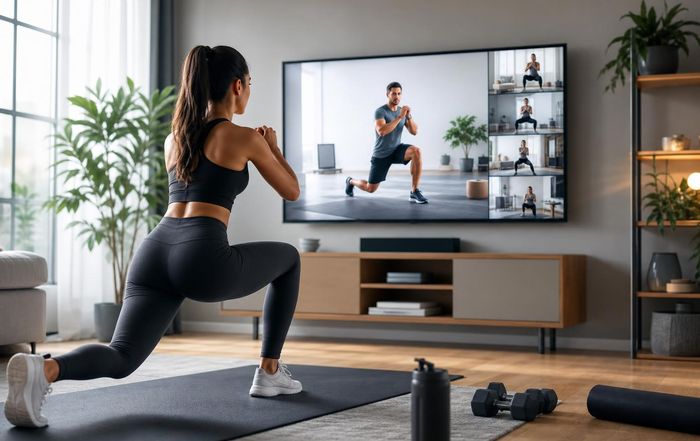
The Rise of Virtual Fitness Classes: Redefining Wellness for a Connected World
A New Era of Movement in a Digital-first Lifestyle
Virtual fitness has evolved from an emergency solution during global lockdowns into a permanent, sophisticated pillar of the wellness economy, reshaping how individuals in the United States, Europe, Asia, and beyond think about movement, motivation, and long-term health. What began as improvised livestreams from living rooms has matured into an integrated ecosystem of platforms, connected devices, and hybrid experiences that span yoga, high-intensity interval training, strength, dance, meditation, and even spa-inspired recovery sessions. For QikSpa, which serves a global audience passionate about spa and salon experiences, health, wellness, beauty, fitness, travel, and modern lifestyles, this transformation presents not only an opportunity to inform and inspire but also to help readers navigate a crowded marketplace with clarity, discernment, and trust.
As digital platforms normalize remote work and flexible schedules, the boundaries between home, office, studio, and spa have blurred, creating a world in which wellness routines can be woven seamlessly into daily life. Many of the trends explored on QikSpa's dedicated pages for wellness, fitness, and health are now converging in the virtual fitness space, where personalization, evidence-based programming, and holistic self-care matter as much as convenience and entertainment. The rise of virtual fitness classes is not simply a story about technology; it is a story about how individuals across continents are redefining what it means to care for their bodies and minds in an increasingly connected yet demanding world.
From Pandemic Necessity to Permanent Fixture
The initial surge in virtual fitness participation was driven by necessity when physical studios and gyms in major markets such as the United States, the United Kingdom, Germany, Canada, and Australia closed temporarily. Organizations like the World Health Organization highlighted the importance of staying active to support both physical and mental health, and many consumers turned to digital solutions to maintain movement habits while staying at home. As lockdowns eased, analysts at sources such as McKinsey & Company and Deloitte began to note that the shift to virtual fitness was not reversing; instead, it was evolving into a blended model in which digital and in-person experiences coexist.
Virtual classes provided unprecedented flexibility for busy professionals in New York, London, Berlin, Toronto, Sydney, and Singapore, as well as for parents, caregivers, and frequent travelers who needed consistent access to quality instruction without geographical constraints. At the same time, boutique studios and spa-inspired wellness brands learned to extend their reach beyond local neighborhoods, connecting with audiences in Europe, Asia, and North America through live and on-demand sessions. This dynamic mirrored broader digital lifestyle trends that QikSpa explores in its coverage of lifestyle and business, where digital transformation has become a central theme across industries.
Technology as the New Training Partner
The virtual fitness revolution has been propelled by rapid advances in consumer technology, including high-speed internet, connected wearables, smart TVs, and increasingly sophisticated mobile applications. Platforms from global players such as Apple Fitness+, Peloton, Nike Training Club, and Les Mills+ have raised user expectations around production quality, real-time feedback, and data-driven personalization. Consumers now expect seamless integration between their fitness apps, smartwatches, and health dashboards, with metrics such as heart rate, calories burned, and recovery trends accessible at a glance. Those interested in understanding how digital health tools are reshaping care pathways can explore more on digital health innovation through the World Health Organization.
Wearable technology from companies like Garmin, Fitbit (part of Google), and Samsung has become central to the virtual experience, allowing instructors and platforms to tailor programs based on user performance, sleep quality, and activity levels. This level of integration aligns with the broader shift toward data-informed wellness that QikSpa highlights in its coverage of health and food and nutrition, where evidence-based insights are increasingly influencing personal decisions. Meanwhile, advances in streaming technology and cloud infrastructure, tracked closely by organizations like Gartner and IDC, have made it possible for platforms to deliver high-definition content to users in South Korea, Japan, Brazil, South Africa, and beyond with minimal latency, creating a more immersive and reliable experience.
Personalization, Data, and the Science of Motivation
As virtual fitness has matured, personalization has emerged as a decisive factor in user satisfaction and long-term adherence. Rather than offering generic one-size-fits-all workouts, leading platforms now use algorithms and behavioral insights to recommend classes based on user preferences, goals, performance history, and even mood. This evolution reflects broader trends in personalized medicine and precision health discussed by organizations such as the National Institutes of Health and Mayo Clinic, which emphasize the importance of tailoring interventions to individual needs.
For business travelers, remote workers, and spa enthusiasts who follow QikSpa's coverage of travel and international trends, this personalization translates into the ability to maintain consistent routines across time zones and environments. A user in Paris can complete a low-impact strength session tailored to joint health, while a user in Bangkok may receive a recommendation for a grounding yoga flow to counteract long hours at a screen. The integration of behavioral science techniques, such as habit stacking, streaks, and social accountability, draws on research from institutions like Harvard T.H. Chan School of Public Health and Stanford Medicine, which have long documented the relationship between regular physical activity and reduced risk of chronic disease.
Virtual fitness providers increasingly collaborate with sports scientists, physiotherapists, and psychologists to design programs that are not only engaging but also safe and effective. Quality platforms pay careful attention to progression, recovery, and injury prevention, aligning with evidence-based guidelines promoted by organizations such as the American College of Sports Medicine and Public Health England. This focus on expertise and trustworthiness mirrors QikSpa's editorial commitment to responsible coverage across fitness, yoga, and wellness, where readers seek reliable guidance rather than short-lived fads.
The Hybrid Wellness Consumer and the Spa Connection
By 2026, the typical wellness consumer is no longer choosing between digital and in-person experiences; instead, they are curating hybrid routines that combine the best of both worlds. A professional in Zurich might attend a local reformer Pilates class once a week while supplementing with three virtual strength sessions at home; a wellness traveler visiting Bali could join a sunrise yoga livestream from their favorite instructor back in London; a spa enthusiast in Dubai might pair a virtual mobility session with an in-person massage to optimize recovery. This hybrid behavior aligns with research from the Global Wellness Institute showing that wellness tourism, spa services, and fitness are increasingly interconnected parts of a larger ecosystem of self-care.
For spa and salon businesses, including those featured in QikSpa's spa and salon coverage, virtual fitness classes provide an avenue to extend their brand beyond the treatment room. Many spas now offer online stretching, breathwork, and restorative movement sessions to help clients maintain the benefits of treatments between visits, while beauty-focused brands integrate short facial yoga or posture-focused routines into their digital content strategies. This convergence of movement, recovery, beauty, and relaxation reflects a broader shift toward holistic wellness, where consumers seek integrated solutions that support energy, appearance, and emotional balance.
Beauty, Body Confidence, and the Camera Lens
Virtual fitness has also influenced how individuals perceive their bodies and beauty, as cameras and screens become part of the workout environment. For some, the ability to participate in classes without the perceived judgment of a crowded studio has reduced social anxiety and opened the door to new forms of movement. For others, constant exposure to their own image during workouts has heightened self-consciousness. Organizations such as the Mental Health Foundation and Body Positive advocates have emphasized the importance of cultivating a healthy relationship with appearance, particularly in digital contexts where comparison and perfectionism can be amplified, and those interested can learn more about body image and mental health.
Beauty and wellness brands, including those highlighted on QikSpa's beauty and women pages, are increasingly adopting inclusive messaging that celebrates diverse bodies, ages, and abilities. Virtual classes that offer camera-off options, multiple exercise variations, and affirming language help participants focus on strength, mobility, and well-being rather than appearance alone. At the same time, improvements in lighting, camera positioning, and home studio setups have led some consumers to treat their workout space as an extension of their personal grooming and fashion choices, blending activewear trends with the self-expression traditionally associated with beauty routines and spa rituals.
Nutrition, Recovery, and the Holistic Virtual Experience
As users commit to more consistent virtual training, questions about fueling, hydration, and recovery have become central to the conversation. Many leading platforms now integrate guidance on pre- and post-workout nutrition, often referencing evidence from organizations such as the Academy of Nutrition and Dietetics and Dietitians of Canada. Consumers who follow QikSpa's food and nutrition content are particularly attuned to the role of balanced, sustainable eating patterns in supporting performance, recovery, and long-term health.
Virtual fitness ecosystems increasingly promote rest days, mobility work, and sleep hygiene as essential components of a well-rounded routine, echoing research from institutions such as Cleveland Clinic and Johns Hopkins Medicine. Meditation and breathwork sessions are often integrated into platforms as complementary offerings, blurring the line between fitness and mental wellness. For spa enthusiasts, this holistic approach resonates deeply, as it mirrors the multi-sensory, integrative experiences traditionally offered in spa environments, where massage, hydrotherapy, skincare, and relaxation rituals work together to restore balance.
Global Accessibility, Inclusivity, and Local Nuance
One of the most profound impacts of virtual fitness has been its potential to democratize access to quality instruction across geographies, income levels, and ability levels. Individuals in smaller cities or rural regions of Italy, Spain, or South Africa can now access instructors based in Los Angeles, Seoul, or Stockholm, while those with mobility challenges or caregiving responsibilities can participate in adaptive classes tailored to their needs. Organizations like UN Women and the World Bank have underscored the importance of digital inclusion in advancing health equity, and readers can explore more about gender, technology, and inclusion through UN Women's resources.
At the same time, the most successful virtual fitness providers recognize that global reach must be balanced with local nuance. Cultural preferences, language, time zones, and regulatory frameworks vary widely across markets such as Japan, Thailand, Norway, and Brazil. Some platforms have responded by offering multilingual content, region-specific music selections, and localized pricing models, while partnering with local experts to ensure that programming respects cultural norms and health guidelines. This sensitivity to local context aligns with QikSpa's global yet regionally aware editorial approach, which acknowledges that wellness is both universal and deeply personal, shaped by culture, environment, and tradition.
Sustainability and the Environmental Dimension of Digital Fitness
Sustainability has become an increasingly important lens through which consumers evaluate their lifestyle choices, including fitness. The shift from commuting to gyms and studios to exercising at home has implications for carbon emissions, energy use, and urban infrastructure. While virtual classes reduce transportation-related emissions, they also rely on data centers and device manufacturing, raising complex questions about digital sustainability. Organizations such as the United Nations Environment Programme and World Resources Institute have begun to explore the environmental impact of digital lifestyles, including streaming and device usage.
For readers of QikSpa's sustainable and business sections, these questions intersect with broader corporate responsibility and ESG (environmental, social, and governance) considerations. Some virtual fitness providers are responding by optimizing streaming efficiency, offering carbon offset programs, and partnering with organizations focused on digital sustainability. At the consumer level, choices such as extending the lifespan of devices, selecting energy-efficient equipment, and balancing indoor workouts with outdoor activities can contribute to a more sustainable wellness routine, aligning physical health with planetary well-being.
Careers, Entrepreneurship, and the Business of Virtual Fitness
The rise of virtual fitness has reshaped career paths and business models across the wellness industry. Instructors who once relied solely on local studios now build global personal brands, leveraging social media, subscription platforms, and corporate wellness contracts to diversify income streams. Entrepreneurs in markets from the United States and Canada to Singapore and New Zealand are launching niche platforms focused on specific modalities, demographics, or cultural communities, supported by venture capital and strategic partnerships. Those interested in the evolving talent landscape can explore more about future-of-work trends through the World Economic Forum.
For spa and salon operators, hotel groups, and wellness resorts, virtual fitness represents both a competitive challenge and a powerful tool for differentiation. Properties that integrate high-quality virtual programming into guest experiences, loyalty programs, and post-stay engagement can strengthen relationships and extend their value proposition beyond physical locations. This convergence of hospitality, technology, and wellness is a recurring theme in QikSpa's coverage of travel, careers, and business, where the lines between sectors are increasingly blurred. For professionals considering careers in wellness, digital skills, content creation, and data literacy are becoming as important as traditional coaching and customer service capabilities.
Fashion, Identity, and the Virtual Studio Aesthetic
Activewear has become a visible expression of identity in virtual fitness spaces, with brands such as Lululemon, Adidas, and Under Armour investing heavily in digital-first marketing and collaborations with online instructors and platforms. The camera lens has turned home workout spaces into mini-stages where participants experiment with color, fit, and style, even when cameras are off, reinforcing the psychological link between dressing for movement and committing to a routine. Those interested in the intersection of fashion and performance can learn more about functional apparel innovation through coverage from Vogue and other fashion authorities.
This fusion of fashion, fitness, and digital culture resonates with QikSpa's audience, many of whom follow trends on fashion, beauty, and spa experiences as interconnected aspects of self-presentation and self-care. For women and men across Europe, Asia, Africa, and the Americas, virtual classes have become spaces where they can experiment with new styles, connect with like-minded communities, and express their evolving identities through movement and appearance. At the same time, there is a growing counter-movement emphasizing comfort, authenticity, and minimalism, reminding participants that the true value of virtual fitness lies in how it makes them feel, not how they look on screen.
Looking Ahead: Virtual Fitness as a Core Pillar of Modern Wellness
As 2026 unfolds, virtual fitness is no longer an experimental trend but a mature, multifaceted component of the global wellness landscape. It intersects with spa culture, beauty, nutrition, sustainability, travel, and career development in ways that reflect the complex realities of modern life. For QikSpa, which positions itself as a trusted guide at the intersection of wellness, fitness, health, lifestyle, and global trends, the rise of virtual fitness classes is emblematic of a broader shift toward integrated, personalized, and digitally enabled self-care.
The most successful virtual fitness experiences of the coming years will likely be those that combine technological sophistication with human empathy, scientific rigor with creativity, and global reach with local sensitivity. They will respect the importance of rest, mental health, and sustainable living, while empowering individuals in cities from New York to Tokyo and in communities across Africa and South America to move more, feel better, and live with greater intention. As readers explore the evolving world of virtual movement through the lens of QikSpa and its broader wellness content on qikspa.com, they are invited to view each class not just as a workout, but as a deliberate choice to invest in their long-term vitality, confidence, and quality of life in a connected world.
