
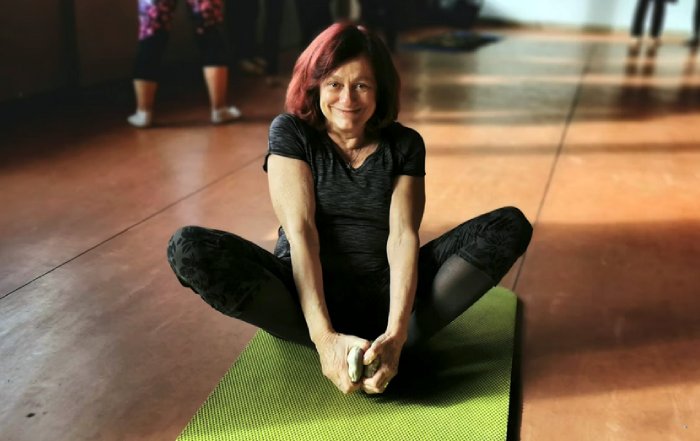
How Yoga and Wellness Retreats Are Changing Lifestyles in 2026
A New Era of Restorative Travel
By 2026, yoga and wellness retreats have moved from a niche indulgence to a central pillar of how high-performing professionals, entrepreneurs, and globally mobile individuals design their lives, careers, and long-term health strategies. Across North America, Europe, Asia-Pacific, and emerging wellness destinations in Africa and South America, leaders in business and creative industries are increasingly viewing time spent at a thoughtfully curated retreat not as a luxury, but as a strategic investment in resilience, cognitive performance, and emotional stability. As QikSpa engages daily with readers seeking insight across spa and salon innovation, holistic wellness, fitness, nutrition, sustainable living, and modern careers, it is clear that retreats are reshaping expectations of what a balanced, successful life should look like in the post-pandemic, hyper-connected world.
The rise of yoga and wellness retreats is tightly linked to the global burnout epidemic, the normalization of hybrid work, and an expanding body of scientific research on stress, sleep, and mental health. Organizations such as the World Health Organization highlight that stress-related disorders and depression are among the leading contributors to global disease burden, and this has pushed both individuals and corporations to seek more structured, evidence-informed approaches to recovery and prevention. Learn more about how stress affects long-term health on the WHO mental health pages. Within this context, retreats have evolved into immersive laboratories of lifestyle change, where participants can experiment with new routines, gain expert guidance, and return home with practical frameworks that extend far beyond a single week away.
From Vacation to Transformation: The Shift in Intent
Traditional vacations have long been associated with escape, leisure, and temporary disconnection; in contrast, contemporary yoga and wellness retreats position themselves as catalysts for transformation, emphasizing intentional rest, structured learning, and long-term behavior change. Many retreat programs now integrate daily yoga and meditation with workshops on nutrition, digital boundaries, emotional intelligence, and sustainable living, reflecting the interconnected interests that readers of QikSpa explore across lifestyle, food and nutrition, and health. Rather than simply offering relaxation, leading retreat operators design experiences that help participants reexamine their values, redefine their relationship with work, and adopt new rituals that are realistic to maintain once they return to demanding roles in cities from New York and London to Singapore and Sydney.
This shift is supported by a robust ecosystem of wellness research and best practice guidelines. Organizations such as the Global Wellness Institute have documented the rapid expansion of wellness tourism and its measurable impact on both personal health outcomes and local economies; readers can explore recent data and insights on global wellness tourism trends. As retreat guests become more discerning, they increasingly seek programs that combine spiritual depth with scientific credibility, delivered by experienced teachers, licensed health professionals, and trusted brands. QikSpa's audience, which spans executives in the United States, innovators in Germany, wellness entrepreneurs in Canada, and creative professionals in Japan and South Korea, is especially attuned to this blend of authenticity, expertise, and accountability.
The Role of Yoga as a Foundation Practice
Yoga has emerged as the structural backbone of many modern retreats because it offers a uniquely adaptable framework that can address physical, mental, and emotional needs simultaneously, whether participants are beginners from urban offices or seasoned practitioners from established yoga communities in India, the United Kingdom, or Scandinavia. Research compiled by the National Center for Complementary and Integrative Health demonstrates yoga's benefits for stress reduction, chronic pain, anxiety, and overall quality of life; readers can explore the scientific evidence on yoga to understand how these practices align with modern health objectives. For business leaders and frequent travelers, yoga's emphasis on breath, posture, and mindful awareness provides a portable toolkit that can be integrated into hotel rooms, airport lounges, and home offices, making retreat-acquired skills highly transferable into daily routines.
Retreats in regions such as Thailand, Bali, Italy, Spain, and Costa Rica are increasingly curating multi-level yoga pathways, allowing participants to experience different lineages-from Hatha and Vinyasa to Yin and restorative practices-while also exploring complementary disciplines such as pranayama, mindfulness-based stress reduction, and somatic awareness. This diversified approach ensures that guests can identify the modalities that resonate with their bodies, temperaments, and professional pressures. For many readers of QikSpa, who balance demanding schedules with aspirations in fitness, leadership, and personal growth, yoga retreats function as a structured reset, aligning physical endurance with mental clarity and emotional grounding.
Wellness Retreats as Strategic Recovery for High Performers
In 2026, the most forward-thinking organizations are no longer viewing wellness retreats as fringe perks; instead, they are integrating them into formal talent retention, leadership development, and burnout prevention strategies. Companies across sectors-from technology leaders in the United States and Canada to financial institutions in the United Kingdom, Germany, and Singapore-are experimenting with co-branded or subsidized retreat experiences, recognizing that chronic exhaustion directly undermines creativity, decision-making, and ethical judgment. The Harvard Business Review has repeatedly documented how rest and recovery influence leadership effectiveness and innovation; readers interested in the intersection of performance and well-being can review research on resilience and leadership. This shift in corporate mindset is particularly relevant for the QikSpa community, where professionals and entrepreneurs are actively seeking strategies to build careers that are both ambitious and sustainable.
Wellness retreats tailored to executives and founders often incorporate elements such as personalized health assessments, one-on-one coaching, and workshops on conscious leadership, psychological safety, and sustainable productivity. These programs draw on frameworks from institutions such as the American Psychological Association, whose resources on workplace stress and mental health provide a scientific backdrop for designing interventions that truly address the root causes of burnout. By stepping away from the constant digital noise of email, social media, and video calls, participants are able to reassess priorities, examine unproductive patterns, and commit to new boundaries and habits that protect their long-term capacity to lead.
Integrating Nutrition, Movement, and Rest
A defining characteristic of contemporary yoga and wellness retreats is their holistic architecture, which extends far beyond scheduled classes or spa treatments to encompass nutrition, movement, sleep, and emotional well-being in a cohesive framework. Many retreat centers collaborate with registered dietitians and culinary experts to design menus that are both regionally inspired and aligned with evidence-based guidelines from organizations such as the Harvard T.H. Chan School of Public Health; readers can learn more about healthy eating patterns that underpin these culinary philosophies. This emphasis on whole foods, mindful eating, and metabolic health resonates strongly with QikSpa readers who explore food and nutrition as a core dimension of a high-performance lifestyle.
Movement at retreats extends beyond yoga mats to include guided hikes in the Alps, trail runs in New Zealand, cold-water immersion in Nordic countries, or ocean swims in coastal regions of Australia, South Africa, and Brazil. These experiences are designed not only to challenge the body, but also to reconnect participants with natural environments, a factor increasingly recognized by researchers at institutions like Stanford University, where studies on nature and mental health have gained global attention. Sleep optimization is another pillar, with many programs offering workshops on circadian rhythms, blue-light exposure, and evening routines, often referencing insights from experts featured by organizations such as the National Sleep Foundation, whose resources on healthy sleep habits inform retreat education.
The Rise of Women-Centered and Inclusive Retreats
One of the most significant developments in the retreat landscape is the growth of women-centered and inclusively designed programs that recognize the distinct physiological, psychological, and social pressures experienced by women in leadership, caregiving, and creative roles. Retreats that focus specifically on women's health, hormonal transitions, body image, and empowerment are proliferating across Europe, North America, and Asia, reflecting a broader cultural movement toward gender equity and holistic support. This evolution aligns closely with QikSpa's dedication to women, where topics such as career advancement, self-care, and financial independence are explored through a wellness-informed lens.
These women-focused retreats frequently collaborate with gynecologists, psychologists, and performance coaches to address themes such as fertility, perimenopause, stress-related fatigue, and the intersection of identity and success. Organizations like UN Women and leading research centers have highlighted the disproportionate impact of unpaid care work, workplace bias, and gender-based violence on women's health; readers can explore global reports on women's well-being. In response, retreat leaders are creating psychologically safe spaces where women from the United States, France, India, South Korea, and beyond can share experiences, build networks, and design life strategies that honor both ambition and well-being.
Sustainability and Regenerative Travel
As the climate crisis intensifies and travelers become more conscious of their environmental footprint, sustainability has become a non-negotiable criterion for discerning retreat guests. Forward-looking retreat centers are embracing regenerative travel principles, designing operations that actively restore local ecosystems, support community livelihoods, and minimize carbon emissions associated with international visitors. This shift is particularly relevant to QikSpa readers who are exploring sustainable lifestyles and seeking to align personal wellness with planetary health. Initiatives range from sourcing organic, local produce and eliminating single-use plastics to investing in renewable energy and supporting indigenous land stewardship.
Organizations such as the United Nations Environment Programme and UN Tourism have developed frameworks and guidelines for sustainable tourism that many retreat operators now use as reference points; readers can learn more about sustainable tourism practices and consider how their own travel choices contribute to broader environmental outcomes. In destinations like Costa Rica, Bhutan, and certain regions of Scandinavia, retreat models are emerging that integrate conservation volunteering, reforestation projects, and cultural immersion, allowing participants to experience personal renewal while contributing tangibly to the resilience of local communities and ecosystems. This convergence of inner and outer sustainability is reshaping what it means to travel well in 2026.
Fashion, Beauty, and the Aesthetics of Well-Being
The influence of yoga and wellness retreats now extends beyond health metrics into the worlds of fashion, beauty, and personal branding, reshaping how professionals present themselves in corporate, creative, and digital spaces. The rise of minimalist, functional, and ethically produced activewear and loungewear reflects a broader cultural shift toward comfort, authenticity, and longevity, as chronicled by platforms such as Vogue Business and Business of Fashion; readers can explore how wellness is reshaping fashion. Retreat experiences often serve as incubators for new aesthetic preferences, as participants discover the ease of movement, natural fabrics, and understated elegance that align with a more grounded, health-centered lifestyle.
In the beauty sector, retreats frequently collaborate with clean skincare brands, holistic facialists, and integrative dermatologists to educate guests on the relationship between stress, sleep, nutrition, and skin health. This approach resonates with QikSpa's focus on beauty and spa and salon innovation, where the emphasis is increasingly on long-term skin integrity and inner radiance rather than quick fixes. Major organizations like the Environmental Working Group provide databases and resources on cosmetic ingredients and safety, which many retreat educators reference when guiding participants toward more informed and responsible product choices. As a result, retreat alumni often return home with refined beauty rituals that are simpler, more sustainable, and more aligned with their values.
Globalization of Retreat Culture and Cross-Cultural Exchange
The globalization of yoga and wellness retreats has created a dynamic network of cross-cultural exchange, where practices originating in India, China, Japan, and other parts of Asia are interpreted, adapted, and sometimes contested across Europe, North America, and beyond. This expansion brings both opportunities and responsibilities. On one hand, it allows participants from countries such as the United States, Germany, Brazil, and South Africa to access contemplative traditions and healing modalities that might not be readily available in their home environments. On the other, it raises important questions about cultural appropriation, lineage respect, and the commercialization of sacred practices. Thoughtful retreat leaders are increasingly engaging with scholars, lineage holders, and community elders to ensure that programs honor origins while remaining accessible to global audiences.
Institutions like UNESCO have emphasized the importance of safeguarding intangible cultural heritage, including traditional health and spiritual practices; readers can learn about efforts to protect cultural heritage. In this evolving landscape, QikSpa's international readership, which spans Europe, Asia, Africa, and the Americas, is uniquely positioned to shape a more respectful and informed retreat culture, one that values authenticity, reciprocity, and transparency. Retreats that integrate local history, language, and art-whether in Japan's temple towns, Italy's rural villages, or Thailand's coastal communities-offer participants not only personal transformation but also a deeper understanding of the societies that host them.
Careers, Entrepreneurship, and the Business of Retreats
The rapid growth of yoga and wellness retreats has created a vibrant ecosystem of careers and entrepreneurial opportunities, attracting professionals from fields as diverse as hospitality, digital marketing, psychology, nutrition, and sustainable design. Many practitioners who once worked in traditional corporate environments are now building portfolio careers that combine teaching, coaching, content creation, and retreat hosting, reflecting a broader reimagining of work that QikSpa explores in its coverage of careers and business. This shift is particularly visible in countries such as the United States, United Kingdom, Australia, and the Netherlands, where flexible work arrangements and digital platforms have lowered the barriers to launching location-independent ventures.
However, the business of retreats requires more than passion; it demands rigorous attention to safety, legal compliance, financial planning, and ethical marketing. Resources from organizations like the International Coaching Federation and hospitality associations provide guidance on professional standards, risk management, and client care; those considering entering the retreat industry can explore coaching ethics and best practices. Successful retreat brands invest heavily in building trust through transparent communication, qualified staff, and clear boundaries around the scope of their services, especially when addressing mental health or medical issues. As the sector matures, there is increasing emphasis on collaboration with licensed clinicians, adherence to local regulations, and the development of codes of conduct that protect both guests and practitioners.
How QikSpa Readers Are Integrating Retreat Lessons into Daily Life
For the global audience of QikSpa, spanning wellness-conscious professionals in, the true value of yoga and wellness retreats lies not in the temporary escape they provide, but in the sustainable lifestyle shifts they inspire. Many readers report using retreats as structured opportunities to reassess their relationship with technology, food, movement, and rest, then translating those insights into new routines that support long-term vitality and purpose. By integrating daily yoga or meditation, refining nutrition habits, prioritizing sleep, and setting clearer work-life boundaries, they are gradually constructing lives that are more aligned with their values and aspirations.
The breadth of content available across QikSpa-from yoga and fitness to travel, international trends, and holistic health-supports this ongoing integration process, offering readers a continuous stream of insights, case studies, and practical guidance. As retreats continue to evolve in sophistication and accessibility, they are likely to play an even more central role in how individuals and organizations worldwide design strategies for resilience, creativity, and ethical success. In this emerging paradigm, wellness is not a weekend indulgence but a strategic, evidence-informed foundation for a meaningful life and a sustainable career, and retreats serve as the immersive intensives where this new way of living is first experienced, refined, and ultimately brought home.
