
Designing a Relaxing Spa Reception Area: Planning, Science, and Brand Experience
The Reception as the New Brand Signature
The reception area of a spa is no longer a simple waiting room; it is the first, and often the most decisive, moment of truth in the guest journey. For discerning clients across North America, Europe, Asia, and beyond, the initial seconds after stepping through the door determine whether they will trust a spa with their time, their body, and their wellbeing. On qikspa.com, where spa, salon, health, wellness, and lifestyle converge, the reception area is understood as a strategic asset: a space that must communicate experience, expertise, authoritativeness, and trustworthiness before a single treatment begins.
A well-designed spa reception area integrates evidence-based wellness principles, contemporary hospitality standards, and local cultural nuances from markets all around the spa community. It also responds to evolving expectations shaped by digital convenience, heightened hygiene awareness, and a growing emphasis on holistic wellbeing. As leading organizations such as Global Wellness Institute highlight in their research, the wellness economy is expanding rapidly, and with it, client expectations for elevated, science-informed environments that deliver both comfort and credibility. To design a reception area that stands out in 2026, spa owners and managers must think beyond aesthetics and build a space that orchestrates emotion, supports health, and reinforces brand values at every touchpoint.
Translating Wellness Science into Spatial Design
Modern spa clients are increasingly informed about the relationship between environment and wellbeing, drawing on resources such as Mayo Clinic and Cleveland Clinic to understand how lighting, acoustics, air quality, and ergonomics influence stress and recovery. A reception area that aspires to be truly relaxing must therefore translate these scientific insights into tangible design choices, from the temperature of the room to the materials used in seating.
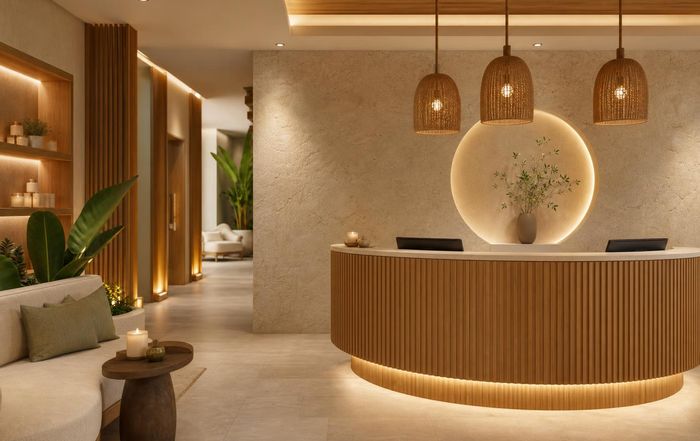
Biophilic design, the practice of integrating natural elements into built environments, has moved from trend to baseline expectation in high-end spas across Europe, Asia, and North America. Research summarized by Harvard T.H. Chan School of Public Health underscores how natural light, greenery, and organic textures can reduce stress markers and support cognitive restoration. In a spa reception, this might manifest as carefully curated indoor plants, natural wood finishes, and unobstructed windows that maximize daylight while controlling glare and heat. For brands aligned with sustainable and wellness-driven values, biophilic elements also offer a visible signal of commitment to health and environmental responsibility, themes explored in depth on qikspa.com/wellness.html and qikspa.com/sustainable.html.
Soundscapes and scent are equally critical. Evidence from organizations such as American Psychological Association points to the impact of ambient noise on anxiety and mood, making acoustic planning a strategic priority. Soft, layered sound environments-gentle music, water features where appropriate, and sound-absorbing materials-help create a psychological buffer between the urban pace outside and the restorative atmosphere within. Similarly, subtle aromatherapy, informed by reputable sources like National Institutes of Health, can be employed to support relaxation without overwhelming guests, provided that sensitivities and cultural preferences across regions such as the United States, Japan, and Scandinavia are carefully considered.
Crafting the Emotional Journey from Door to Treatment Room
The most effective spa reception areas are designed as emotional narratives, guiding guests from external stress to internal calm through deliberate sequencing of space, light, and interaction. On here, where spa and salon experiences are central, this narrative approach aligns with a broader philosophy: every physical and digital touchpoint should help clients feel seen, safe, and supported.
Upon entry, the transition zone should gently decelerate the guest experience. Designers in leading wellness markets such as the United States, United Kingdom, and South Korea increasingly employ a soft visual buffer-an art wall, a curated retail display, or a partial screen-between the door and the main seating area so that clients are not immediately exposed to the full interior. This creates a sense of privacy and gives staff time to greet guests warmly. Hospitality benchmarks from organizations like Forbes Travel Guide demonstrate that a sincere, unhurried welcome is a hallmark of high-rated spas worldwide, and the reception layout should facilitate this by positioning the desk and staff within easy, but not intrusive, sightlines of the entrance.
From there, the spatial choreography should move clients toward comfort and clarity. Clear wayfinding-subtle signage, intuitive circulation, and a logical placement of key functions such as check-in, seating, and changing room access-reduces cognitive load and anxiety. This is particularly important for international guests in destinations such as Thailand, Italy, or the United Arab Emirates, who may be navigating unfamiliar cultural norms. By integrating thoughtful, multilingual signage and staff training, spa operators can create an inclusive and reassuring experience that aligns with the global perspective explored on qikspa.com/international.html.
Reception Design as Evidence of Professionalism and Safety
In the post-pandemic era, hygiene and safety are no longer background assumptions; they are central to the perceived professionalism of any spa. The reception area is the most visible stage on which these standards are demonstrated. Guidance from authorities such as World Health Organization and Centers for Disease Control and Prevention has reinforced the importance of air circulation, surface cleanliness, and thoughtful crowd management in wellness environments, and sophisticated spa operators are integrating these considerations into every design decision.
Touchpoints such as door handles, payment terminals, and pens are minimized or redesigned through contactless technology, while reception desks are configured to allow comfortable personal space without feeling clinical or distant. Materials chosen for counters and flooring are often non-porous and easy to sanitize, yet warm in appearance, striking a balance between cleanliness and comfort. Visible but discreet cleaning practices, hand-sanitizing stations, and well-maintained restrooms near the reception area all reinforce a message of care and diligence. This alignment between operational rigor and guest perception echoes broader health and safety themes that qikspa.com explores across its health and spa-and-salon content.
Integrating Brand Identity and Storytelling into the Space
A spa reception area must do more than relax; it must differentiate. In competitive markets from New York and London to Singapore and Sydney, the reception is where the brand story becomes tangible. Whether a spa positions itself as a high-tech urban sanctuary, a nature-immersed retreat, or a fashion-forward beauty destination, the design language of the reception must consistently communicate this positioning.
Color palettes, materials, art, and even staff uniforms should be curated to reflect the brand's core values and promise. For a spa that emphasizes holistic wellness and mindful living, the reception might feature natural fibers, artisan crafts, and curated reading materials aligned with the themes of qikspa.com/lifestyle.html and fitness. For a beauty-driven, trend-focused spa, more sculptural lighting, statement décor pieces, and integrated digital displays showcasing treatments and looks-topics frequently covered on qikspa.com/beauty.html and fashion-may be appropriate.
Brand storytelling can also be embedded through subtle educational touchpoints. A small, elegantly designed area might highlight the spa's philosophy on nutrition, referencing reputable sources such as Harvard Health Publishing and Academy of Nutrition and Dietetics, or explain how specific treatments support musculoskeletal health, drawing on insights similar to those provided by American College of Sports Medicine. These touchpoints, when thoughtfully executed, strengthen the spa's authoritativeness and position it as a trusted guide in wellness, echoing the integrated perspective on qikspa.com/food-and-nutrition.html and yoga.
Designing for Comfort, Accessibility, and Inclusivity
A reception area that aspires to trustworthiness must be inclusive by design, ensuring that guests of different ages, body types, abilities, and cultural backgrounds feel welcome and comfortable. International accessibility standards, such as those discussed by World Bank and national building codes in markets like Canada, Germany, and Japan, emphasize barrier-free access, appropriate seating heights, and clear circulation paths. In practice, this means providing a variety of seating options with supportive backs and arms, ensuring that check-in counters have accessible sections, and maintaining sufficient space for mobility devices.
Thermal comfort and air quality are equally important. Climate-responsive design, particularly in regions with extreme weather such as Scandinavia, the Middle East, or parts of North America, requires careful calibration of insulation, ventilation, and HVAC systems. Resources like U.S. Green Building Council highlight how energy-efficient systems can support both comfort and sustainability, allowing spa operators to maintain stable, soothing temperatures and fresh air while aligning with broader environmental commitments that resonate strongly with wellness-oriented clients and the ethos of sustainable.
Inclusivity also extends to cultural and gender considerations. Spas that attract international clientele from regions such as South Korea, China, the Middle East, and South America must train reception staff to be sensitive to diverse expectations around privacy, modesty, and communication style. A reception layout that allows for discreet conversations about health conditions, treatment preferences, and payment details-without forcing guests to speak loudly in public-reinforces dignity and respect, especially for women who may be more conscious of privacy in certain cultural contexts, aligning with the perspectives highlighted on qikspa.com/women.html.
Technology, Convenience, and the Hybrid Guest Journey
By 2026, spa reception design is inseparable from digital experience design. Guests often begin their journey online, researching treatments, reading reviews, and completing pre-visit forms before they arrive. Leading digital and hospitality platforms, including McKinsey & Company and Deloitte, have documented the shift toward seamless omnichannel experiences, and spa operators must ensure that the physical reception area continues this frictionless journey rather than disrupting it.
Self-check-in kiosks, mobile pre-payment, and digital intake forms can reduce administrative time at the front desk, allowing reception staff to focus on high-touch, relational interactions. However, technology must be integrated discreetly so as not to undermine the calming aesthetic. Screens should be dimmable and positioned to avoid visual clutter; notifications and alerts should be silent; and any necessary signatures or confirmations should be facilitated through intuitive, minimal interfaces. This approach reflects a broader trend in wellness and business design where digital tools support, rather than dominate, the human experience, a theme also explored in the business-focused analysis on qikspa.com/business.html.
For international guests, multilingual digital interfaces and the ability to access pre-arrival information about spa etiquette, treatment descriptions, and wellness philosophies can reduce anxiety and enhance trust. Clear online guidance, consistent with the tone and content standards, prepares clients for what to expect at reception, from dress code to arrival times, helping the physical space deliver on the promises made in the digital realm.
Sustainability as a Marker of Modern Luxury and Responsibility
In leading spa destinations from Scandinavia and Germany to New Zealand and Canada, sustainability has become a key differentiator and a marker of modern luxury. Clients who are serious about wellness increasingly recognize the interdependence of personal health and planetary health, and they look for environments that reflect responsible choices. The reception area offers a highly visible platform for these choices, whether through the use of low-VOC paints, sustainably sourced wood, energy-efficient lighting, or refillable product displays that reduce packaging waste.
Guidelines and frameworks from organizations such as World Green Building Council and United Nations Environment Programme provide a foundation for environmentally conscious design decisions, while local certification schemes in regions such as Europe, North America, and Asia offer additional structure and recognition. When guests see evidence of these commitments-subtle plaques, thoughtful material choices, or clear messaging about responsible sourcing-they are more likely to perceive the spa as aligned with their values, a connection that resonates strongly with the sustainable and wellness narratives on qikspa.com/sustainable.html and wellness.
Sustainability must also extend to operational practices at reception, from optimizing appointment scheduling to minimize idle time and resource use, to selecting durable furnishings that age gracefully rather than require frequent replacement. In markets such as the Netherlands, Sweden, and Denmark, where environmental awareness is particularly advanced, these practices are not only appreciated but often expected, shaping competitive advantage and guest loyalty.
Talent, Training, and the Human Element of Reception Design
No matter how refined the materials or advanced the technology, the success of a spa reception area ultimately depends on the professionals who inhabit it. Reception staff are the first and last human touchpoints in the spa journey, and their behavior, communication, and appearance must align with the environment's promise of expertise and trustworthiness. Thoughtful design supports them in this role by providing ergonomic workstations, discreet storage, and back-of-house access that allows them to move smoothly and confidently through their tasks without disrupting the guest experience.
Professional development, as emphasized by organizations such as International Spa Association (ISPA), is crucial in equipping reception teams with skills in cross-cultural communication, emotional intelligence, and product knowledge. When staff can confidently explain the rationale behind treatments, ingredients, or wellness recommendations-drawing on credible sources similar to National Health Service (NHS) in the United Kingdom or Health Canada-guests are more likely to perceive the spa as a trusted advisor rather than a transactional service provider. This alignment between environment, expertise, and communication reflects the broader career and professional themes discussed on careers.
The reception area should also include subtle staff-only zones that allow for brief recovery and preparation, recognizing that emotional labor is significant in wellness hospitality. By supporting staff wellbeing through design, spa operators indirectly enhance guest experience, as relaxed, supported employees are better able to deliver the attentive, empathetic service that clients in markets from the United States and France to Singapore and South Africa increasingly expect.
Regional Nuances and Global Consistency
As spa brands expand across continents-from flagship locations in the United States and United Kingdom to emerging markets in Thailand, Brazil, and South Africa-they face the challenge of balancing global brand consistency with local adaptation. The reception area is a key site for this balance. Certain elements, such as core color palettes, logo placement, and signature scent, may remain constant to reinforce brand recognition, while other aspects, such as artwork, music, and certain materials, are adapted to reflect local culture and climate.
Insights from global hospitality leaders such as Marriott International and Accor illustrate how successful global brands maintain a recognizable identity while celebrating local context. For spa operators, this might mean incorporating regional craftsmanship in décor, referencing local wellness traditions in subtle educational displays, or adjusting seating layouts to accommodate different social norms around personal space. On qikspa.com/international.html, these cross-cultural dynamics are increasingly relevant as wellness travelers seek authentic yet reliable experiences across Europe, Asia, Africa, and the Americas.
The key is to ensure that, regardless of location, the reception area consistently communicates the brand's commitment to professional excellence, safety, and holistic wellbeing. Guests arriving in Berlin, Tokyo, or Cape Town should instantly sense that they are in a space shaped by the same underlying principles, even as the details reflect local flavor.
From First Impression to Lasting Relationship
Ultimately, the reception area of a spa is not just about creating a pleasant first impression; it is about laying the foundation for an ongoing relationship with clients who view wellness as a long-term investment rather than an occasional indulgence. The design and operation of this space must therefore support not only immediate relaxation but also trust, education, and loyalty.
When guests encounter a reception area that is aesthetically harmonious, scientifically informed, operationally rigorous, and aligned with their values, they are more likely to return, refer others, and engage with the broader ecosystem of wellness content and services offered by platforms such as this. They may move from a single spa visit to a more integrated lifestyle that includes attention to nutrition, movement, mindfulness, and sustainable living, drawing on resources across qikspa.com/health.html, qikspa.com/fitness.html, and qikspa.com/travel.html.
Designing a relaxing spa reception area in this context is both an art and a discipline. It requires a deep understanding of human psychology, global wellness trends, local culture, and business strategy. For spa owners, designers, and managers who embrace this complexity, the reception becomes far more than an entry space; it becomes a powerful expression of experience, expertise, authoritativeness, and trustworthiness, and a living embodiment of the holistic wellness vision that we champion for clients around the world.
